
On this page
If a British recipe asks for plain flour and you’re shopping in Canada or the United States, reach for regular white all-purpose flour. They’re the usual equivalents. Both are sold without added raising agents. A bag marked self-raising or self-rising is a different ingredient, even when the flour inside looks identical.
Think about the first bite you want. A bagel should resist a little as you tear it. A fork ought to slip through a slice of birthday cake. A good pie edge should leave a few flakes on the plate. The grain, the way it was milled and the way you handle the dough all help decide which of those things happens.
Which bag should I buy?
- For everyday cookies and muffins. Start with plain or all-purpose flour.
- For chewy bread, bagels and pizza. Look for bread or strong white flour when the recipe calls for it.
- For a very fine cake or tender pastry. Match the recipe’s wording for cake flour, pastry flour or a combined cake-and-pastry flour.
- For a recipe that says self-raising. Buy the flour with raising agents already mixed in and check the salt on the label.
- For a whole-grain loaf. Choose the grain named in the recipe, such as whole wheat or rye.
- For gluten-free baking. Use the specific gluten-free flour or blend the recipe calls for and check the labels.
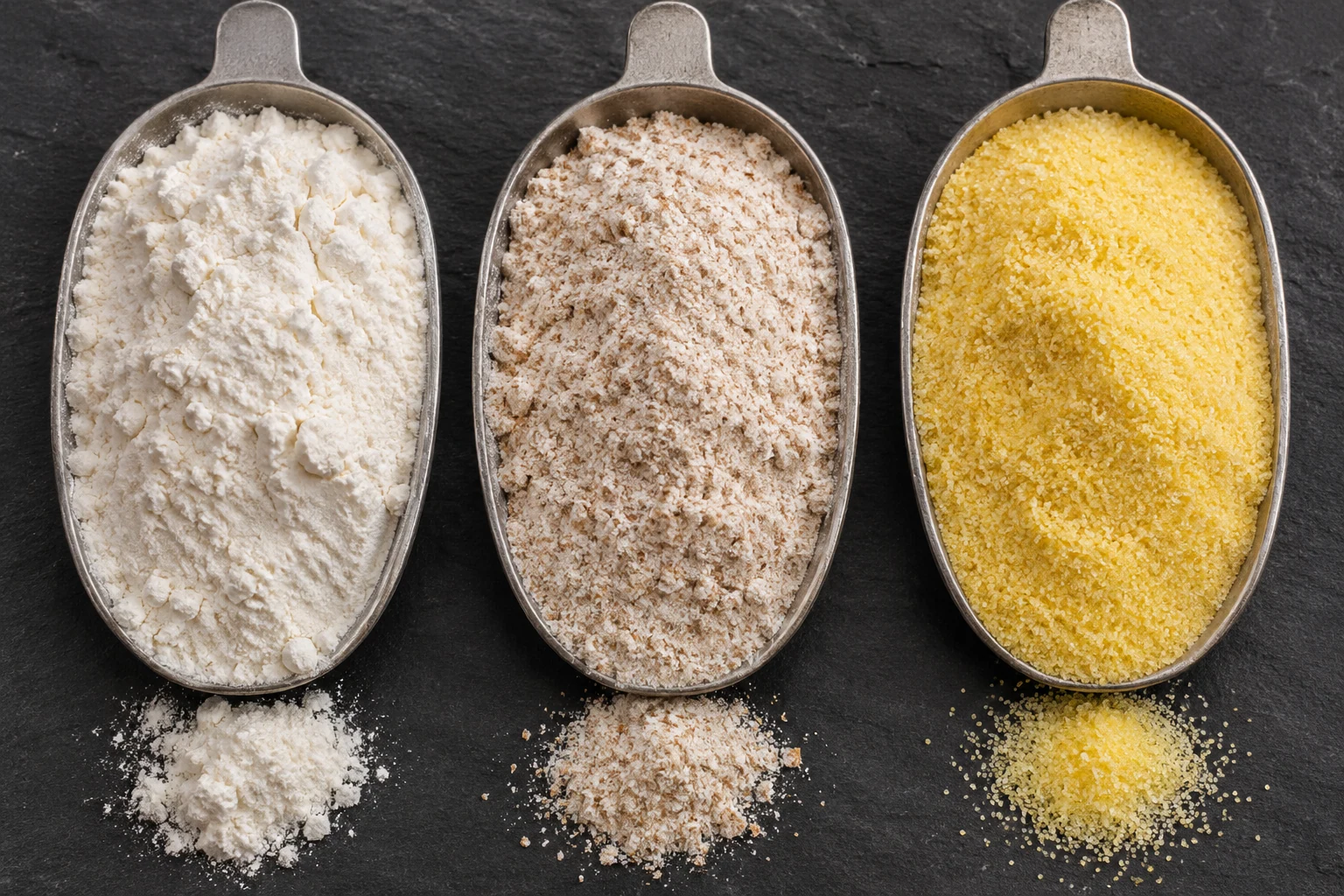
A spoonful can give you a clue. Plain wheat flour is a fine white powder, whole wheat often shows flecks of bran, and coarse semolina has visible golden grains. Bread flour and cake flour can look almost identical on the counter. Copy the name from the bag when you put either in a storage jar.
Plain flour and all-purpose flour
In a recipe from the UK, plain usually means standard white wheat flour. All-purpose, often shortened to AP, is the name most North American bakers see on the shelf. Bleached and unbleached bags can both be all-purpose. The word plain tells you nothing about bleaching, and neither bag supplies baking powder unless the label says so.
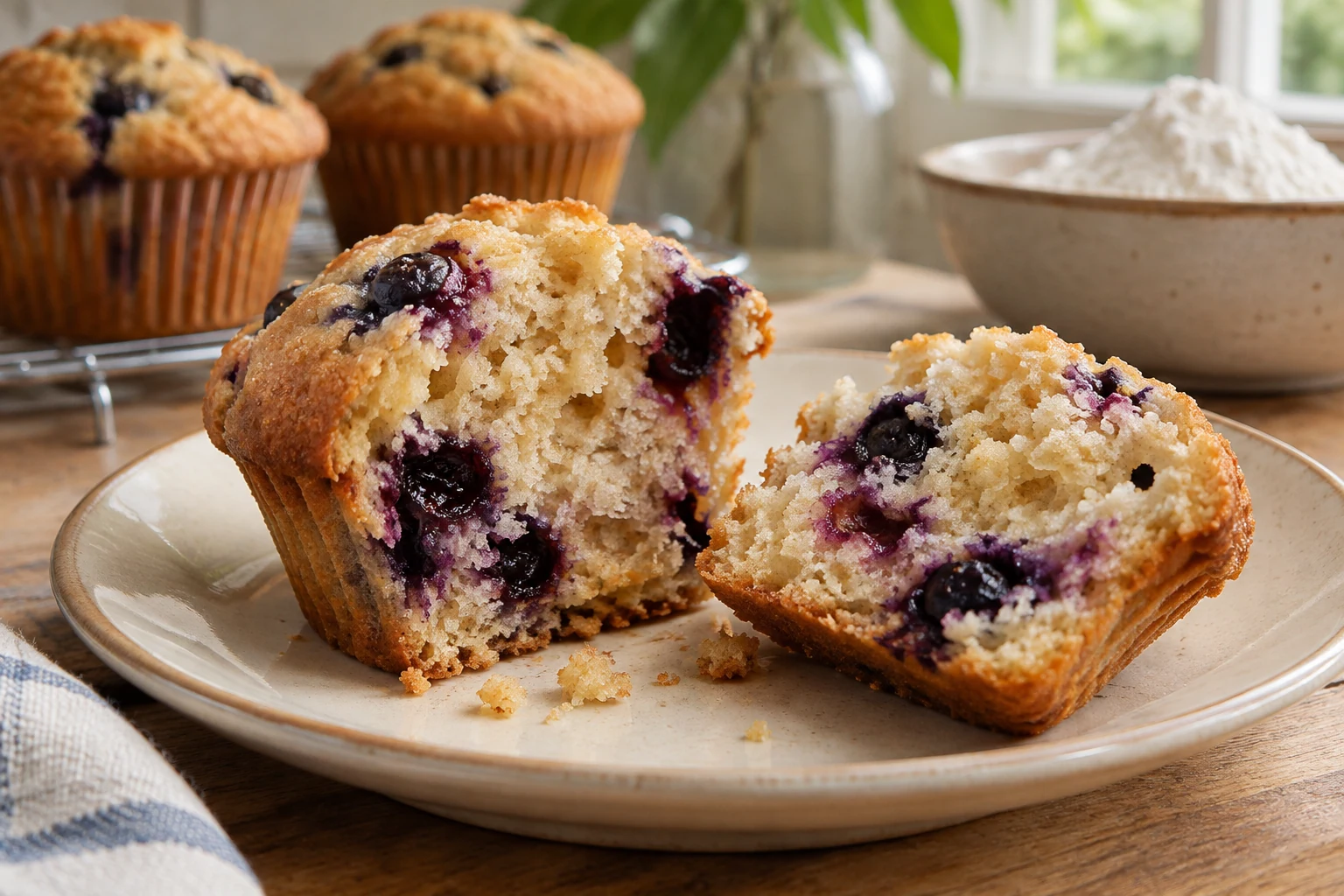
All-purpose is a useful first purchase because one bag can make two very different textures. In Blueberry Muffins, the batter is folded just until the dry streaks disappear. In Classic Chocolate Chip Cookies, the same kind of flour helps the dough hold its shape around the chocolate. Canadian all-purpose flour can be stronger than some American all-purpose or British plain flours, so keep an eye on the consistency described in the recipe when changing brands.
Bread flour and strong white flour
Bread flour generally has more gluten-forming protein than cake or pastry flour. Add water and give the dough time and mixing, and those proteins form a stretchy network. That network holds gas as the dough rises. It’s what lets you pull a soft slice of sandwich bread into shreds or bite through the chewy crust of a bagel.
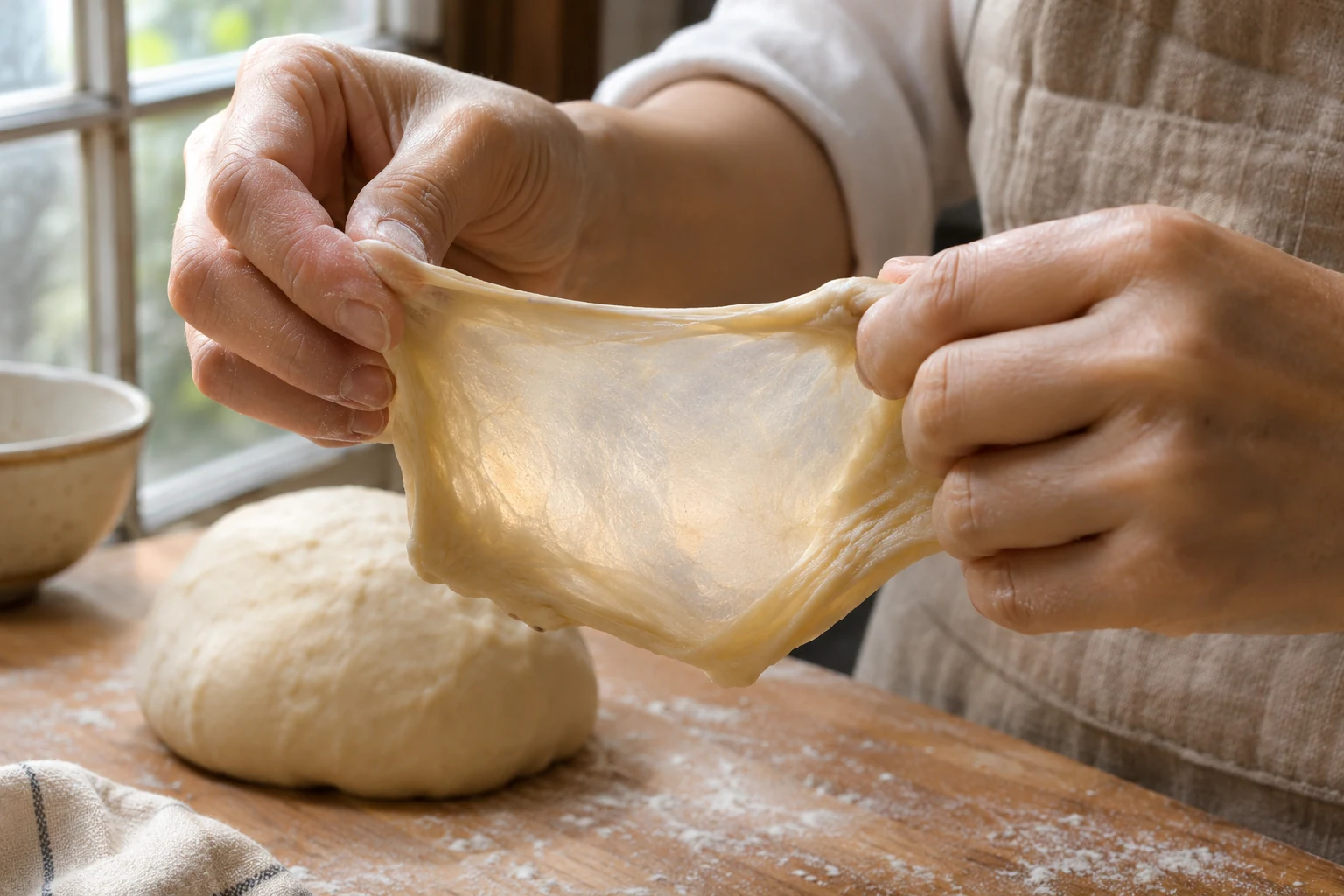
Classic White Sandwich Bread makes the naming especially easy. Its ingredient list calls for 500 g of bread flour and gives strong white flour as the other name. Sourdough Bagels also use bread flour. If your flour bag lists protein as a percentage, compare bags from the same mill where possible. Protein varies by brand, and kneading, water and fermentation still influence the finished loaf.
Cake flour for a fine, tender crumb
Cake flour is usually made from soft wheat and has relatively little gluten-forming protein. That gives a delicate sponge or layer cake room to rise and set with a fine crumb. Once the flour goes into the batter, follow the recipe’s mixing time. Extra beating at that stage can toughen a cake even when you bought the right flour.
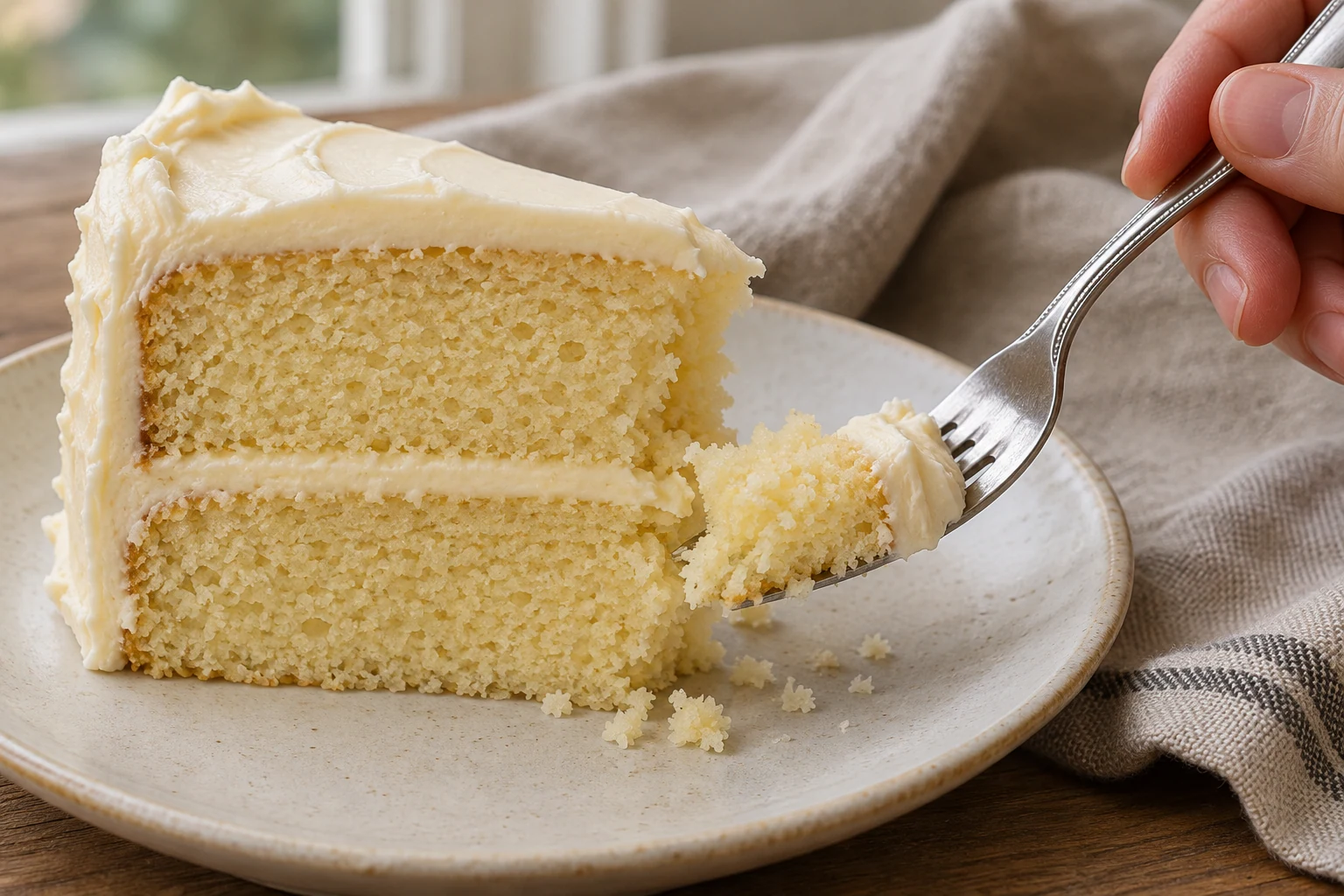
The Classic Vanilla Layer Cake calls for cake flour. For a recipe-specific substitution, Japanese Cotton Cheesecake gives an exact alternative for its 60 g of cake flour, using 55 g of all-purpose flour and 5 g of cornstarch. The recipe also lists a separate 20 g of cornstarch. Keep that second amount in your bowl whichever flour option you choose.
Pastry flour for pies, tarts and biscuits
Pastry flour is a soft wheat flour with a little more strength than many cake flours and less than many all-purpose flours. It helps a tart shell give way under a fork while still holding its filling. In Canada, you may also see a bag labelled cake & pastry flour. That blended-use label is handy for shopping, although its exact protein level depends on the mill.

Plenty of flaky crusts are written for all-purpose. The Apple Galette uses it in a free-form crust. If that’s the bag in your cupboard, use the recipe as written. Cold pieces of fat, a light hand with the water and chilling the dough give you more control over the flakes than changing the flour midway through the recipe.
Self-raising flour and self-rising flour
Both names describe wheat flour with raising agents blended in. British recipes usually say self-raising. American self-rising flour commonly includes salt, while British formulations often leave it out. Check the ingredient panel when baking a recipe from another country, especially if the recipe also lists salt.

Read the flour and baking powder lines together. Our Basic Scones call for 350 g of self-raising flour and an additional teaspoon of baking powder. Both are intentional. If you use plain flour and add only that final teaspoon, the baking powder normally supplied by the flour is missing. For a plain-flour scone or biscuit, pick a recipe that specifies that starting point. Our Buttermilk Biscuits use all-purpose and list their leavener separately.
Whole wheat and wholemeal flour
Whole wheat flour keeps the bran, which gives bread a fuller flavour and changes how much water the dough absorbs. Wholemeal is the familiar UK name. In Canada, some of the germ may be removed from whole wheat flour. Look for whole grain whole wheat on the label if you want all parts of the kernel. A whole wheat dough can feel quite different after a short rest, so give it the rest called for before deciding it needs a handful more flour.
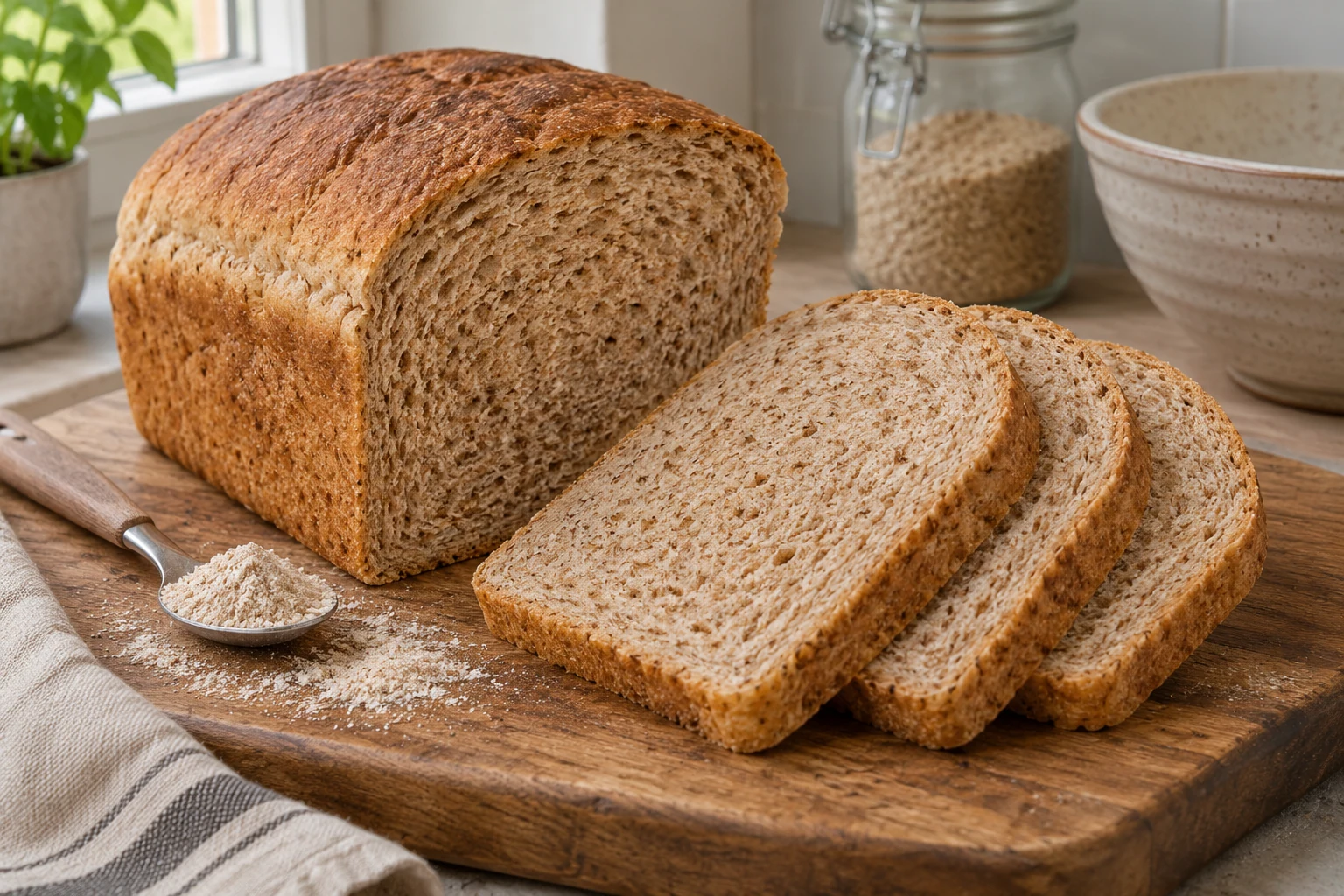
For a first sandwich loaf, try Honey Whole Wheat Sandwich Bread. Its 300 g of whole wheat and 200 g of bread or all-purpose flour give you a useful middle ground. For a loaf written entirely around the whole grain, Classic Whole Wheat Bread starts with 450 g of whole wheat flour.
Atta and maida in a South Asian pantry
Atta is the finely milled wheat flour commonly used for chapati and roti. Its fine texture makes it useful when you want to roll a small ball of whole wheat dough into a thin, flexible round. Maida is refined white wheat flour. The two can sit side by side in a grocery aisle and still produce quite different flatbreads.
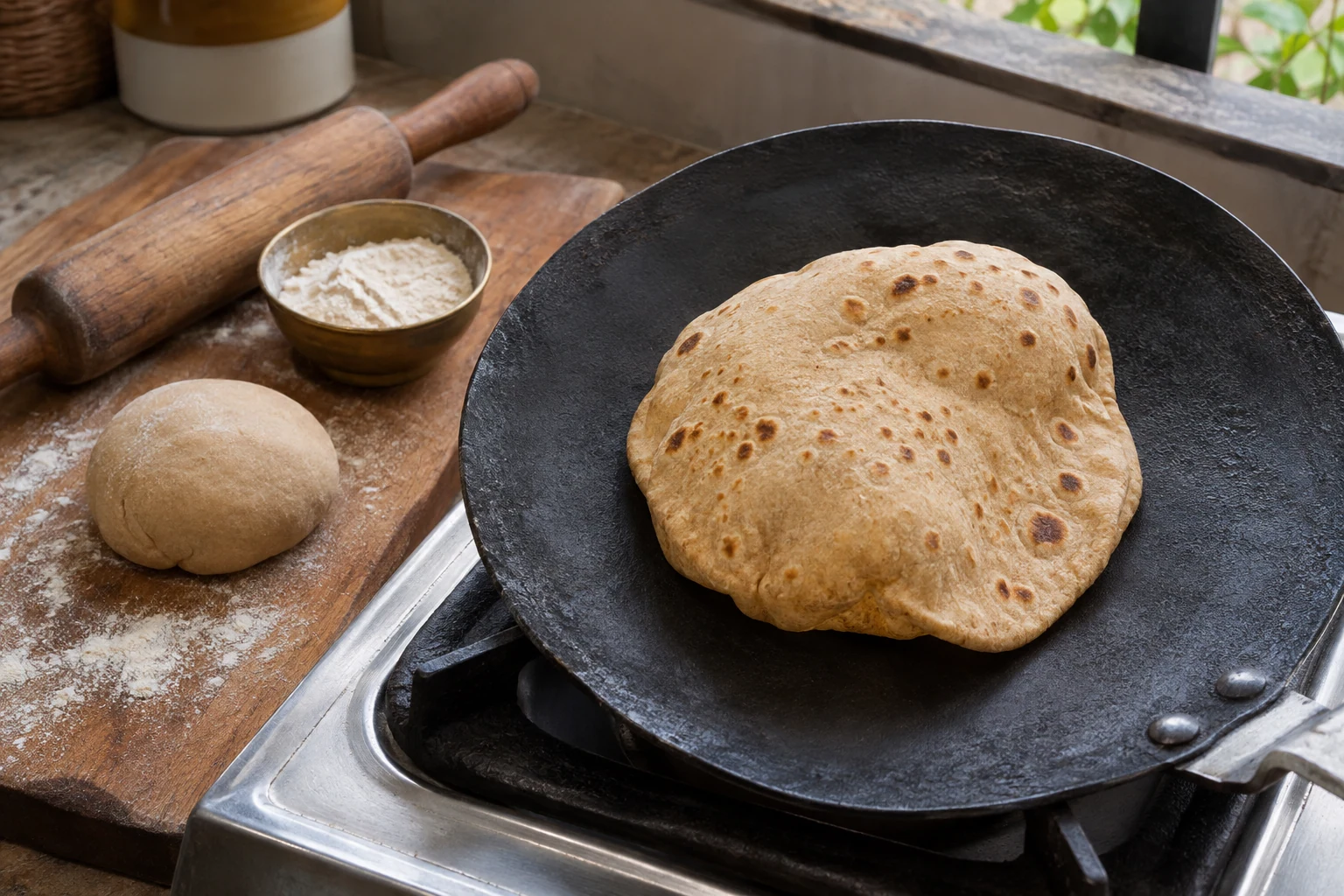
In Homemade Roti, the ingredient list names whole wheat atta. Use that as your cue if you’re picking between the two bags. Roll one roti first. If it springs back stubbornly, cover the remaining dough and give it a little more resting time before reaching for extra dusting flour.
Rye and spelt in a bread dough
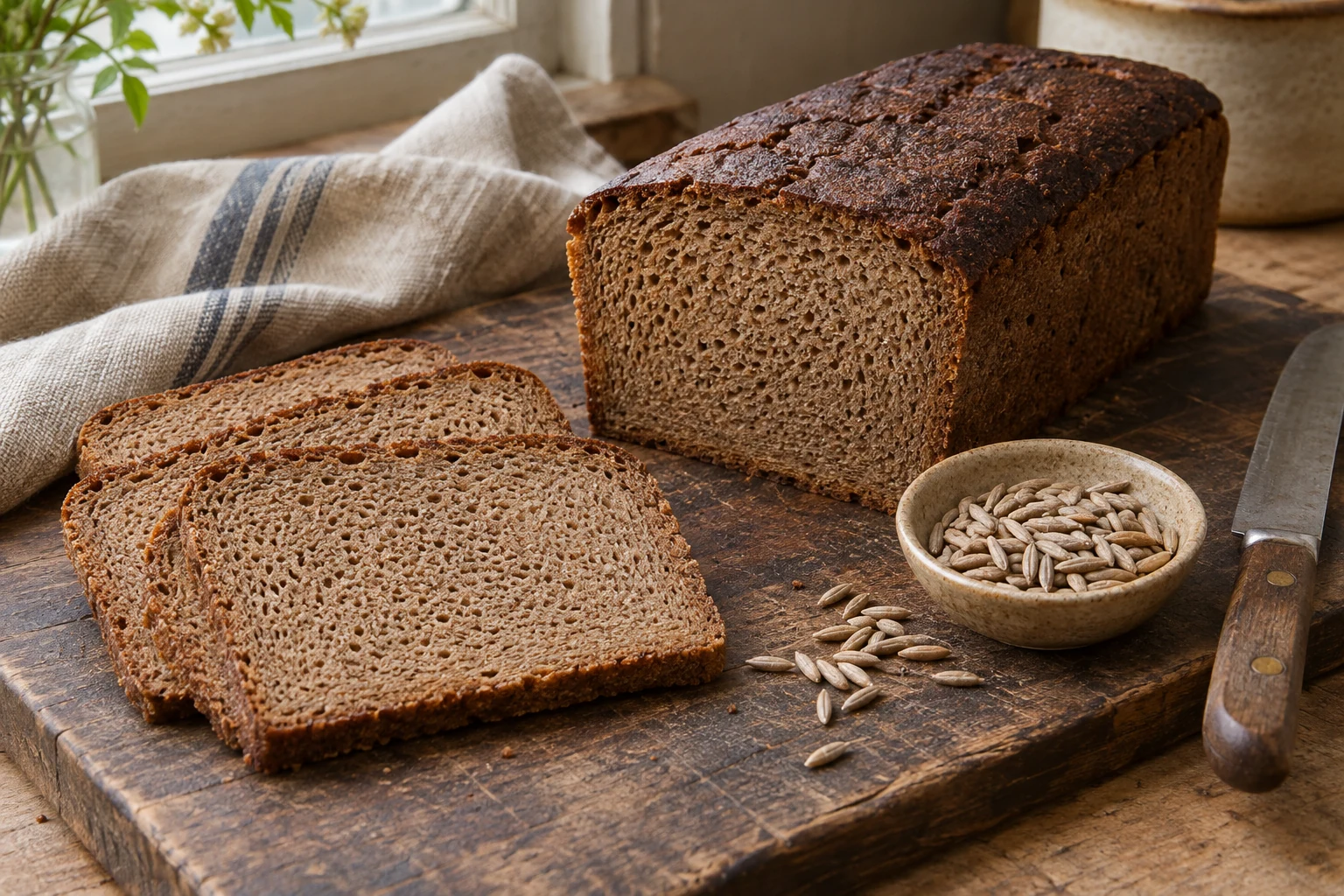
Rye brings an earthy flavour and a close, moist crumb. A rye-rich dough can feel sticky even when it has enough flour. Adding handfuls until it feels like white sandwich dough can leave a dry loaf. The Rye Bread on our site combines 300 g of medium rye with 200 g of strong bread flour, which helps the loaf hold its shape.
Spelt is a type of wheat. Its dough can stretch readily and feel more delicate during handling. In Spelt Bread, let the mixing and rising cues guide you. Both rye and spelt contain gluten.
Tipo 00 flour and durum semolina
Italian tipo 00 is a highly refined white flour. The number describes its milling classification. Two bags marked 00 can have different strengths and be intended for different jobs, so look for the mill’s recommendation for pizza, pasta or pastry. A bread flour can make an excellent pizza when the dough was developed for it.

Semolina is usually milled from hard durum wheat. Coarser semolina has a sandy feel, while finer grades can be used in dough. In Margherita Pizza, strong bread flour goes into the dough and semolina or cornmeal dusts the peel. That scatter of grains helps the base slide into the oven. It belongs under the pizza in this recipe.
Oat flour for a soft loaf or muffin
Finely ground oats give a bake a mild, toasty flavour and a soft crumb. Oat flour takes up moisture, but it cannot build the elastic wheat-gluten structure that holds up a baguette. Banana loaves and muffins are easier first projects because the rest of the batter helps bind the crumb.
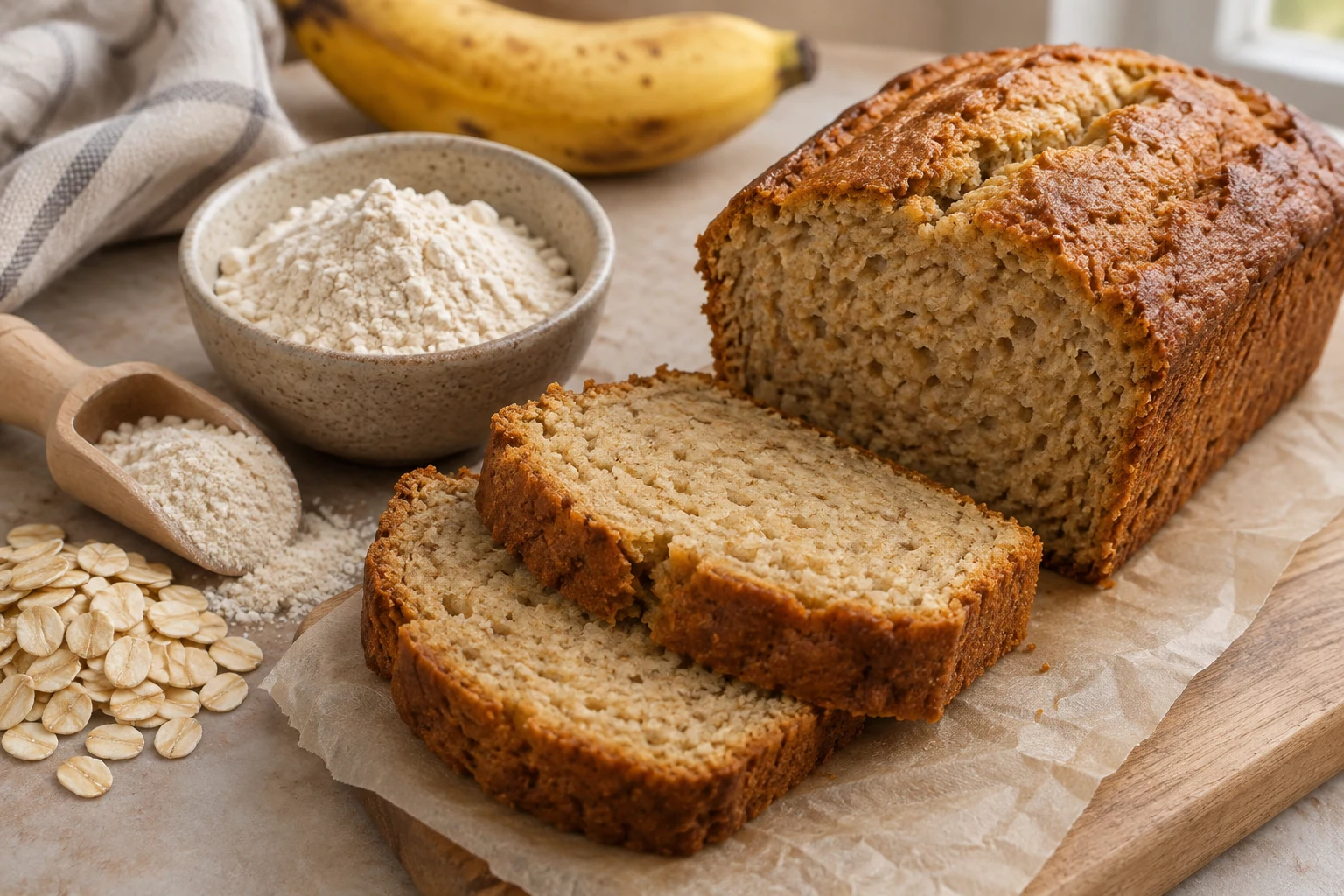
Oat Flour Banana Bread calls for 300 g of oat flour. If you grind rolled oats at home, grind them fine and weigh the flour after milling. For gluten-free baking, choose oats or oat flour labelled gluten-free and check the other ingredients as well.
Buckwheat for pancakes and spiced bakes
Despite its name, buckwheat is a seed from a different plant family than wheat. Its flour has an earthy flavour that works well with pumpkin, spice and chocolate. Colour varies with how much of the dark hull remains after milling.

Our Spiced Pumpkin Buckwheat Muffins use 100 g of buckwheat flour and 100 g of all-purpose. You get the buckwheat flavour and the structure of wheat in the same muffin. The finished recipe contains gluten, a good reason to read the entire ingredient list when choosing a bake for someone else.
Rice flour and sweet rice flour
Regular rice flour gives Akki Roti its distinctive texture. Sweet rice flour, also called glutinous rice flour or mochiko, comes from sticky rice and produces a much chewier bite.

The word glutinous refers to stickiness. In Mochi Donuts, sweet rice flour supplies chew and the recipe also contains plain wheat flour.
Cornmeal, cornflour and chickpea flour
Corn terminology changes when a recipe crosses the Atlantic. In a British ingredient list, cornflour usually means the white starch called cornstarch in North America. North American corn flour can mean very finely ground maize. Cornmeal is a coarser grind. Buy fine cornmeal for Classic Cornbread, which combines it with plain flour for a golden, slightly grainy crumb.
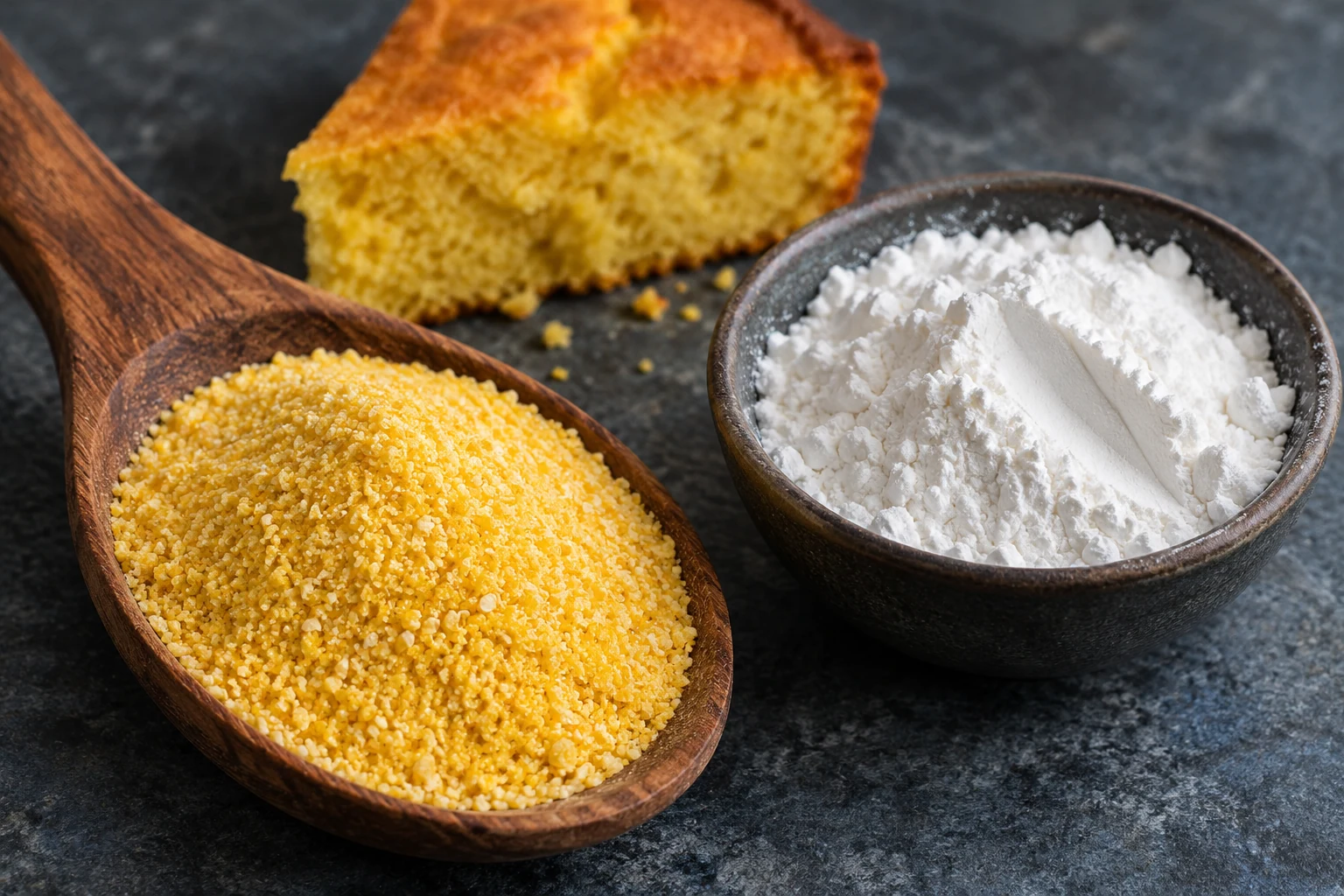
Chickpea flour has a distinctly savoury flavour. In South Asian shops, you’ll also see gram flour, or besan, made from ground split chickpeas. Socca shows what it can do with water and olive oil in a hot pan. For a flaky gluten-free crust, several flours can share the work. Our Vegan Gluten-Free Pie Crust combines almond flour, rice flour and tapioca starch.
Almond flour and coconut flour
Finely ground blanched almonds bring fat, flavour and a tender texture. Almond meal may be coarser and can include the skins, which matters in delicate bakes. In Almond Flour Brownies, fine almond flour works with eggs and melted chocolate to give the squares a rich centre.

Coconut flour is highly absorbent. An equal scoop in an almond-flour batter can turn a spoonable mixture into a stiff paste. For an idea of the proportions involved, Coconut Flour Cupcakes pair 100 g of coconut flour with six eggs and coconut milk. Use the whole coconut-flour recipe when that’s the bag you want to bake with.
What to do when you have a different flour
First, look for an alternative in the ingredient list. If a recipe gives two flours or an exact flour-and-starch mixture, use the stated weights. For a change between similar white wheat flours, weigh the flour, keep the rest of the recipe consistent and let a bread dough rest before judging its feel. With cakes, stick closely to the formula because a batter gives you fewer chances to adjust.
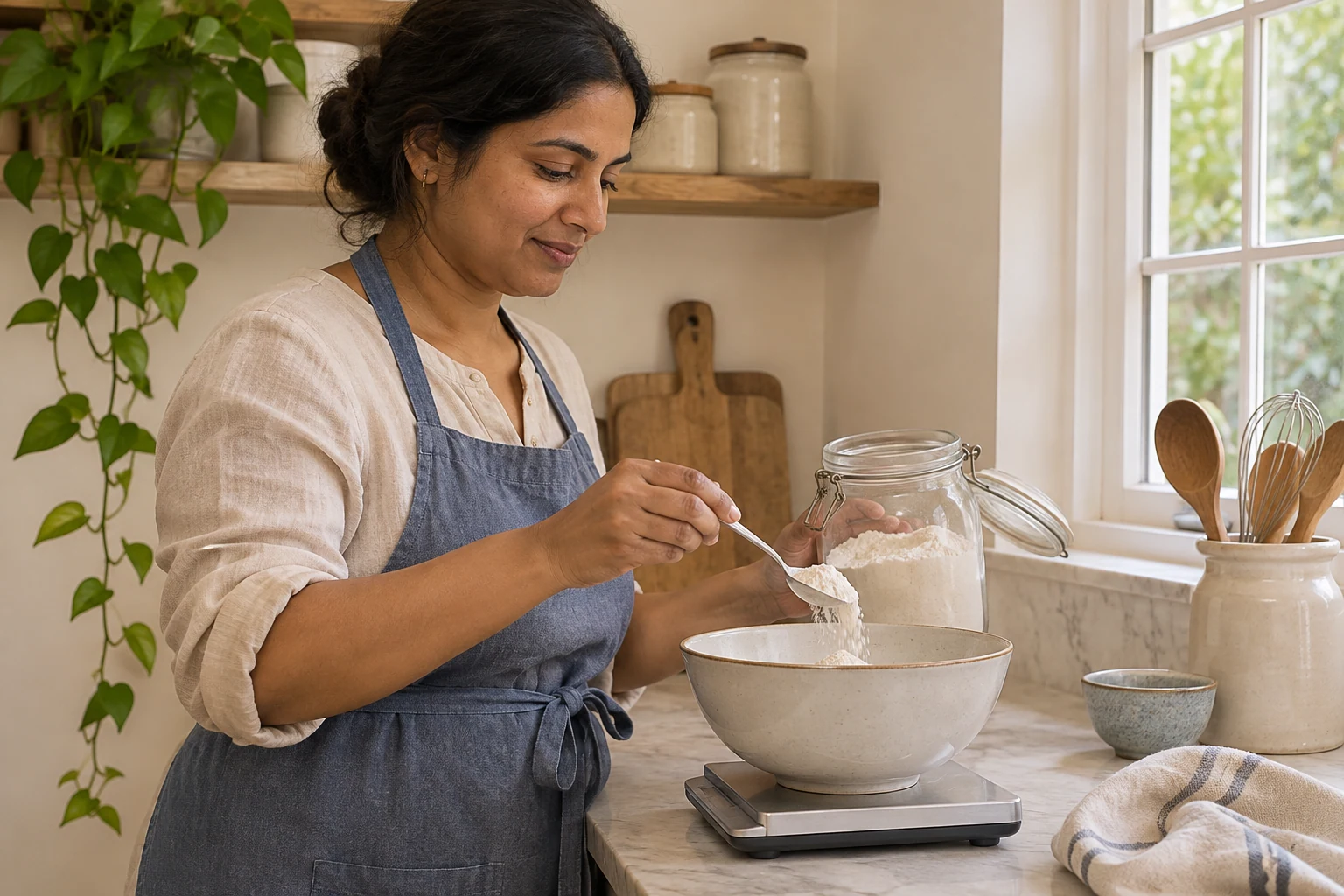
If you change from wheat to a nut, seed or gluten-free grain, start with a recipe developed for that flour. A blend sold as cup-for-cup may be intended for cookies and quick breads, while a yeasted loaf can need a different blend and binder. The bag’s suggested uses will help you decide.
If you bake only occasionally, a bag of plain or all-purpose flour will cover a tray of muffins, a batch of cookies and many pie crusts. Buy a second flour for something you already want to make. Bread flour for bagels, atta for roti or cake flour for a birthday cake gives that new bag a job from the day you bring it home.
IN PICTURES
From the baking notebook
FROM THE RECIPE BOX


