On this page
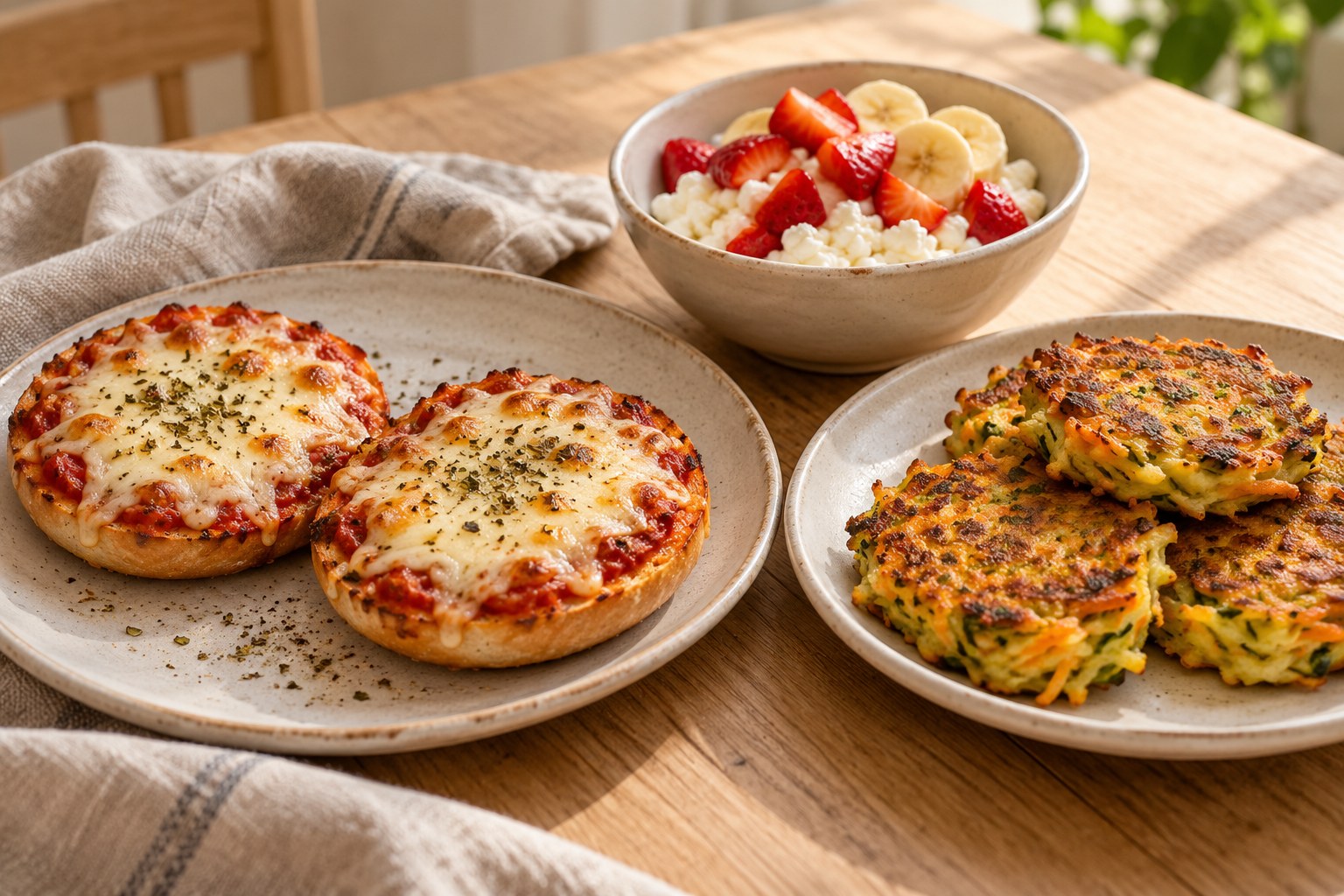
Feeding a family is not a contest to get everyone to love the same food. One child likes crisp edges, another wants soft textures, and a third wants every component served separately. A useful kid-friendly recipe collection offers choices rather than declaring that a dish is universally “kid-approved.” This guide brings together more than 55 existing What’s Baking? recipes, arranged around how families actually cook: weekday breakfasts, packable lunches, prepared snacks, customizable dinners, and occasional special drinks.
A note about the headline: “Healthy” does not describe every recipe here. Some entries are desserts, sweetened drinks, deep-flavoured comfort foods or celebratory snacks. They can be enjoyed as part of an overall varied eating pattern, but calling ice-cream milkshakes, frosted cakes or processed meats healthy would be misleading. The useful distinction is between everyday meal components and sometimes foods, with portions and ingredients tailored to each child.
How to use this roundup: Click a recipe name for the actual ingredients and method. Do not assume a title proves a recipe is gluten-free, nut-free, vegetarian or ready in fifteen minutes. Read the ingredient list, review cross-contact warnings for allergies, and follow safe temperatures and cooling instructions. When an item appears under a section such as snacks, that means it can be eaten as a snack—not automatically that it is no-bake.
Start with a family-friendly approach, not a complicated meal plan
The most dependable meals offer a familiar element alongside something new. It may be toast beside eggs, plain rice beside a curry, or a favourite fruit alongside an unfamiliar vegetable. Allowing children to choose from age-appropriate components can reduce battles without requiring a separate complete dinner for each person. A child can participate by washing produce, choosing a dip or placing toppings in bowls, while an adult handles knives, ovens and hot pans.
Balance also matters beyond any single snack. Breakfast might include a grain, a protein food and fruit. Lunch might pair a hearty sandwich or bowl with colourful vegetables and water. Dinner might combine protein, vegetables and an appropriate grain or starchy food. There is no need to turn a cookie recipe into a health claim or conceal every vegetable. Talk about ingredients openly and invite children to explore without pressure.
Seven breakfast recipes worth putting on rotation
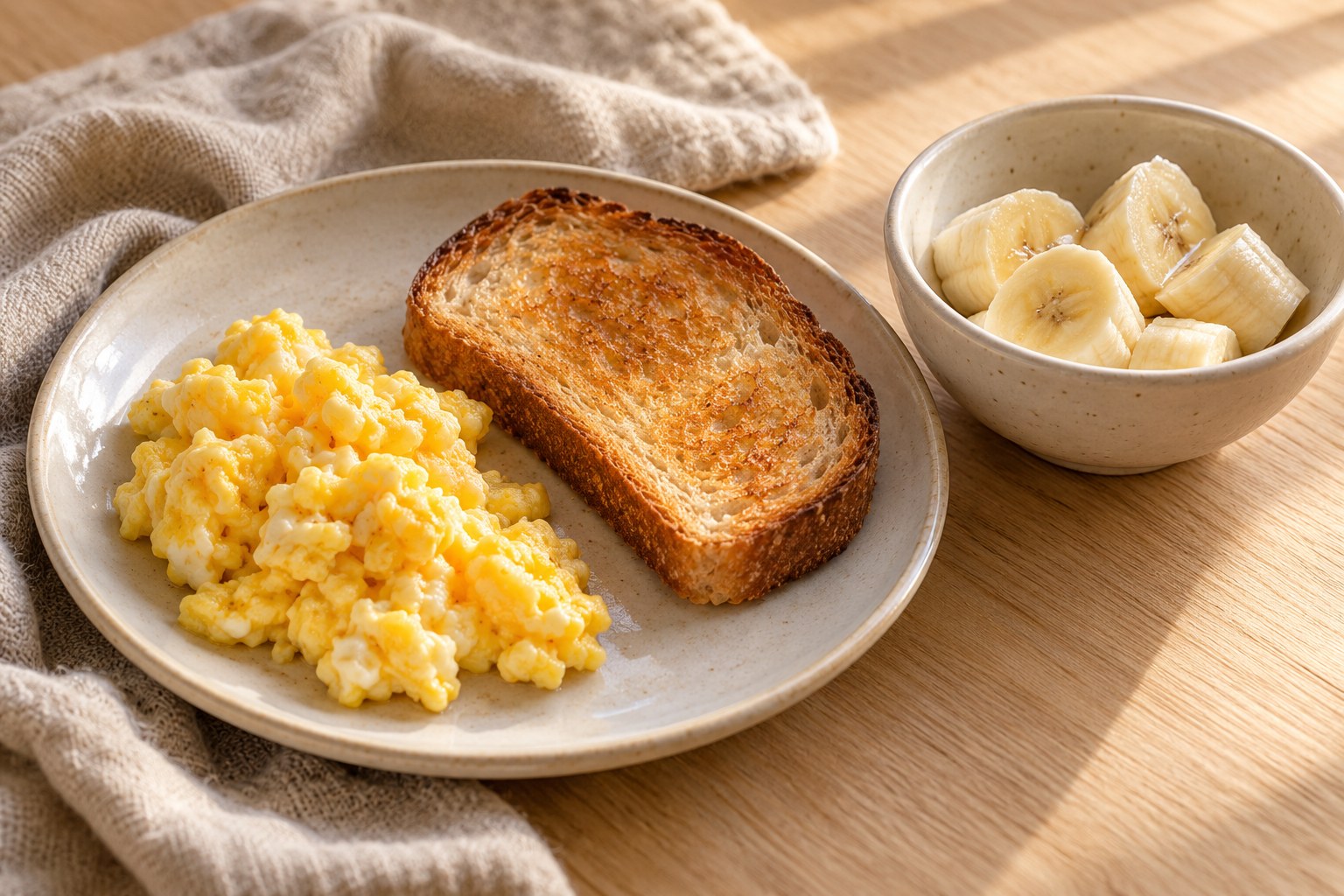
Breakfast can be easier when you alternate sit-down dishes with meals that reheat well. Keep portions manageable, offer water, and use toppings to let children adjust flavour and texture. A breakfast baked in a muffin tin may be convenient, but a sweet muffin alone does not have to carry all the nutritional responsibility of the meal.
Breakfast recipe-by-recipe notes
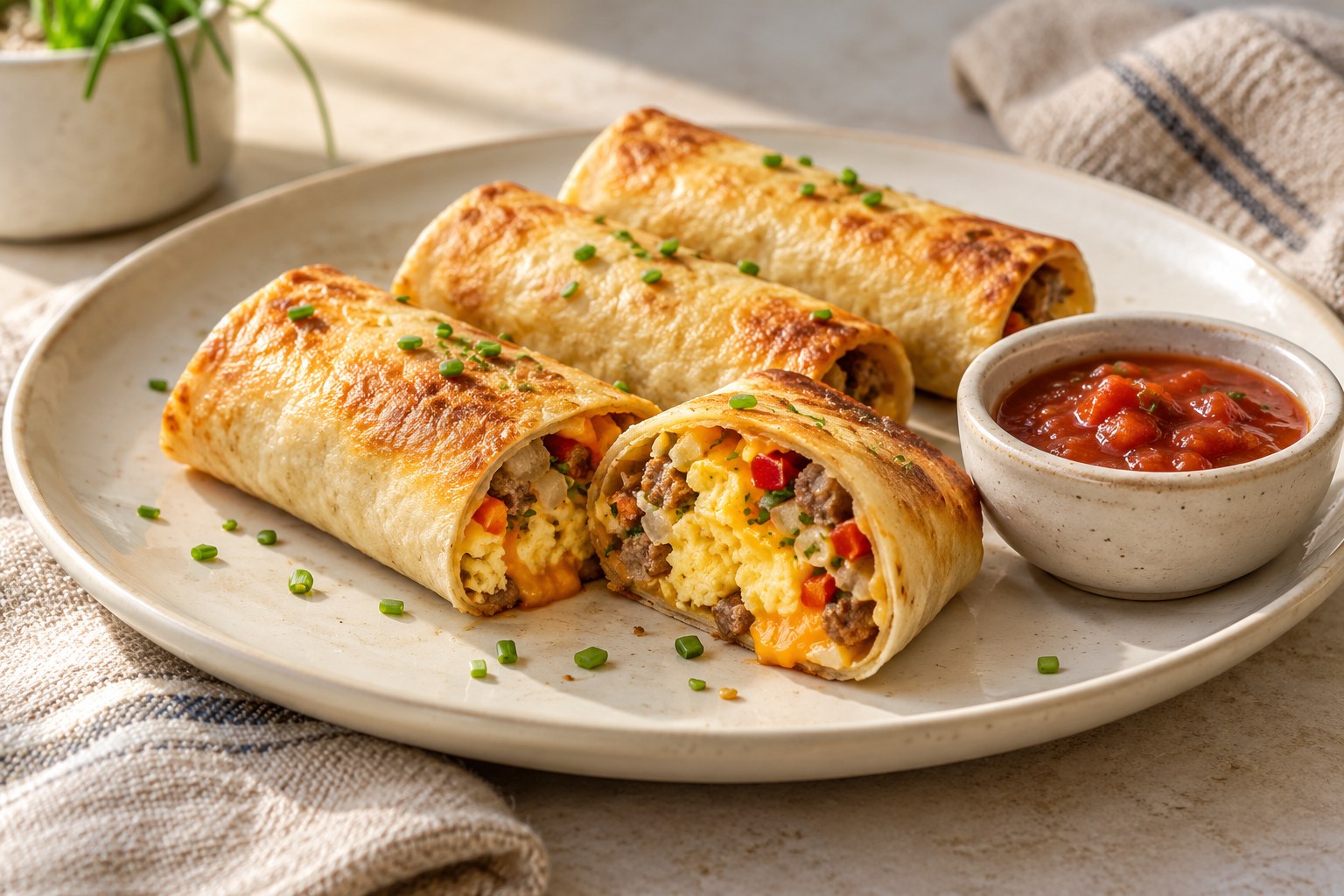
1. Breakfast Taquitos
Egg-and-cheese-filled tortillas are useful when a hand-held breakfast feels easier than a plate. Let the filling cool before wrapping and confirm the exact vegetables in the linked recipe.
2. Chocolate Veggie Muffins
A chocolate-flavoured muffin can be a cheerful baked component, but do not promise it is low in sugar or that vegetables are undetectable. Offer a protein food or fruit alongside.
3. Cottage Cheese with Fruit or Honey
This link leads to cottage cheese with fruit or honey, not cottage-cheese muffins as the original roundup said. It is a quick bowl that can be served with toast.

4. Flourless Banana Pancakes
Banana pancakes make a gentle-tasting breakfast; check the recipe before calling them three-ingredient or gluten-free, particularly when managing cross-contact with wheat.
5. Greek Yogurt Pancakes
Greek yogurt brings moisture and tang to pancakes. Serve small pancakes with fresh fruit and let each child decide whether syrup is wanted.
6. Protein-Packed Egg Bites
Egg bites work well in batches and reheat easily when fully cooked and refrigerated promptly. Adjust toppings according to allergies and preferred textures.
7. Sweet Potato Waffles
Waffles are easy to portion and can be paired with yogurt or fruit. Sweet potato changes colour and tenderness but does not mean every waffle is automatically fibre-rich or sugar-free.

Lunchbox choices that pack more reliably
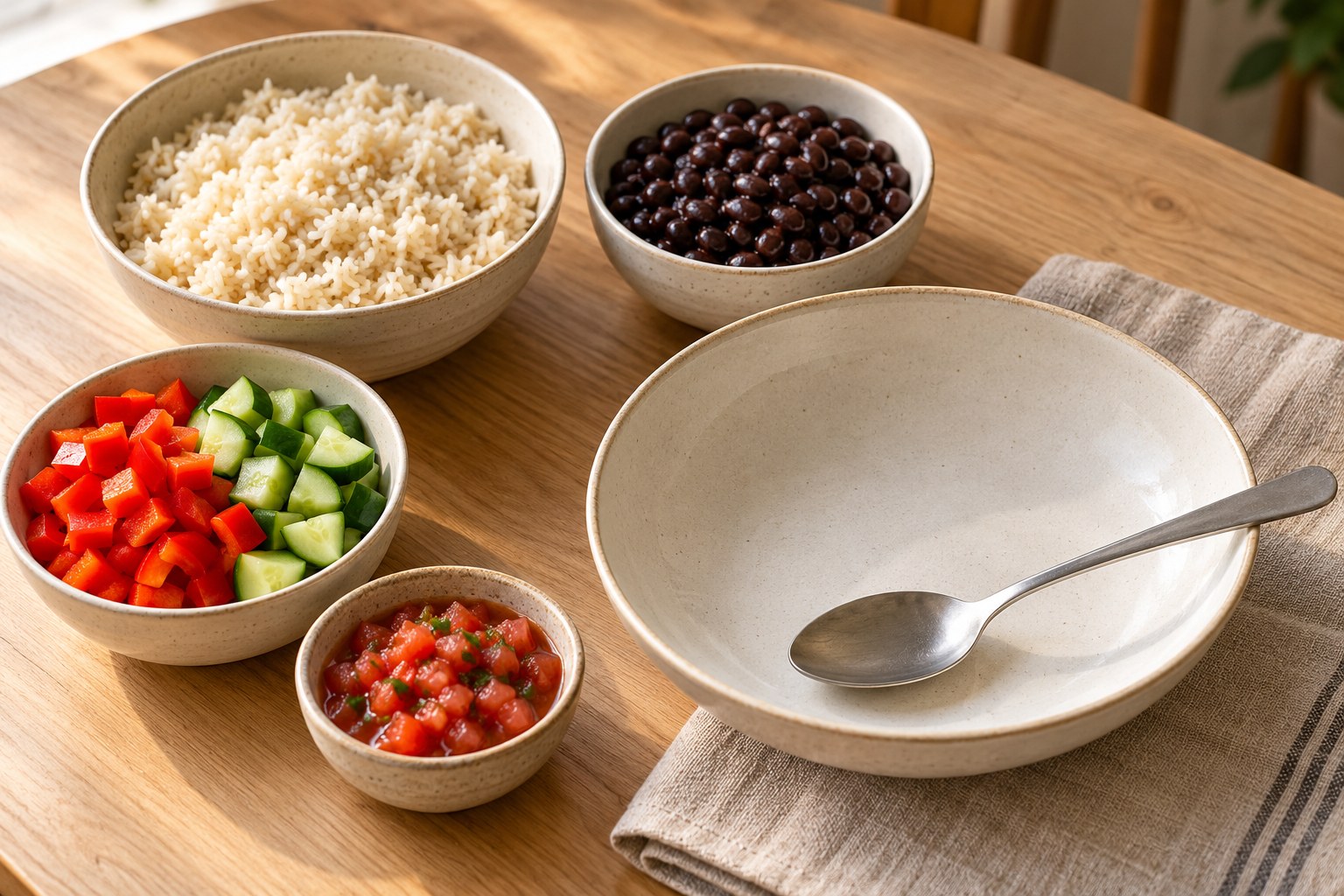
1. Build-Your-Own Burrito Bowls
Pack grains, beans or another protein, vegetables and sauce separately if the child dislikes mixed textures. Perishable components belong in a chilled lunch bag.
2. Build-Your-Own Taco Bowls
Arrange toppings in individual containers for a choose-your-own lunch. Crispy pieces stay crisper when stored away from salsa or wet vegetables.
3. Grilled Cheese
A familiar cheese sandwich is approachable, but it contains dairy and usually wheat. For packing, consider a chilled version with appropriate refrigeration rather than leaving a hot sandwich unrefrigerated.
4. Hidden-Broccoli Mac & Cheese
The title highlights broccoli, but presenting the vegetable honestly builds familiarity. Pasta dishes with dairy should be cooled promptly and transported cold.
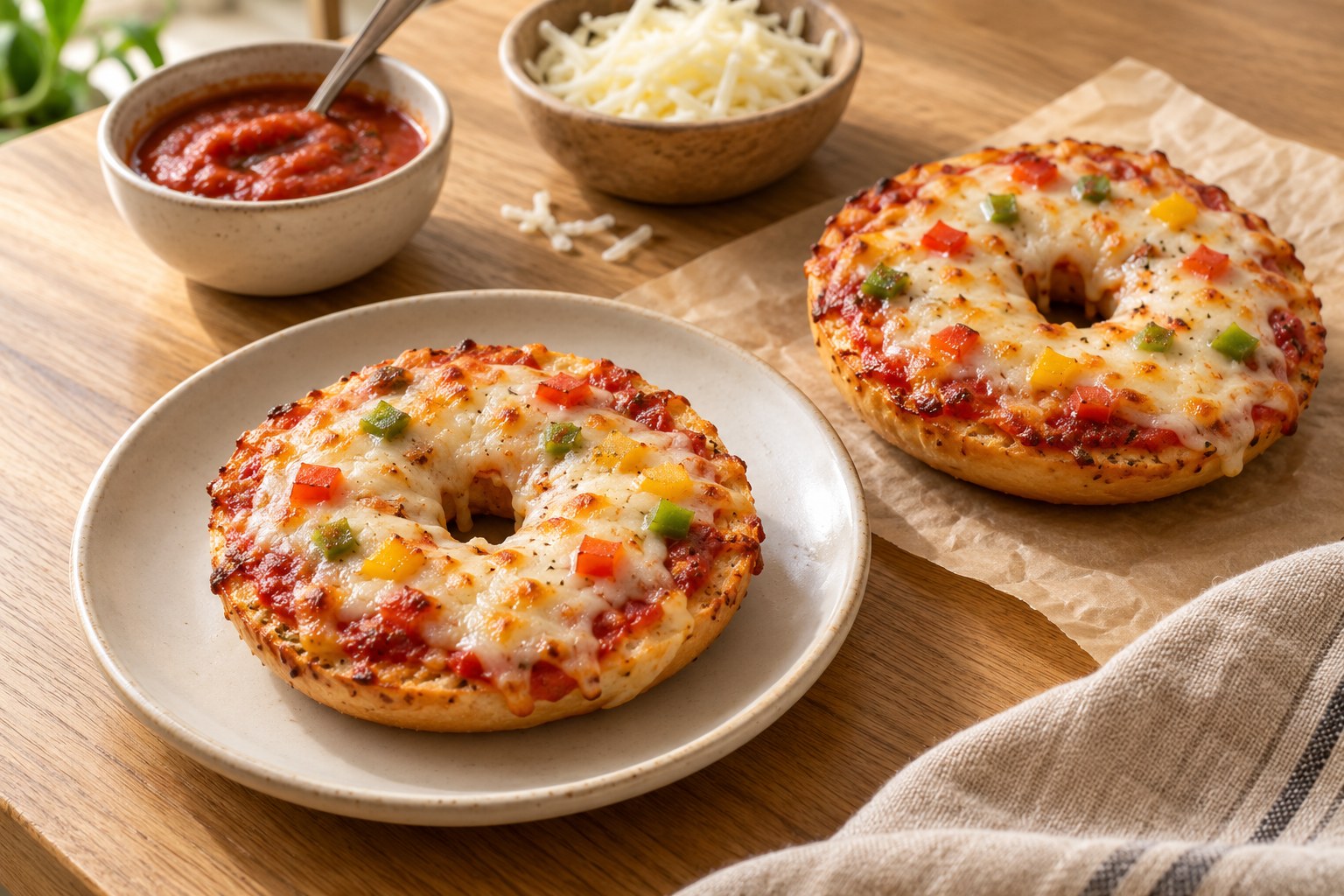
5. Homemade Pizza Bagels
Make a little assembly station with sauce and chosen toppings. Cheese, meat and other perishable toppings require proper chilling for a school lunch.
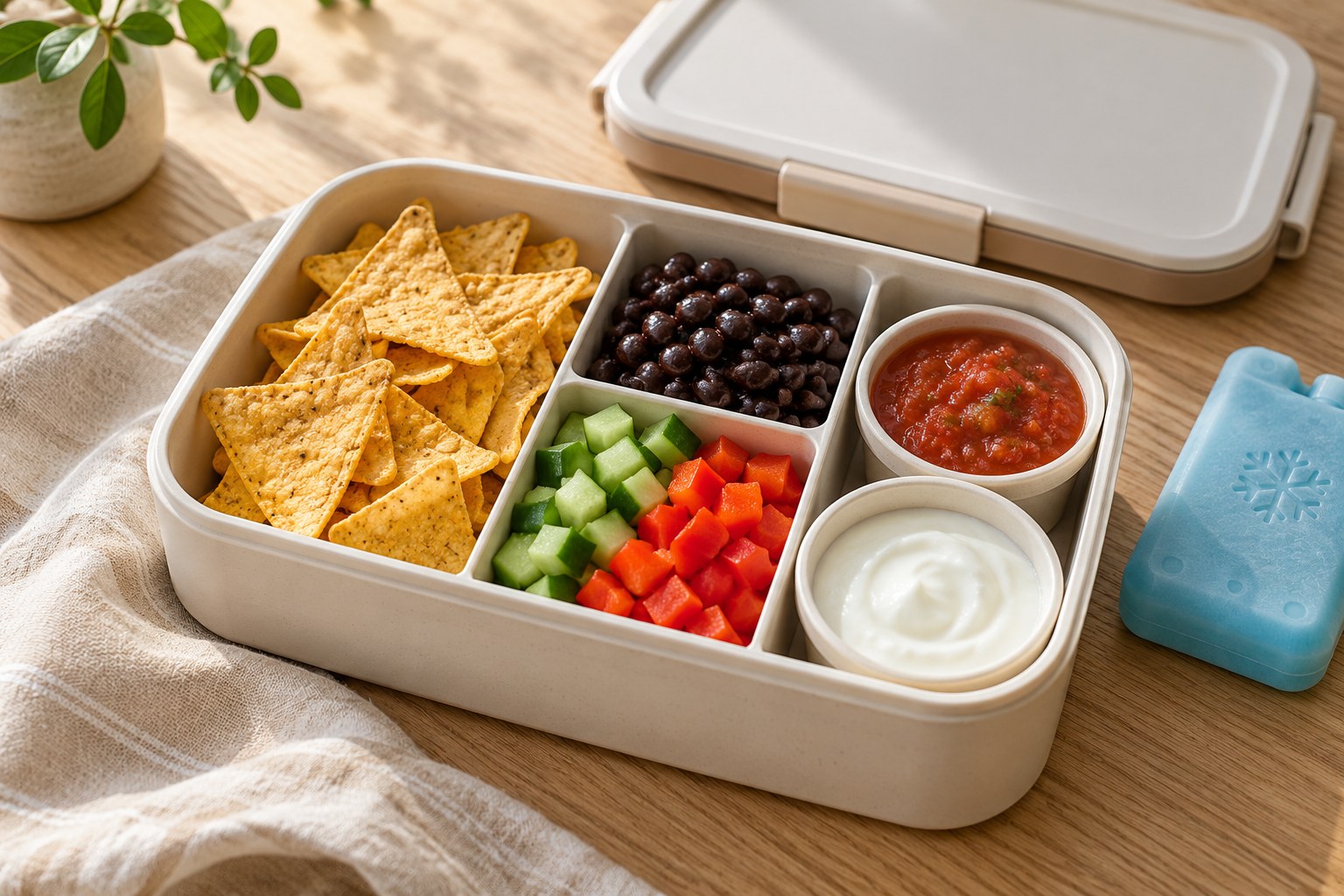
6. Nacho Bites Bento
Crunchy chips or bites, beans, vegetables and dip work best separated until eating. A divided lunchbox prevents the crisp pieces from becoming soggy.
7. Pepperoni Pizza Sliders
These are a substantial, sometimes-food sandwich option rather than an automatic everyday nutrition win. Offer fruit and vegetables beside the slider.
Twenty snack ideas: Some no-bake, some definitely baked
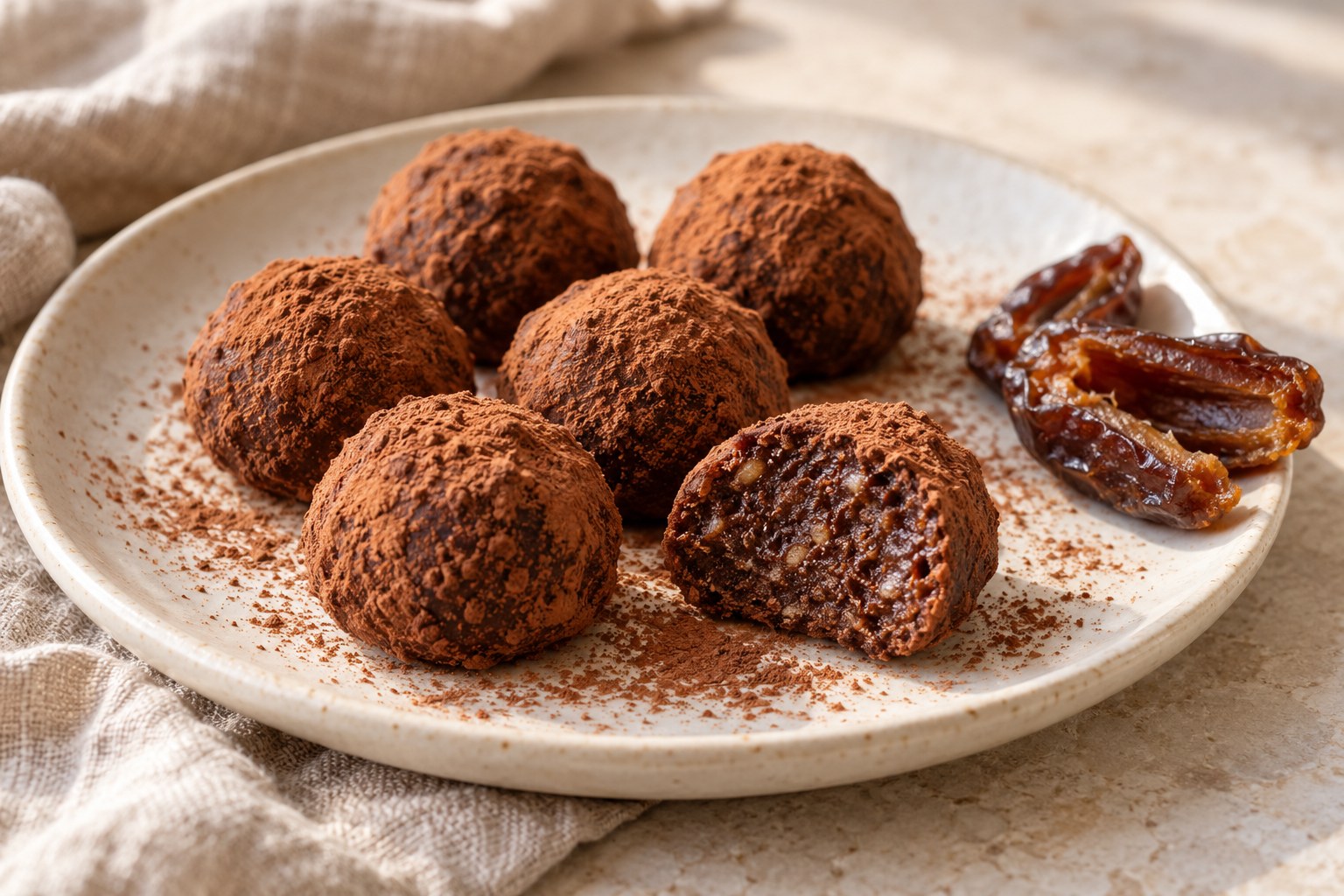
1. Date-Chocolate Balls
Soft dates and cocoa create chewy bites. Check all add-ins and any added sweeteners; make pieces age-appropriate rather than assuming balls are safe for toddlers.
2. Mini No-Bake Power Bites
The published recipe includes peanut or almond butter, chopped almonds and small mix-ins. It is not nut-free; use only where the setting allows these ingredients.
3. No-Bake Chocolate Oat Bars
These bars are assembled without baking but the published method uses heat on a stovetop. Adults should manage the hot mixture and note its peanut-butter content.
4. Walking Tacos
Keep the crisp component separate until serving and let children build their own portions. Check the linked filling for ingredients that need refrigeration.
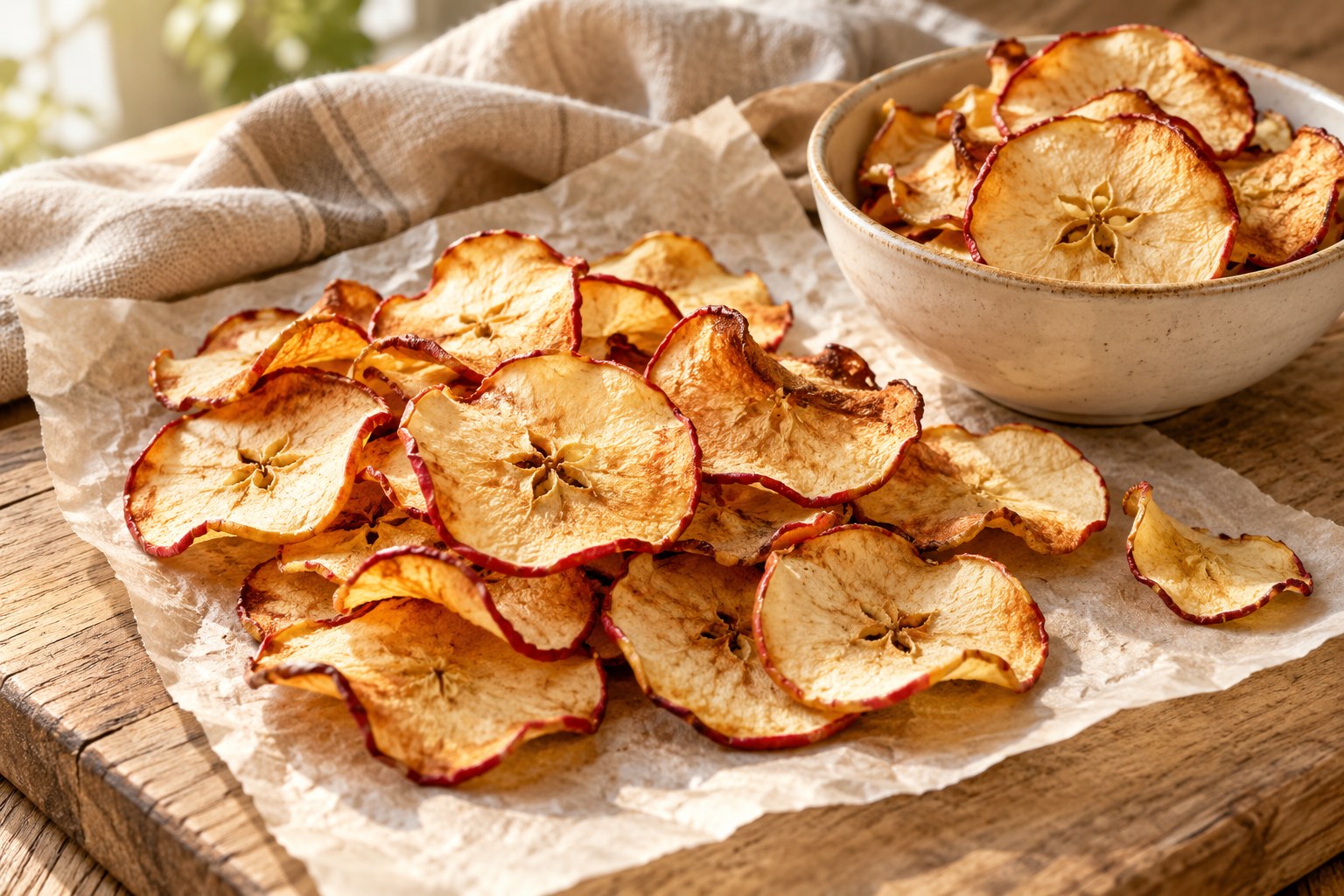
5. Apple Chips (Baked)
These chips are baked, despite their position in the old no-bake section. Treat them as a make-ahead crisp snack, not a no-cook project.
How to decide whether this belongs in a school lunch: Check the actual ingredients, the child’s age and the school’s allergy policy. Dairy, egg, wheat, nuts, sesame and seeds can change whether a seemingly simple snack is suitable. A “nut-free” title alone cannot guarantee the absence of cross-contact.
6. Apple Sandwiches with Sunflower Butter & Raisins
Sliced apples and sunflower butter are simple to assemble. Raisins and thick spreads need age-appropriate serving adjustments, and seed butters are not universally allergy-safe.
7. Chocolate-Cornflake Cookies
A crunchy chocolate treat belongs in the occasional-sweets category. Confirm the method rather than assuming every cornflake cookie is oven-free.
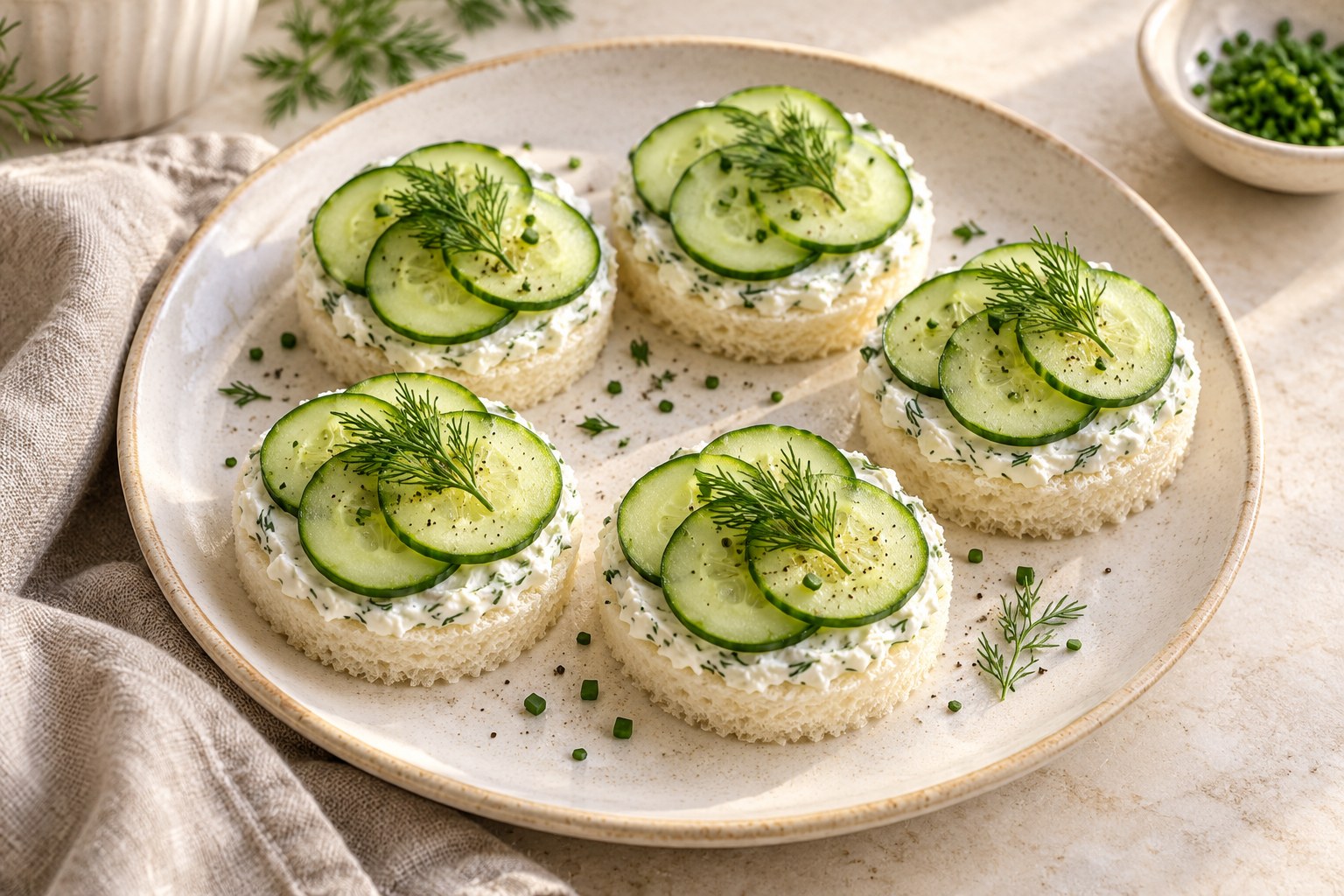
8. Cucumber Sandwich Bites
Small sandwiches make a refreshing savoury snack. The published version uses cream cheese and wheat bread, so it is neither dairy-free nor gluten-free as written.
9. Frozen Yogurt Bark with Fruit
This colourful bark is made with Greek yogurt and fruit; nuts can appear among the optional toppings. Keep frozen until serving, and offer small, manageable pieces.
10. Mini Carrot & Zucchini Fritters
Fritters offer a savoury way to use grated vegetables, but they are cooked, not a no-bake snack. Serve with a familiar dip if helpful.

11. Mini Muffins: Banana, Zucchini or Apple
These baked mini muffins contain eggs, milk and wheat. Optional flavour additions and manufacturing cross-contact matter when packing for schools.
How to decide whether this belongs in a school lunch: Check the actual ingredients, the child’s age and the school’s allergy policy. Dairy, egg, wheat, nuts, sesame and seeds can change whether a seemingly simple snack is suitable. A “nut-free” title alone cannot guarantee the absence of cross-contact.
12. No-Bake Coconut-Date Bites
Date-and-coconut bites can be made ahead. Their sticky texture makes serving size and chewing ability important for younger children.
13. No-Bake Sunflower Butter Energy Balls
These are an alternative to peanut-based snack balls, but only the actual ingredient label and school policy determine whether they suit a specific allergy restriction.
14. Oatmeal Jam Bars
Jam bars are a baked sweet, suitable as an occasional lunchbox treat. Let them cool completely before slicing and pack away from wet fruit.

15. Oaty Cereal Bars (Nut-Free version)
Despite the name, the recipe calls for baking and includes seeds, butter and honey. It is not a no-bake or vegan recipe as written.
16. Savory Scones: Cheddar & Chive
Serve savoury scones with soup or cut vegetables. They are baked and generally contain dairy and wheat, which should be confirmed in the recipe.

How to decide whether this belongs in a school lunch: Check the actual ingredients, the child’s age and the school’s allergy policy. Dairy, egg, wheat, nuts, sesame and seeds can change whether a seemingly simple snack is suitable. A “nut-free” title alone cannot guarantee the absence of cross-contact.
17. Soft Pretzel Bites
A fun dough-shaping project for supervised children, but the recipe includes boiling-water treatment and oven baking that adults must handle.
18. Homemade Cheese Crackers
The linked recipe makes baked cheese crackers and also lists cheese cubes. It is not merely an instruction to place cheese beside store-bought crackers.

19. Veggie Dip Cups
Portion a dip with age-appropriate cut vegetables, letting kids dip rather than mixing everything together. Chill yogurt- or dairy-based versions.
20. Homemade Yogurt Pouches
Reusable pouches can offer portable yogurt, but clean equipment carefully and keep the filled pouches cold until consumed.
Dinners that give families flexible options
1. Air-Fryer Hot Dogs
A quick meal for an occasional busy evening. Hot dogs require age-appropriate cutting to reduce choking risk, especially for young children.
2. Burrito Bowls
Build this from a grain or other base, beans or protein, vegetables and a topping. Serve components separately for selective eaters.
3. Chicken Alfredo Pasta Bake
Creamy pasta bakes are convenient for leftovers but require proper cooling and reheating. Pair with vegetables and avoid calling them universally balanced.
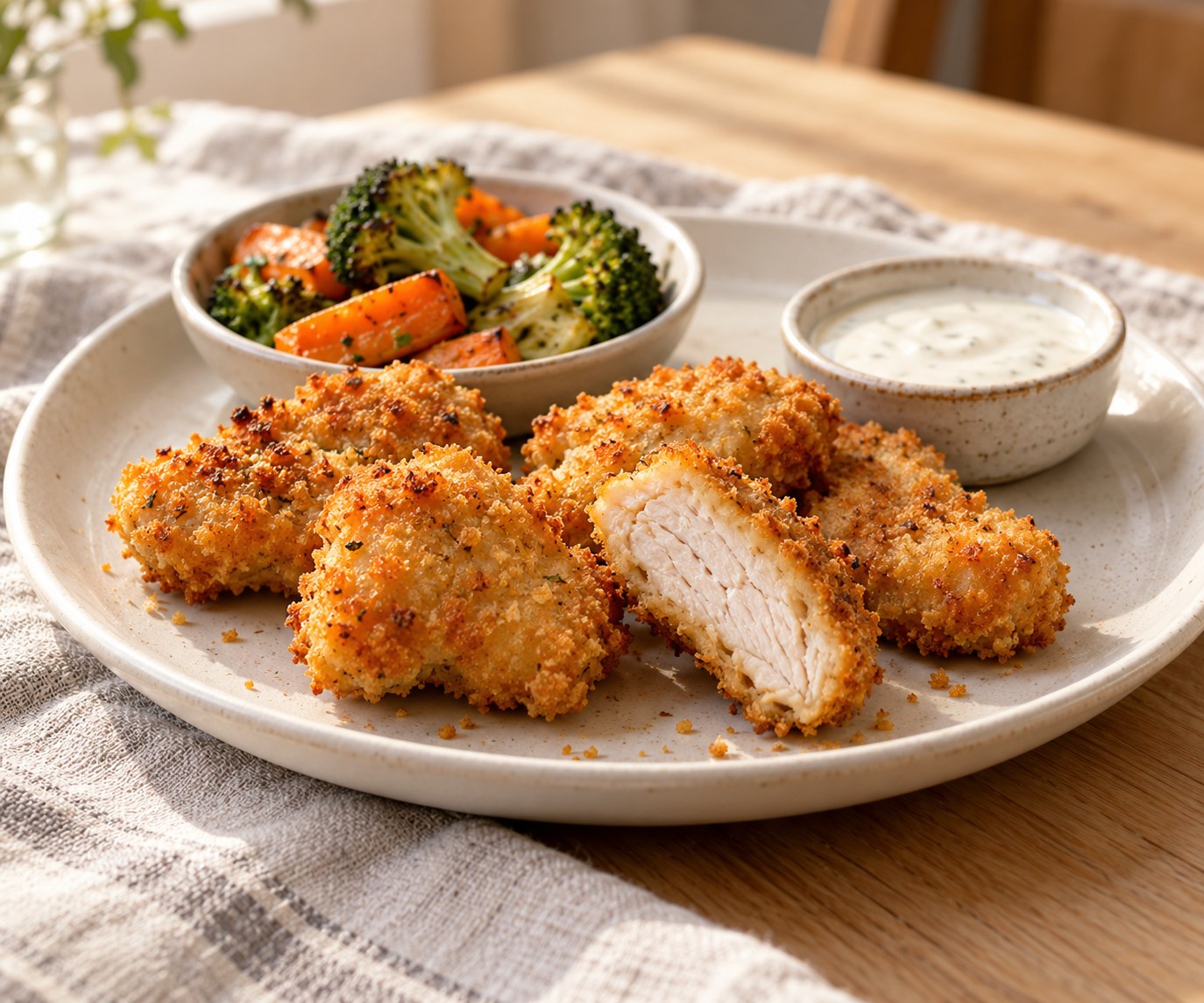
4. Homemade Chicken Nuggets
Nuggets can provide a familiar texture. Follow the published cooking instructions and confirm poultry is cooked safely, rather than guessing by colour alone.
5. Chicken Pasta Bake
A useful batch dinner that can be divided into portions. Cover, refrigerate promptly, and reheat leftovers thoroughly.

Family serving tip: Offer a small serving first, with one familiar side and the option for more. Children’s appetites vary considerably from day to day. Letting them ask for seconds can work better than insisting on a large plate.
6. Chicken Taquitos
Hand-held taquitos are appealing for some children. Let hot fillings cool and offer mild toppings separately.
7. Chili Dogs
A hearty game-day meal that can be messy for little hands. Check the heat of the chili and cut sausages appropriately for age.
8. Cheeseburger Casserole
Serve a smaller scoop with a familiar vegetable or fruit. Treat this as comfort food instead of making unsupported health promises.
9. Chicken & Dumpling-Shaped Stew
A soft-textured, spoonable option for colder evenings. Offer cooled servings, check ingredients, and keep the pot covered and refrigerated after dinner.
10. Keto Creamy Tuscan Salmon
The old guide mislabeled this as “Easy Salmon Curry.” It is a different published salmon recipe; avoid describing it as curry or assuming a keto dish is needed for children.
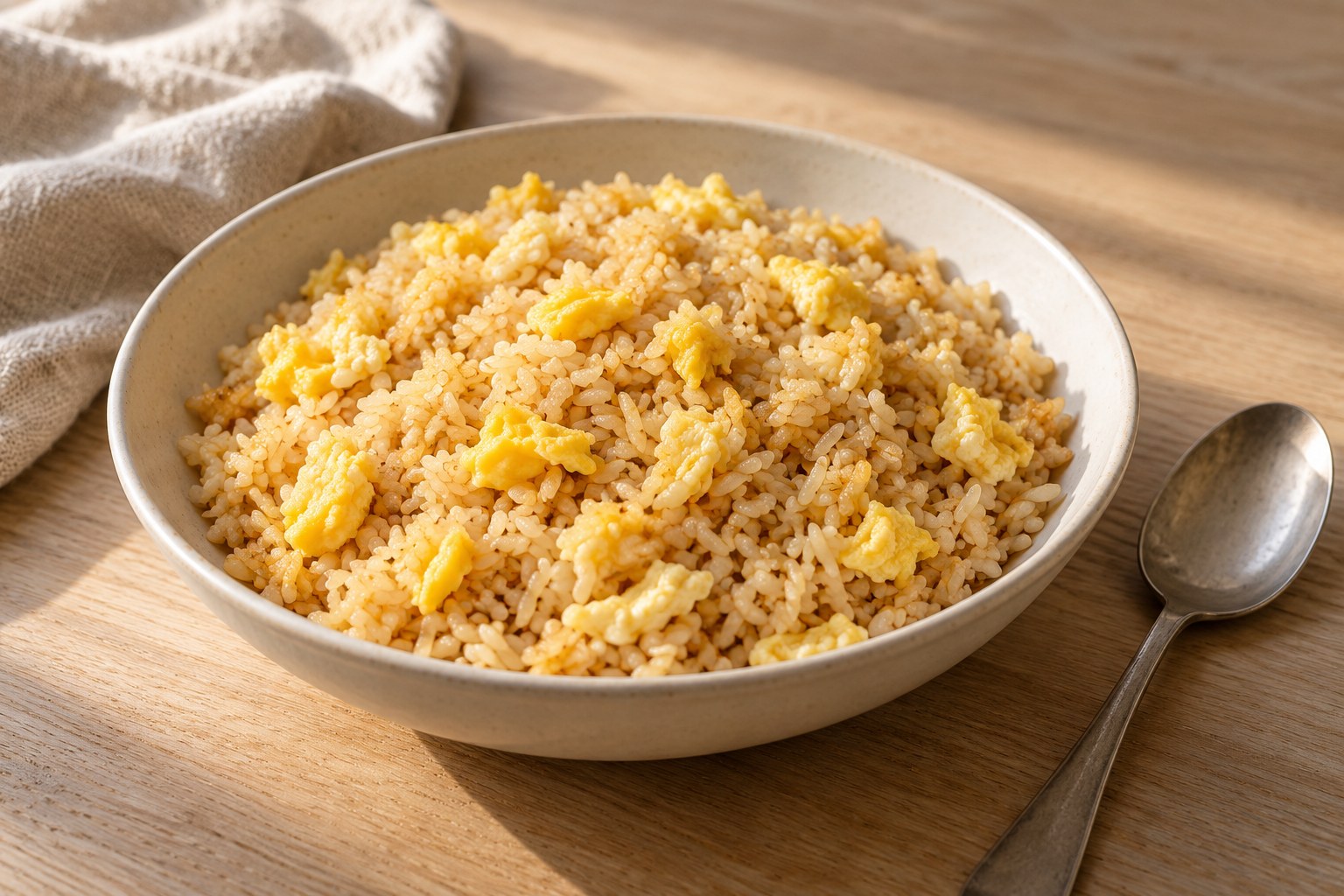
11. Egg Fried Rice
A flexible leftover-rice meal. Handle cooked rice carefully: cool promptly, refrigerate it and heat thoroughly when serving again.
Family serving tip: Offer a small serving first, with one familiar side and the option for more. Children’s appetites vary considerably from day to day. Letting them ask for seconds can work better than insisting on a large plate.
12. Ground-Beef Skillet
One-pan meals keep dishes manageable and can accommodate vegetables alongside the meat. Check seasoning strength for younger eaters.

13. Homemade Fish Fingers
Crisp fish pieces are good with familiar sides. Confirm all fish bones are removed and prepare according to the recipe’s cooking instructions.
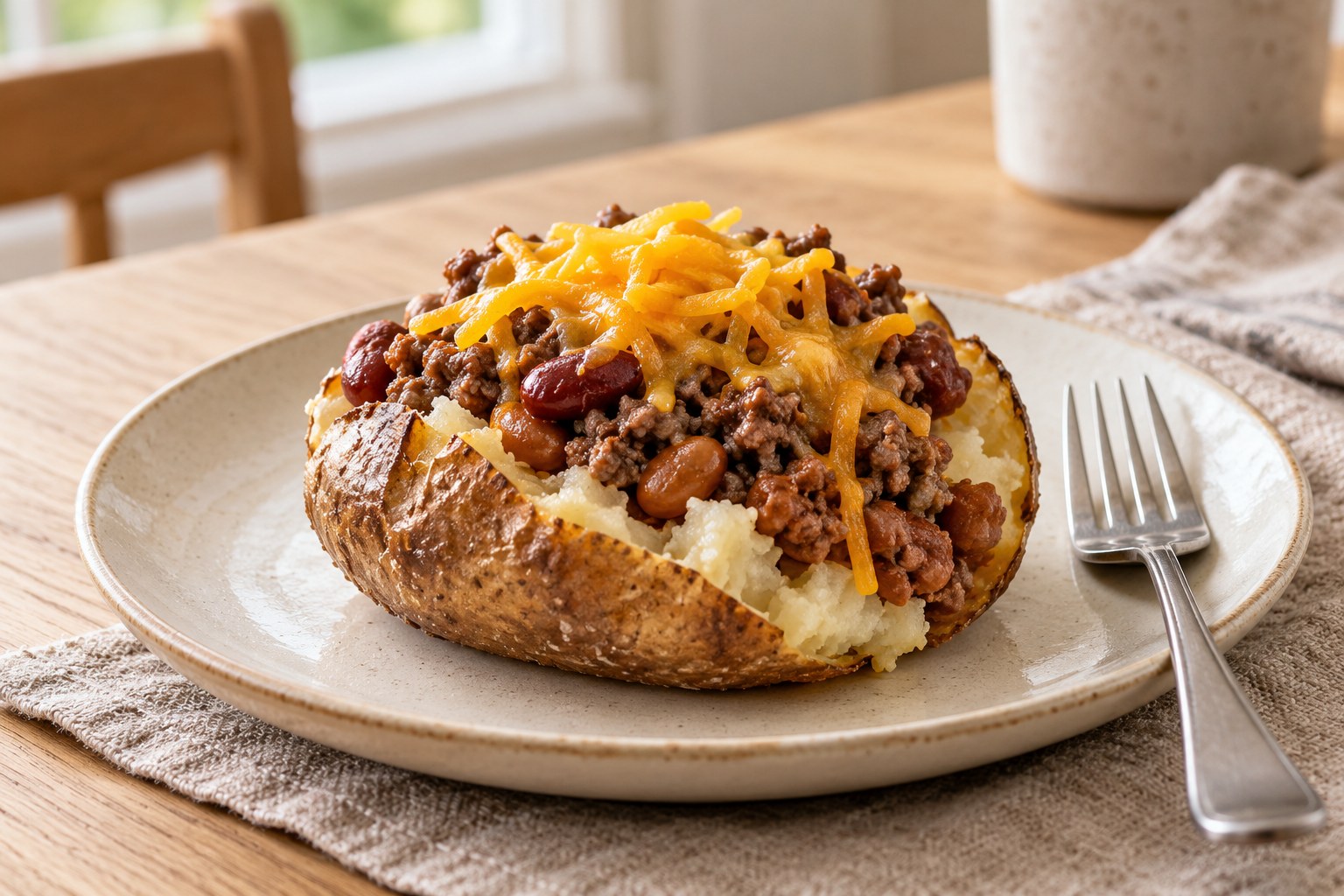
14. Jacket Potatoes with Cheese, Beef & Beans
A baked potato can be a choose-your-own base for beans, cheese or other toppings. Keep dairy and meat toppings chilled before assembly.
15. Make-Your-Own Pizza Stations
An interactive dinner suits family cooking: let children arrange cooked or ready-to-eat toppings while an adult manages the oven.
16. Pretzel Dogs
This is a baking project as well as a meal. The sausage and dough need careful cooking, and pieces should be cut appropriately for young children.
Family serving tip: Offer a small serving first, with one familiar side and the option for more. Children’s appetites vary considerably from day to day. Letting them ask for seconds can work better than insisting on a large plate.
17. Prawn Fishcakes
A seafood-based option with different texture from fish fingers. Clearly label shellfish allergens and avoid assuming every child can eat prawns.
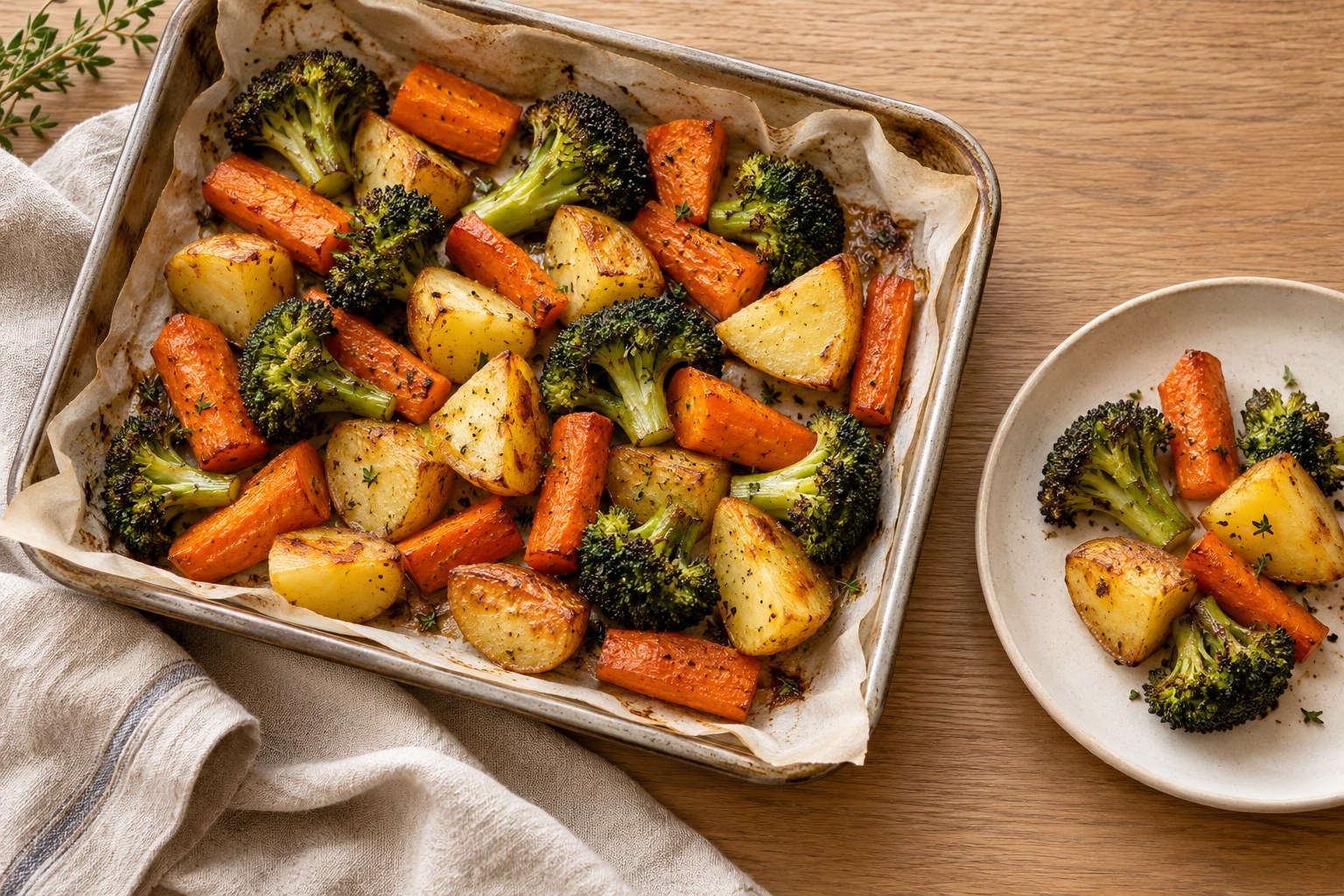
18. Roasted Veggies
Roasting brings browning and sweetness. Offer small pieces with an already accepted meal component instead of expecting instant enthusiasm.
19. Sloppy Joes
A soft, saucy sandwich filling can be served inside a bun or separated on a plate. A spoon may be easier for younger children.
20. Soy Sauce Chicken Drumsticks
Sticky savoury chicken pairs with vegetables and rice. Serve deboned portions where appropriate and check soy or wheat allergens.
21. Swedish Meatball Burgers
This playful burger variation is substantial. Offer condiments separately and avoid claiming it is automatically lighter than a regular burger.
22. A&W Copycat Buddy Burger
A mini-style burger idea for a family meal. It remains a burger, not an automatic nutrition upgrade because it is small.
Homemade drinks: Everyday choices and occasional treats
1. Shirley Temple
A bright special-occasion mocktail; check the amount of syrup instead of describing it as an everyday water replacement.
2. Luscious Slush Punch
A frozen punch suited to celebrations. Prepare close to serving and consider sugar and portion size.
3. Luau Punch
A tropical party punch best treated as a sometimes drink rather than a daily hydration requirement.
4. Easy Punch
A crowd-friendly option; use small cups and provide plain water alongside.
5. Banana Slush Punch
A thicker punch that is best served promptly after blending or thawing.
6. Frozen Hot Chocolate
This is a chocolate dessert drink with ice cream and sweet ingredients, not a daily replacement for milk or water.
7. Vanilla Banana Smoothie
Banana, milk and yogurt make a simple smoothie; adjust serving size to the child’s appetite.

8. Strawberry Milk
Made with real strawberries and milk, with optional sweetener. Its bright colour need not depend on artificial colouring.

9. Orange Banana Smoothie
A citrus-and-banana combination that may suit children who like tart flavours; follow the linked recipe for quantities.
10. Raspberry Peach Slushie
The linked drink includes fruit, juice, yogurt and sweetener, so it is not just frozen fruit blended without additions.
11. Chocolate Milk
Chocolate milk can be an occasional sweet milk drink, but the published recipe also includes chocolate and syrup.
12. Coconut Banana Smoothie
A tropical smoothie that is easy to blend. Check coconut allergies and the recipe ingredients.
13. Raspberry Coconut Water Refresher
A fruit-flavoured refresher with coconut water, lime, sparkling water and optional sweetener.
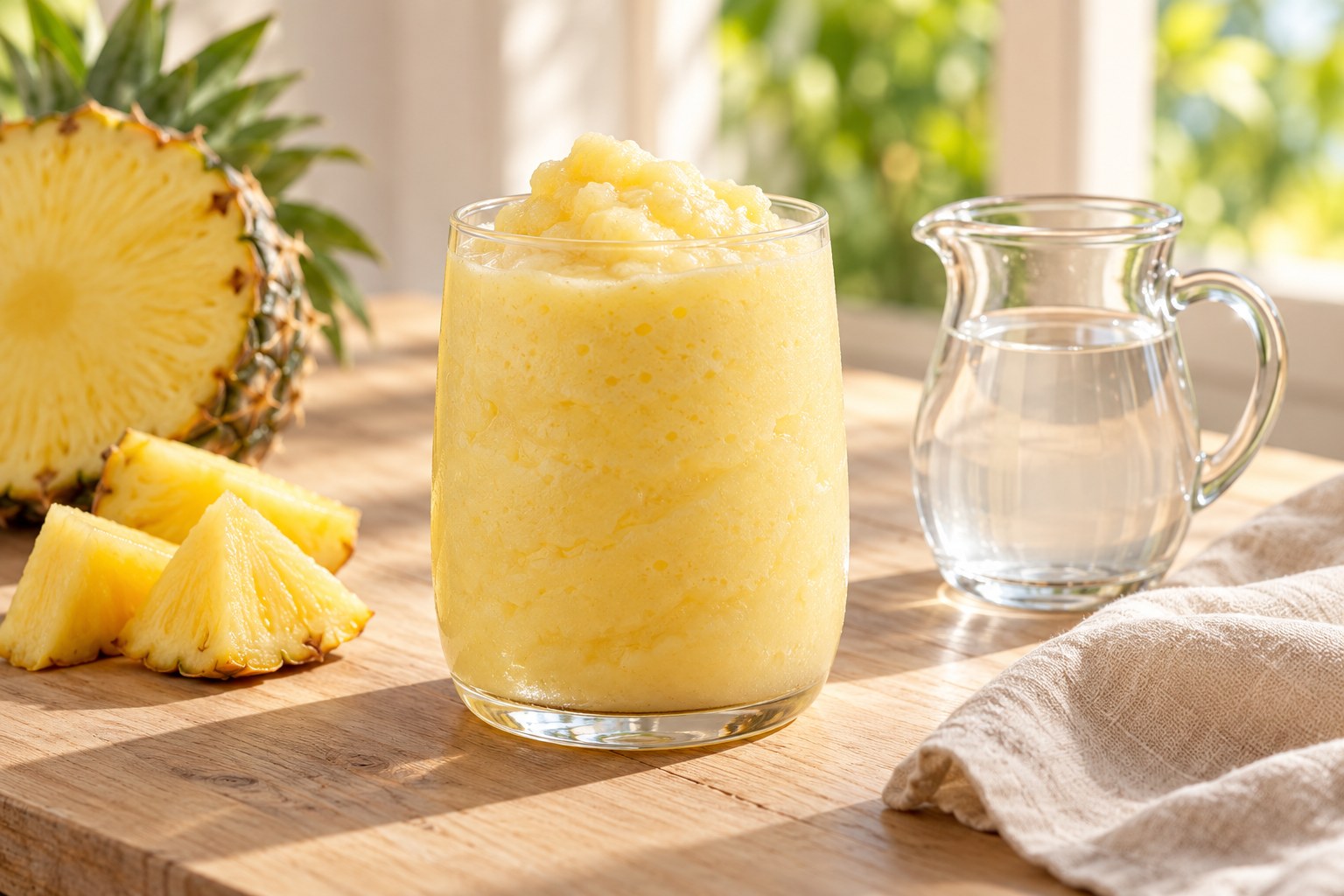
14. Frozen Pineapple Whip Drink
Frozen pineapple blends with coconut water, not coconut milk in the published recipe.
15. Apple Pie Milkshake
A dessert-style milkshake that draws on apple-pie flavours. Serve as an occasional treat.
16. Blueberry Watermelon Slushie
A cold fruit slush for warm days; prepare with supervision and serve immediately.
17. Oreo Milkshake
Contains vanilla ice cream and Oreo cookies; the old article’s “lightened” label is not supported.

18. Butterbeer (Non-Alcoholic)
A cream-soda and butterscotch treat without beer; it remains a rich, sweet party beverage.
19. Never Bitter Lemonade
A lemon drink with sugar and a little baking soda in the published formula. Do not claim it is sugar-free.
20. Gingerade
A ginger and lemon sparkling drink; introduce its stronger flavour gradually and omit unsupported medicinal claims.
A realistic five-day family meal outline
Monday: Start with egg bites and fruit, pack burrito-bowl components with an ice pack, then offer homemade chicken nuggets with roasted vegetables for dinner. Choose water as the routine beverage, with fruit or yogurt for an optional snack. Adjust quantities to appetite and allergies.
Tuesday: Serve banana pancakes with a protein-containing side, pack pizza bagels kept appropriately chilled, and finish with a burrito bowl for dinner. Put toppings on the table separately so each person can choose their preferred amount.
Wednesday: Sweet-potato waffles can start the day; cucumber sandwich bites, fruit and a protein food make a snack-style lunch. Make a fish-finger dinner with a familiar starch and vegetables. Check fish allergies, cooking temperature and any bones.
Thursday: Greek-yogurt pancakes or cottage cheese and fruit make breakfast. Pack chilled leftovers only when storage temperatures can be maintained. Make-your-own pizza stations offer a cooperative dinner in which children can choose toppings without controlling the hot oven.
Friday: Use a batch of properly stored egg bites, add a divided taco bowl for lunch, and choose roasted vegetables plus chicken or an appropriate plant-based protein for dinner. A small milkshake or fruity slush can be an occasional weekend treat rather than the routine drink at every meal.
This is a flexible planning example, not a personalized nutritional prescription. Swap ingredients, meals and portions according to dietary requirements, sensory preferences, appetite, family culture and available time. If a child has specific medical or nutritional needs, seek qualified individualized guidance.
Batch preparation without turning Sunday into an all-day shift
Choose one reliable breakfast, one snack and one dinner foundation rather than attempting to prepare the entire list. The most successful freezer routine begins with the recipes your family already enjoys. Write a short grocery list, wash produce and set out containers before preheating the oven. Bake muffins or egg bites in one session, cool them as directed, and portion them so the family can access them without cutting a whole tray every morning.
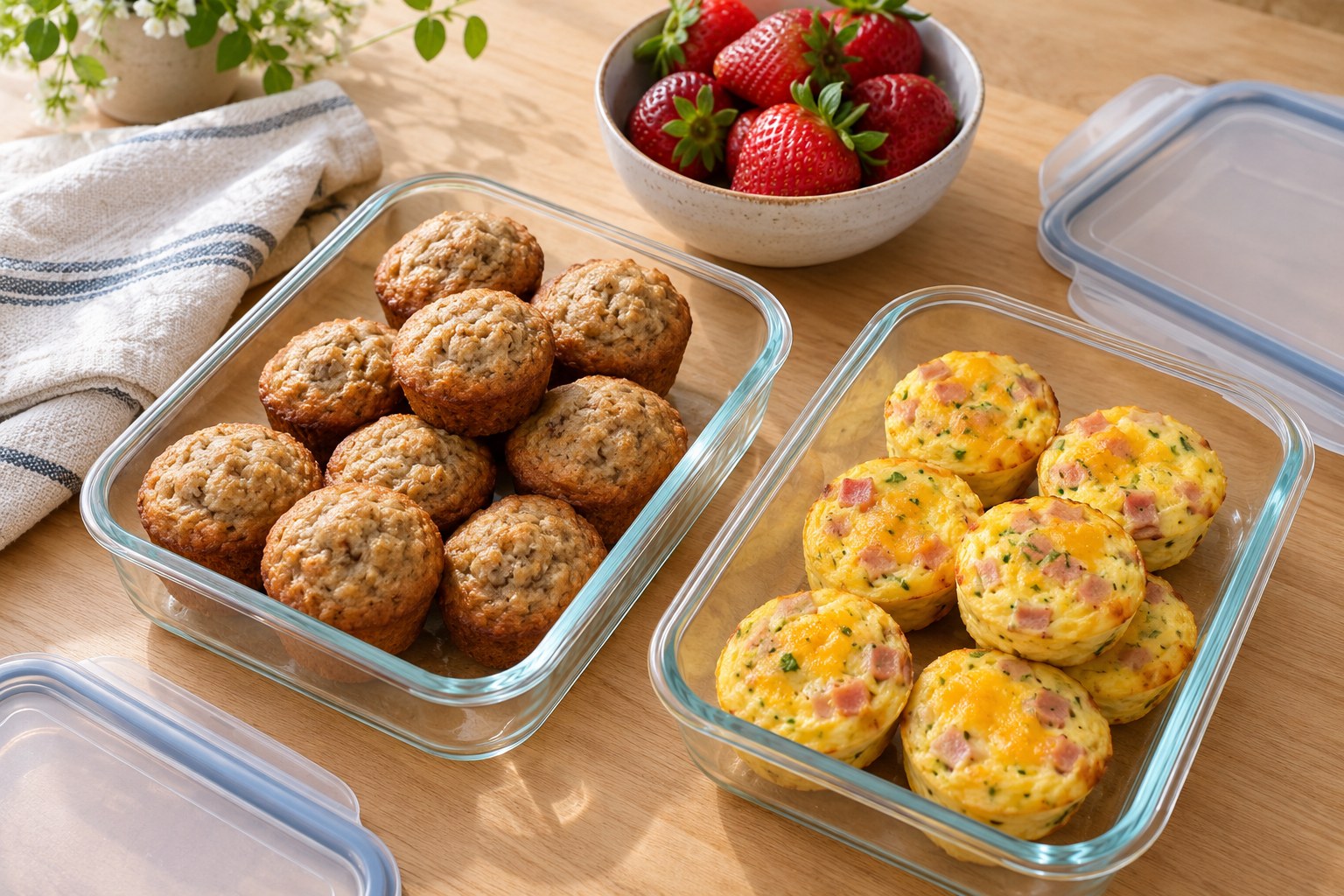
Not every food freezes equally well. Crispy items can lose their crunch when sealed while warm. Salad leaves and watery vegetables may become limp, and dairy-based sauces can separate. Make crunchy toppings fresh and keep wet components separate. Date cooked foods, use shallow containers when cooling larger batches, and refer to the individual recipe’s storage information instead of relying on one generic “keeps all week” claim.
A school lunch is not a home refrigerator. Use a clean insulated lunch bag and suitable frozen ice packs for perishable foods. Warm foods require a properly preheated insulated food container if served hot; ordinary containers do not maintain safe temperatures for hours. Wash reusable bottles, lids and straws thoroughly, and discard perishable leftovers that have sat at unsafe temperatures rather than putting them back into the next day’s lunch.
Making meals easier for selective eaters
A selective eater may respond better to consistency than persuasion. Offer one or two reliable foods with a small optional portion of something less familiar. Keep foods separate when mixed textures are unwelcome. Allow a child to smell or touch a food without requiring a bite; a small exposure is still an opportunity for learning. Describing a food’s real ingredients is more respectful than claiming a vegetable is “invisible.”

When inviting children to cook, match tasks to development. A younger child might tear lettuce or place berries in a bowl; an older child may measure flour or arrange toppings. Hot pans, boiling water, sharp blades, hot sugar and raw poultry require adult handling. Wash hands before preparing food and after touching raw meat or eggs. Use separate utensils to prevent cross-contamination.
Allergies, choking risks and age-appropriate serving
Always check the specific recipe and product labels. Many recipes here contain common allergens such as milk, eggs, peanuts, tree nuts, wheat, fish, shellfish, sesame or soy. A recipe containing sunflower seed butter is not automatically permitted at every nut-free school, and a gluten-free-looking ingredient list is not proof against processing cross-contact. Keep ingredient information available when sharing with another family.
Adapt shapes and textures to the age and chewing abilities of the child. Whole grapes, large chunks of hard raw vegetables, round hot-dog slices, thick spoonfuls of nut butter and hard candies are examples of foods that may pose choking hazards for younger children. Cut, cook, mash or omit as appropriate and supervise eating. Do not rely on the word “kid-friendly” in a title as a safety guarantee.
Hydration: Offer water routinely. Plain milk or an appropriate alternative may also be part of meals according to age and dietary needs. Sweetened punch, syrups, milkshakes and frozen desserts are enjoyable on occasion, but they do not need to be presented as superior to water. Honey is not appropriate for infants under one year, even when blended into a drink or snack.
Frequently asked questions
Are all 55-plus recipes healthy?
No. The collection includes desserts, milkshakes, fried or processed-food-style dishes and sweet bakes alongside everyday meal options. The broader eating pattern, serving amounts and ingredient choices matter more than attaching a health halo to every individual recipe.
Are all the snacks really no-bake?
No. Apple chips, muffins, fritters, scones, pretzels and homemade cheese crackers involve baking or other cooking. Those entries have been labelled accurately in this revised guide. For genuine oven-free choices, explore the separate 15 No-Bake Snack Ideas guide.
What is the best first recipe for children who want to help?
Simple assembly projects such as choosing burrito toppings, arranging pizza toppings before an adult bakes them, or layering cut fruit with yogurt tend to be manageable. Choose tasks appropriate to age and supervise hygiene, tools and hot surfaces.
Can these recipes all be packed for school?
No. Some require hot serving, refrigeration or are unsuitable for particular school allergen policies. Select recipes with practical temperature control and packaging, and ask the school about restrictions before sending shared-food or nut-containing snacks.
Can a child eat the same breakfast every day?
Preferences and routine can be reassuring. Offering variety across the week helps provide different foods and nutrients, but an occasional repeated breakfast is not automatically a problem. Pair favourite foods with appropriate sides and consult a clinician or dietitian for persistent feeding or nutrition concerns.
Are smoothies always healthier than milkshakes?
No single name guarantees a nutrient profile. A banana-yogurt smoothie and an ice-cream-based Oreo milkshake have different ingredients and purposes. Follow the actual recipe card, consider added sugar and portions, and serve beverages in the context of the overall day.
Should I secretly hide vegetables in every meal?
That is not necessary and can undermine trust if children discover the deception. Blending vegetables into a sauce is a legitimate cooking technique; it is better to describe ingredients honestly and offer vegetables in visible forms too.
How can I reduce food waste?
Start with smaller portions, store leftovers safely, separate wet toppings and prepare only the quantities your family generally eats. Keep a record of which recipes travelled well and which came home untouched; that provides better planning data than a universal “kid-approved” claim.

Final thoughts
There is no single magic recipe that makes every child love breakfast, lunch and dinner. The best collection gives families practical choices, accurately labelled ingredients and a few ways to make cooking more collaborative. Use this guide as a menu of possibilities, not a strict plan. Pick one breakfast, one savoury dinner and one snack to explore first. Read the recipe cards carefully and celebrate curiosity as much as a clean plate.
IN PICTURES
From the baking notebook
FROM THE RECIPE BOX


