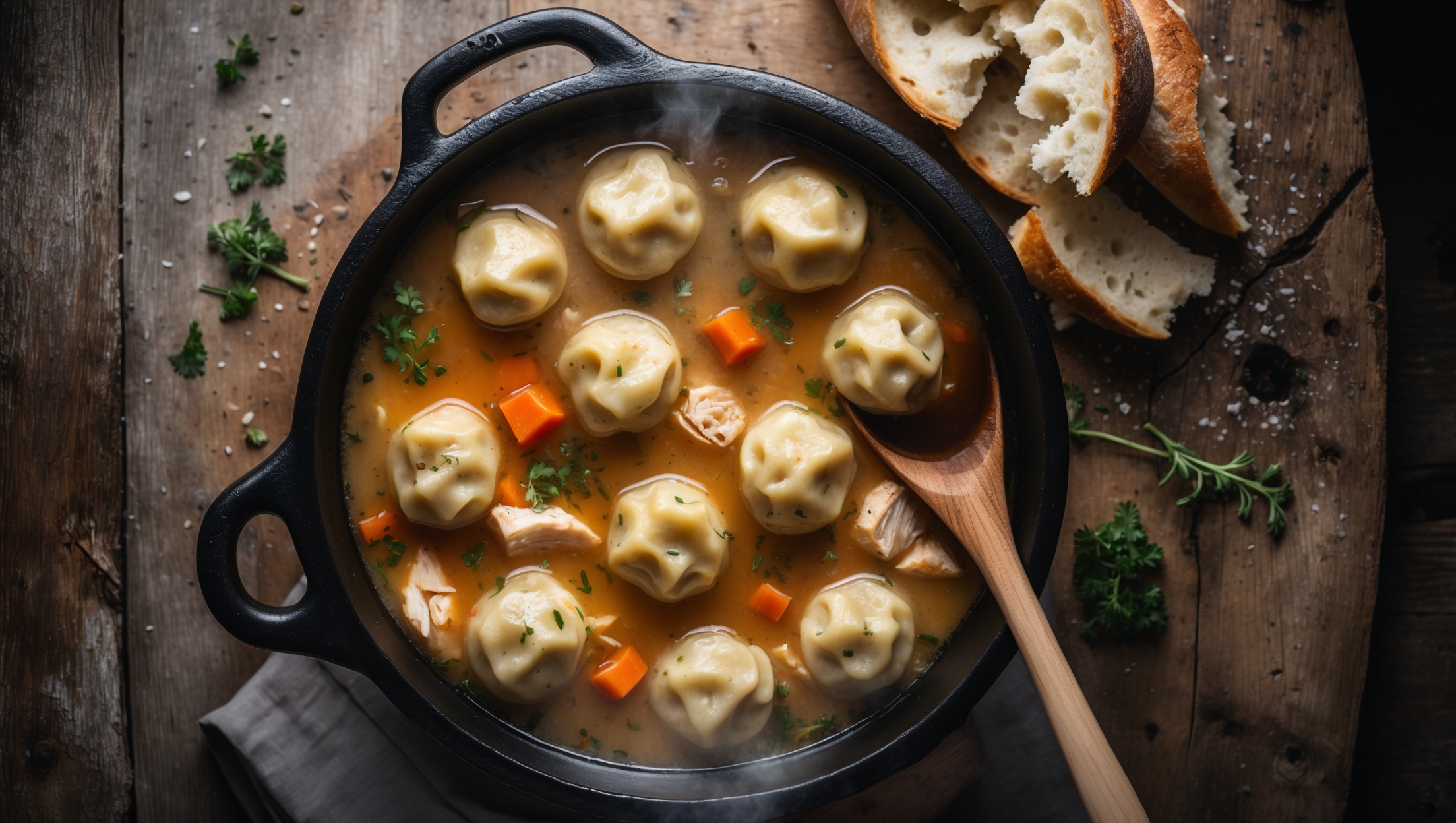
Directions
<ol class="no-list-style"><li class="MethodStepper"><h4 class="step-title">Step 1</h4>Preheat your oven to 180°C (350°F). Season the chicken pieces generously with salt and pepper, coating all sides evenly for consistent flavor throughout the stew.</li><li class="MethodStepper"><h4 class="step-title">Step 2</h4>Heat the olive oil in a large Dutch oven over medium-high heat until shimmering. Working in batches to avoid overcrowding (which would steam rather than brown the meat), sear the chicken pieces until golden brown on all sides, about 3-4 minutes per batch. Remove to a plate and set aside.</li><li class="MethodStepper"><h4 class="step-title">Step 3</h4>In the same pot, add the diced onion, carrots, and celery. Cook until softened, about 5-7 minutes, scraping up any browned bits from the bottom of the pot – these contain concentrated flavor that will enrich your stew.</li><li class="MethodStepper"><h4 class="step-title">Step 4</h4>Add the minced garlic, thyme, and bay leaves, and cook until fragrant, about 1 minute. Be careful not to burn the garlic as it will impart bitterness to your stew.</li><li class="MethodStepper"><h4 class="step-title">Step 5</h4>Add the butter to the pot and allow it to melt. Sprinkle the flour over the vegetables and stir constantly for 2-3 minutes to cook out the raw flour taste. This roux will thicken your stew to the perfect consistency.</li><li class="MethodStepper"><h4 class="step-title">Step 6</h4>Gradually pour in the chicken stock while stirring continuously to prevent lumps from forming. Bring the mixture to a simmer and cook for 5 minutes until slightly thickened.</li><li class="MethodStepper"><h4 class="step-title">Step 7</h4>Return the chicken to the pot along with any accumulated juices. Stir in the double cream, reduce heat to low, and simmer gently for 15 minutes until the chicken is tender and the sauce has thickened slightly.</li><li class="MethodStepper"><h4 class="step-title">Step 8</h4>While the stew simmers, prepare the dumplings. In a large bowl, combine the self-raising flour and salt. Add the grated cold butter and use a pastry cutter or your fingertips to work it into the flour until it resembles coarse breadcrumbs. The cold butter will create steam pockets as it melts during baking, resulting in light, fluffy dumplings.</li><li class="MethodStepper"><h4 class="step-title">Step 9</h4>Stir in the chopped herbs, then gradually add the cold milk, mixing gently with a fork until just combined. The mixture should be sticky but not wet. Overmixing will develop the gluten in the flour and make the dumplings tough, so use a light hand here.</li><li class="MethodStepper"><h4 class="step-title">Step 10</h4>Stir the frozen peas into the simmering stew, then taste and adjust seasoning with salt and pepper as needed.</li><li class="MethodStepper"><h4 class="step-title">Step 11</h4>Using a large spoon or ice cream scoop, drop golf ball-sized portions of the dumpling mixture onto the surface of the stew, leaving some space between each as they will expand during cooking. You should have about a dozen dumplings.</li><li class="MethodStepper"><h4 class="step-title">Step 12</h4>Cover the pot with a tight-fitting lid and transfer to the preheated oven. Bake for 20-25 minutes until the dumplings have puffed up and are cooked through. They should be light and fluffy on the inside with a slightly crisp, golden top.</li><li class="MethodStepper"><h4 class="step-title">Step 13</h4>Remove the bay leaves before serving. Allow the stew to rest for 5 minutes before serving – this helps the flavors meld and the dumplings to set. Serve in warm bowls, ensuring each portion has a generous helping of chicken, vegetables, rich gravy, and at least one fluffy dumpling.</li></ol>