On this page
Making food with children sounds delightful until the flour lands on the floor, someone changes their mind about breakfast, and dinner needs to be ready in twenty minutes. That is exactly why kid-friendly cooking needs a flexible approach. The goal is not to turn every family meal into a complicated craft project or persuade a reluctant eater to finish a particular food. It is to make cooking manageable, safe, and enjoyable while gradually building confidence around ingredients and meals.
A child can help rinse berries, assemble a sandwich, stir a batter, choose between vegetables, or set the table. Each small contribution counts. Some days the right project is baking muffins together; other days it is simply putting yogurt and fruit in two bowls. Both can be successful. This guide covers practical kitchen tasks, quick breakfasts, flexible meal stations, picky-eater conversations, reliable preparation routines, food safety, and real What’s Baking? recipe links.
For families looking for a large recipe collection, the 55+ Kid-Friendly Recipes guide is a separate browsing resource. For a weekly routine, see Meal Planning Made Easy. Here, the focus is how to make cooking together actually work once you have chosen something to prepare.
Begin with a manageable definition of success
Success in a family kitchen is not a child liking everything on the table. It may look like a child becoming comfortable touching a new vegetable, learning to wash hands after handling eggs, understanding how a measuring cup works, or helping choose a breakfast for next week. A child may help prepare a new food and still decline to eat it. That does not make the activity unsuccessful.
The Canadian Food Guide encourages involving children in planning, shopping, and food preparation as a way to develop practical food skills. It also recommends allowing children to respond to their own appetite rather than pressuring them to eat a particular amount. These two ideas belong together: adults can provide the structure and safety, while children can practise skills and explore foods without turning the table into a test.
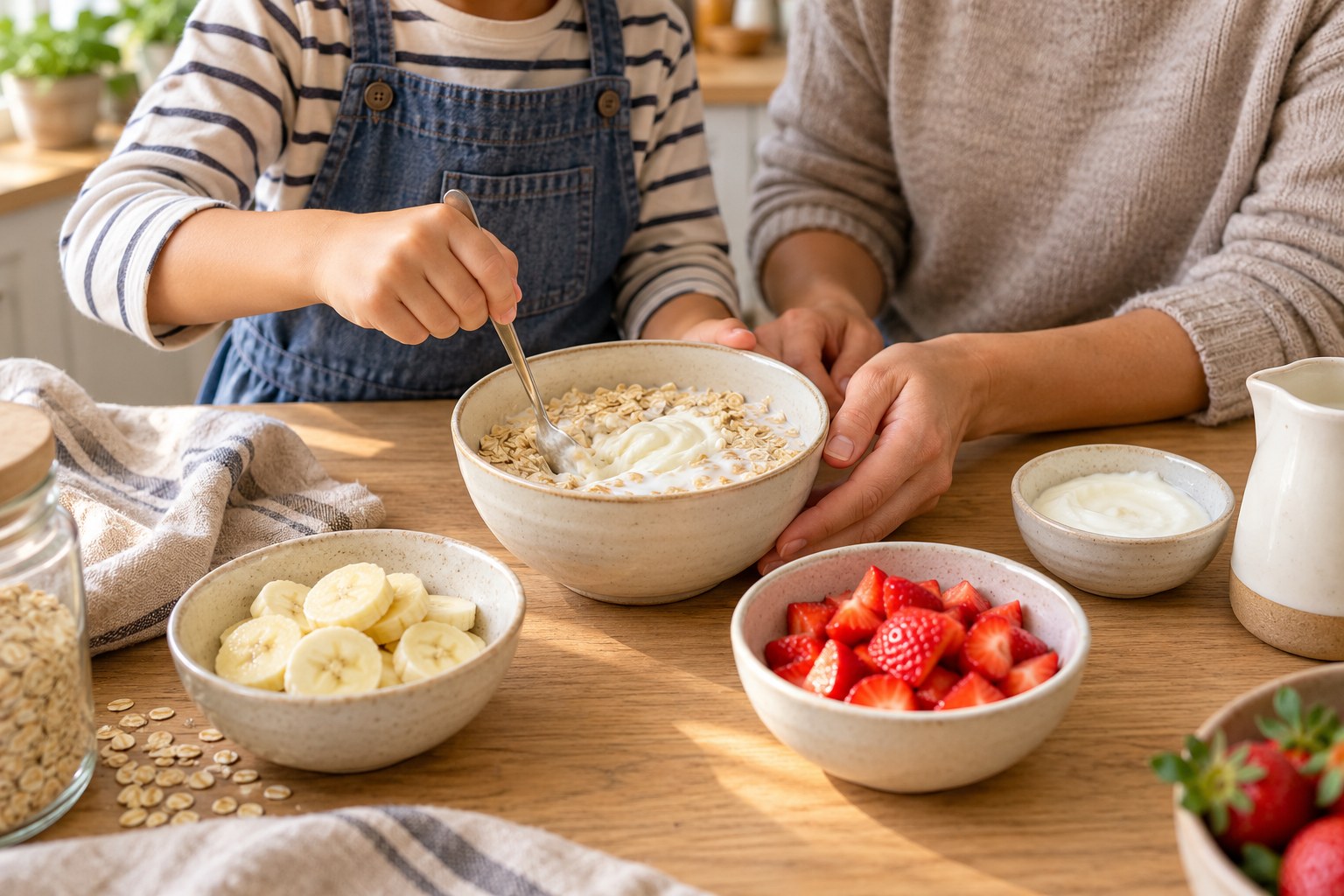
Choose one skill and one recipe for your first cooking session. Avoid adding ambitious decorations, unfamiliar appliances, multiple substitutions, and a strict deadline to the same project. A bowl of overnight oats or a tray of washed fruit often teaches more than a rushed three-course dinner.
Before cooking, ask three questions: What can this child already do safely? How much time is available? And what would count as a pleasant outcome even if the finished dish is not perfect? Clear expectations reduce frustration for everyone.
Match the kitchen task to the child, not just their birthday
Age-based examples are useful, but children vary in coordination, attention, experience, sensory needs, and readiness. Supervision and safe equipment matter more than assuming that everyone of a certain age can handle the same tool. The Canadian Food Guide offers age-appropriate task ideas, but they should be adapted to the child in front of you.
Toddlers and early preschoolers: Explore with simple jobs
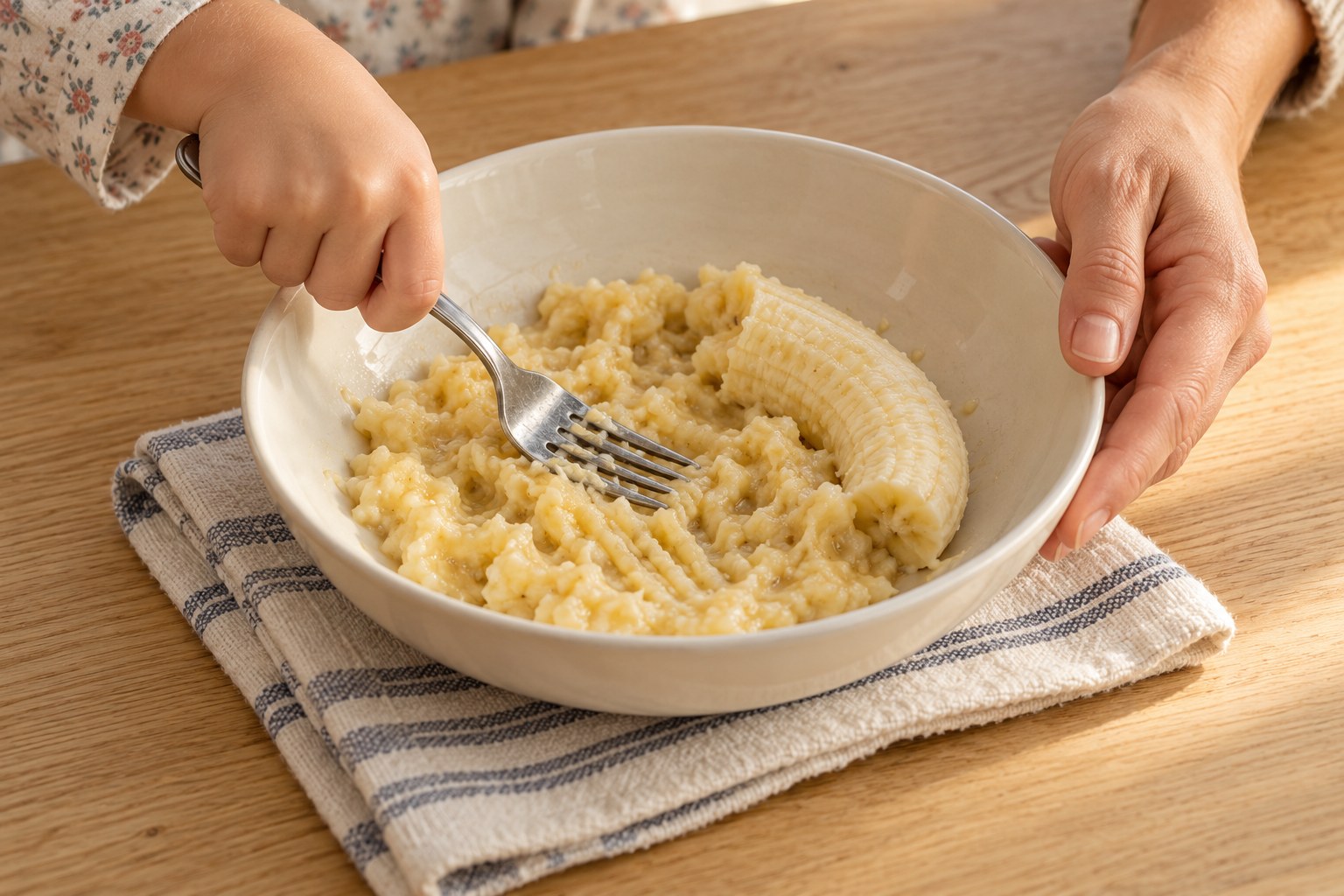
For very young helpers, let them count ingredients, place washed produce into a bowl, tear soft lettuce, or mash a ripe banana. Use a stable surface and a mixing bowl that will not slide. An adult should handle cutting, hot liquids, raw meat, and appliances. Keep the session brief enough that the child can finish their task while still interested.
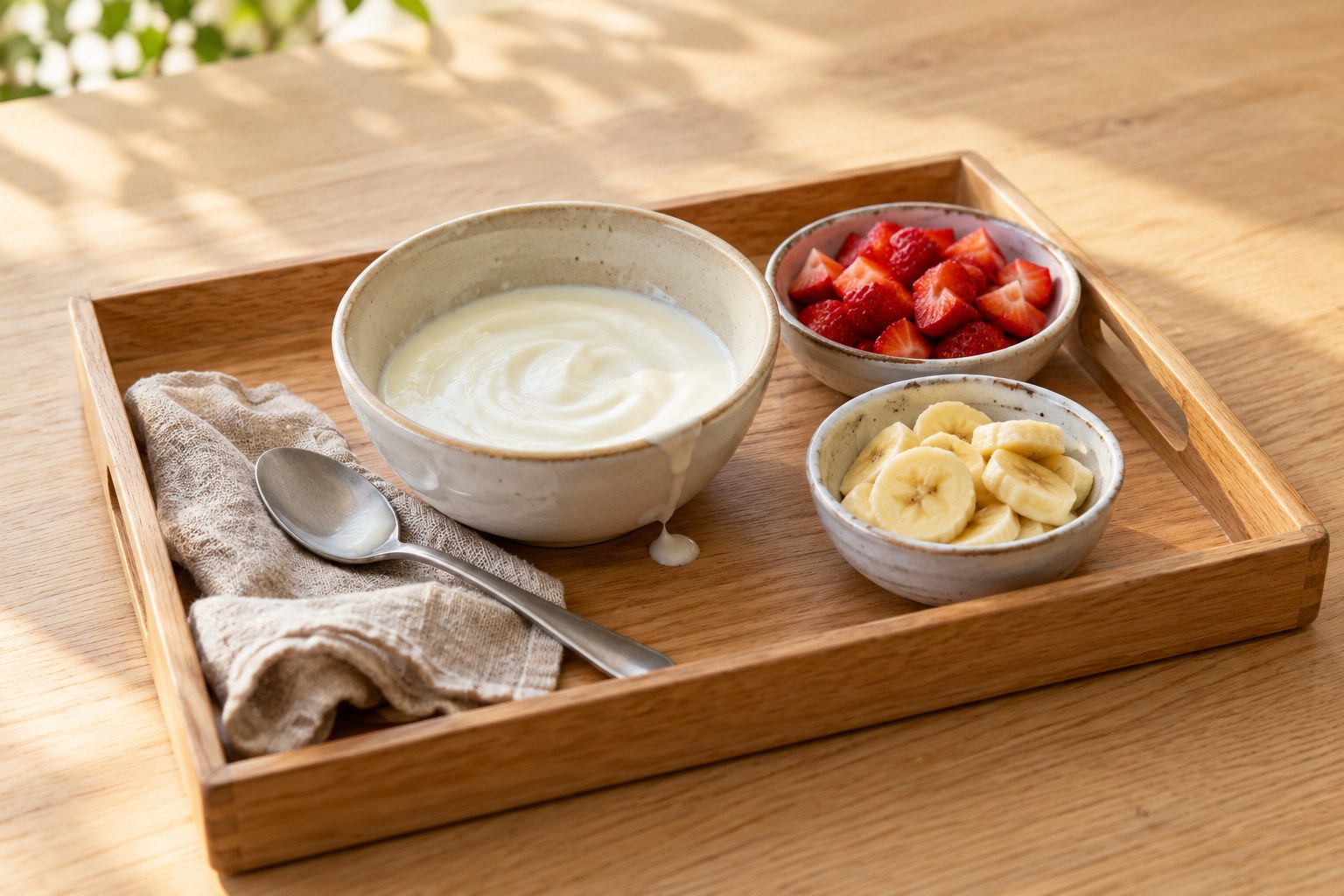
The experience might simply be adding sliced banana to yogurt. For children who are old enough to eat the ingredients safely, offer a chance to smell cinnamon or choose between two fruits. Avoid assuming that helping automatically means they must taste.
Preschool and early elementary years: Measure and assemble
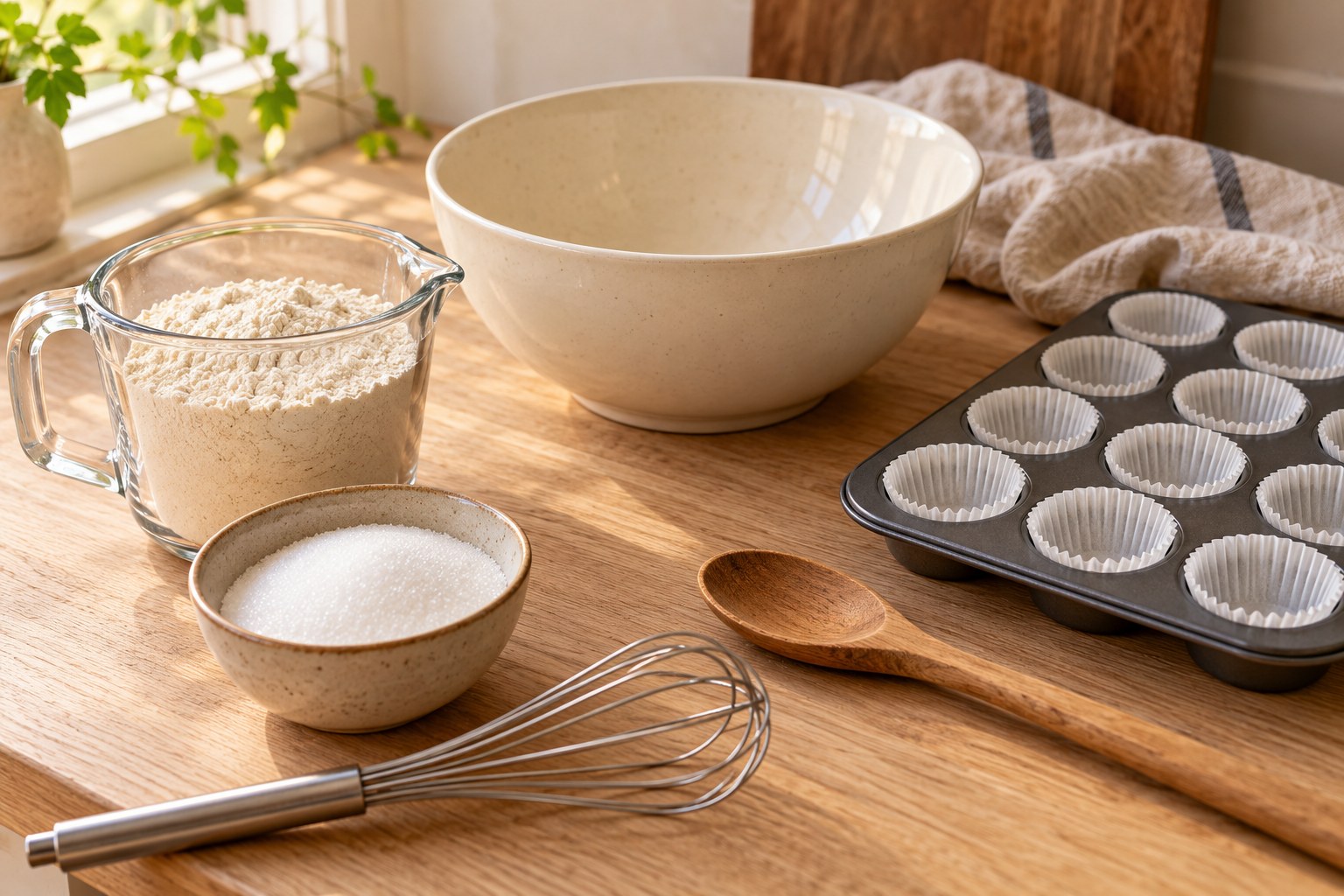
With close supervision, children may enjoy pouring measured ingredients, stirring thick batter, placing muffin liners, making a sandwich, or using an appropriate child-safe tool on soft foods. Demonstrate each step once rather than giving several directions at the same time.
Try preparing the components of Mini Muffins (Banana, Zucchini, or Apple). The published recipe uses wheat flour, butter, yogurt, milk, and eggs, so it is not dairy-free or egg-free. An adult should manage the oven and any egg-handling cleanup. Children can choose the fruit or vegetable variation and help measure already prepared ingredients.
Older children: Follow sequences and build independence
Children who demonstrate readiness can practise reading a recipe, checking ingredient quantities, gathering tools, measuring dry ingredients, and noticing what should happen at each stage. Some can learn to crack eggs or use certain appliances with direct adult supervision. Sharp knives, heat, raw protein, and electrical appliances still require teaching and appropriate oversight.
Assign a real responsibility, such as checking off each ingredient or timing a supervised baking step. Offer specific feedback: “You measured the oats carefully” is more useful than expecting a flawless result. Build independence gradually rather than declaring a particular age automatically ready for a blender, toaster, stovetop, or knife.
Establish five simple kitchen rules before the first recipe
Start with a safety routine everyone can remember. Wash hands before preparing food and after handling raw eggs, raw meat, pets, or anything dirty. Tie back hair, clear the working space, and keep raw food away from ready-to-eat ingredients. An adult should oversee cleaning and disinfecting work surfaces that touched raw proteins.

Make a visible hot zone around the stove, oven, air fryer, kettle, and baking trays. Children do not reach into that area without direct instruction. Turn pan handles inward when appropriate, keep cords out of reach, and use oven mitts correctly. Never ask a young child to carry hot liquid across a crowded kitchen.
Keep knives and sharp attachments secured when not actively in use. If teaching cutting skills, start with foods and tools suitable for the child's ability, use a stable cutting board, and stay beside them. Demonstrating a safe grip matters more than finishing quickly.
Finally, make the rule that everyone can ask for help without embarrassment. A kitchen where mistakes are treated calmly is also a kitchen where children are more likely to report a spill, broken glass, or accidentally touched raw food immediately.
The ten-minute cooking session: A useful place to begin
Not every cooking experience needs a full recipe. A ten-minute session can teach one small skill without leaving a mountain of dishes. Choose tasks that can be paused safely and do not depend on exact oven timing.
One option is a fruit-and-yogurt assembly station. Wash and prepare fruit to suit the child's age and chewing ability, set out plain yogurt, and offer an appropriate topping. The High-Protein Greek Yogurt Parfait provides an example, but its published homemade granola requires baking and contains almonds and seeds. It is not a ten-minute start-to-finish recipe if you make that granola from scratch. Use ready-prepared, suitable toppings for a quick assembly activity.
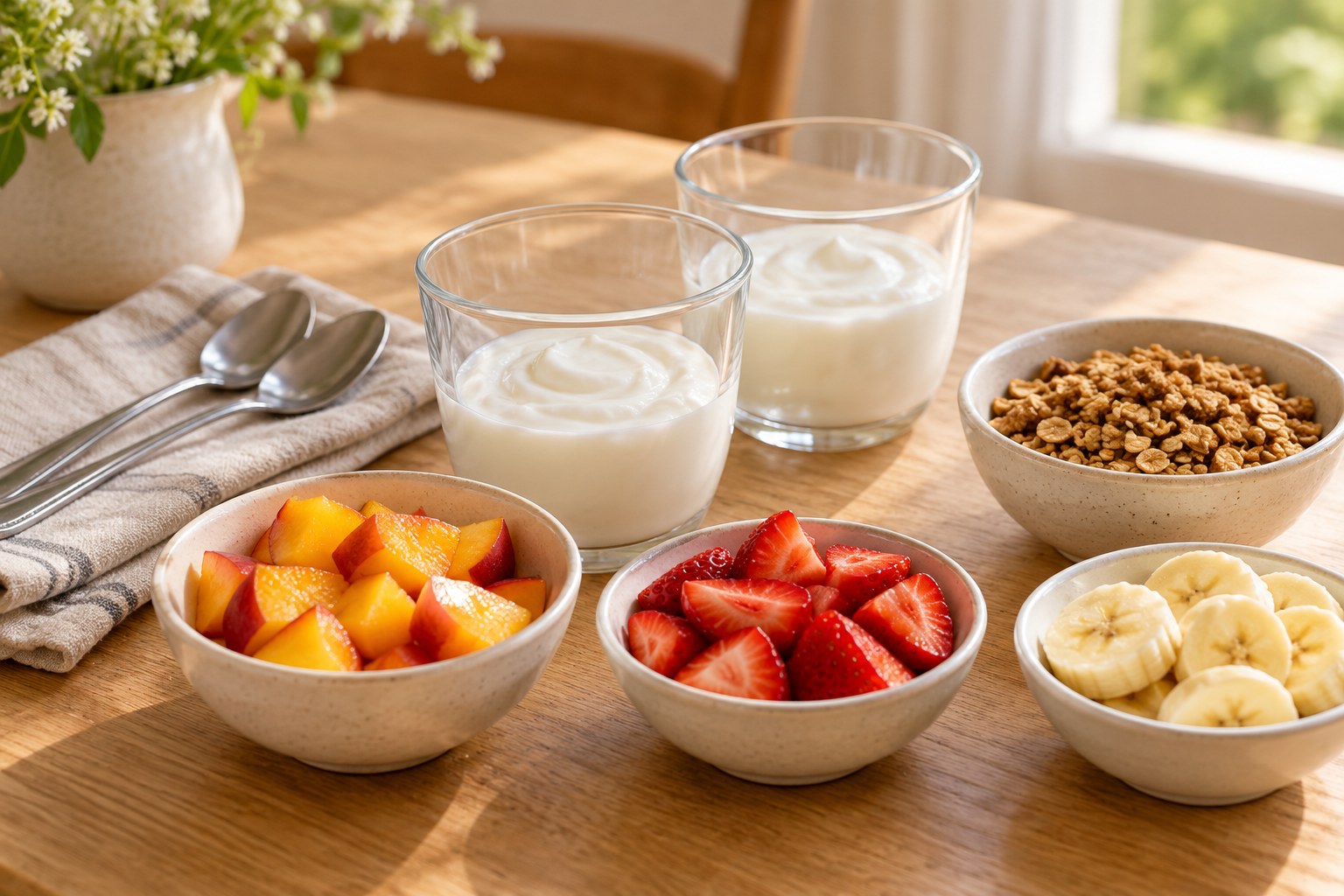
Another option is to make a simple sandwich, portion hummus, or help prepare a shopping list by counting available fruit. You can also mix the ingredients for Overnight Oats in approximately ten minutes, but the oats must refrigerate before serving. The published recipe contains Greek yogurt and may include nuts as toppings, so review allergies and dietary needs.
The lesson is to separate hands-on preparation time from the total time until food is ready. A short task can still require overnight chilling, freezing, proofing, or baking.
Build a breakfast board without turning breakfast into a buffet project
A breakfast board is a set of choices arranged so a child can assemble a familiar meal. It does not need to look like a restaurant platter. A clean plate with several appropriate options is enough: fruit prepared safely, a grain-based item, and a suitable protein-rich accompaniment if available.
For example, set out plain yogurt or another suitable alternative, banana pieces, and a small portion of pre-made muffins. If the household uses eggs, an adult can prepare hard-boiled eggs in advance and handle safe cooling and storage. Keep highly perishable foods chilled until serving rather than leaving a fully assembled board on a warm countertop.
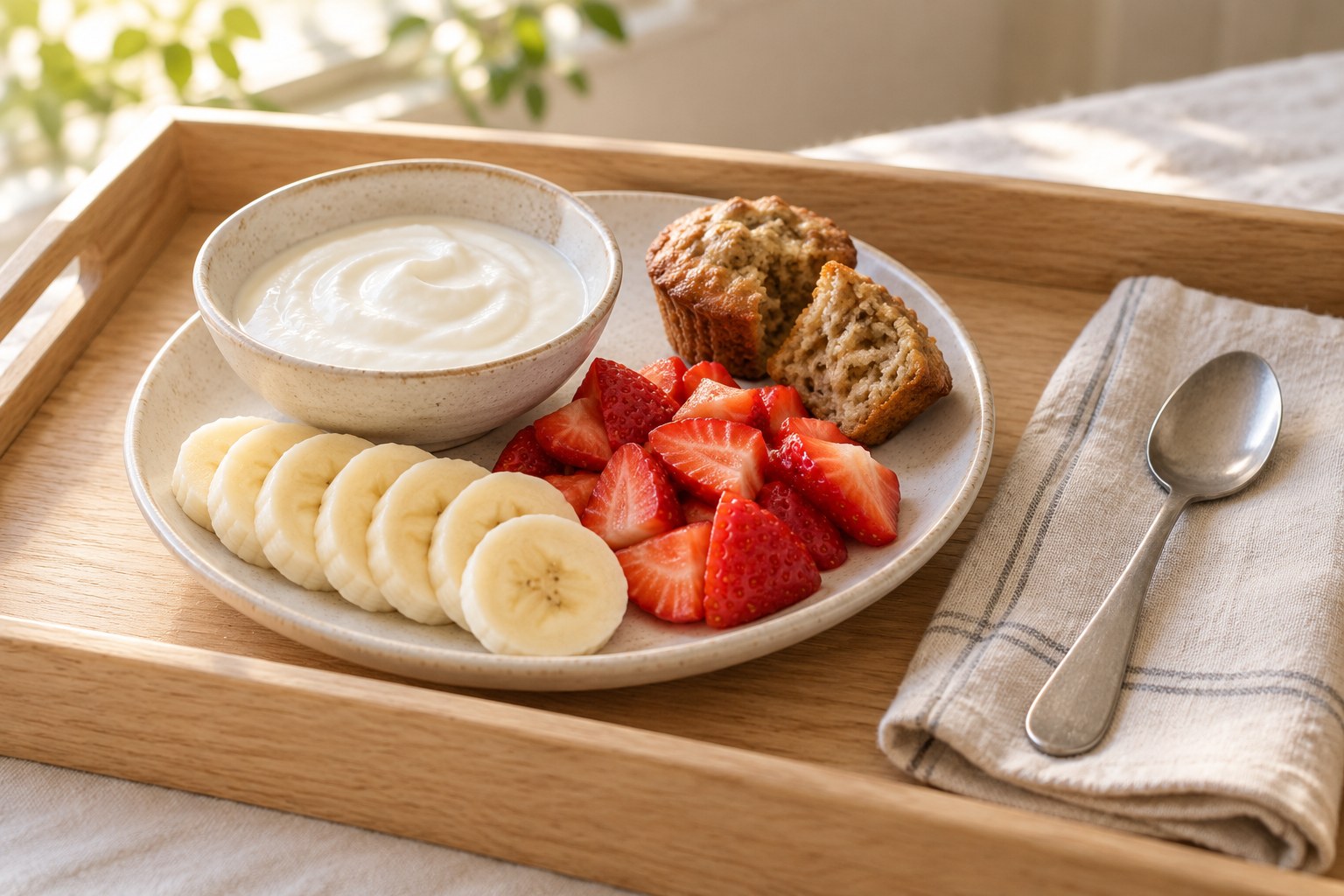
Try giving two choices within a boundary: “Would you like banana or berries with your yogurt?” is easier than asking a tired child to design breakfast from the entire fridge. Let children decide how much to eat within age-appropriate nutrition and safety guidance. Do not require them to finish each component simply because it appeared on the board.
For a more involved weekend project, Air Fryer French Toast Sticks can be served with fruit. They are made with bread, eggs, milk, cream, and sugar, and require actual air-fryer cooking; they are not a no-cook breakfast. A child can help arrange cooled sticks after an adult prepares them.
The fifteen-minute breakfast promise needs an important qualifier
A recipe described as a “15-minute breakfast” may take only fifteen minutes to assemble, may require another fifteen minutes to cook, or may need overnight refrigeration. Those are very different schedules. The original version of this article placed several longer recipes under one quick-breakfast heading, which could make a busy morning more difficult.
The linked High-Protein Banana Pancakes are not three-ingredient pancakes. The published ingredients include bananas, eggs, protein powder, oat flour, Greek yogurt, milk, vanilla, baking powder, and cinnamon, with a listed cooking stage. Also, a recipe containing protein powder is not automatically necessary or suitable for every child; individual nutritional needs should guide such choices.
If you want a much simpler pancake recipe, Flourless Banana Pancakes use banana, eggs, seasoning, and cooking fat. They are wheat-flour-free as written, but that is not the same as a universal allergy-free guarantee.

For genuinely low-effort mornings, prepare overnight oats the night before, portion suitable cereal and fruit, or serve an already baked and safely stored muffin. Choose a “ready to eat” breakfast and a “weekend project” breakfast rather than expecting one recipe to do both jobs.
Teach children to read recipes accurately
Recipe reading is a surprisingly powerful kitchen skill. Teach older children to notice the difference between the recipe name, the ingredient list, and the method. A familiar-sounding title does not reveal all allergens or the actual preparation time.
Start by finding the ingredient that needs to be refrigerated, the step that uses heat, and the point where the food can be safely tasted. Ask children what tools will be needed before beginning. A recipe that calls for chilled dough, rising yeast, or frozen fruit should be planned around that stage.
The site's Air Fryer Biscuits, for example, list preparation and air-fryer cooking. Making them from scratch is not a five-minute breakfast simply because the appliance is fast. Conversely, Chia Seed Pudding requires very little hands-on mixing but needs time for the seeds to hydrate before serving.
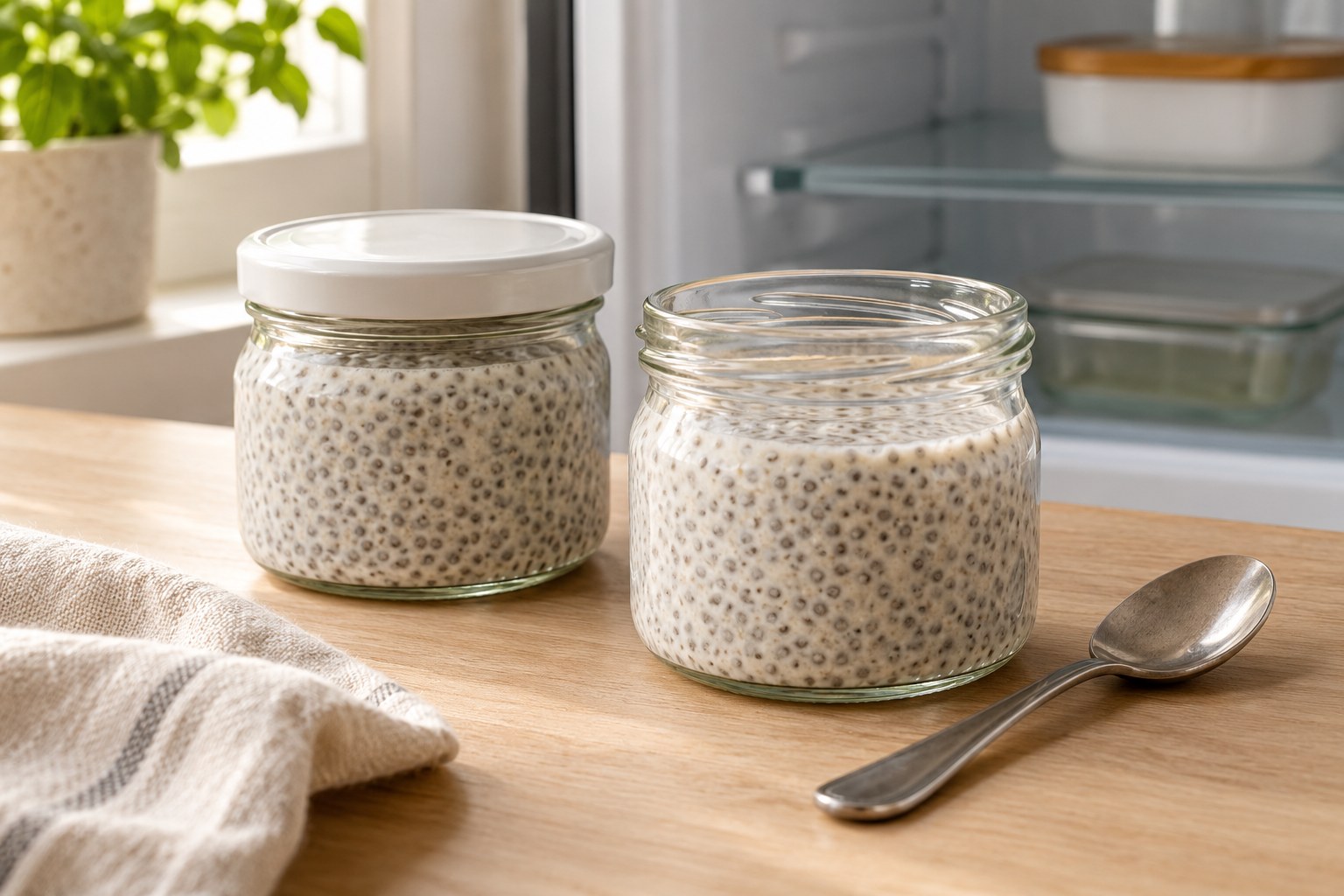
A useful printed recipe card might show four simple prompts: gather, prepare, cook or chill, and clean up. Give the child responsibility for checking these stages in order. The result is better time management, fewer missing ingredients, and more confidence during future recipes.
A build-your-own meal station can reduce last-minute negotiations
An assembly station is most useful when the adult prepares a few compatible components and the child chooses how to combine them. A small wrap station, breakfast plate, taco bowl, or snack tray can accommodate different preferences without requiring entirely separate dinners.
Start with a shared base: cooked rice or another appropriate grain, prepared vegetables, a suitable protein, and a sauce or condiment. Divide the ingredients into serving bowls so everyone can add familiar foods first. This approach is related to the Build-Your-Own Burrito Bowls, which include rice, chicken or tofu, beans, vegetables, cheese, and sauces. The published recipe contains dairy and may contain other allergens; choose components accordingly.
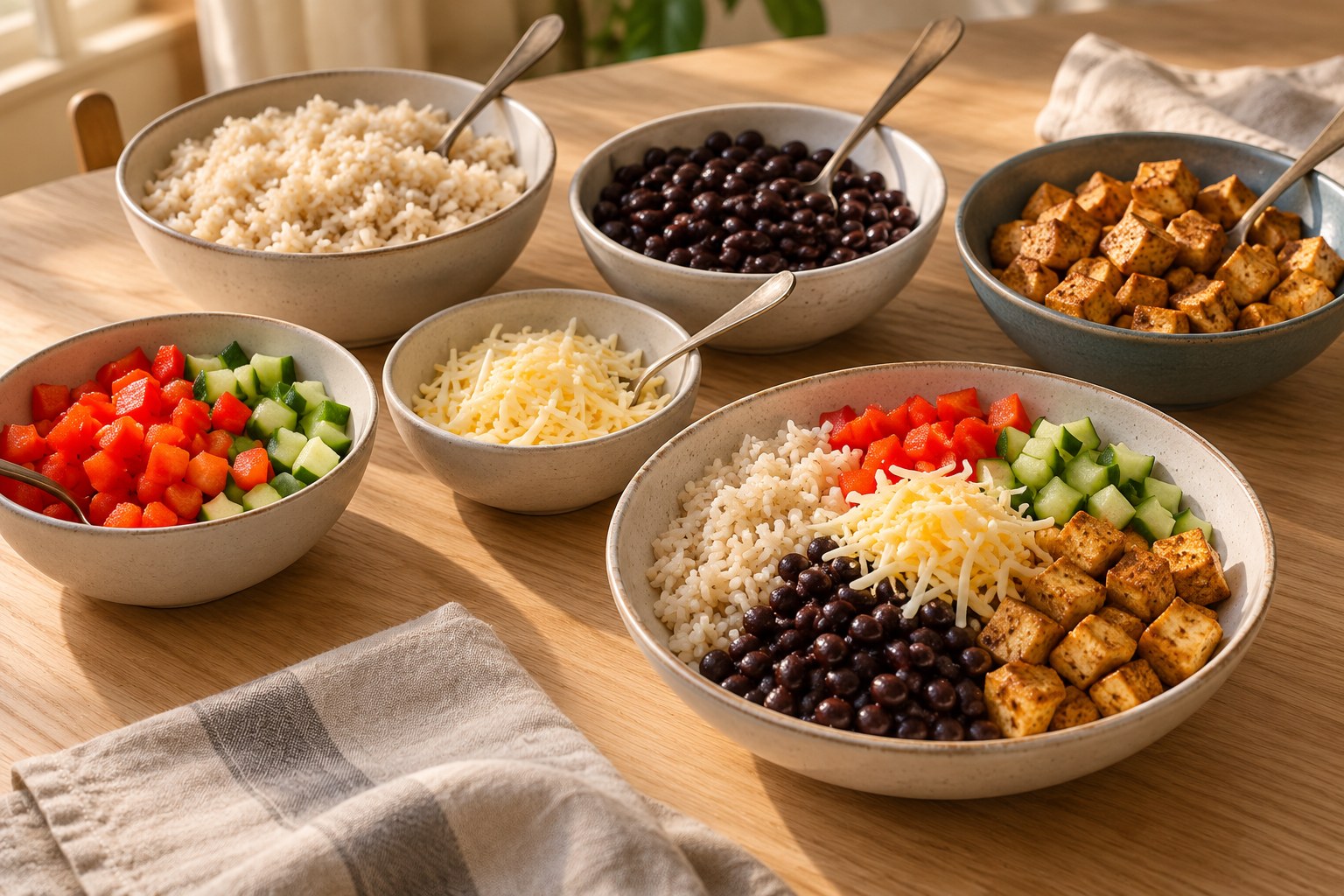
Avoid describing every customizable meal as effortless. Someone still needs to cook any rice, meat, or vegetables safely. What becomes easier is assembly and choice, not the disappearance of all preparation work.
Offer a manageable number of toppings. Too many choices may overwhelm a younger child, create waste, or turn a simple dinner into an argument. Three or four prepared choices can be plenty.
What to do when a child dislikes the meal
A child refusing a particular food can be discouraging when you have spent time cooking. It is tempting to promise dessert for a bite, insist that a plate be cleared, or disguise the food and reveal it later. These approaches can make mealtimes more stressful and do not teach the practical skills this guide is trying to build.
Health Canada's guidance emphasizes pleasant food experiences, repeated opportunities to become familiar with foods, and avoiding pressure. The Canadian Paediatric Society also advises against forcing reluctant children to eat. Offer familiar foods alongside something less familiar, allow appropriate choice, and model tasting without demanding a copy of your behaviour.
Try saying, “You don't have to eat the pepper today, but you can help wash it,” or “Would you like your sauce on the side?” This gives the child a meaningful role without making eating a contest. Some children prefer foods separated rather than mixed, or dislike particular textures more than flavours.
Repeated exposure does not guarantee acceptance, and acceptance may take time. If a child's restricted eating is persistent, affects growth or nutrition, or causes significant distress, seek advice from a qualified health professional rather than assuming more cooking games will solve it.
Sensory preferences deserve thoughtful accommodation
Children experience food through sight, sound, smell, temperature, and texture as well as taste. Some enjoy crunchy cucumber but reject cooked zucchini; others prefer smooth soup to chunky vegetables. A child who dislikes foods touching each other may be more comfortable with small separated portions.
Offer different presentations of the same ingredient without framing one as a failure. A carrot might appear grated into a recipe, cooked until soft, or served as an age-appropriate raw preparation. A smoothie may be easier for one child, while another wants whole fruit they can inspect. Do not force exposure to a texture that causes strong distress.
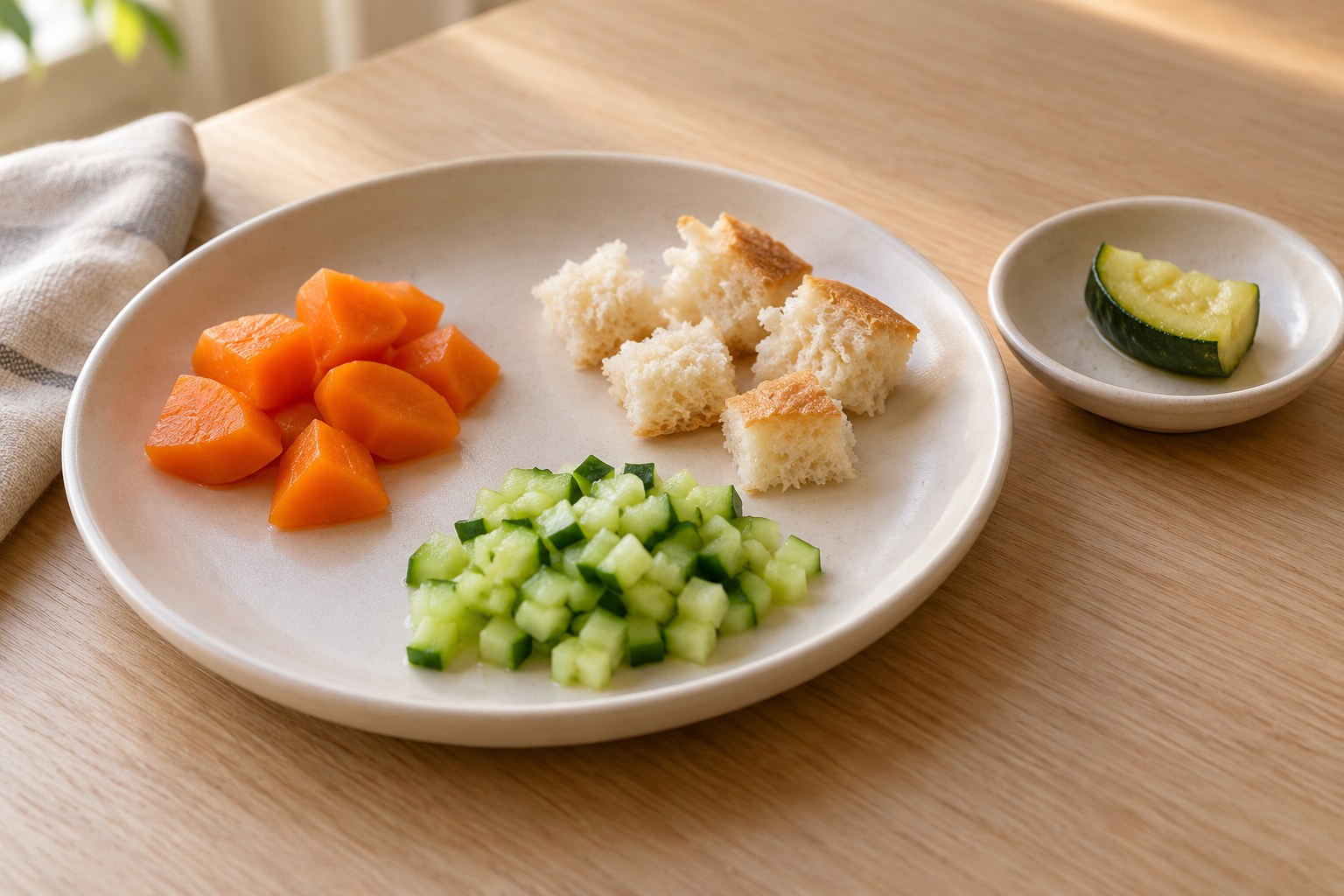
One gentle strategy is a “learning plate” with a very small amount of an unfamiliar food next to the regular meal. The child may choose to examine or smell it without eating. This is an optional exploration activity, not a requirement to taste. Keep conversations respectful and avoid describing a child's tastes as bad or embarrassing.
Recipes such as Spinach and Banana Power Smoothie can introduce different forms of fruit and vegetables, but a smoothie is not a substitute for learning to encounter vegetables in other forms. It also contains almond milk as one option, so check allergies and alternatives.
Involve children in baking without hiding all the ingredients
Baking can be a welcoming first cooking project because it uses measuring, mixing, and clear steps. Let the child see the ingredients rather than claiming an unfamiliar vegetable is secretly something else. Explain simply that ingredients serve different purposes: flour supplies structure, eggs may help binding, and zucchini can add moisture to a muffin batter.
The Mini Muffins (Banana, Zucchini, or Apple) offer three variations from a familiar muffin base. As published they contain butter, yogurt, milk, eggs, and wheat flour. Their “nut-free versions” description does not override the need to check all packaging and kitchen cross-contact when managing a serious allergy.
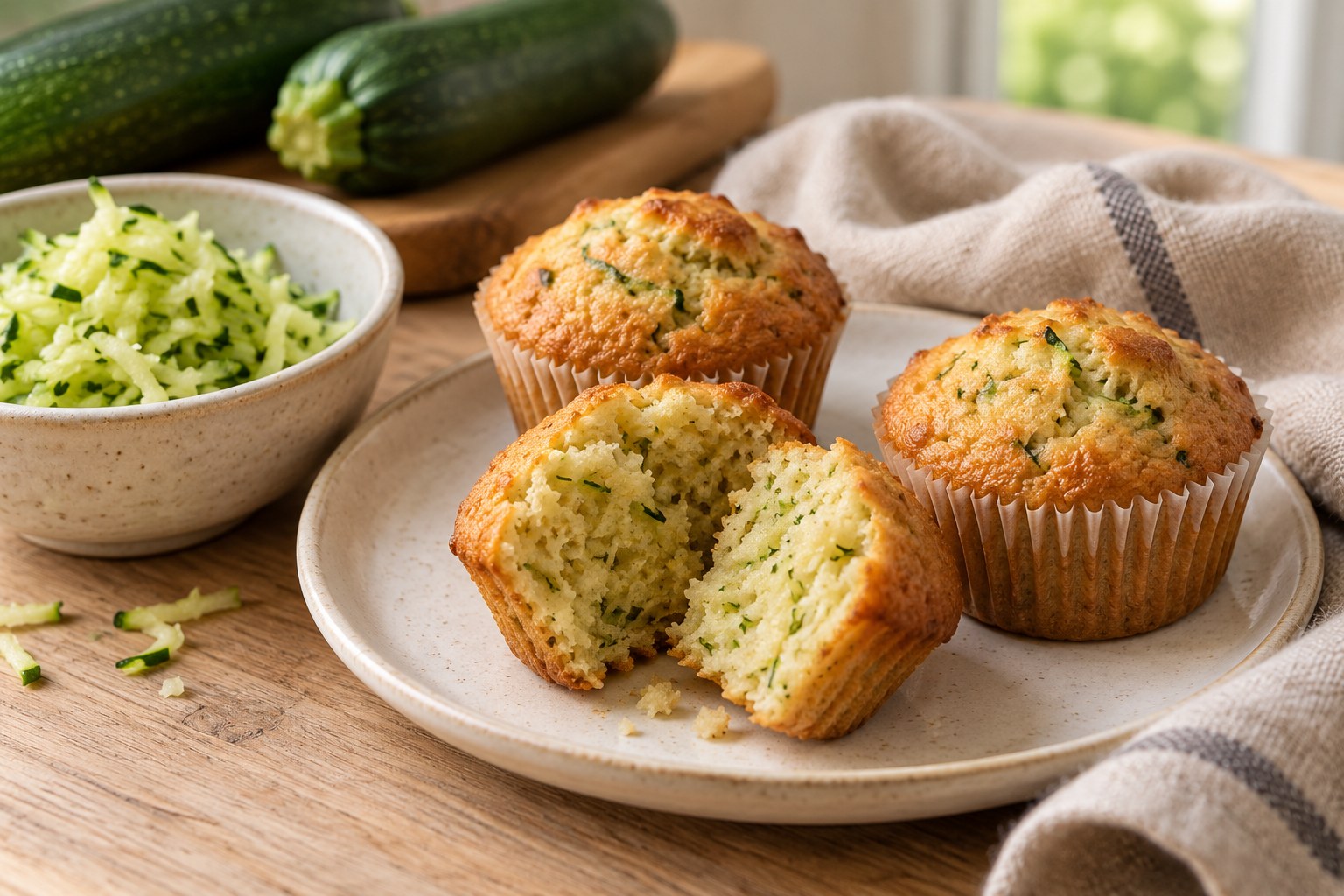
An adult should set up any grating or chopping and handle hot pans. Children can choose between the recipe's fruit or vegetable options, stir ingredients, place liners, and compare how batter looks before and after mixing. A successful lesson may be measuring accurately even if the final muffins are unevenly shaped.
When baking treats, there is no need to claim that every muffin is a complete balanced meal. Serve it as part of an appropriate snack or breakfast alongside other foods.
Make snacks feel flexible rather than “functional”
The original article used the phrase “functional snacking,” implying that a handful of fashionable ingredients could automatically produce a superior snack. A more useful question is whether the snack fits the child's appetite, available time, allergies, and next meal.
A fruit portion with yogurt, a sandwich, or vegetables with a dip may work well. For a planned kitchen session, No-Bake Sunflower Butter Energy Balls use oats, sunflower butter, honey or maple syrup, flaxseed, chocolate chips, and vanilla. They are not necessarily suitable for all ages or allergy settings simply because the recipe is nut-free in name; review seed restrictions, labels, and choking concerns.
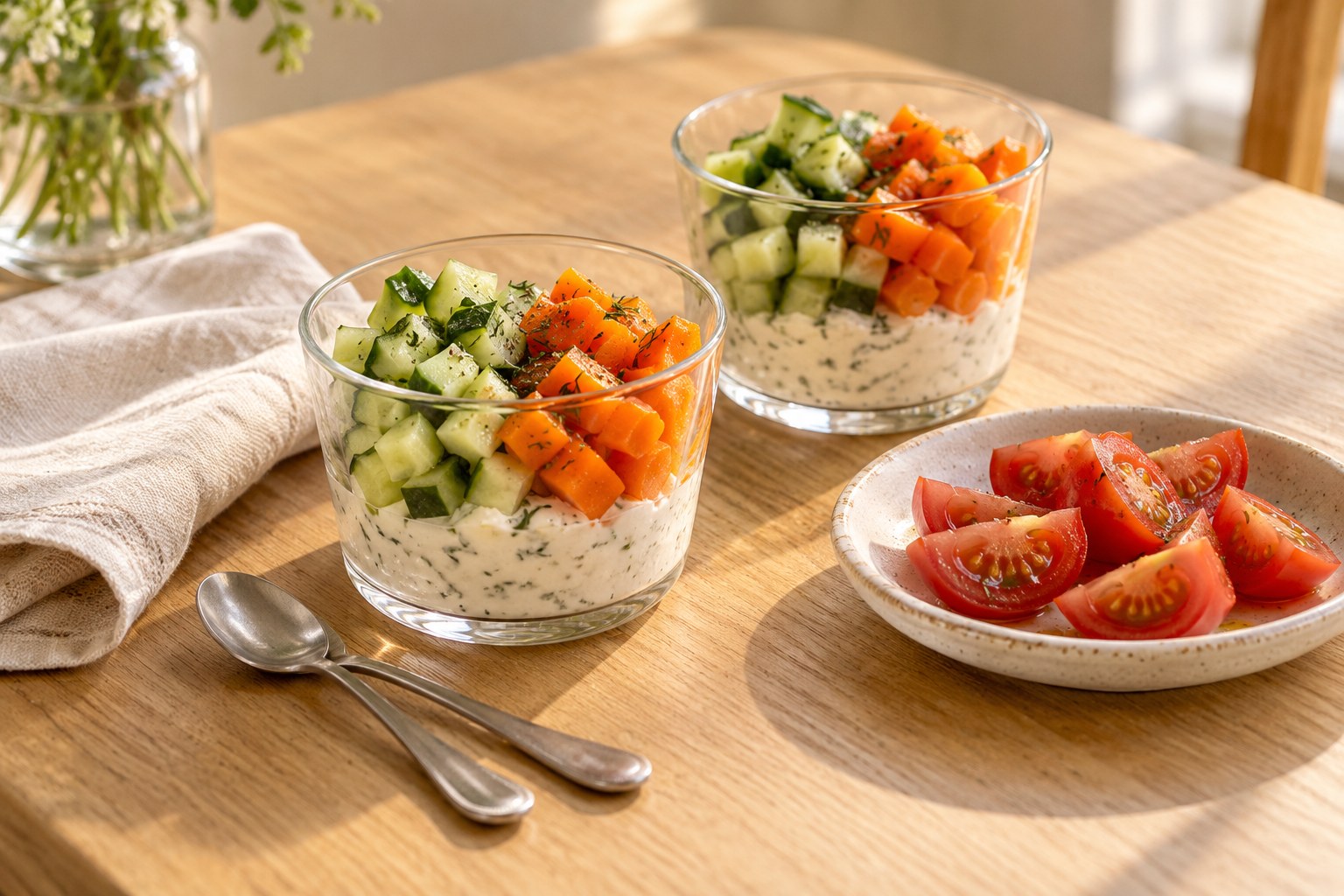
Veggie Dip Cups are another assembly project, but the published dip uses cream cheese and Greek yogurt. The recipe's raw carrots and cherry tomatoes also need to be prepared appropriately for younger children.
A snack does not need to be an exciting social-media project. A child who learns to wash an apple, spread a safe topping, and put food away has practised useful everyday skills.
An easy after-school cooking routine
After school, some children need food immediately; others need quiet before taking part in an activity. Avoid starting with an elaborate recipe when everyone is tired. Establish a rhythm: wash hands, eat a suitable snack, choose a single helper job, then clean the space.
Put ingredients out before inviting children to join. The first ten minutes may be spent rinsing fruit and mixing a dip rather than cooking a full dinner. For an evening project, offer one job tied to the family meal, such as tearing herbs, choosing a vegetable, or measuring a dressing.
For families who want a make-ahead snack session, prepare Overnight Oats for the next morning or portion suitable frozen fruit for smoothies. If using raw eggs, meat, or poultry at any stage, prevent cross-contamination and make sure children understand that raw mixtures are not safe to taste.
Finish with a predictable cleanup. A child can place a used spoon in the sink, wipe an appropriate clean surface, or help sort containers. Do not reserve cleanup as a punishment for making a mess; it is part of cooking.
Batch preparation without spending all Sunday in the kitchen
Weekend preparation can make weekdays easier, but a plan that demands several hours each Sunday may not be sustainable. Try picking just one breakfast component, one snack component, and one dinner shortcut for the coming week.
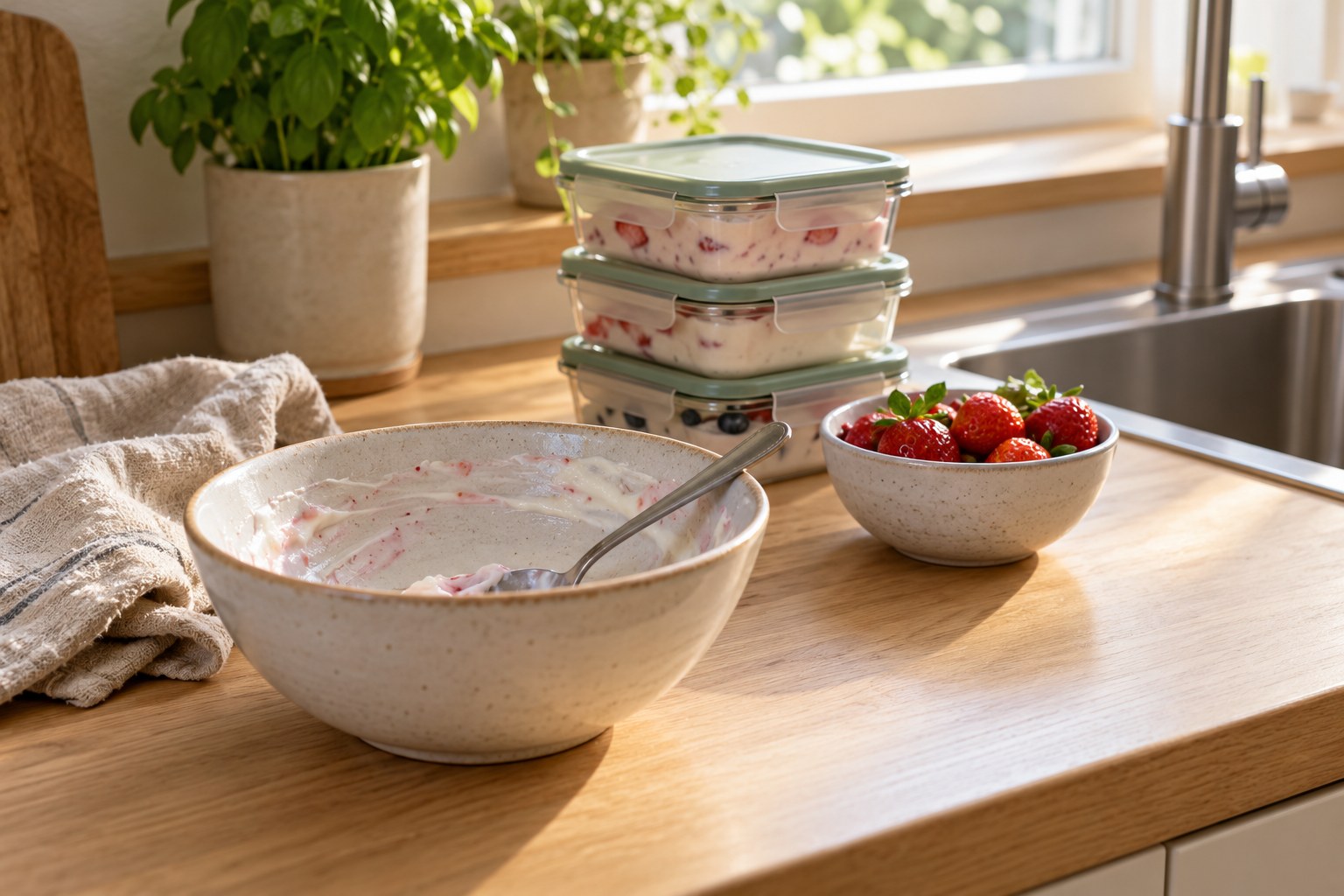
A realistic sequence is to review the fridge, choose a few meals, wash suitable produce, mix one overnight breakfast, and prepare a sauce or filling. If baking muffins, make the full recipe as written and freeze appropriate portions after cooling. Label containers with the contents and preparation date.
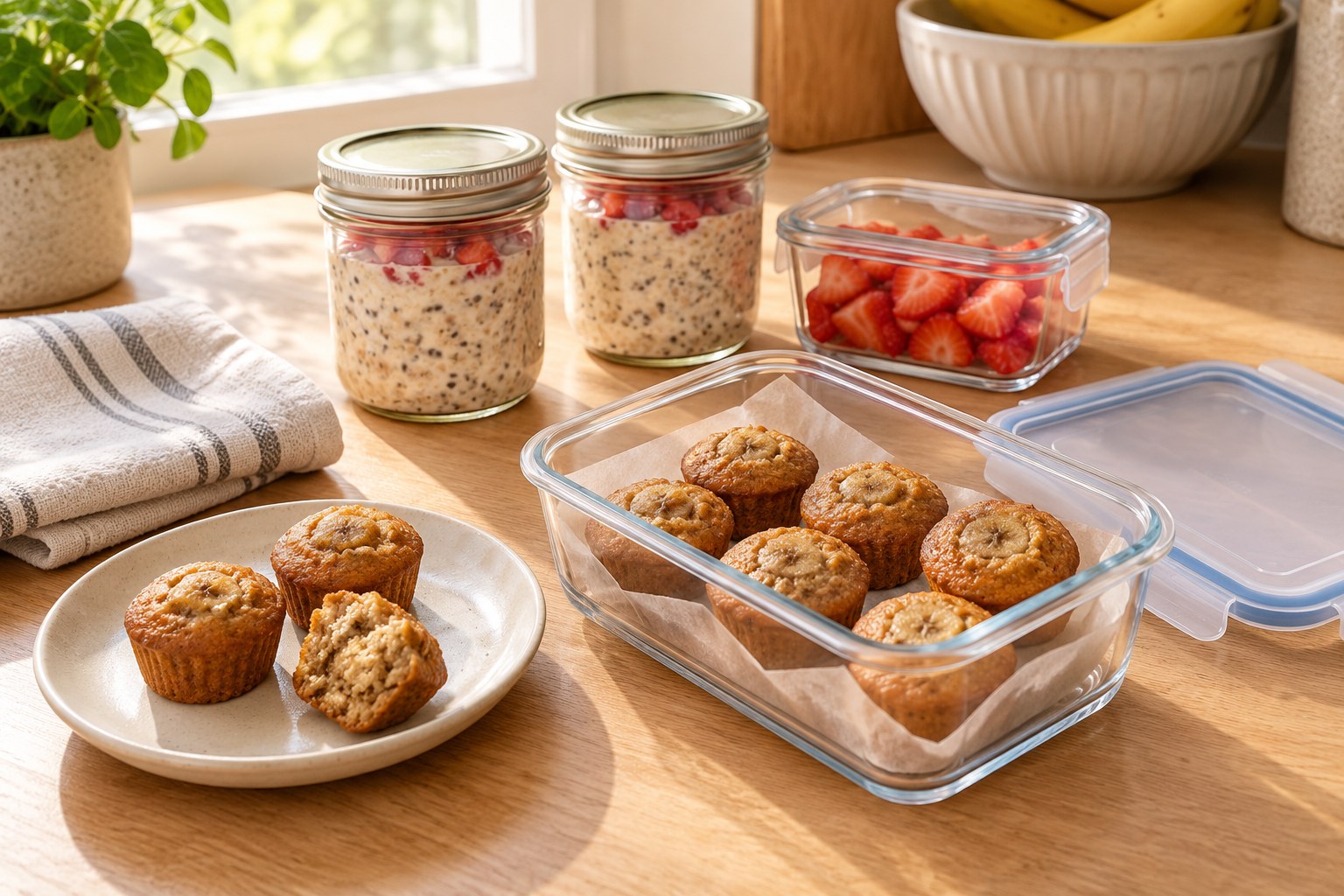
The High-Protein Greek Yogurt Parfait illustrates why planning matters: the yogurt and fruit can be assembled quickly, but its homemade granola requires a separate oven step. Preparing or buying suitable granola in advance reduces morning work.
Do not confuse batch preparation with holding cooked meals in the fridge indefinitely. Follow Health Canada's leftovers guidance, cool food promptly, refrigerate perishable items, and freeze portions that will not be used within the recommended timeframe.
A prep routine should reduce decisions, not create a kitchen full of unlabelled containers.
Food safety for school lunches and packed snacks
When lunch leaves the kitchen, temperature becomes part of the recipe. Foods containing dairy, eggs, cooked meat, and other perishable ingredients need appropriate cold storage until eaten. Health Canada's safe school lunch advice recommends insulated lunch bags and ice packs for foods that must stay cold, or an appropriate heat-preserving container for foods served hot.
The child should know which items need to be eaten first, where the lunch will be kept, and how to avoid sharing foods that could pose an allergy risk. Check school rules before packing peanut, tree-nut, or other restricted ingredients; a homemade recipe is not automatically school-safe.
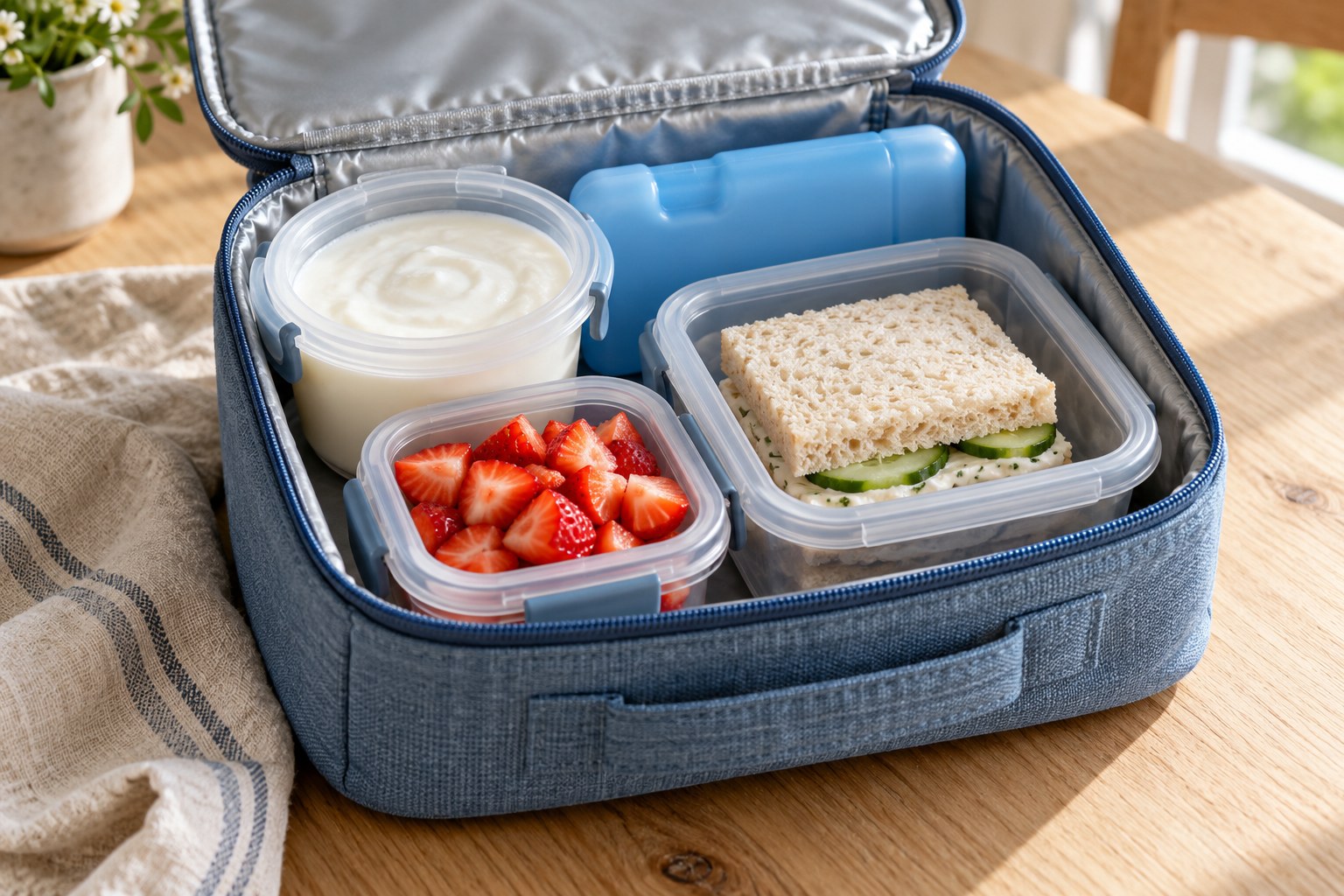
Use containers that a child can actually open. A beautifully packed lunch offers little benefit if the child needs assistance that is not available during a short lunch period. Practise opening lids at home and use manageable serving sizes.
For young children, age-appropriate food preparation matters as much as refrigeration. Round grapes, cherry tomatoes, pieces of hot dog, and hard nuts can pose choking risks; cut or substitute them according to developmental needs and supervise eating. Refer to a qualified pediatric source when uncertain.
Allergies, dietary substitutions and label reading
Families managing allergies need more than a suggestion to “swap nut butter for seed butter.” Ingredient substitutions can affect texture and performance, while packaged foods may have cross-contact risks. Always read the full ingredient label and any precautionary allergen information, and follow a child's individualized allergy plan.
The linked PB&J with Hazelnut Butter and Strawberry Chia Jam contains hazelnuts. It should not appear in a list labelled nut-free. Similarly, the published Homemade Cheese Crackers contain wheat and dairy, and they require baking rather than simply opening a box of cheese cubes.
If a household avoids dairy, eggs, gluten, or particular seeds, choose a verified suitable recipe instead of assuming a one-to-one substitution works. For medically significant restrictions, consult a qualified healthcare professional or dietitian for personalized guidance.
Children can participate in label reading as they get older. Ask them to identify the ingredients they recognize and understand why a particular package is or is not suitable for their household.
What about smoothies, bowls and colourful breakfast trends?
Colourful smoothie bowls can be fun, but they're not always fast, inexpensive, or appropriate for every child. A recipe may include multiple frozen fruits, specialty powders, nuts, or seeds. The Rainbow Smoothie Bowls use several differently coloured layers and toppings, with a preparation time that makes them better suited to a leisurely session.
More importantly, avoid treating optional herbal or supplement powders as automatically child-friendly. The site's Stress-Less Smoothie Bowl lists optional ashwagandha and maca powder. Those ingredients should not be recommended for children without advice from an appropriate clinician.
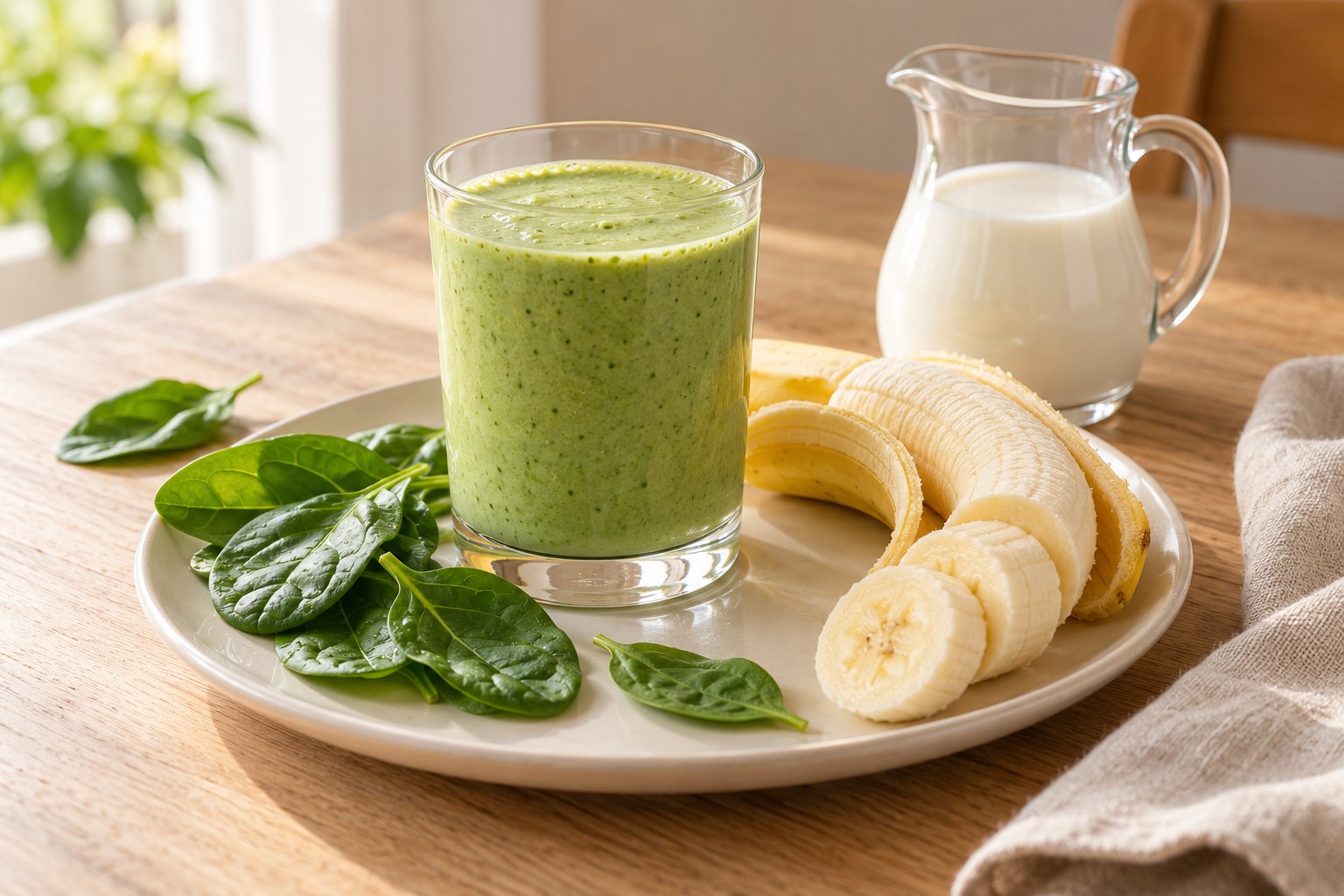
For an everyday smoothie activity, simpler ingredients may be better. The Spinach and Banana Power Smoothie uses banana, spinach, milk of choice, and flavourings. Let children choose between appropriate ingredients, but keep the blender under adult control according to their ability.
Remember that a beverage can be a dessert or snack rather than an everyday replacement for water. The separate 12 Fun Drink Recipes guide distinguishes smoothies and sweet drinks from ordinary hydration.
Four practical family cooking sessions to try
Session one: Build an overnight breakfast
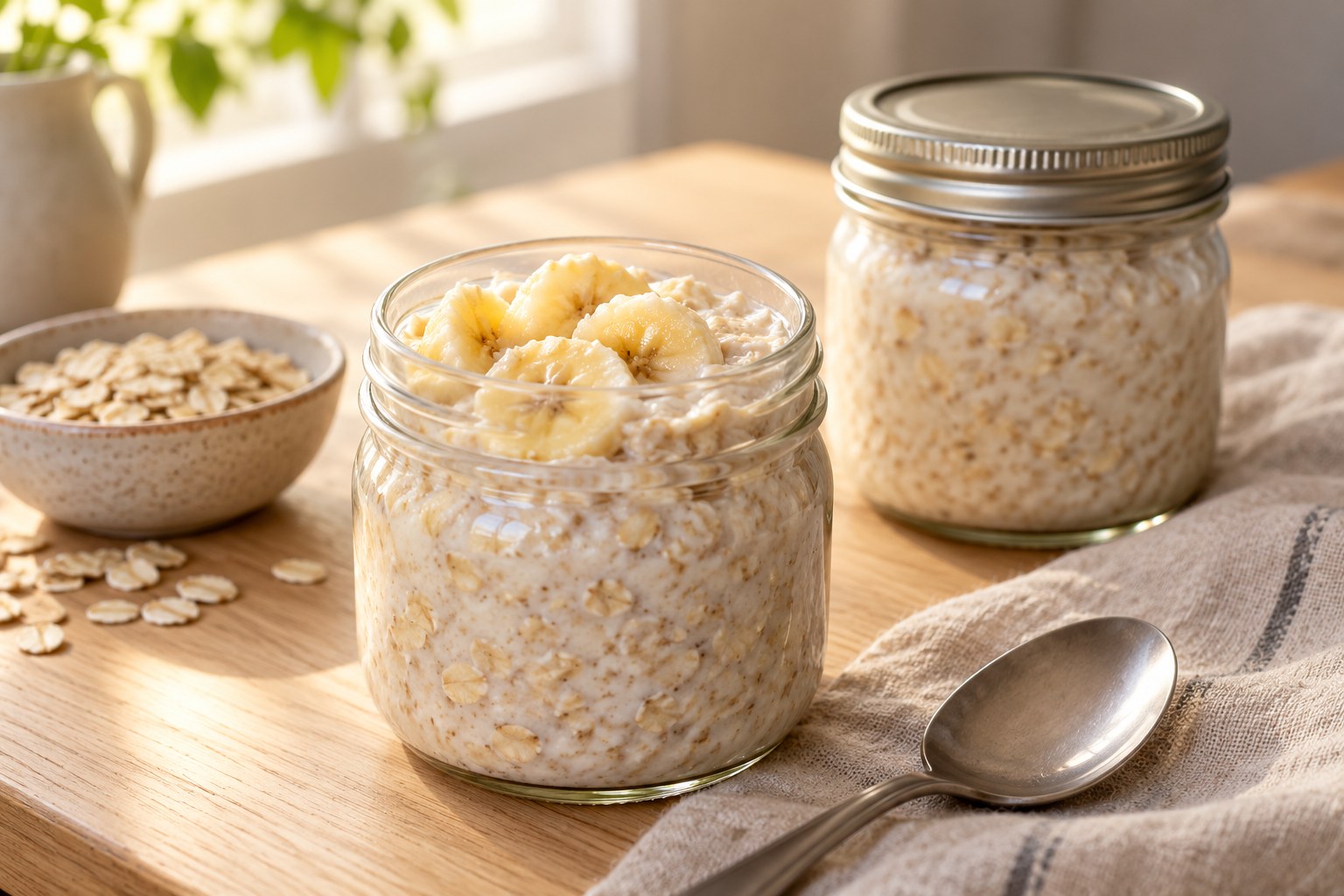
Gather the Overnight Oats ingredients. Have the child help measure oats into a container, mix the liquids with supervision, and select a suitable topping for the next morning. Explain that the refrigerator does an important part of the work. Label the container and check ingredient allergies. The learning goal is sequence and planning, not speed.
Session two: Bake one small batch
Prepare the Mini Muffins as written, choosing one of the published fruit or vegetable variations. Let the child count paper liners, help mix the dry ingredients, and observe how batter changes. An adult handles raw eggs appropriately and takes care of the oven. The learning goal is measuring and recognising when a recipe is ready for the next step.
Session three: Put together a snack plate
Prepare Veggie Dip Cups with an adult handling food cutting and safe arrangements for younger children. A child can help portion the dip, arrange suitable vegetables, and choose which component goes into the cup first. Keep perishable dairy chilled. The learning goal is food handling and making small decisions within a safe plan.
Session four: Make dinner collaborative
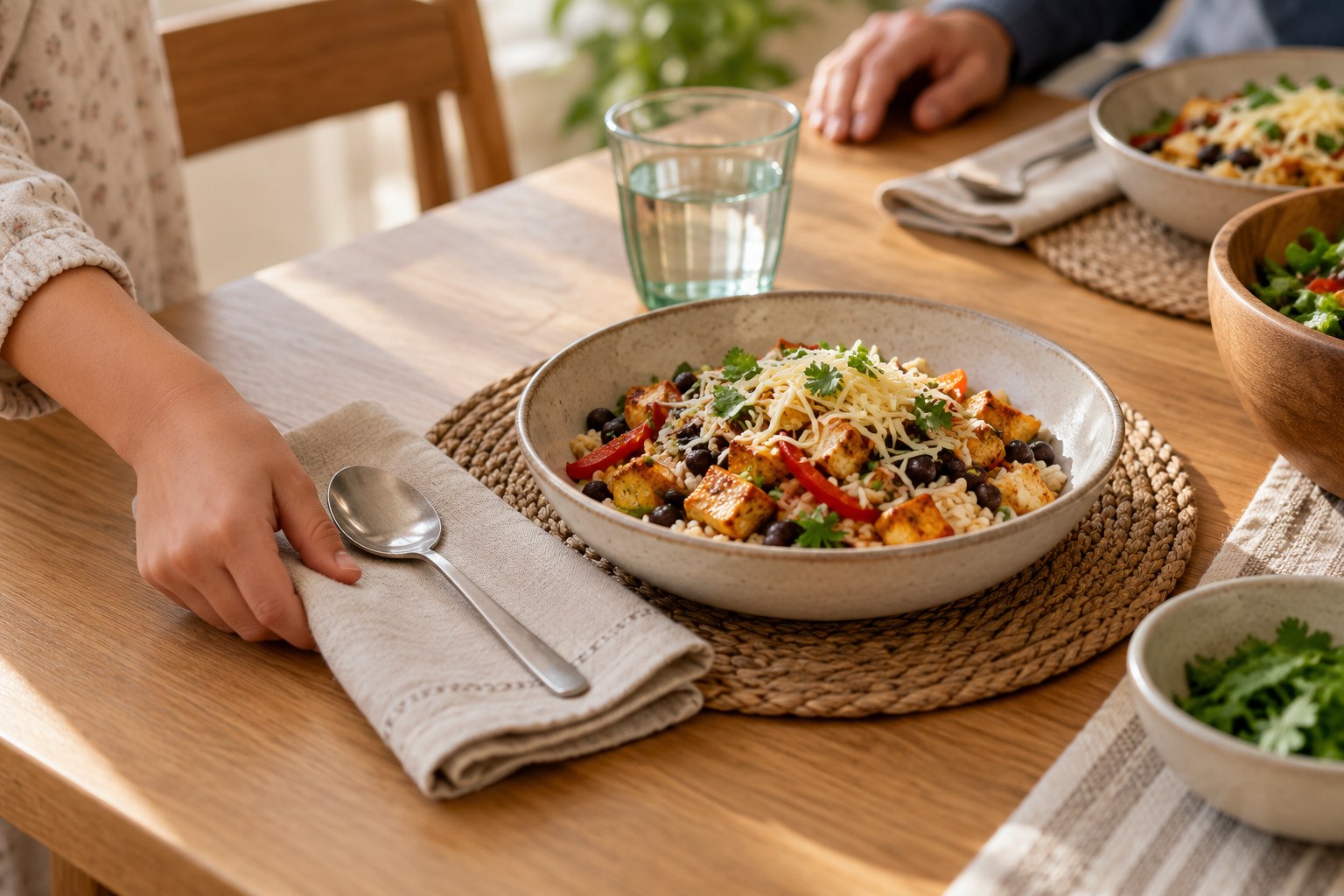
Use the Build-Your-Own Burrito Bowls as a model for an assembly-style meal. Adults manage any raw chicken, cooking, and hot components. Children can place cooled, ready-to-eat toppings in bowls or help set the table. Serve familiar items alongside optional new toppings. The learning goal is shared responsibility, not getting every person to choose the same thing.
Troubleshooting common kid-friendly cooking problems
“My child loses interest after two minutes.”
Make the assigned task smaller. Instead of asking them to prepare an entire dish, ask them to pour one measured cup or choose a garnish. Invite them back for the next suitable step, rather than insisting they remain for the whole recipe. Participation can grow with experience.
“They only want to eat the ingredients while we cook.”
Set aside a safe, ready-to-eat snack before beginning. Make it clear that raw eggs, flour-based batter, uncooked meat, and ingredients that need preparation are not tasting foods. Offer an appropriate washed fruit or prepared ingredient if they are hungry, then continue cooking.
“The recipe takes longer than the article promised.”
Read prep, cook, rest, freeze, and chill times separately. The High-Protein Banana Pancakes include both preparation and stovetop cooking; the Chia Seed Pudding needs time to thicken even though it is no-cook. Use a finished ingredient or choose another dish when time is short.
“Two children argue over who gets to mix.”
Assign distinct roles before starting: ingredient counter, stirrer, recipe reader, timer helper, or table setter. Rotate roles another day. If the task involves a hot or sharp tool, keep it with an adult regardless of whose turn it is.
“They refuse the food we made together.”
Keep the cooking achievement separate from the eating decision. Thank the child for their contribution, serve appropriate familiar foods as part of the meal, and avoid using the finished recipe as a test of gratitude. Try the same ingredient in another form on a later occasion.
“There is too much mess.”
Use a tray under small bowls, prepare only the ingredients required, offer a damp cloth for spills, and build in cleanup time. For a new helper, choose a recipe with a single bowl or assembly station before progressing to multi-pan baking.
Frequently asked questions
At what age can children start helping in the kitchen?
Children can begin with very simple supervised activities, such as counting ingredients or washing appropriate produce, when they show interest and readiness. More complex tasks depend on motor skills, safety awareness, instruction, and close supervision, not a universal birthday threshold. Canada's food guide offers suggested age-appropriate tasks.
What is the best first recipe for a reluctant child?
Try an assembly task with familiar components rather than a long recipe. Overnight oats, a suitable yogurt-and-fruit cup, or a sandwich can offer small choices. The child can participate without having to taste something unfamiliar.
Should I hide vegetables in muffins or smoothies?
You can include vegetables in recipes, but there is no need to deceive a child about what the food contains. Tell them what was used, offer other preparations of the same vegetable when appropriate, and focus on curiosity rather than surprise or pressure.
Do kids need protein powders and “superfood” supplements?
A varied diet can often meet a child's nutritional needs without special powders. Protein powders and herbal products are not automatically appropriate simply because a recipe includes them. Ask an appropriate healthcare professional about individual nutritional concerns, especially for younger children.
What if the entire family has different preferences?
Prepare a shared base with a few compatible choices, and include at least one familiar component where feasible. The adult still provides a reasonable meal structure; children can participate in safe assembly and respond to appetite without each person requiring a completely separate recipe.
How can I keep school snacks safe?
Check ingredients and school allergy rules, prepare foods to reduce choking risk, and use insulated containers and cold packs for perishable foods. Read Health Canada's school lunch guidance before deciding what can travel safely.
Can I use the same food activity every week?
Yes. Repetition builds confidence. A child may learn to measure, pour and stir more accurately over several weeks. Change a small element only when the routine feels comfortable.
What should I do if picky eating affects growth or causes severe distress?
Seek individualized advice from a healthcare professional rather than relying on general recipe guides. Feeding difficulties have different causes, and some children need specialized support.
Final thoughts: Build confidence one small task at a time
The strongest approach to kid-friendly cooking is practical, not perfect. A child who knows how to wash produce, follow a short set of instructions, handle food safely, and join a family meal without pressure is learning skills that extend far beyond the kitchen.
Begin with one familiar recipe and one achievable job. Keep the safety boundaries clear, correct misleading shortcuts, respect different appetites, and celebrate progress without requiring a particular food to be eaten. When you need more options, explore the 55+ Kid-Friendly Recipes collection, 15 No-Bake Snack Ideas, and Meal Planning Made Easy. Each serves a different purpose, and together they can make everyday cooking a little easier.
The most useful recipe is often the one that fits the family, the day, and the child's current ability. Make room for small steps, shared work, and food that can simply be enjoyed.
IN PICTURES
From the baking notebook
FROM THE RECIPE BOX


