
On this page
A 9-inch tart pan and a 9-inch pie dish can take very different amounts of filling. Set them side by side and look at the walls. A shallow fluted ring is built to show a tart's edge after unmoulding. A deeper, sloped dish gives juicy fruit room and supports a wedge while you lift it.
What a traditional pie pan looks like
Most common pie pans are round with sloped sides, a relatively deep interior and a lip that can support a decorative crimp. They may be made of metal, glass or ceramic. The depth and diameter vary more than the name suggests, so a nine-inch standard pie pan is not necessarily equivalent in capacity to a nine-inch deep-dish pan. Follow the recipe's dimensions, including depth when stated.
Look at the sloping edge around Classic Apple Pie. It gives the baker a lip on which to join the two layers of pastry.

What defines a tart pan
A typical tart pan is shallow with straighter sides and often has fluted edges that create a decorative pastry border. Many metal tart pans have removable bottoms that help the finished shell release neatly. Tart pans also come in rectangular, individual and deep formats, so the overall category isn't limited to one shape. Their classic shallow profile makes a tart shell especially attractive for ganache, pastry cream or thin fruit arrangements.
The shallow shell in Classic Fruit Tart leaves space for a thin bed of filling and a visible layer of fruit.

Capacity matters more than nominal diameter
Measure the inside top diameter and depth. For watertight pans, compare their capacities by measuring the water they hold at the rim. A removable-bottom tart tin may leak during this test. A clean food-safe liner can hold the water for measuring. Empty and dry the pan before baking and leave headroom for the filling.
In Chocolate Caramel Tart, both caramel and chocolate need room. Measure the depth of the shell before pouring the first layer.

How the sides influence pastry
A straight wall makes a sharp corner you need to ease the pastry into. A sloped wall is more forgiving to line but leaves an angled edge on each slice. Lower the pastry into either pan with a little slack and press it into place without stretching it thin.
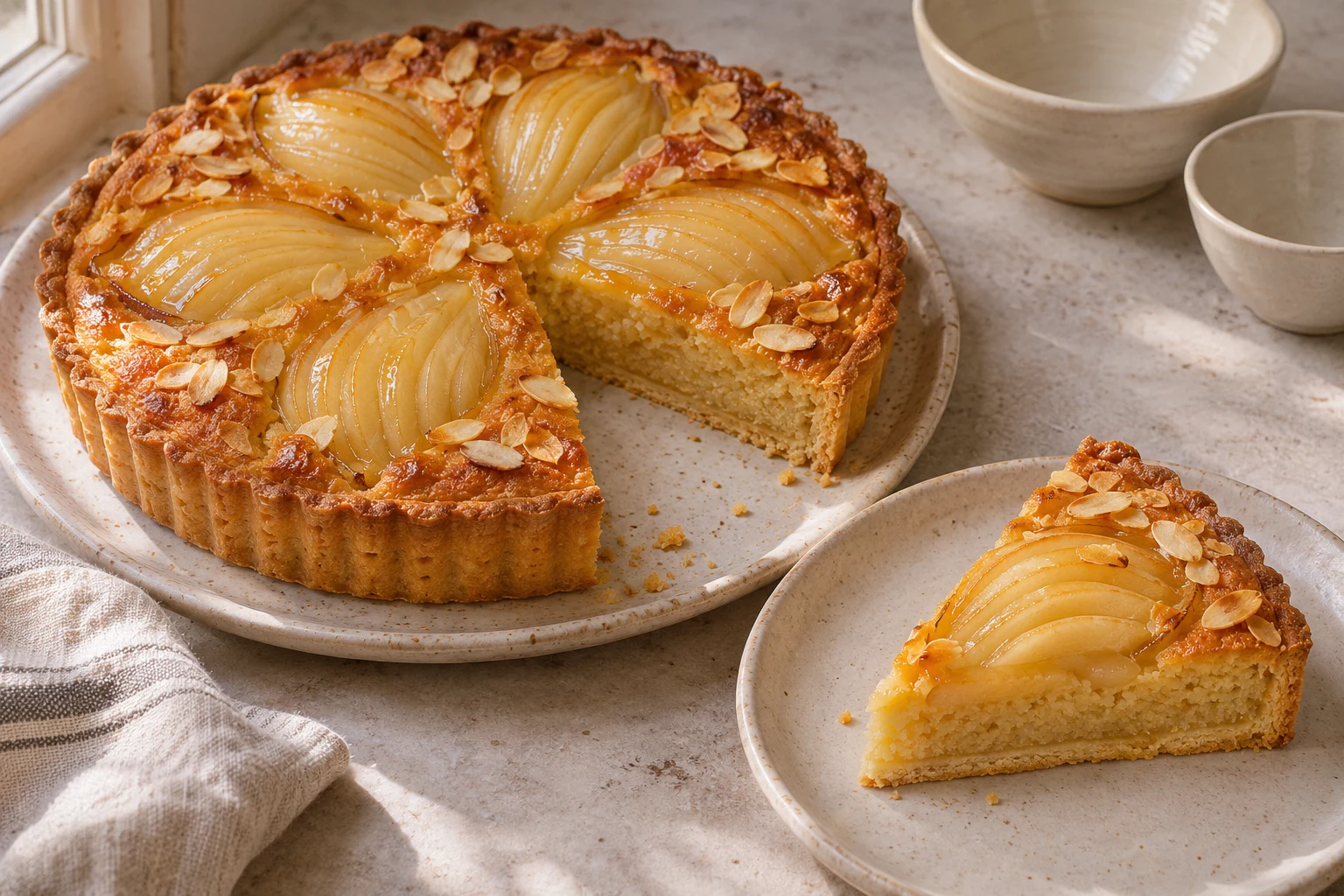
The sides of Pear and Almond Tart hold its almond filling while the pear remains visible on top.
Removable bottoms make presentation easier
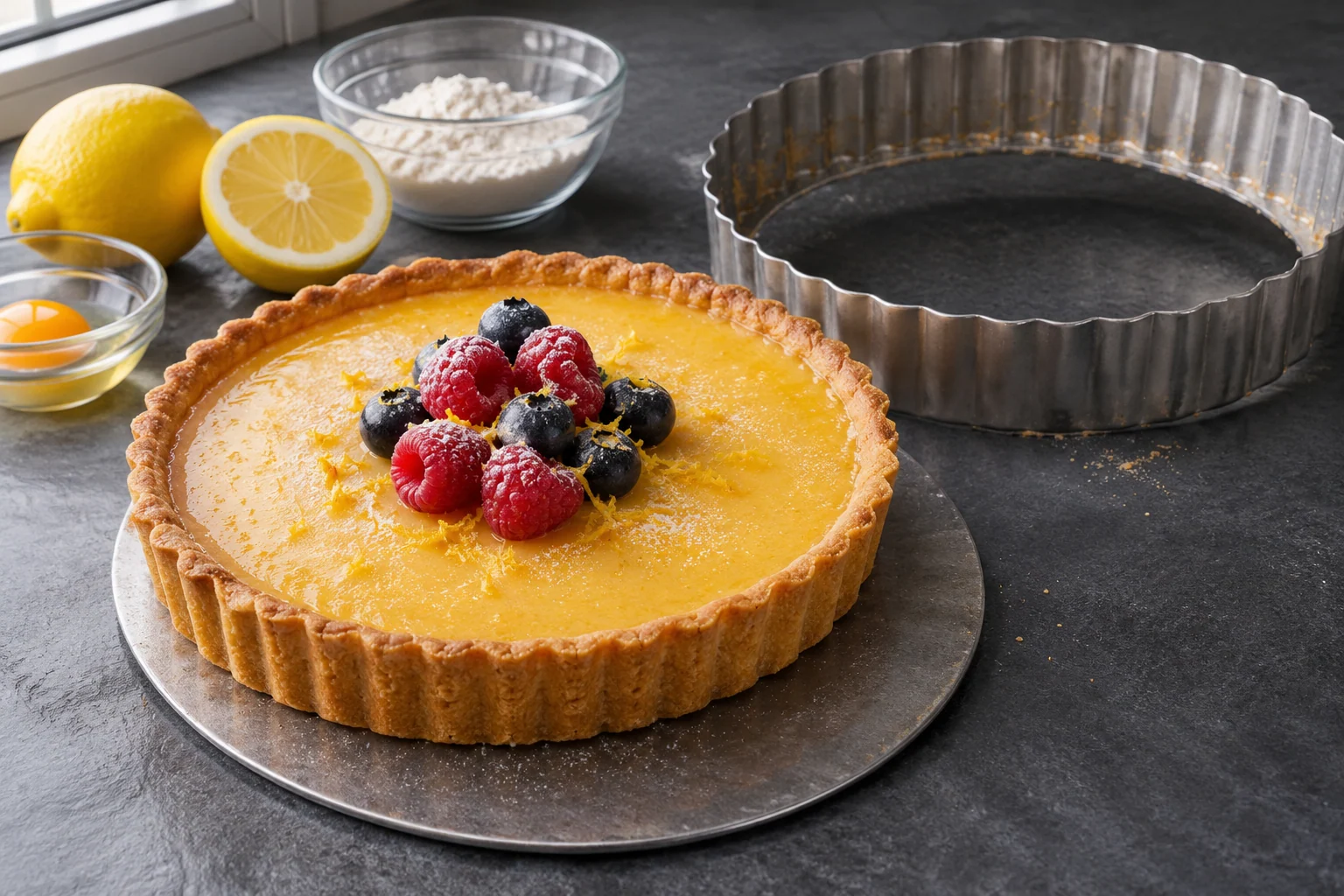
Lift a removable-bottom tart tin by its outer rim or carry it on a sturdy tray. Pushing up on the centre while the shell is full can loosen the ring at the wrong moment. Once the tart is firm enough to release, support the base and lower the ring evenly.
Plan where to set Raspberry Tart after releasing the ring so you can move the tart by its base.
Why many pies remain in the dish
Fruit pies often contain abundant filling, and a tender flaky crust may need the support of a pie plate during cutting. Glass or ceramic pie plates can go directly to the table when their temperature and handling requirements are respected. A classic pie doesn't need to be unmolded to look good. Trying to lift a hot full fruit pie from its dish can damage the crust or cause burns.
Metal pie pans
Metal typically transfers heat efficiently and can promote a well-browned bottom crust when used with the right recipe and oven placement. Dark metal may absorb more heat and brown edges more quickly than light aluminum. Adjust only according to verified guidance; don't assume all metal pans bake alike. A sturdy metal pie plate can be practical for frozen unbaked pies when the recipe specifies such a method.
The substantial filling in Apple Blackberry Pie gives you a reason to check how much heat actually reaches the base of your pan.

Glass pie pans
Glass lets you inspect the colour of the lower crust through the side. Follow the maker’s instructions about preheating, racks and sudden temperature changes. Set a hot glass dish on a dry, heat-safe support, and keep a cold dish off a preheated stone or metal sheet.

Ceramic pie dishes
Ceramic can look beautiful at the table and may retain heat for some time. Thick ceramic dishes can respond more slowly to temperature changes than thin metal, affecting the bottom crust. Use a tested baking method and account for the hot dish when serving. Many ceramic pans are deep, so check capacity before replacing a standard shallow plate.
Metal tart pans
Thin metal tart pans can help bake crisp pastry shells, especially when the shell is blind-baked before filling. A fluted tart pan may also require more careful lining to prevent thin spots at the corners. Nonstick coatings and detachable bases vary by product. Use utensils that won't damage coatings and follow the manufacturer's temperature limits.
Press the pastry gently into the flutes for Plum Tart so the shape shows after the outer ring comes away.

When blind baking matters
An unbaked filling such as pastry cream needs a shell that has finished baking on its own. A filling that returns to the oven may call for a partially baked shell. Read the filling method first, then choose how far to bake the base.
Check the shell-baking step in Classic Custard Tart before pouring in the custard. Pan choice alone cannot set the base.

Choosing for fruit pies
A deep apple or berry pie generally benefits from a pan with enough space for fruit to cook down without bubbling over the edge. A standard pie plate accommodates a top crust or lattice and a crimped seal. If using a tart pan for a shallow fruit tart, select a dedicated tart recipe with the correct thickener, filling depth and baking time.
Choose a dish deep enough for the fruit and juices in Peach Blueberry Pie and leave room to finish its rim.
Choosing for lemon tart
A lemon tart with a shallow smooth curd filling is especially attractive in a removable-bottom tart pan. A pie plate can hold lemon-based fillings too, but the proportions and crust style differ. Use a tart recipe designed for the pan so its filling reaches the intended set without overcooking. Cream and egg fillings have refrigeration requirements after preparation.
The shallow custard in Lemon Custard Tart makes it easier to see the small movement in its centre as it sets.
Choosing for chocolate ganache tart
A crisp baked tart shell filled with correctly proportioned ganache is an elegant no-bake-filling dessert. The shallow tart pan provides a high pastry-to-filling contrast. If the chocolate filling is poured into a deep pie plate, it may be overly thick or insufficient to cover the base. Use a recipe with suitable quantities and safe storage directions for cream-based ganache.
An even, level shell helps the ganache layer in Dark Chocolate and Orange Tart reach the fluted edge at the same height.
Top crusts and lattices
Sloped pie pans with a lip make traditional crimping and lattice weaving convenient. Tart pans can also hold lattice designs in dedicated recipes, but their straight shallow edges require careful trimming and sealing. If you want a classic high apple pie, a standard pie plate is usually the simpler tool. If you want a flat elegant fruit mosaic, a tart pan may be more appropriate.
The rim of the lower crust in Strawberry Rhubarb Pie is also the surface that holds the ends of the lattice.

How pan material affects bake time
A darker, thinner metal pan, a thick ceramic dish and a glass plate may deliver different heat to the crust. Oven rack position, baking sheet use and filling temperature also matter. Follow the original formula's pan recommendation rather than changing the oven temperature by a guessed amount. Check both crust colour and filling doneness before removing the dessert.
Pan size conversion without overflowing
If switching pans, compare actual capacity before pouring. Fill only to the height the recipe calls for and bake any suitable surplus separately in a heat-safe dish. A shallower tart may finish sooner; check the centre of a custard or the set of a filling according to that recipe.
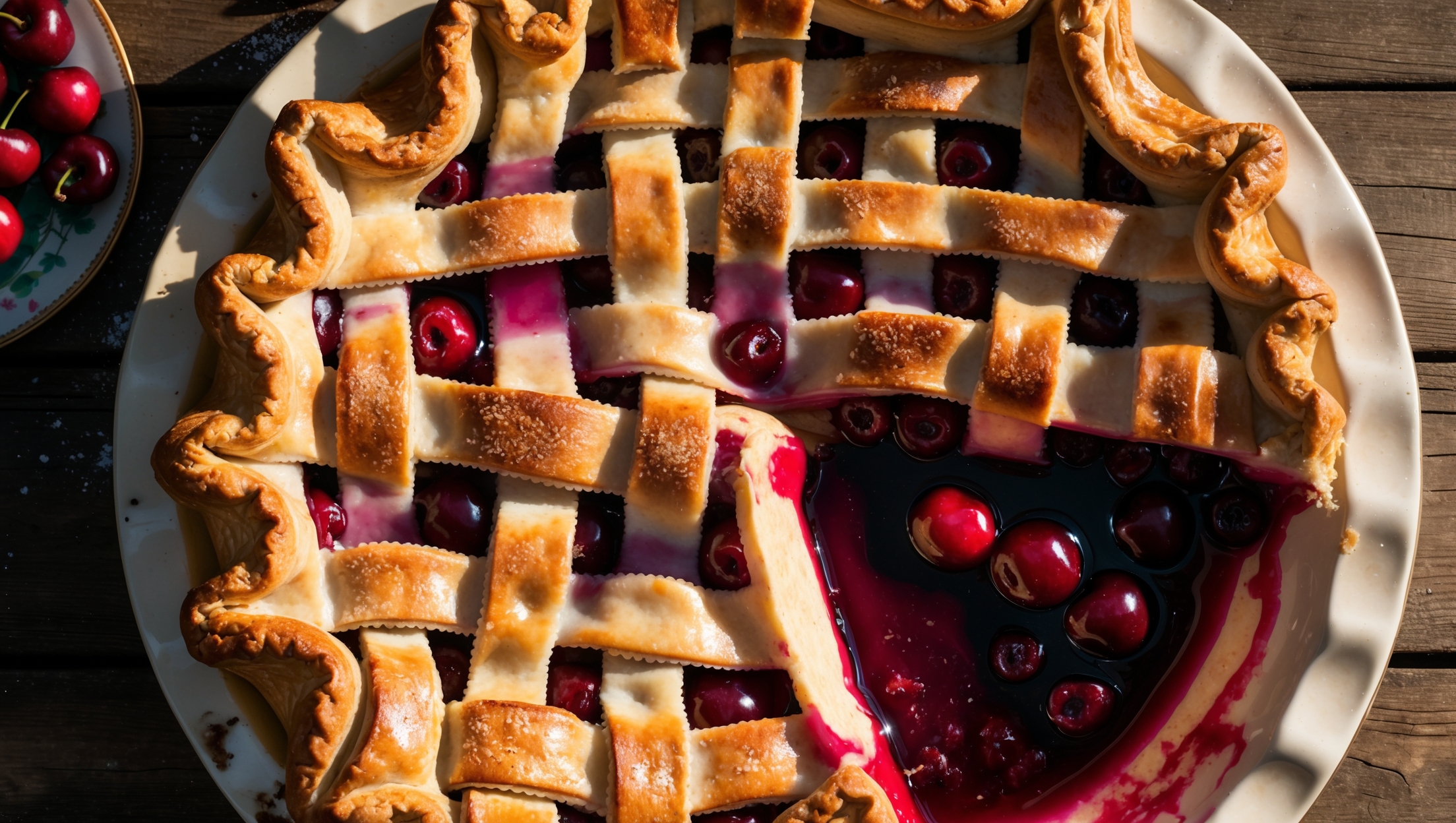
The fruit in Cherry Pie needs depth as well as diameter. Compare capacities before putting a deep pie filling into a shallow tart pan.
Transport and serving differences
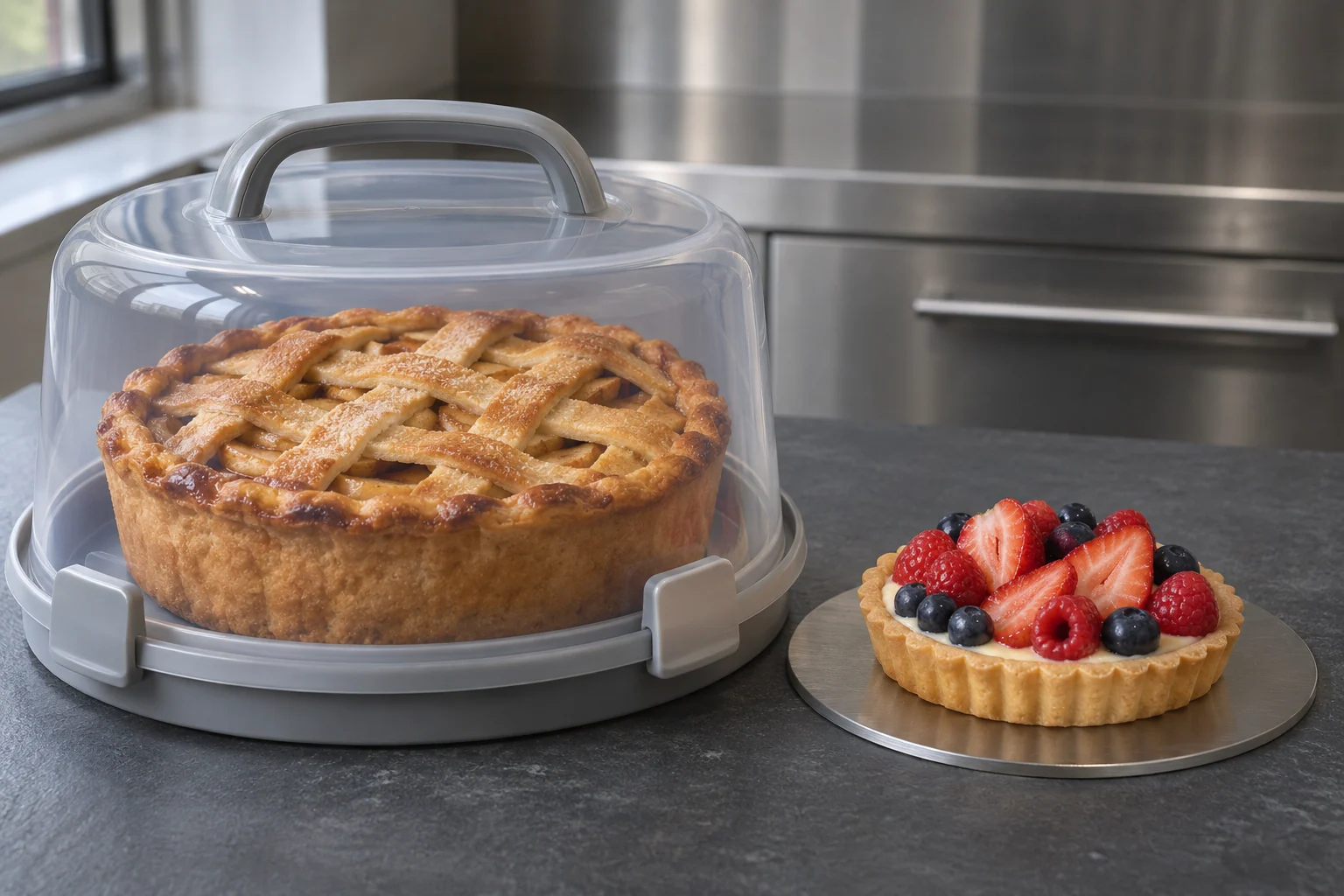
A pie in its own dish is protected during travel, while a removed tart displays its edges beautifully but can be fragile. For transporting a tart, keep it supported on its base or a rigid board until arrival. Protect custards and cream fillings with proper cold storage. A decorative removable bottom is a presentation advantage, not permission to carry a hot filled tart unsupported.
For individual servings, Lemon Meringue Tartlets avoids the problem of cutting a large tart at its destination.
Cleaning and storing pans
Cool cookware safely before washing, following the manufacturer's instructions. Dry removable-bottom tart pans thoroughly so seams and edges don't retain moisture. Store loose bases with their rings to avoid mixing sizes. Glass and ceramic pans may chip when stacked without padding. A few well-maintained pans are more useful than many specialty shapes that don't fit your reliable recipes.
Frequently asked questions
Can I bake a pie in a tart pan? Sometimes, with enough capacity and a suitable recipe. Can I make a tart in a pie plate? Yes, but the shell shape and filling depth change. Is glass always better for browning? It makes browning visible but behaves differently from metal. Must every tart be blind-baked? No, follow the filling method. Can you lift a tart pan by its base? Support the whole pan, especially while filled.
Choose the pan for the dessert
Choose a pie dish when you need a deep filling, a rim for a lid or a dish you can carry straight to the table. Choose the tart pan when the recipe depends on shallow layers and a freestanding edge. The recipe’s measurements settle the remaining question of size.
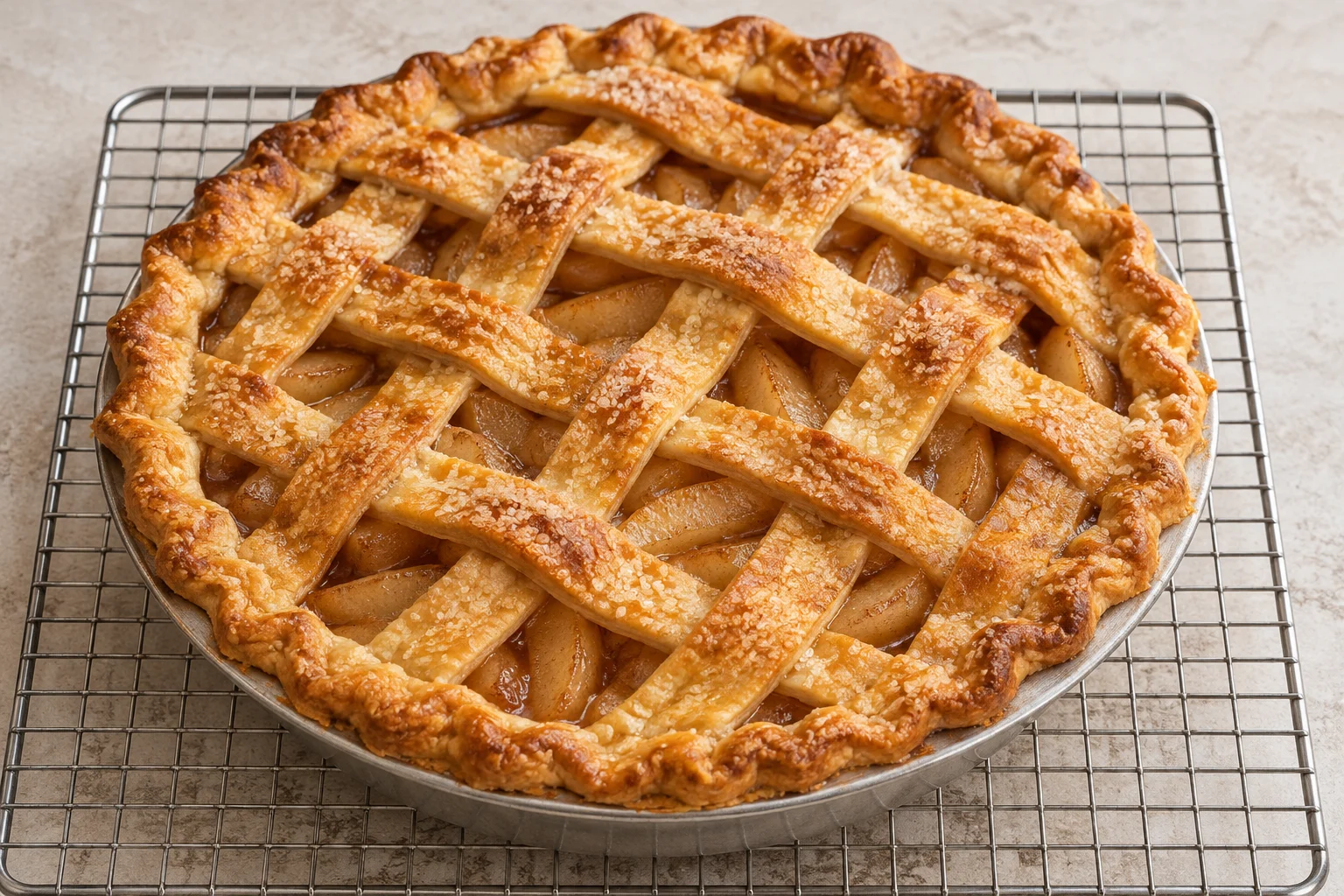
Serve Pear Ginger Pie from its baking dish to support the fruit and lower crust while lifting the first slice.
IN PICTURES
From the baking notebook
FROM THE RECIPE BOX


