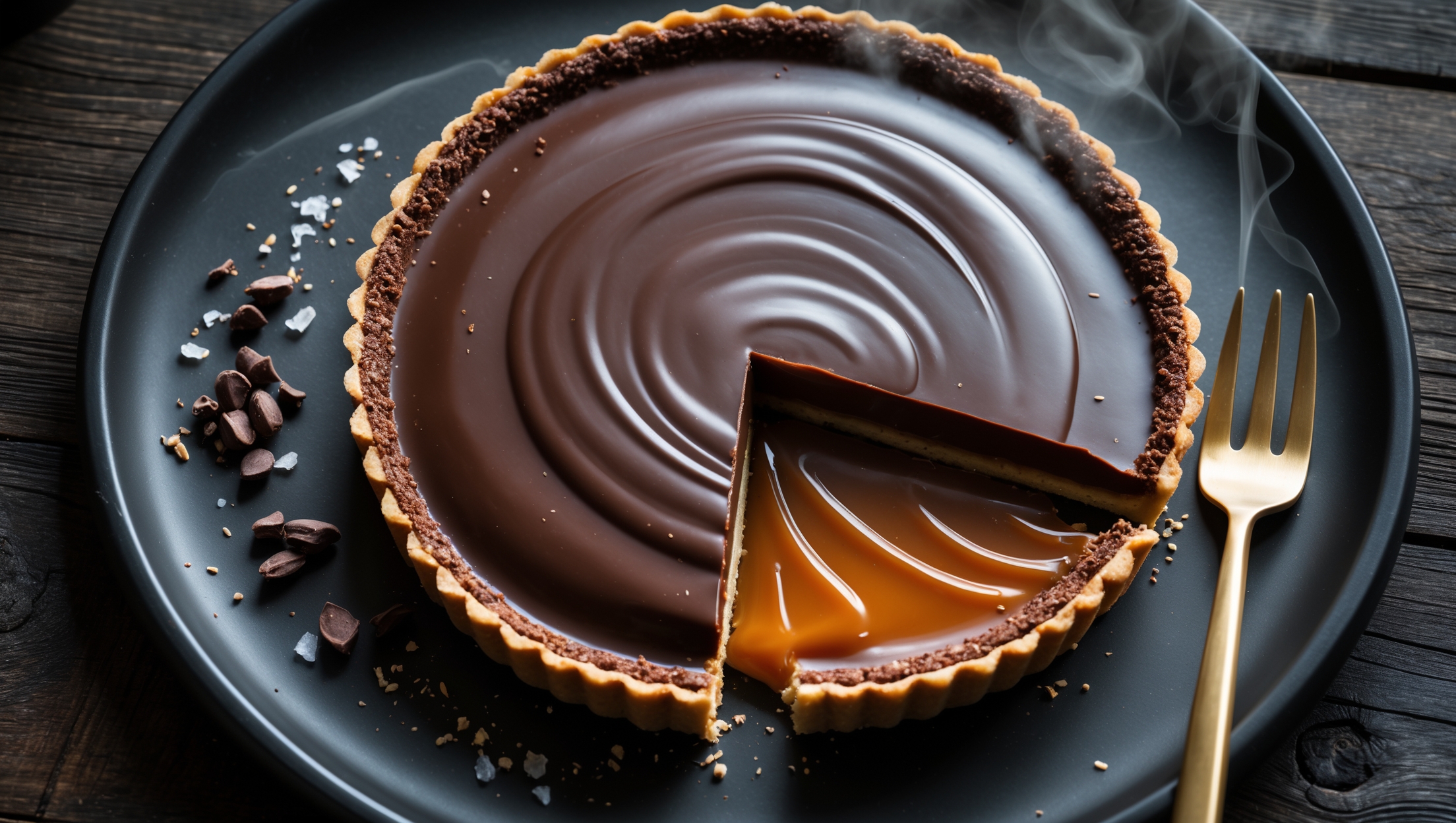
Directions
<ol class="no-list-style"> <li class="MethodStepper"> <h4 class="step-title">Step 1</h4> Make the pastry by combining the flour, icing sugar and salt in a food processor (or in a bowl using your fingertips). Add the cold cubed butter and pulse until the mixture resembles fine breadcrumbs. The cold butter creates pockets of steam during baking, resulting in a flaky, crisp texture. </li> <li class="MethodStepper"> <h4 class="step-title">Step 2</h4> Add the egg yolk and pulse again. Gradually add just enough ice-cold water until the dough comes together when pinched. The minimal handling preserves the tender texture of the pastry. Form the dough into a disc, wrap in cling film, and chill for at least 30 minutes to relax the gluten, which prevents shrinkage. </li> <li class="MethodStepper"> <h4 class="step-title">Step 3</h4> Preheat your oven to 180°C (160°C fan). Roll out the chilled pastry on a lightly floured surface to about 3mm thickness and use it to line your tart tin, pressing gently into the edges. Trim excess pastry, leaving a small overhang to account for shrinkage. Prick the base with a fork and return to the fridge for 15 minutes to prevent shrinking during baking. </li> <li class="MethodStepper"> <h4 class="step-title">Step 4</h4> Line the chilled pastry case with baking parchment and fill with baking beans or rice. Blind bake for 15 minutes, then remove the beans and parchment and bake for a further 5-10 minutes until the pastry is golden and completely dry to the touch. This ensures your crust won't become soggy once filled. Let it cool completely in the tin. </li> <li class="MethodStepper"> <h4 class="step-title">Step 5</h4> For the caramel, place the sugar in a heavy-bottomed saucepan over medium heat. Allow it to melt without stirring (you can gently swirl the pan). Exercise patience here – the sugar needs to melt evenly to prevent crystallization. Once melted to an amber color (about 170°C if using a thermometer), remove from heat. </li> <li class="MethodStepper"> <h4 class="step-title">Step 6</h4> Carefully add the butter to the caramel (it will bubble vigorously). Stir until incorporated, then slowly stir in the double cream. Return to low heat and cook for 1-2 minutes until smooth. Add the salt, stir to combine, then pour into your cooled pastry case. Refrigerate for at least 1 hour until set. </li> <li class="MethodStepper"> <h4 class="step-title">Step 7</h4> For the ganache, heat the cream until just simmering (tiny bubbles around the edge but not boiling – overheated cream can make the ganache grainy). Pour over the chopped chocolate in a heatproof bowl and let sit for 2 minutes. The residual heat slowly melts the chocolate without risk of seizing. Gently stir until smooth, then add the butter and stir until glossy. </li> <li class="MethodStepper"> <h4 class="step-title">Step 8</h4> Pour the ganache over the set caramel layer, gently tilting the tart to ensure even coverage. Tap the tin gently on the counter to remove air bubbles and create a perfectly smooth surface. Refrigerate for at least 2 hours until set completely. </li> <li class="MethodStepper"> <h4 class="step-title">Step 9</h4> When ready to serve, gently remove the tart from the tin. For a clean cut, heat your knife in hot water, wipe dry, and slice. Sprinkle with flaky sea salt and cacao nibs if desired. Let the tart come to room temperature for about 15-20 minutes before serving to allow the flavors to fully develop. The contrasting textures – crisp pastry, soft caramel and firm chocolate – create the perfect bite. </li> </ol>