
On this page
Before opening a sachet, look for two instructions on the label: where the yeast goes and what temperature the liquid should be. Those details matter more than the size of the granules, especially when switching brands.
What active dry yeast is
Active dry yeast is sold as dried granules of Saccharomyces cerevisiae. Traditional products often have larger particles than instant yeast and may require rehydration before they disperse and begin working efficiently. Modern active dry formulas can differ, and some manufacturers allow mixing directly into flour. Read the package and follow the recipe's method instead of relying solely on older rules.

What instant yeast is
Instant yeast is generally processed into finer granules that can be incorporated directly with dry ingredients in many formulas. It usually starts acting efficiently without a separate blooming step. Bread machine yeast and some quick-rise products are related marketing categories, but additives and processing may differ. The package's instructions take priority over a general 'instant' label.
Yeast isn't baking powder
Both instant and active dry yeast are living microbes that ferment over time. Baking powder is a chemical leavener that reacts with moisture and heat. They aren't interchangeable. Yeast needs suitable temperature, water and fermentable sugars to produce gas, while baking powder follows a different reaction. Replacing one with the other creates a different formula, not a small timing adjustment.
Can you substitute them?
In many ordinary wheat bread recipes, a tested substitution is possible, sometimes with a small weight adjustment. Some resources treat equal weight as suitable for many applications, while others recommend slightly less instant yeast than active dry based on product activity. Choose the manufacturer's conversion or a reliable recipe-specific guide. Do not assume one teaspoon of each has identical weight or cell activity across brands.
Check the conversion on the new yeast packet before measuring. If the packet calls for dissolving it first, take that water from the recipe’s measured liquid so that the swap does not also change the dough’s hydration.
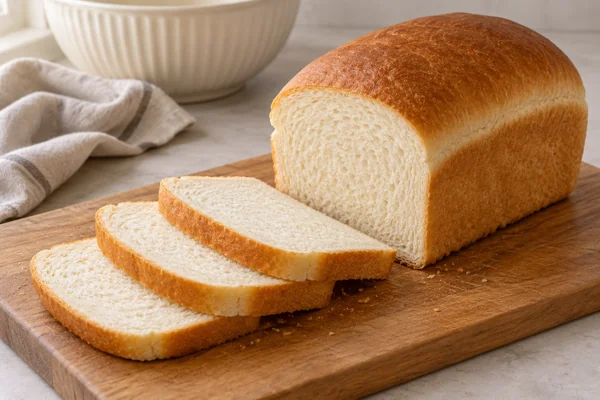
Start with the yeast specified for Classic White Sandwich Bread and record its weight before trying the other type.
Why weighing is useful
A gram scale provides more repeatable yeast quantities than a loosely filled teaspoon, especially in long-fermented doughs using very little yeast. Tiny variations can meaningfully alter fermentation speed. If a recipe uses a fraction of a teaspoon, a precision scale or validated volumetric measure is helpful. Keep yeast ratios relative to flour as the author intended.
Blooming active dry yeast
Some recipes dissolve active dry yeast in measured warm liquid and wait for visible activity before mixing. The liquid temperature must be suitable for the product. Use water already included in the recipe rather than adding extra water, which changes hydration. No foam may indicate inactivity, but different yeast products and sugar concentrations can affect what you see.
Instant yeast often goes straight into flour
Many instant yeast recipes mix granules with dry ingredients before adding liquid, relying on the mixing process to hydrate them. This can save a step. But a recipe with very cold or very stiff dough may have specific instructions, so don't ignore the method. Using instant yeast doesn't eliminate the need for fermentation or a final proof.
Water temperature is not universal
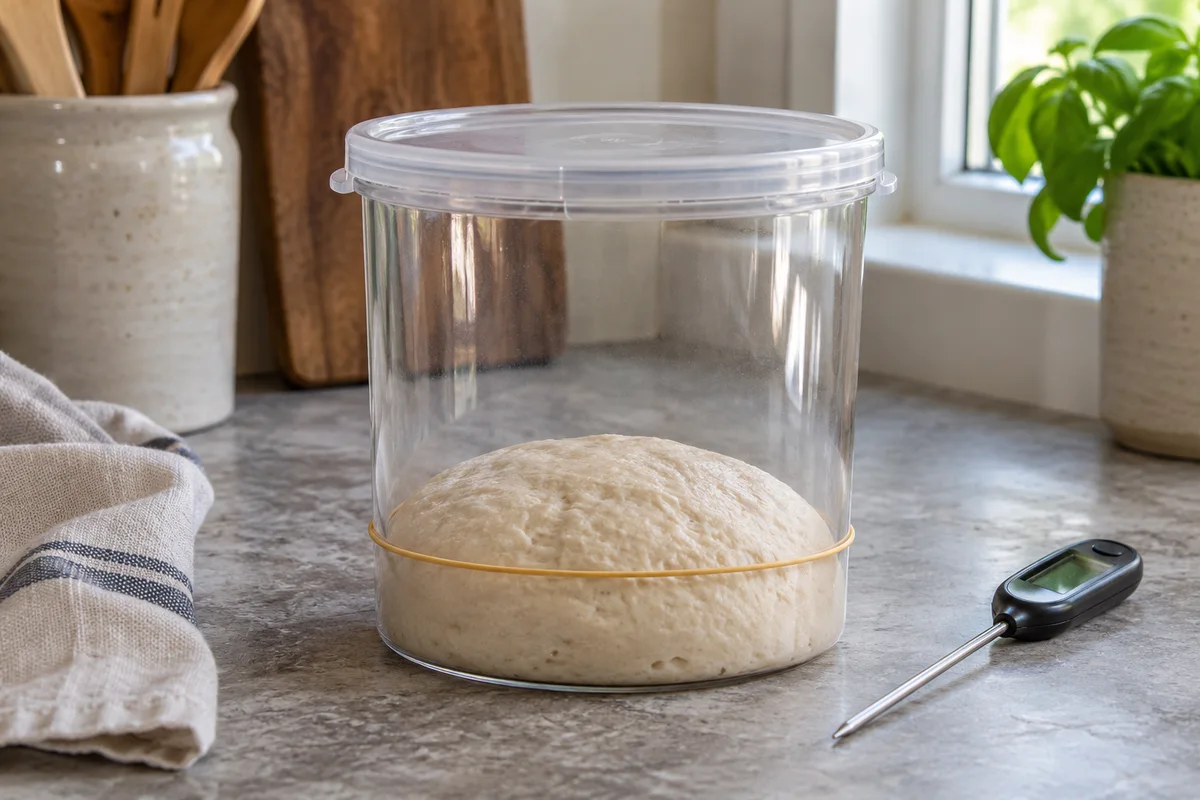
The target mixing-water temperature depends on the yeast product, flour temperature, mixer heating and desired dough temperature. Some bread machine or rapid-rise formulas specify particular ranges. Extremely hot water damages yeast, while cool water usually slows it. A thermometer and the original recipe are more dependable than testing liquid only with a finger.
Check the liquid and mixing instructions in Buttermilk Sandwich Bread before warming all the dairy.

Does instant yeast rise faster?
Instant yeast can begin working efficiently, and some specific rapid-rise products are designed for faster processes. But actual rise time depends on yeast dose, dough temperature, flour, sugar and salt. A small quantity of instant yeast in a long-fermented baguette can be slower than a larger quantity of active dry yeast in a warm sandwich loaf. Compare equivalent formulations before declaring one universally quicker.
Salt's role
Salt strengthens flavor and affects dough behavior while moderating microbial activity. Normal recipe quantities don't simply kill yeast when the dough is mixed correctly. Avoid leaving concentrated salt or dry yeast in a harsh isolated mixture beyond the recipe's instructions. Measure salt accurately rather than omitting it to speed fermentation.
Sugar and rich dough
High-sugar doughs challenge yeast because sugar affects available water and fermentation conditions. Some manufacturers offer osmotolerant instant yeast designed for sweet dough. Ordinary instant and active dry yeast can work in many enriched recipes, but proofing may be slower. Follow the exact formula and product guidance rather than adding extra hot water.
The enriched dough in Brioche Buns is a useful reminder that yeast type alone cannot predict rising time.

Bread machine yeast
Yeast marketed for bread machines may be a form of instant yeast intended for straightforward mixing in an automatic cycle. Verify the product label and machine program instructions. A delay timer also changes when liquid and yeast meet; follow the appliance safety and ingredient layering requirements. Don't replace the specified yeast quantity with an arbitrary handful because the loaf seems small.
Pizza dough
Both yeasts can leaven pizza dough when the recipe accounts for their activity. Long cold fermented pizza often uses a tiny yeast dose and a much longer schedule than same-day pizza. Dough strength and flour selection also matter. Swapping yeast type is easier when the formula provides a tested conversion and you observe actual dough rise.
Follow the shaping and rise cues for Turkish Pide (Boat-shaped flatbread pizza) rather than shortening every rest when using instant yeast.

Sourdough is a separate system
A natural sourdough starter contains yeasts and lactic acid bacteria and contributes flour, water and fermentation acids. Replacing it with a packet of commercial yeast changes hydration and flavor as well as microbial activity. Some hybrid recipes intentionally combine them. Use a dedicated yeasted or hybrid version rather than replacing starter gram-for-gram with dry yeast.
Compare the starter preparation in Sourdough Country Loaf with the much shorter preparation for commercial yeast.

Storage of yeast
Keep yeast cool, dry and protected from moisture according to the manufacturer's package. Refrigeration or freezing may be recommended for opened containers depending on product. Label the opening date and use clean dry measuring tools. A jar stored uncovered near a warm stove may lose activity long before its printed best-before date.
Testing old yeast
If yeast is old, follow the manufacturer's viability check or a trusted proofing method before committing to a large dough. A test can indicate whether it still produces gas, though timing varies with temperature and concentration. Don't confuse instant yeast's lack of required blooming with evidence it cannot be tested. Replace unreliable product for important celebration baking.
Why dough may rise slowly after a switch
A different yeast quantity, unhydrated active dry particles, colder water or lower dough temperature may explain delayed expansion. Check package instructions and final dough temperature before adding more yeast. A very stiff or poorly developed dough may produce gas yet fail to expand visibly. Diagnose the whole process.
When comparing yeast in Honey Whole Wheat Sandwich Bread, keep the flour blend and the temperature of the dough consistent.

Flavor and fermentation time
Yeast type alone doesn't determine whether bread tastes complex. Long controlled fermentation, flour choice, dough temperature and salt strongly influence flavor. A slow-fermented instant yeast baguette can have excellent aroma, while a rushed active dry loaf may taste simpler. Choose scheduling intentionally rather than treating the product label as a flavor ranking.
Common substitution mistakes
Some bakers add water to bloom active dry yeast without subtracting it from the recipe, changing hydration. Others use excessive yeast after a teaspoon-to-gram conversion error. A rapid-rise product may change scheduling if added to a formula developed for long proofing. The most reliable swap preserves the intended total dough and follows a published conversion.
A kitchen comparison
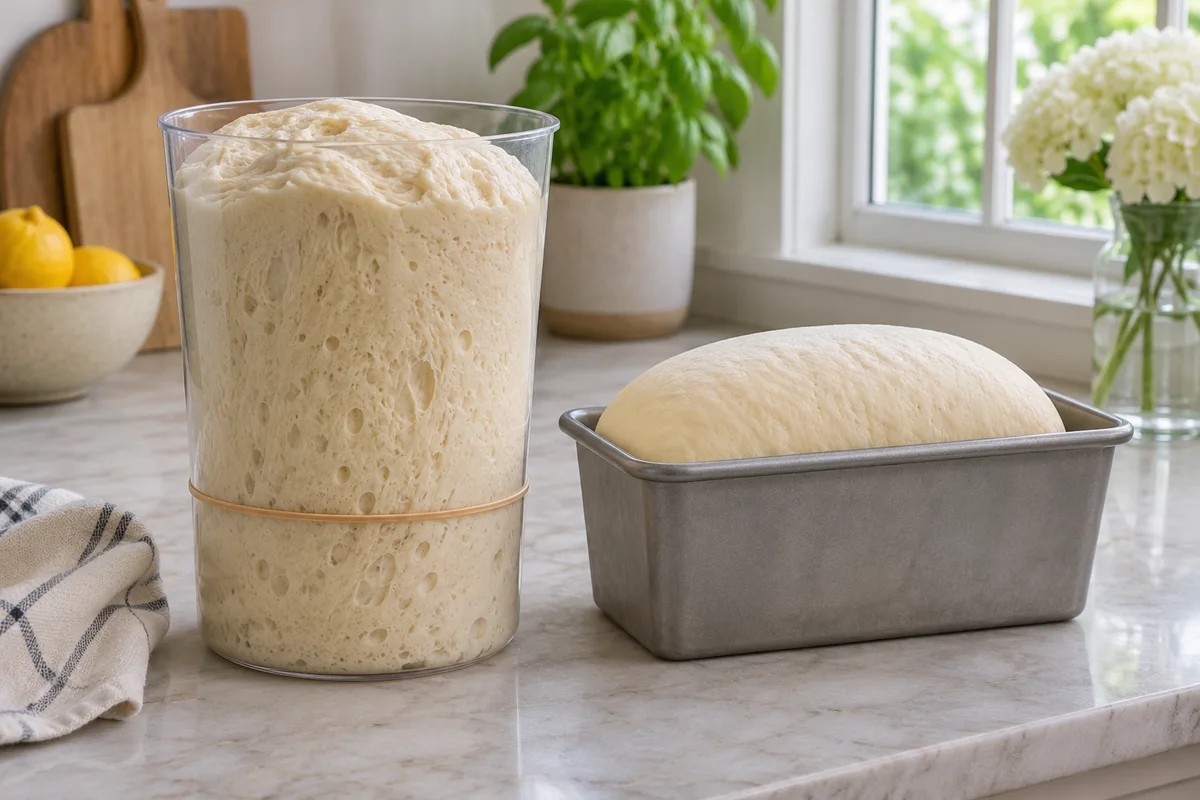
Bake two versions of a simple lean loaf using a reliable formula that provides substitutions for both yeast types. Keep flour, water and salt consistent and use each yeast at its recommended quantity. Record time to reach the same rise endpoint, not merely what happened after one hour. Bake and cool before comparing volume and flavor.
IN PICTURES
From the baking notebook
FROM THE RECIPE BOX


