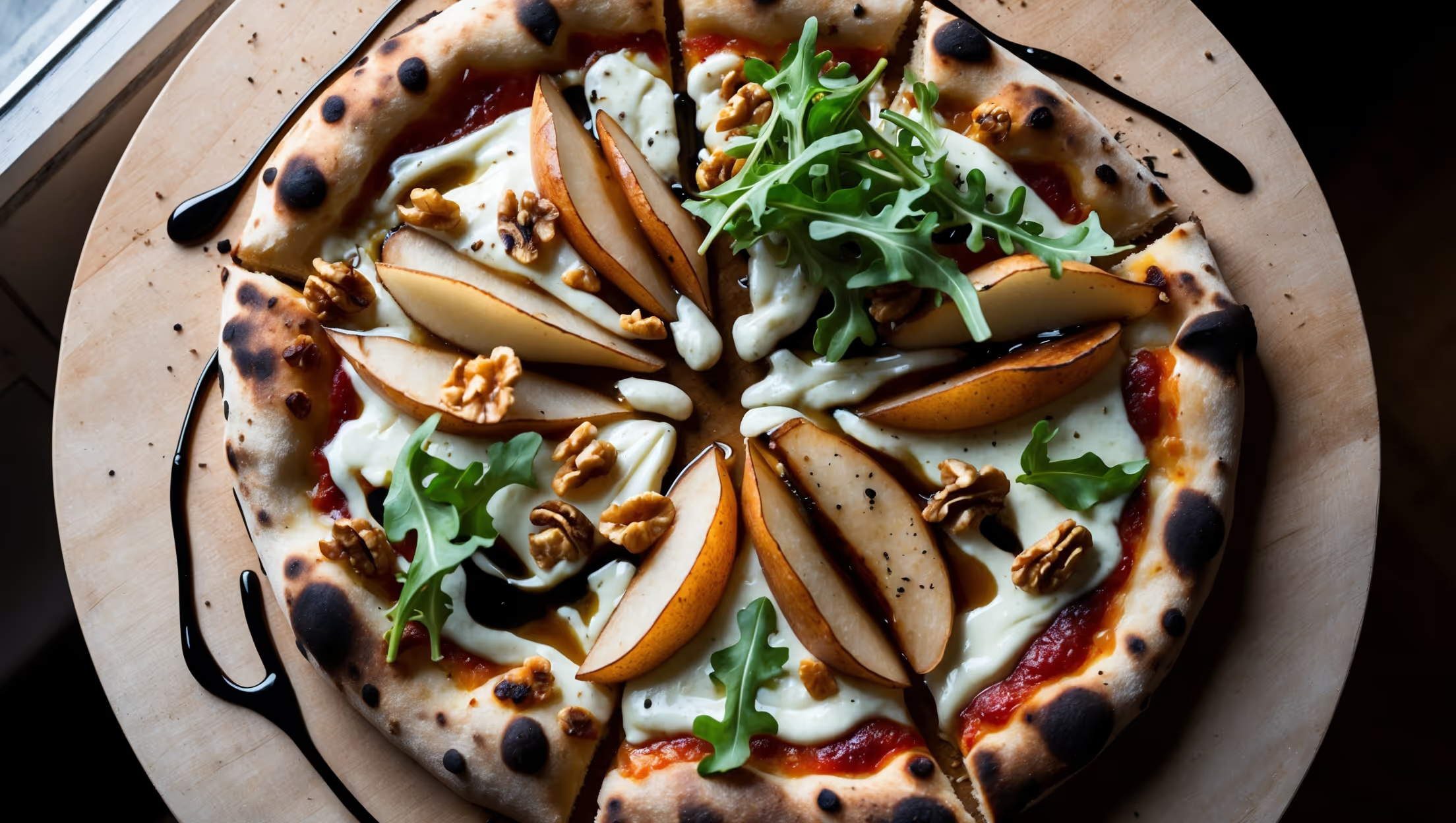
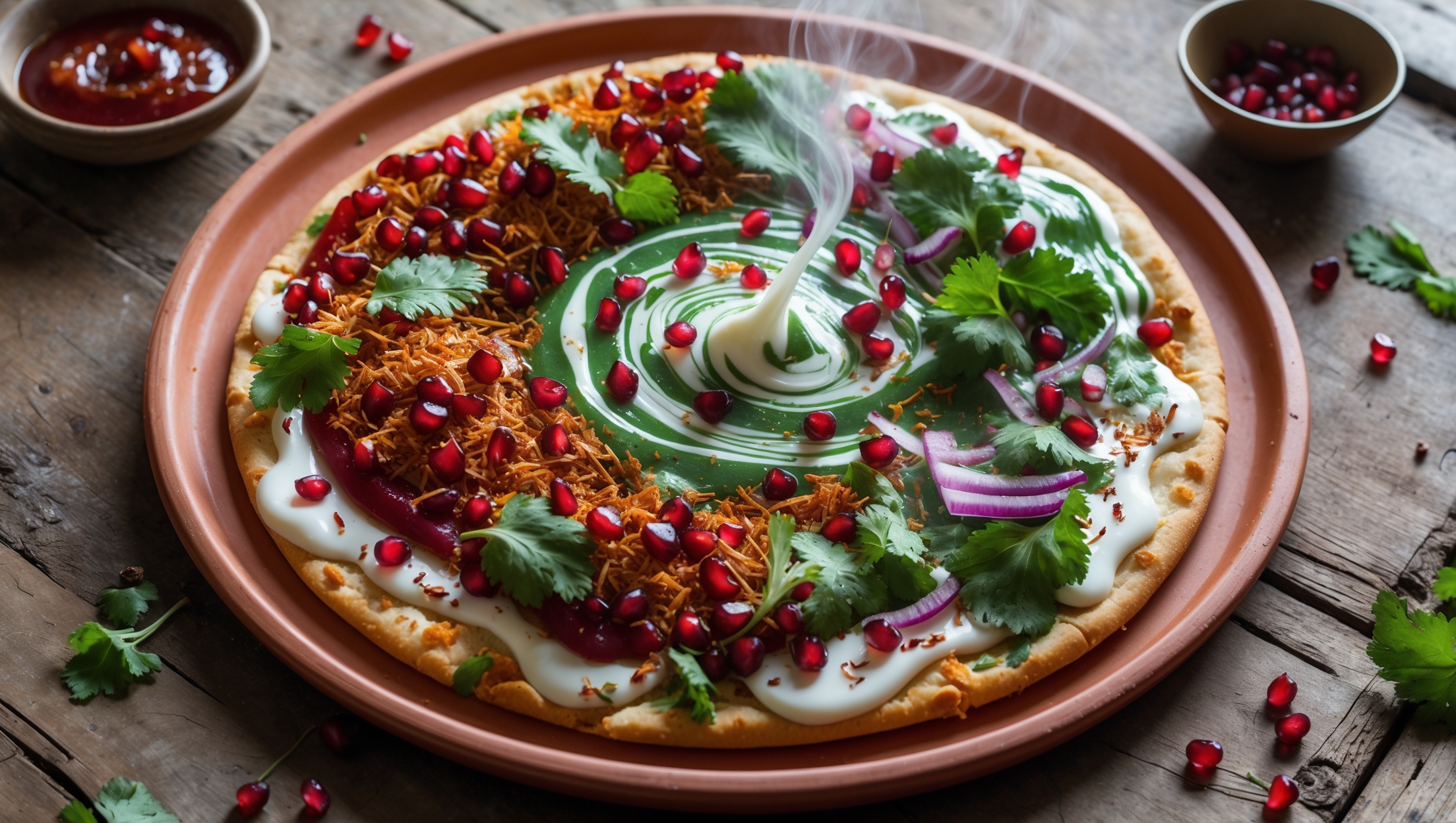
Directions
<ol class="no-list-style"><li class="MethodStepper"><h4 class="step-title">Step 1</h4>Begin by making the dough. In a large bowl or the bowl of a stand mixer, combine the bread flour, instant yeast, sugar, and salt. Mix these dry ingredients thoroughly to ensure the yeast and salt are evenly distributed (keeping them initially separated as salt can inhibit yeast activity).</li><li class="MethodStepper"><h4 class="step-title">Step 2</h4>Make a well in the center of your dry mixture and pour in the warm water (it should feel just slightly warm to the touch, about 38-40°C) and olive oil. If using a stand mixer, mix with the dough hook on low speed for 2 minutes until the ingredients come together, then increase to medium speed and knead for 5-7 minutes until smooth and elastic. If mixing by hand, stir with a wooden spoon until a shaggy dough forms, then turn onto a lightly floured surface and knead for 8-10 minutes until the dough becomes smooth, elastic, and springs back when poked.</li><li class="MethodStepper"><h4 class="step-title">Step 3</h4>Form the dough into a ball and place in a lightly oiled bowl, turning once to coat all sides. Cover with cling film or a damp cloth and let rise in a warm, draft-free spot until doubled in size, about 1.5-2 hours. The slow rise develops flavor and structure in your pide dough.</li><li class="MethodStepper"><h4 class="step-title">Step 4</h4>While the dough is rising, prepare your desired fillings. Traditional options include: minced meat with onions, tomatoes and peppers; spinach and feta; or simple cheese. Whatever filling you choose, ensure it's not too wet as this can make the base soggy.</li><li class="MethodStepper"><h4 class="step-title">Step 5</h4>Once the dough has doubled, gently punch it down to release the air. Place your baking stone or heavy baking sheet in the oven and preheat to 230°C (450°F). The hot surface will help create a crisp bottom crust, mimicking the heat of a traditional stone oven.</li><li class="MethodStepper"><h4 class="step-title">Step 6</h4>Divide the dough into 4 equal pieces. Work with one piece at a time, keeping the others covered to prevent drying out. On a lightly floured surface, roll each piece into an oval shape about 25-30cm (10-12 inches) long and 15cm (6 inches) wide. The dough should be about 5mm (¼ inch) thick.</li><li class="MethodStepper"><h4 class="step-title">Step 7</h4>Transfer the rolled-out dough onto a piece of parchment paper or a floured pizza peel. Spread your chosen filling down the center, leaving a 3cm (1 inch) border all around. For the classic boat shape, fold the edges inward over the filling slightly, then pinch and twist the ends to form points. This creates the distinctive "boat" appearance and prevents fillings from spilling.</li><li class="MethodStepper"><h4 class="step-title">Step 8</h4>Brush the exposed dough edges with the egg wash to create a golden shine when baked. Sprinkle with sesame or nigella seeds if using. These add both visual appeal and a subtle flavor to the crust.</li><li class="MethodStepper"><h4 class="step-title">Step 9</h4>Carefully slide the pide (with the parchment paper) onto the preheated baking stone or baking sheet. Bake for 12-15 minutes until the crust is golden brown and the filling is bubbling. The bottom should be crisp when tapped.</li><li class="MethodStepper"><h4 class="step-title">Step 10</h4>Remove from the oven and immediately brush the crust with a little olive oil for sheen and flavor. This traditional touch adds both visual appeal and enhances the bread's flavor. Let cool for 5 minutes before slicing, as this allows the fillings to set slightly. Serve warm, cut into slices. Pide is traditionally enjoyed with a side of yogurt or a simple salad to balance the flavors. Afiyet olsun (enjoy your meal)!</li></ol>