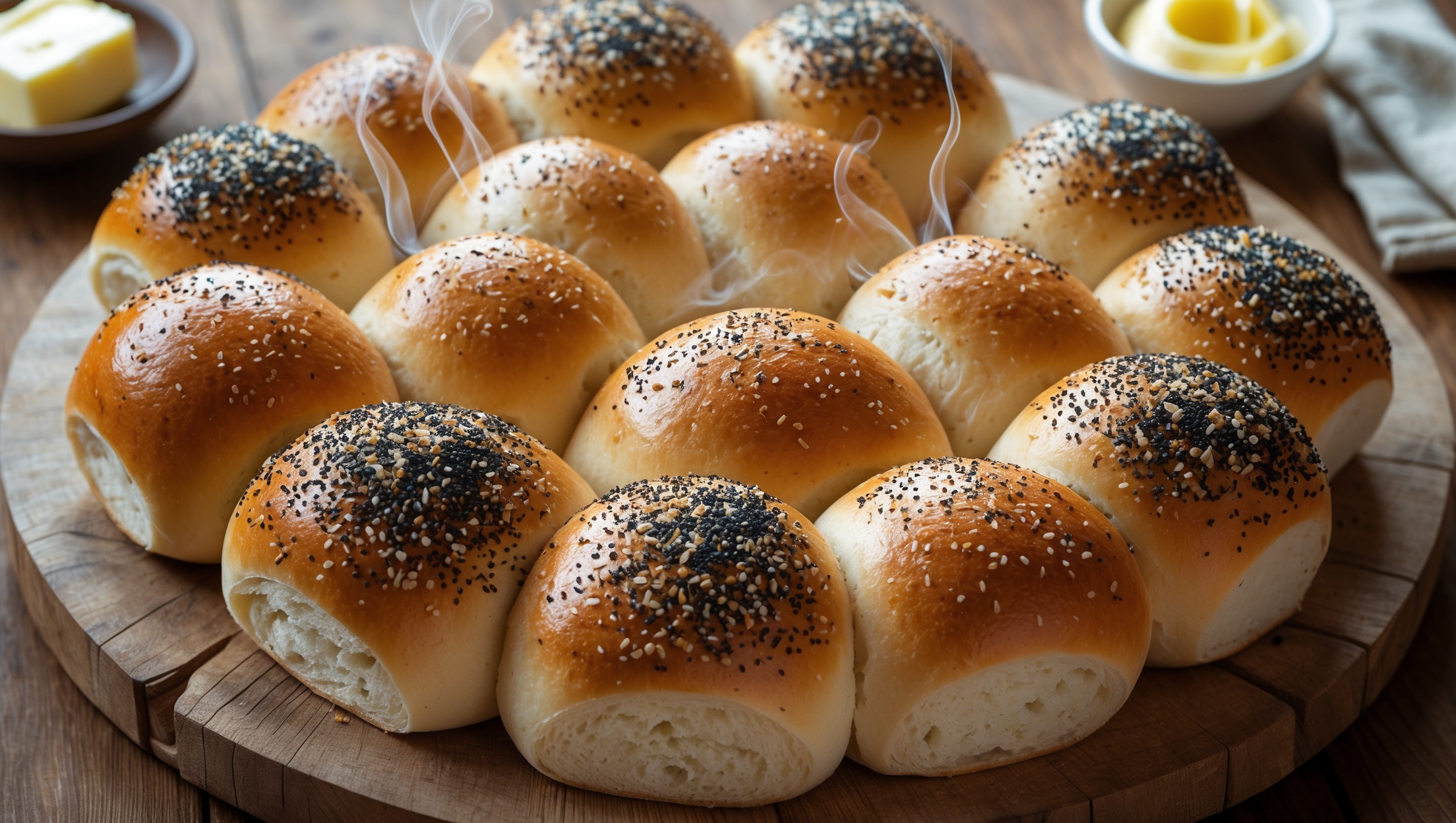
Directions
<ol class="no-list-style"><li class="MethodStepper"><h4 class="step-title">Step 1</h4>In the bowl of your stand mixer, combine the bread flour, yeast, sugar, and salt. Mix briefly with a spoon to distribute the ingredients evenly. Keep the salt and yeast on opposite sides of the bowl initially, as direct contact with salt can kill the yeast before it activates.</li><li class="MethodStepper"><h4 class="step-title">Step 2</h4>In a separate bowl, whisk together 4 eggs and the warm milk until combined. With the mixer on low speed using the dough hook, slowly pour the egg mixture into the dry ingredients. Mix for about 2-3 minutes until a shaggy dough forms. Don't worry if it looks a bit dry at this stage - the butter will add moisture.</li><li class="MethodStepper"><h4 class="step-title">Step 3</h4>With the mixer still running on medium-low speed, add the softened butter one cube at a time, waiting until each piece is fully incorporated before adding the next. This process develops the gluten while simultaneously enriching the dough. Be patient – this will take about 10-15 minutes total. The dough will initially look very wet and sticky.</li><li class="MethodStepper"><h4 class="step-title">Step 4</h4>Once all butter is incorporated, increase the mixer speed to medium and knead for about 8-10 minutes until the dough passes the "windowpane test" - when a small piece can be stretched thin enough to see light through without tearing. The dough should be smooth, elastic, and still somewhat sticky but pulling away from the sides of the bowl.</li><li class="MethodStepper"><h4 class="step-title">Step 5</h4>Transfer the dough to a lightly greased bowl, cover with plastic wrap or a damp tea towel, and let rise in a warm place (around 24-26°C) for about 1-1.5 hours, or until doubled in size. For optimal flavor development, you can refrigerate the dough overnight at this point, which slows fermentation and enhances the depth of flavor.</li><li class="MethodStepper"><h4 class="step-title">Step 6</h4>After the first rise (or after refrigeration), gently punch down the dough to release excess air. Turn it out onto a clean, lightly floured surface. Divide the dough into 8 equal portions (about 110-115g each) using a kitchen scale for consistency. The precise weight ensures evenly sized buns that will bake at the same rate.</li><li class="MethodStepper"><h4 class="step-title">Step 7</h4>To shape each bun, flatten a portion slightly, then fold the edges toward the center, creating tension on the surface. Flip it over so the seam is down, then cup your hand around the dough and roll it in a circular motion on the countertop, creating a smooth, tight ball. The surface tension created during shaping is crucial for a beautiful rise and domed top.</li><li class="MethodStepper"><h4 class="step-title">Step 8</h4>Place the shaped buns on a parchment-lined baking sheet, leaving about 5cm between each to allow for expansion. Cover loosely with greased plastic wrap or a damp tea towel and let rise for another 45-60 minutes, until nearly doubled in size. When gently pressed with a finger, the dough should spring back slowly but not completely.</li><li class="MethodStepper"><h4 class="step-title">Step 9</h4>While the buns are rising, preheat your oven to 190°C. Beat the remaining egg with 1 teaspoon of water to create an egg wash. Once the buns have finished their second rise, carefully brush the tops with egg wash, being gentle to avoid deflating them. The egg wash gives the buns their signature golden, glossy finish. If desired, sprinkle with sesame seeds.</li><li class="MethodStepper"><h4 class="step-title">Step 10</h4>Bake in the preheated oven for 18-20 minutes until deeply golden brown. If they're browning too quickly, loosely cover with aluminum foil. The internal temperature should reach about 88-90°C when fully baked. Transfer to a wire rack to cool completely. These brioche buns have a rich, tender crumb that's slightly sweet and wonderfully buttery – perfect for gourmet burgers or as a special breakfast treat. They keep well for 2-3 days in an airtight container or can be frozen for up to a month.</li></ol>