On this page
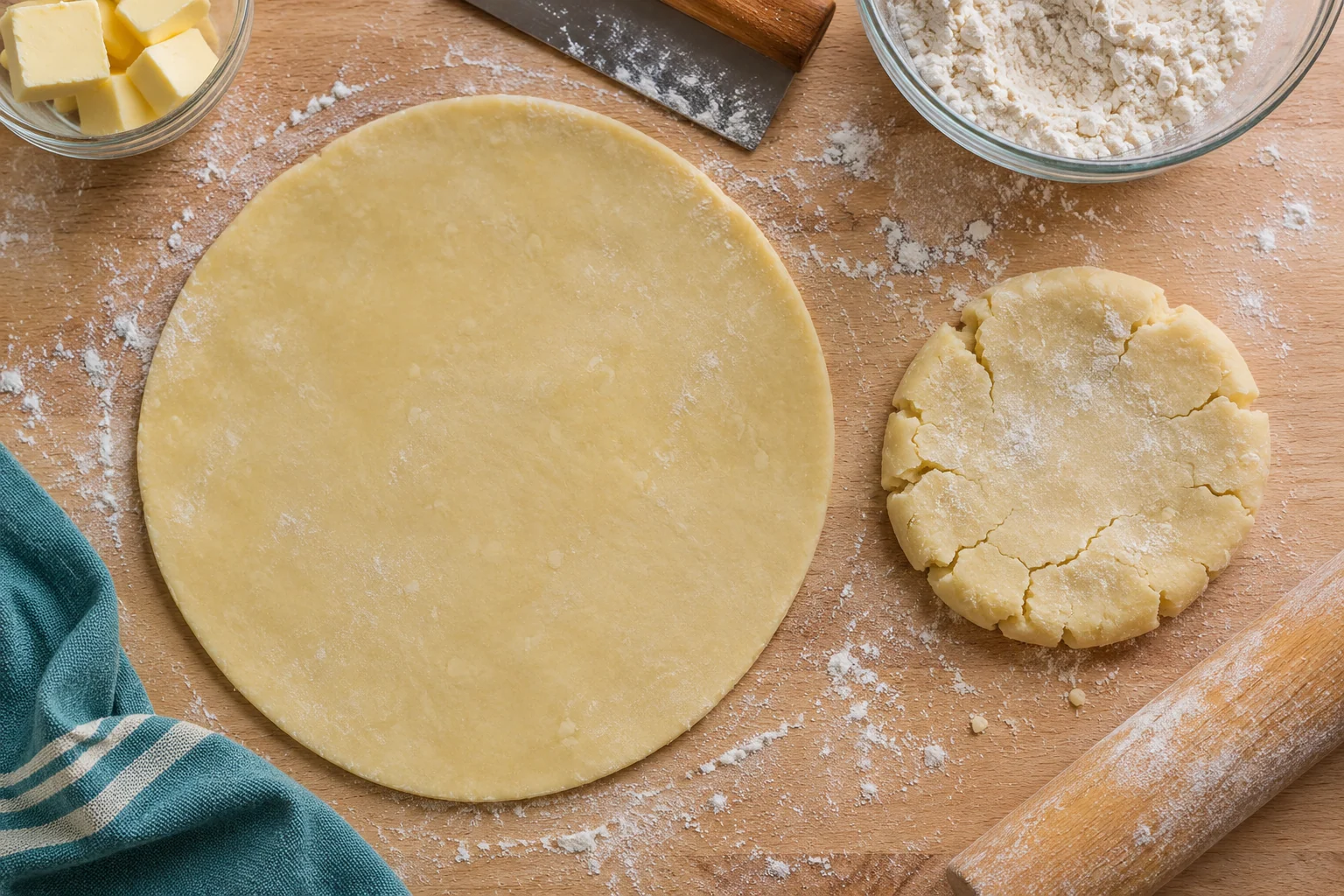
Press the rim of the chilled disk before you pick up the rolling pin. If it chips immediately, let it become a little more pliable. If it leaves a greasy print, cool it. A dough that bends at the edge while the fat still feels cold is much easier to carry across the counter.
Why pie dough needs balance
Flour, fat and water have conflicting jobs. Water helps flour particles hold together; solid fat interrupts the network and later creates flaky layers. Too little water makes a crumbly mass that can't roll; too much encourages toughness and stickiness. Temperature matters because cold fat must stay distinct but very cold dough can be brittle. Rolling is a matter of balancing these properties, not simply making the dough perfectly smooth.
The small rounds in Apple Hand Pies let you feel what a pliable dough does before you tackle a full pie lid.

Begin with a tested dough recipe
An all-butter dough, a butter-and-shortening dough and a dough made in a food processor may look different at the same stage. Follow the intended ingredient proportions and resting method before troubleshooting. For the first attempt, weigh flour and fat rather than guessing by cups. A good recipe should explain when to stop mixing and how the chilled dough should feel before rolling.
Let very cold dough become pliable
Give a rock-hard disk a short time on the counter, checking it frequently. Start rolling when a light press makes a shallow impression and the edge can bend without breaking. A warm kitchen may need only a very brief pause. The feel is a better guide than a fixed number of minutes.
Press the edge of the chilled dough for Cherry Pie lightly. It should give enough to roll without snapping.

Resting gives the dough time to hydrate
After mixing, a chill or rest allows flour to absorb water more evenly and gives gluten strands that developed during handling time to relax. A dough that springs back may need rest rather than greater rolling force. A dough that fractures may be underhydrated, overly cold or both. Follow the recipe's initial chill and any pauses during rolling, because resting is part of the pastry process.
Rest the disk for Plum Cinnamon Pie before judging its moisture. Flour that looked dry during mixing may have absorbed water in the meantime.
Shape a flat disk before chilling
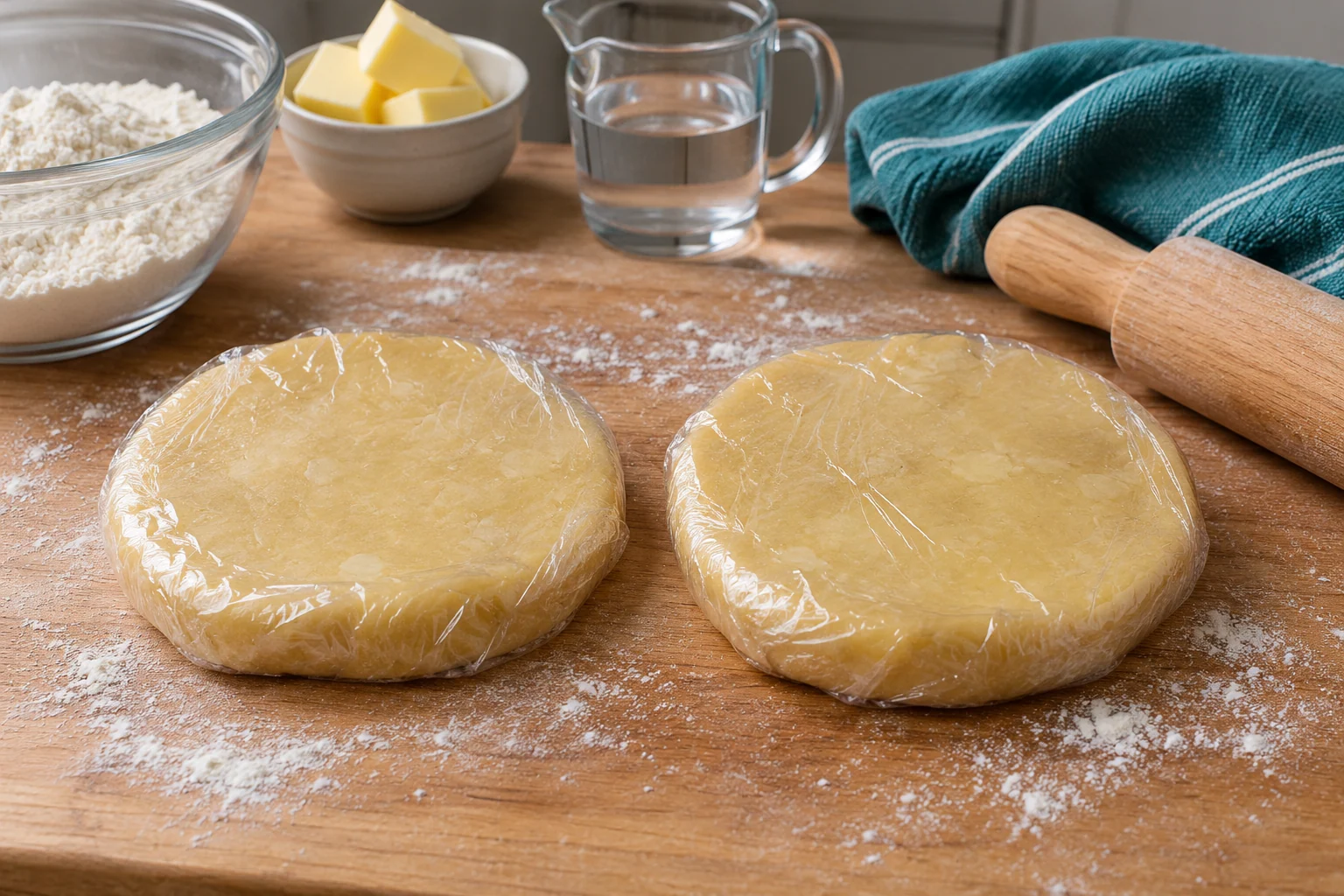
A thick irregular ball is difficult to roll and may split when flattened from cold. After mixing, gently gather dough and press into a relatively even disk before wrapping and chilling. Do this without kneading until perfectly smooth; repeated handling can smear butter through the flour. A neatly shaped disk rolls outward more evenly and reduces the amount of force required later.
A flat disk of dough for Pear Ginger Pie starts nearer its final shape and takes fewer passes with the pin.
Choose a suitable rolling surface
A clean smooth countertop, pastry mat or piece of parchment can work. Use the surface your recipe recommends and keep it cool and dry. Rough boards catch dough and encourage tearing. If the kitchen is hot, chill tools briefly as practical and work in smaller portions. Rolling directly on a surface coated with heavy flour can dry the outer layers.
Dust with restraint
Dust the counter and pin lightly, then lift the dough to see whether it moves. Add a little more only where it catches and brush off loose flour. A thick white coating can work into the dough and make the final turns drier than the first.
Brush loose bench flour from the rounds for Blueberry Hand Pies before sealing them so the edges can join.
Roll from the centre outward
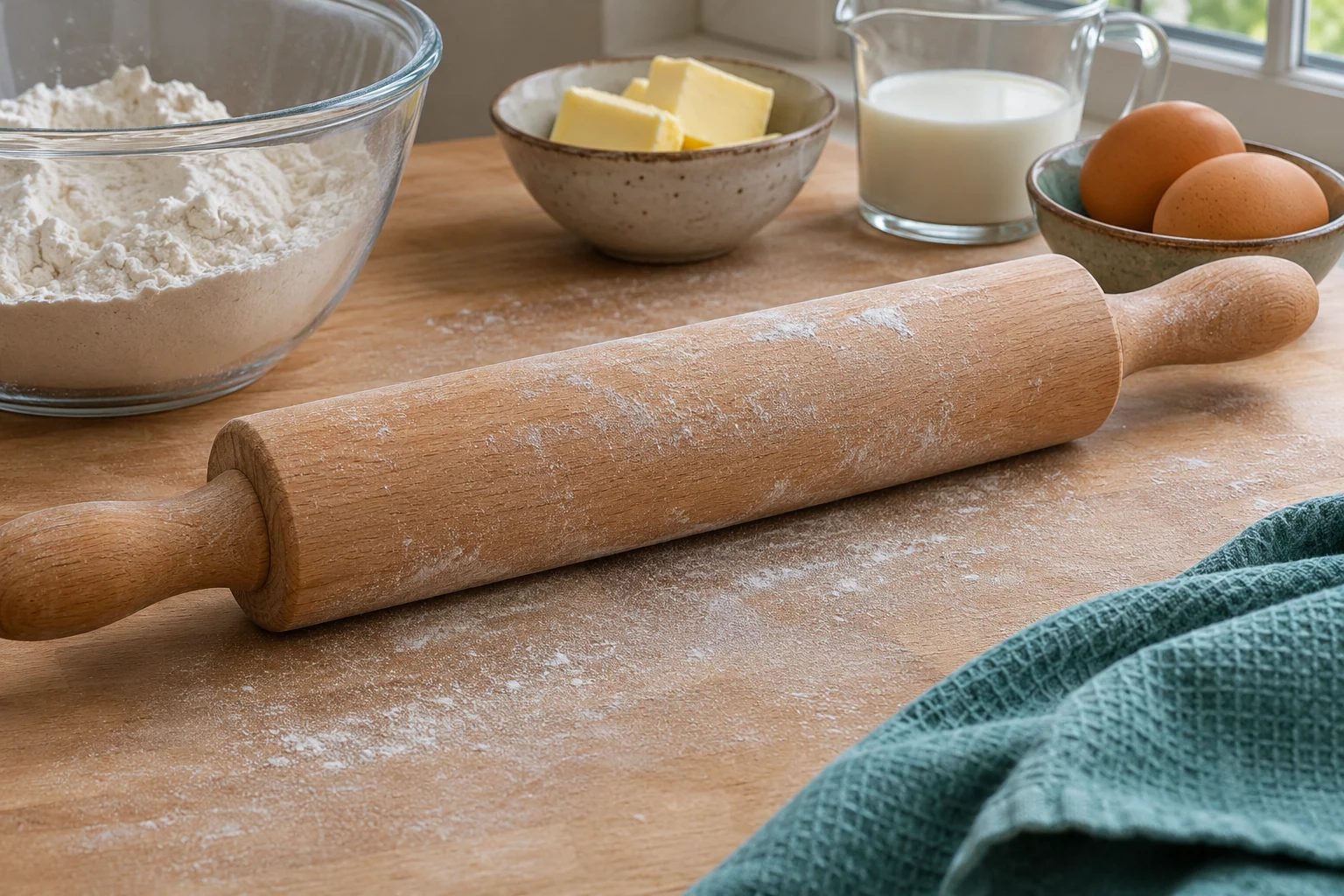
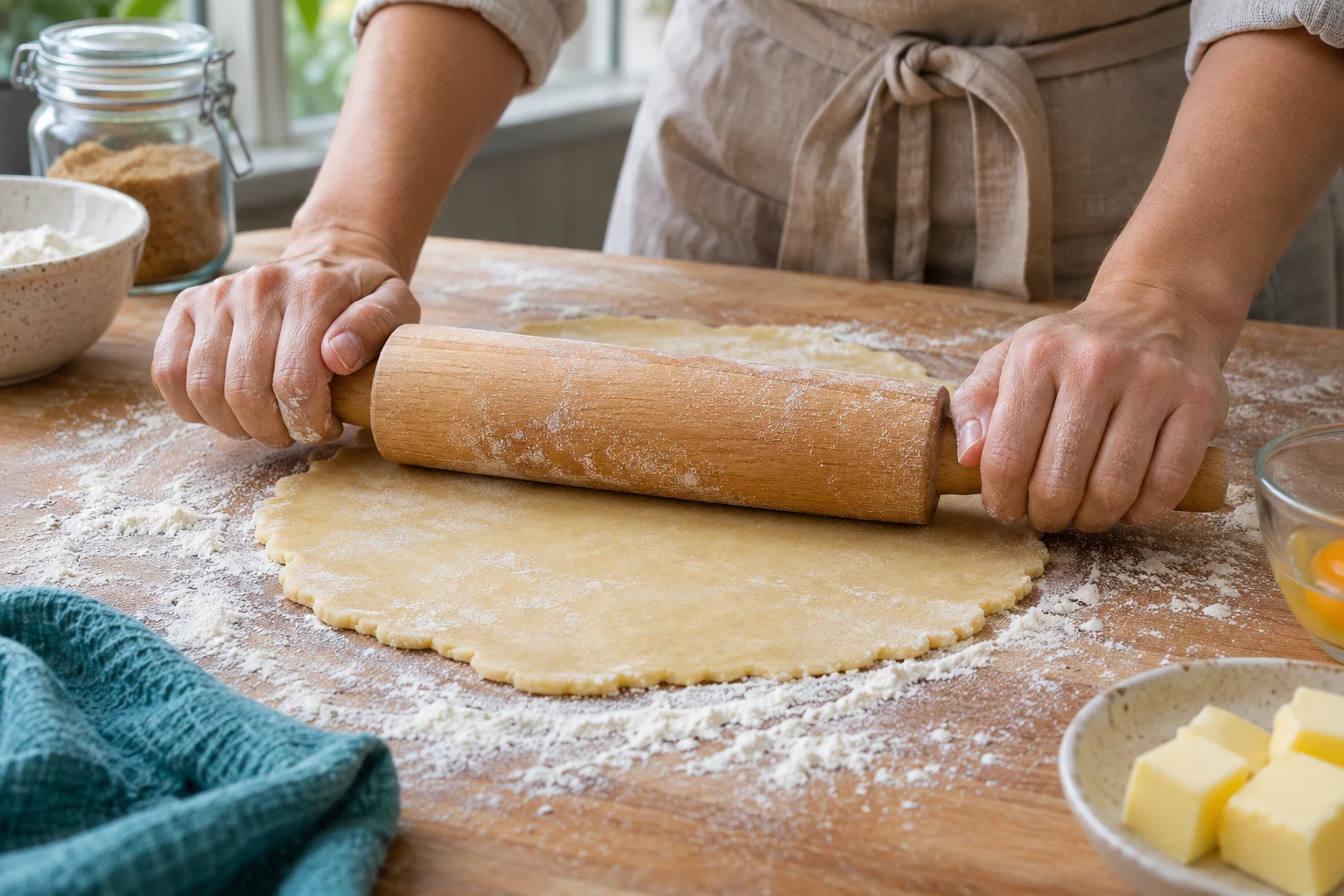
Roll from the centre outward with short, even strokes, ease pressure near the rim and turn the dough slightly. Work in several directions to grow a circle. Trying to flatten one edge with a hard pass can make a thin, brittle lip.
For an even lower crust on Peach Pie, work out from the middle, stopping short of crushing the outer edge.
Rotate often to prevent sticking
A quarter-turn after a few passes reveals whether the underside has attached itself to the counter. If an edge sticks, slide a thin scraper or spatula underneath rather than yanking upward. Sprinkle just enough flour to release the contact point. Catching a sticky spot early prevents a large tear when the pastry is finally lifted to the pan.
Loosen the sheet of pastry for Cherry Almond Galette after each few strokes so the free-form base can move.

What cracks at the edge mean
For a narrow surface crack, bring the edges together gently and roll across them once. If the entire disk fractures, pause to check temperature and moisture. Repeatedly pushing a rolling pin through a cold, splitting disk makes the cracks longer.
If the edge of a round for Apricot Hand Pies begins to split, ease the gap together before it grows into a long tear.

What to do if the dough crumbles
If the whole sheet disintegrates into dry pieces, check whether enough water was incorporated when mixing. Some underhydrated doughs can be repaired cautiously before extensive rolling, but adding water to a fully rolled delicate sheet often creates uneven tough spots. A new tested batch may be more reliable for an important pie. Save crumbly scraps for an appropriate crumble topping rather than forcing them into a complex lattice.
What to do when dough becomes sticky
Slide a scraper underneath to release a sticky sheet. Move it onto parchment or a flat tray and chill briefly until manageable. Heavy dusting at this point can turn a temperature problem into a flour problem.
A short chill is easier than working more flour into a sticky batch of Cranberry Orange Hand Pies.

Preventing shrinkage from stretching
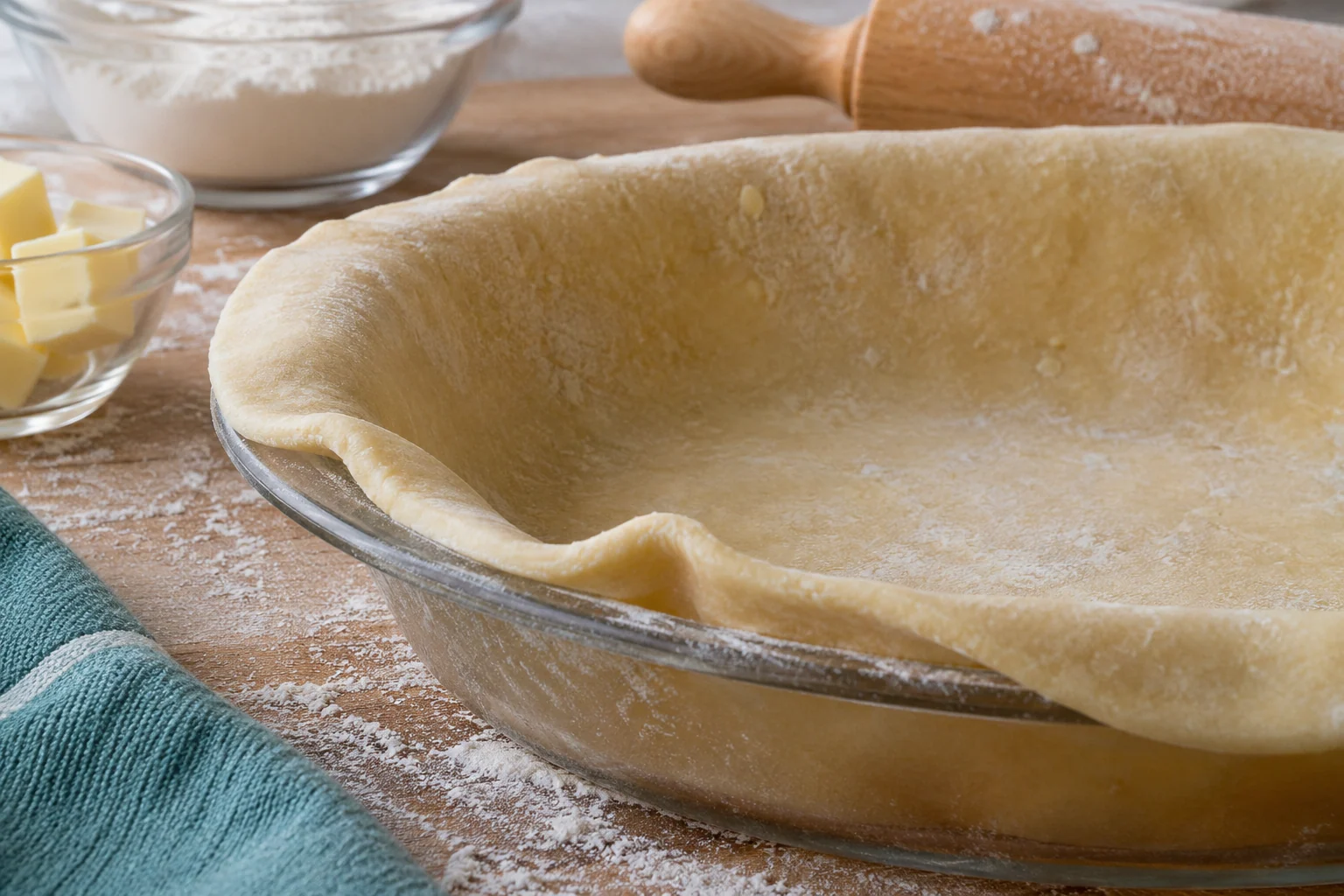
When lining a pie plate, lower dough into the base and corners instead of pulling it outward under tension. Stretching can make it retreat during baking. Leave appropriate overhang for the crimp and let the lined pan rest when the recipe specifies. A small tear can be patched with a piece of matching dough, but thick repeated patches may bake unevenly.
Ease the pastry down the sides of the dish for Classic Quiche Lorraine. Dough pulled tight over a corner is likely to retreat as it bakes.
How to transfer rolled dough
Loosely drape the pastry over the pin and unroll it over the dish, or use the parchment as a carrier. Lift the outer edge with one hand while easing pastry into the lower corner with the other. Leave the overhang in place until the bottom sits freely.
Support the sheet across the rolling pin when moving it into the fluted pan for Raspberry Tart.

Lining the corners properly
Gently ease pastry into the deepest curve of the pie plate with your fingertips rather than pushing a stretched sheet into place. Avoid trapping air pockets under the base. Smooth without compressing away every fat layer. Check that the dough reaches the corners before trimming, or the crust may pull inward while baking and change the available space for filling.
Rolling thickness matters
A very thin crust can tear or become soggy under juicy fruit; a thick crust may be doughy by the time the filling cooks. Follow the tested recipe's target thickness and check it with a ruler or rolling guides if helpful. Consistency matters more than chasing one exact number across all pastry styles. Thin spots often come from pressing too hard near the edges.
Keep the rounds for Strawberry Rhubarb Hand Pies equally thick so one edge does not turn brittle while another still feels soft.
Rolling a top crust or lattice
Top pastry needs enough width to cover the filling with room for sealing. If creating lattice strips, chill the rolled sheet before cutting if it feels soft, then lift strips with support. A small split can be pressed together discreetly, but severely dry dough may break repeatedly. For a first attempt, wider strips are more forgiving than delicate thin ones.
Roll the upper sheet for Apple Pear Pie separately so trimming a lower shell does not leave you short of usable pastry.
Working in a hot kitchen
Keep a second dough disk in the refrigerator while you roll the first. Prepare filling and pan in advance so pastry doesn't sit out waiting. If the counter is warm, consider working on a cool surface and pausing for short chills. Flaky pastry depends on maintaining distinguishable cold fat, and fighting soft dough with endless flour additions usually damages texture.
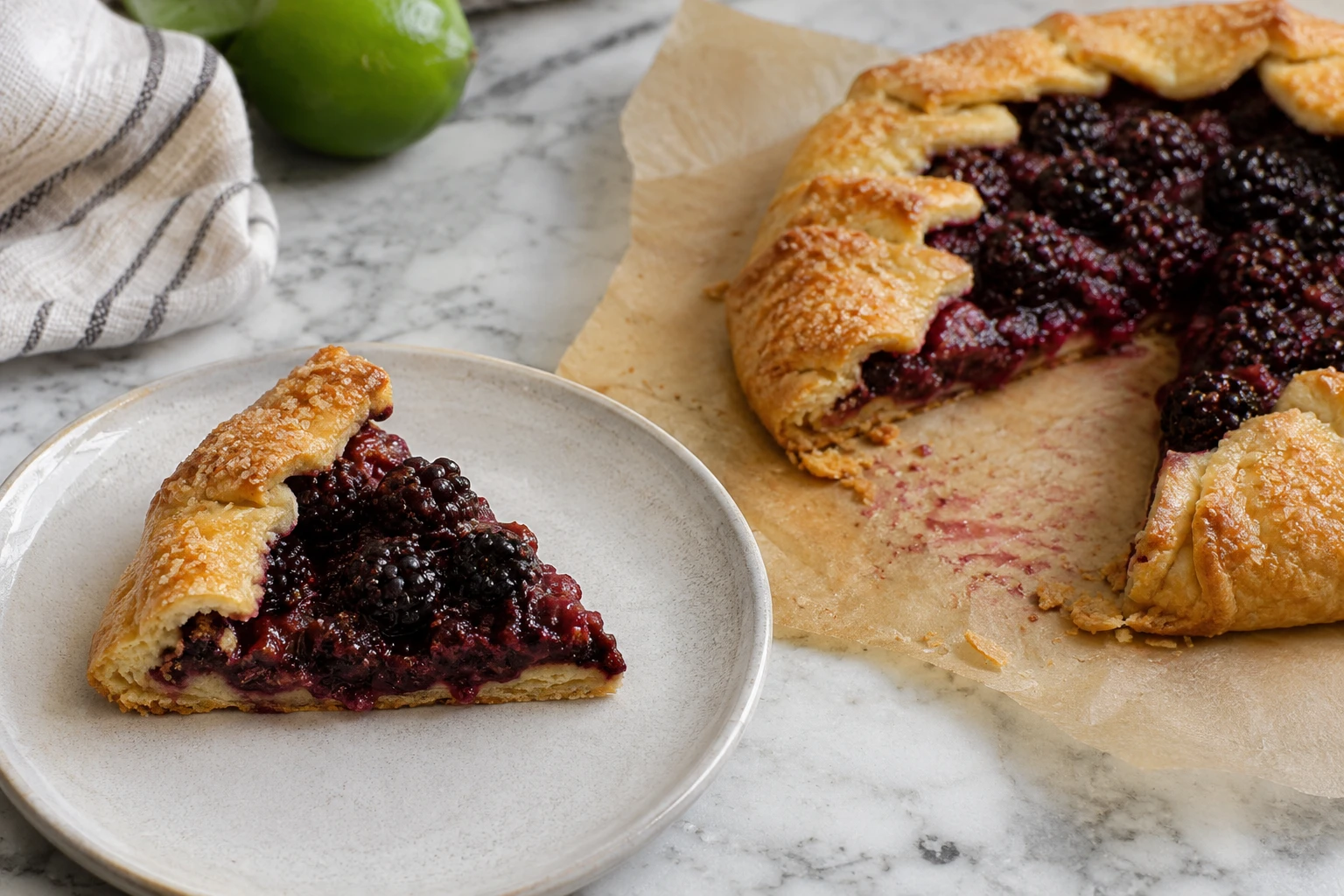
For Blackberry Lime Galette on a warm day, keep a tray ready so the whole sheet can chill if the free-form border grows greasy or sticky.
The role of fat choice
Butter contains water and becomes firm when chilled; shortening has different temperature behaviour and can sometimes feel more forgiving. A recipe designed for one fat may need different handling with another. If an all-butter dough cracks, don't immediately replace every gram with shortening. First review hydration, temperature and resting, which are common causes of rolling trouble regardless of fat.
Troubleshooting after baking
If a crust shrank dramatically, consider stretching during lining or inadequate rest. If it's tough, overworking and excess water or flour may contribute. If it shattered, it may have been too dry or overbaked. A pastry that rolled without cracks can still bake poorly if its filling moisture or oven temperature was wrong. Record the whole process rather than judging only the rolling step.
Inspect the sealed rim of Pear Ginger Hand Pies after baking. A split that started at a dry edge calls for a different adjustment from pastry stretched tight over the filling.

Frequently asked questions
Can pie dough be too cold to roll? Yes. Should I add water when cracks appear? Not necessarily; first check temperature. Why does it spring back? Gluten tension may need a rest. Can I roll between parchment sheets? Yes, if suitable for the recipe. Does more bench flour make it easier? Temporarily, but excess can dry the pastry. Can a tear be patched? Often, gently and without creating thick areas.
A calm rolling routine
Check pliability first, use several gentle strokes, rotate, and lift the sheet before it sticks. Those same steps reveal whether a crack needs a little warmth, a rest or a small patch. You rarely need to start over because of one split at the edge.
IN PICTURES
From the baking notebook
FROM THE RECIPE BOX


