Directions
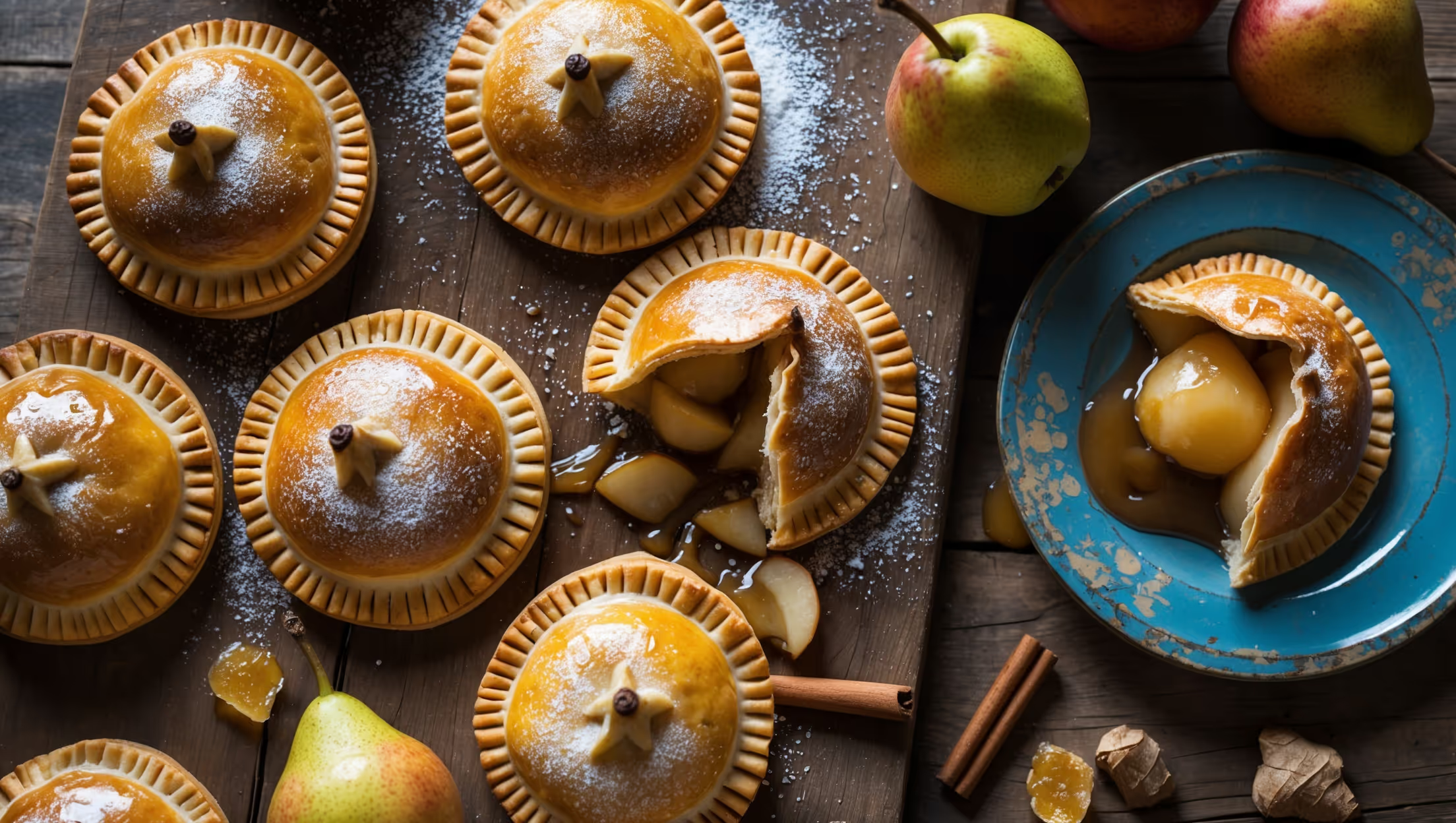
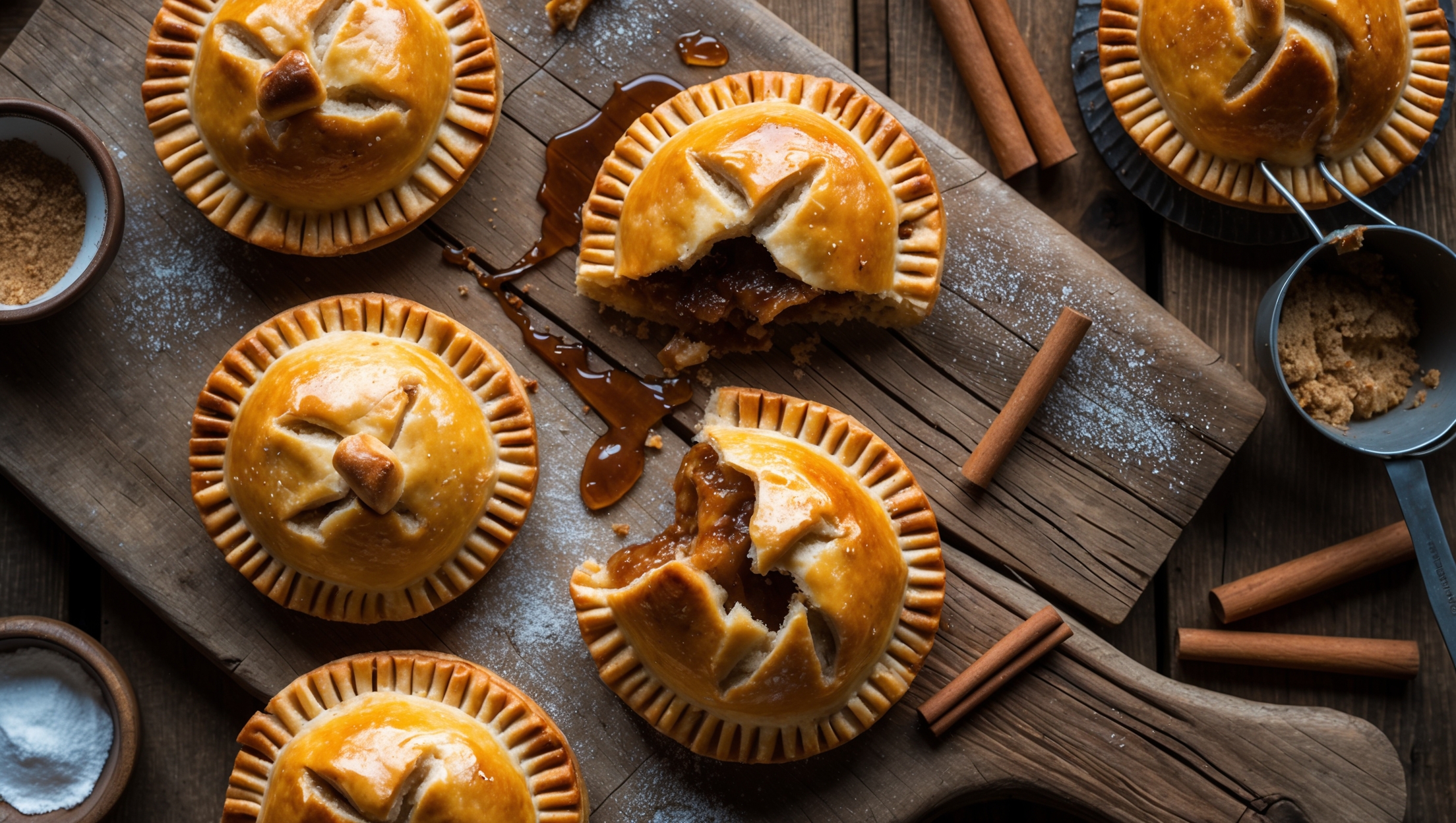
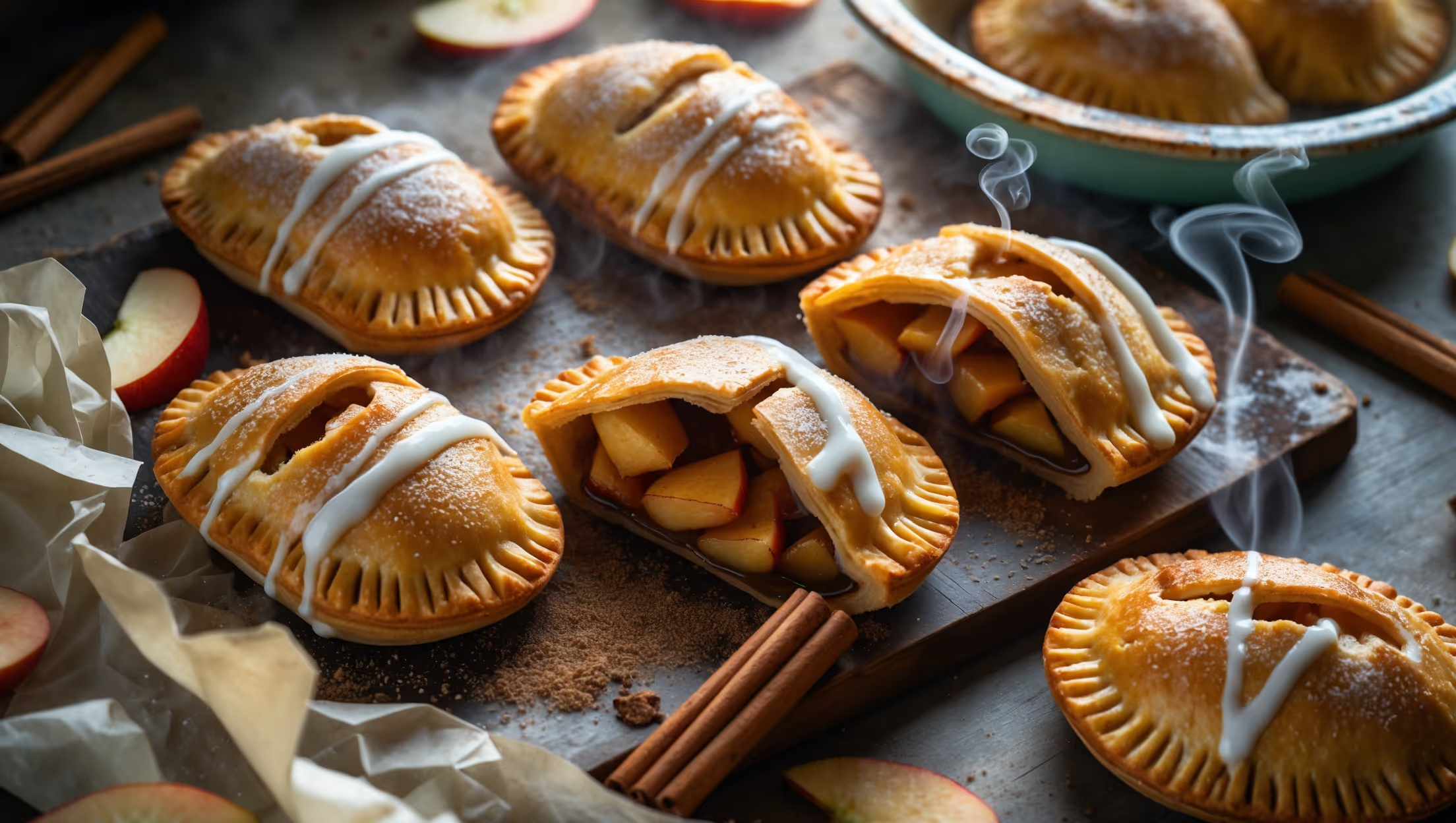
<ol class="no-list-style"><li class="MethodStepper"><h4 class="step-title">Step 1</h4>Begin with the pastry. In a large bowl or food processor, combine the flour, sugar, and salt. Add the cold cubed butter and pulse or use your fingertips to work it into the flour until you have pea-sized pieces. The variation in butter size creates layers in your pastry – larger pieces create flakiness, while smaller pieces provide tenderness.</li><li class="MethodStepper"><h4 class="step-title">Step 2</h4>Mix the ice-cold water and apple cider vinegar in a small bowl. The vinegar helps inhibit gluten formation, resulting in a more tender crust. Gradually add this liquid to your flour mixture, pulsing or stirring with a fork just until the dough begins to come together. You might not need all the liquid.</li><li class="MethodStepper"><h4 class="step-title">Step 3</h4>Turn the dough onto a lightly floured surface and gently bring it together, being careful not to overwork it. Divide the dough in half, shape each portion into a disk, wrap in plastic wrap, and refrigerate for at least 2 hours or overnight. This resting period allows the gluten to relax and the butter to firm up, ensuring your pastry will be flaky.</li><li class="MethodStepper"><h4 class="step-title">Step 4</h4>While the dough chills, prepare your filling. Peel, core, and dice the pears into small 1cm cubes. Immediately toss with lemon juice to prevent browning. Place the pears in a medium saucepan with the brown sugar and cook over medium heat for 5-7 minutes until they begin to soften and release juices.</li><li class="MethodStepper"><h4 class="step-title">Step 5</h4>Mix the cornstarch with 1 tablespoon of water to create a slurry. Add to the pears along with the fresh ginger, crystallized ginger, cinnamon, nutmeg, and salt. Cook for 2-3 minutes more, stirring constantly, until the mixture thickens. Remove from heat and allow to cool completely. The filling must be cool before assembling the hand pies to prevent the pastry from melting.</li><li class="MethodStepper"><h4 class="step-title">Step 6</h4>Preheat your oven to 190°C (375°F) and line two baking sheets with parchment paper. Remove one disk of dough from the refrigerator and let it sit at room temperature for 5-10 minutes to soften slightly. On a lightly floured surface, roll the dough to approximately 3mm thickness. Use a 10cm round cutter to cut as many circles as possible. Re-roll scraps once to cut more circles.</li><li class="MethodStepper"><h4 class="step-title">Step 7</h4>Place 1-2 tablespoons of the cooled pear filling in the center of each circle, leaving a 1cm border. Be careful not to overfill, as this can cause the filling to leak. Brush the edges with egg wash, which acts as a glue and will give your pastry a beautiful golden color while baking.</li><li class="MethodStepper"><h4 class="step-title">Step 8</h4>Repeat the rolling and cutting process with the second disk of dough. Place these circles over the filled bases and press the edges firmly to seal. Use a fork to crimp the edges decoratively and ensure a tight seal. Alternatively, fold the original circles in half over the filling to create half-moon shapes.</li><li class="MethodStepper"><h4 class="step-title">Step 9</h4>Transfer the assembled pies to the prepared baking sheets, spacing them about 5cm apart. Cut a small vent in the top of each pie to allow steam to escape during baking, which prevents the pastry from becoming soggy. Brush the tops with the remaining egg wash and sprinkle with demerara sugar for a crunchy, caramelized finish.</li><li class="MethodStepper"><h4 class="step-title">Step 10</h4>Chill the assembled pies in the refrigerator for 15-20 minutes before baking. This final chilling firms up the butter in the pastry again, which is essential for achieving those beautiful flaky layers.</li><li class="MethodStepper"><h4 class="step-title">Step 11</h4>Bake for 22-25 minutes, rotating the pans halfway through, until the pies are golden brown and the filling is bubbling through the vents. If they're browning too quickly, lower the temperature slightly or tent with foil.</li><li class="MethodStepper"><h4 class="step-title">Step 12</h4>Allow the pies to cool on the baking sheets for 10 minutes before transferring to a wire rack to cool completely. The filling will be extremely hot right out of the oven and needs time to set. Enjoy warm or at room temperature. These hand pies will keep in an airtight container at room temperature for 2 days, or can be frozen for up to 3 months.</li></ol>