On this page
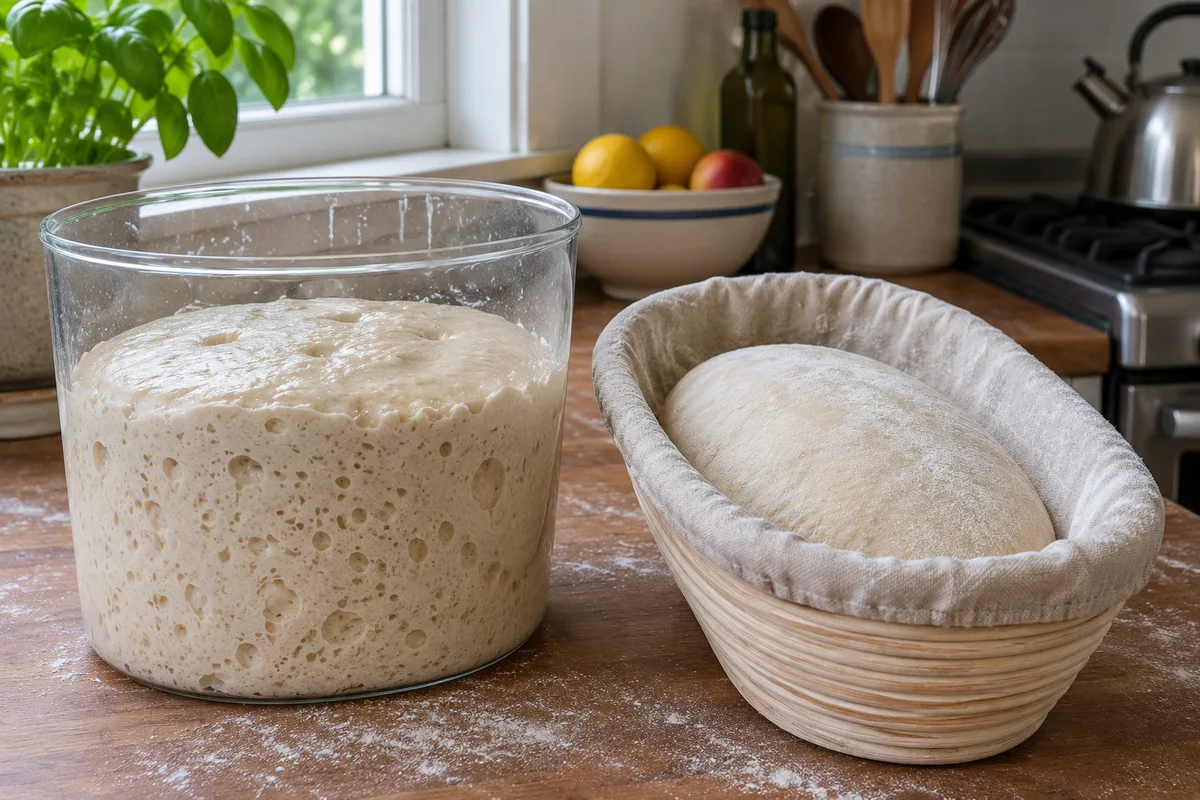
Mix → bulk rise → divide and shape → final proof → bake. Mark two starting points: the level of the whole dough just after mixing and the size of each piece just after shaping. Folds belong to the first interval. During the second, watch how the shaped loaf holds gas as it approaches the oven.
What bulk fermentation means
Bulk fermentation begins after the ingredients are mixed and continues until the dough is divided or shaped for its final form. It may take place in a bowl, tub or mixer container. Microbes produce gas and flavor compounds while gluten changes through time and handling. A commercial-yeast dough may be bulk fermented once, while some enriched formulas use different sequences. The endpoint follows the particular recipe, not a universal doubling rule.
Follow Sourdough Country Loaf from the mixed dough through bulk fermentation before you judge the shaped loaf.

What final proofing means
The final proof starts after shaping and lasts until the dough is sufficiently expanded to bake. It can happen inside a loaf pan, on a baking tray or in a flour-dusted banneton. The dough should retain enough strength for oven spring while being aerated enough to avoid tearing. Unlike an early bulk stage, the final proof is usually not the time for vigorous mixing or multiple strengthening folds.
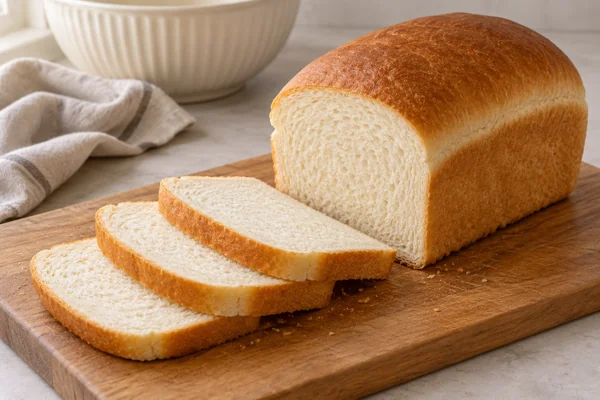
For Classic White Sandwich Bread, note the change in height after the shaped dough goes into its tin.
Why fermentation happens before shaping
Bulk fermentation allows gas production and dough development to proceed while the mass can still be handled. Some doughs are folded periodically during this period to build structure. When fermentation reaches its target, the dough can be divided and shaped, redistributing and organizing gas cells. Skipping this stage may leave the dough underdeveloped even if you wait longer during final proofing.
Folds belong primarily in bulk
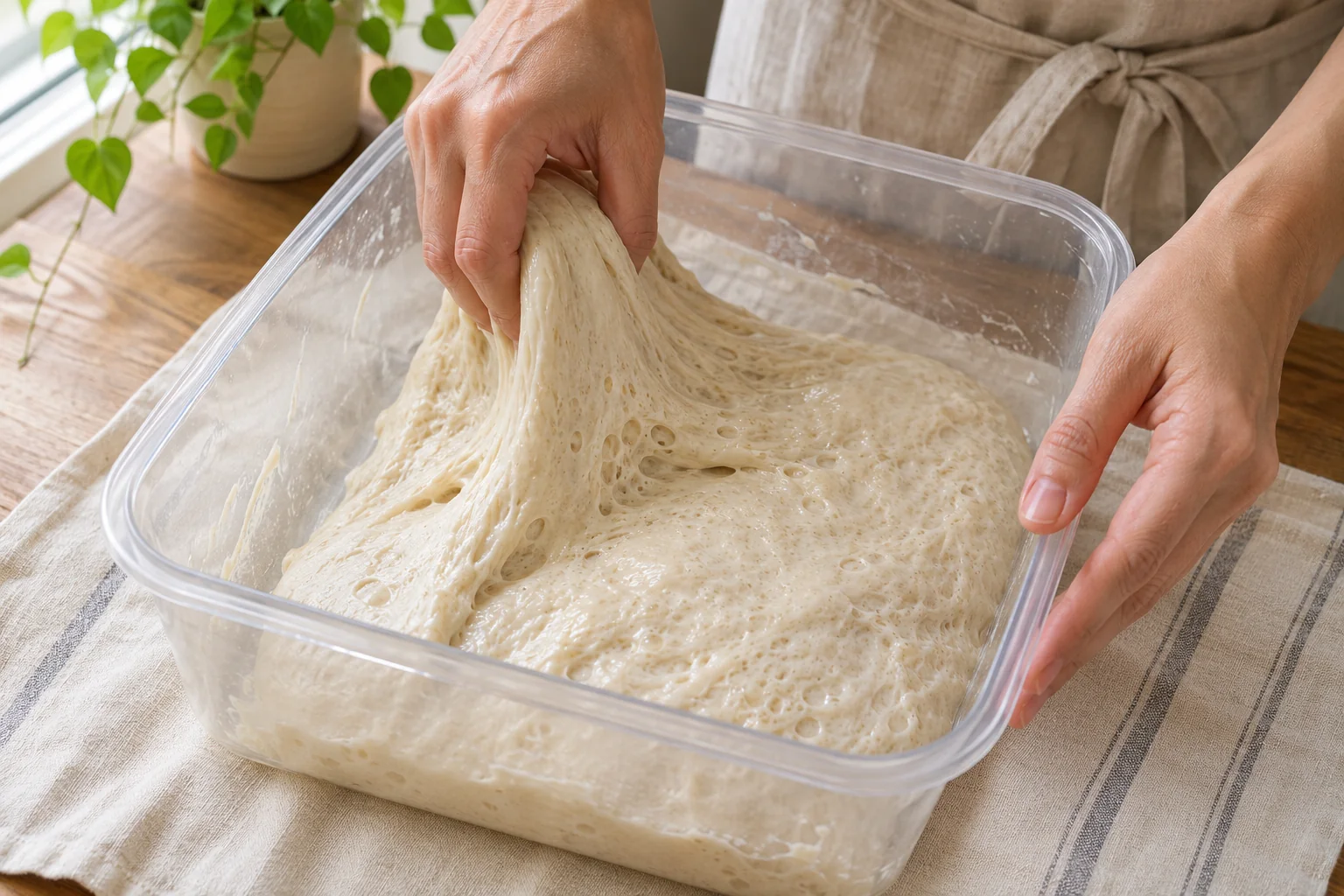
Stretch-and-fold or coil-fold sets help strengthen wet wheat dough during its early fermentation. They are normally spaced according to the recipe, with time between them for relaxation and continued gas production. Folding during late final proof can deflate shaped loaves and destroy surface tension. Some formulas don't require any folds at all. Treat the schedule as part of the bread's overall design.
Fermentation temperature matters
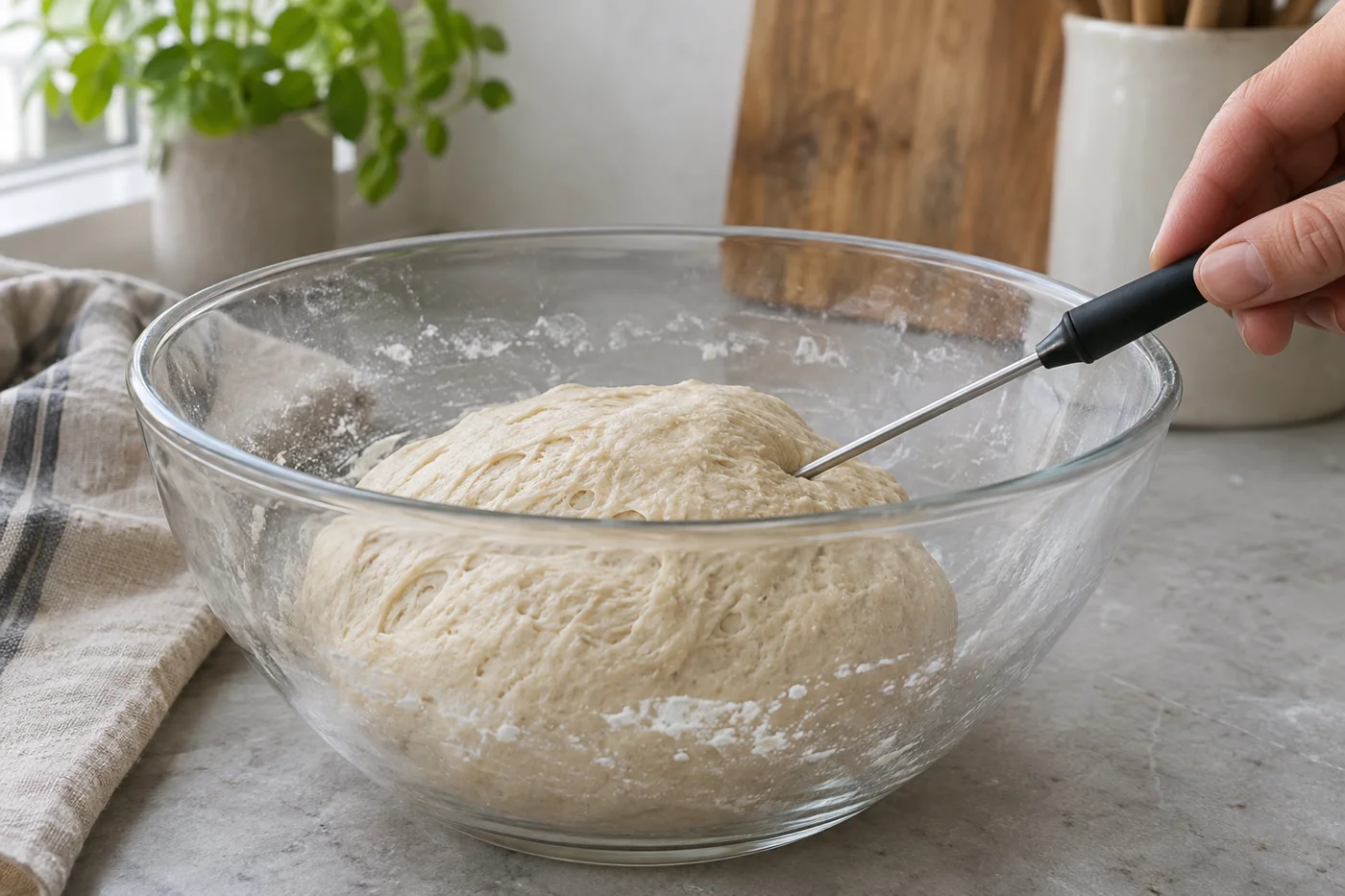
Warm dough generally progresses faster than cool dough within a suitable range. A winter kitchen can lengthen bulk fermentation, while a summer countertop can accelerate it unexpectedly. Measure dough temperature when possible, not only room air. Temperature also affects yeast and sourdough differently depending on the culture and dough. Follow visual development instead of forcing both stages into fixed clock hours.
Bulk rise targets
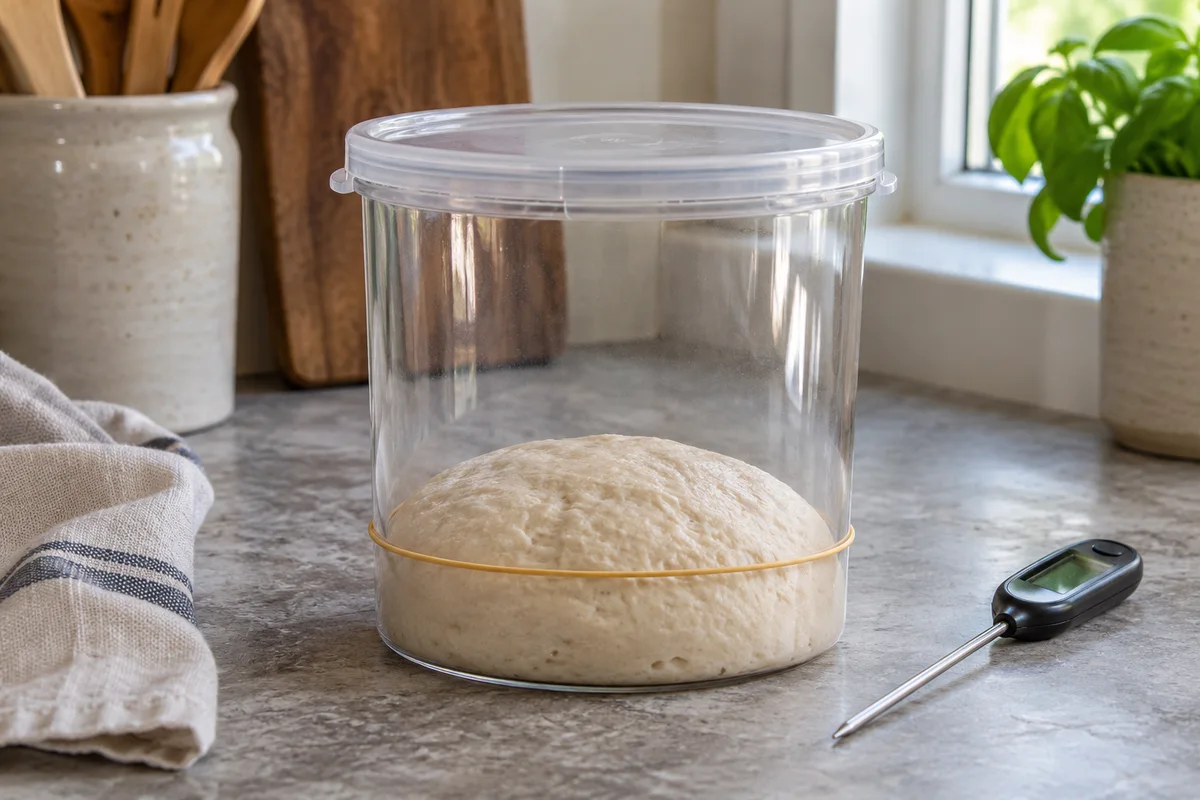
Some yeasted bread formulas call for roughly doubling in bulk, but many sourdough formulas target less expansion before shaping. A marked straight-sided container helps track volume. Look for bubbles, doming and a lighter, aerated feel. The appropriate percentage depends on temperature, hydration and flour. A high-whole-wheat dough may behave differently from a strong white wheat dough.
Final proof rise targets
The finished loaf may be ready when it approaches a specified pan height, shows gentle expansion or responds appropriately to a poke test. A shaped sourdough boule may not double in the banneton, and a roll may visibly become light and puffy. Look at the intended final shape and tension. A loaf that overexpands can lose structure and deflate when moved.

The dough poke test
For some wheat doughs, a gentle indentation that slowly recovers partially can suggest final proof readiness. An immediate bounce may indicate insufficient proof, while no rebound can indicate over-proofing. Cold dough and high hydration complicate this test, so consider rise and feel. The poke test is usually more relevant to final proof than to diagnosing the entire bulk-fermentation stage.
Why doubling isn't universal
Two doughs can reach the same volume increase with different microbial activity and structural strength. High hydration, whole grains, rye content and temperatures alter how gas is retained. Some sourdough methods deliberately shape after a modest bulk rise to avoid overfermentation during a long cold proof. Use the original formula's target rather than demanding every rise be 100% larger.
Use the readiness cues in Sourdough Bagels rather than waiting for a stiff dough to look like a high-hydration loaf.
Commercial yeast timelines
Instant or active dry yeast can raise lean dough relatively quickly in a warm environment, but quantity and recipe style vary. Rich brioche may progress slowly due to high sugar or fat. Bulk fermentation and final proof are still separate stages even if each is relatively brief. Starting an oven merely because the timer says an hour has passed is less reliable than observing the actual dough.
Sourdough timelines
Sourdough contains naturally occurring yeasts and lactic acid bacteria. The starter's maturity, feeding and temperature influence how bulk proceeds. Acidity can also affect dough strength during prolonged fermentation. Cold final proofing may further develop flavor while slowing rise. A recipe's bulk endpoint should account for fermentation that continues during the final cold period.
Compare the rise schedule in Sourdough Brioche with a lean sourdough before changing your timing.

What happens between the stages
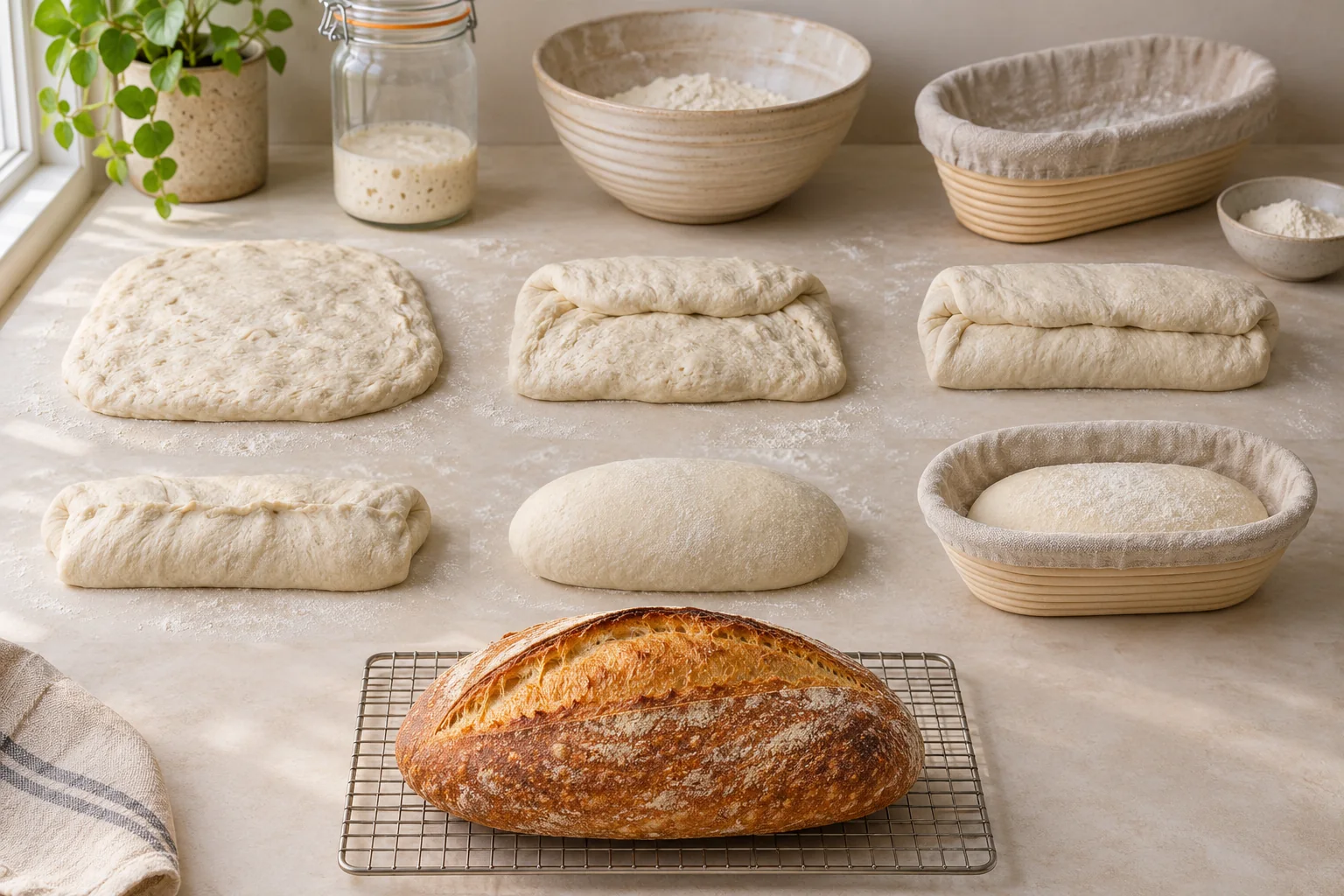
After bulk fermentation, many breads are divided, preshaped, rested and shaped. A bench rest lets a tightened dough relax so it can be formed neatly without tearing. This intermediate period isn't necessarily a separate major fermentation stage, but microbes continue working. Count it in your handling plan rather than leaving dough exposed and drying on the counter.
Shaping builds surface tension
A shaped loaf needs enough outer tension to contain expanding gas and direct oven spring. Bulk fermentation develops the dough mass, while shaping turns it into a pan log, boule, batard or roll. Excessive pressing can expel too much gas, and loose shaping can cause spreading. Follow recipe-specific shaping moves and avoid adding too much bench flour to seams.
The individual rounds in Brioche Buns show why dividing and shaping sit between the two rises.

Why bulk can go too long
An excessively warm or extended bulk may weaken gluten and consume much of the dough's capacity to retain gas. Shaping becomes difficult, and final proof may proceed unpredictably. A dough already extremely slack and acidic might not recover through additional kneading. Prevent this by tracking temperature and early rise cues rather than waiting for a dramatic collapse.
Why final proof can go too long
A shaped loaf that grows beyond its available strength may flatten or wrinkle as it enters the oven. Scores may not open and the crust may remain pale because oven spring is weak. Look for excessive puffiness and a fragile surface. Once severely overproofed, the dough may be better suited to a shallower bread form under a tested method than repeated reshaping.
The cold-proof option
Refrigerating a shaped sourdough loaf slows fermentation and can make scoring easier, but it doesn't stop yeast instantly. Dough may keep expanding as its center cools. Use a recipe designed for refrigeration, with an appropriate bulk endpoint. Putting a fully proofed warm loaf into the fridge for twelve hours can create overproofing rather than extra flavor.
What under-proofing looks like
A loaf baked too early may have tight crumb, tearing along the side or unusual large tunneling. These clues can arise from shaping and gluten problems too. Examine whether bulk fermentation was mature and whether final proof actually reached its target. Correct the deficient stage rather than extending both stages indiscriminately.
Dough in a pan
Pan bread often gives a convenient final proof marker because the recipe can refer to the rim height. Different pan volumes require different starting dough weights, so a loaf that never reaches the rim may simply be in an oversized pan. Choose a proven formula and observe the intended shape. A Pullman loaf with a lid follows a different endpoint from an open-domed sandwich bread.
With Honey Whole Wheat Sandwich Bread, the rim of the loaf pan gives you a repeatable reference during the final proof.

A home baking log
Write down the time mixing finished, temperature after mixing, bulk rise, fold intervals, shaping time and final proof outcome. Photograph the dough at the end of each stage. These simple records help distinguish a slow bulk from an inadequate final proof the next time the loaf is dense. Include the final sliced crumb after complete cooling.
Use two lines in your notebook. On the bulk line, mark the initial level in the container and record when the dough was divided. On the proof line, record the shape and height just after shaping and just before baking. A photo taken from the same angle makes the next batch easier to compare.
IN PICTURES
From the baking notebook
FROM THE RECIPE BOX


