On this page
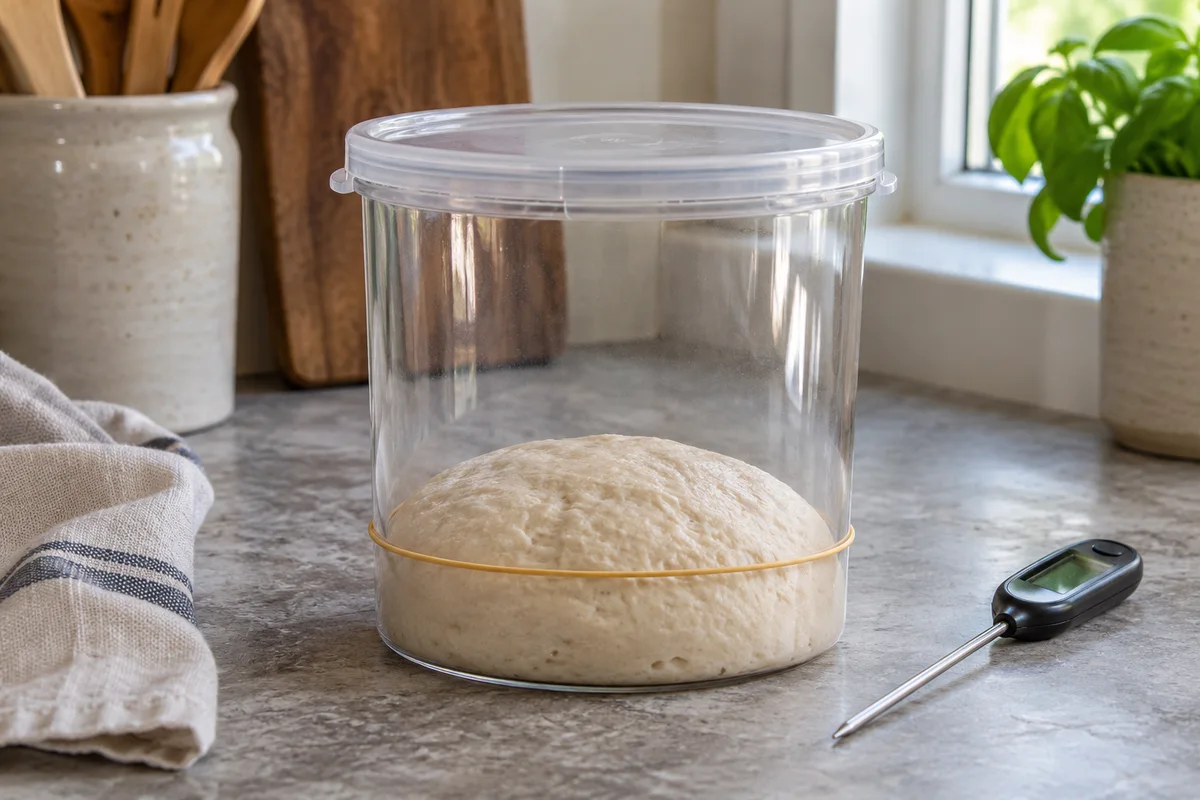
Mark the dough level before deciding it has stopped. A wide bowl can hide a modest rise, and a cold dough can take time to show activity. Check the actual dough temperature and look for small bubbles at the sides before changing the yeast or turning up the heat.
Define what not rising means
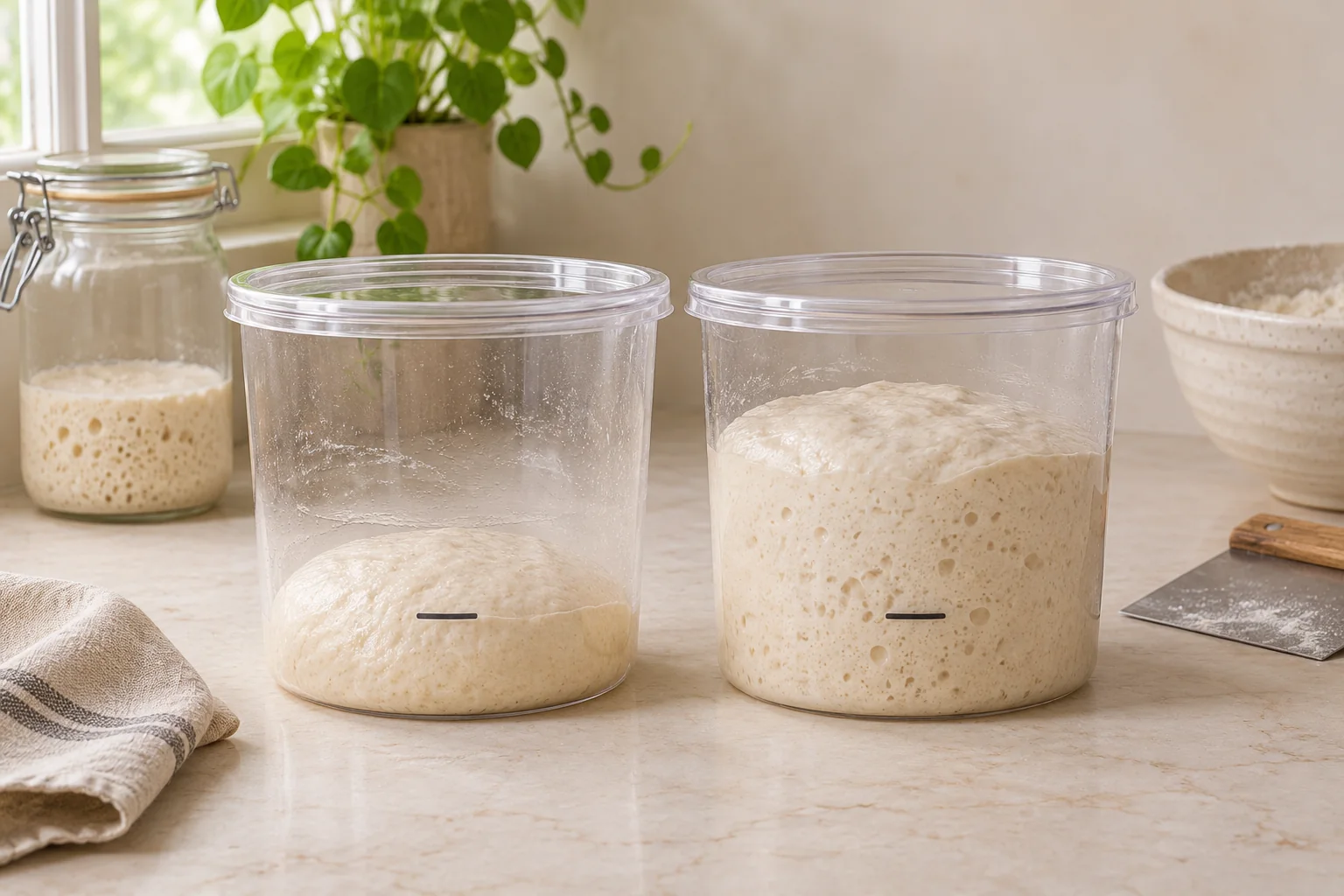
Has the dough shown no volume increase at all after several hours, or is it expanding more slowly than a recipe's optimistic timeline? Does it feel airy under the surface even though a narrow container makes changes hard to see? Mark the level on a clear bowl and inspect gas bubbles. A slightly expanded dough isn't equivalent to dead yeast.
Yeast viability
Commercial yeast loses activity when stored poorly or long past its effective life. A newly opened properly stored product is more dependable than an old jar sitting above a hot stove. If your recipe requires active dry yeast blooming, observe whether it performs as expected, using the manufacturer's method. Lack of foam from a test can indicate a problem, but instant yeast products are formulated differently and don't always require proofing.
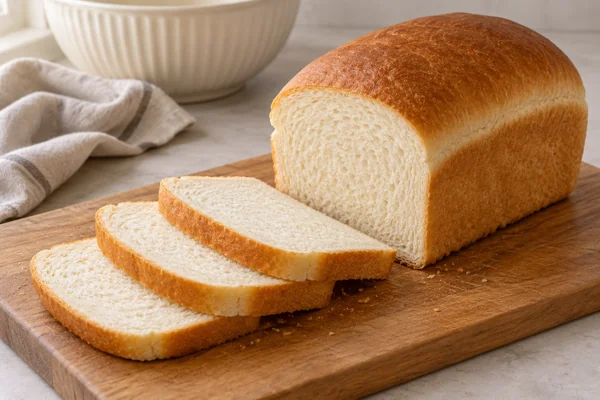
Use the yeast and mixing method specified for Classic White Sandwich Bread as a baseline.
Water that's too hot
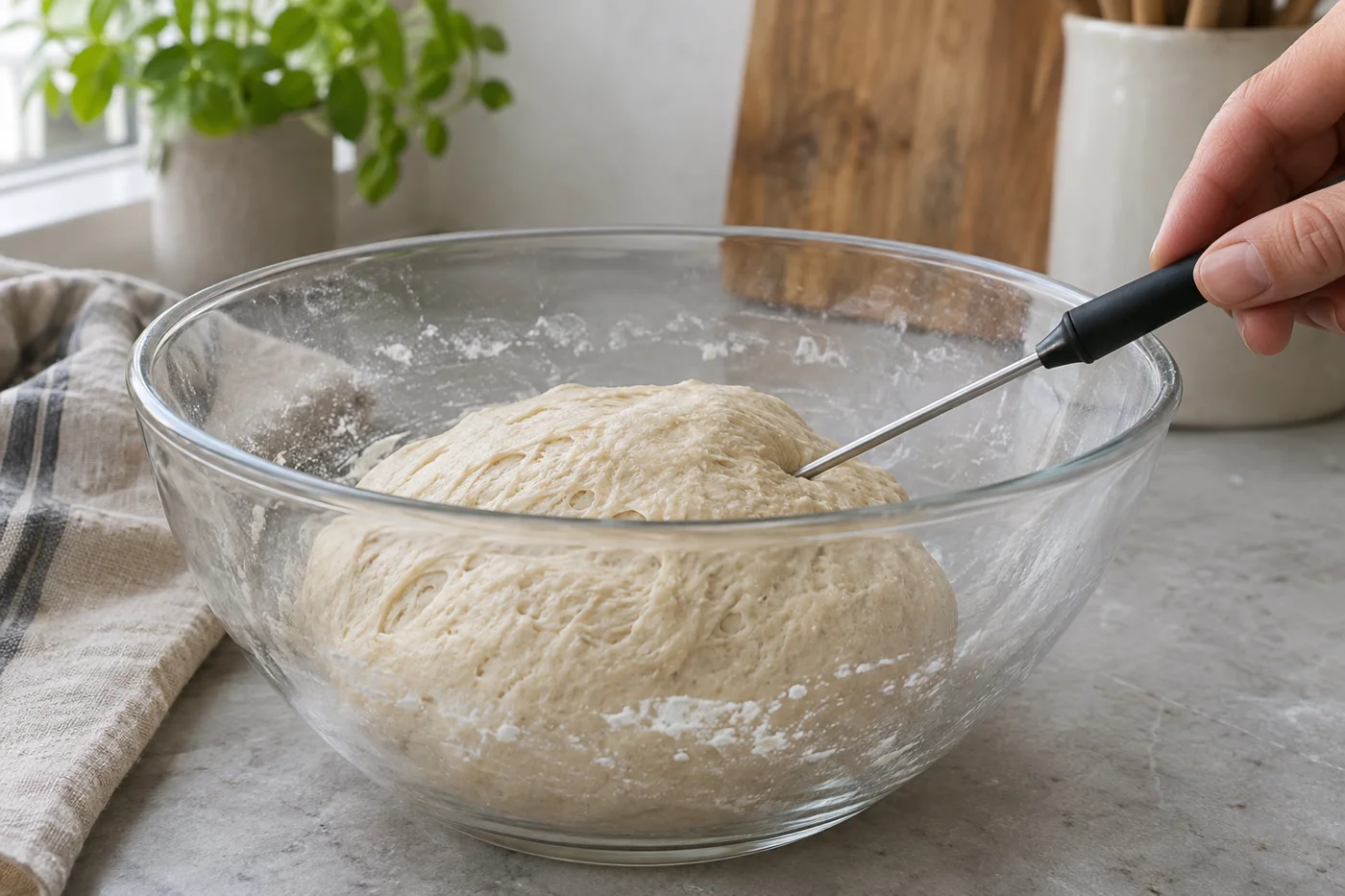
Yeast is a living organism and sufficiently hot liquid can damage it. The relevant temperature depends on yeast product, mixing method and final dough temperature. Don't use water that feels almost boiling to speed a rise. Check the recipe and yeast packaging, measuring with a thermometer instead of touching water with a finger.
Water that's too cold
Cool water usually slows yeast fermentation rather than destroying it. If the dough was mixed with very cold ingredients and stored in a chilly kitchen, the early expansion can be modest. Give it time under suitable conditions and track actual dough temperature. Don't place the bowl against a radiator or directly on a hot burner as a shortcut.
Room temperature changes timing
A dough fermented at 19°C may behave much more slowly than one at 25°C, all else equal. The kitchen thermometer doesn't always reflect the dough temperature, particularly after mechanical kneading. Measure the center if you can. A warmer safe location within the recipe's limits may help, but heat beyond those limits can create overfermentation or fat problems.
Salt is important but must be measured
Salt controls flavor, affects gluten and can slow fermentation at high concentrations. Accidentally doubling salt may reduce rise, while omitting it can create rapid fermentation and weak taste. Normally measured salt in bread doesn't kill all yeast on contact when the formula is properly mixed. Weigh salt and distribute it according to the recipe rather than omitting it to make dough rise faster.
Too much sugar in rich dough
Sweet doughs may ferment differently because high sugar concentrations reduce water availability for yeast. Some recipes use osmotolerant yeast or a particular schedule. A cinnamon bun dough may rise more slowly than lean bread even with fresh yeast. Don't compensate by warming butter-rich dough excessively; choose a formula and yeast system designed for the sugar level.
The rich dough in Brioche Buns provides a useful comparison when a sweet batch takes longer to rise.

Too little yeast
A recipe using a tiny yeast quantity may be designed for a long fermentation and won't double in thirty minutes. Check whether measurements were made in teaspoons versus grams and whether the quantity was accidentally halved. Scaling a bread recipe requires adjusting all ingredients consistently. More yeast can accelerate fermentation but also changes flavor and scheduling.

Flour and gluten strength
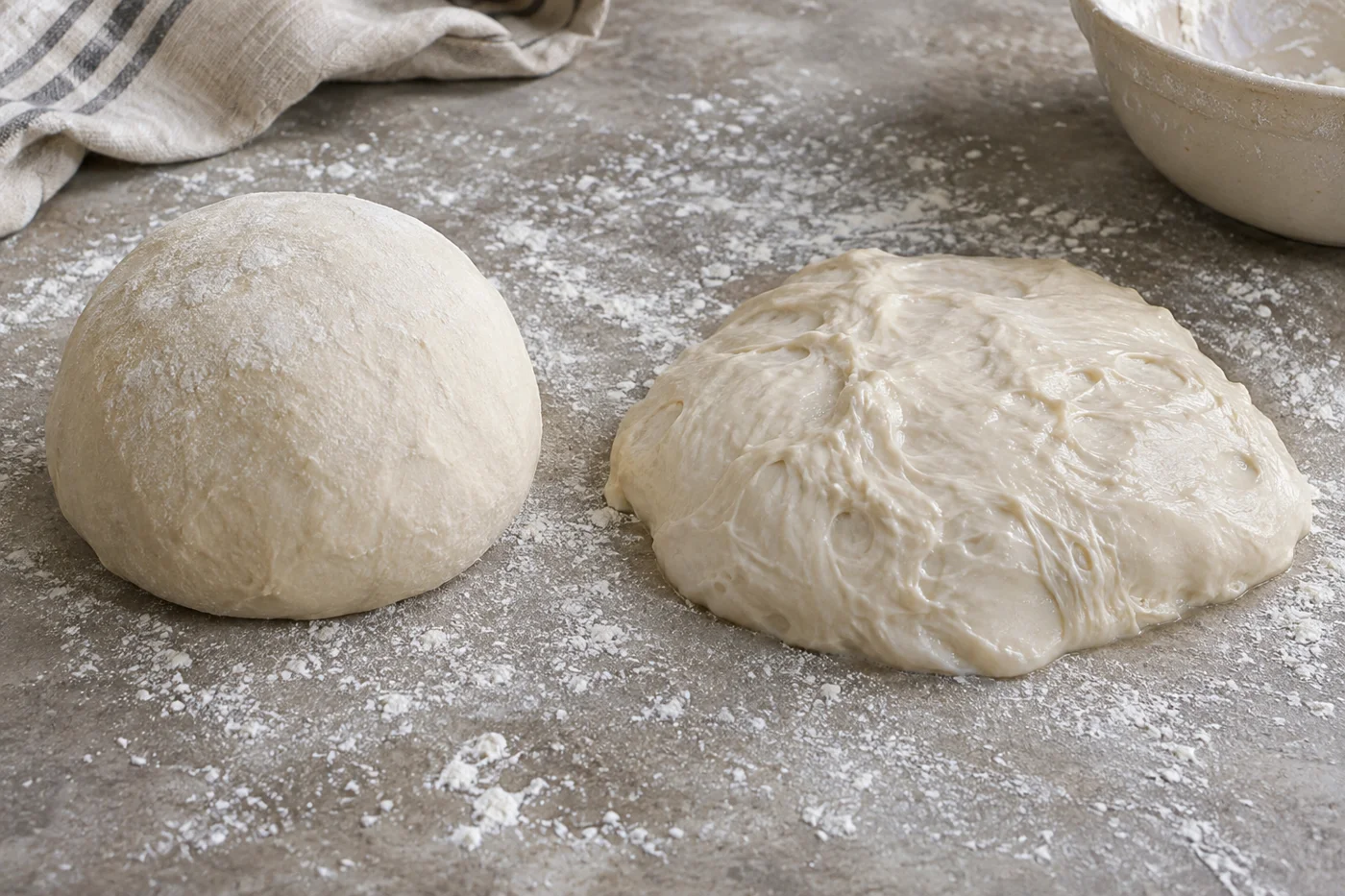
A dough may produce gas without retaining it. Weak gluten, excessive hydration or unsuitable flour can cause spreading rather than upward expansion. A wide bowl makes this harder to notice. Compare the dough's feel after mixing and folding. A high-rye dough behaves differently from a strong white wheat loaf, so shape alone isn't a universal sign of yeast failure.
Check the flour blend in Honey Whole Wheat Sandwich Bread before expecting the same expansion as a white loaf.

Hydration matters
A very stiff dough made with too much extra flour may expand more slowly and resist stretching. A very wet dough may spread horizontally. Use gram weights and follow the recipe's hydration. Don't keep adding flour simply to eliminate stickiness if the recipe is designed for a tacky dough strengthened with folds.
Under-kneading
Insufficient gluten development may leave the dough unable to retain gas efficiently. The mixture can appear flat even though it smells fermented. Follow the specified kneading or stretch-and-fold schedule and assess strength. For gluten-free bread, use a dedicated formulation because it won't pass the same wheat windowpane test.
Use the dough cues in Buttermilk Sandwich Bread to judge whether it has developed enough strength to hold gas.

Over-mixing
Intensive high-speed mechanical mixing can overheat or weaken dough after it develops strength. A warm sloppy mixture may lose structure and fail to hold its rise. Observe changes during mixing and follow mixer speed limits. More mixer time isn't automatically the remedy when dough isn't expanding.
Sourdough starter maturity
A sourdough starter that's young, recently refrigerated or underfed may not have enough activity to raise a loaf on the expected timeline. Look for repeated reliable rise after feeding, not just a few bubbles. Starter temperature and feed ratio influence its peak. An early false rise in a newly created culture doesn't demonstrate mature leavening power.
Follow the starter and fermentation guidance in Sourdough Country Loaf for a naturally leavened dough.

A cold proof can look inactive
Dough placed in the refrigerator continues fermenting slowly and may show less visible expansion than warm dough. A cold final proof isn't supposed to double in every recipe. Consult the specific sourdough or yeasted-bread method. Chilling a dough that was designed to proof warm changes the schedule and may require another approach.
Container shape affects perception
A broad shallow bowl makes a 40% volume increase less obvious than a straight-sided transparent tub. Mark the initial level, and look at the sides for bubbles. The top may become domed or airy without doubling. Using a container with sufficient headspace lets you monitor rise without opening or repeatedly poking the dough.
With Brioche Sandwich Loaf, note the dough’s starting height in its final pan so a small change is easier to see.
Proofing in a safe warm spot
A controlled proofing box or appropriate slightly warm kitchen area can support steady fermentation. Keep the dough covered to avoid a dry skin. Avoid turning an oven on with the bowl inside unless the appliance and recipe explicitly support that use. Accidentally heating dough too much can kill yeast or melt enriched dough fat.
What if the dough has a crust on top?
Uncovered dough can dry, forming a skin that restricts expansion and tears during shaping. Use a suitable covered container or lightly oiled cover as the recipe indicates. A dry surface doesn't necessarily mean the yeast failed. Protect the dough earlier next time instead of adding extra water to the center after the skin has formed.
What if the dough smells fermented but hasn't grown?
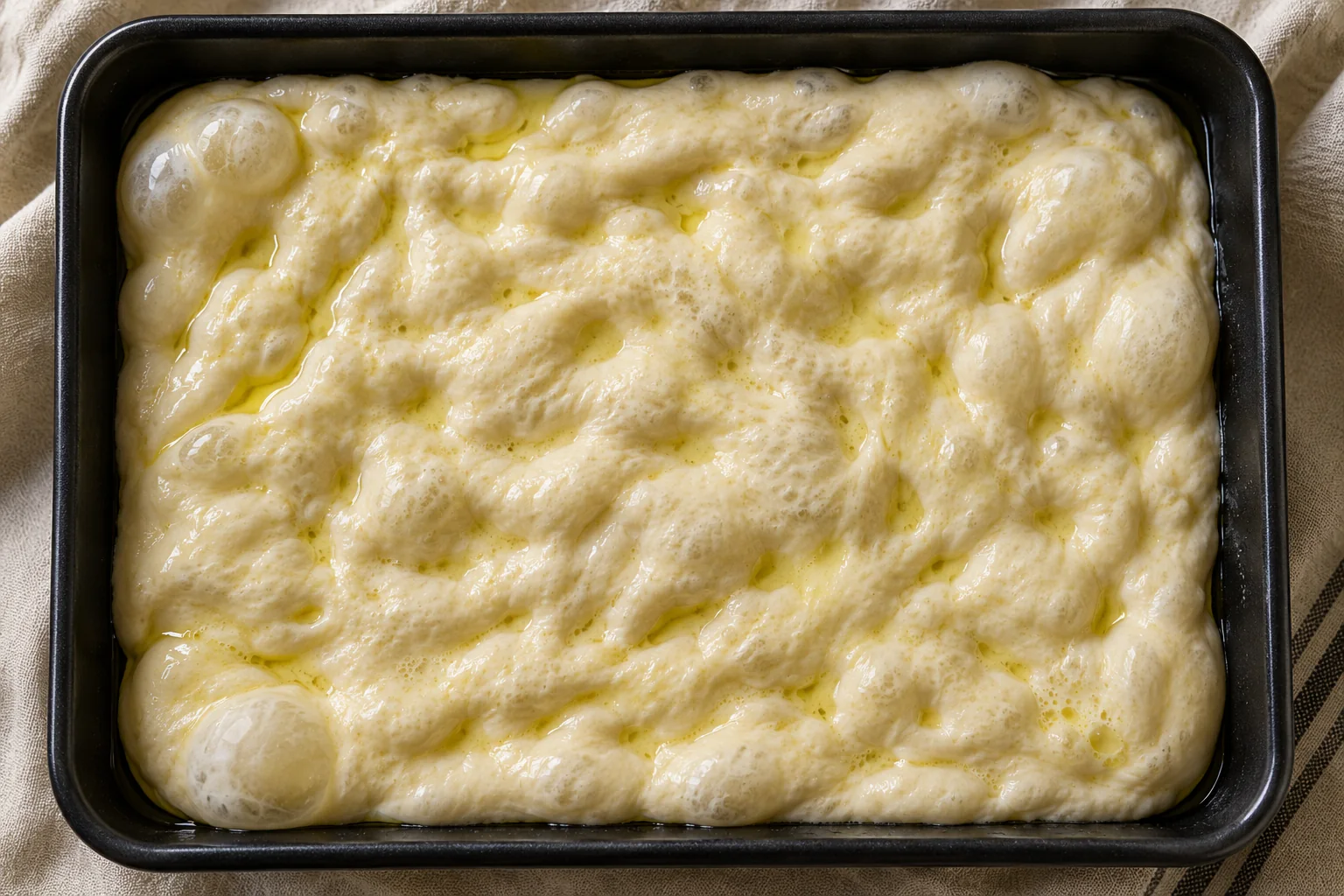
Gas may have escaped from a weak gluten network, the dough may have overfermented and collapsed, or the container may obscure volume. Look for bubbles, a slack texture and a high-water mark on the bowl. A strong alcoholic smell may suggest a long fermentation or hungry yeast, not that you need to add an entire new sachet. Review timing and structure together.
Can you add yeast after mixing?
Some professional methods can incorporate more leavening into partially mixed dough, but distributing it evenly is challenging and may alter hydration and structure. For a beginner, guessing an extra yeast amount usually isn't the best recovery. Check temperature and actual activity first. If a batch truly has inactive yeast, a new small dough may be more reliable than a poorly mixed rescue.
When to stop waiting
Decide safety from the ingredients, elapsed time and storage temperature. An ordinary smell or an unblemished surface cannot establish that dough is safe. Discard dough held beyond the recipe’s safe storage conditions or when its handling history is uncertain. Never taste raw dough to diagnose the yeast.
A diagnostic log
Record yeast brand and age, water temperature, dough temperature after mixing, salt quantity, flour type and the measured rise over time. If the next batch succeeds, the record may show the key difference. Changing five variables simultaneously makes it impossible to identify which cause mattered.
IN PICTURES
From the baking notebook
FROM THE RECIPE BOX


