
On this page
Smell a fully cooled slice as well as the fermenting dough. An alcoholic note under the lid can fade during baking. If a strong yeast flavour persists in the crumb, check your measurements and the actual rise before altering the formula.
Understand what yeast produces
Baker's yeast converts available sugars into carbon dioxide and various fermentation products, including alcohol and aromatic compounds. Those help bread rise and develop flavor. The amount and timing depend on yeast strain, dough temperature, flour and recipe. A strong yeasty note isn't automatically evidence that live yeast remains dangerous after ordinary proper baking; focus on recipe and storage quality.
Cause one: too much yeast
Adding more yeast than the formula requires can make dough rise quickly and develop a flavor or aroma out of balance with the rest of fermentation. It may also complicate proofing and lead to collapse if timing isn't adjusted. Check whether the recipe calls for instant, active dry or fresh yeast and measure the correct product. These forms do not always have equal weights.

Measure small quantities accurately
A recipe may use only a few grams of yeast, making careless heaped teaspoons a substantial proportional error. Use a suitable accurate scale or leveled measuring spoons. Don't double yeast because your kitchen is cold without considering a longer fermentation schedule. Reliable bread can rise well with modest yeast when the process is designed for it.
Cause two: fermentation was too warm
Warm dough ferments more rapidly, often shortening the time for balanced flavor and structure development. A hot proofing area may accelerate yeast activity beyond the recipe's intended schedule. Very high heat can also injure yeast and create inconsistent results. Use target dough and room temperatures where provided rather than placing every loaf beside a hot oven.
Cause three: the rise was rushed
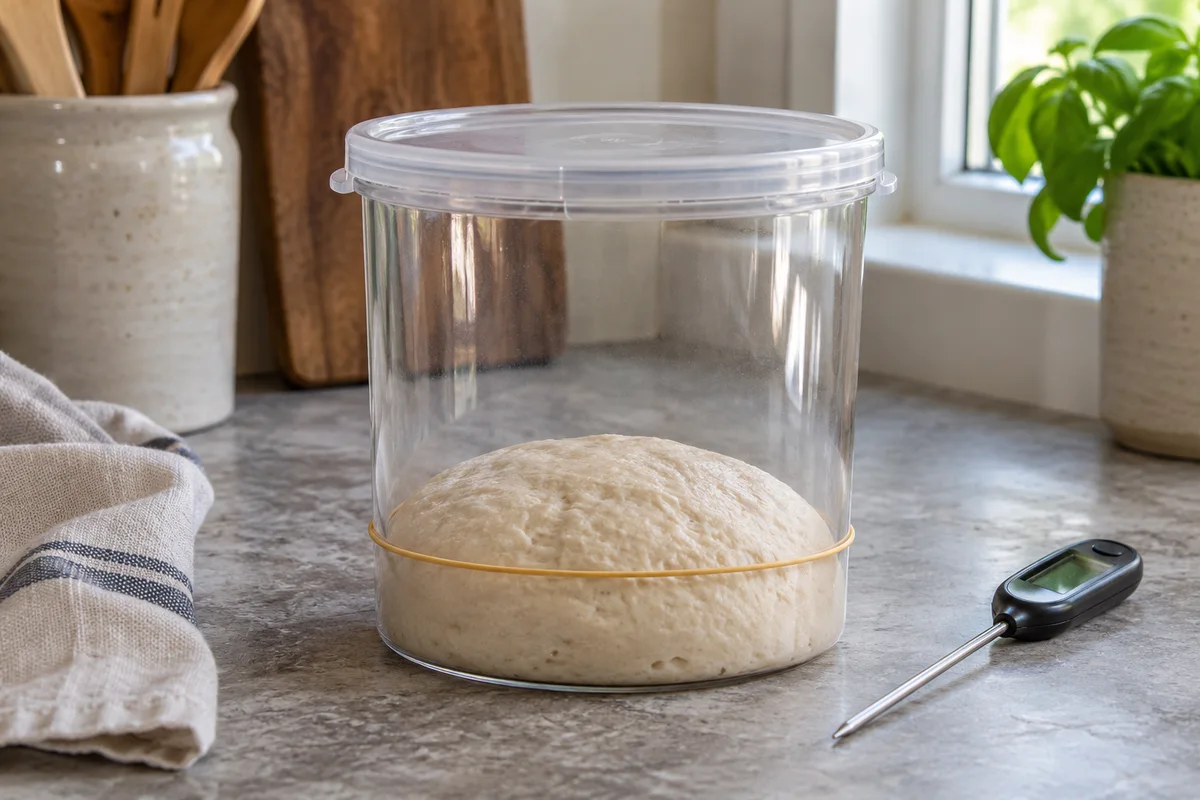
A rapid rise driven by large yeast quantities doesn't always produce the flavor of a longer controlled fermentation. A recipe intended for an overnight rest may taste different when rushed into a warm one-hour rise. But long fermentation isn't universally better, especially for some enriched doughs. Follow the source's intended timing and temperature rather than arbitrarily extending it.
For Classic White Sandwich Bread, judge the dough against the recipe’s rise cues before shaping.
Cause four: underproofing
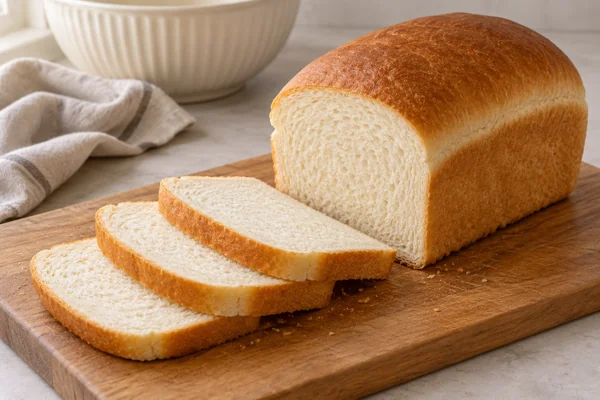
Dough that hasn't fermented sufficiently may have a tight dense crumb and uneven gas pockets. Some bakers interpret its concentrated yeast aroma as simply too much yeast. Look at the rise and final texture, not just the smell. A recipe-specific proof endpoint is more reliable than baking exactly when an hour has elapsed in a cold kitchen.
Cause five: overproofing
Very long warm fermentation can produce strong alcoholic or sharply fermented aromas and weaken dough structure. If the loaf collapses or tastes unbalanced, review bulk fermentation and final proof. Some sourdough styles intentionally develop pronounced acidity but still require controlled timing. Don't assume that leaving dough overnight on a warm countertop always improves flavor.
Yeast type differences
Instant yeast, active dry yeast and fresh compressed yeast differ in format and typical usage. A recipe may recommend different hydration or mixing steps depending on the yeast. Using the wrong quantity or treating a conversion as one-to-one by weight can affect fermentation. Follow manufacturer instructions or a tested substitution.
Read the type of yeast specified in Brioche Buns before measuring it.

The yeast's age
Old yeast may be weak, leading bakers to add excessive quantities or extend fermentation unpredictably. Store yeast as recommended and check the package date. If repeatedly experiencing slow rise, verify freshness before modifying flour or salt. A stale inactive product isn't improved by adding hot water, which may damage it further.
Cause six: low salt
Salt provides flavor and influences dough fermentation and gluten behavior. Omission may create bread that rises differently and tastes bland yet oddly fermented. Weigh the intended quantity rather than salting by eye. Too much salt can also inhibit fermentation. A bread formula balances salt with flour, water and yeast; changing it carelessly affects more than taste.
Cause seven: dough composition
Lean bread, sweet enriched bread and whole grain doughs have different available sugars, fermentation rates and flavor profiles. A very sweet enriched dough may require a tailored yeast and proofing schedule, while lean baguette dough relies on flour enzymatic activity. Use the formula intended for your bread style instead of borrowing yeast quantities from a different recipe.
Is it really the yeast?
A strong aroma might come from sourdough acidity, toasted whole grain, a particular flour or old fat rather than yeast itself. Smell the ingredients before mixing and taste only the fully baked safe bread. Rancid oil can create an unpleasant flavor that resembles an old fermented note. Do not sample raw flour-based dough for diagnosis.
Why dough smells alcoholic
Yeast fermentation naturally creates some ethanol and other volatile compounds. A pronounced alcoholic smell can indicate active or prolonged fermentation, depending on conditions. Properly baked bread generally loses much of the volatile aroma, but timing and balance matter. An excessively alcoholic, collapsed dough suggests revisiting fermentation control.
What sourdough changes
Sourdough includes yeast and lactic acid bacteria, creating a broader range of fermentation flavors than a simple commercial-yeast loaf. Strong sourness isn't necessarily a yeast overdose. Starter activity, hydration and temperature influence flavor and proofing. Choose a sourdough schedule tailored to the desired mild or tangy result.
The starter in Sourdough Country Loaf produces a different aroma from packaged yeast.

Yeast bread versus quick bread
Banana bread, biscuits and many muffins rely on baking powder or soda rather than yeast. If such a bake tastes chemically sharp, check leavening and acid balance rather than blaming yeast. A yeasty aroma in traditional bread has a different origin. Confirm the actual formula before choosing the troubleshooting category.
How flour influences fermentation
Flour type, protein and enzyme activity affect how yeast dough develops. Whole wheat flour includes more bran and other components, while rye dough behaves differently from strong white wheat dough. A dense whole grain loaf may need tailored hydration and fermentation. Adding yeast to fix every whole-grain problem may worsen the flavor without improving structure.
Keep the flour blend in Honey Whole Wheat Sandwich Bread constant when testing fermentation time.

Why shaped bread can smell different
A loaf may taste strongest near dense underbaked sections because the crumb has not set correctly. A fully baked crust and interior develop different aromas. Use the recipe's doneness cues and an appropriate thermometer when recommended. Do not simply toast an obviously raw center and call it properly cooked bread.
Compare the aroma of a cooled Baguette with that of the shaped dough.

Cooling before slicing
Bread flavor and texture continue changing as it cools. Cutting while steaming hot may make crumb gummy, and trapped volatile aromas can seem stronger at that stage. Follow the recipe's cooling interval on a rack. Some large whole-grain loaves need more time before they slice cleanly. A hot bread smell isn't a complete flavor diagnosis.
Storage and odor
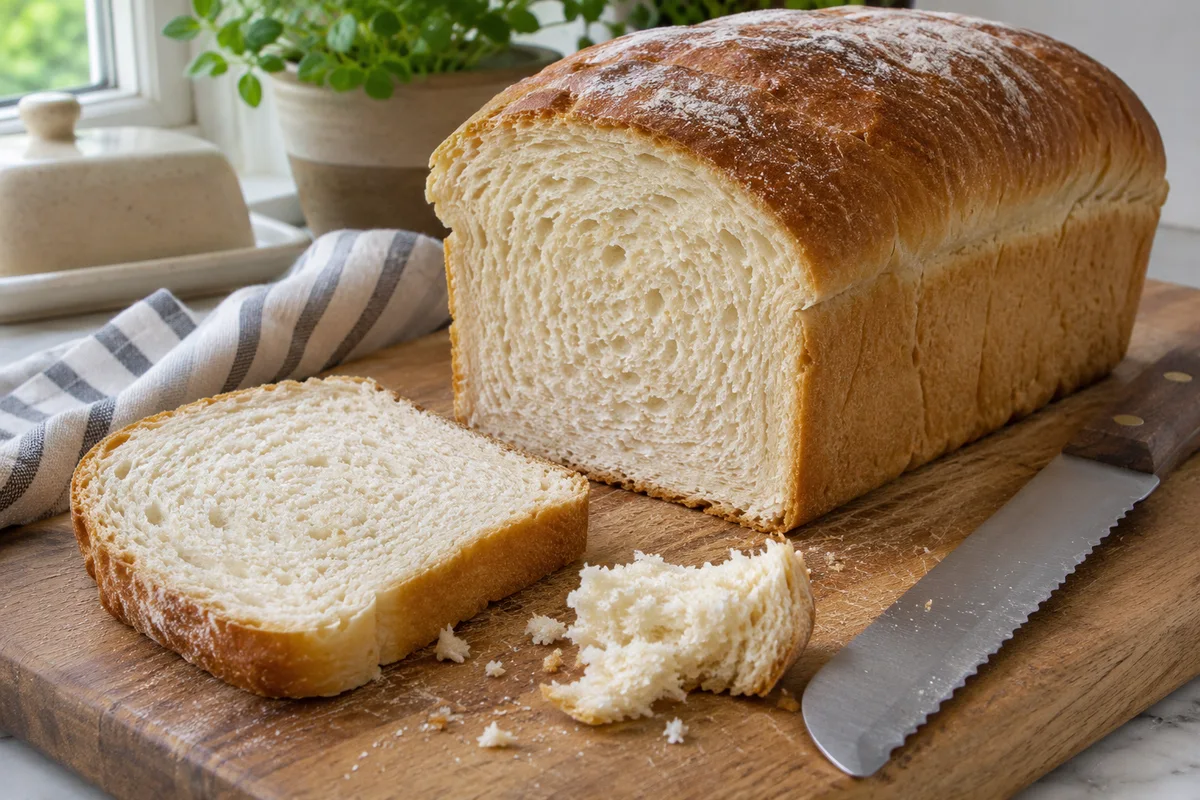
Bread stored next to strong-smelling ingredients can absorb odors, and a poorly sealed bag may trap moisture or encourage spoilage. Cool fully before wrapping and use appropriate storage. Mold or unusual spoilage signs mean the loaf should be discarded. Baking or toasting spoiled bread does not make it safe.
A lower-yeast method needs time
Some bread formulas use smaller yeast quantities with longer fermentation to develop flavor. They require a schedule designed for that amount rather than simply removing yeast from a fast bread and expecting identical rise in one hour. If you want milder flavor, choose a tested slow-fermentation recipe that controls temperature and proofing.
Don't remove all yeast abruptly
An ordinary commercial-yeast bread formula without yeast won't rise as intended unless another leavening system is introduced. Baking powder cannot directly replace yeast in a classic chewy loaf while preserving its structure. A sourdough starter has its own formula and fermentation requirements. Choose a complete method when switching styles.
A controlled trial
Repeat one familiar loaf with precisely measured yeast, correct salt and a recorded dough temperature. Mark the rise, note how long bulk and final proof take, then bake to the proper endpoint. Compare fully cooled flavor with the previous batch. If the aroma was linked to rushed warm fermentation, a recipe-supported timing change may improve balance.
For a side-by-side trial of Buttermilk Sandwich Bread, keep records of yeast weight and dough temperature.

IN PICTURES
From the baking notebook
FROM THE RECIPE BOX


