
On this page
A few extra spoonfuls of flour can enter the bowl before you notice: a tightly packed cup, a dusted worktop or a last handful added because the dough feels sticky. The first question is when the mixture changed. A stiff dough from the start needs a different response from one that tightened during rolling.
Flour isn't just a dry filler
Wheat flour provides starch and proteins that hydrate, form structure and set during baking. Gluten development helps bread trap gas, while cakes often need controlled limited gluten for tenderness. More flour changes both hydration and the balance of ingredients around it. When added late, dry powder may remain unevenly distributed rather than repairing a dough whose stickiness came from another cause.
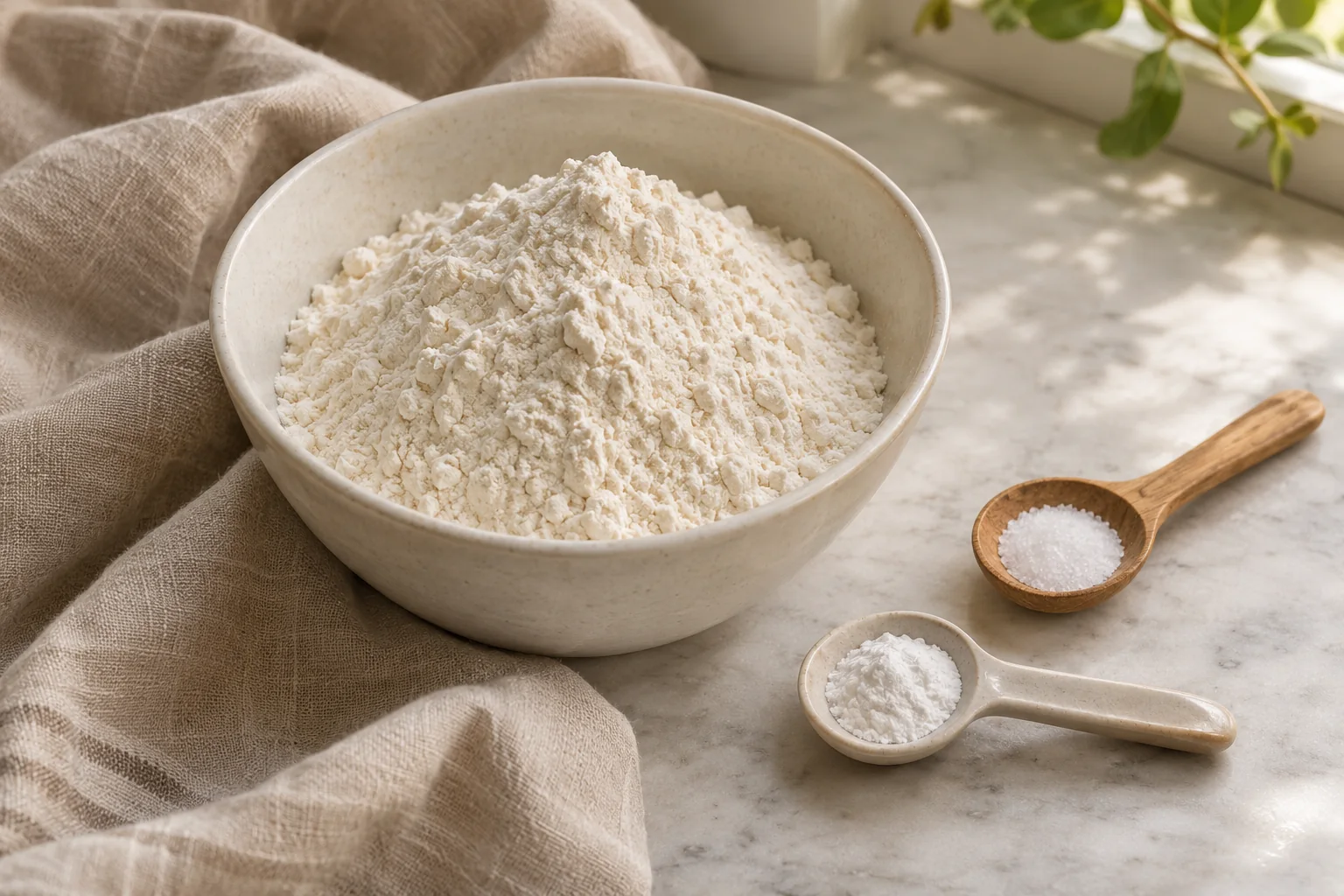
Why measuring cups can overpack
Scooping a cup directly into a bag compacts flour, often producing more grams than a recipe writer expected from a lightly spooned and leveled cup. The exact difference depends on the flour and method. Weigh flour in grams when available. If you must measure by cups, use the particular technique the recipe specifies and level without tapping or pressing unless instructed.
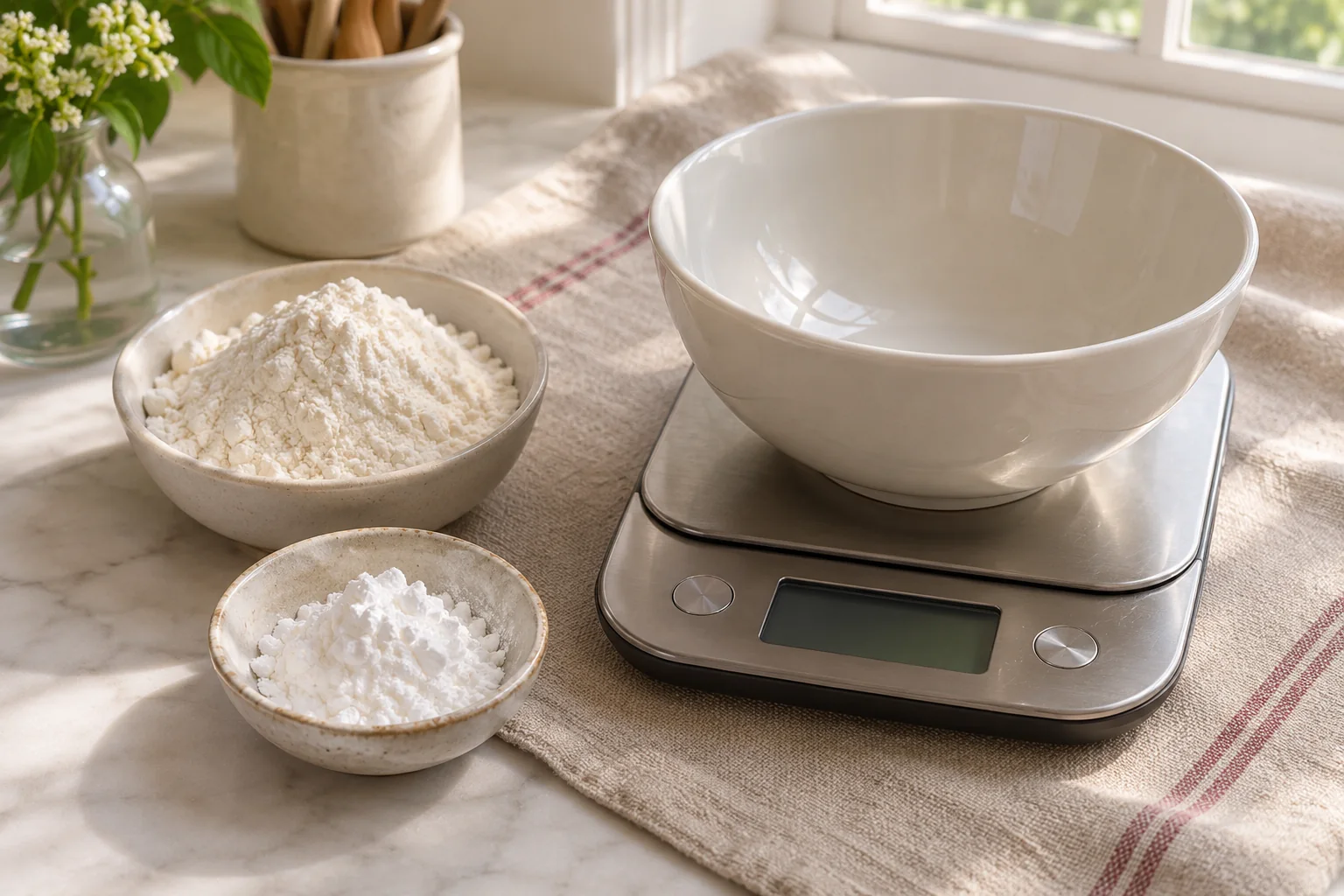
Understand baker's ratios
Flour is the reference ingredient in baker's percentages for bread, but it also matters as a balancing element in cakes and cookies. Increasing flour while leaving water, eggs, fat and sugar unchanged effectively lowers hydration and makes those other ingredients less concentrated. Even if the dough still comes together, its intended texture may no longer be achievable. This is why 'just add more flour' can be expensive advice.
For example, 300 g water with 500 g flour gives 60% hydration. Work in another 50 g of bench flour and the ratio falls to about 55%, even though the measured water never changed. The dough in your hands is now a different dough.
How excess flour changes cookies
In many butter-rich drop cookies, more flour creates a firmer dough that spreads less and can bake thick and dry. A modest increase may be intentional in a bakery-style recipe, but an unplanned large addition can make the cookie taste bready or chalky. The exact behavior depends on sugar, leavener and scoop size. Compare the recipe's finished diameter before deciding whether more flour is helpful.
Compare the spread of Classic Chocolate Chip Cookies at the written flour weight before adding another spoonful.

Why cookies crumble
Too much flour can leave insufficient fat and moisture to hold the baked cookie together pleasantly. Overbaking can produce a similar dry crumbly texture, as can a very low-fat formula. Diagnose by weighing flour and checking oven time. An overfloured dough may be difficult to restore once all ingredients are mixed; choose a tested corrective method rather than adding random liquid.

How cakes become dense
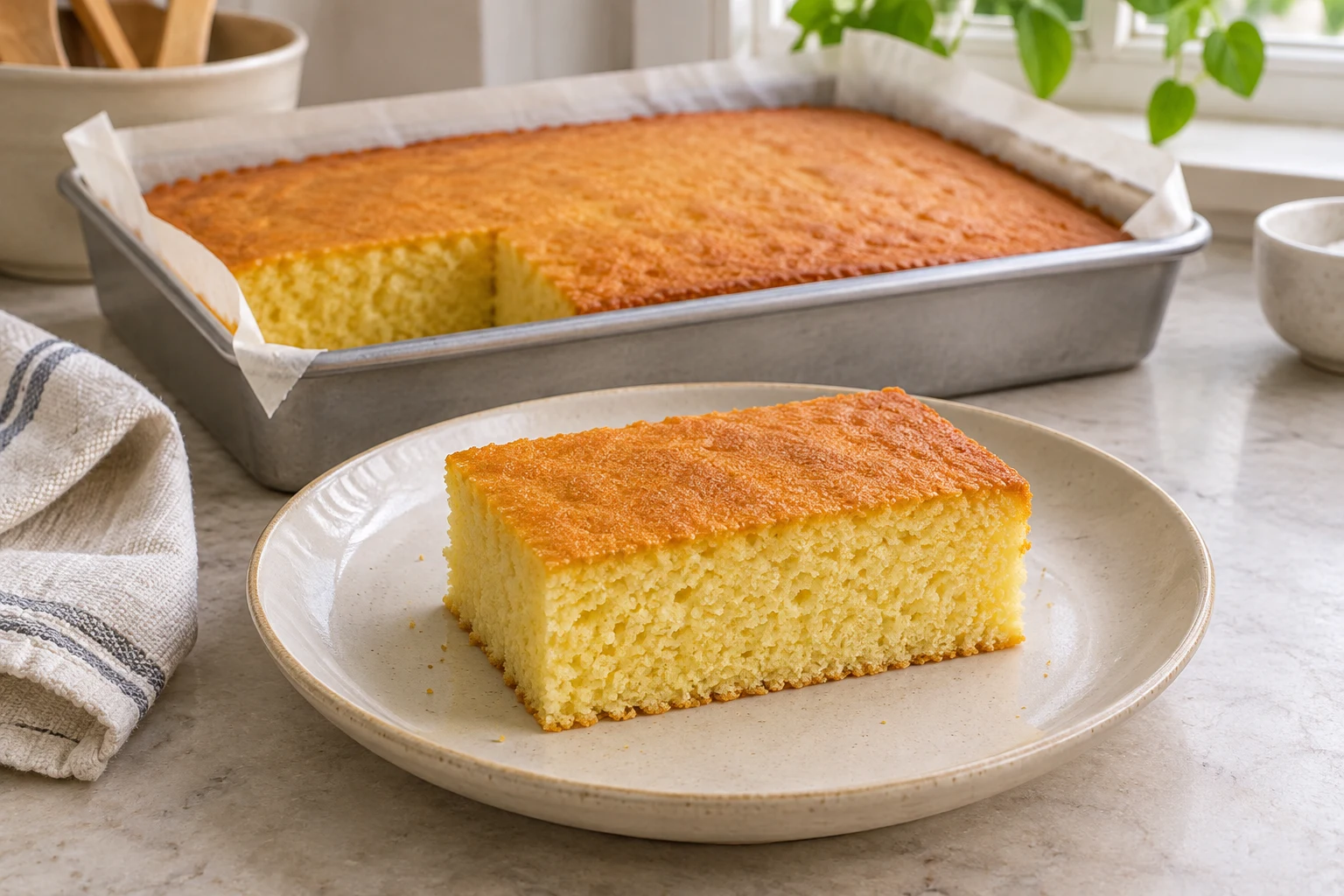
Cake batters rely on a balanced network of air bubbles, liquid, sugar, fat, flour and leavener. Too much flour can make the batter stiff and cause a heavy crumb, particularly if it is mixed vigorously after flour addition. Extra flour doesn't always increase volume; it may weigh down aeration and absorb water needed for softness. Follow the stated mixing method and measure precisely.
Use the batter and finished crumb of Classic Yellow Sheet Cake as a reference when a cake turns unusually heavy.
How muffins become tough
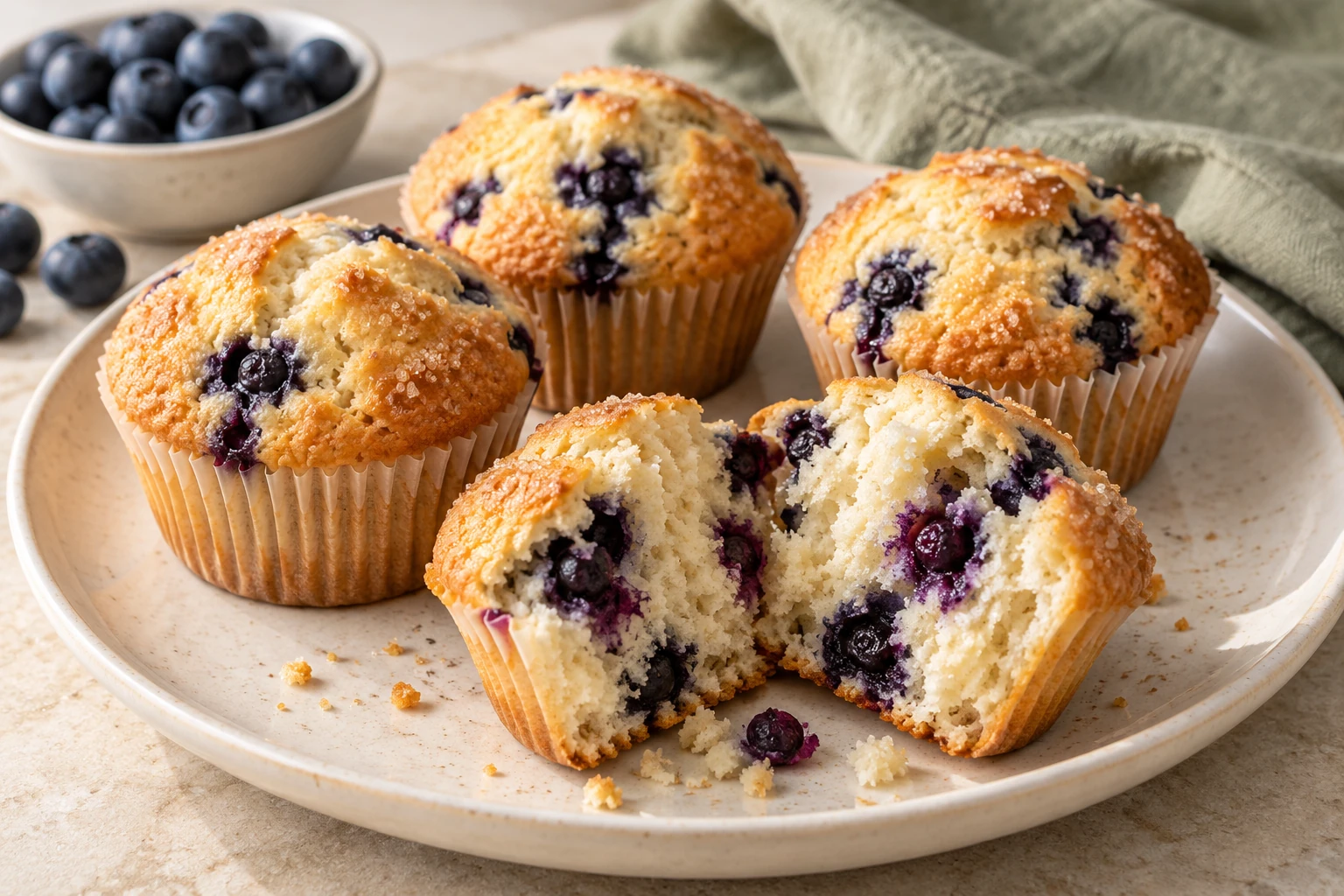
Muffin batter generally benefits from gentle mixing after dry and wet ingredients meet. Excess flour thickens the batter and can encourage overmixing because the baker keeps stirring to eliminate dry pockets. Tough tunnels or a heavy muffin may result. Don't fix a very stiff muffin batter by beating it harder. Check flour weight and use a tested formula.
For Blueberry Muffins, weigh the flour before folding in the berries so a thick-looking batter does not invite extra mixing.
How bread becomes stiff
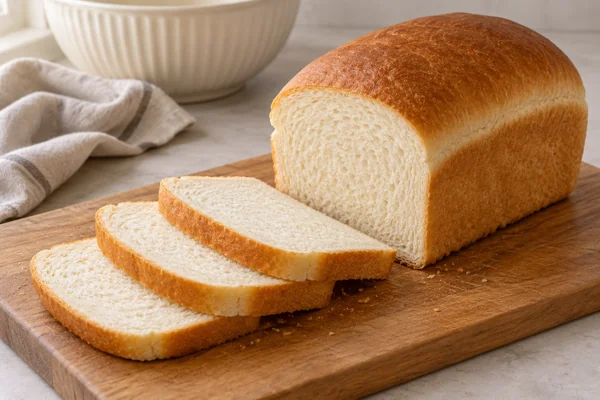
In bread, extra flour lowers effective hydration, making gluten development and expansion different from the recipe's target. A previously elastic dough may resist stretching or form a dense loaf. Some bread doughs are intentionally firm, so stiffness isn't proof of an error without context. Keep hands lightly floured during shaping rather than kneading in cup after cup of flour to reach an arbitrary dry feel.
Use the dough cues in Classic White Sandwich Bread before dusting the worktop again.
Sticky dough isn't always underfloured
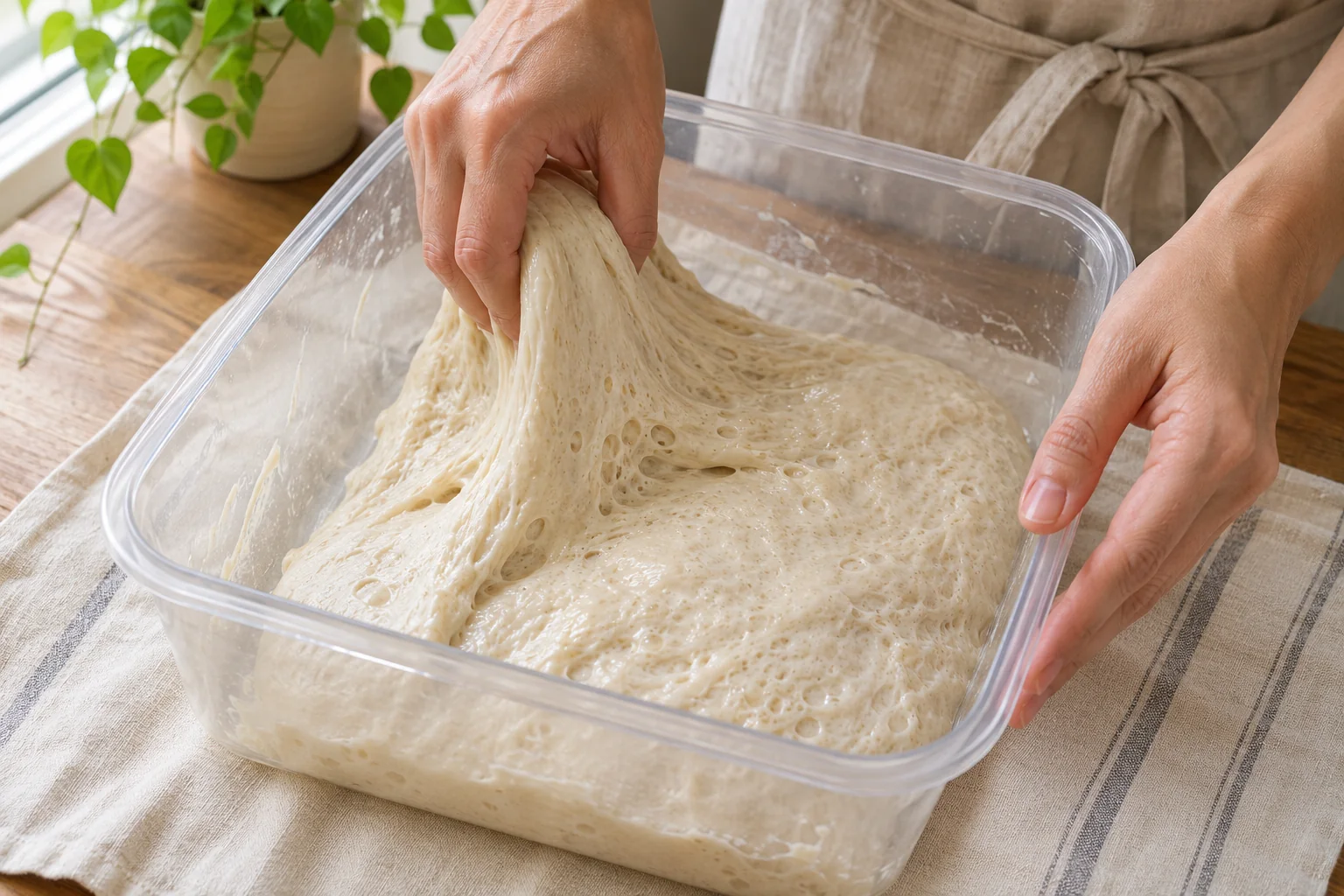
High-hydration artisan bread dough can feel tacky even when correctly measured. A rest or stretch-and-fold schedule often develops strength without added flour. Very warm butter-rich dough may also feel sticky because the fat has softened. Before changing the formula, check dough temperature, hydration and the intended handling method. Stickiness is a symptom, not a universal instruction to add flour.
Bench flour counts too
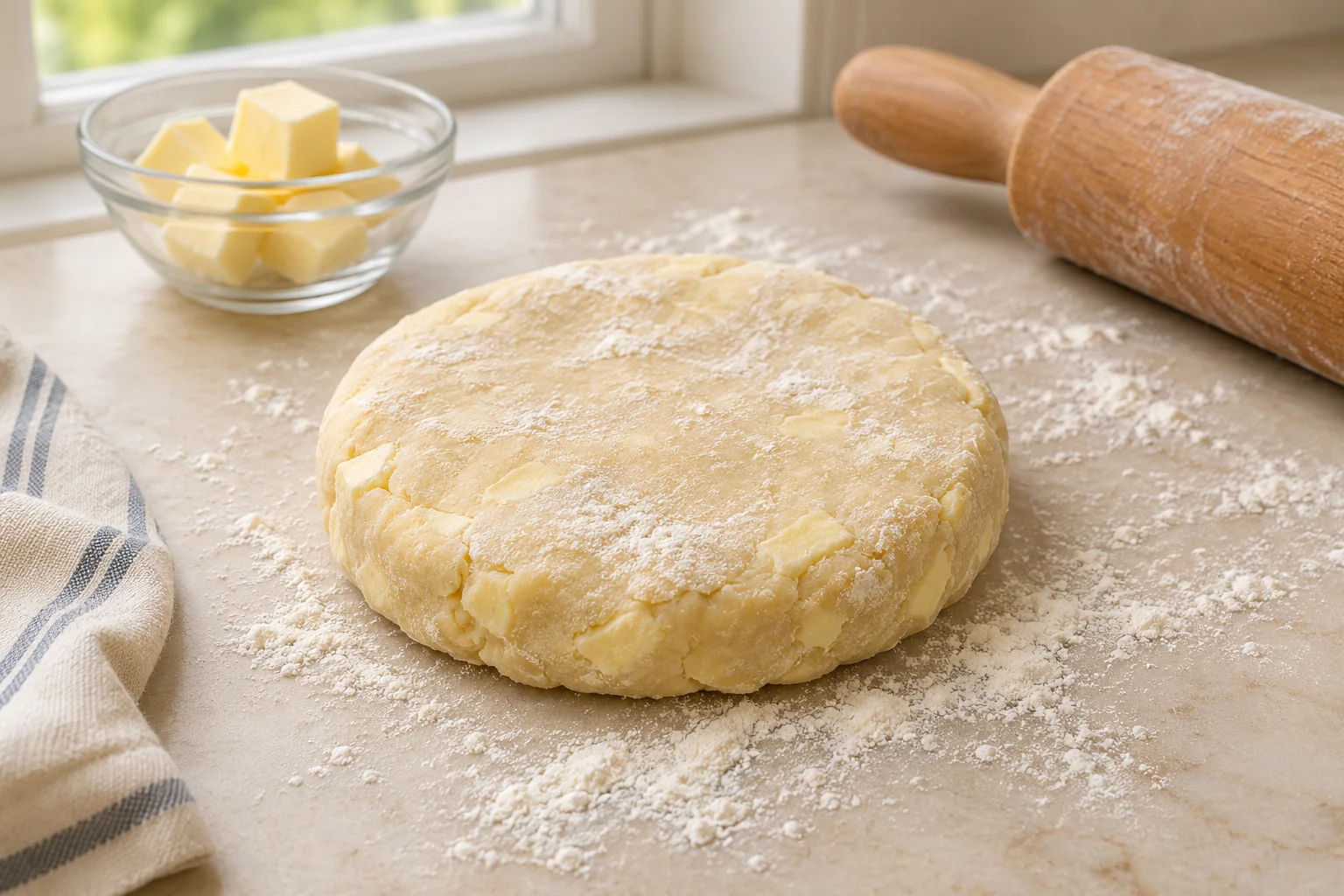
Flour sprinkled on a counter can be incorporated as you roll or knead. A generous cloud of dry flour may quietly change the batch. Use a scraper, parchment or lightly oiled surface when the recipe supports it, and add only enough bench flour to prevent sticking. For delicate pastry, excess dusting also creates dry seams that may not seal well around fillings.
Cake flour versus bread flour
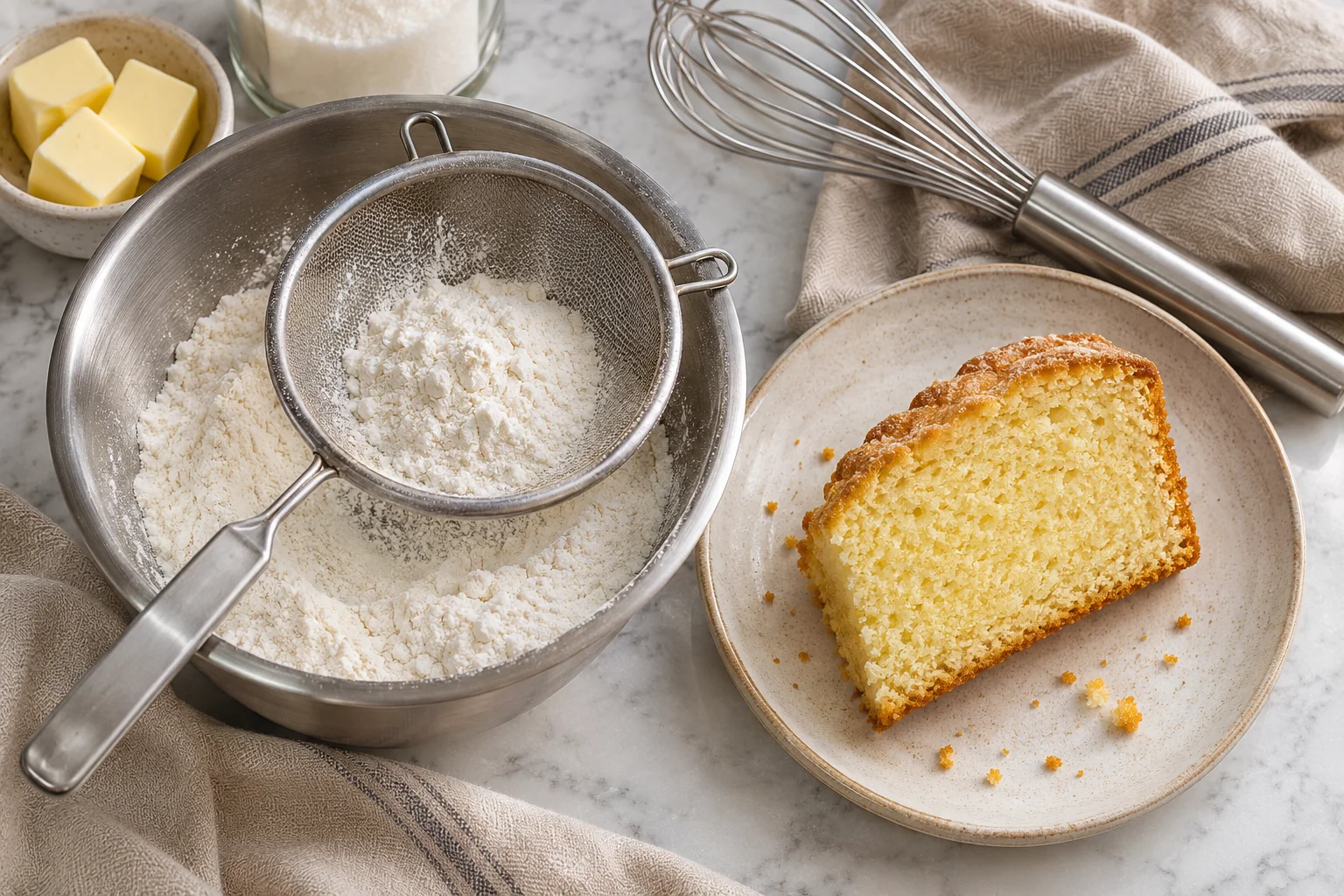
Flours differ in protein concentration and milling characteristics. Swapping strong bread flour into a delicate cake changes gluten potential even at the same weight; using low-protein cake flour in chewy bread may reduce dough strength. The wrong type of flour can resemble an excess-flour problem because the baked texture becomes unfamiliar. Read the flour specified before changing quantities.
Whole wheat absorbs differently
Whole wheat flour contains bran and germ and often requires different hydration from refined white flour. Replacing a large portion of white flour with whole wheat without adjusting a tested formula may yield a dry stiff dough. This is not the same as an accidental extra spoonful of white flour, but the troubleshooting starts similarly: understand water absorption and use a recipe written for the intended grain.
Compare the flour blend in Honey Whole Wheat Sandwich Bread before borrowing the hydration of a white loaf.

How butter and sugar balance flour
Butter tenderizes cookies and cake, while sugar influences moisture, spread and aeration. Adding extra flour dilutes both relative to total dry ingredients. The resulting cake may feel less rich or have less perceived sweetness even though the recipe's butter and sugar weights were unchanged. Correcting only by adding sugar can introduce another structural problem. It is usually better to prevent the imbalance.

What if the batter is already mixed?
If you have clearly mismeasured flour and know by how many grams, there may be a mathematically possible proportional adjustment before baking. But eggs, leavener and mixing stages complicate corrections, especially in aerated cakes. A new small batch may be more reliable than a large improvised rescue. Avoid pouring water into a fully creamed cake batter by guesswork and expecting the original emulsion to return.
Rescuing a stiff bread dough
Bread is somewhat more adaptable than cake batter during early mixing, and an appropriate recipe may permit additional water in a controlled method. Adding water evenly becomes harder after gluten has developed, however. Consult a tested bread troubleshooting technique and assess whether the dough is genuinely underhydrated or merely needs resting. Avoid changing yeast quantity to compensate for stiffness.
How to avoid dry cutout cookies
Rolled sugar cookies can pick up extra flour as the dough is repeatedly rolled and scraps are combined. Use minimal bench flour, roll between parchment when suitable and limit reworking scraps. A firm shape-holding dough is desirable, but dry edges and brittle finished cookies may signal too much extra flour. Bake to the recipe's pale-edge endpoint rather than waiting for deep brown color.
Roll Gingerbread Cookies between guides and use only as much dusting flour as you need to lift the cutouts.

Why more flour changes spread
A cookie spreads when fat melts, sugar dissolves and structure sets. More flour absorbs moisture and contributes structure, often restricting expansion. But a cookie can also fail to spread because dough was very cold, the oven was too hot or the leavener balance differed. Adding or removing flour based only on diameter risks masking another issue.
Oven time still matters
An overfloured cake or cookie may brown differently, but overbaking can make an otherwise correctly measured batch similarly dry. Verify oven temperature, pan material and portion size. Don't increase moisture dramatically without checking whether the batch simply remained in the oven too long. A lighter-colored cookie may be fully baked depending on the style.
A simple measuring experiment
Measure one cup of flour by scooping directly from a bag, then another by spooning lightly and leveling, weighing each separately. The difference illustrates why recipes written only in cups can vary. For the bake itself, use the reference recipe's correct grams and compare dough behavior. Record the scale weight for repeatability rather than relying on memory of how full the cup looked.
IN PICTURES
From the baking notebook
FROM THE RECIPE BOX


