On this page
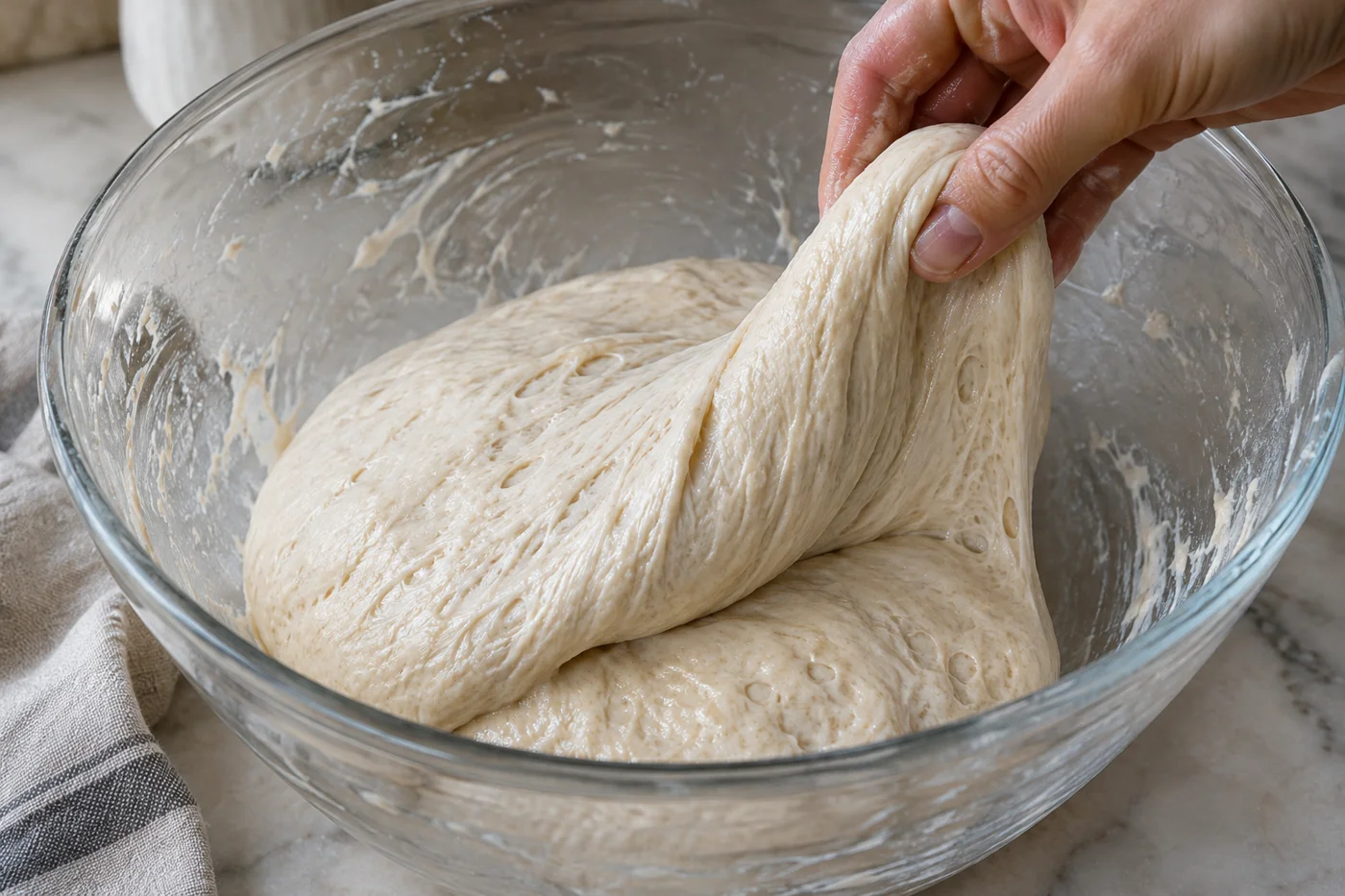
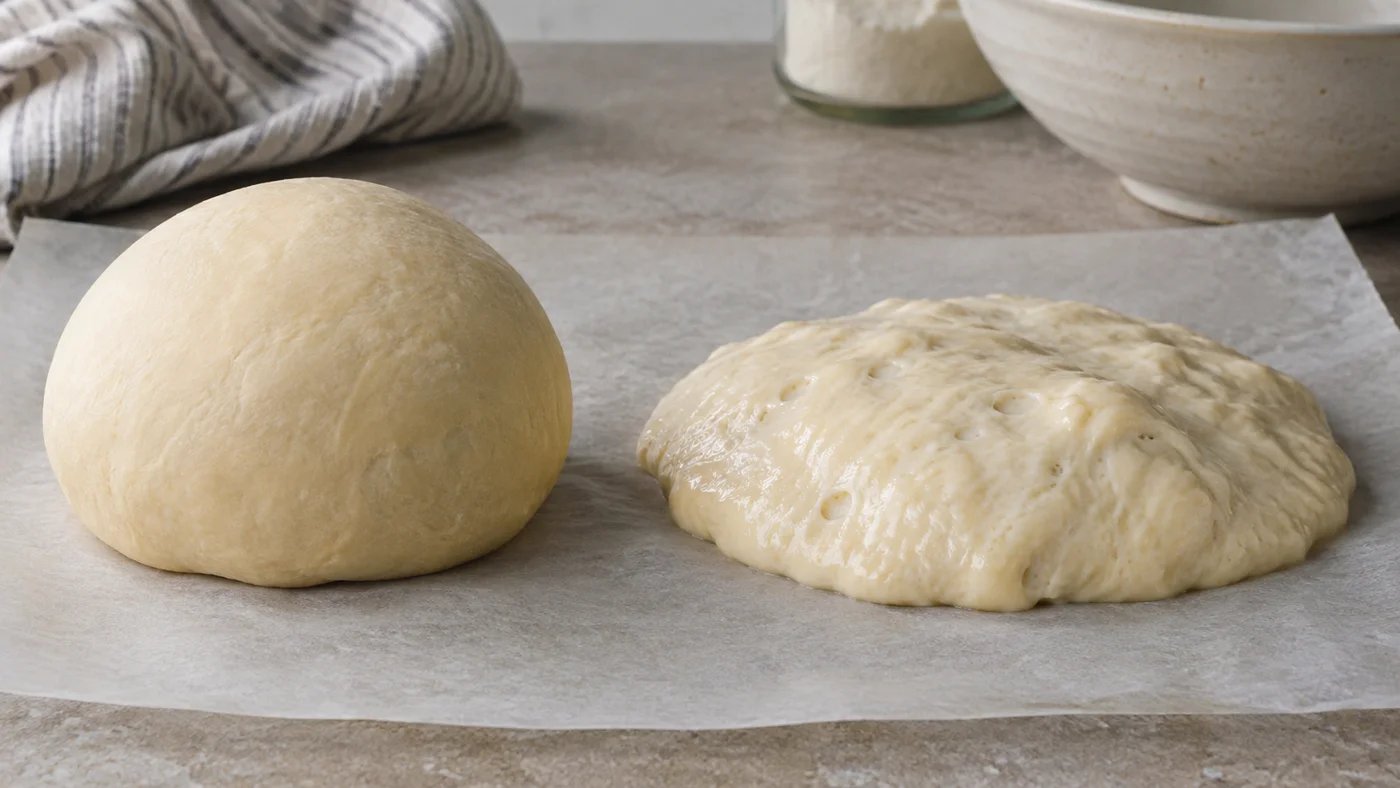
Pick up one edge of the dough. A soft mass that spreads across a bowl may let you lift a long flap and fold it over itself. A firm dough may lift off the bench in one piece and respond better to a short push with the heel of your hand. Both actions develop strength, but handling and resting times differ.
What gluten development actually does
When wheat flour hydrates, gluten-forming proteins begin creating a flexible network. Mechanical handling organizes and strengthens that network, enabling the dough to stretch around bubbles without tearing immediately. Fermentation produces the gas, while gluten holds it. Dough with too little strength may spread or collapse, even when yeast activity is strong. Overly tight dough can also resist shaping, so the goal is balance rather than maximum stiffness.
What traditional kneading looks like
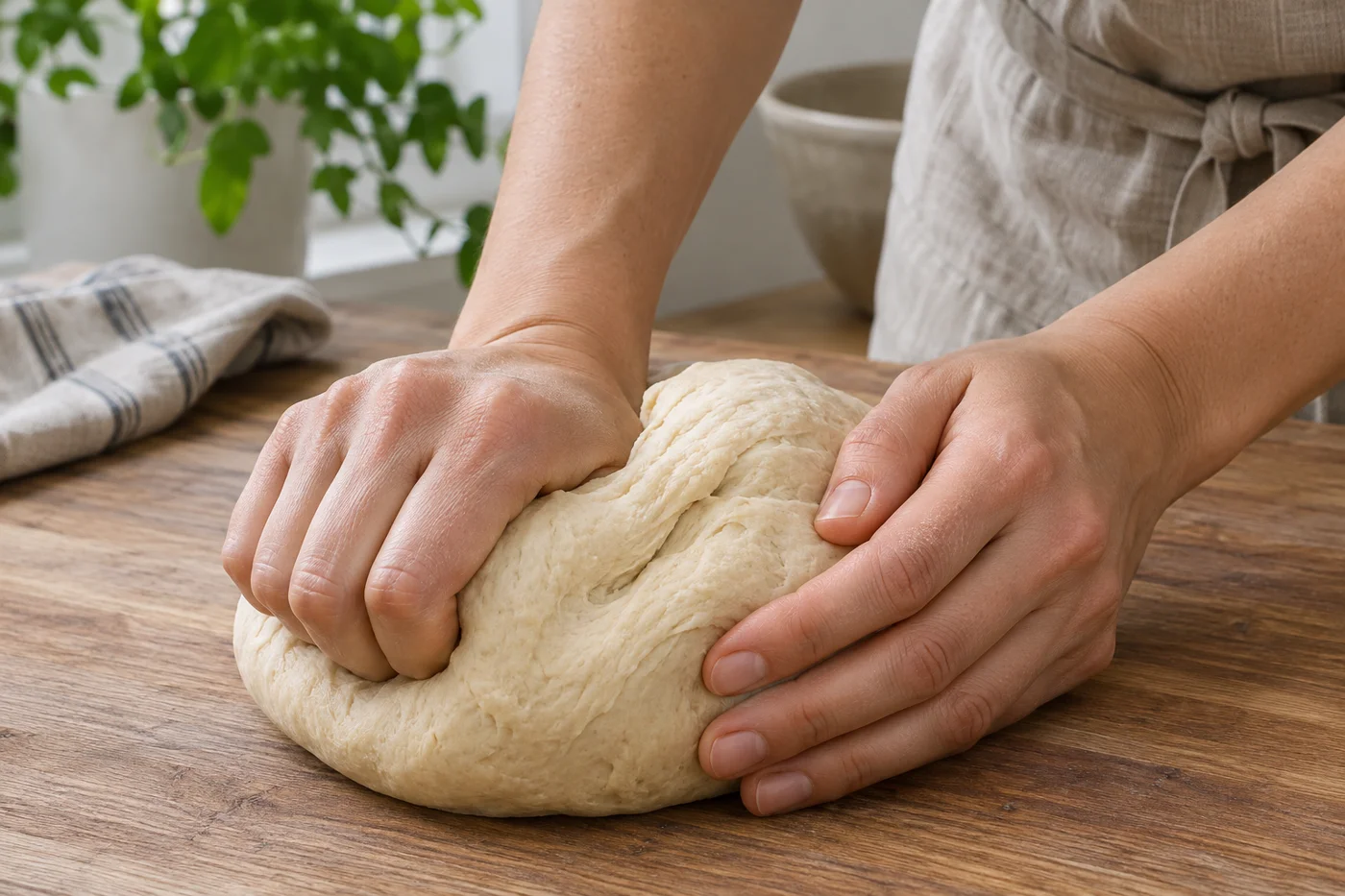
Kneading involves repeatedly stretching, pressing, folding and turning the dough, either by hand or with a mixer. This continuous motion develops strength relatively quickly. For a classic same-day sandwich loaf, a period of kneading before the first long rise is common. Some enriched breads use longer staged mixing, particularly when butter is added after partial gluten development. Follow the specific formula rather than using one fixed number of minutes.
The smooth dough for Classic White Sandwich Bread gives you a useful reference for what changes under the heel of your hand.
What a stretch-and-fold set looks like
With damp hands or other suitable handling, reach under one side of the dough, stretch it upward gently and fold it over the centre. Rotate the bowl and repeat around the perimeter until the set is complete. Then cover and allow a rest before the next set if the recipe calls for one. The dough often becomes more cohesive and elastic after several rounds separated by time.
Read the sequence of rests and folds in Sourdough Country Loaf before deciding when to handle the dough again.
Why rest changes everything
Dough strengthens not only during physical handling but also as flour hydrates and its gluten network relaxes and reorganizes. Folding after a rest can require less force than continuous kneading of a highly sticky mixture. The interval also permits fermentation to continue, so a fold schedule belongs to the full bulk-fermentation plan. Adding endless extra fold sets without considering dough maturity can be counterproductive.
The coil fold variation
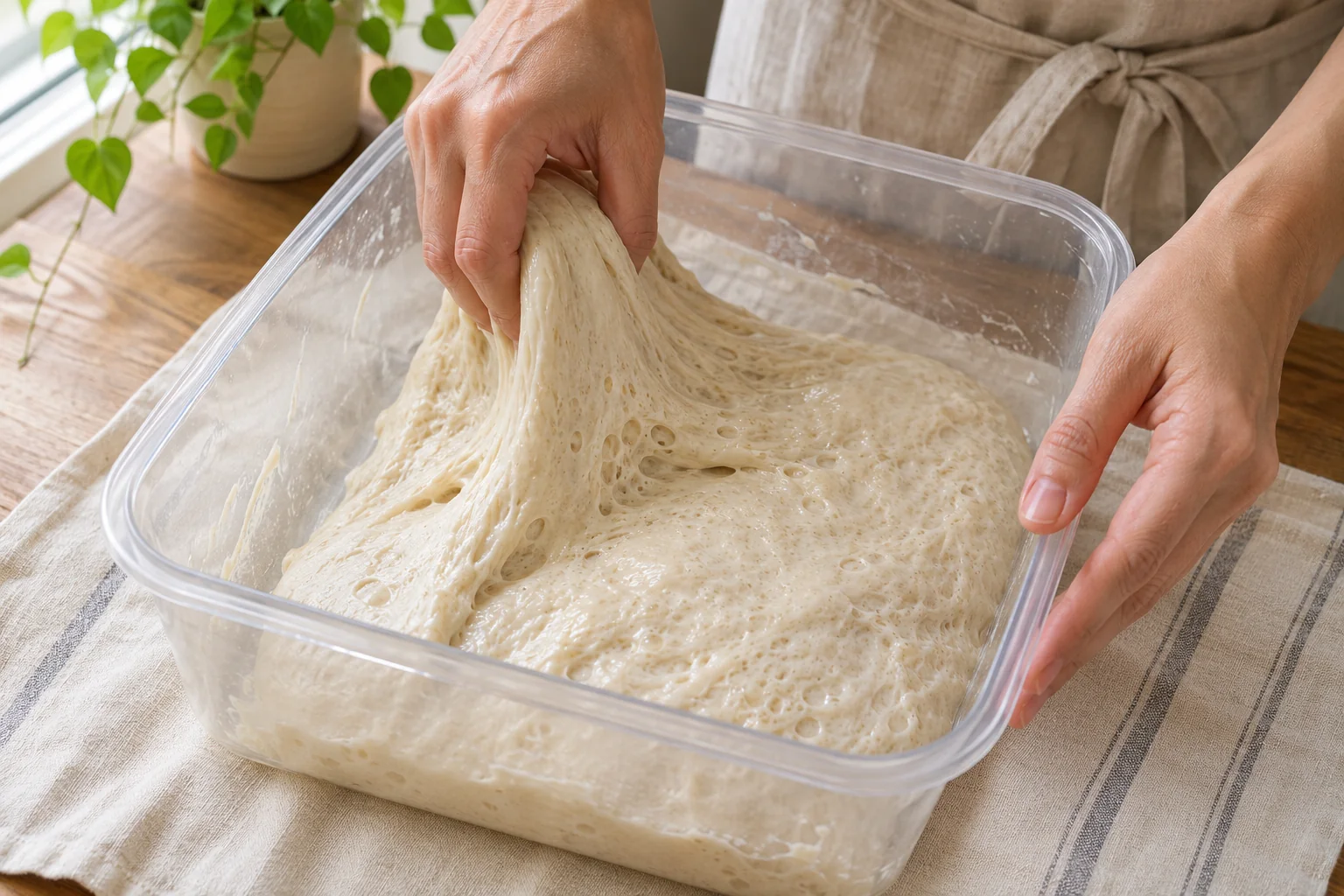
A coil fold lifts a wet dough from beneath, lets its ends fold under by gravity, and repeats after turning the container. It is particularly useful for slack high-hydration doughs because it distributes strength gently without stretching the surface skin aggressively. The exact set includes several lifts as the recipe prescribes. Coil folds are an option, not a requirement for every sourdough; firm dough may be easier to knead or use ordinary folds.
Why high-hydration dough benefits from folds
A wet dough may stick persistently to the hands and counter during conventional kneading. Folding it in a bowl or tub reduces the need for excess bench flour and allows strength to develop over time. Hydration alone isn't the whole story: flour strength and handling experience matter. A 78% dough made with one flour may feel manageable, while another flour at the same percentage spreads dramatically.
Compare the spreading dough in Sourdough Ciabatta with a firm sandwich dough. The container can do much of the supporting.

Why firm dough can be easier to knead
A moderately firm sandwich dough often handles well on a counter or mixer and may reach the intended strength during a single mixing stage. Folding it repeatedly at long intervals isn't necessarily more efficient. For bagels and other stiff doughs, the formula's prescribed kneading or mechanical development is important. Choose the approach that matches the dough's resistance instead of applying a wet-sourdough routine to everything.
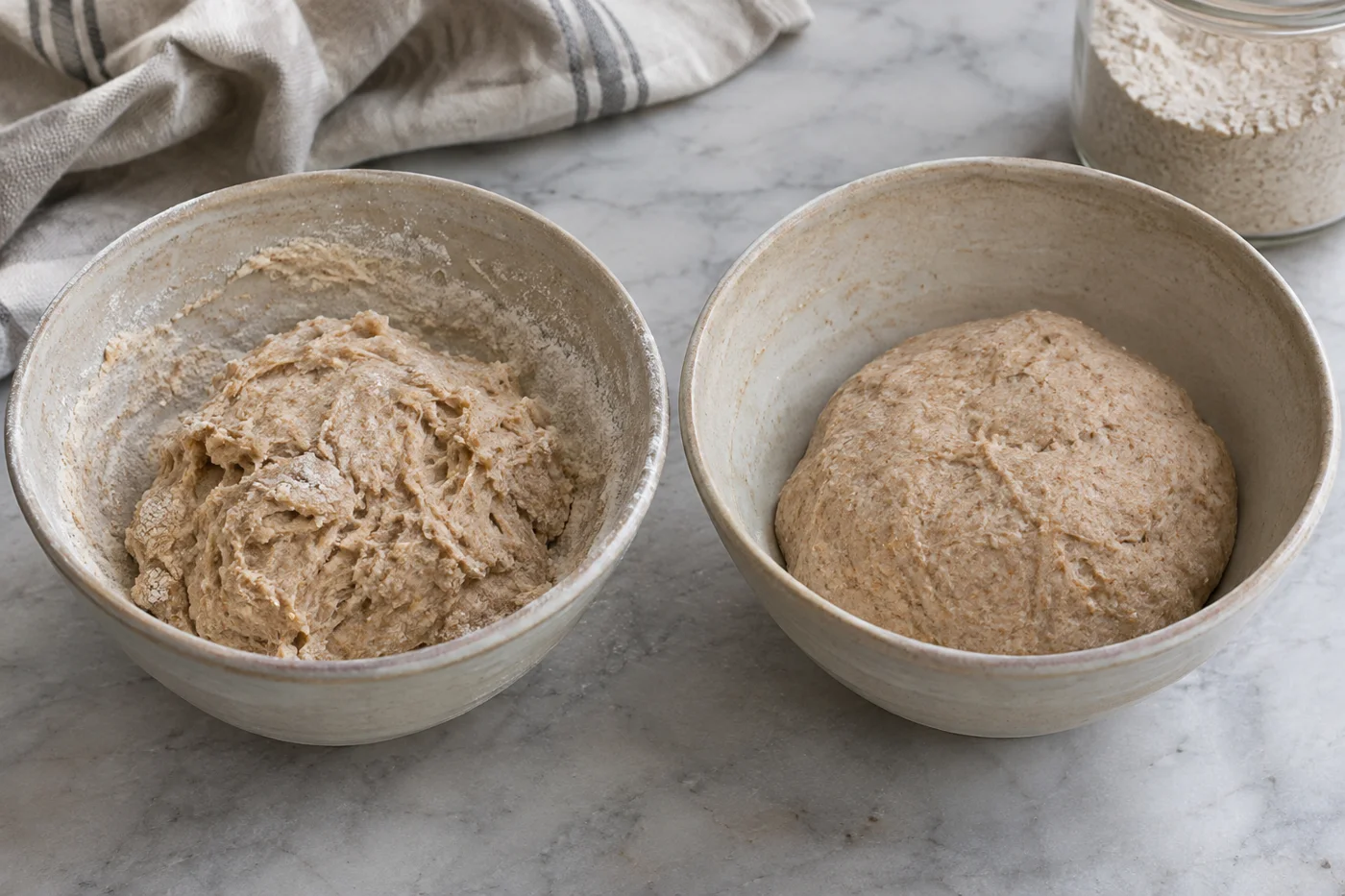
With Classic Whole Wheat Bread, watch how the dough responds after a rest before working it harder.
Bread styles that use kneading
Sandwich loaves, many soft rolls, bagels and enriched breads often begin with deliberate kneading. These styles may seek a fine uniform crumb or enough strength to support additional butter, eggs or sugar. Mixer instructions can be important because rich dough changes texture during ingredient incorporation. A strong kneaded dough can still use a rest or a shaping fold later; the categories aren't mutually exclusive.
An enriched dough such as Brioche Sandwich Loaf has its own mixing sequence, including when the butter goes in.

Bread styles that use folds
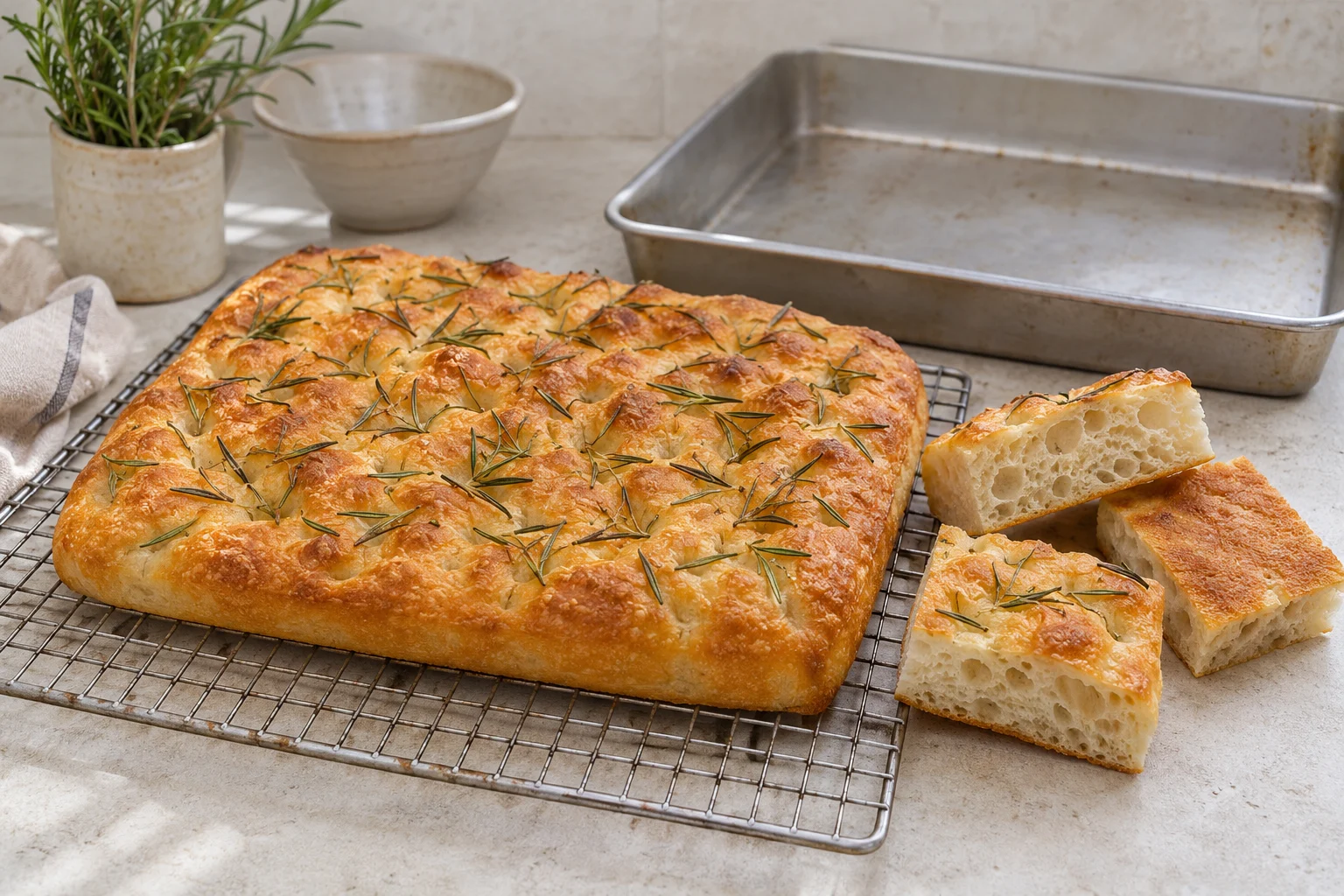
Artisan boules, ciabatta, focaccia and many long-fermented sourdough breads often rely on fold sets during bulk fermentation. Their wet doughs benefit from gradual strength building without excessive extra flour. Some recipes still include a brief initial mix or knead. Follow the full schedule, because the timing of folds influences fermentation and final shaping.
Look at the bubbles in Sourdough Focaccia to judge how much a gentle handling method can preserve.
A hybrid method
You can mix a dough briefly to incorporate ingredients, then perform several fold sets later. This approach provides early cohesion while allowing the gluten network to develop gradually during fermentation. Some bakers also knead fully and add a single fold to redistribute gas or strengthen a large dough batch. The method is determined by desired dough handling, not by a rigid rule that kneading and folding cannot coexist.
How many folds are enough?
There is no universal number for all flour and hydration levels. A recipe might use several sets spaced tens of minutes apart, while another relies on a single fold during bulk fermentation. Observe whether the dough becomes smoother, holds its shape between folds and resists stretching appropriately. More isn't automatically better: excessive handling near the end of bulk fermentation may deflate mature dough and make shaping difficult.
How to know dough is gaining strength
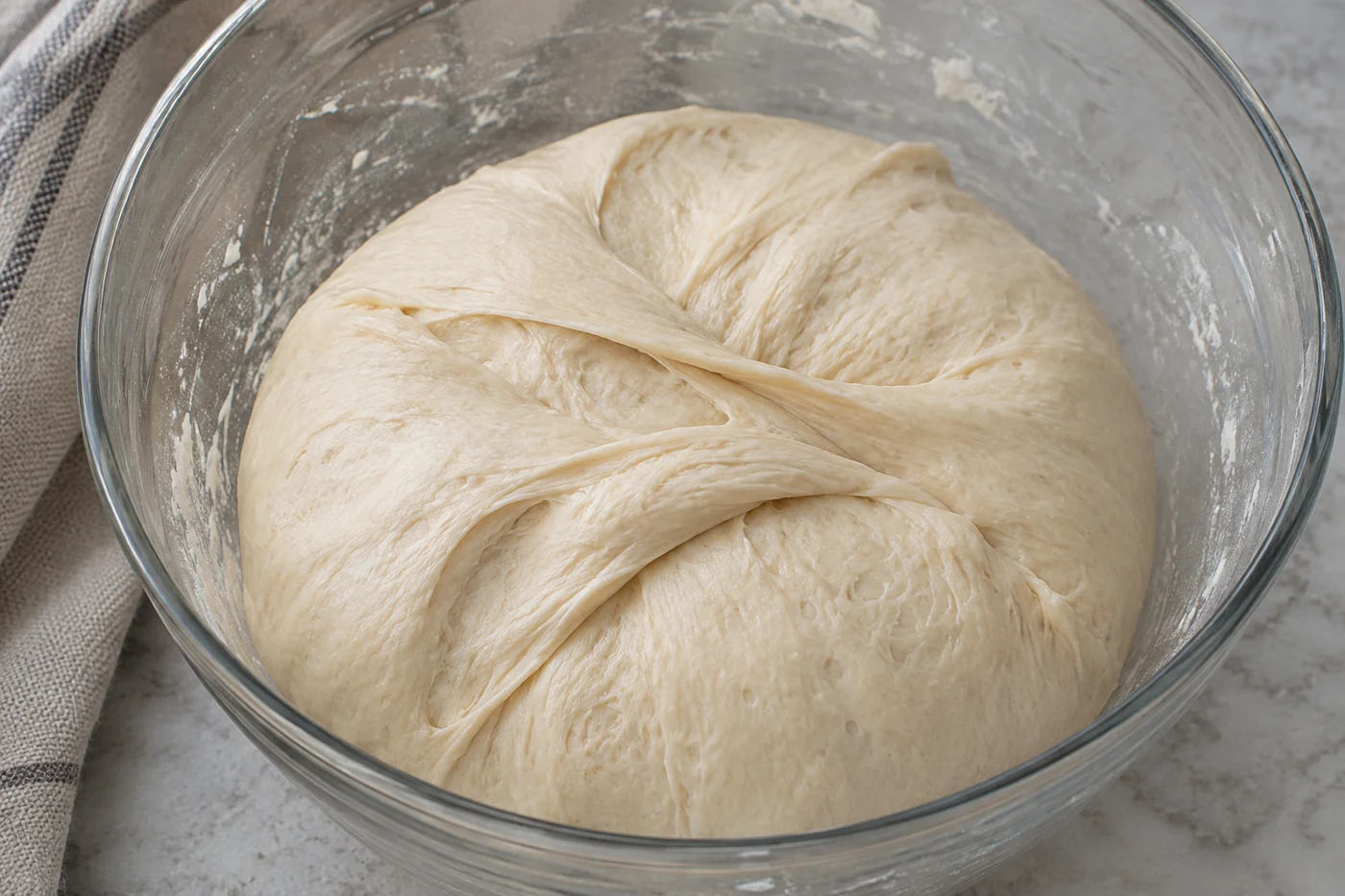
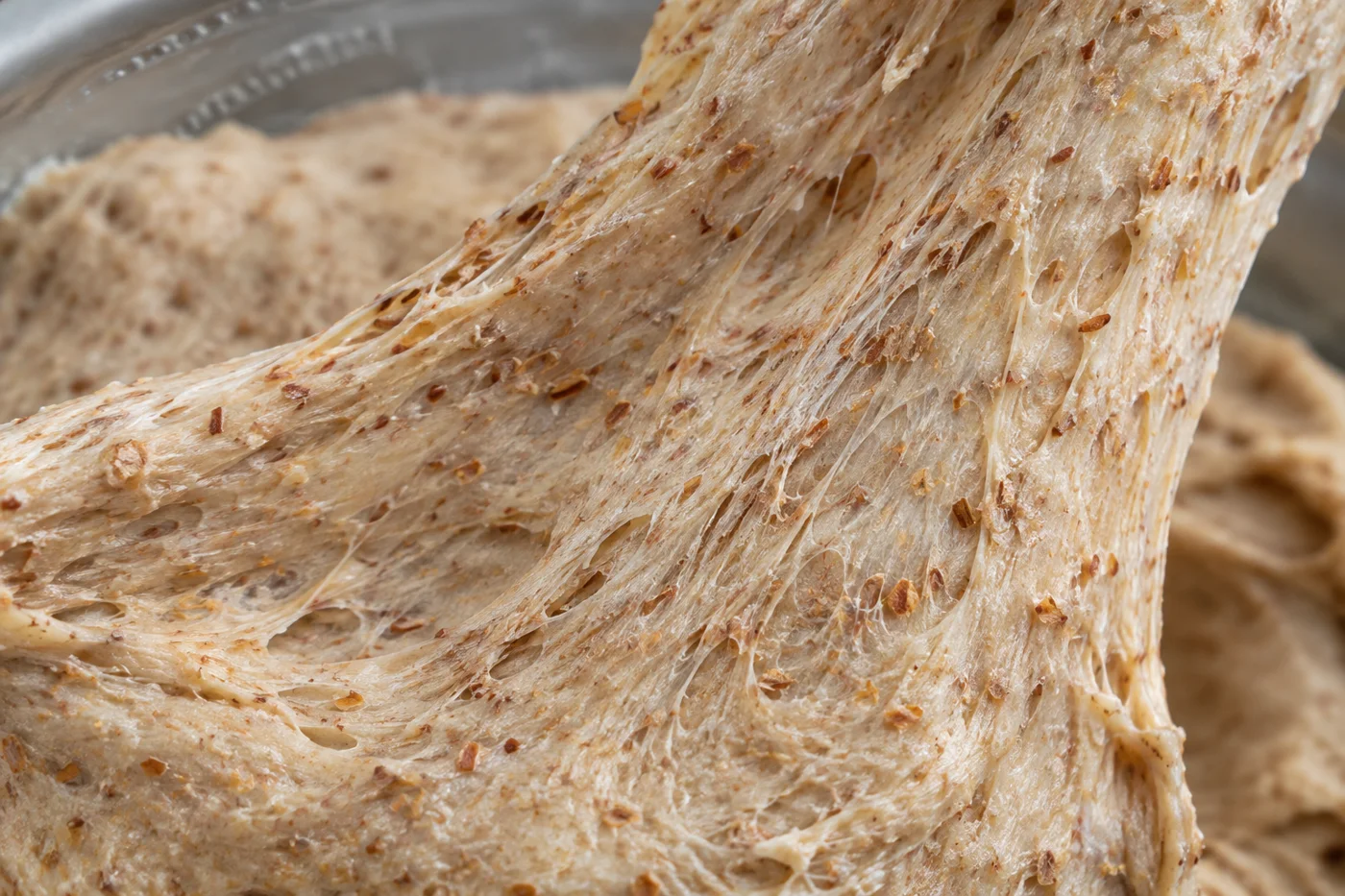
Early dough may spread flat in the tub and tear when lifted. Later, it may hold a rounded mass, stretch farther without breaking and pull away from the bowl more cleanly. Some high-hydration doughs remain sticky even when strong. Watch elasticity and shape retention rather than requiring the dough to become dry or clear the mixer bowl completely.
The windowpane test
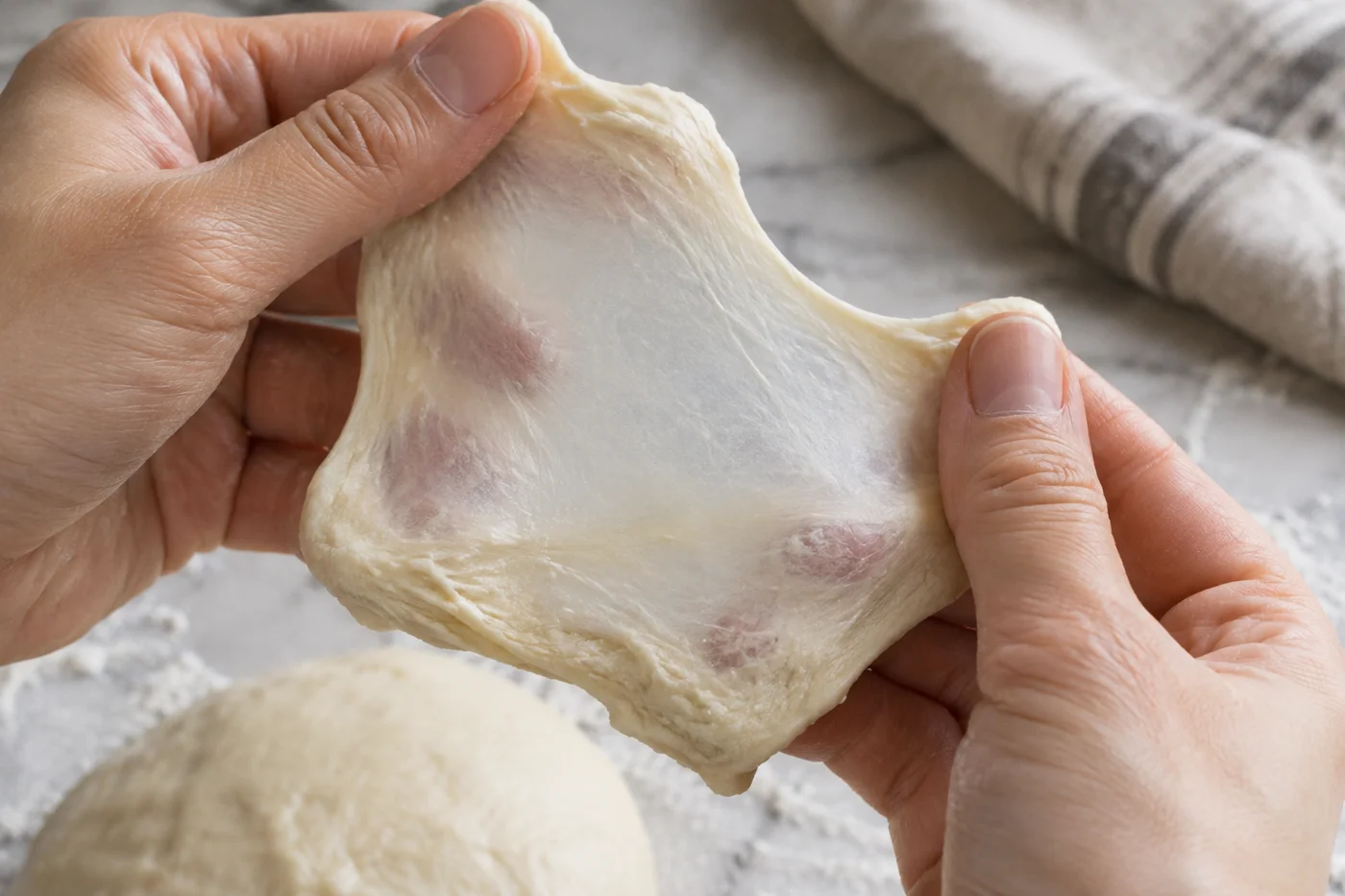
For many kneaded wheat doughs, a small piece stretched into a thin translucent membrane provides a helpful indication of gluten development. It is less straightforward in coarse whole-wheat dough because bran affects the film, and some artisan doughs develop strength later through fermentation. A dough that tears may need more development, water or rest. Evaluate the formula before insisting on one photograph-perfect test.
Handling whole wheat
Whole-grain bran interferes with the continuous gluten network and absorbs more water. Folds can help some whole-wheat sourdoughs, while an enriched whole-grain sandwich loaf may still benefit from deliberate kneading. A very wet dough with weak strength won't be fixed simply by doubling the number of fold sets. Use a recipe designed for the flour and record water absorption.
The flour and resting schedule in No-Knead Whole Wheat Bread are designed to work together.

Handling rye-rich dough
Rye develops dough structure differently from ordinary strong wheat flour and relies more on pentosans and starch behaviour. A dough with very high rye content won't respond to kneading or folding like an elastic white bread dough. Use a dedicated rye recipe, often with different mixing and pan-handling methods. Chasing a wheat-style windowpane in a rye paste is misleading.
Use Soft Rye Sandwich Bread to compare how a rye-containing dough feels with a predominantly white wheat dough.
How timing affects fermentation
A series of fold sets occurs while yeast or sourdough microbes continue working. The dough may rise and become gas-filled between sets. If you keep folding until the dough is fully mature, you may knock out gas and reduce its ability to hold shape. Follow the schedule or adjust thoughtfully based on dough temperature and actual rise rather than blindly adding another set.
Temperature influences technique
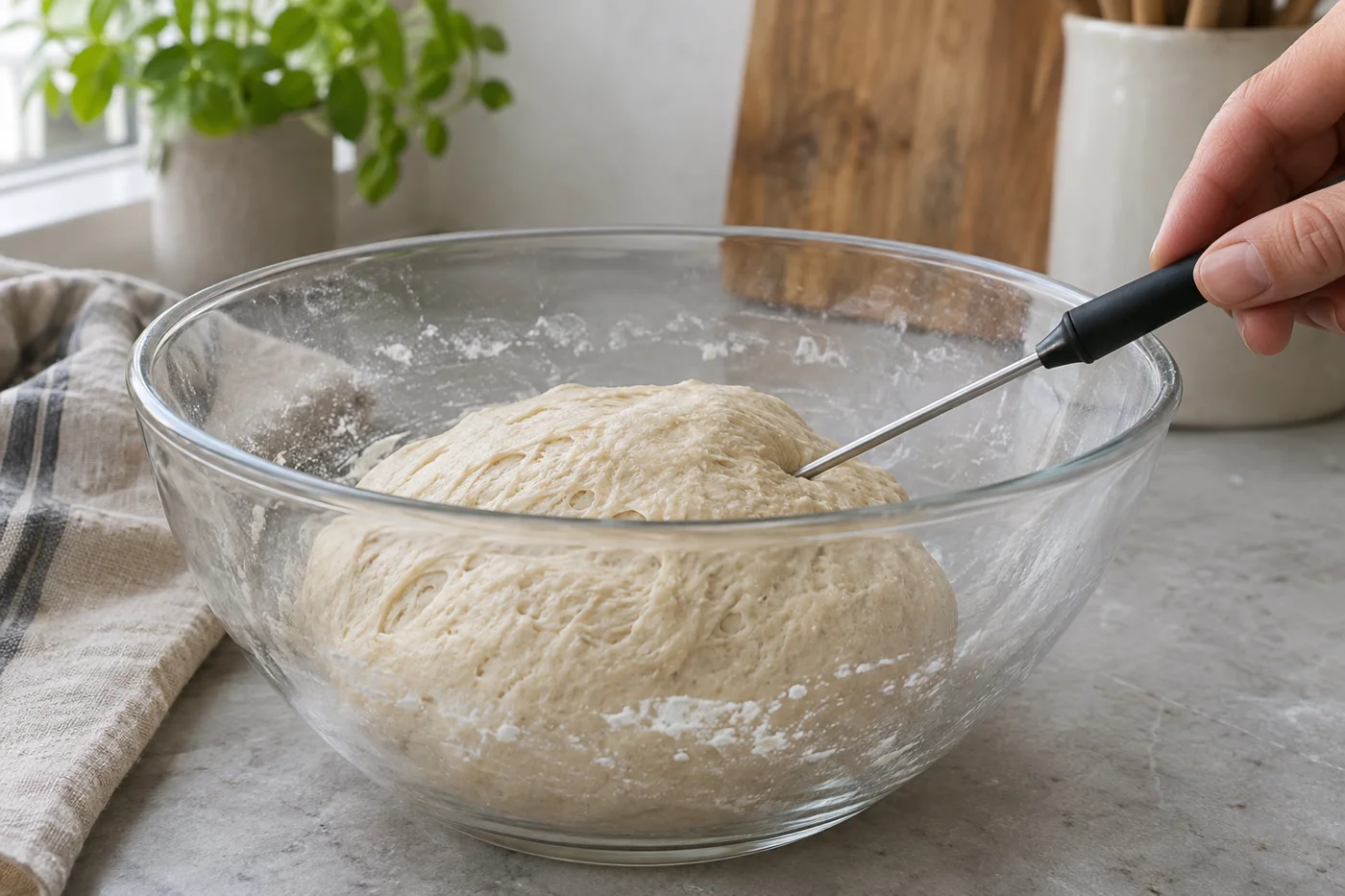
Warm dough ferments faster and can feel stickier, making long kneading or late folds more challenging. Cooler dough often ferments more slowly and may resist stretching initially. Check the dough's temperature rather than relying solely on the kitchen thermostat. The same recipe can need a different timetable in winter and summer while keeping the target structural endpoint consistent.
Mixer kneading safety
Follow the stand mixer manufacturer's recommended speed for dough and stop if the motor struggles. Powerful mixers can heat dough and, in extreme cases, break down gluten through prolonged intense mixing. Some recipes specify pauses for both dough and equipment. The goal is the intended dough strength, not how many minutes the machine can run before overheating.
Can folding replace kneading completely?
For many tested artisan wheat breads, yes. Time, hydration and carefully scheduled folds can produce enough gluten development without intensive kneading. That doesn't mean every enriched or low-hydration formula can be converted by simply skipping mixing. A bread developed specifically around kneading may require changes in hydration, rest and fermentation before a no-knead variation performs similarly.
What if the dough tears during folding?
It may be too stiff, insufficiently hydrated, cold or simply not yet relaxed. Stretch gently and stop before ripping the surface; a short rest may help. If it repeatedly shreds despite rest, review flour choice and formula. Pulling harder is not synonymous with building better strength. Dough should become more extensible over time when the method suits it.
What if the dough spreads flat after every fold?
A high-hydration formula may naturally relax and spread somewhat. If it never gains structure, check flour protein, fermentation maturity, water quantity and whether fold intervals were followed. Overfermented dough can also lose strength despite extensive folding. Record when the dough looked strongest so you can adjust the next schedule.
IN PICTURES
From the baking notebook
FROM THE RECIPE BOX


