
On this page
A croissant with a deep amber shell or a turnover with an even golden surface looks inviting because colour suggests flavour development and well-baked layers. Browning, however, is not proof that the centre is cooked. Good colour results from dough composition, surface coatings, oven heat and sufficient baking time. Learning how these variables interact helps you avoid pale pastry without scorching edges or serving a raw doughy interior.
What makes pastry turn golden?
Two broad reactions contribute to the colour of many baked pastries: the Maillard reaction between certain sugars and amino compounds, and caramelization of sugars at high enough temperatures. Egg wash, milk solids, added sugar and the dough formula influence those reactions. Surface dehydration also matters: a wet surface stays cooler until moisture evaporates. There is no universal temperature that makes every pastry evenly bronze.
Understand the pastry you are baking
A laminated croissant dough contains yeast, butter and often sugar and milk. Puff pastry typically rises through steam and may have much less sugar. Shortcrust can have relatively little browning opportunity on the surface. A shiny egg wash that suits croissants may be unnecessary or undesirable on a flour-dusted rustic crust. Start with the appearance intended by the specific recipe.
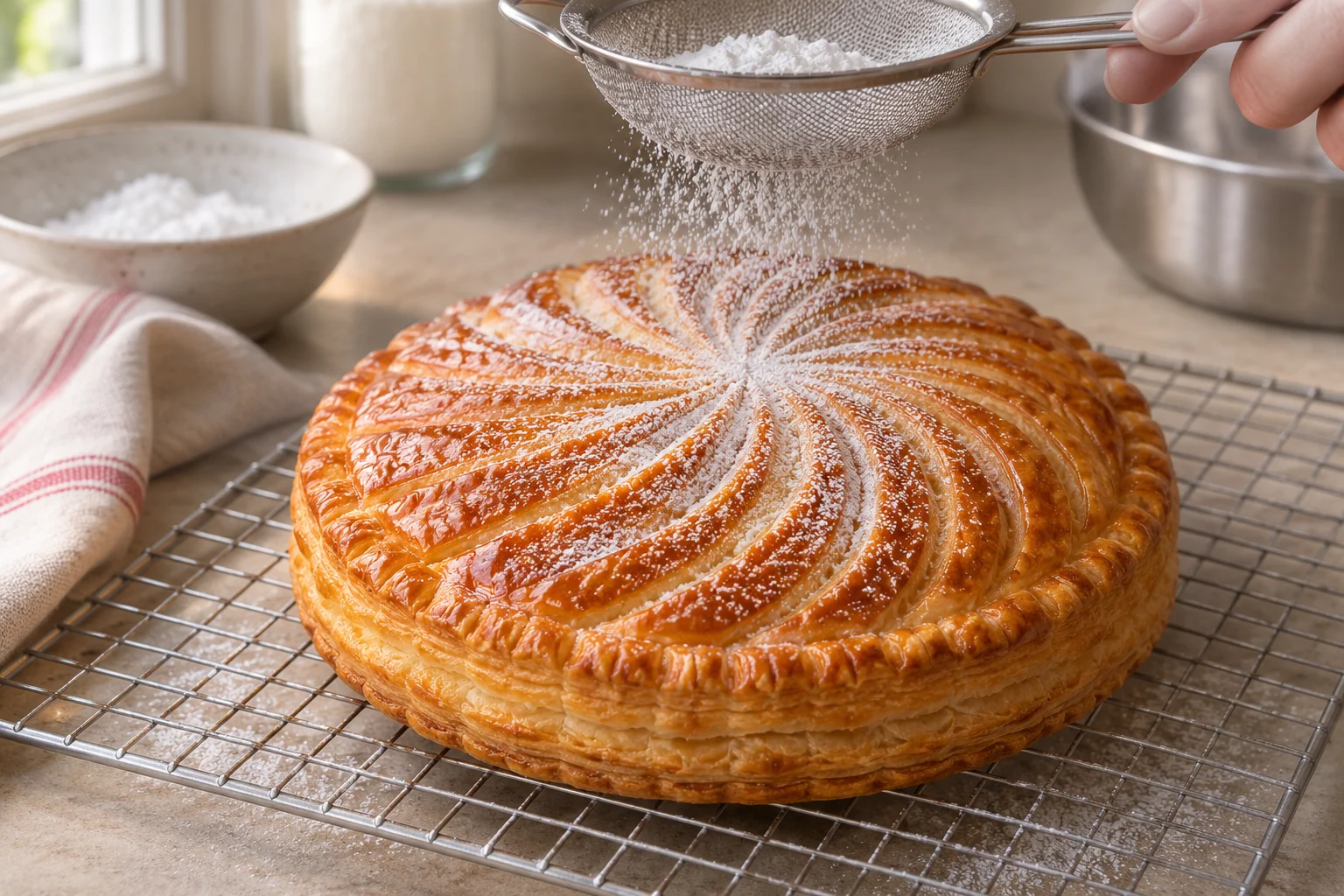
The curved scoring in Heritage Grain Pithivier with Layered Fillings makes it easy to see the difference between the glazed surface and the exposed cuts.
Whole-egg wash
A beaten whole egg offers both protein and fat, helping produce a glossy golden finish when applied thinly. Some bakers add a small measured amount of water or milk to make it brushable. The actual result depends on the egg, coating thickness and baking conditions. Wash should enhance browning, not form a pooled omelette along pastry seams.
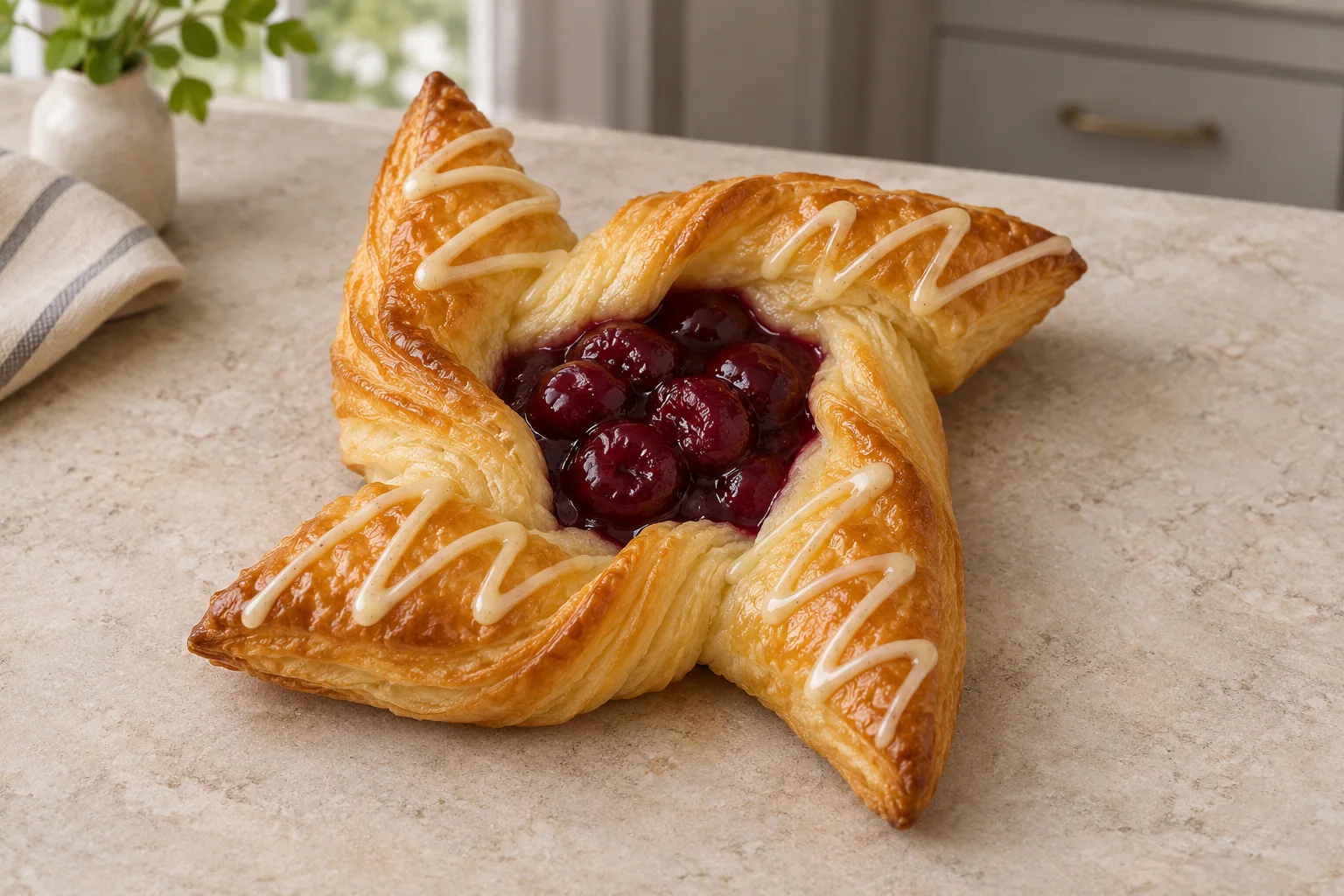
The exposed rim around the filling in Cherry Danish gives you a good place to practise a light brush stroke.
Yolk-rich wash
Extra yolk produces a richer deeper colour in many formulas, especially on brioche and enriched pastries. It also makes a thicker coating, which can show brush marks if not properly thinned. Follow a tested mixture and apply lightly. A stronger wash will not compensate for underbaking; the surface may become dark while the inside still needs time.
Egg-white wash
Beaten egg white can help create shine or a lightly crisp surface without the same golden intensity that yolk contributes. Some pie bakers use it in certain moisture-barrier techniques during blind baking. The intended effect differs by recipe. Do not assume egg white, whole egg and yolk are interchangeable in colour, texture or allergy considerations.
Milk and cream washes
Milk contains proteins and sugars that may help browning, usually with a softer finish than whole egg. Cream adds fat and can produce a different surface appearance. Plant-based milks vary greatly in protein and sugar content; unsweetened oat drink won't necessarily match dairy milk. Use a method tested for the pastry rather than brushing on whatever is open in the refrigerator.

A sugar finish
A light dusting of coarse sugar can give pastry sparkle and crunch, especially with hand pies and sweet turnovers. Sugar may caramelize or scorch if applied heavily or exposed too long. Avoid putting large piles along the pan edge where melted syrup can burn. A little well-distributed topping usually looks better than a thick crust of melted sugar.
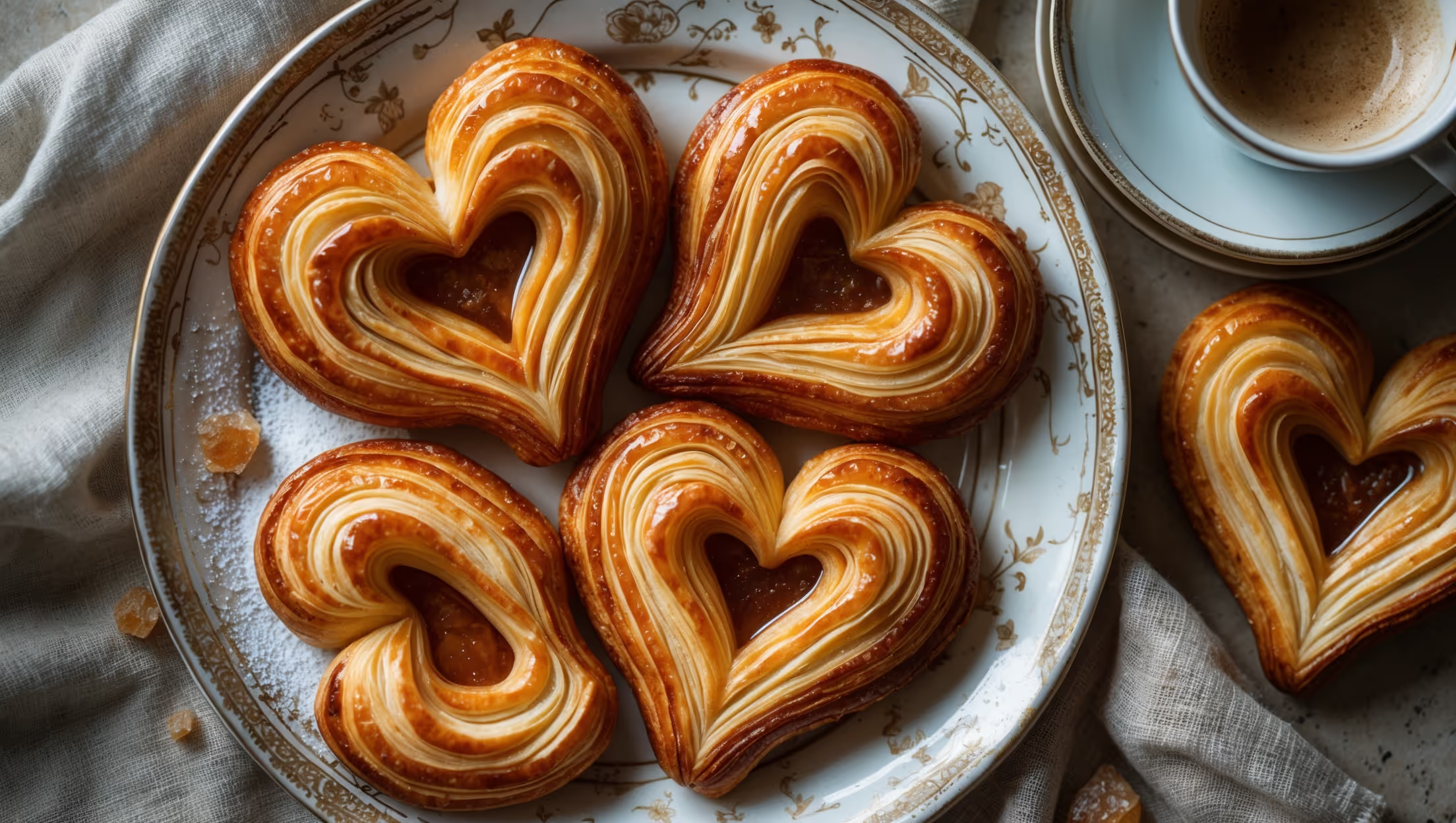
The glossy edges of Palmiers come from caramelising sugar. Watch those edges closely towards the end.
Brush a thin even layer
Use a soft clean pastry brush and coat only the exposed top surfaces, unless the recipe directs otherwise. Thick puddles can glue laminated edges and interfere with rise. A second light coat in some formulas can deepen colour, but only when specified. Wash should never drip down a croissant's cut sides or flood the seams of a puff pastry turnover.
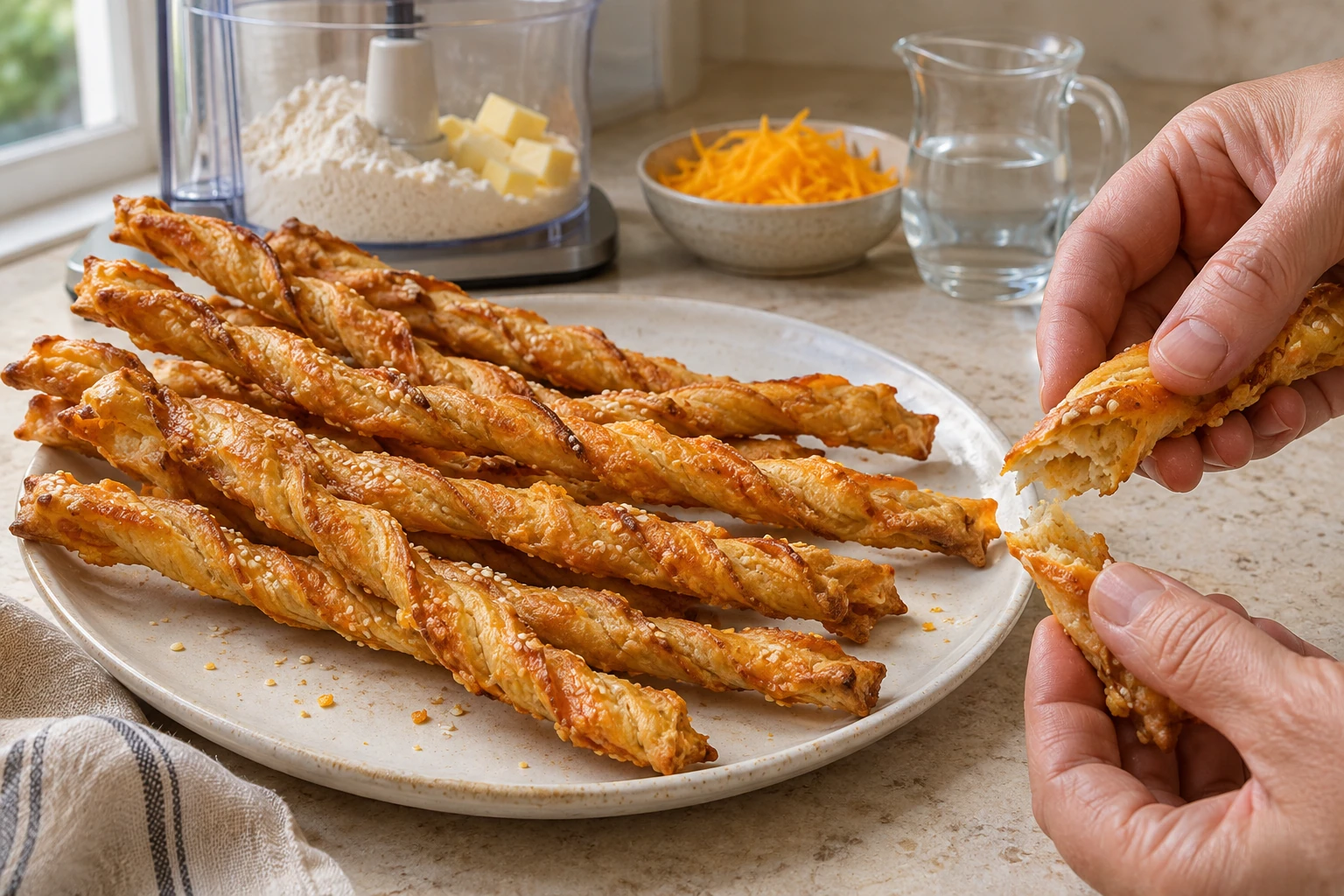
The spiral shape of Cheese Straws shows why ridges and hollows can brown differently. Use the finish called for in that dough.
Protect the laminated edges
Puff pastry depends on layers separating as steam forms in the oven. Egg wash running over raw cut edges may bond layers together. Brush the top carefully and keep the outer cut edge mostly clear. A clean sharp cut also supports lift. Good puff pastry can be golden and tall without the sides being lacquered in wash.
On Apple Turnovers, paint the broad top face and leave the cut sides clear.

Proper proofing matters
An enriched yeast pastry that is underproofed can burst unpredictably or bake with an uneven surface. Overproofed dough may collapse or fail to hold definition. Both alter how the pastry responds to heat and its final appearance. Follow the recipe's size, jiggle and dough-temperature cues before considering the wash. Perfect colour on a poorly fermented croissant still leaves a disappointing interior.
Look at the rounded ridges in Classic Croissants. They catch more colour than the folds tucked beneath them.

Preheat the oven fully
A cold or inadequately heated oven can leave pastry sitting while its butter softens and leaks rather than creating strong early lift. Preheat for the time required by your oven and baking surface, checking actual temperature with a suitable thermometer. Opening the door too frequently can slow browning and cause uneven heat. Follow the recipe's rack placement and temperature schedule.
Metal pans and baking sheets
Dark baking sheets can brown pastry bottoms more aggressively than light metal, sometimes before the tops are ready. Insulated or very thick sheets may behave differently. If a turnover repeatedly burns underneath, compare pan colour, parchment and oven rack position. Don't solve a bottom-browning issue solely by adding a darker egg wash to the top.
Check where the base meets the sides of Classic Apple Pie. The crust at the bottom can lag behind a golden rim.

Rack position and hot spots
The upper and lower regions of many ovens transfer heat differently. A tray placed too close to the top element may darken rapidly before a pastry's centre cooks. Middle racks are common starting points but specialized recipes may call for other positions. If you rotate trays, do so only when structure is set enough and the recipe permits it.

Don't open the oven too early
Laminated pastry needs initial heat to generate steam and expand. Repeated early door opening can cool the oven and reduce lift. Use the oven light to observe progress where possible. When the pastry is close to done, checking colour, underside browning and the recipe's endpoint is appropriate. Timing is guidance, not a substitute for doneness.
In Apricot Danish, judge the pastry rim on its own. A glossy apricot centre tells you little about the crust underneath.
Pale colour from inadequate baking
A croissant may look puffed but remain pale or doughy if removed too early. A larger pastry has a different heat path than a tiny palmiers. Follow the recipe's full colour cues, and check that layers are baked rather than wet. Extending a bake cautiously may help pale pastry; simply blasting it under a broiler risks burning the surface without cooking the centre.
A browned wrapper on Sausage Rolls is only one cue. Use the recipe’s directions to check the filling as well.

Colour from the dough itself
Sugar, egg, milk and butter amounts affect pastry browning. Lean puff pastry may colour differently from sweet brioche. If a recipe's top remains pale despite correct technique, check whether an ingredient was omitted rather than adding a large amount of sugar. A dough with extra sweetener may brown prematurely, especially when baked in a darker pan.
Why flour on top reduces shine
A heavy dusting of flour can leave white patches and dull a glaze. For rustic bread and some pastries, that is desirable; for glossy turnovers, brush away loose bench flour before egg washing. Avoid pressing flour into the surface with wet hands. Presentation choices should match the pastry style rather than treating every white dusting as a flaw.

Compare browning across one tray
If you want to learn washes, bake two small trays of identical pastry with a tested filling, brushing one with whole egg and the other with milk. Keep pan, rack, timing and size consistent. Notice shine, colour and pastry rise, not just darkness. A controlled trial makes more sense than comparing unrelated pastries made with different formulas.
Troubleshooting dark tops and raw centres
Excessively strong top heat, overly thick pastry, sweet wash or inadequate baking time can cause uneven results. Reduce unnecessary added sugar and use the tested oven schedule. Shielding may help certain pies, but tightly covering fragile laminated pastry can affect steam and texture. A raw egg or flour centre must be cooked properly rather than treated as a cosmetic colour issue.
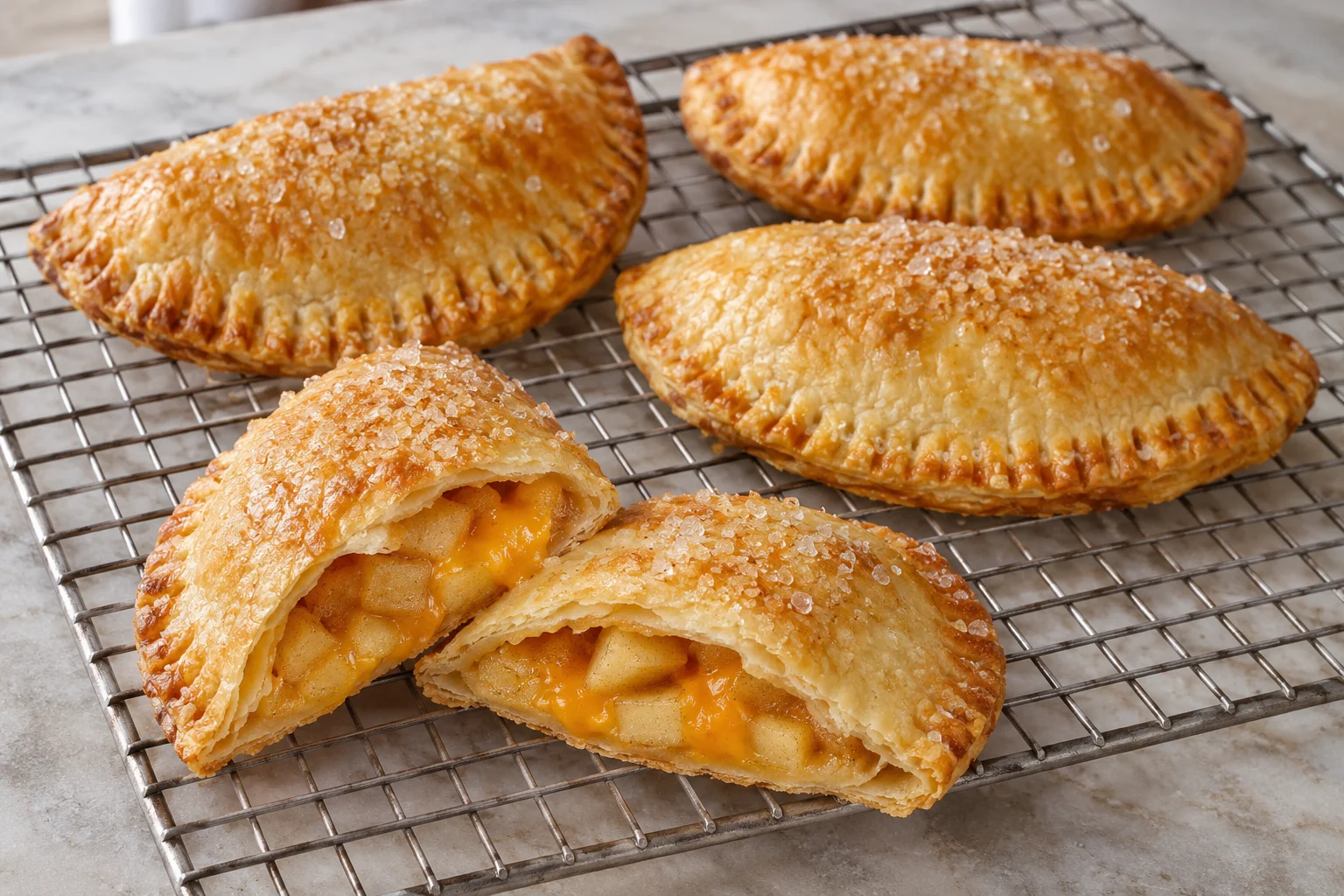
The edges of Apple Cheddar Hand Pies are thinner than the filled centres, so inspect both before taking the tray out.
Troubleshooting uneven golden patches
Check wash distribution, folds that overlap, pan hot spots and uneven dough thickness. Dry patches may never have received wash; dark sticky edges may have been flooded. Use a clean brush and apply before the dough warms excessively. Rotate the pan at a suitable stage if your recipe allows it, and monitor actual oven temperature.

What about egg allergies?
Choose a suitable egg-free wash based on a recipe designed for the dietary restriction. Dairy milk isn't appropriate for milk allergy, and some plant drinks contain soy or nuts. Check all labels and the pastry dough itself for allergens. A wash substitute may produce a different sheen, which is acceptable if the pastry bakes safely and tastes good.
IN PICTURES
From the baking notebook
FROM THE RECIPE BOX


