Directions
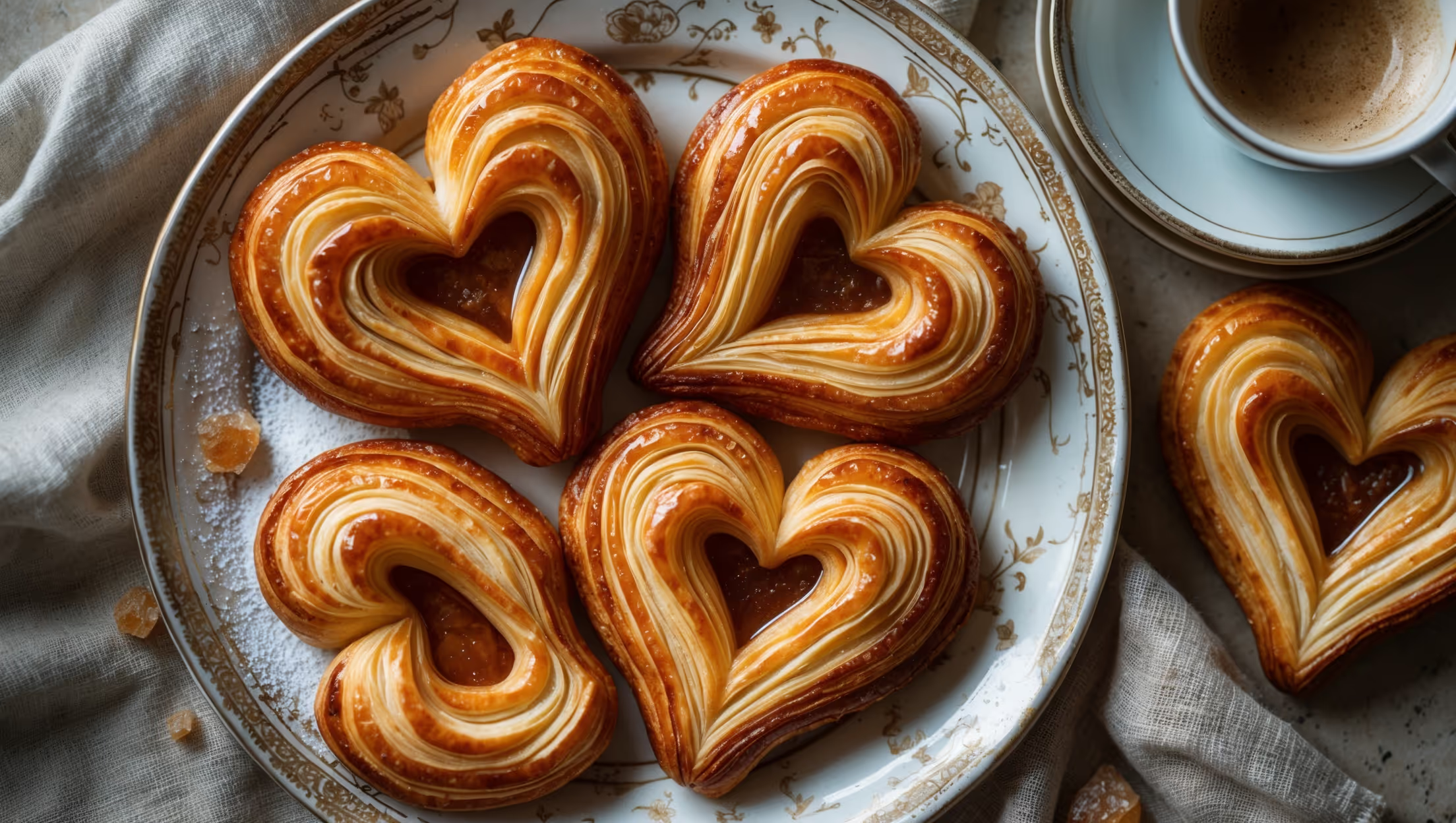
<ol class="no-list-style"><li class="MethodStepper"><h4 class="step-title">Step 1</h4>Begin by lightly flouring your work surface. If your puff pastry comes in a block rather than sheets, roll it out to form a rectangle approximately 25x30cm and about 3-4mm thick. If it comes pre-rolled, simply unfold or unroll it onto your work surface. The colder the pastry remains, the better your palmiers will turn out, so work efficiently but don't rush.</li><li class="MethodStepper"><h4 class="step-title">Step 2</h4>Mix your granulated sugar with the pinch of salt and cinnamon (if using). The salt enhances the caramel flavors while balancing sweetness. Sprinkle about one-third of your sugar mixture evenly over your work surface and place the puff pastry on top of it. This will create a beautiful caramelized exterior on one side of your palmiers.</li><li class="MethodStepper"><h4 class="step-title">Step 3</h4>Sprinkle another third of the sugar evenly over the top surface of the pastry, gently pressing it in with your rolling pin. This sugar will caramelize during baking and create that signature sweet, crisp texture that palmiers are known for.</li><li class="MethodStepper"><h4 class="step-title">Step 4</h4>Now for the signature palmier shape: With the rectangle positioned so the longer sides are at the top and bottom, fold both the left and right edges halfway toward the center. Then fold each side again toward the center so the edges meet in the middle. Finally, fold one half over the other like closing a book. Your dough should now resemble a long, narrow rectangle with multiple layers visible from the side.</li><li class="MethodStepper"><h4 class="step-title">Step 5</h4>Wrap your folded dough in parchment paper or plastic wrap and refrigerate for at least 30 minutes (or up to 2 days). This crucial chilling time firms up the butter in the pastry, which is essential for achieving those distinct flaky layers and preventing the butter from melting too quickly in the oven.</li><li class="MethodStepper"><h4 class="step-title">Step 6</h4>Preheat your oven to 200°C (400°F) and line two baking sheets with parchment paper. Remove the chilled dough from the refrigerator. With a sharp knife, slice the log crosswise into pieces about 1cm thick. If the dough softens while you're cutting, return it to the refrigerator for 10-15 minutes to firm up again.</li><li class="MethodStepper"><h4 class="step-title">Step 7</h4>Place the cut palmiers on your prepared baking sheets, leaving at least 5cm between each one as they will expand considerably during baking. Sprinkle the remaining sugar over the tops of the palmiers for extra caramelization.</li><li class="MethodStepper"><h4 class="step-title">Step 8</h4>Bake for 12-15 minutes until the palmiers are a deep golden brown with caramelized edges. Watch them carefully after the 10-minute mark as the sugar can quickly go from perfectly caramelized to burnt. You may need to rotate the baking sheets halfway through for even browning.</li><li class="MethodStepper"><h4 class="step-title">Step 9</h4>Remove from the oven and allow to cool on the baking sheets for 5 minutes - the palmiers will be very delicate while hot as the caramelized sugar needs to set. Then transfer to a wire rack to cool completely. As they cool, they'll become crisp and the caramelized sugar will harden to give that wonderful crunch.</li><li class="MethodStepper"><h4 class="step-title">Step 10</h4>Store your palmiers in an airtight container at room temperature for up to 3 days. If they soften slightly, refresh them in a 150°C (300°F) oven for 5 minutes and allow to cool again for restored crispness. Enjoy your beautiful homemade palmiers with coffee, tea, or as an elegant dessert garnish!</li></ol>