On this page
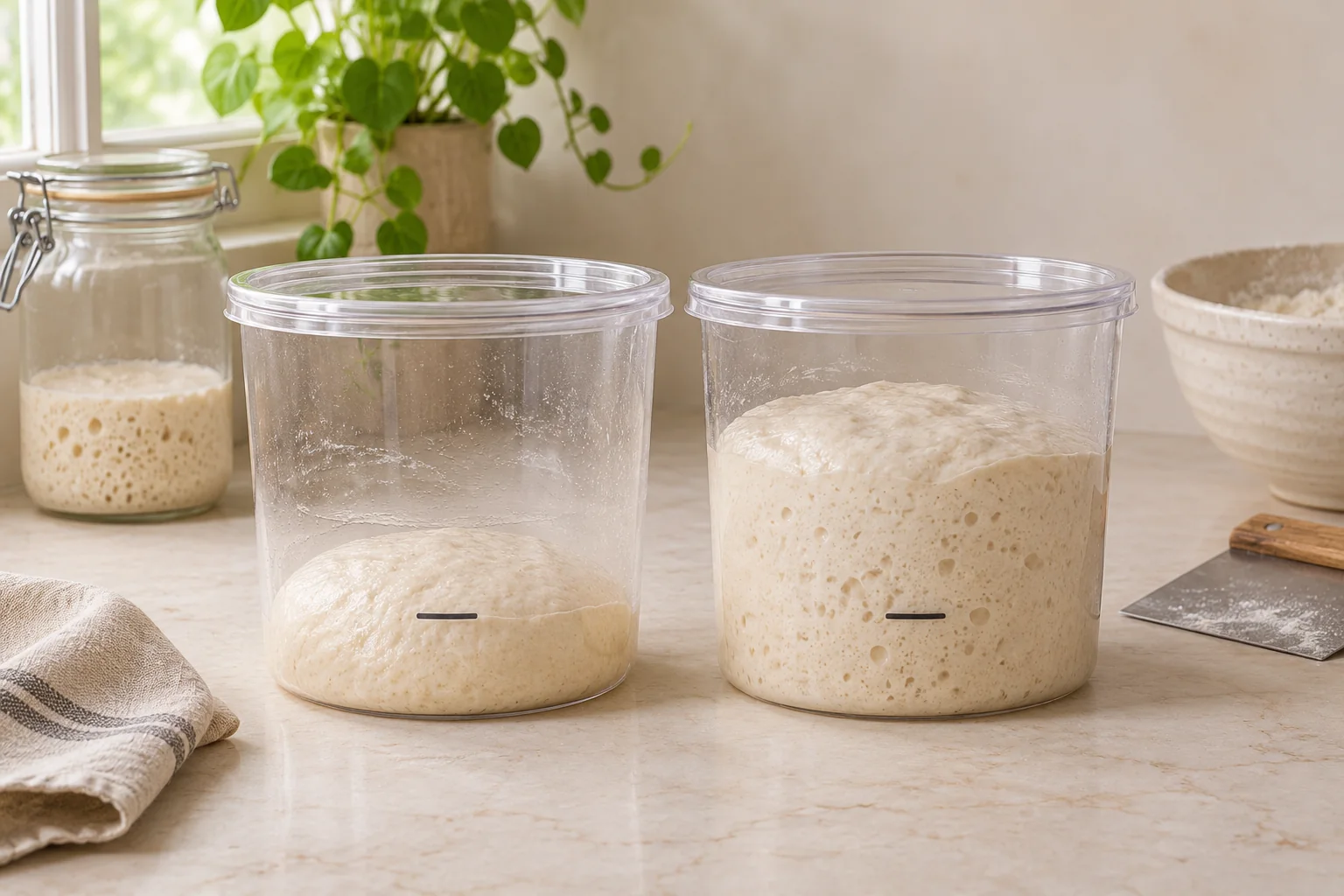
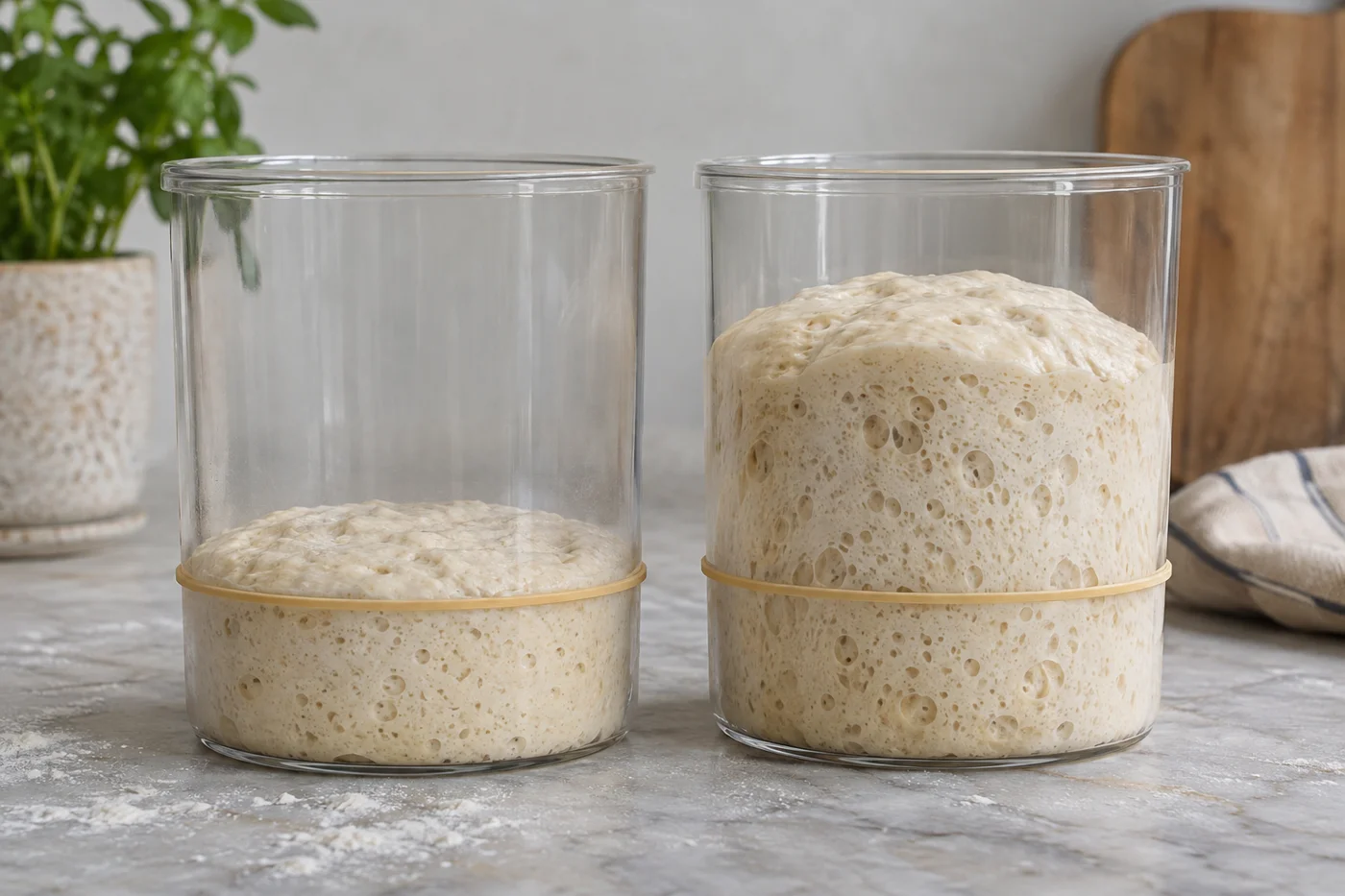
The clock says both doughs have been rising for an hour. One is domed and bubbling; the other barely reaches the mark on the bowl. Start by checking the dough itself. Its temperature after mixing, and how that temperature changes as it rests, help explain why the two schedules diverged.
Why warmth speeds yeast activity
Within suitable conditions, warmer dough generally encourages more rapid yeast metabolism and gas production. This changes how quickly a loaf expands. Too much warmth can weaken dough handling or accelerate fermentation past the intended endpoint; extreme heat can damage yeast. The rate doesn't rise indefinitely with temperature. A recipe's fermentation plan balances yeast quantity, flour, hydration, salt and target dough temperature.
Cold slows fermentation rather than stopping it
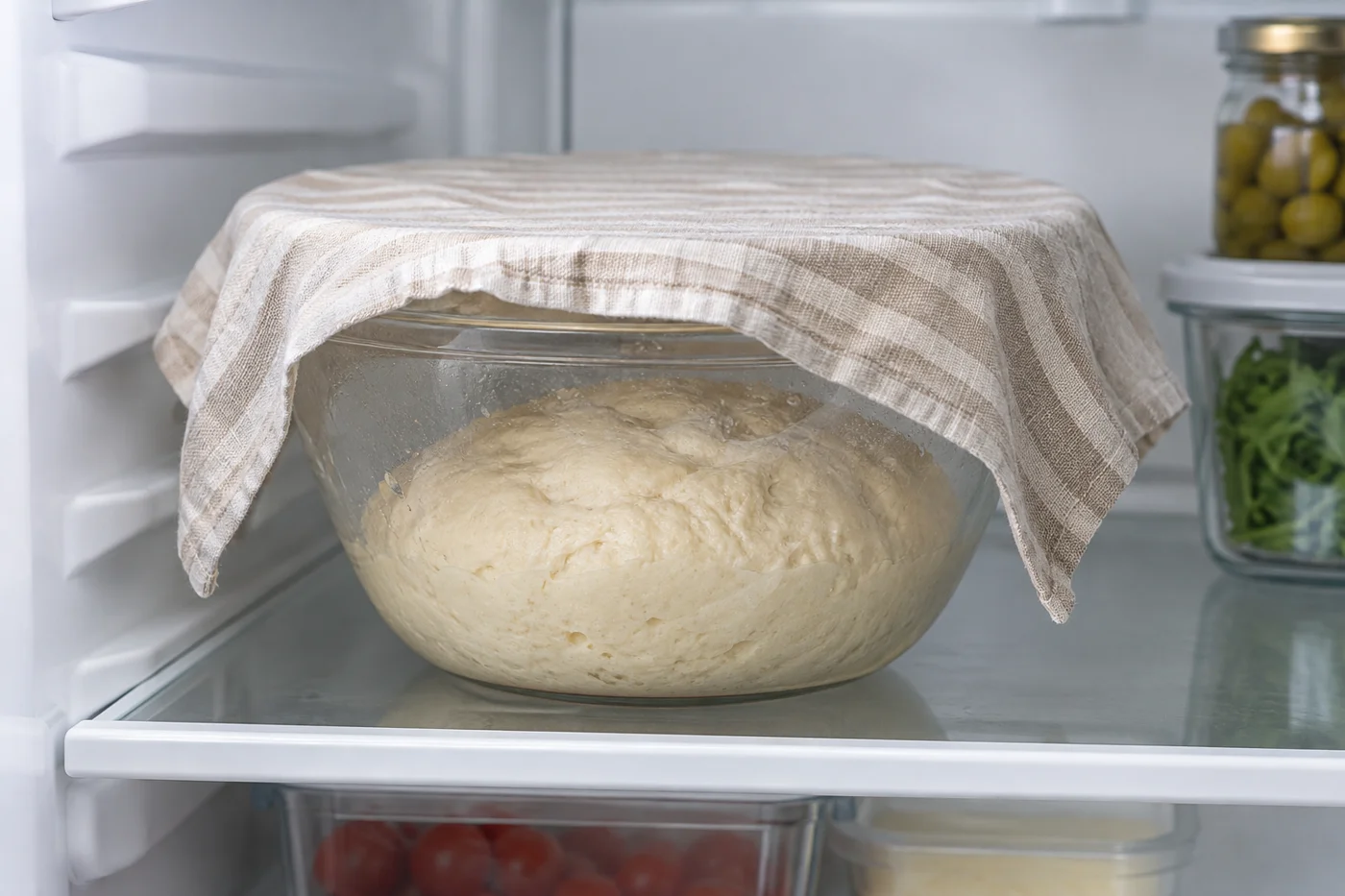
Refrigeration usually slows yeast and sourdough activity, but it doesn't instantly halt every process. Dough may continue rising while cooling, especially if placed in a large warm mass. During an overnight cold proof, flavour and dough structure continue evolving. Use a recipe specifically designed for retardation instead of putting any fully proofed loaf in the refrigerator and expecting its clock to reset.
When making Sourdough Country Loaf, record the dough temperature before refrigeration as well as the time it went in.
What desired dough temperature means
Professional and home bakers sometimes target a desired dough temperature immediately after mixing. This gives a predictable starting point for bulk fermentation. The target varies with bread type and method: a lean yeast dough, rich brioche and sourdough may have different preferences. A common target mentioned in artisan baking is around the mid-20s Celsius, but use the actual formula rather than treating that as universal.
Measure dough, not just room air
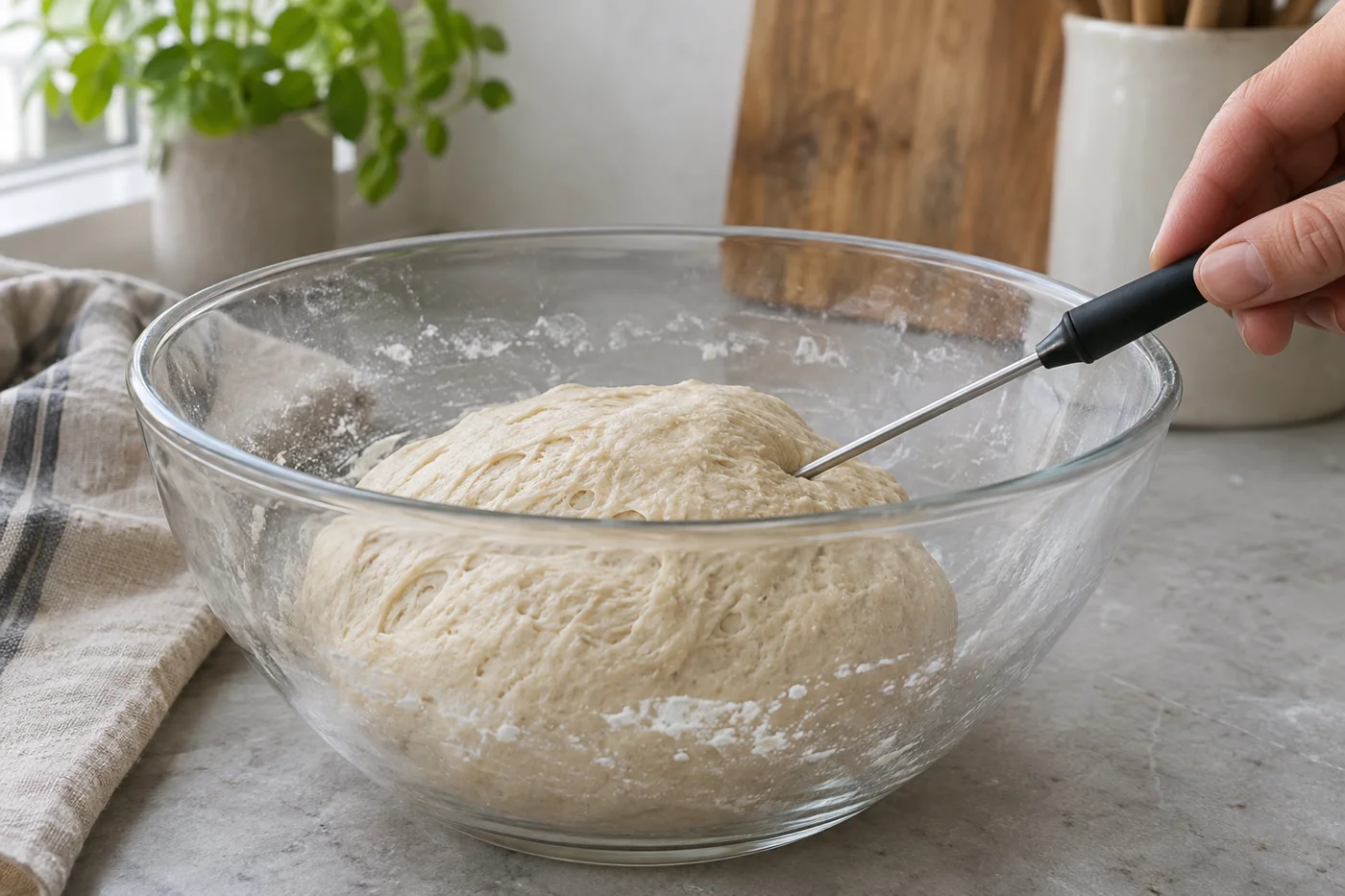
The kitchen can be 20°C while fresh dough is much warmer after vigorous mixing or cooler after using refrigerated ingredients. An instant-read thermometer inserted into the centre gives a better picture of the dough's actual temperature. Use clean food-safe equipment and avoid leaving the thermometer inside dough during kneading. The reading helps explain why two batches ferment differently on the same countertop.
Take the temperature of Classic White Sandwich Bread after mixing. That gives you a more useful baseline than the temperature of the room alone.
Water temperature is adjustable
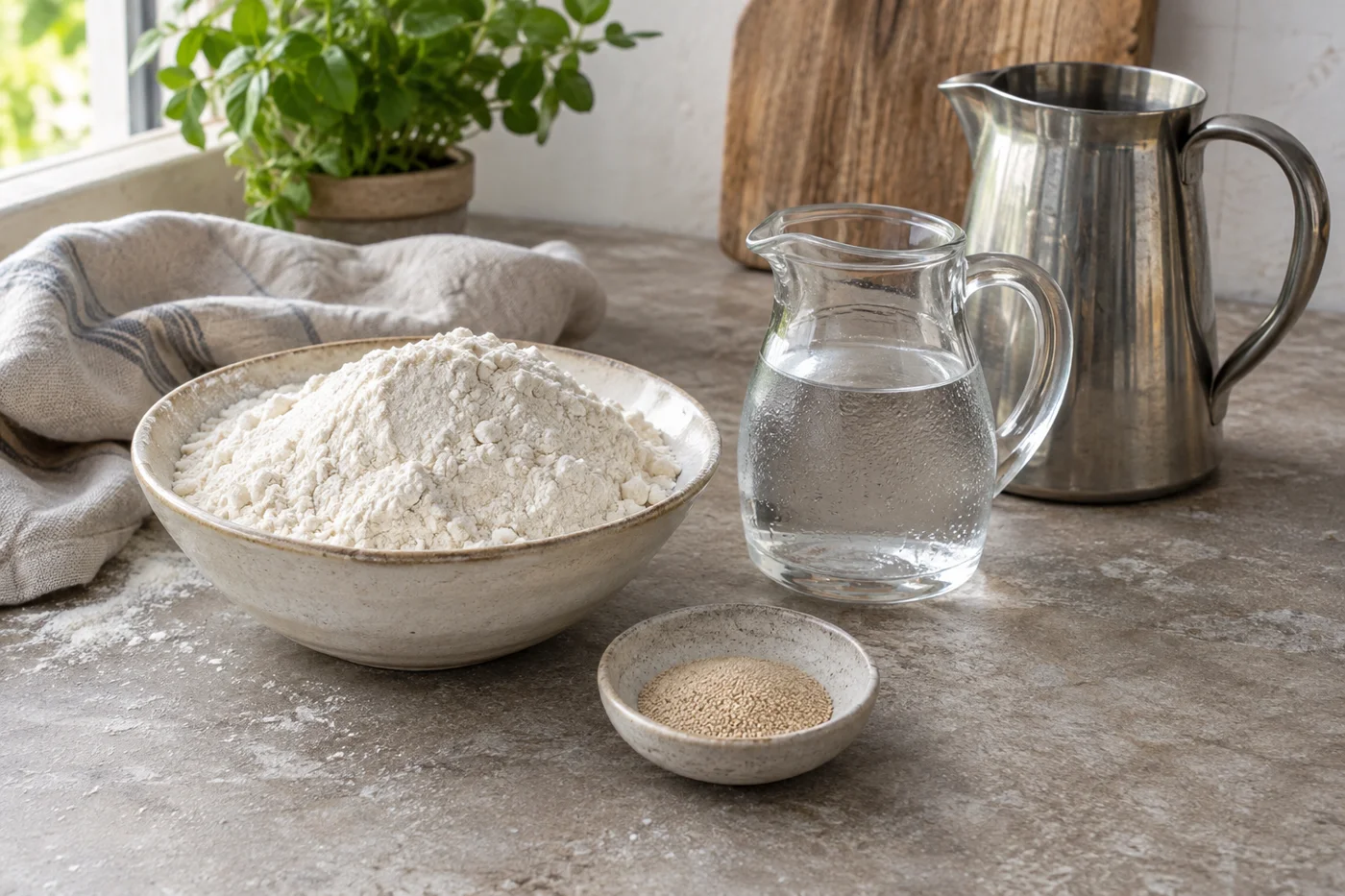
Water is often the easiest ingredient to cool or warm before mixing, influencing final dough temperature. Flour temperature, room temperature and mixer friction also contribute. For a recipe with a clear target, calculate or adjust water temperature according to a reliable baker's formula. Avoid very hot water that can injure yeast or soften dough fat. The result should be measured after mixing to check the estimate.
Mixing creates frictional heat
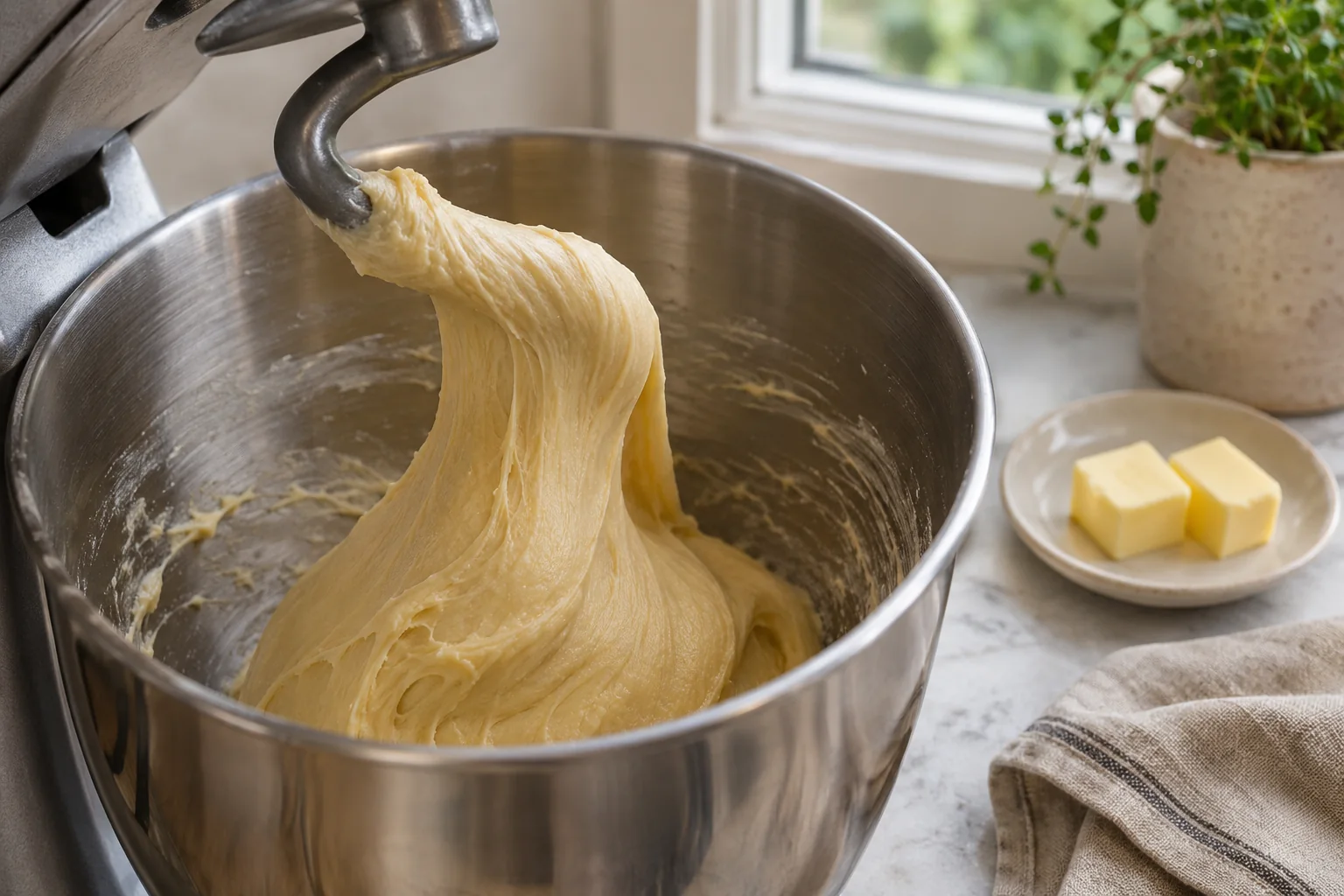
A stand mixer can raise dough temperature noticeably, especially during prolonged kneading. The amount depends on mixer speed, batch size and bowl geometry. Hand mixing may produce less mechanical heating but still responds to hand warmth and room conditions. Check the dough after mixing rather than assuming ingredients stayed at their initial temperatures.
How flour affects fermentation
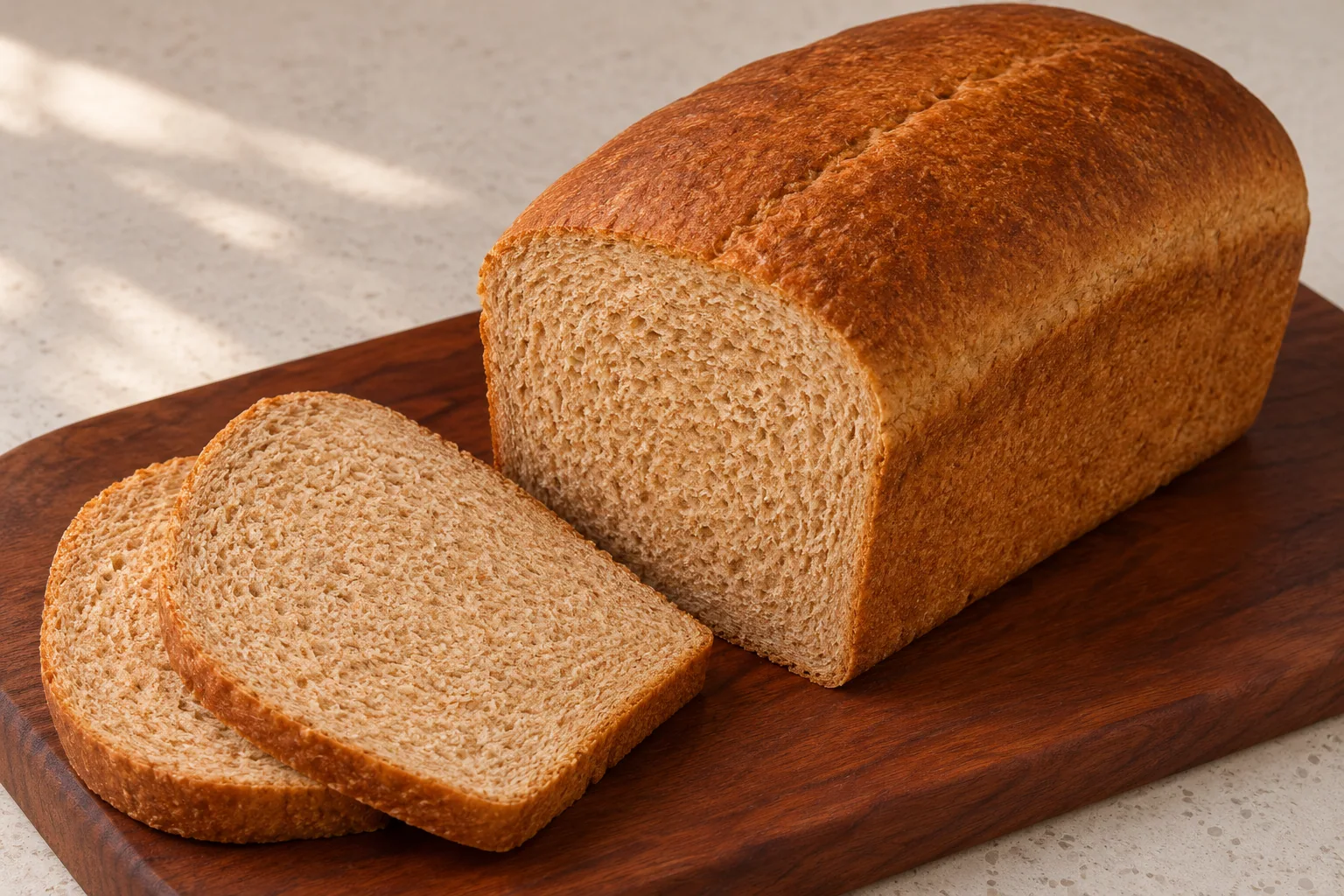
Whole wheat and rye contribute different nutrients, enzymes and buffering behaviour compared with refined white flour. They can change sourdough or yeast fermentation under otherwise similar conditions. A high whole-grain dough may show different gas retention and rate of expansion, so temperature isn't the only factor. Flour strength and water absorption influence the structure that holds the gas microbes produce.
Keep the flour blend constant when timing batches of Classic Whole Wheat Bread so a flour change does not obscure the effect of temperature.
Yeast quantity changes the schedule
A small quantity of yeast may be used for a long fermentation, while more yeast often supports a shorter same-day rise. Temperature can accelerate or slow either formula, but changing yeast quantity and temperature simultaneously makes the result hard to predict. If planning overnight dough, choose a tested schedule rather than simply leaving a same-day recipe on the counter for twice as long.
Salt and sugar influence activity
Salt affects dough flavour, gluten behaviour and microbial activity. Very rich doughs with large amounts of sugar can challenge yeast by reducing available water and changing osmotic pressure. Warmer conditions don't automatically solve slow fermentation in sweet brioche. Use a formula designed for the intended sugar and fat levels and observe its proofing cues.
In Honey Whole Wheat Sandwich Bread, honey and whole wheat both affect the way the dough handles. Compare it with another batch of the same formula.

Bulk fermentation cues
Look for increased volume, gas bubbles at the dough edge, a more aerated texture and changes in elasticity. The target may be a modest percentage rise rather than doubling, especially for certain sourdough methods. A dough that has grown dramatically and become fragile may already be overfermented. Temperature data adds context, but you still need to look and feel.
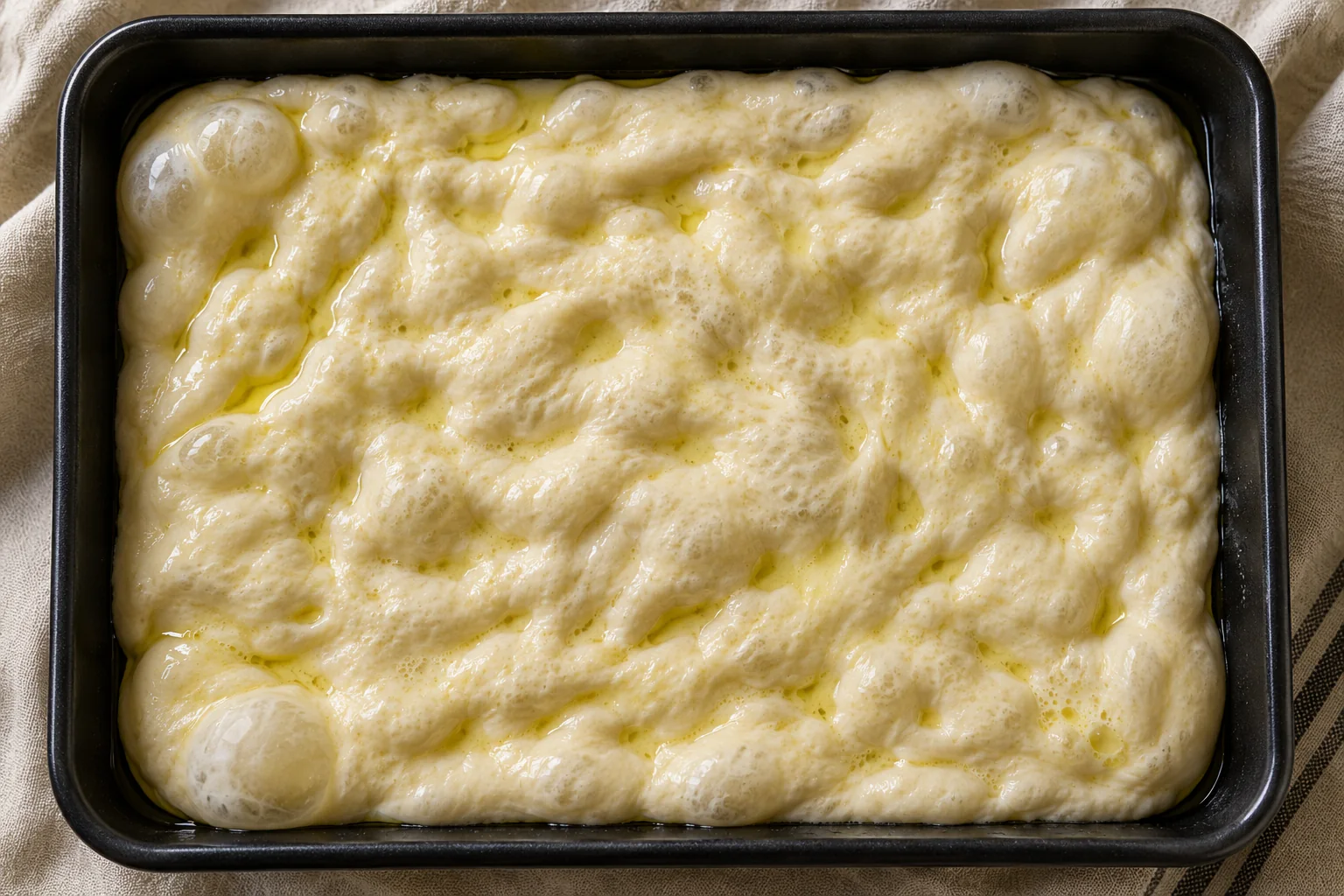
For Sourdough Focaccia, look along the sides of the container for bubbles before disturbing the surface.
Final proofing cues
The poke test can help with some breads: a gentle indentation that returns slowly may suggest suitable proofing. But dough style, hydration and surface flour change the response. A stiff whole-wheat pan loaf differs from a wet sourdough boule. Follow recipe-specific volume, shape and feel cues, and treat time and temperature as complementary information rather than a replacement for observation.
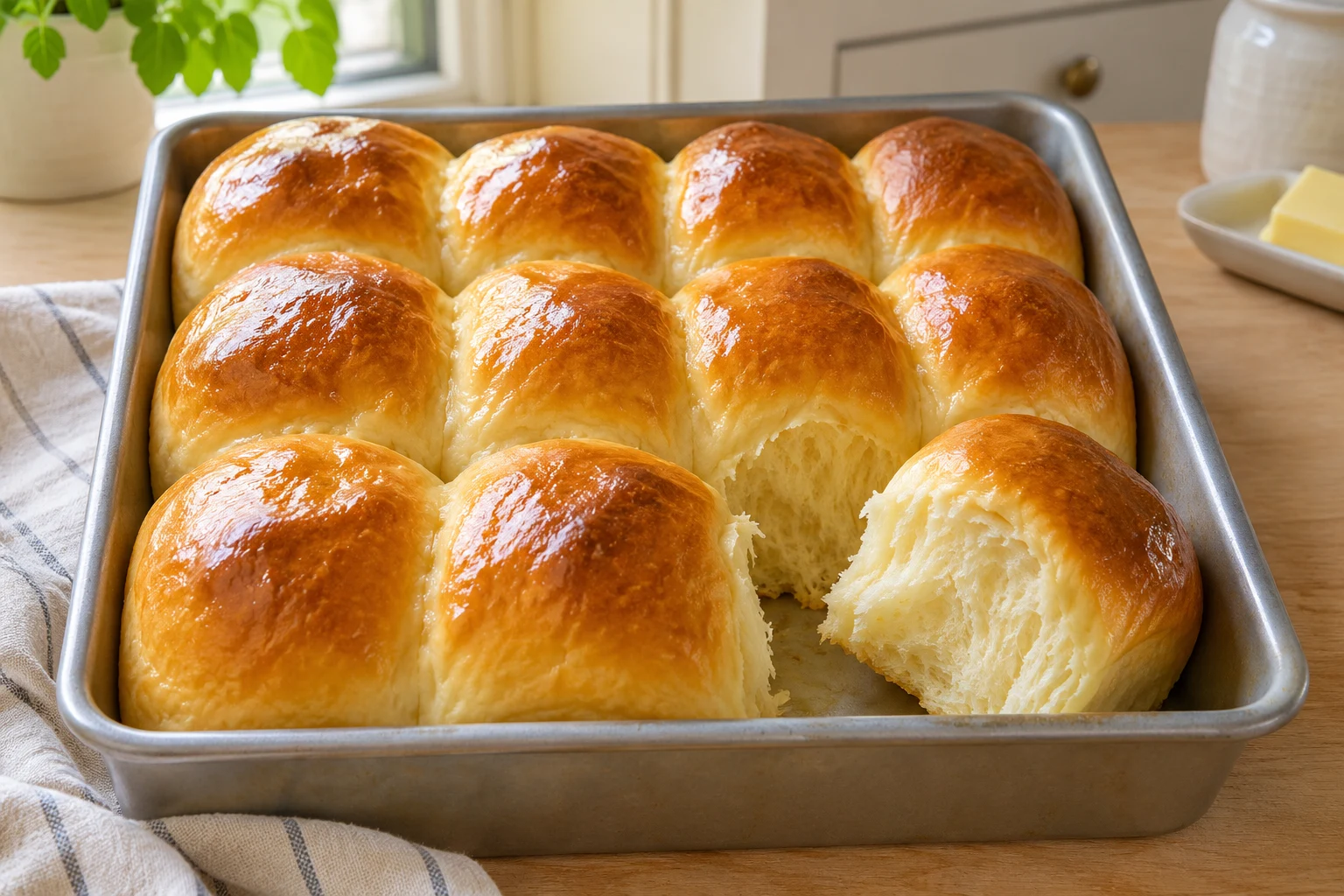
With Classic Dinner Rolls, watch how the space between neighbouring rolls narrows during the final proof.
What happens in a cold kitchen
Fermentation usually takes longer, which is not necessarily a failure. Use a warmer safe location within the recipe's recommended range if needed, such as an appropriately controlled proofing environment. Avoid setting dough on a hot radiator or directly beside an oven vent. Uneven heat may overferment one side or partially melt fats in enriched dough.
What happens in a hot kitchen
Dough may expand quickly, become sticky and overproof before you're ready to shape. Use cooler mix water, reduce time between folds or choose a recipe with appropriate cooler fermentation instructions. Never ignore the dough merely because the recipe says to wait another hour. Hot kitchens are particularly challenging for laminated dough, whose butter layers can melt even while yeast is active.
Sourdough starter adds complexity
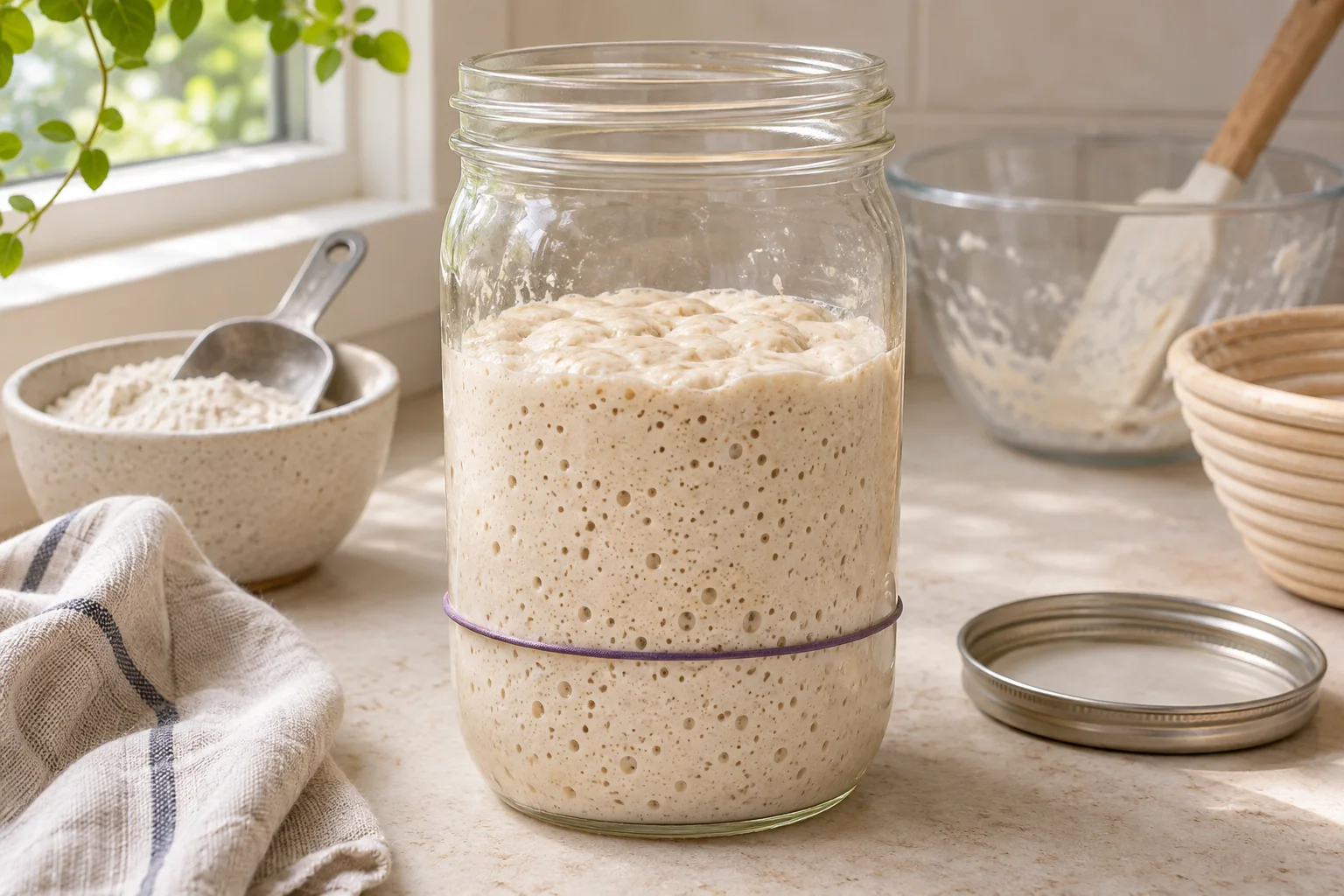
Sourdough cultures contain yeasts and lactic acid bacteria whose activity varies with temperature, feeding ratio and maturity. A warmer starter may peak faster and produce a different acid balance from a cooler one. The dough's strength can also change during a long acidic fermentation. Follow sourdough-specific timing and visual cues rather than using commercial-yeast doubling rules unchanged.
For Sourdough Ciabatta, record when the starter was fed as well as the temperature of the dough.
Dough temperature and flavour
Longer cooler fermentation can develop flavours distinct from a very short warm rise, but outcomes depend on yeast quantity, flour and recipe. Warmth isn't simply good or bad for flavour; it changes the balance of fermentation activities. A dough left much longer than intended can become overly acidic or structurally weak. Choose a method designed for the flavour and schedule you want.

Enriched dough temperature
Butter-rich doughs become difficult to handle if the fat gets too warm. A brioche may need a controlled cool rest to firm before shaping. Milk and eggs may be used at prescribed temperatures to help mixing, but excessive warmth can compromise butter emulsion and accelerate yeast. Follow the enriched-dough formula instead of using the proof box temperature for a lean baguette without adjustment.
In Brioche Sandwich Loaf, excessive warmth can soften the butter even as it speeds fermentation.

The fermentation log
Record flour type, yeast or starter amount, initial water temperature, dough temperature after mixing, room temperature, rise observations and actual elapsed time. These notes can reveal a pattern: perhaps your mixer routinely finishes dough 3°C warmer than expected. Once known, that variable is easier to control than trying to revise every recipe based on a single disappointing loaf.
How to recover from slow fermentation
First check whether the dough is truly slow for its temperature and yeast amount. Allow additional safe time if the recipe permits; a cooler room may simply need patience. If the yeast is old or inactive, warming alone may not fix the dough. Avoid stirring extra dry yeast into a partially developed dough without an approved method, since distribution and hydration become unpredictable.
How to respond to overfermentation
A dough that has become very weak, spread flat or developed an overripe fermented aroma may not recover full bread structure. Some formulas permit gentle reshaping and a shortened final rise, but repeated degassing is not universal. Prevent recurrence by checking dough earlier, reducing excessive warmth and using a timetable suited to the recipe. Don't assume refrigeration can undo hours of overproofing.
A practical summer-versus-winter comparison
Make the same tested loaf twice using the same flour, yeast and pan but record dough and room temperature. Note how much rise occurs at comparable intervals. The goal is to learn your kitchen's effect, not force both loaves to bake at the same clock time. Follow the intended proof endpoint for each before baking and compare finished volume and crumb.
IN PICTURES
From the baking notebook
FROM THE RECIPE BOX


