On this page
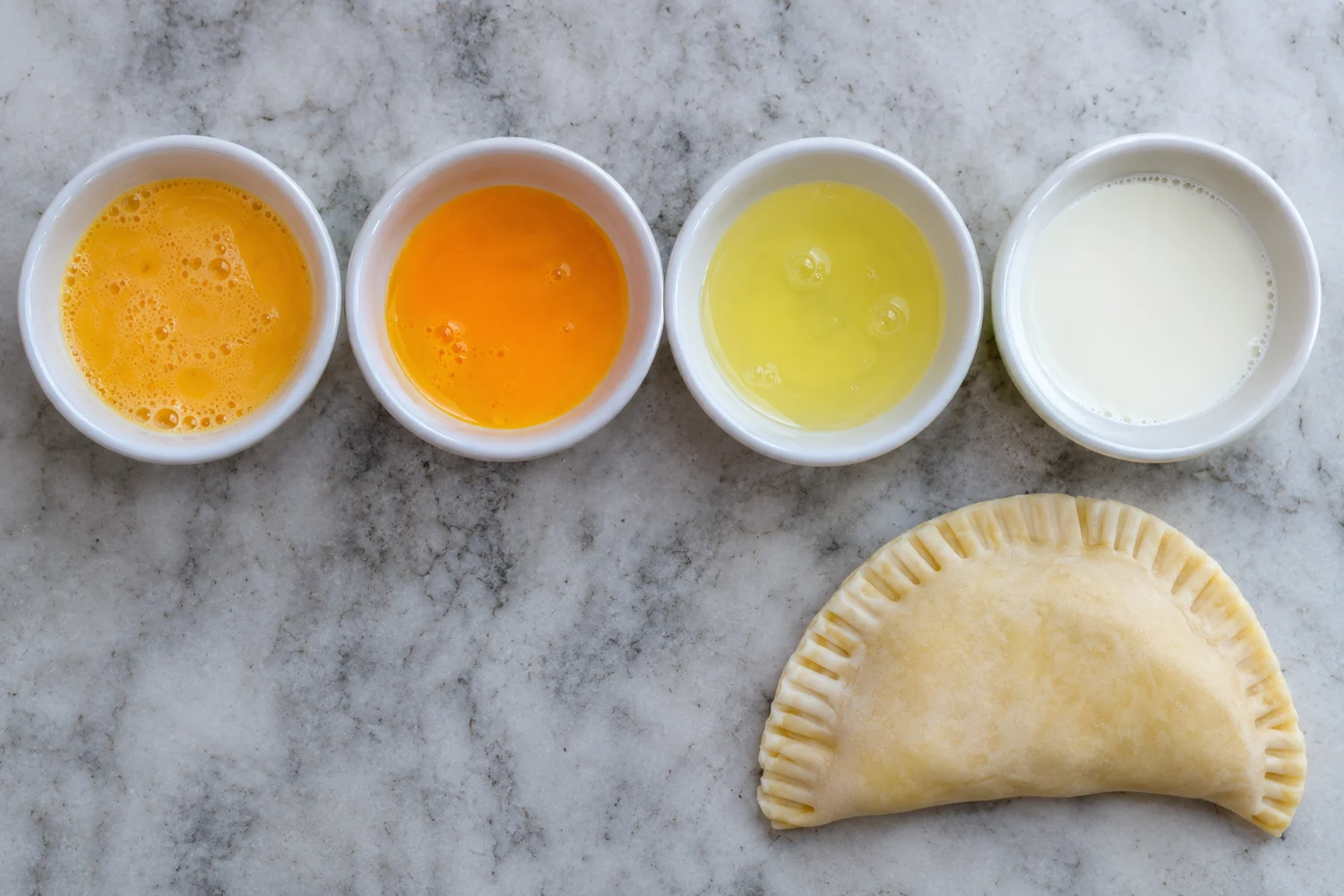
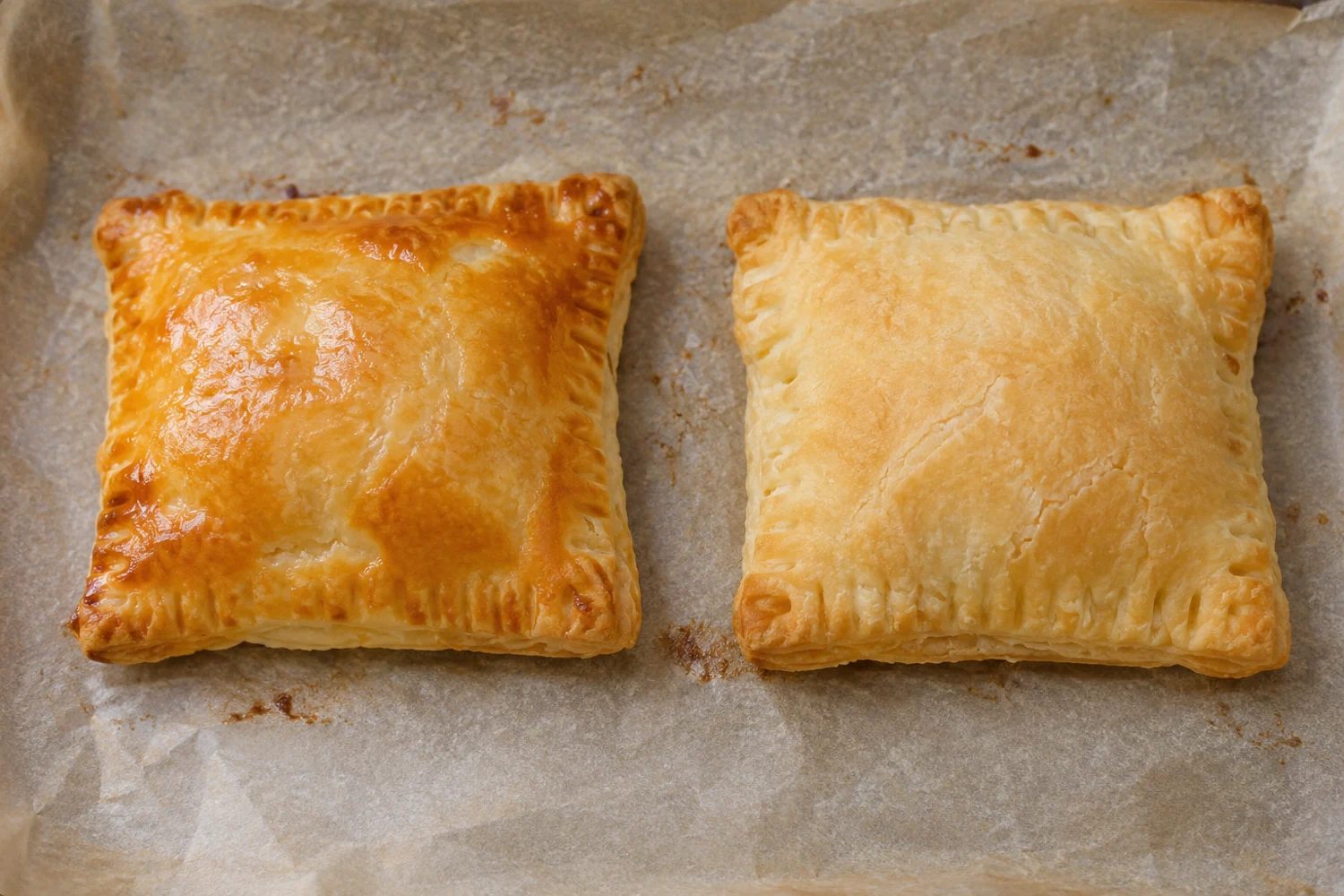
An egg wash is a small step with a noticeable effect on baked pastries. Whole egg can produce a glossy golden crust, yolk a richer bronze colour, and white a different kind of shine. Milk, cream or other substitutes may give a softer finish. The best wash depends on the pastry and what you want it to do: colour, gloss, adhesion or sealing. There is no need to use the same mixture on every pie, brioche or turnover.
What egg wash does
A thin coating of egg brings proteins, fat and water to the pastry surface. As it cooks, proteins set and the surface may brown more readily, creating a polished look. An egg wash can also help certain toppings stick and seal some pastry seams when applied correctly. A thick coat, however, can pool, cook like a film and glue the layers of laminated pastry.
Whole egg for versatility
A whole egg combines yolk and white, offering balanced shine and golden colour. Whisk thoroughly so streaks of unmixed white do not form patches. Some methods thin it with a little milk or water for easier brushing. Whole-egg wash is a useful general option for turnovers, hand pies, enriched bread and many pie crusts when the tested recipe calls for it.
The arches on Classic Croissants make brush marks easy to see. Work in the direction of the roll.

Yolk for stronger golden colour
Yolk contains fat and proteins that often produce a deeper, warmer finish. A yolk-only wash is thick and can create brush marks if applied too heavily. A small measured amount of liquid may make it more uniform, depending on the recipe. It is popular for rich brioche and glossy buns but can darken early on a pastry that needs a long bake.
A strongly coloured wash can make Sausage Rolls look finished early. Check the filling by the recipe’s own directions.

Egg white for lighter shine
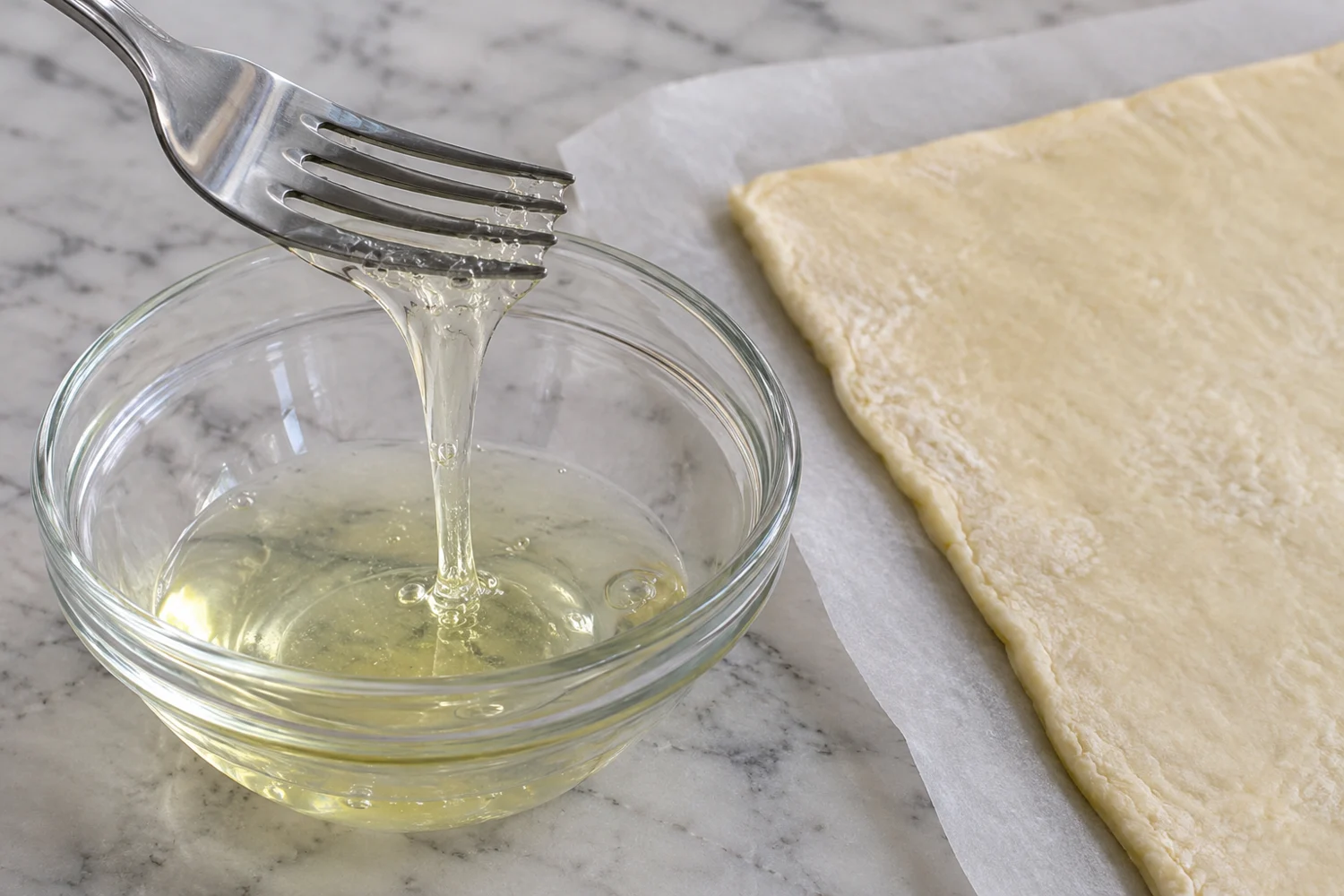
Egg white brings proteins and water with little fat, often creating a shiny but less richly coloured surface. Some pie recipes use it to help form a thin barrier on a par-baked shell. That barrier is not a guarantee against a very watery fruit filling. White wash has a different visual role than a yolk finish, so select it intentionally.
Egg mixed with water
Adding a small amount of water reduces the thickness of a wash and can make it easier to brush in a thin layer. Too much dilution may reduce colour and gloss. Follow the recipe's amount instead of pouring in several tablespoons by guesswork. A thin even coating is usually more attractive and less likely to pool than a heavy unthinned layer.
Egg mixed with milk
Milk can alter the colour and brushability of the mixture, contributing milk proteins and sugars. Many pastry formulas use egg plus a little milk for a balanced finish. Do not assume milk wash is safe for someone with dairy allergy; even a small amount matters. A tested water-thinned egg wash is a different option if milk must be avoided but eggs are acceptable.
Milk alone
A milk wash can encourage gentle browning and a softer appearance, often without the high gloss of egg. It can be useful for scones, rolls or pastries where deep lacquered colour isn't desired. Whole milk, skim milk and sweetened milk products differ in composition, so results are not identical. Milk contains no egg, but it is unsuitable for someone with a milk allergy.
The folded rim of Vegan Apple Galette is a useful reference for an egg-free pastry finish.

Cream as a wash
Cream has a higher fat content than ordinary milk and can produce a richer surface finish. Its precise effect depends on dairy composition and oven conditions. Some scone formulas call for cream brushed over the tops before baking. Avoid soaking sides or creases; extra liquid in pastry seams can change how they lift and brown.
Butter-brushed finishes
Melted butter is sometimes applied to bread or certain pastries after baking for flavour and a soft sheen. It isn't the same as an egg wash applied before baking. Brushing a flaky pastry heavily with butter before baking may alter its texture and result in unwanted greasiness. Use the finish and timing specified by the individual recipe.
Why some washes look streaky
Unmixed egg white, thick yolk, excessive brushing and uneven surface flour can create patches. Whisk the wash until uniform and apply with a clean soft brush. A small bowl with a suitable amount is easier to control than a very full container. Wash should coat pastry lightly rather than run down its sides.
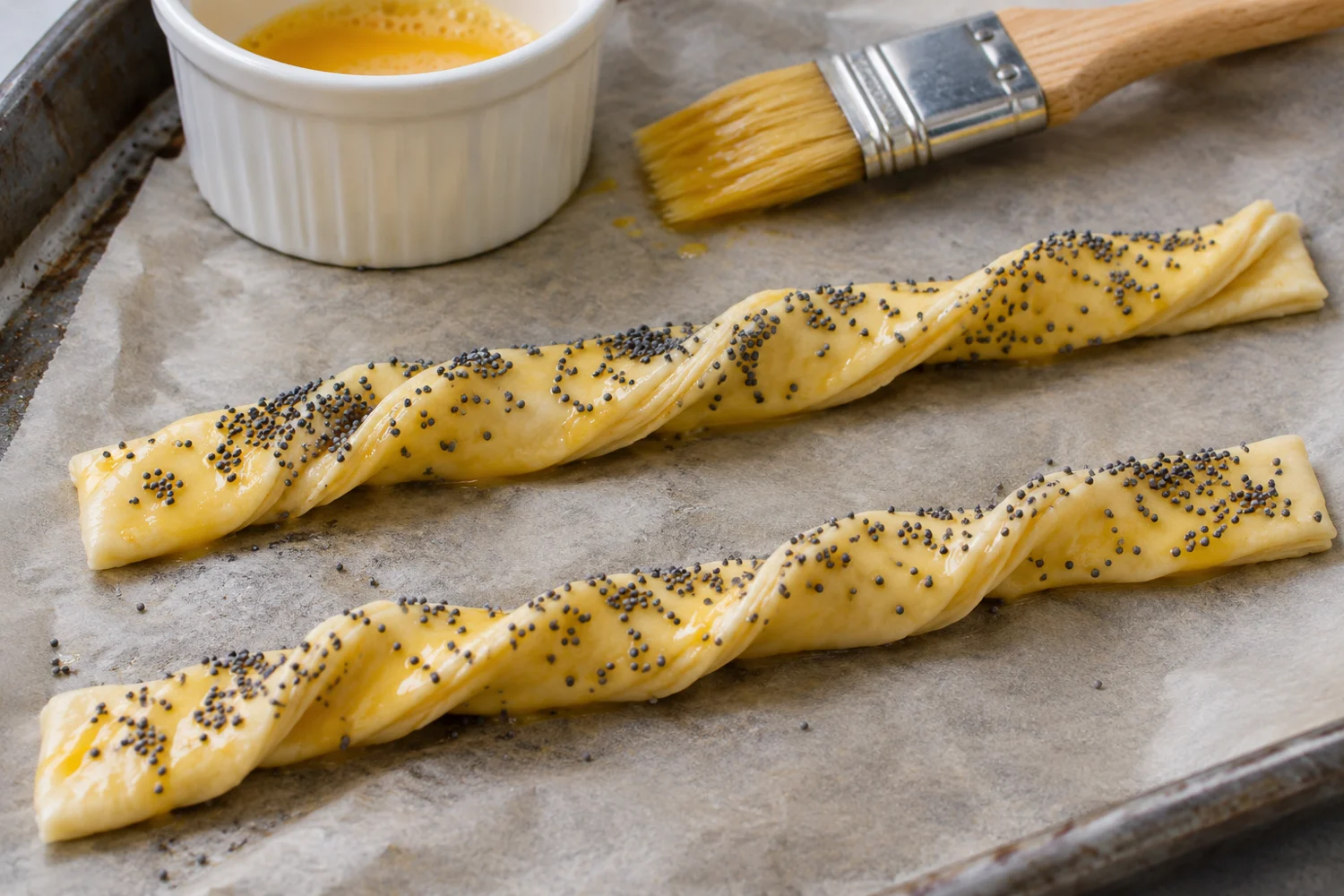
Look at the ridges on Cheese Straws to see which surfaces catch a brush first. On a similar shape that calls for egg wash, turn the tray as you brush.

Laminated pastry edges need protection
Puff pastry and croissants rise through separated layers. Coating the cut edges with egg can glue those layers and restrict lift. Concentrate wash on top surfaces and keep the sides relatively clean. This is especially important for turnovers and puff pastry rectangles that need dramatic height. A clean sharp cut and cold dough also support rise.
If you brush Apple Turnovers, stop at the edge of the top face where the cut layers begin.

Egg wash on pie crust
A top-crust pie may use whole egg for a golden shiny surface, sometimes with coarse sugar. Avoid flooding the lattice gaps, where wash can run onto filling and produce unattractive cooked patches. A pie crust can still be beautiful without egg wash when baked thoroughly. Remember that colour is not proof that the fruit filling has reached the proper cooking endpoint.
Brush the broad areas of Classic Apple Pie first, then use the last wash on the brush for the narrow rim.

Using wash to seal seams
A small amount of egg wash can help some turnover or hand-pie edges adhere, but sealing primarily depends on clean dough, controlled filling and firm pressure. If filling or flour coats the seam, egg wash may not compensate. Use a thin layer only on the area specified by the recipe and then crimp securely. A puddle of raw egg won't fix an overfilled pastry.
With Apple Hand Pies, keep the wash you use along the seam thin enough that the two pieces still grip.

Wash for toppings
A thin wash can hold seeds, herbs or coarse sugar in place. Scatter the topping while the surface is still tacky, then bake as the recipe directs.
Look at the surface of Sourdough Crackers when choosing a topping. Small seeds need only a thin film to help them stick.
Plant-based wash alternatives
An unsweetened plant drink, suitable neutral oil mixture or recipe-specific syrup glaze can change surface colour, but none exactly duplicates egg. Soy, oat and almond products differ in protein, fat and sugar. Choose a tested egg-free option and check all ingredients for other dietary restrictions. An attractive slightly matte crust is preferable to an unsafe allergen substitution.
For an egg-free example, follow the finish in Vegan Gluten-Free Dinner Rolls and compare its softer sheen with an egg-washed crust.
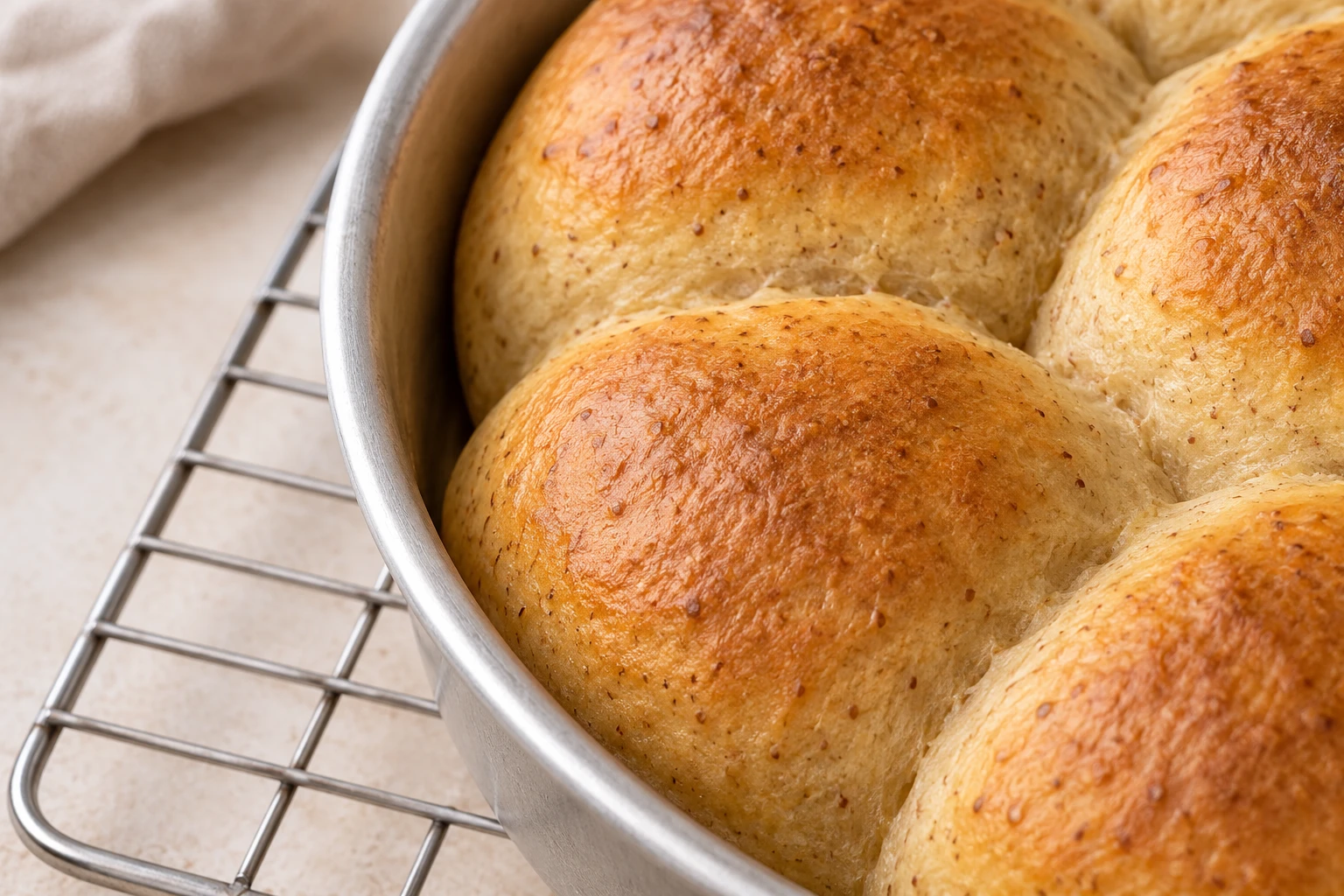
How many coats?
Some recipes call for one light coat; others specify two applications separated by a rest. More is not automatically better. A thick second layer may pool or darken before the pastry bakes through. Follow the recipe, and use a gentle touch so brushing doesn't deflate proofed dough or damage a delicate lattice.
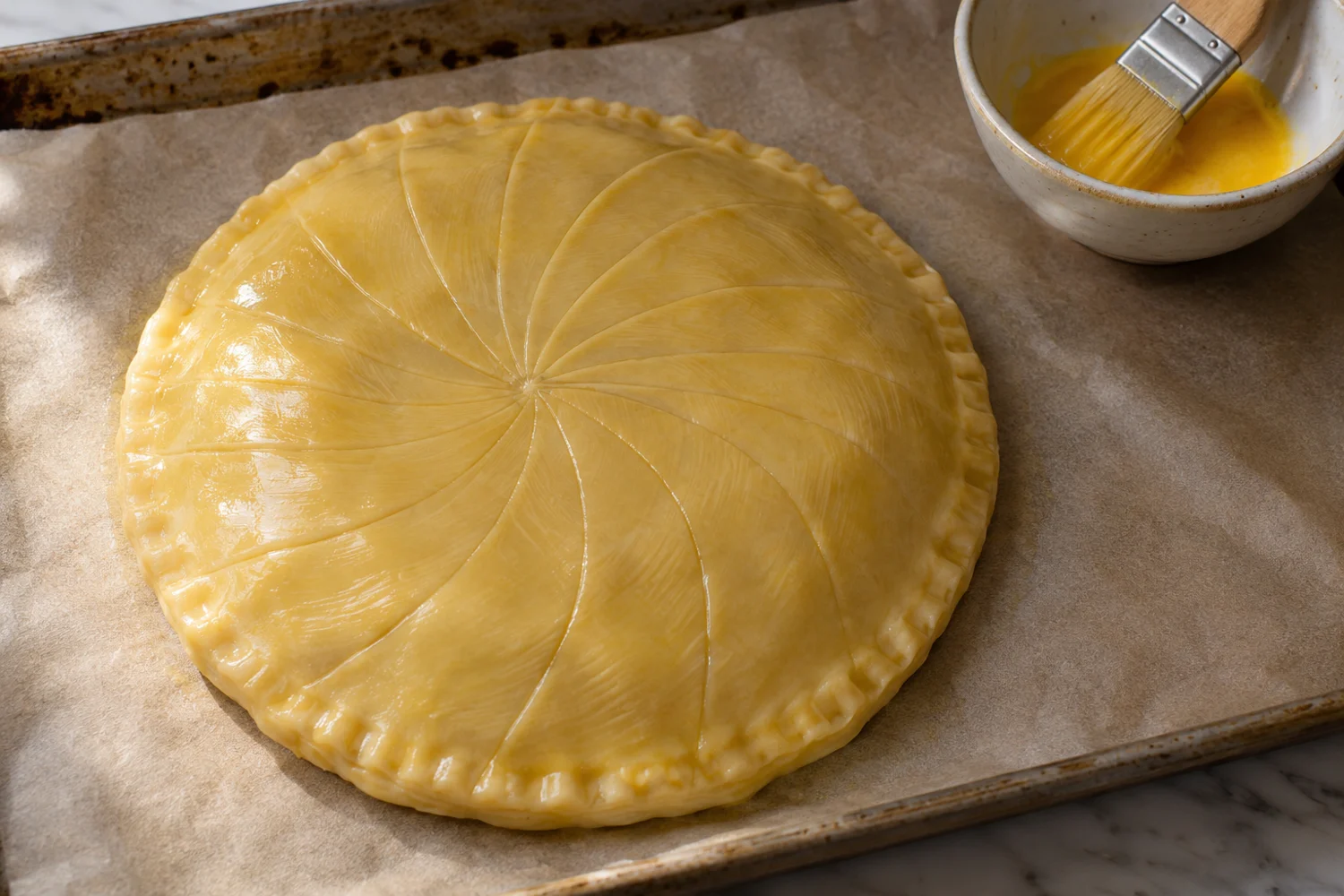
When to apply the wash
For many pastries, wash is brushed just before baking. Some laminated or enriched dough formulas use a carefully timed earlier coat. Chilled pastry may take a more even coating, while very warm dough can become sticky under the brush. Follow the planned proofing and chilling steps rather than stopping a long pastry fermentation to apply wash at an arbitrary time.
Have the tray of Cherry Hand Pies ready before brushing so that the shaped pastries can go into the oven promptly.
The difference between colour and doneness
A yolk-rich finish may produce dark golden tops before a croissant's centre is fully baked. Likewise, a pale milk-brushed roll may be fully cooked. Judge the pastry using the recipe's structure, underside and interior cues in addition to colour. Do not shorten baking just because the wash looks attractive or continue indefinitely merely to make an egg-free crust as shiny as egg.
What to do with used egg wash
Put a small amount of wash in a separate bowl before brushing. Discard what is left in the working bowl when you finish. Wash the brush, bowl and hands before handling baked pastry.
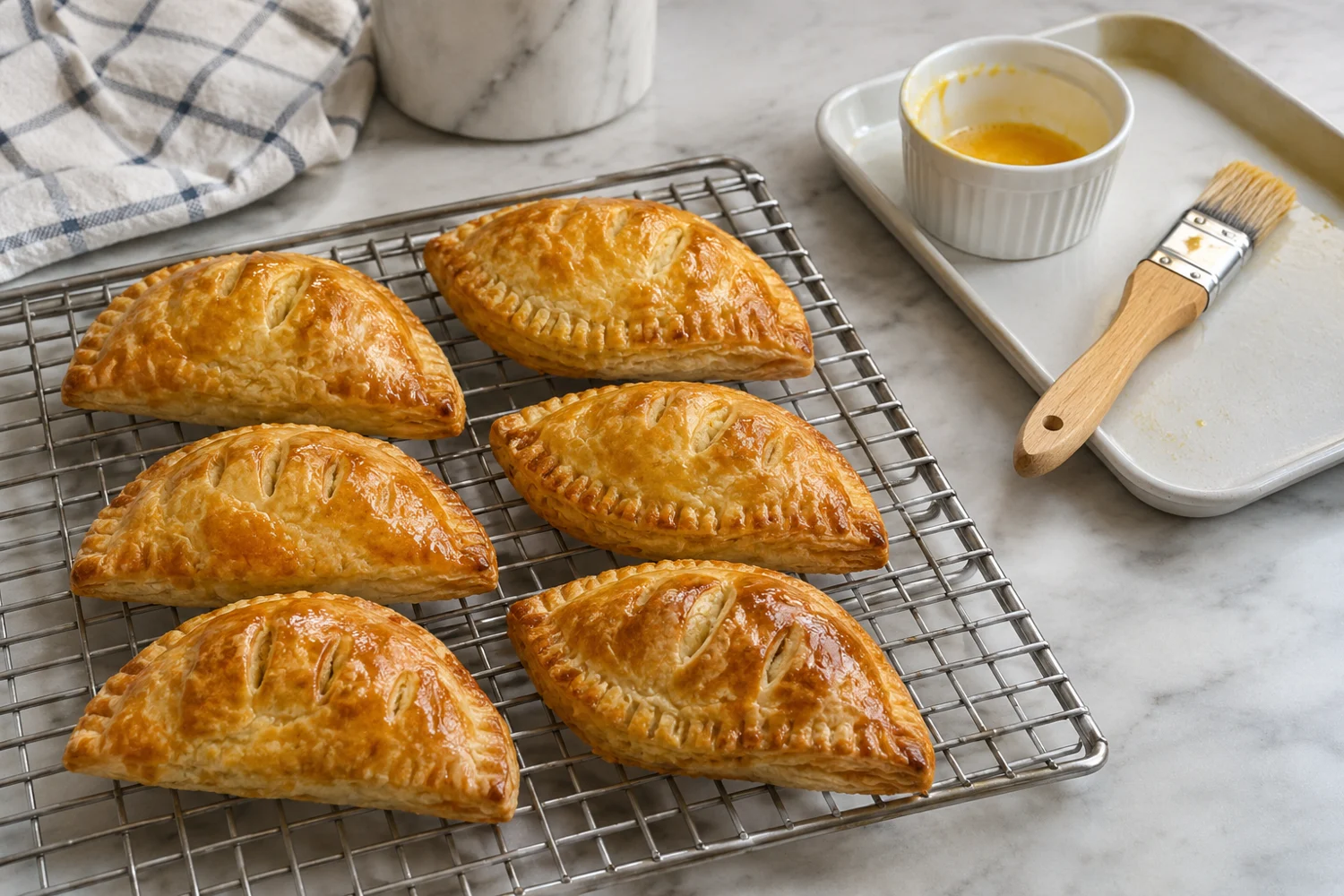
Troubleshooting dull pastry
Check whether the wash was applied thinly, whether flour covered the surface and whether the oven reached the proper baking temperature. Some recipes intentionally produce matte rustic crusts. Adding oil or heavy wash after baking is not always appropriate; the right finish starts with choosing a compatible formula before baking.
IN PICTURES
From the baking notebook
FROM THE RECIPE BOX


