On this page
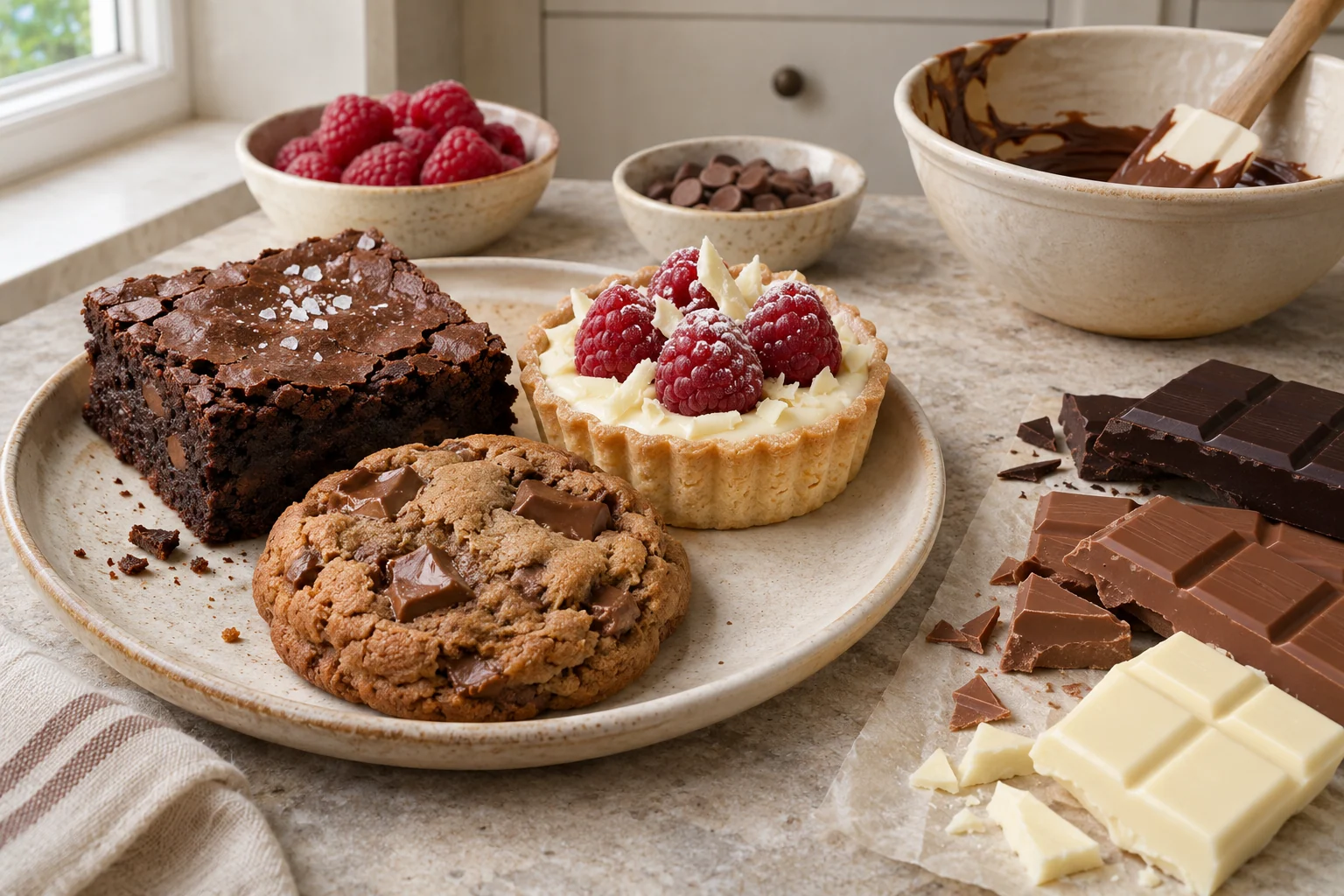
Break a bar into a cookie and you get pockets of chocolate. Melt the same bar into cream and it becomes part of the structure of a tart. When you're choosing between dark, milk and white chocolate, first decide whether you want pieces that keep their identity or chocolate that has to melt and set.
What makes dark chocolate dark?
A dark bar usually lists cocoa mass or chocolate liquor, cocoa butter and sugar. The cocoa percentage counts the cocoa ingredients together. Two bars marked 70% can therefore differ in bitterness and in how freely they flow when melted. For a favourite bake, note the bar as well as the percentage.
For a filling where the chocolate itself carries the flavour, read the ingredient list for Dark Chocolate Cream Pie before choosing a bar.

What makes milk chocolate different?
Milk chocolate contains milk components alongside cocoa ingredients and sugar. It usually tastes sweeter and creamier than a typical dark chocolate, though products vary widely. Milk powders and fats change how it melts and sets. In a brownie, milk chocolate can give a softer sweeter flavour; in ganache, it often requires a different cream ratio from dark chocolate to achieve the same firmness.
Compare that filling with Milk Chocolate Cream Pie. The sweetness already present in milk chocolate is part of the recipe.

What white chocolate actually contains
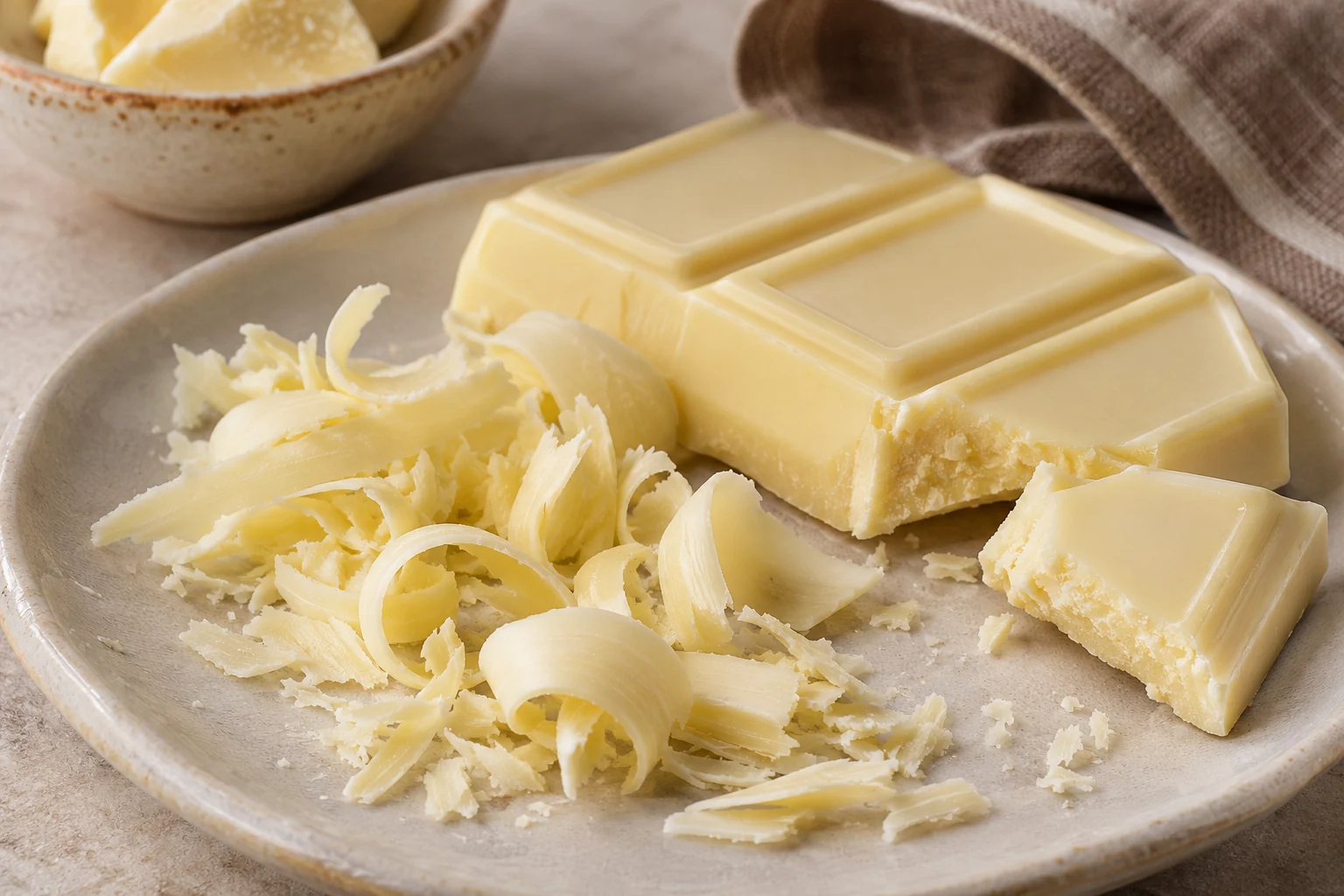
White chocolate gets its cocoa component from cocoa butter. Milk ingredients and sugar give it an ivory colour and a sweet, rounded flavour. A white coating that uses a different fat may look similar in the bag but set differently on a dipped cookie. Read the ingredient list when the coating needs a clean snap.
The pale filling in White Chocolate Cream Pie is a good place to see how much flavour comes from the white chocolate you buy.
Does higher cocoa percentage mean better quality?
Higher percentages describe composition. They say little about how evenly a bar melts or whether its flavour suits a dessert. Taste a small piece with what it will accompany. A sharp raspberry flatters a sweeter white filling, while a sweet caramel layer may leave you wanting a darker chocolate above it.
Choose a bar you enjoy on its own for Chocolate Tart, where a thin crust leaves the filling front and centre.
Why sweetness changes recipes
Substituting sweet milk chocolate for dark chocolate adds a different sugar and cocoa balance. A cake may become sweeter, paler and less assertively chocolate flavoured. White chocolate brings little classic cocoa flavour and can overwhelm delicate fruit if used heavily. Choose a recipe developed for the chosen chocolate rather than attempting to compensate by removing an arbitrary quantity of sugar from the batter.
In Triple Chocolate Chip Cookies, a mouthful can contain several kinds of chocolate. Taste the pieces together when deciding on a combination.
Dark chocolate in brownies
Dark chocolate can supply deep cocoa flavour and a relatively less sweet profile, often balancing sugar and butter in brownies. Use the type and weight specified; increasing cocoa percentage can change both sweetness and fat composition. A very dark replacement may produce a bitter or dry-seeming result if the original formula relied on the sugar in a semisweet bar. Cocoa powder is a separate ingredient with its own hydration effects.
The batter for Air Fryer Brownies combines 120 g of chopped dark chocolate with 30 g of unsweetened cocoa. Weigh both before melting the chocolate with the butter.

Milk chocolate in cookies
Milk chocolate chunks melt into creamy sweet pockets that contrast with salty cookie dough. They may appear softer than dark chunks after cooling, depending on formulation. Combine with dark chocolate only if the total weight fits the recipe. Milk chocolate is not suitable for a milk-allergy restriction, and even dark chips may carry milk warnings that require verification.
Start with the dough in Classic Chocolate Chip Cookies if you want to compare chips. Keep the amount of chocolate and the size of each cookie consistent.

White chocolate with tart fruit
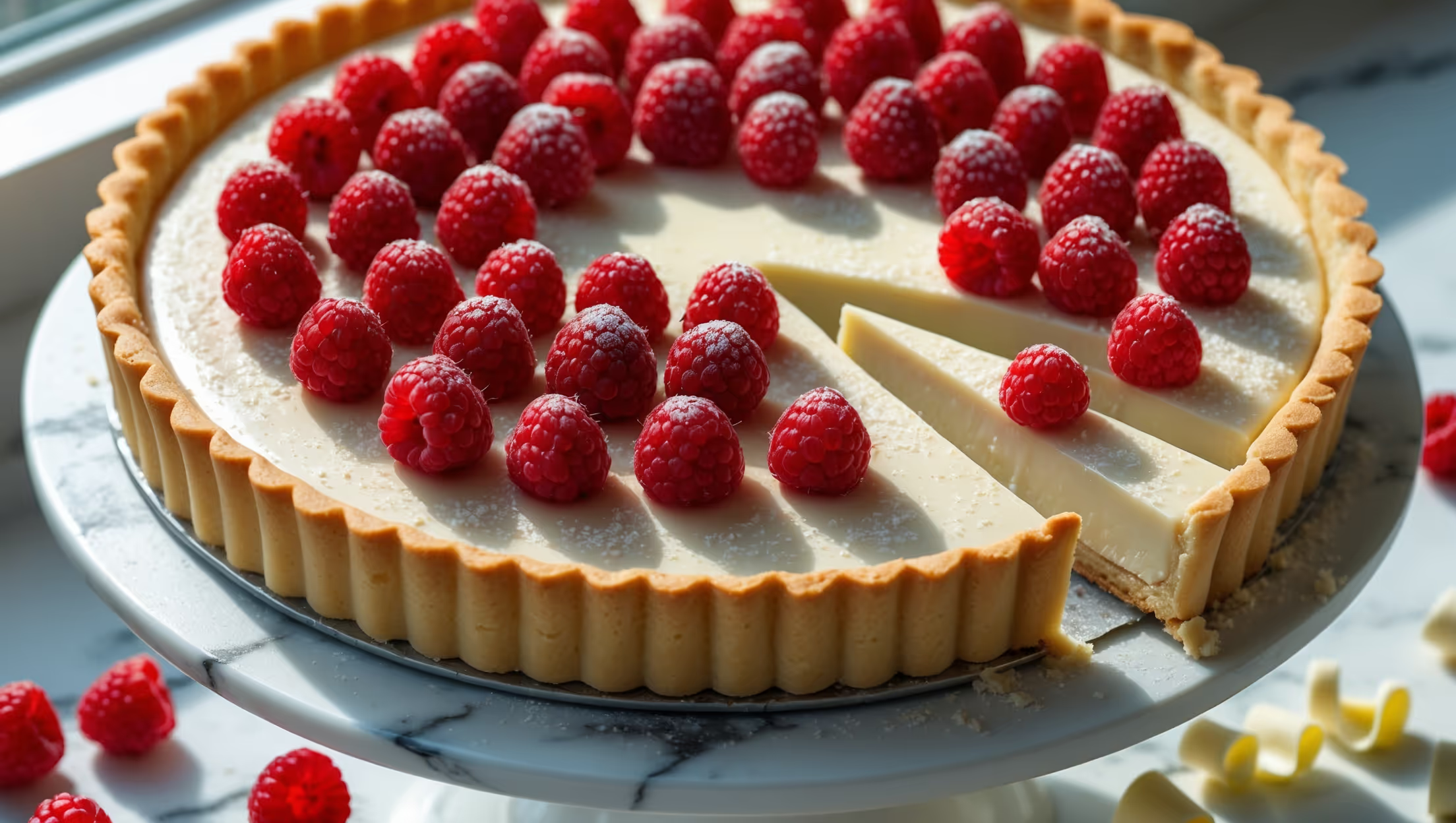
Raspberries, cranberries and passion fruit pair well with white chocolate's sweet creamy profile. A sour fruit component can balance the chocolate more effectively than adding extra vanilla sugar. Keep fruit moisture controlled in cookies and bars; juicy berries can affect baking regardless of chocolate type. A tested white-chocolate fruit cake is more reliable than replacing all the dark chocolate in an unrelated recipe.
Taste a berry together with the white filling in White Chocolate and Raspberry Tart to see how acidity balances sweetness.

Ganache ratios change with chocolate
For ganache that will become a tart filling, use the specified chocolate and weigh both chocolate and cream. Let a spoonful cool to see how firmly the filling will set. An equal-weight switch from dark to milk or white chocolate can leave the finished tart much softer than you intended.
The filling in Dark Chocolate and Orange Tart gives you a specific chocolate-and-cream formula to work from when you want a tart that slices.

Heat sensitivity and melting
All three types benefit from gentle controlled heat. Milk and white chocolate are particularly prone to scorching and thickening because of their milk and sugar components. Chop evenly and stir during short heating intervals. A double boiler should never introduce steam droplets into melted chocolate. Tempering temperatures also differ by chocolate type, so use manufacturer guidance rather than a single chart for every colour.
Read the chocolate and custard steps in Milk Chocolate Custard Tart before turning on the heat so you know which mixture warms the other.

Cocoa butter and fluidity
A chocolate's flow depends on cocoa butter, particle size and emulsifiers. Dark chocolate with high nonfat cocoa solids may be thick even at an impressive cocoa percentage. White couverture with a suitable fat balance can be quite fluid. The relationship between percentage and viscosity isn't simple; professional products may publish fluidity ratings that are more relevant to molding and dipping than the number on the front of the package.
Use Raspberry White Chocolate Tart to see how melted chocolate sets in a filling once the surrounding ingredients have been added.
Tempering dark chocolate
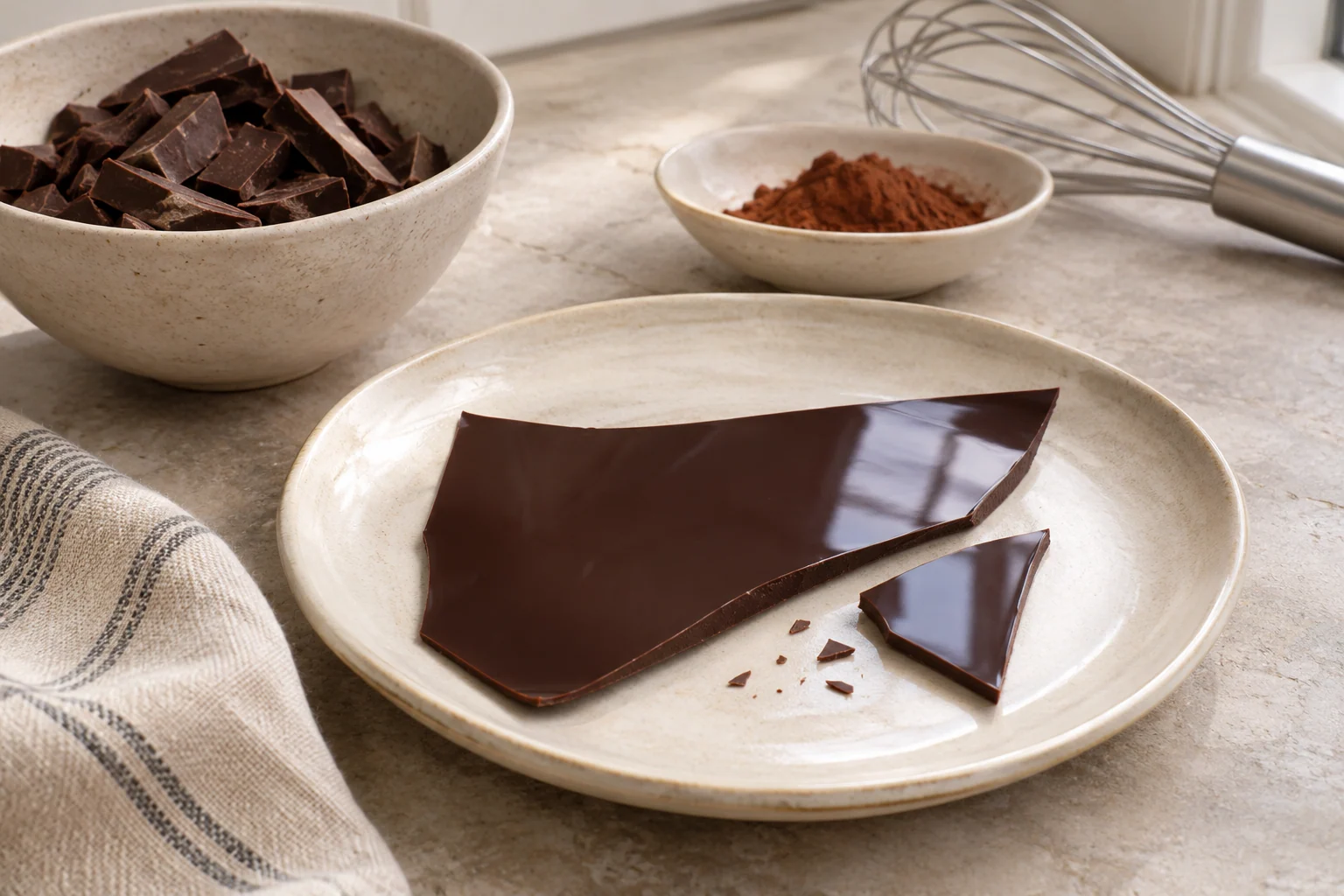
For a thin shell that should release from a mould, use a chocolate suited to tempering and follow its maker’s working temperatures. Spread a little on parchment first. A small test lets you check that it sets evenly before filling the whole mould.
Tempering milk and white chocolate
Milk and white chocolates generally use lower working temperatures, and excessive heat can damage texture and flavour. Their different fat and milk contents call for a method-specific range. Use a reliable digital thermometer and a product-approved chart. If using white compound coating rather than genuine white chocolate, the fat system and handling instructions may be different; don't apply a cocoa-butter tempering chart indiscriminately.
Chocolate drips and glazes
Dark ganache can make a visually dramatic drip against pale frosting. Milk chocolate gives a lighter, sweeter profile, while white ganache is useful for colour when a tested formula supports food colouring. Water-based colouring may seize pure melted chocolate; use suitable products and a recipe designed for the application. Test one drip at working temperature before decorating the entire chilled cake.
The frosting in Vegan Chocolate Layer Cake is an example of how the liquid used with dark chocolate affects its spreading consistency.
What about chocolate chips?
A baking chip can keep a pointed shape even when its centre is soft. A chopped bar gives a mix of fine flecks and generous puddles. If the recipe asks you to melt the chocolate into a smooth filling, choose the stated type and weigh it before you start.
Compare the irregular pieces in Chocolate Chunk Cookies with a cookie made from evenly sized chips.

Baking chocolate and unsweetened chocolate
Unsweetened baking chocolate contains little or no added sugar and is not interchangeable with a sweet dark chocolate bar by weight in a finished cake. Bittersweet and semisweet product definitions and naming conventions also vary. Read ingredients rather than treating the word 'dark' as a specification. If a recipe calls for unsweetened chocolate, follow the full ingredient balance so sweetness and cocoa intensity remain correct.
How to shop for different desserts
For cookies, select flavour and piece shape. For brownies, choose the chocolate type and percentage the recipe requires. For ganache, compare product composition and existing ratio guidance. For molded confections, seek chocolate with predictable tempering behaviour and fluidity. Buying a single kind of chocolate for all uses is convenient but may involve texture compromises in specialist applications.
Allergens and dietary requirements
Milk and white chocolates ordinarily contain dairy unless specially formulated. Dark chocolate may still contain milk ingredients or shared-equipment warnings, and soy lecithin is common in some products. Nuts and sesame may be relevant as inclusions or cross-contact. Read every label for medically necessary avoidance, and don't assume the word 'vegan' addresses all other allergens.
When baking Vegan Chocolate Lava Cake for someone who avoids dairy, check the label of the chocolate as well as the rest of the ingredients.
Storage and bloom
Keep chocolate cool, dry and protected from temperature fluctuations. Fat bloom may create grey streaks after unstable cocoa butter crystallization; sugar bloom can appear after condensation dissolves and recrystallizes surface sugar. These are separate from mold, especially where a product contains fresh fruit or cream. Truffles and filled chocolates follow the storage needs of their perishable centres, not simply those of the chocolate coating.

Frequently asked questions
Can I replace dark chocolate with white chocolate in brownies? Not without considering cocoa solids, sugar and fat. Is all dark chocolate dairy-free? No. Does 85% mean less cocoa butter? The percentage alone doesn't tell you. Why is white ganache too runny? The ratio may be unsuitable. Do milk and white chocolate temper at the same temperature as dark? Generally no.
Choose by both flavour and structure
Dark chocolate brings pronounced cocoa flavour, milk chocolate brings creamy sweetness, and true white chocolate brings rich cocoa-butter and dairy notes without nonfat cocoa solids. Each can be excellent when the recipe is designed for its composition. Match the chocolate to the job and measure carefully instead of treating the colours as interchangeable.
Test before changing an important cake
For an important cake, test the element you plan to change. A spoonful of ganache can be chilled and cut, a test cookie can be broken open, and a thin smear of coating shows how it sets. Those three small trials answer different questions about the same bar.
If you are changing the chocolate in Almond Flour Brownies, try a small batch and let it cool before evaluating the sweetness and set.

IN PICTURES
From the baking notebook
FROM THE RECIPE BOX


