On this page
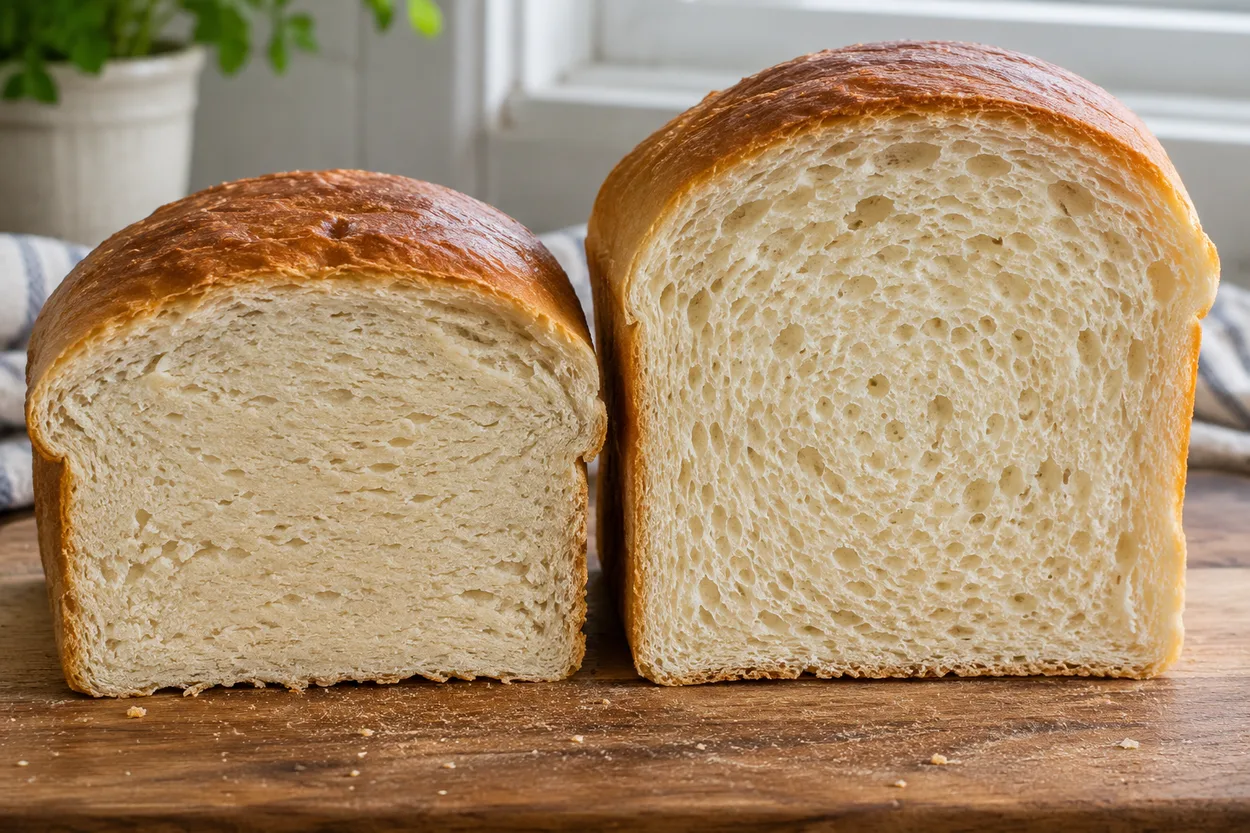
Let the loaf cool, then cut straight through the middle. A compact band at the base, a tight crumb throughout and a gummy streak provide different clues. Pair what you see with your notes on the dough before baking.
Cause one: too much flour
Extra flour reduces effective hydration. Dough may feel easy to handle but bake into a stiff compact loaf with little expansion. Weigh flour and water rather than using tightly packed cups, and avoid adding handfuls of bench flour during kneading. Some doughs are intentionally tacky. A dry surface isn't proof that the mixture has developed the right structure.

Flour protein changes the method
Bread flour generally supports a stronger gluten network than many lower-protein flours, but exact strength varies by brand and region. Cake flour isn't suitable for every chewy yeast bread, while all-purpose flour can work beautifully in recipes developed for it. Whole wheat and rye need specialized hydration and mixing. Use the recommended flour before troubleshooting an unexpected crumb.
Cause two: hydration is wrong
Water hydrates starch and proteins and permits dough expansion. Too little can make dough inflexible; too much for the chosen flour and method may cause spreading rather than height. Hydration ratios depend on grain, milling and recipe style. A high-hydration artisan dough can be sticky while still correct. Don't assume every bread should knead into a dry smooth ball.
Use the measured liquid in Buttermilk Sandwich Bread before adding flour to correct a sticky dough.

The role of resting
A rest after initial mixing allows flour to hydrate and can help dough become easier to handle. Some recipes use an autolyse or other rest before adding salt or mixing fully. This is not universal across every enriched or rye dough. Follow the recipe rather than adding extra flour when the dough is sticky immediately after combining.
Cause three: weak gluten development
In wheat bread, a developed gluten network helps trap the carbon dioxide produced by yeast or sourdough microbes. If dough is undermixed or insufficiently folded, gas may escape and the loaf may spread. Knead or fold to the formula's intended strength. A windowpane test may be useful for some white breads, but not all whole-grain or rye formulas.

Overmixing can be a problem too
Powerful mixers can heat dough and eventually break down structure during excessive mixing. If dough becomes unexpectedly sticky and slack after prolonged high-speed kneading, the problem may not be insufficient flour. Check the manufacturer's mixer speed limits and the recipe's development cues. Stop once the dough has reached useful strength.
Cause four: yeast or starter isn't active
Yeast that's expired, improperly stored or damaged by unsuitable temperatures may produce insufficient gas. A sourdough starter also needs adequate activity and appropriate feeding to leaven the dough. Use the yeast form and amount specified. An active foam test may indicate life in some methods but doesn't guarantee the entire bread process will work.
Check the starter for Sourdough Country Loaf before judging the speed of the bulk rise.

Check water temperature
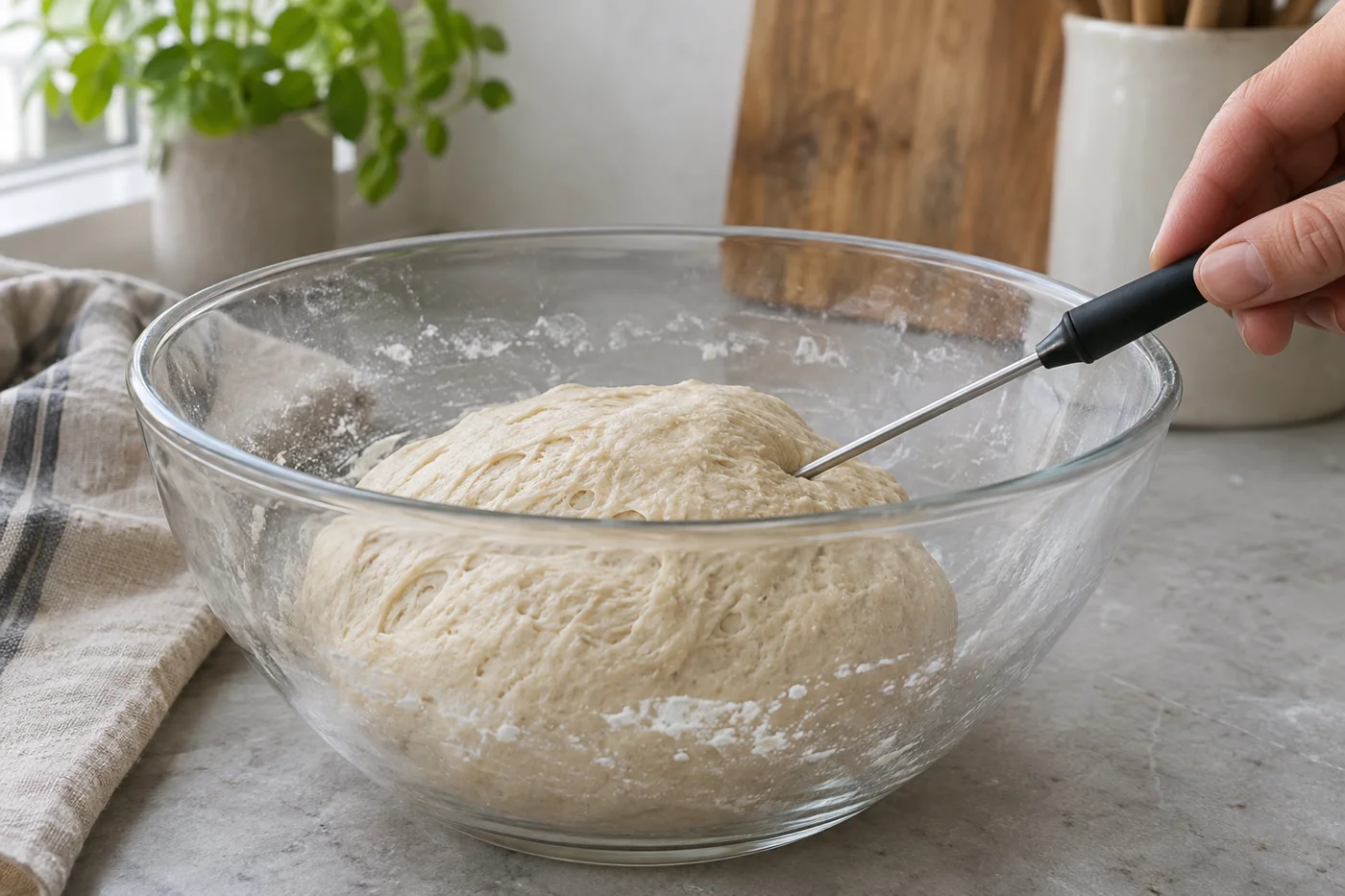
Very hot liquid can damage yeast, while very cold liquid slows fermentation. The target depends on instant versus active dry yeast and the intended dough temperature. Follow the recipe and yeast manufacturer's guidelines rather than assuming all bread needs hot water. A thermometer offers more reliability than the feeling of warmth on a finger.
Cause five: underproofing
An underproofed loaf may enter the oven with insufficient fermentation and bake tight or burst unevenly. The dough may not have expanded enough or may resist a gentle poke test, depending on style. Time alone isn't reliable because a cool kitchen slows microbial activity. Use rise, feel and temperature cues specific to the recipe.

Cause six: overproofing
Dough fermented too long can lose strength and collapse after shaping or entering the oven. A deflated loaf may have uneven large tunnels and compressed areas rather than uniform light crumb. Overproofing can be mistaken for weak yeast if you only see the final flat loaf. Record whether the dough had already risen dramatically before baking.
The temperature of the room
A dough resting in a cool kitchen and one in a warm cupboard follow different fermentation rates. A recipe's one-hour instruction is usually an estimate unless a controlled temperature is specified. Use a suitable dough container with marked starting height to observe expansion. Avoid proofing directly on hot appliances that may overheat butter-rich dough or harm yeast.
Cause seven: shaping and pan selection
A loaf that is shaped too loosely or placed in a pan much larger than intended may spread rather than rise high. Tight but gentle shaping creates surface tension in appropriate wheat breads. A small pan can overfill and alter baking. Use the specified vessel and learn the shaping method for sandwich bread, boule or baguette rather than assuming all dough needs the same fold.
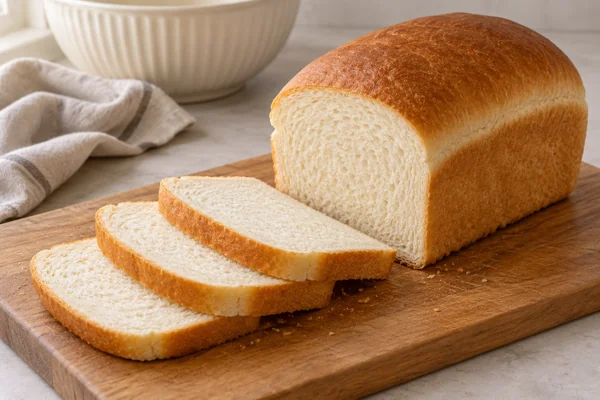
Use the pan size specified for Classic White Sandwich Bread when comparing the shaped height.
Tension without tearing
Shaping is not about squeezing every bubble out. A controlled roll or fold can organize dough while preserving gas. Too much force can tear gluten and create uneven crumb. Too little tension allows a boule to flatten. The correct method depends on hydration and style. Practice with one familiar recipe before handling very wet artisan dough.
The impact of salt
Salt contributes flavor and influences gluten and fermentation. Omitting it can cause unusually rapid fermentation and weak flavor; adding much too much may inhibit yeast. Weigh salt accurately and use the recipe's mixing sequence. Don't compensate for dense bread by leaving salt out entirely; that creates a different imbalance.
Fat and sugar in enriched dough
Butter, eggs and sugar make brioche and sweet rolls tender and flavorful but alter fermentation and structure. Enriched dough may rise differently from lean baguette dough. A loaf containing a great deal of butter won't necessarily match the airy open holes of lean sourdough. Choose the correct recipe and allow the intended mixing and proofing schedule.
Follow the enriched-dough rise cues in Brioche Sandwich Loaf before deciding it needs more yeast.

Whole wheat requires a tailored approach
Bran and germ affect water absorption and interrupt the gluten network. A whole-grain loaf may need a hydration rest and careful fermentation. Simply replacing white flour with an equal weight of whole wheat can create a tight result. Use a dedicated whole wheat recipe or a published partial substitution rather than adding an arbitrary extra yeast packet.
Compare Classic Whole Wheat Bread with a previous whole wheat loaf of the same size.
Rye is structurally different
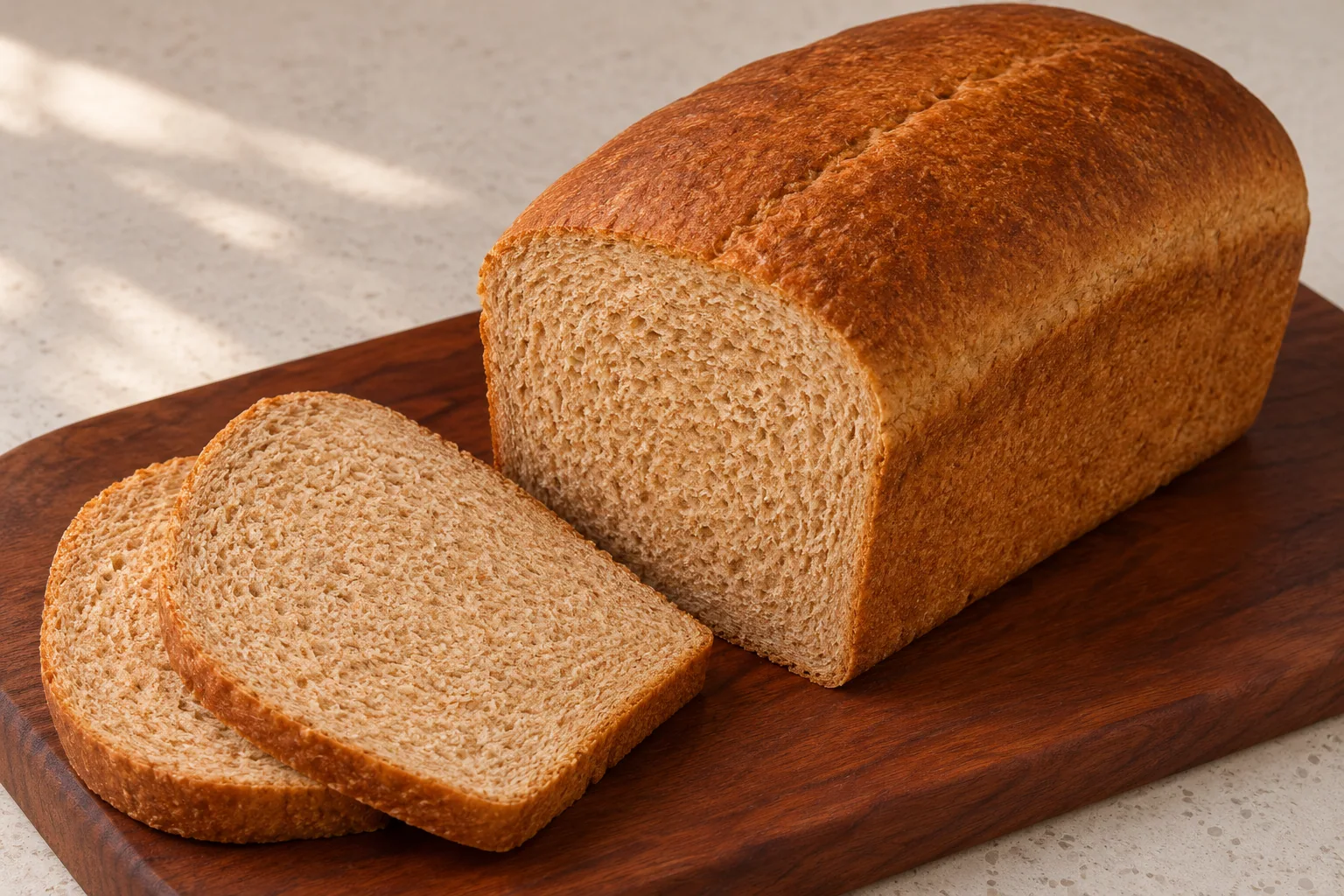
Rye-rich breads rely substantially on starches and pentosans rather than developing an elastic wheat-style gluten network. A sticky paste-like rye dough may be completely normal. The bread can be intentionally dense and slice well after an extended cooling period. Don't knead rye dough indefinitely to seek a wheat windowpane that isn't appropriate to its formulation.
Oven spring and heat
Bread expands initially in the oven as gases warm and steam forms before the crust sets. A poorly preheated oven can change this sequence, while an overly hot oven may set or burn the crust prematurely. The correct oven temperature and steam method depend on the style. A baking stone or Dutch oven isn't required for every sandwich loaf.
With Baguette, compare the scored surface and cooled crumb when judging oven spring.

Underbaking versus dense crumb
A loaf with a wet gummy center may not have baked sufficiently, even if the crust appears brown. A fully baked but heavy bread has a different structure. Use the recipe's doneness cues and appropriate internal temperature guidance when supplied. Cutting while extremely hot can compress an otherwise good crumb and falsely suggest underbaking.
Cooling completes the loaf
Fresh bread continues setting as it cools and moisture redistributes. Many loaves need a substantial rest before clean slicing, and some whole-grain or rye breads require longer. A sharp serrated knife helps prevent crushing. Don't assume the loaf is dense because it tore apart when cut immediately after leaving the oven.
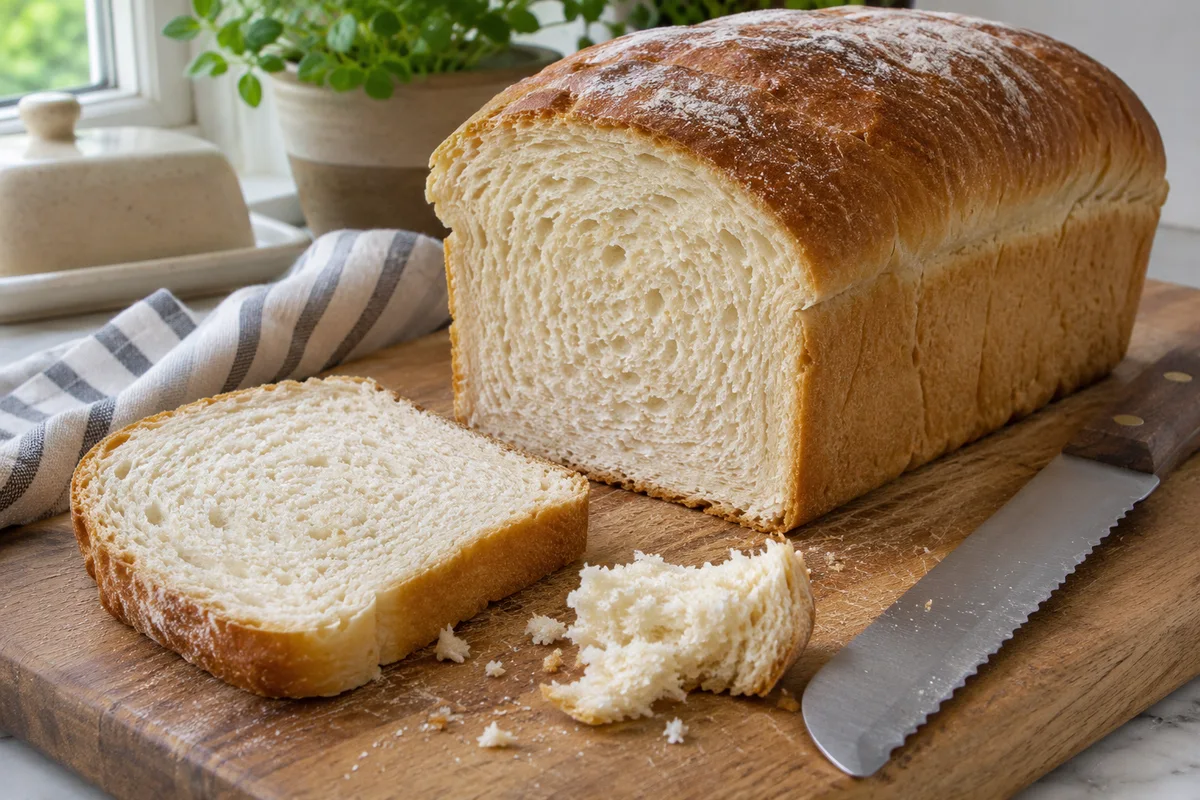
A seven-question diagnostic
Was the flour weighed correctly? Did the dough contain the intended water? Was gluten developed appropriately? Was the leavener active? Did it rise sufficiently? Did it overproof and collapse? Was it shaped and baked in the correct vessel? Answering these questions in order narrows the cause before any ingredient changes.
A test loaf strategy
Bake a familiar recipe with measured ingredients, a recorded dough temperature and marked rise levels. Note mixing endpoint, first fermentation and final proof. Cut only after cooling. If the result remains dense, change one variable based on the observed stage of failure. This produces more learning than switching flour, yeast and pan at once.
IN PICTURES
From the baking notebook
FROM THE RECIPE BOX


