
On this page
A slice can feel firm the morning after baking even if its wrapping has kept it moist. Before changing the recipe, compare what happened to the crust with what happened to the centre.
What happens to starch in the oven
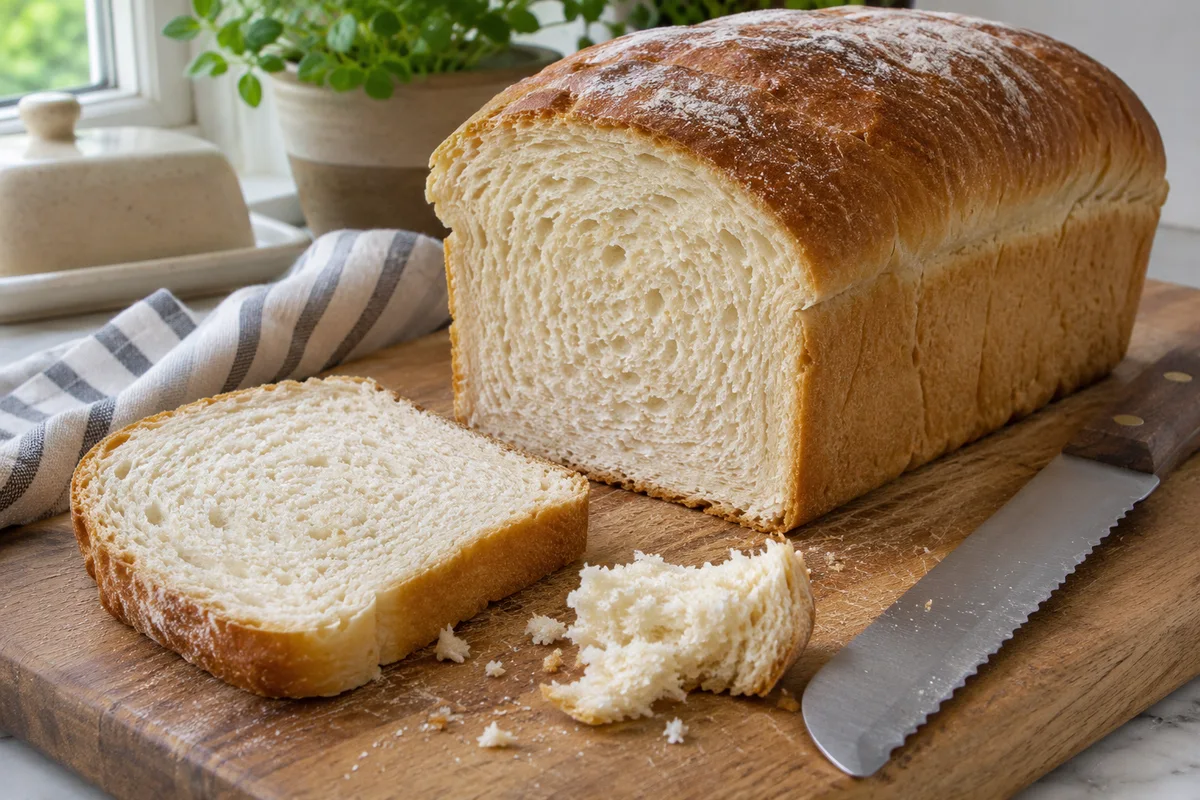
Wheat flour contains starch granules that absorb water and change structure as they heat. During gelatinization, those granules swell and some starch molecules become more mobile, helping the baked crumb set. The exact process depends on water, heat and the formula. The soft interior of fresh bread contains gelatinized starch alongside a network of proteins and other components.
What retrogradation means
As baked goods cool and sit, starch molecules begin reassociating into more ordered arrangements. Amylose reassociation can occur relatively early, while amylopectin changes are important in bread firming over subsequent days. This rearrangement affects the texture even if moisture remains trapped in the bag. That is why a sealed loaf may taste stale without feeling obviously dehydrated.
Why bread goes firm
Starch changes, moisture redistribution and other interactions combine to firm a bread crumb. The result may be an elastic loaf that becomes crumbly or resistant under a knife. Lean wheat bread is especially familiar as an example, but enriched breads and cakes also change with time. The actual rate depends on formulation, temperature and storage conditions.
Try comparing equally thick slices of Classic White Sandwich Bread at the same temperature.
Refrigeration can accelerate staling
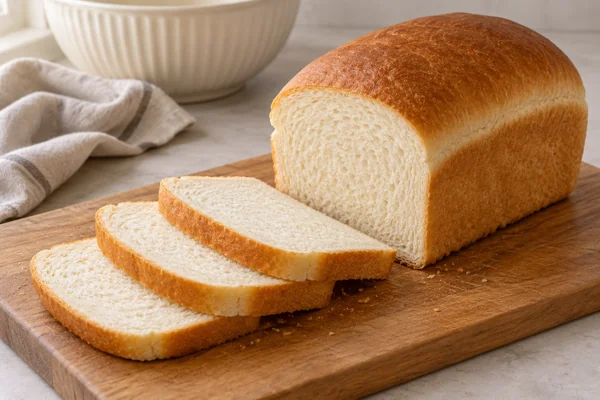
At ordinary refrigerator temperatures, bread starch retrogradation can occur rapidly compared with storage at suitable room temperature. This is why refrigerating a plain loaf often makes it feel stale sooner even when protected from drying. Refrigeration is still necessary for bread products containing perishable fillings or toppings. Texture advice must never override food safety.
Freezing behaves differently
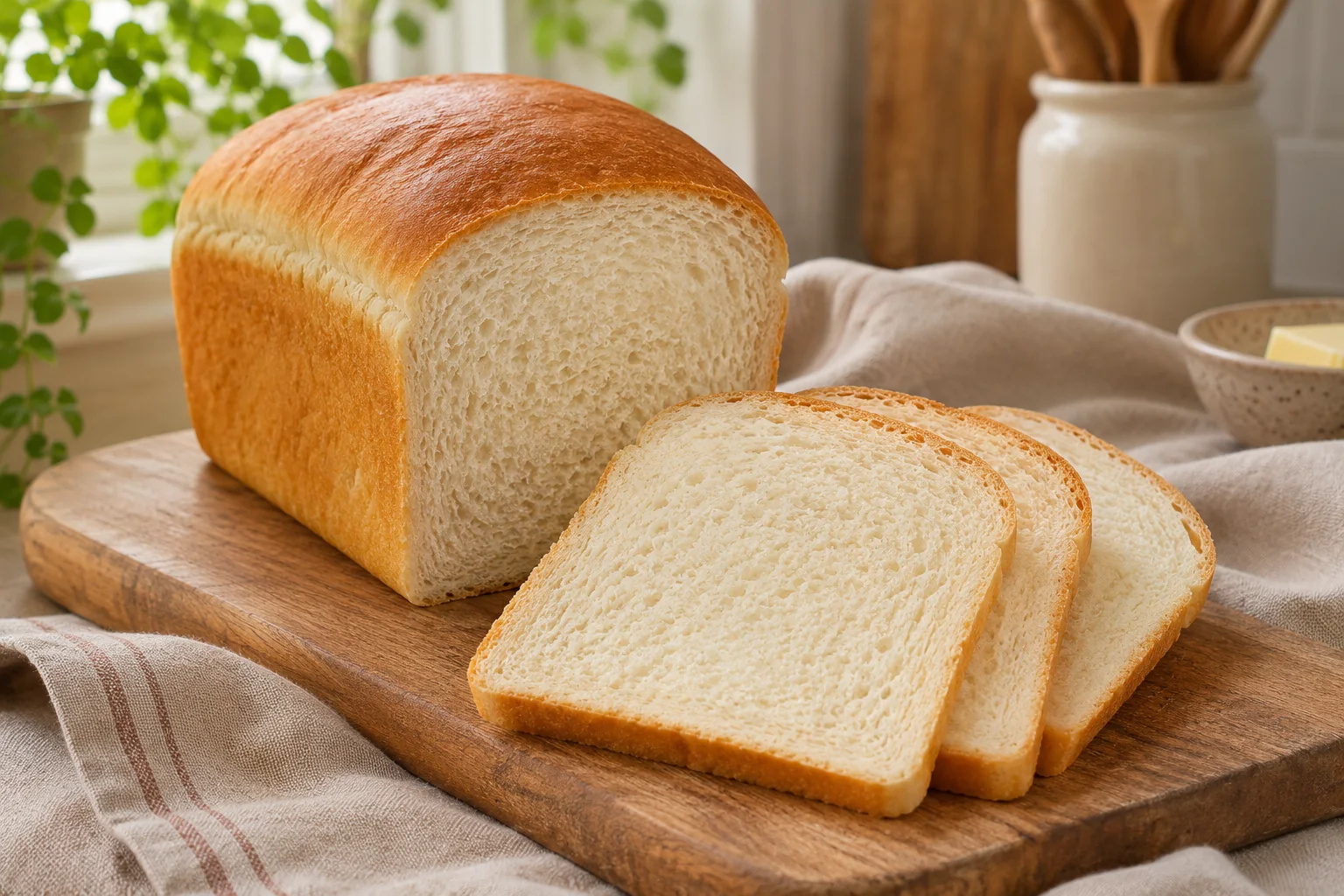
Freezer temperatures greatly slow many staling processes, so properly wrapped bread can preserve quality longer than bread kept for several days in the refrigerator. Freeze fresh portions after full cooling and appropriate wrapping rather than waiting until they are already stale. Thaw and reheat according to the bread style, noting that quality still changes with prolonged frozen storage.
Why reheating softens bread temporarily
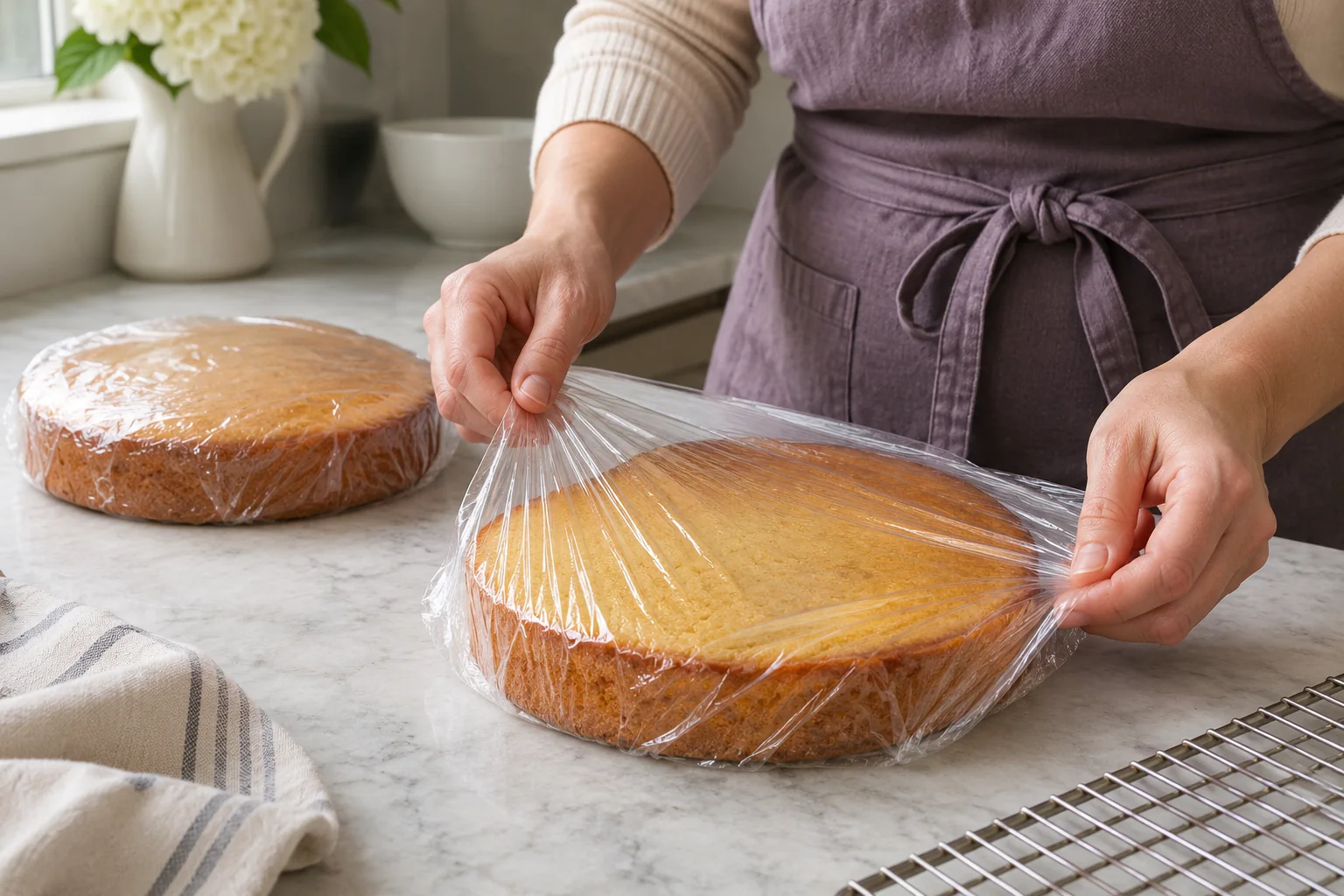
Heat can disrupt some of the ordered starch structures that formed during staling, making bread feel softer again. Toasting also changes crust moisture, creating a different texture. This improvement is often temporary; bread can firm again as it cools. Reheating cannot restore lost water perfectly or make moldy bread safe.
Moisture loss is a separate issue
An uncovered baguette can dry out as moisture escapes into the air. This process compounds retrogradation but isn't identical to it. Wrapped bread may retain more water while still firming from starch changes. The right storage method therefore needs both moisture protection and temperature planning. A wet surface isn't proof the internal crumb is fresh.
Crust and crumb age differently
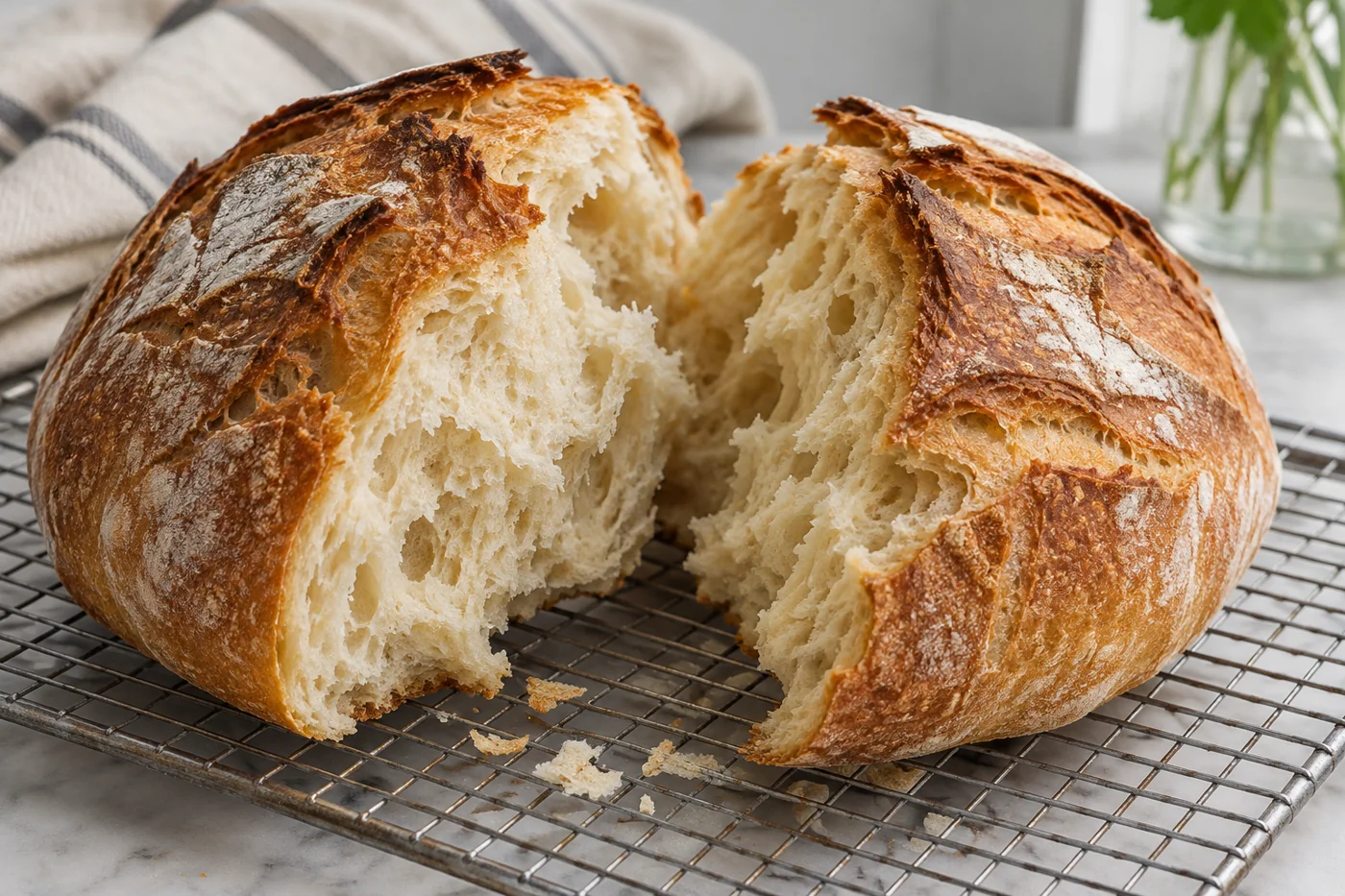
A crusty loaf has a low-moisture exterior and a softer interior. Over time, moisture can migrate outward, softening the originally crisp crust even while the crumb becomes firmer. A bag preserves moisture but may make the crust leathery. Reheating suitable bread can refresh the contrast temporarily, although repeated heating may dry the loaf.
With Baguette, test the crust and centre separately after storage.

Why commercial bread stays soft longer
Commercial formulations may use fats, emulsifiers, enzymes, sugars or other ingredients that influence crumb softness and staling. The exact mechanisms differ by product, and softness doesn't guarantee equal freshness or quality. A homemade lean sourdough and a packaged sandwich loaf have different intended textures and shelf-life systems. Compare like with like rather than judging a crusty boule by packaged white bread standards.
Fat can slow perceived firming
Butter, oil and other fats influence how tender baked products feel and can interfere with some starch-related changes. This helps explain why brioche may remain pleasant longer than lean bread under comparable storage. The result also depends on eggs, sugar and moisture. Adding a large amount of butter to a lean recipe isn't a simple shelf-life solution because it changes the dough's structure and fermentation.
Compare one of the Brioche Buns with a lean loaf to see how enrichment changes the feel of the crumb.

Sugar changes water behavior
Sugar influences moisture retention and starch gelatinization, helping many cakes retain a tender eating texture. A high-sugar cake and a lean baguette age differently. But extra sugar can alter browning and rise, so it shouldn't be added solely to fight staling without redesigning the formula. The intended product determines the correct balance.
Bread flour and starch behavior
Flour protein strength influences gluten development, while starch composition and milling affect hydration and gelatinization. The relationship between flour choice and staling is complex. A high-protein bread flour doesn't make a loaf immune to crumb firming. Kneading and fermentation still shape the starting crumb, so diagnose those if bread is dense on the day it's baked.
Whole grain and seeds
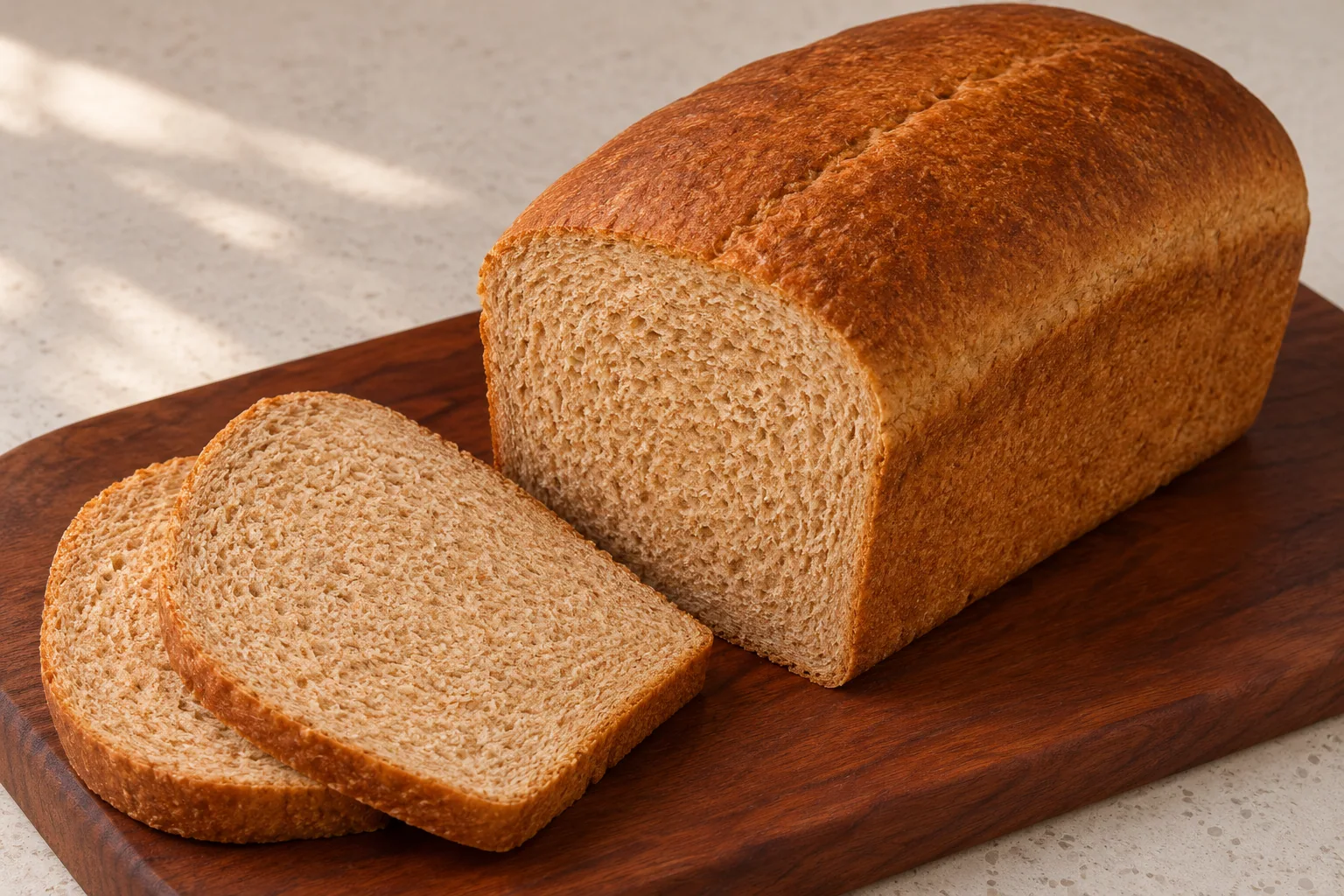
Whole grain bread contains bran, germ and different fiber contributions that affect moisture and texture. Seeds can also absorb or release water, depending on preparation. A whole wheat loaf may feel hearty immediately and firm differently from refined white bread. Choose storage suitable for the formula and avoid assuming all firmness after several days is a mixing error.
Use two slices from the same loaf of Classic Whole Wheat Bread when testing a storage method.
Sourdough and acidity
Sourdough fermentation introduces acids and microbial byproducts that can influence flavor and how bread ages. Some well-made sourdough loaves retain appealing texture longer under particular conditions, but sourdough isn't immune to starch retrogradation. A loaf with a crunchy crust will change in storage. Fermentation alone doesn't guarantee that bread stays fresh for a week.
Give Sourdough Country Loaf time to cool before judging its original crumb.

Cake staling
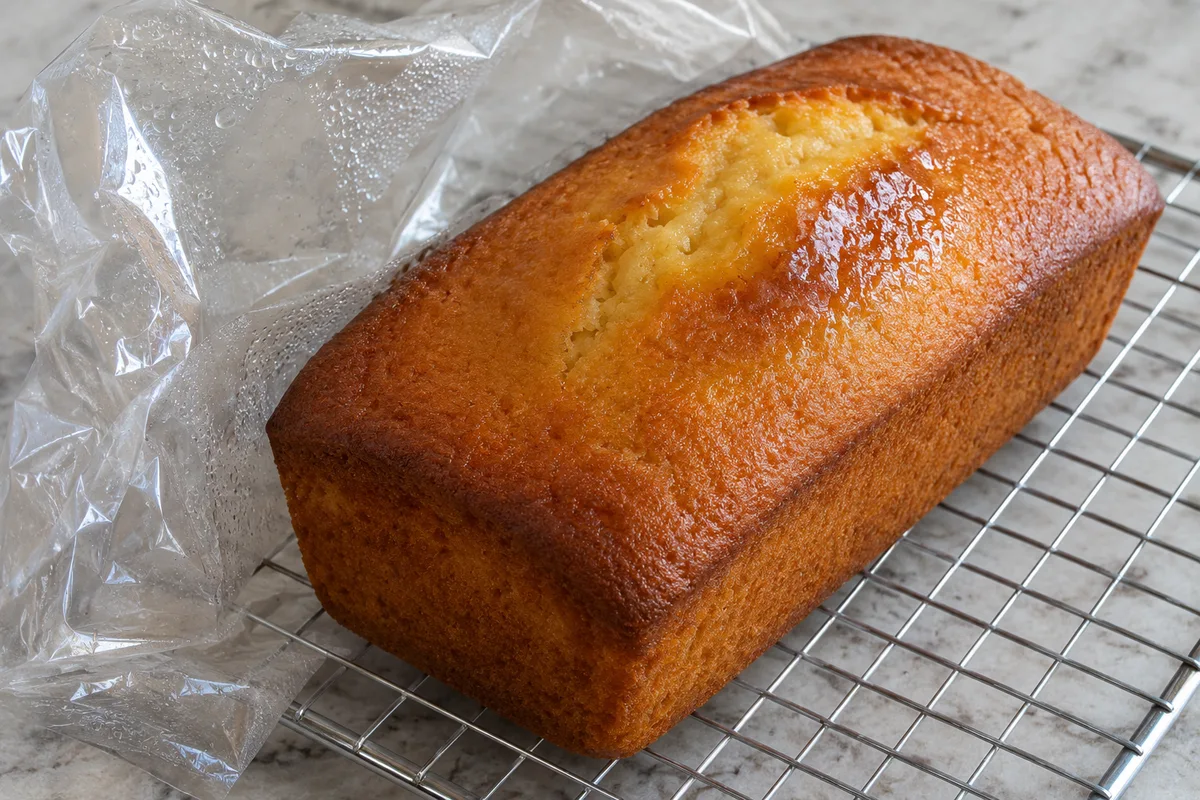
Butter cake, sponge and pound cake can all become firmer during storage as starch changes and moisture moves. Refrigeration may make butter cakes feel particularly dense because butter also solidifies. A perishable cake with cream or fresh fruit still requires cold holding. For suitable plain cakes, freezing individual layers or slices can preserve quality until decoration or serving.
A thin slice of Pound Cake Bundt lets you compare the firming of a butter cake with bread.

Cookies behave differently
Low-moisture crisp cookies and soft chewy cookies have different aging problems. Crisp ones may absorb humidity and lose snap, while soft ones may dry or become firmer. Starch retrogradation can play a part in some formulations but is not the only cause. Store crisp and soft cookies separately and cool completely before packaging.

What stale looks like in practice
A fresh bread crumb may compress and spring back pleasantly, while an older one feels hard or crumbles when sliced. If the exterior is wet or sticky, moisture redistribution may be involved. A gummy band near the bottom on baking day suggests underbaking rather than ordinary staling. Age, storage and the original crumb structure should be considered together.

The danger of confusing spoilage with staling
Staling is a quality change; spoilage and microbial contamination are food-safety issues. Moldy bread must be discarded rather than toasted, scraped or baked into breadcrumbs. Off odors, abnormal growth and unsafe filling storage also require caution. A stale but safely handled plain loaf might be repurposed, while spoiled bread is not suitable for cooking.
Best storage for plain sandwich bread
For bread expected to be eaten promptly, a suitable room-temperature container or bag can help manage moisture. Keep it cool, dry and away from direct sunlight. Freeze portions not expected to be used soon. If the bread contains perishable fillings, refrigeration requirements change. Choose packaging that suits the desired soft crust rather than exposing slices to air.
Best storage for crusty bread
A crusty boule may keep its exterior texture better in breathable packaging for short periods, though the interior can lose moisture. Freeze leftover portions for longer storage. A fully airtight bag can soften the crust, while open storage may dry it. There is a trade-off between crisp exterior and protected crumb; prioritize how soon it will be eaten.
A reliable freezer method
Cool the loaf fully, portion if useful and wrap tightly in freezer-suitable materials. Label the date and bread type. For a sliced sandwich loaf, freeze slices so you can take out only what you need. A large unsliced loaf can also be frozen, but it may require a longer thaw and different refresh method.
How to refresh bread
For an appropriate plain loaf, warming or toasting under tested guidance can improve texture for a short period. Some crusty breads benefit from a brief oven refresh, whereas soft sliced bread may toast better. Avoid trying to refresh cream-filled or perishable breads with the same method. Never rely on heat to make moldy or improperly stored food safe.
A simple home observation
Bake or purchase a fresh plain bread loaf and divide suitable portions between appropriate room-temperature storage, refrigeration for an illustrative comparison, and freezing. Compare texture after a day or two while following food safety. You'll often notice refrigeration firmness despite moisture protection. This shows why dryness and staleness are distinct ideas.
Slice the cooled loaf once. Wrap two matching slices separately and freeze one immediately. The next day, thaw the frozen slice in its wrapping. Compare both at room temperature before toasting either one.
IN PICTURES
From the baking notebook
FROM THE RECIPE BOX


