
On this page
Pull a piece of bread dough and it may stretch into a film. Tug on cold pie dough and a clean break can be exactly what you want. Water, mixing and time help wheat proteins build a network. How far to develop that network depends on what the finished bake should feel like.
What gluten means in wheat dough
Wheat flour contains proteins, especially glutenin and gliadin, that interact when hydrated and worked to create a viscoelastic gluten network. Gluten isn't a dry additive that suddenly appears in a bag of flour only after kneading; the proteins are already there. Mixing water into flour lets them organize and interact. The network can stretch and hold gas, contributing to the shape and chew of bread.
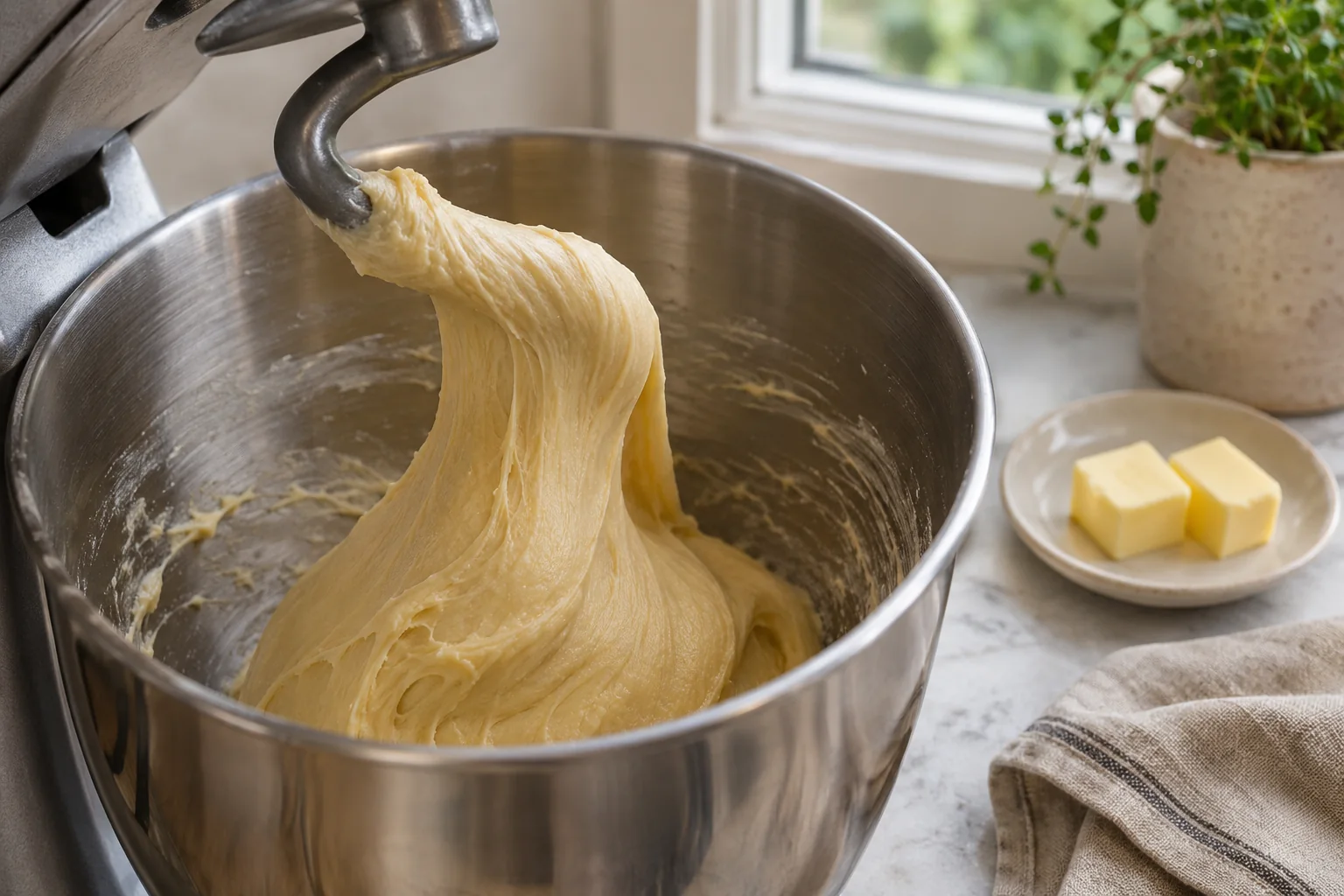
Water begins the process
Flour proteins need water to move and form an interconnected structure. A very dry dough develops differently from a highly hydrated one, even using the same flour. Resting allows water to distribute and can improve dough cohesion before vigorous kneading. Too much water for a particular flour may leave weak, spreading dough. Hydration must match the style and flour rather than a single ideal percentage.
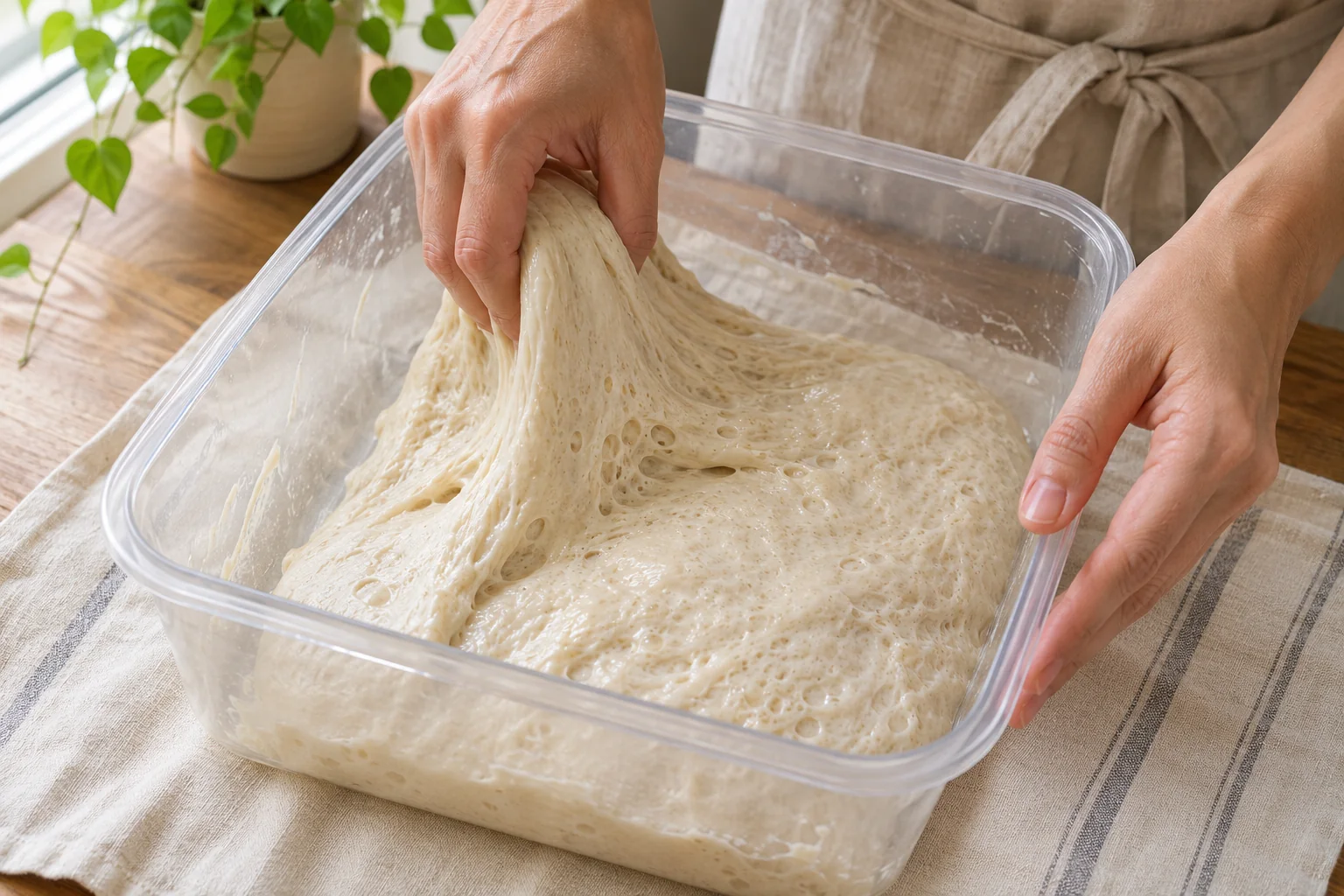
What kneading changes
Kneading repeatedly stretches and folds dough, encouraging gluten connections to align and strengthening the elastic network. A sandwich loaf often needs enough development to rise evenly and slice without crumbling. Excessively intensive machine mixing can eventually damage dough structure or overheat it. Stop at the recipe's intended endpoint rather than assuming more kneading always makes better bread.
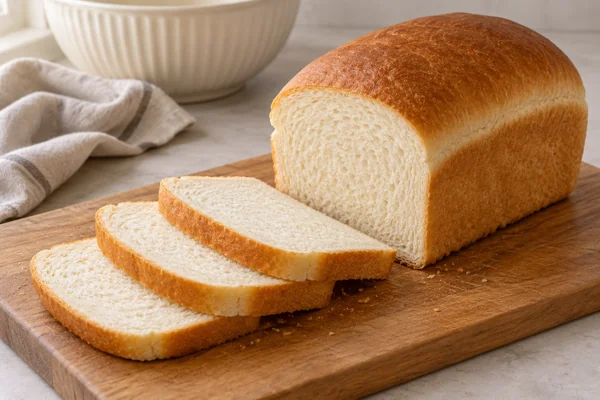
Watch the dough change during the kneading stage of Classic White Sandwich Bread.
Stretch-and-fold development
Many high-hydration artisan breads use periodic folds during bulk fermentation instead of long continuous kneading. These organize gluten while rests allow relaxation and fermentation to continue. The technique is particularly useful for sticky doughs, but it is not mandatory for every bread. A stiff bagel dough may require a different development method from a wet focaccia.
Follow the handling and fermentation cues in Sourdough Country Loaf when working with a wetter dough.

The windowpane test
Stretch a small piece of dough gently until it forms a thin translucent film if the formula supports that test. This suggests useful gluten development in many white wheat breads. Coarse whole wheat dough may tear sooner because bran disrupts the network, even when sufficiently mixed. A windowpane isn't a universal pass-or-fail standard for rye, cakes or gluten-free batters.
Why bread flour can help bread
Bread flour generally contains more protein than many all-purpose or cake flours, supporting stronger gluten development in suitable recipes. The actual percentage varies by brand and region. More protein isn't always better: a very chewy strong flour may be unsuitable for delicate sponge cake. Choose flour strength for the intended structure rather than buying the highest protein package available.
All-purpose flour as a middle ground
All-purpose flour can produce good cookies, muffins, pie crust and many breads when a recipe is designed around it. It offers moderate gluten potential and familiarity. The protein content varies between brands and markets, so a Canadian all-purpose flour may behave differently from a lower-protein product elsewhere. Use the recipe's weight and adjust only through trusted guidance.

Why cake flour gives tenderness
Cake flour usually has lower protein and a finer milling profile than bread flour, sometimes with processing that changes starch behavior. This helps delicate cake batters set into a fine tender crumb without too much chew. But cake texture also depends on sugar, eggs, fat and mixing. Simply replacing bread flour with cake flour in a yeast loaf can reduce strength and create another problem.
Use the flour and mixing order in Classic Vanilla Layer Cake when aiming for a fine cake crumb.

Cookie gluten varies by desired texture
A chewy cookie may use enough gluten and moisture to create some bite, while tender shortbread relies on a high fat ratio and gentle mixing. Overmixing after flour is added can toughen certain cookies, but formula matters more than a universal number of strokes. Brown sugar, fat and baking time also affect softness and chew, so not every chewy cookie is chewy because of gluten.

Why muffins are mixed gently
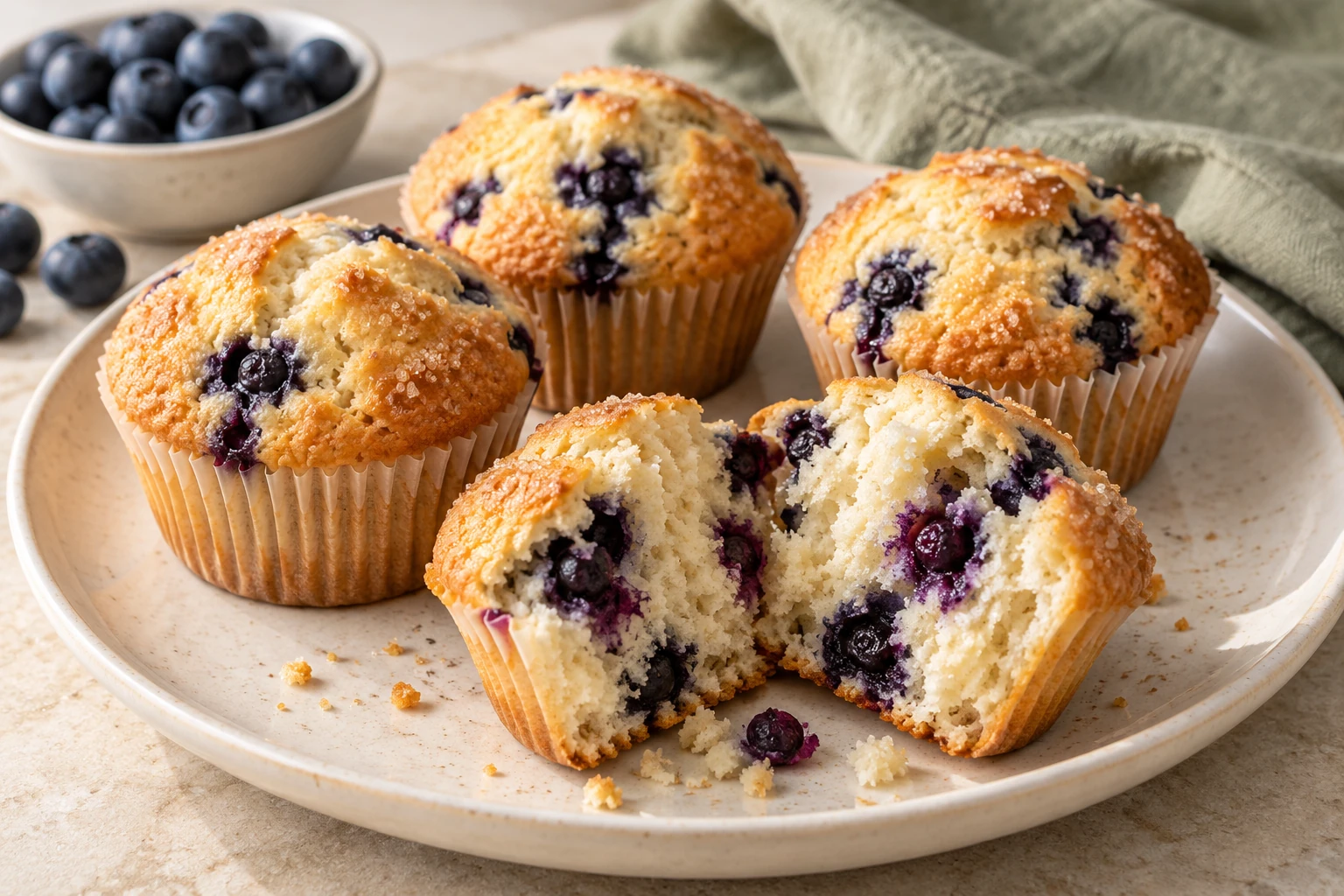
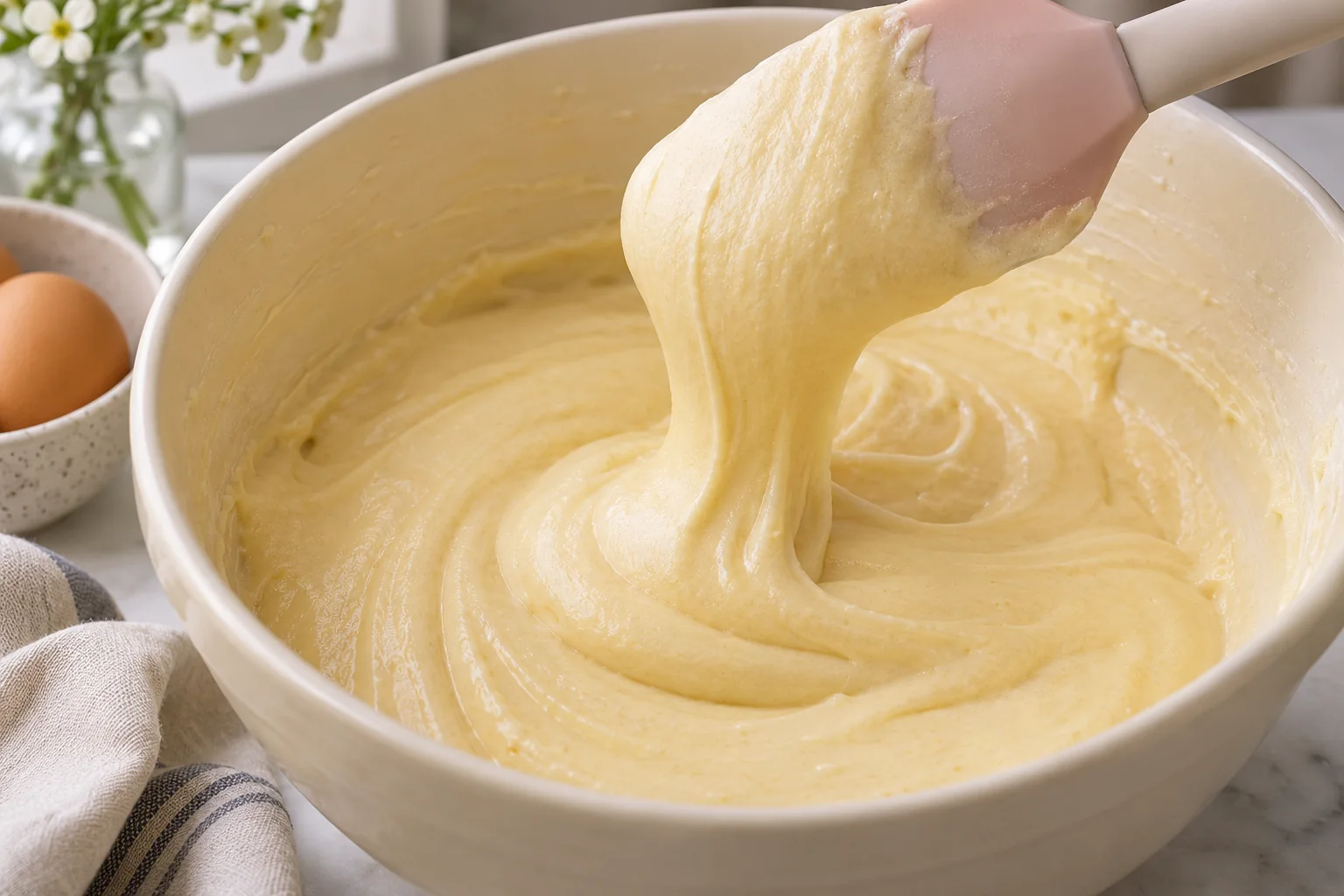
Muffin recipes often instruct bakers to combine wet and dry ingredients just until no large dry pockets remain. Overmixing can develop gluten and contribute to toughness or elongated tunnels. A few small lumps may be acceptable in the specific method. Don't beat muffin batter until glossy simply because bread dough benefits from kneading; the target structure is different.
Stop folding Blueberry Muffins when the dry streaks disappear to avoid working the batter unnecessarily.
Pie crust and gluten restraint
Pie dough needs enough water to hold together but not so much handling that the crust becomes tough. Fat interrupts gluten development and creates flaky layers. A rest helps gluten relax before rolling, reducing shrinkage. If the dough springs back, more force may not help; chilling or resting according to the recipe is often more effective.
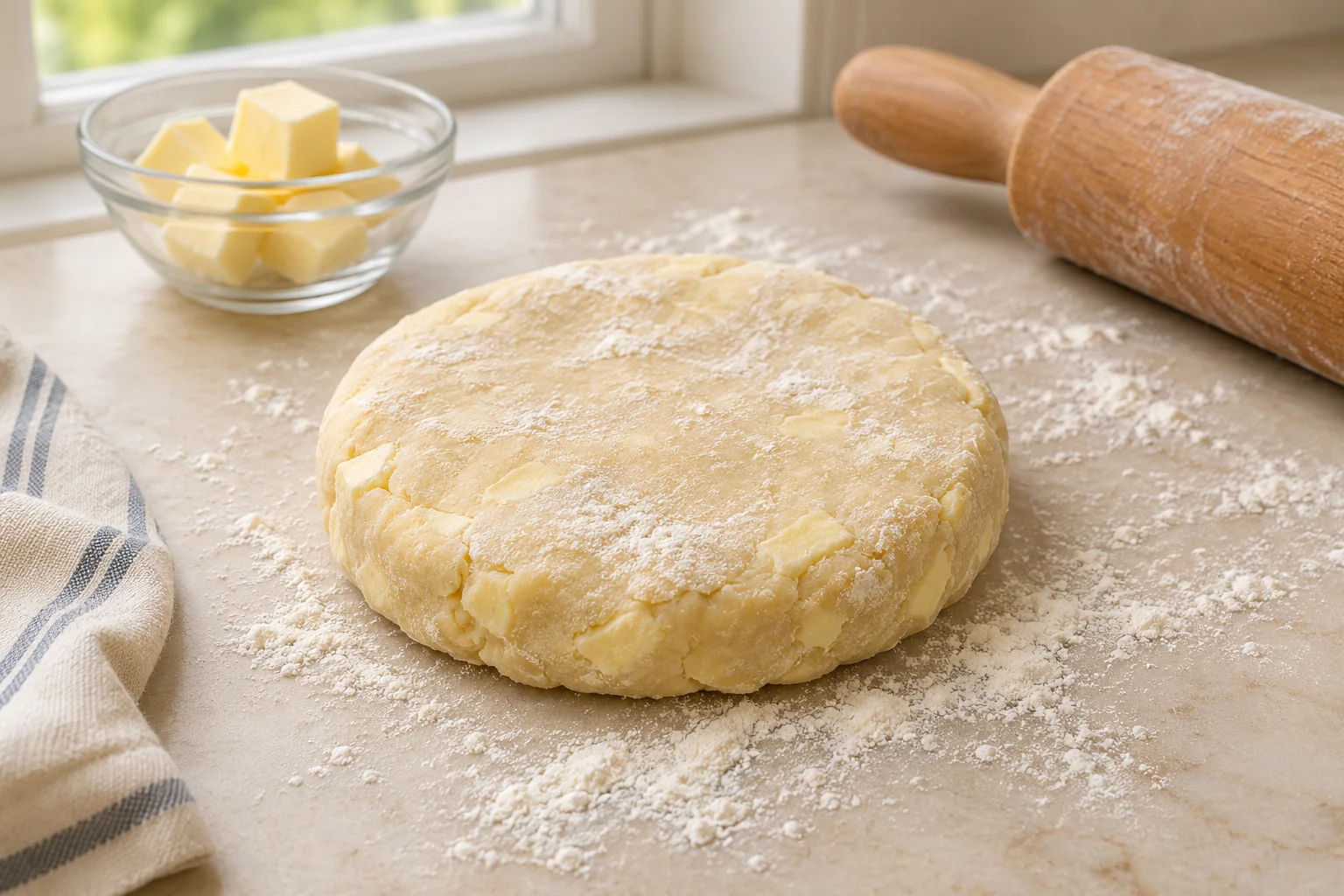
Puff pastry needs both strength and relaxation
Laminated pastry must be strong enough to enclose butter sheets through repeated rolling, yet extensible enough that folds don't tear. Gluten develops as dough is mixed and rolled, and rests reduce tension. Overly strong resistant dough can shrink, while weak dough may rupture and leak butter. The ideal balance differs from a soft cake or firm bagel dough.
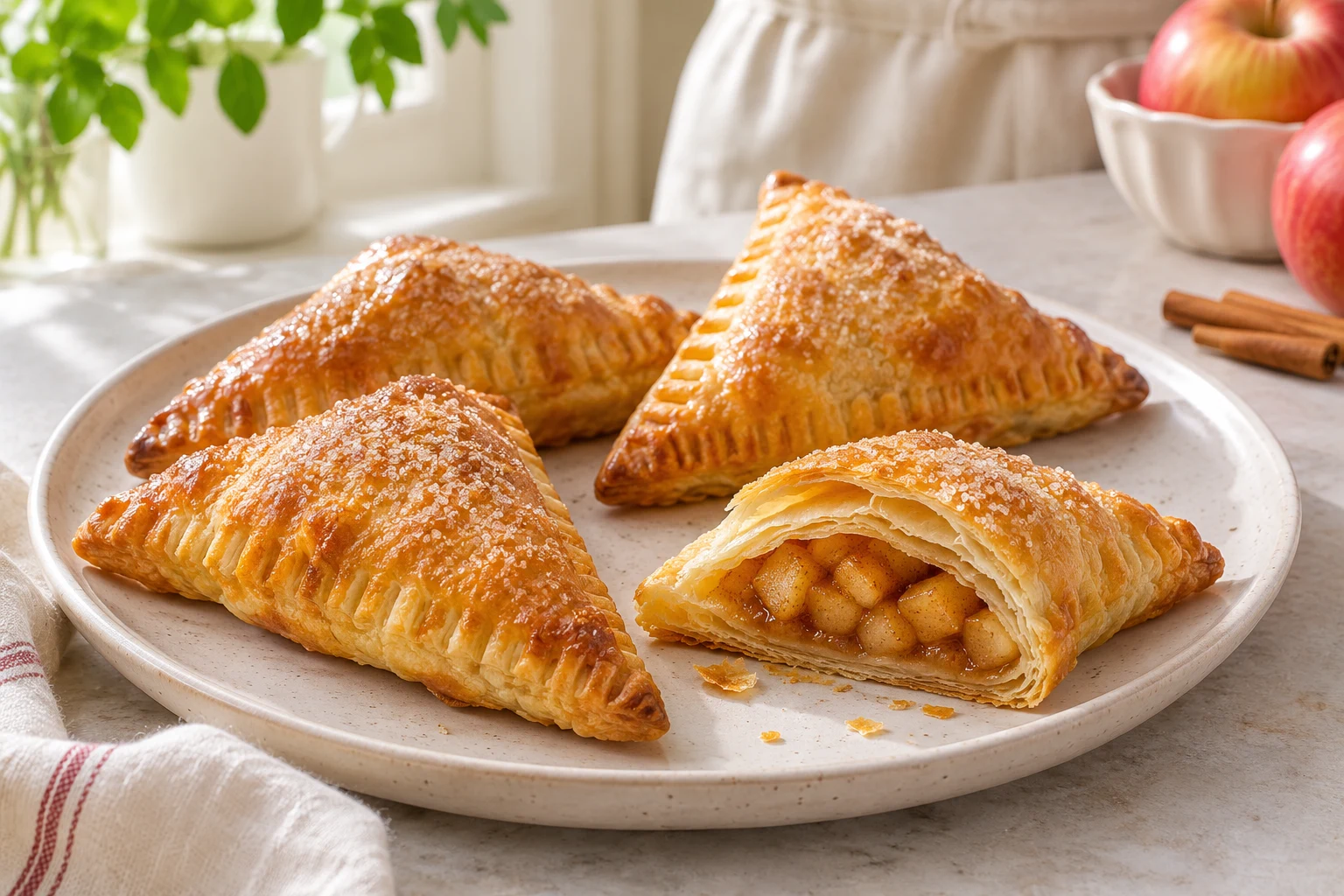
For Apple Turnovers, keep the pastry cool and let it relax if it resists rolling.
Whole wheat bran changes structure
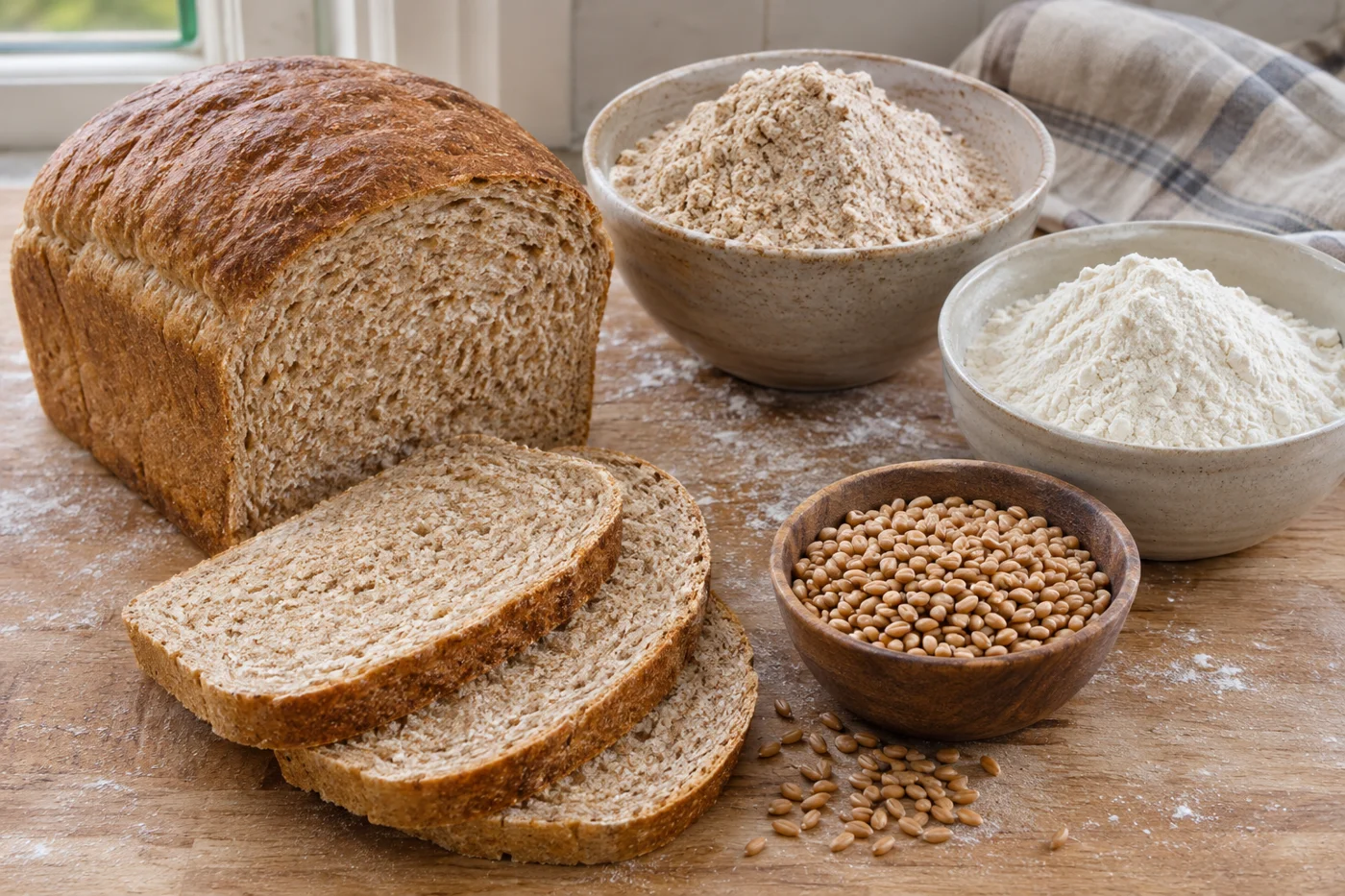
Whole wheat flour includes bran and germ, absorbing water differently and interfering with a continuous gluten network. A 100% whole wheat loaf may require additional hydration and tailored mixing compared with a white loaf. Some whole-grain bread remains intentionally dense and flavorful rather than having an enormous open crumb. More kneading alone does not eliminate the structural effect of bran.
Rye isn't wheat dough
Rye flour contains different proteins and polysaccharides that influence texture and water binding. A rye-rich dough may look like a sticky paste rather than an elastic wheat dough; forcing it through an ordinary wheat windowpane test is misleading. Use dedicated rye bread formulas with suitable fermentation and baking techniques. Its structural system cannot be judged by how far a strand stretches.
What gluten does during fermentation
Yeast and sourdough microbes generate gas, but gluten helps trap it in a network of bubbles. Insufficient strength can cause dough to spread despite vigorous fermentation. Overfermentation may weaken an initially strong dough. When a loaf collapses, check fermentation, temperature and shaping as well as kneading before deciding the flour is to blame.
Why overworking cake is different
Cake batter usually seeks a fine tender crumb rather than a highly elastic network. Some cake methods minimize gluten development by combining flour with fat early, as in reverse creaming. Others alternate wet and dry ingredients after initial butter creaming to avoid excessive mixing. A cake can be dense from underaeration or incorrect leavening too, so gluten isn't the only explanation.
What gluten-free really means
Gluten-free baking does not involve simply removing wheat flour from a conventional recipe and using any single starch in its place. Successful formulas may use blends of rice flour, sorghum, tapioca, starches and binders such as psyllium or xanthan gum. People with celiac disease require careful avoidance of gluten cross-contact. Wheat-based sourdough is not gluten-free just because it undergoes long fermentation.
Compare the structure-building method in Gluten-Free Sandwich Bread before applying wheat-dough tests to a gluten-free loaf.

Gluten and health context
For people with medically diagnosed celiac disease or certain gluten-related conditions, gluten avoidance has important health implications. For others, gluten is a normal structural component of many baked foods. Do not imply a gluten-free cookie is intrinsically healthier than a wheat cookie; nutrition depends on the whole formulation. Dietary advice should be individualized when there is a medical concern.
A three-dough observation
Mix a bread dough, a muffin batter and a flaky pie crust using their own tested formulas. Notice how the bread becomes elastic, the muffin remains soft and thick, and the pie dough is gathered with minimal kneading. Each has a different gluten target. Comparing their handling teaches more than assuming all flour-based mixtures should become smooth balls.
IN PICTURES
From the baking notebook
FROM THE RECIPE BOX


