
On this page
Choose a tray that fits on the table beside the books. Put hummus in a low bowl, leave a dry corner for crackers, and tuck grapes and two-bite cookies into separate spaces. If the snacks are travelling, carry the dip chilled in a lidded pot and assemble the tray on arrival.
Start with the meeting format
A ninety-minute evening discussion needs less food than a Sunday gathering that replaces lunch. Check the number of guests, whether drinks will be served and whether anyone has allergies or dietary restrictions. If people arrive after dinner, two small savory choices and one sweet bite may be enough. If the meeting starts at noon, include something more substantial such as small sandwiches or a bean-based dip with bread.
Choose three reliable categories
Build a quick menu around one savory bite, one sweet item and one fresh or crisp element. Cheese and crackers, mini brownies and grapes offer contrast without multiple cooking projects. A bowl of hummus, cucumber slices and an already-baked loaf gives a different balance. The categories keep a last-minute snack table from becoming five variations of cookies or a plate of nothing but salty chips.
What to do when you have thirty minutes
Set out a clean tray, preheat only if one item needs baking, and begin with anything requiring chilling. Slice sturdy vegetables and arrange crackers close to serving so they don't soften. A tested quick scone or puff-pastry twist may fit the time if the ingredients and oven are ready. Otherwise, finish one homemade spread or dip and supplement with fresh fruit and bakery bread.
Ten-minute savory option: crackers and cheese
Arrange two contrasting cheeses with plain crackers and a few slices of apple or cucumber. A mild creamy cheese and a firmer aged variety offer texture without requiring a complicated board. Keep cut dairy chilled until near service and provide a separate cheese knife. If a guest avoids dairy, set out a clearly identified hummus-and-cracker option on a separate dish.
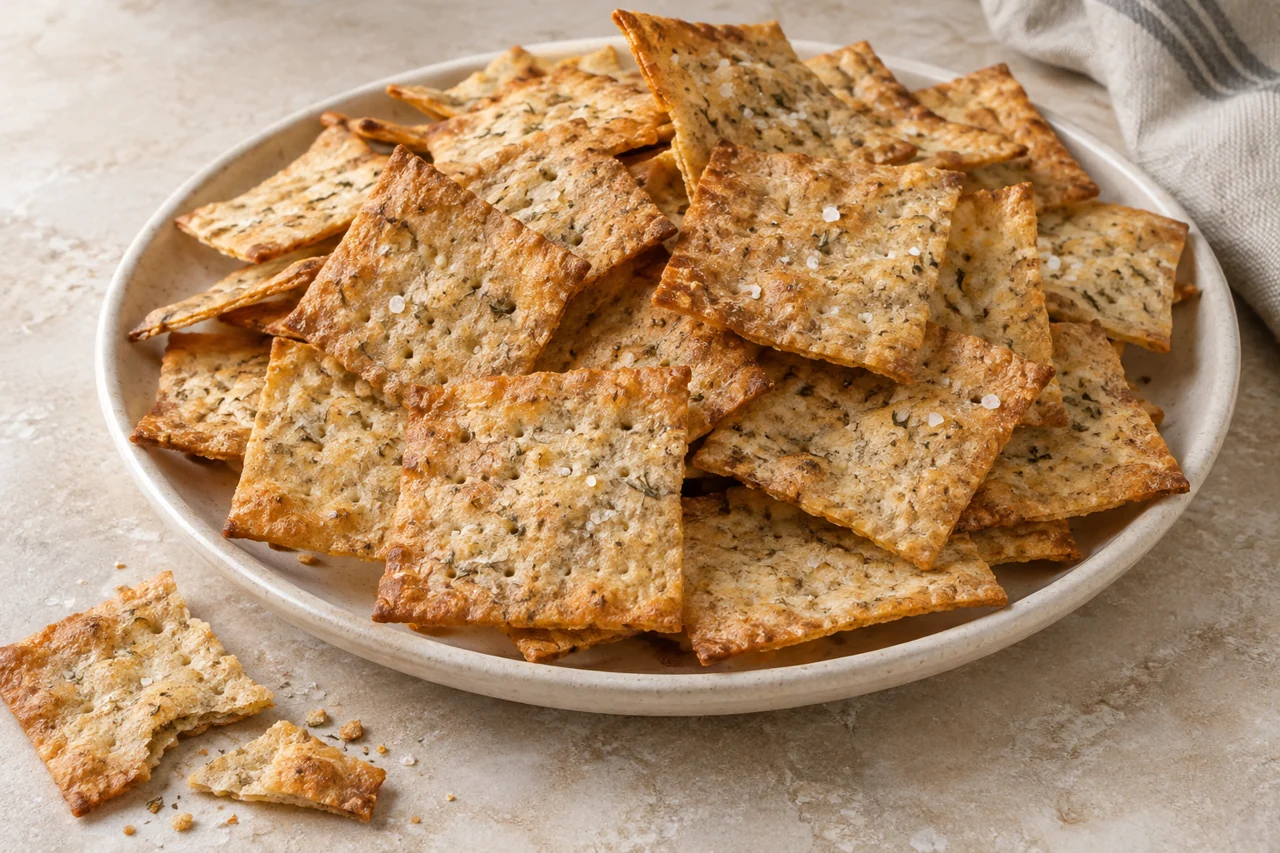
If you made Sourdough Crackers earlier in the week, put them straight into a wide bowl beside the cheese.
Ten-minute savory option: hummus plate
Spoon prepared hummus into a clean bowl, add a little olive oil or herbs if suitable, and surround it with carrots, cucumber, peppers and sturdy crackers. The presentation looks intentional even when the dip was purchased. Use separate utensils to limit cross-contact and keep perishable prepared dips cold. Don't let crackers sit in wet vegetables for an hour before guests arrive.
Spoon Classic Homemade Hummus into a shallow bowl and set out vegetable sticks just before people arrive.

A quick toast bite
Toast baguette slices and top them close to serving with ricotta, roasted tomatoes or a ready-made olive tapenade, following food-safety and allergen needs. Warm bread provides a homemade touch, but juicy toppings can make it soggy. Keep components separate until assembly and prepare only what can be served promptly. This is better for a short gathering than an overloaded open sandwich that requires a knife and fork.
Cut Avocado Toast into narrow fingers and assemble just before serving to keep the bread crisp.

Mini sandwiches for a hungry group
Cut small sandwiches into manageable fingers using sturdy bread and a filling that won't run down guests' hands. Cream cheese with cucumber, egg salad or a bean spread can work with appropriate refrigeration. Avoid packing very wet tomatoes directly against bread for long periods. Count two or three fingers per person as a starting point, adjusted for whether a full meal or other substantial snacks are offered.
Cut thin slices of Classic White Sandwich Bread into small sandwiches and keep the fillings modest so they stay together.
The fastest sweet option
A batch of bakery brownies cut into bite-size squares can feel more book-club-friendly than a towering cake. Dust with a little cocoa or arrange on a plate with berries rather than adding a sticky sauce. Check labels for nuts and other allergens if purchased. If you have time to bake, use a recipe with a genuinely short bake and cooling schedule; brownies that need an hour to set cannot be rushed into clean slices.
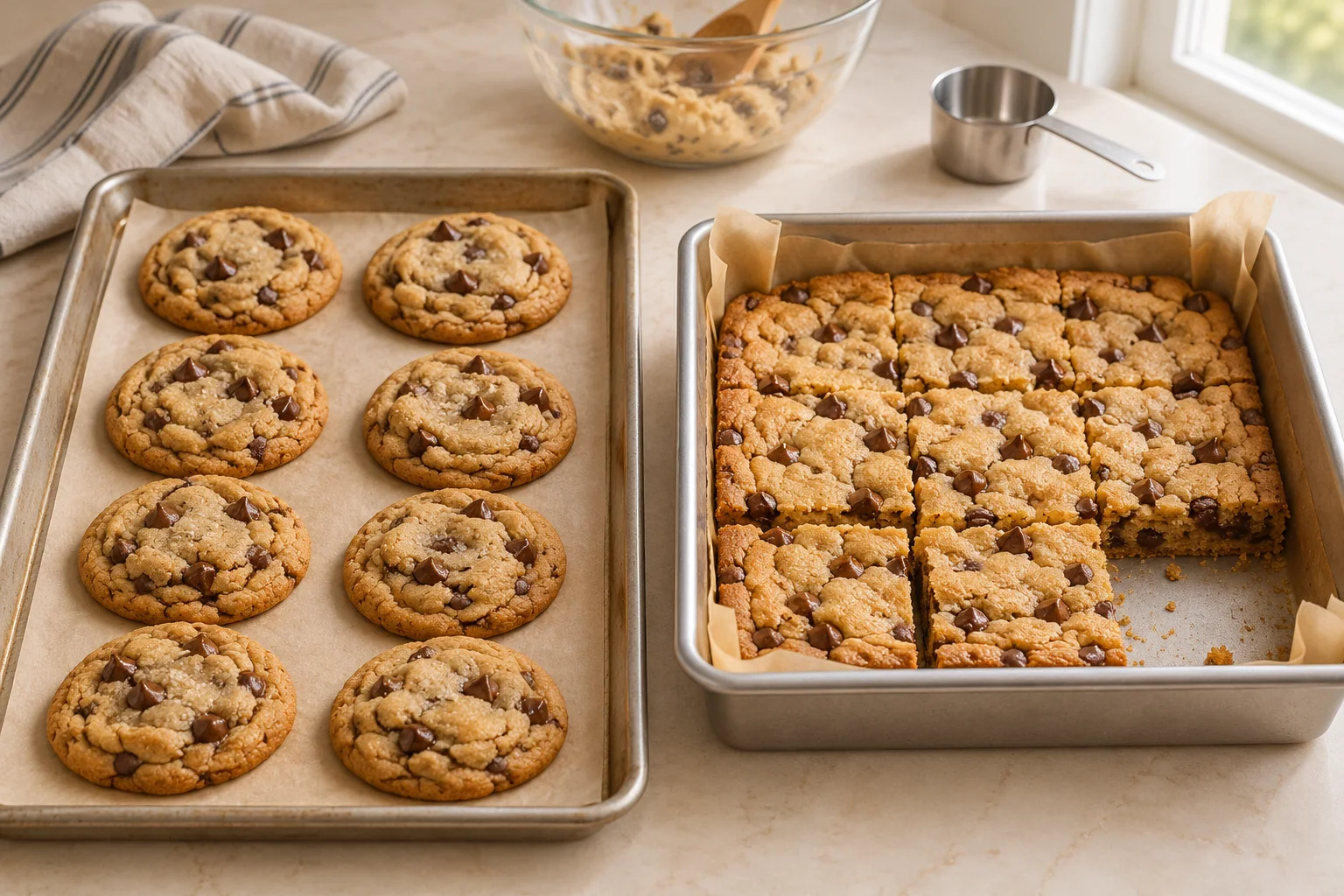
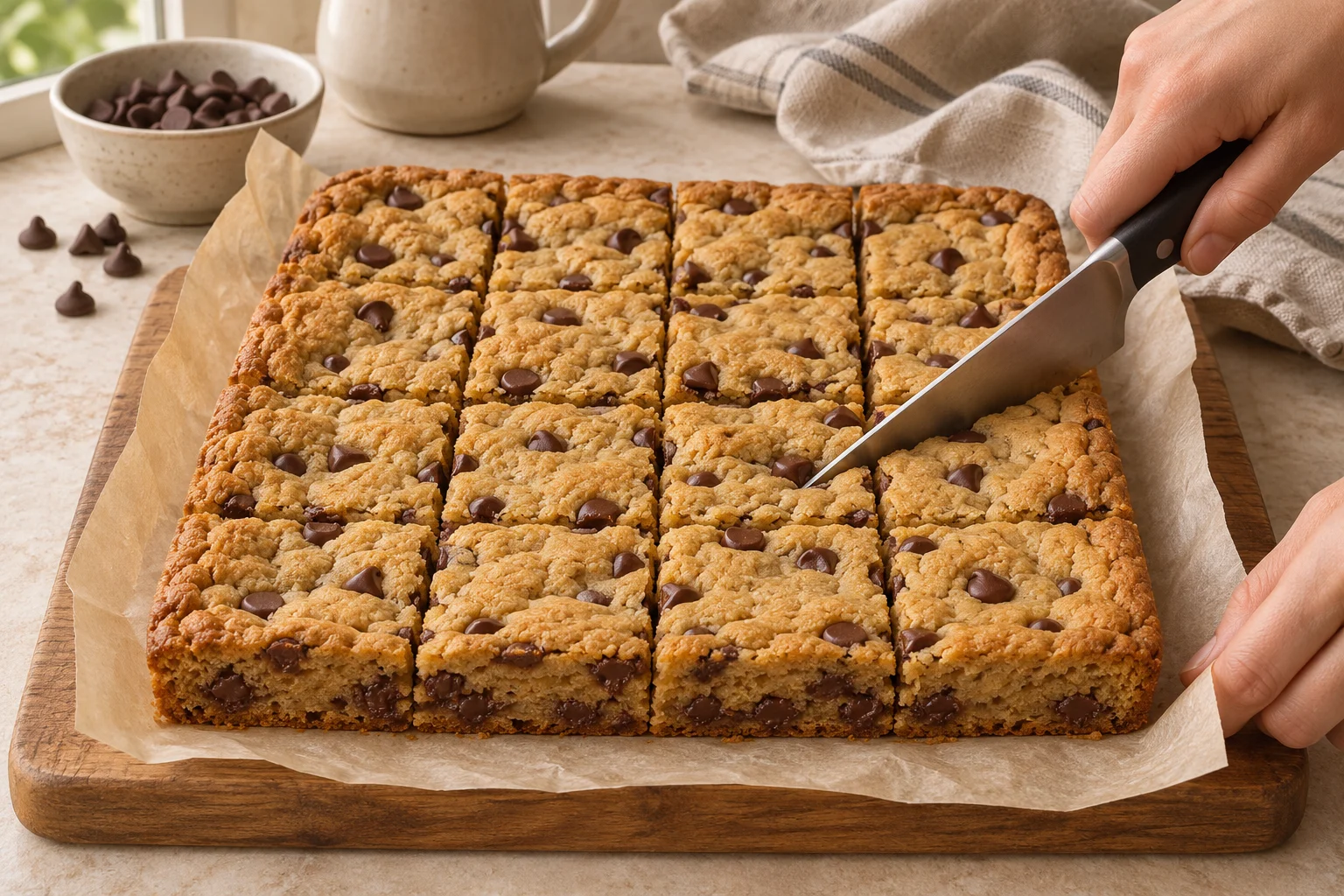
Bake Chocolate Chip Cookie Bars ahead, then cut them into small squares when the tray is cool.
Small cookies are ideal for discussion
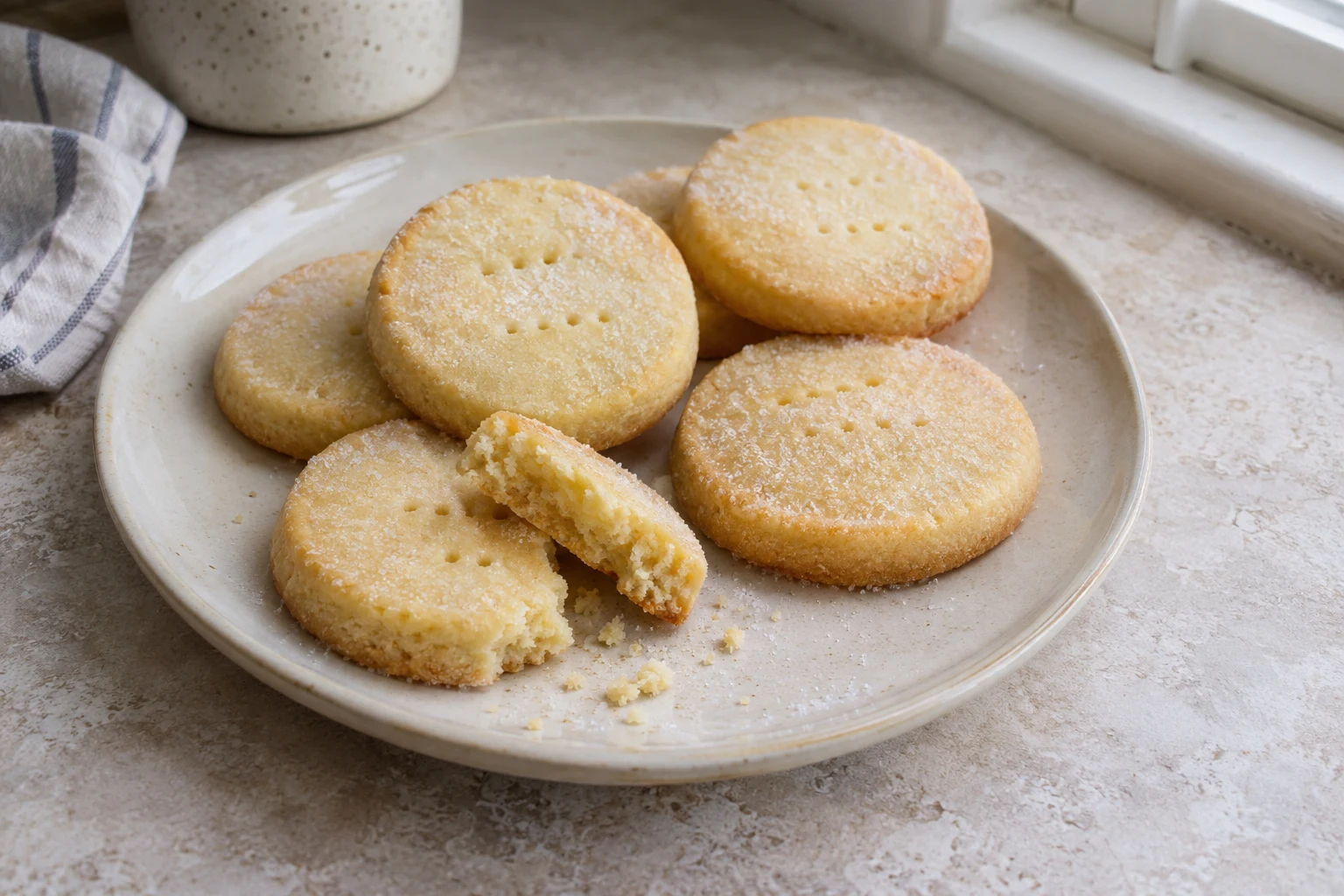
A thin crisp cookie, a modest chocolate chip cookie or a tender shortbread round pairs naturally with tea. Choose sizes that can be eaten in two or three bites. Avoid powdered-sugar-heavy cookies if everyone is handling books, since the dust transfers easily. Store chewy and crisp types separately until serving so the wafers don't absorb moisture.
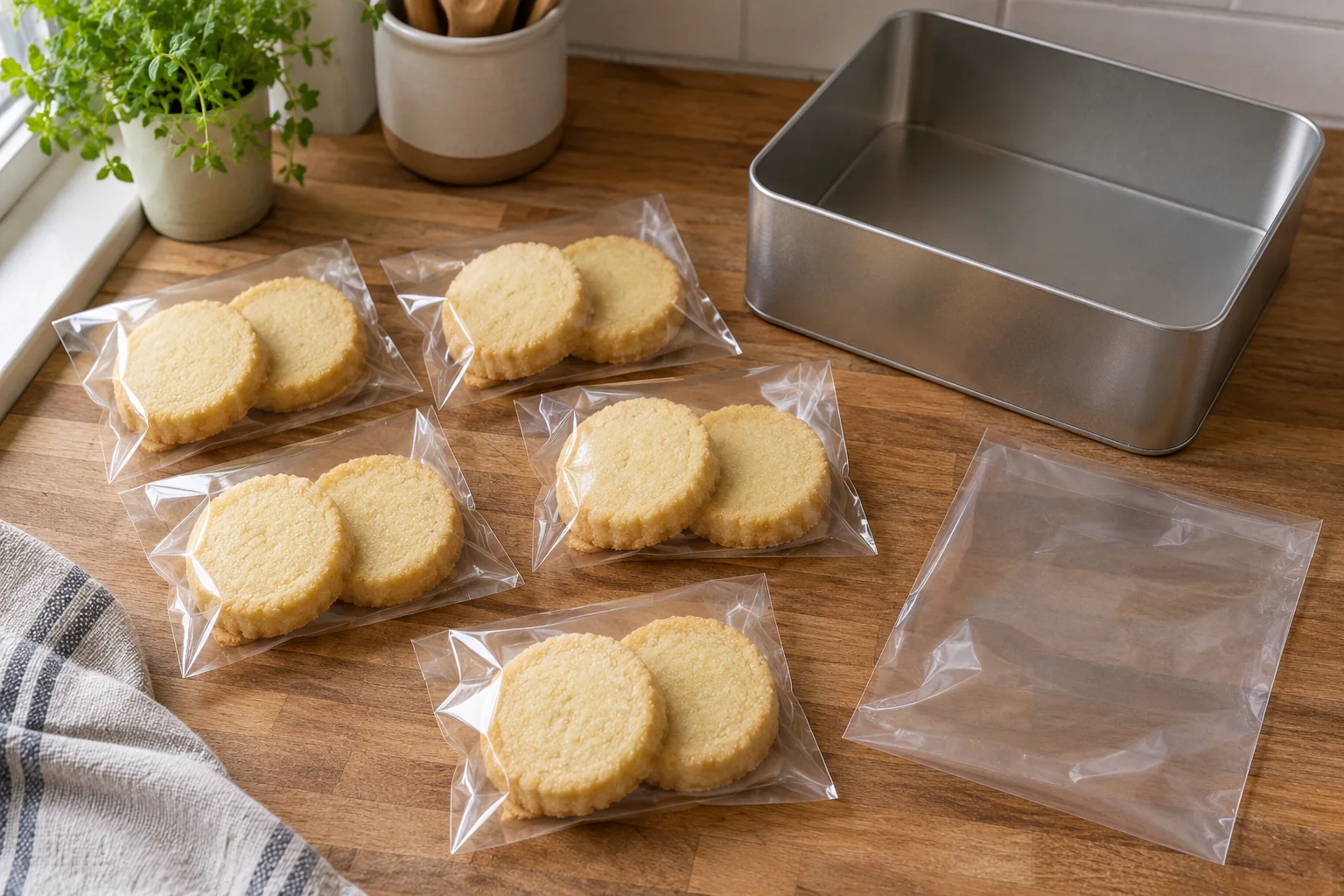
Serve Vegan Shortbread Cookies with small plates to catch the loose crumbs.
Fruit makes the table fresher
Washed strawberries, mandarin segments, seedless grapes prepared appropriately for the age group, or apple slices can balance rich pastries. Cut apples nearer service or use a recipe-approved method to reduce browning. Keep wet fruit in a bowl rather than directly on an absorbent pastry platter. Chilled prepared fruit is particularly welcome when the room will be busy and warm.
A no-bake yogurt dessert
Plain yogurt with a little honey and berries can be attractive in small individual cups, but its dairy content requires refrigeration. Add granola just before serving so it stays crunchy. Keep serving sizes small because guests may be balancing drinks and notebooks. For a dairy-free choice, use a tested plant-based alternative and check labels for nuts or soy.
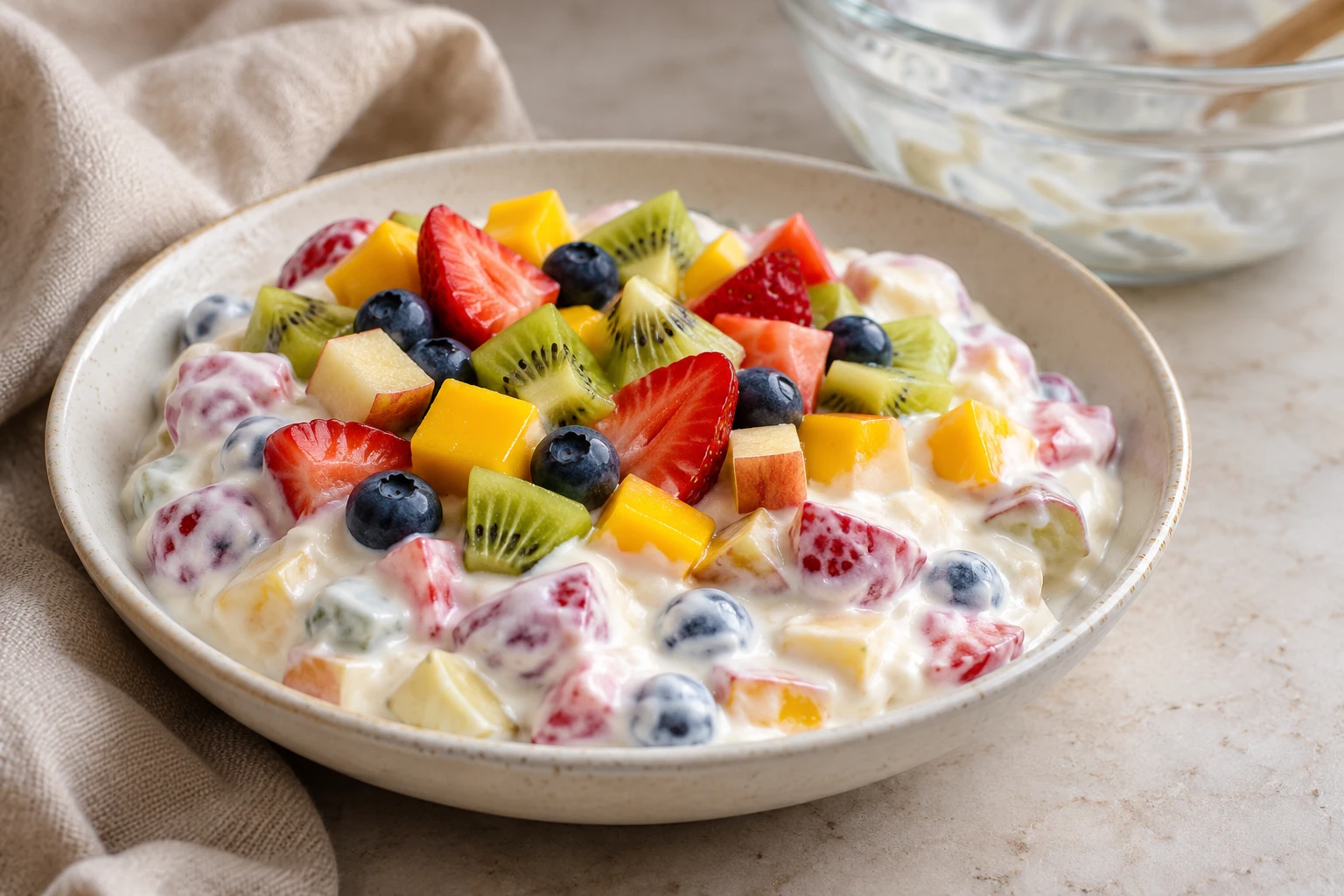
Portion Fruit Yogurt Salad into small chilled cups for a spoonable option.
Use frozen puff pastry strategically
A ready-made puff pastry sheet can become savory cheese twists or cinnamon-sugar bites if it is properly thawed and the recipe's baking time fits your schedule. Do not assume you can thaw a frozen solid sheet, shape it and bake it all within ten minutes. Choose a tested method and prepare the topping while the oven preheats. Cool hot pastries enough to handle safely before arranging them.
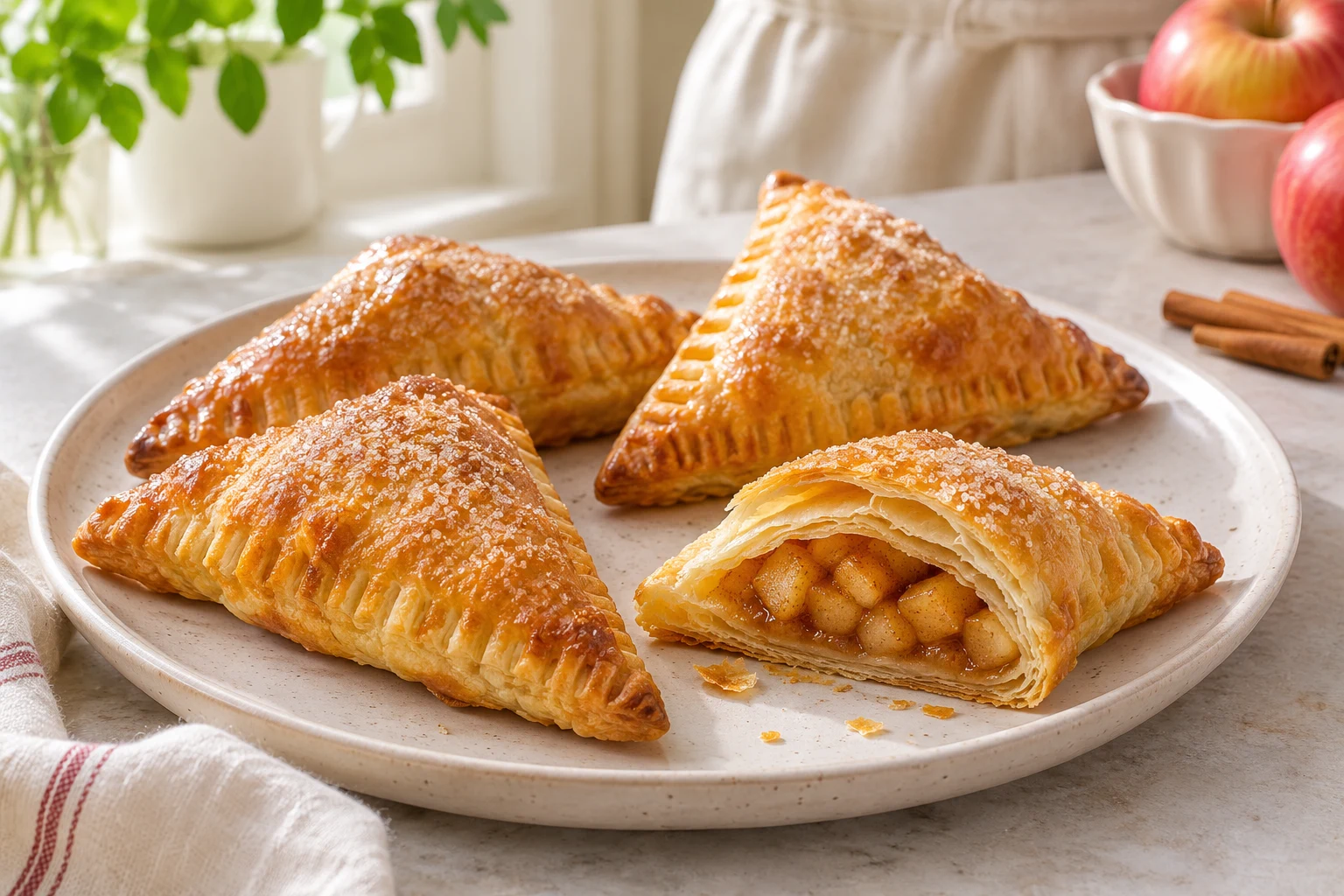
If time allows for baking and cooling, Apple Turnovers can be portioned individually before guests arrive.
What pairs with mystery novels?
For a mystery night, consider a cozy tea selection, dark chocolate bites and a savory rosemary cracker plate. These are atmospheric suggestions, not requirements to build elaborate themed desserts. A restrained menu leaves more room for the story than hand-decorating miniature magnifying-glass cookies. A small handwritten food label referencing the book can carry the theme without extra cooking.
What pairs with a romance or historical novel?
Fruit scones, jam, herbal tea and simple cucumber sandwiches can create a charming afternoon-tea mood. Keep the serving format practical for your actual book club: you can set out the food on everyday plates instead of buying specialty china. If the story inspires a particular regional dessert, a reliable purchased version may be better than attempting an unfamiliar recipe on the day.
What pairs with contemporary fiction?
A casual spread of mini pizzas, seasonal fruit and cookies works well when the group prefers relaxed evenings. Food doesn't need to mirror every plot detail. The practical consideration is whether guests can eat while talking and whether warm items can be served at the right temperature. Choose one memorable detail, such as a book-inspired drink name, and keep the rest simple.
Make the snack table easy to use
Place napkins first, then savory food, sweet food and drinks away from the books. Give dips a small spoon and cheese its own knife. Provide a place for used napkins so the table doesn't become cluttered mid-discussion. Avoid balancing bowls on piles of novels. A clear surface for note-taking may be more valuable than another dish.
Keep drinks separate from pages
Coffee, tea, sparkling water and a simple fruit-based nonalcoholic drink are flexible choices. Use stable cups or mugs and provide coasters. Hot kettles should be kept where guests won't brush against cords. When the group gathers around one low table, it may be safer to keep the beverage station on a nearby counter rather than among books and food.
Food safety in a relaxed gathering
Cheese, yogurt, egg salad and many dips are perishable and need suitable cold storage, generally at or below 4°C (40°F). Replenish small dishes rather than leaving a full tray out for several hours. Cooked hot foods need proper cooking and holding. Avoid claiming food is allergen-free when it was prepared on shared surfaces or served with shared utensils.
How much should you make?
For a group of eight meeting after dinner, a few bite-size pieces per person across three choices may be enough, while a lunchtime club needs a substantial sandwich or another filling element. Count actual portions and include a modest buffer. A menu with crackers, sandwiches, brownies and cookies doesn't require eight servings of every item for eight guests. Consider who is bringing food before shopping.
For a short meeting after dinner, start with a plate you can replenish. For eight readers, cutting a tray into sixteen small squares gives everyone two sweet bites. Keep extra savoury portions chilled until the first plate begins to empty.
An easy make-ahead option
Bake and freeze a batch of suitable cookies or savory biscuits on another day, labeling the date and reheating or thawing according to the recipe. On meeting night, prepare only fruit and drinks. This keeps the gathering relaxed without relying entirely on packaged snacks. A no-bake cream dessert usually has a different storage timeline from plain cookies, so plan accordingly.
Avoid messy favorites
Saucy wings, heavily dusted donuts and overflowing nachos may be delicious but require more handwashing and napkins than most reading groups want. They aren't prohibited; simply serve them at a seated dinner rather than beside treasured books. A tidy bite lets guests focus on conversation. If serving a dipping sauce, use individual portions to reduce accidental spills.
An emergency grocery-store menu
If guests arrive soon, buy one sturdy bread or cracker, one suitable savory spread, a container of washed fruit and a small baked dessert. Arrange everything on your own clean dishes and add water and tea. You still have a balanced thoughtful spread. Spending forty minutes visiting several specialty shops won't necessarily improve the experience.
IN PICTURES
From the baking notebook
FROM THE RECIPE BOX


