On this page
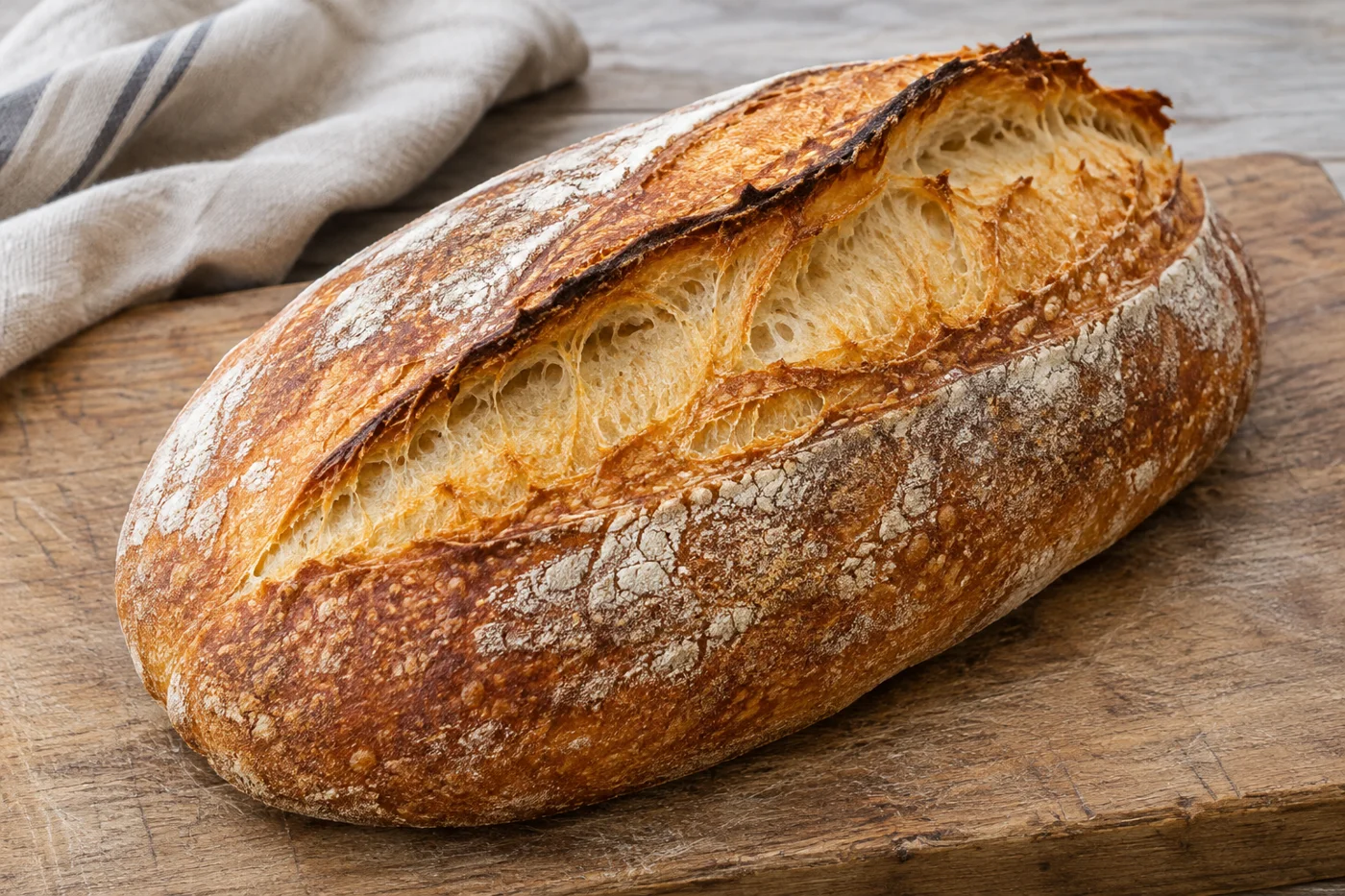
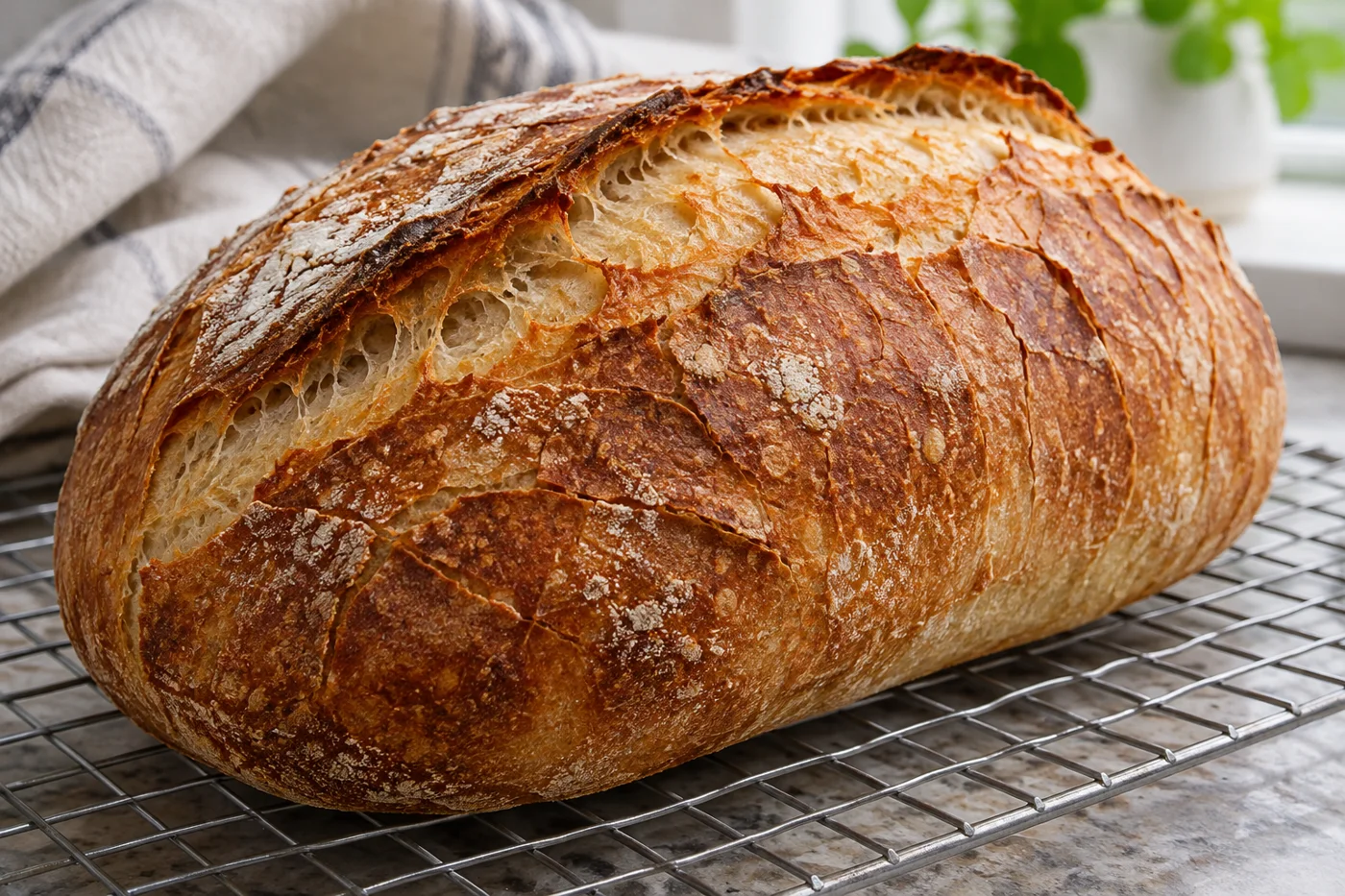
Look at a baked loaf from the side. A clean opening along the top shows where the dough expanded; a split near the base shows where pressure found another way out. Scoring gives that expansion a route. Start with one purposeful cut before adding a decorative pattern.
Why some breads are scored
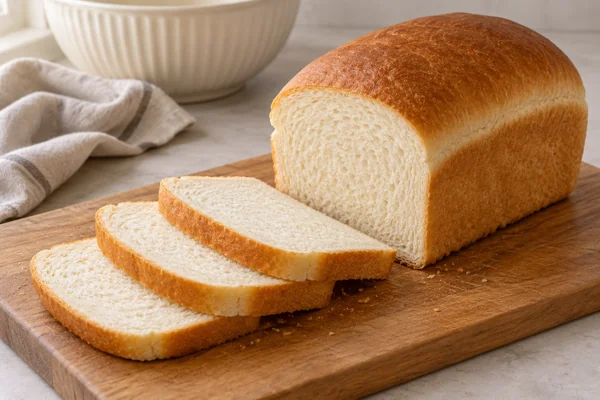
Lean artisan boules and batards often benefit from a planned expansion cut, especially when baked with steam or inside a covered vessel. Some soft sandwich breads expand acceptably without scoring because of their pan shape and dough structure. A focaccia is usually dimpled rather than scored like a boule. Follow the bread style rather than assuming every baked dough needs a razor pattern.
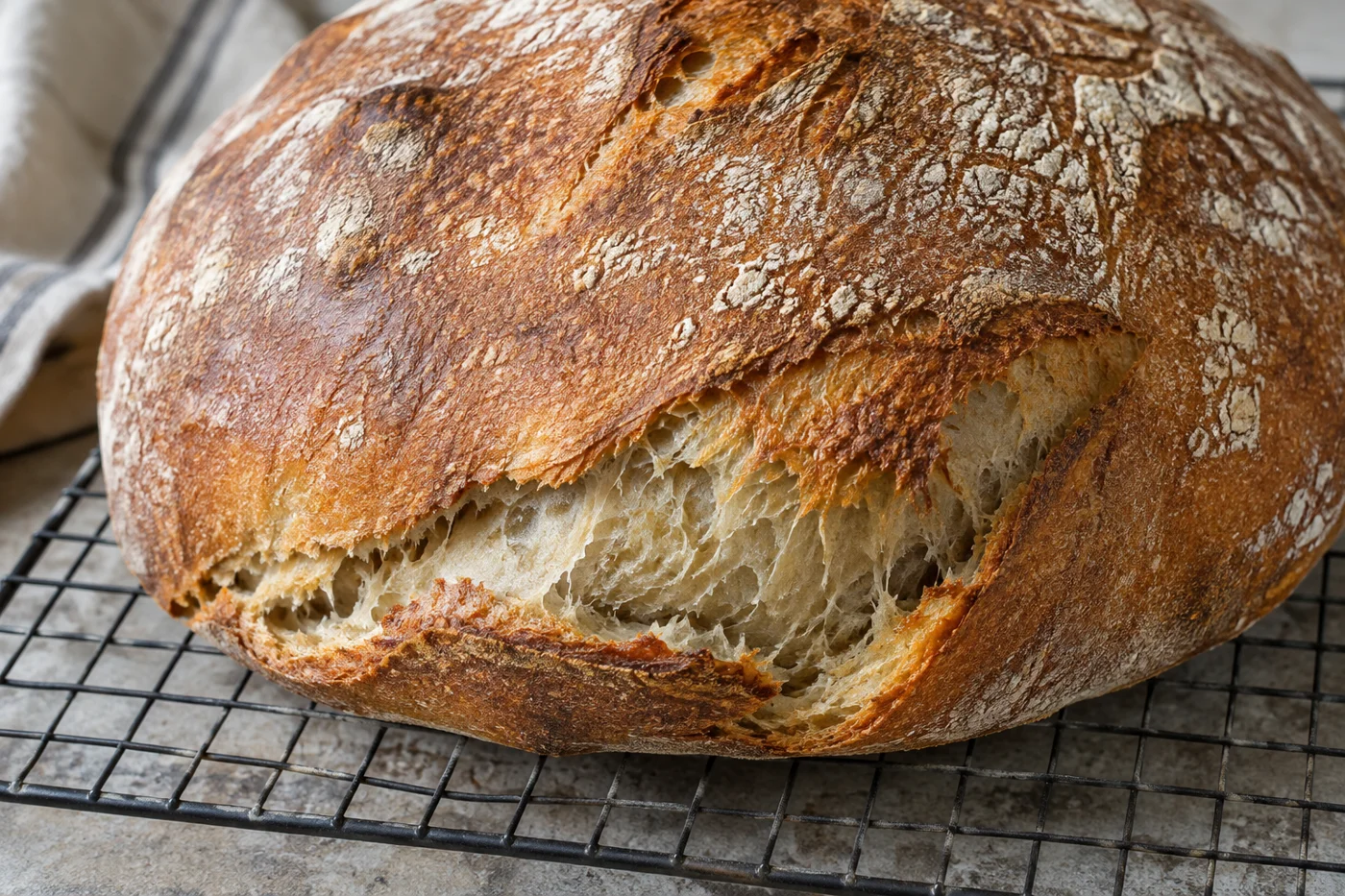
Look at the main opening on Sourdough Country Loaf. The score gives a taut surface a place to expand.

Oven spring and surface tension
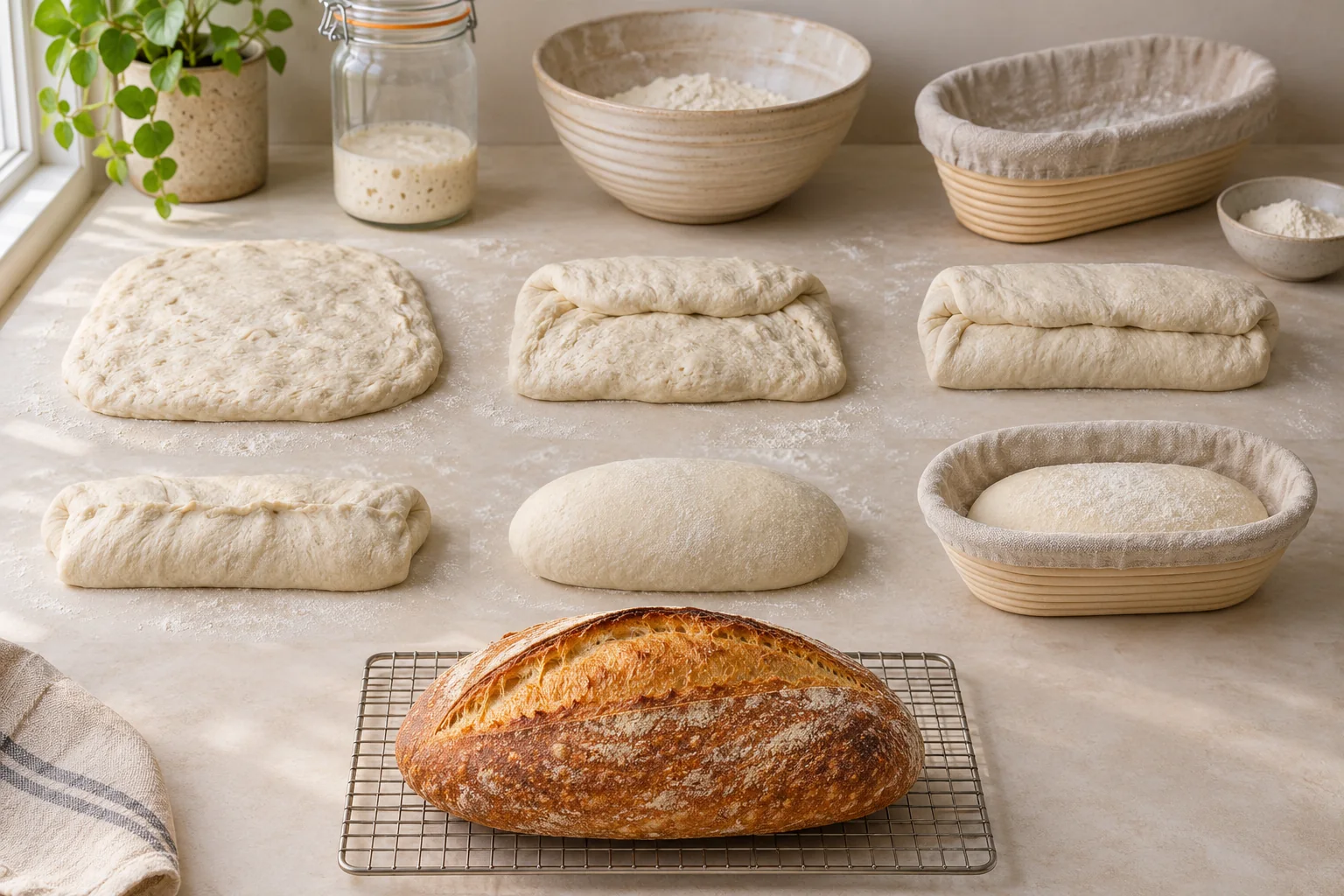
During shaping, the outer dough surface is stretched to create tension that can hold the loaf's shape. When the dough heats, that skin must expand. A score creates a path where it can open without rupturing an unintended area. If shaping tension is weak, the loaf may spread regardless of the cut. If the dough is badly overproofed, there may be little oven spring left for the score to reveal.
Compare the surface of No-Knead Whole Wheat Bread before and after baking to see what the dough’s strength contributes.
Choosing a lame
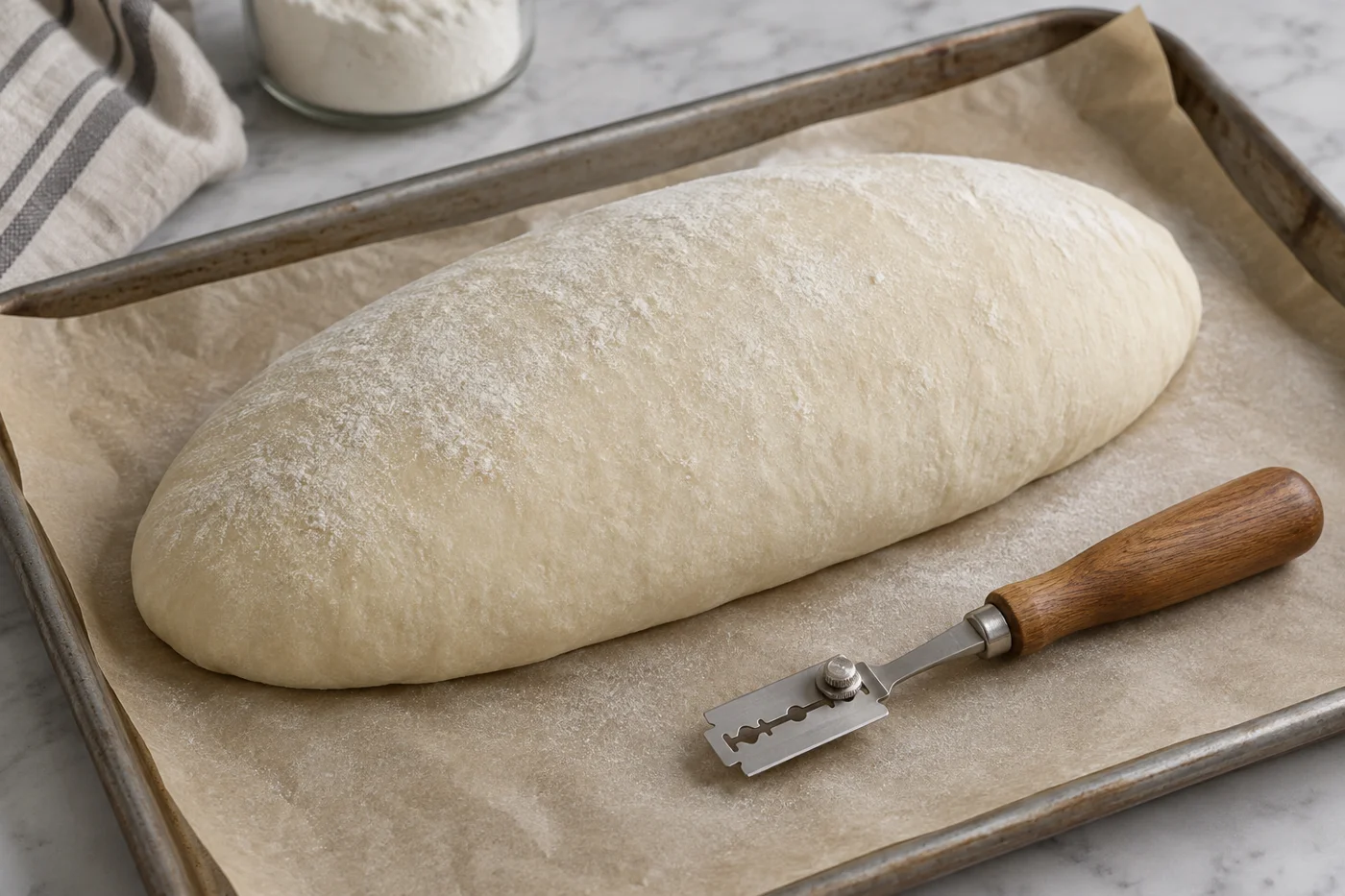
A baker's lame holds a sharp razor blade at an appropriate angle. It offers control for long cuts and curved ears. A suitable sharp kitchen blade may work for basic cuts, but dull knives often drag dough and create ragged tears. Blades are dangerous even when they look small. Handle and store them safely away from children, and use a protective cover or disposal method for used razor blades.
Why blade sharpness matters
Fresh sharp edges glide through the stretched skin quickly, limiting drag and deflation. A dull blade can snag a sticky dough and pull it out of shape. Clean the blade when appropriate and replace it before it becomes damaged. Don't saw repeatedly through one cut unless the tested method calls for a deeper slash. A fast controlled motion is easier with dough that's properly proofed and handled at a workable surface temperature.
Straight slash versus angled slash
A straight cut held more upright tends to open into a broader symmetrical split. An angled blade, often held low relative to the surface, can encourage a flap of dough to lift into an ear on some batards. The exact angle and depth depend on loaf geometry and dough strength. A dramatic ear isn't a universal measure of bread quality; an evenly baked loaf without one may taste excellent.
The classic batard cut
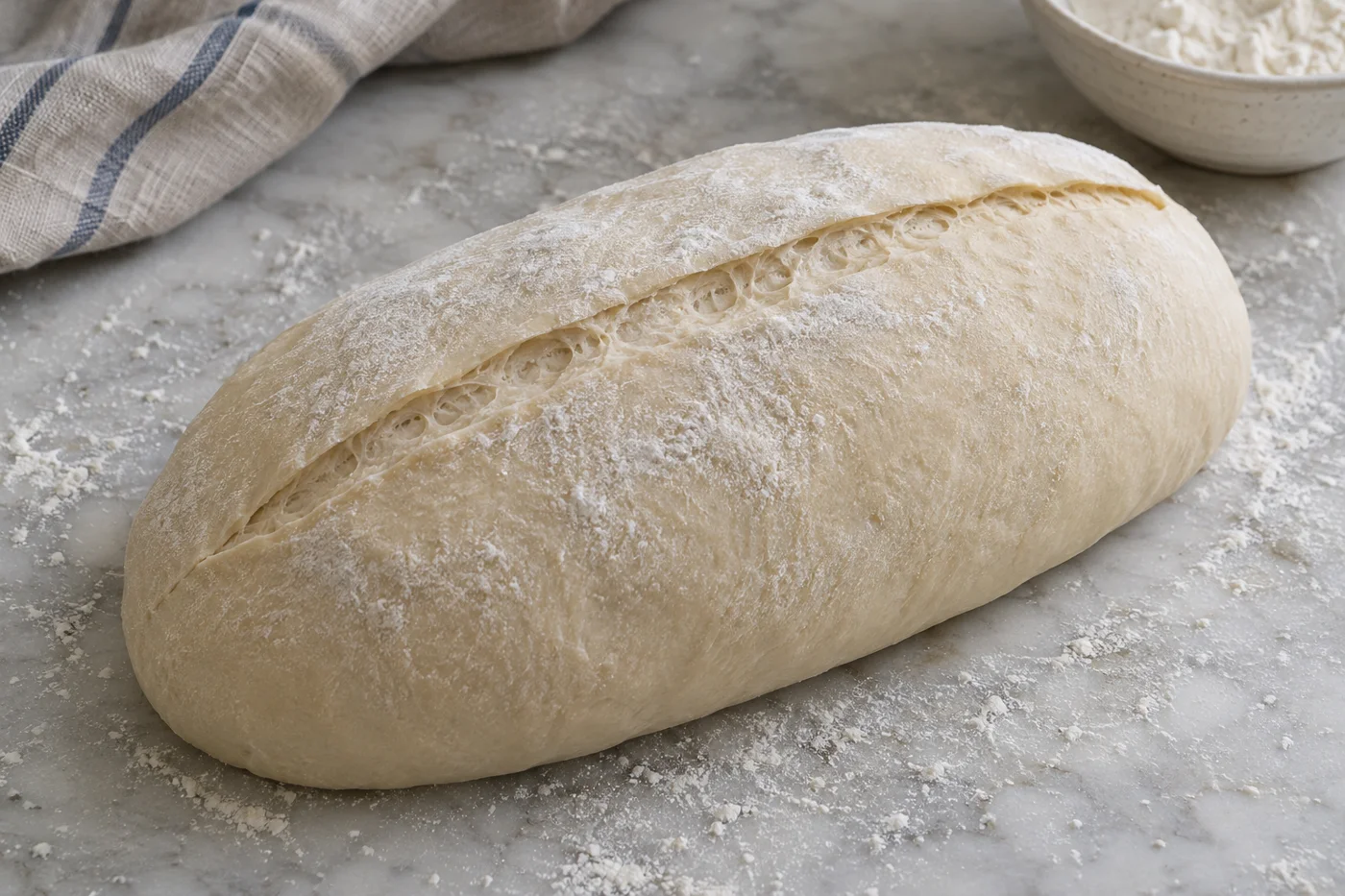
Many oval batards are scored with one long slightly offset cut along the loaf's length. The cut should guide expansion without slicing through the entire top skin. Positioning affects where the loaf opens. A shallow angled slash may create an ear under suitable oven conditions. Practice a consistent single score before attempting elaborate flour-dusted leaves or multiple crossing cuts.
The long shape of Sourdough Baguette gives a row of overlapping cuts room to open along the loaf.
The classic boule cross
Round boules are often scored with a cross, square or other symmetrical pattern. These cuts permit expansion around the round surface and can look attractive. The depth and spacing should follow a tested technique. A cross that is too shallow may not open; a series of extremely deep intersecting cuts can weaken the top and make the loaf spread rather than rise.
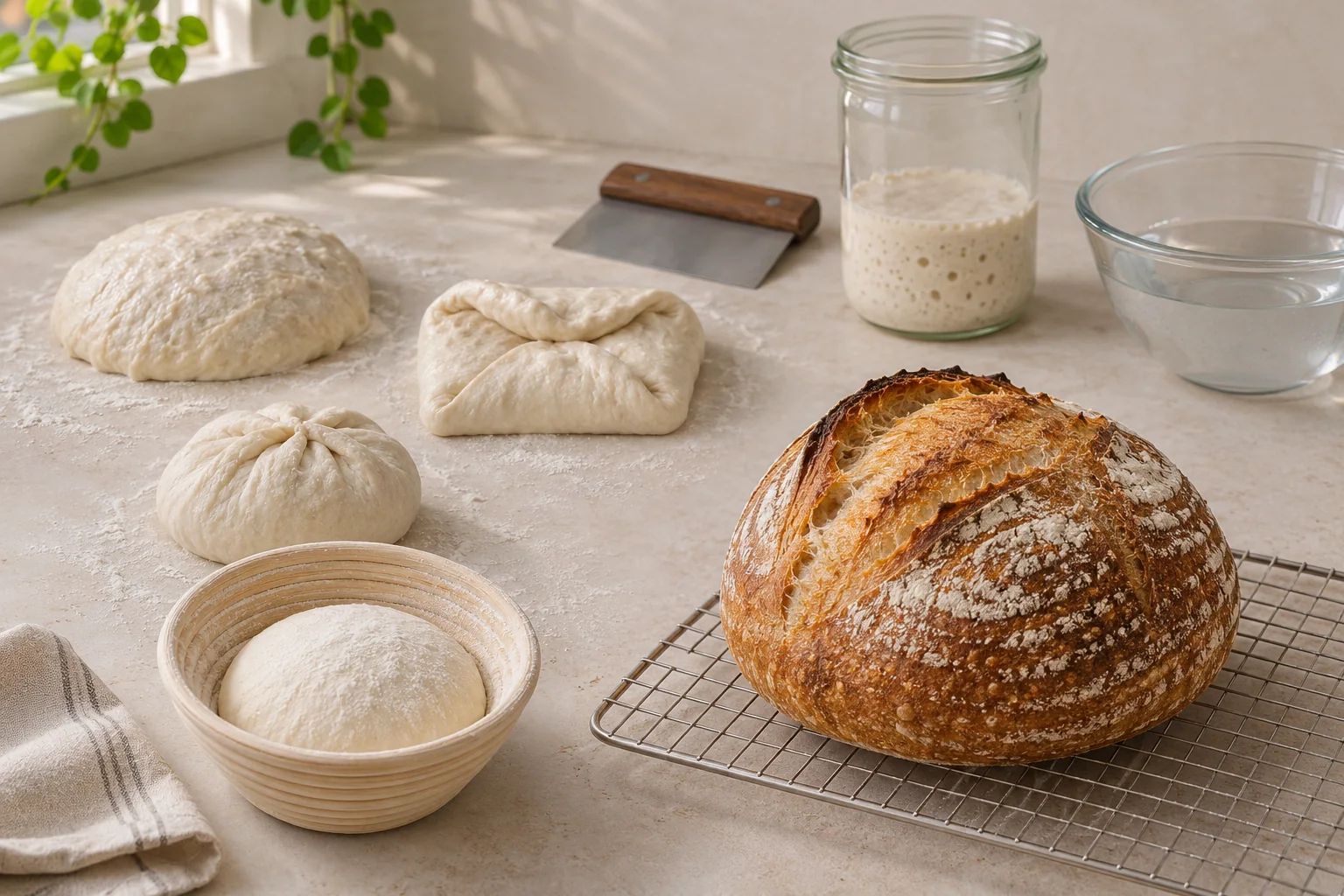
Functional cuts and decorative cuts
A functional score usually needs enough depth and positioning to direct major expansion. Decorative cuts are shallow surface markings that create contrast in flour-dusted dough without compromising structure. These have different purposes. If the main expansion score is inadequate, a beautiful pattern of tiny wheat stalk cuts may be destroyed as the loaf bursts elsewhere.
Study the direction of the cuts on Baguette before trying a decorative pattern.

Cold dough can be easier to score
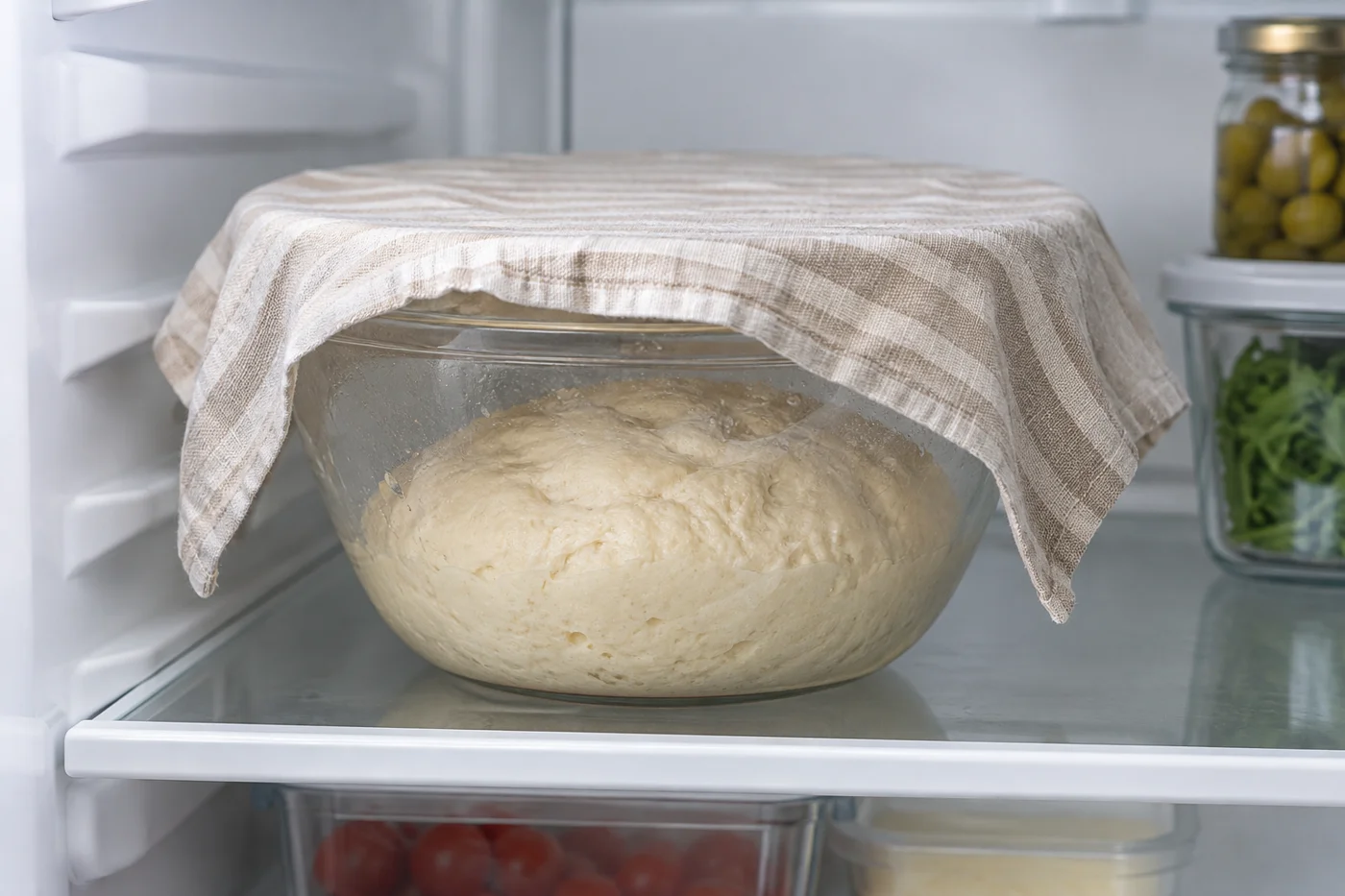
If the recipe calls for a refrigerated final proof, leave the loaf covered until the oven is ready. Turn it out, score the firm surface and load it promptly. Chilling makes a cut easier to place, but cannot restore strength to a loaf that has already overproofed.
Flour dusting for contrast
A light dusting of flour can help decorative cuts show as darker opened lines against a pale surface. Use only a small amount and avoid applying so much that the crust tastes floury. Rice flour may provide different visual behaviour than wheat flour, but allergy and recipe compatibility matter. Decorative flour is optional, especially on bread where an attractive golden crust is the primary goal.
How deep should a score be?
The required depth varies with dough strength, loaf shape and whether the cut is functional or decorative. Many artisan bread guides use cuts in the general region of several millimetres, but no single depth fits every formula. Follow a trusted recipe or shaping guide. Cutting to the very bottom can destroy the loaf's structure, while barely scratching a strong skin may fail to guide expansion.
Score immediately before loading
For many artisan recipes, scoring is performed shortly before the dough goes into the preheated oven. Waiting too long after cutting may allow the opening to relax, spread or lose tension. Set up the transfer surface and hot baking vessel safely before using the blade. Don't leave a scored loaf on a warm counter for a prolonged unplanned period.
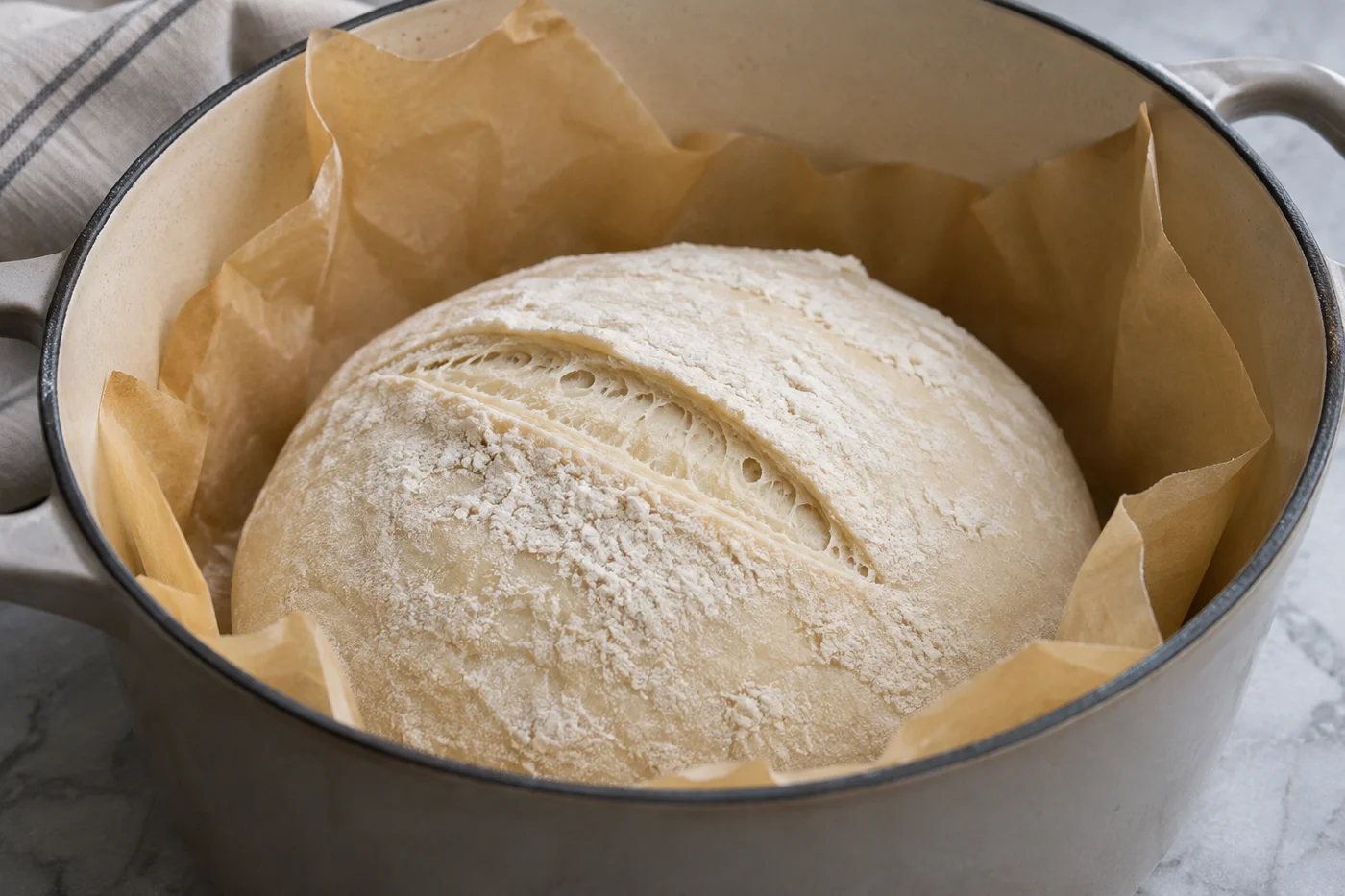
Use a safe transfer method
A dough sling made from oven-rated parchment or a suitable peel can help move a scored loaf into a hot baking vessel or onto a stone. Check temperature limits and avoid parchment hanging against heating elements. Hot cast iron, steam and razor blades all present injury risks, so arrange tools before opening the oven. Never reach across a hot pot while holding an exposed razor.
Steam and scoring work together
Early humidity can help a lean loaf's surface stay flexible as the score opens. A covered Dutch oven traps moisture from the dough, while a properly designed oven steam method may serve an open bake. If the crust sets too early, cuts may not open fully. But extra steam cannot rescue a loaf that lacks dough strength or was badly overproofed.
The open crumb in Sourdough Ciabatta is a reminder that scoring is only one part of oven spring.
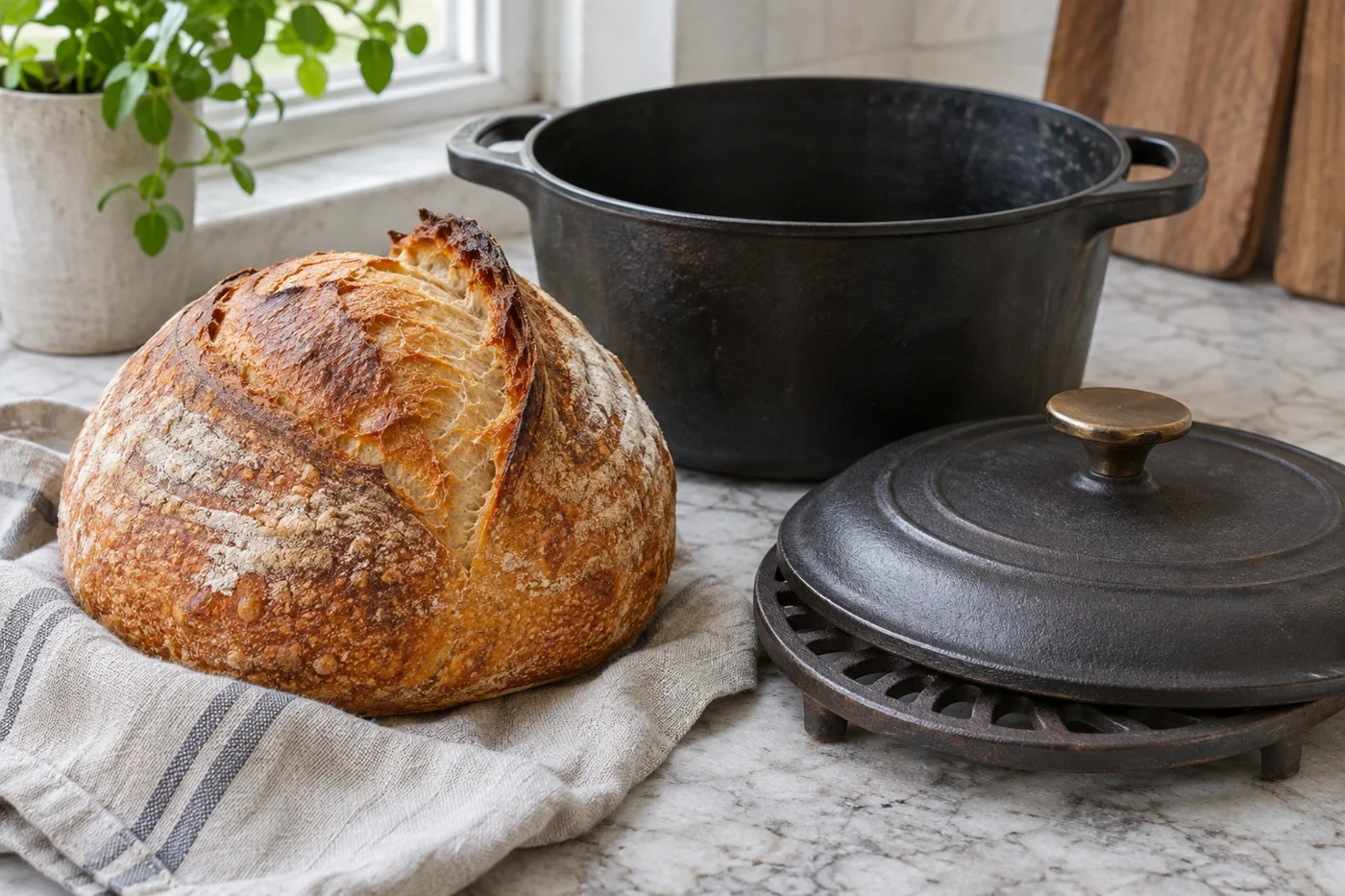
Why the bread bursts on the side
A score placed poorly, cut too shallowly or made with a dragging blade may fail to relieve expanding pressure. Underproofing may also cause unusually vigorous oven spring and tearing. Weak seams from shaping can become the failure point. Inspect the rupture location and fermentation cues before simply making a deeper slash next time.
Why the score remains flat
Overproofed dough may have little gas expansion left, while a very wet weak dough may spread outward instead of lifting. The baking environment may also lack sufficient initial heat. A score alone doesn't create gas or gluten strength. Note loaf volume at proof, dough feel and oven temperature to diagnose a flat result.
Why the blade drags
A sticky surface, dull blade or overly warm and weak dough can make cutting difficult. Use a clean sharp tool and score decisively. Some bakers find that cold proofed dough cuts more cleanly in recipes designed for that approach. Avoid repeated tentative scratches that deflate the surface and create ragged scars.
Scoring enriched loaves
Brioche, soft milk bread and some sweet loaves may use an egg wash, glaze or other finishing method instead of elaborate scoring. Some buns and enriched breads are scored intentionally, but cuts can deflate delicate proofed dough. Follow the specific formula. A sharp decorative slash on a well-proofed roll isn't always worth the risk.
The rounded top of Brioche Sandwich Loaf is a different design from a deeply slashed country loaf. Follow its own shaping and finishing directions.
The soft joined sides in Classic Dinner Rolls give the dough room to expand in the pan.

A simple practice schedule
Bake a reliable batard dough several times, using the same shaping and proofing approach. Try a single straight functional cut first, then a slightly angled slash on another comparable bake. Compare where the loaf opens and how the interior expands. Don't change oven temperature, hydration and score pattern simultaneously or the experiment becomes hard to interpret.
Use the pan and shaping instructions for Classic White Sandwich Bread when practising an even loaf shape.
Scoring safety
Keep blades covered when not in use, handle by the holder rather than the cutting edge and discard used razors in a suitable sharps container. Supervise children away from the scoring and hot oven station. Steam burns from a covered bread pot can be serious; open the lid away from your face and hands. Decorative technique should never require unsafe movements over a heated vessel.
IN PICTURES
From the baking notebook
FROM THE RECIPE BOX


