On this page
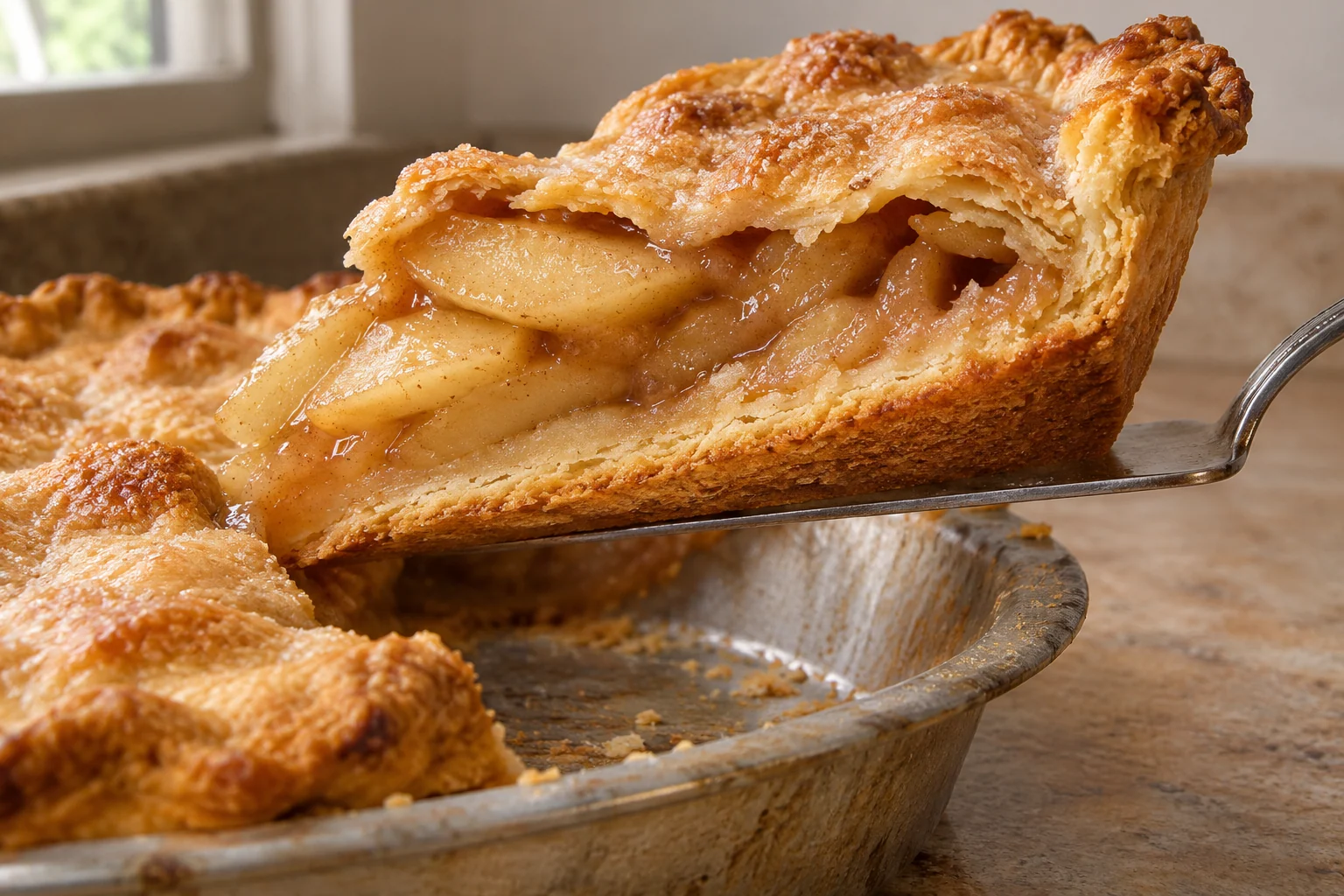
Lift a cooled wedge and inspect the underside. A pale strip of almost raw dough calls for a different fix from golden pastry that softened overnight under custard. Work out when the trouble appeared before changing your rack, pan or filling.
Why pastry becomes soggy
Raw pie dough contains flour, fat and a small amount of water. In the oven, water turns to steam while fat creates separation that can become flaky layers. But a wet filling in direct contact with an underheated base can saturate the dough before the starches and proteins set. Some juices then remain trapped beneath the filling. A crisp bottom requires appropriate heat and a filling formula that doesn't release more liquid than its thickener can handle.
The juice released by the berries in Apple Blackberry Pie makes the underside a useful place to check once the first slice comes out.

Start with a tested pie recipe
A fruit pie designed for an uncooked bottom crust may use a particular oven temperature, pan material and filling thickener to bake everything together. A lemon cream tart may require a fully baked empty shell instead. Applying one general shortcut to every pie can cause new problems. Choose the method specified for your filling and check whether the crust should be raw, partially blind-baked or completely baked before adding it.
Pan material can affect browning
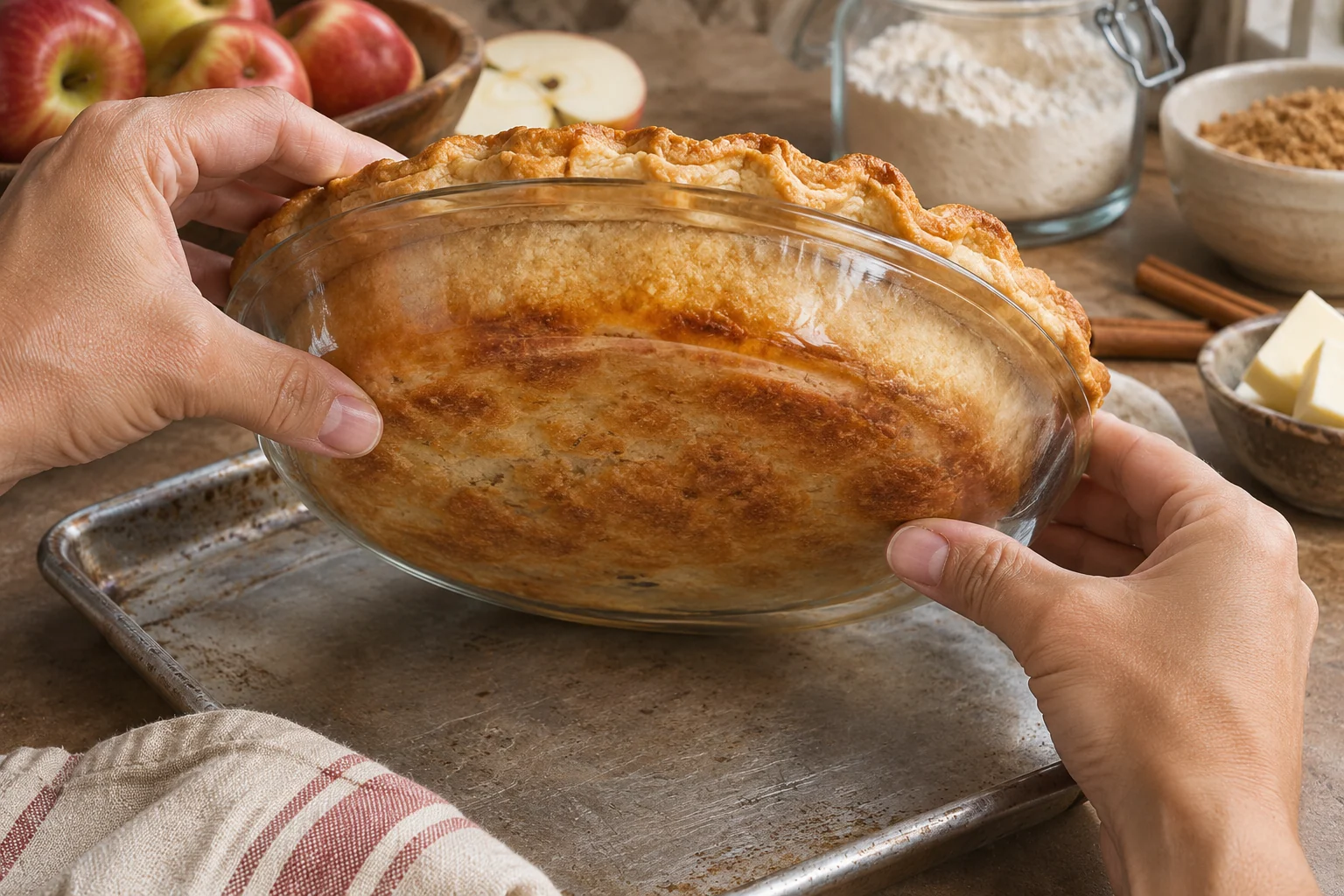
Light-coloured metal, dark metal, ceramic and glass can brown a crust at different rates. Use the pan the recipe specifies when possible. A glass dish lets you see the base, but the glass must be used within its maker’s limits for temperature changes.
When making Classic Apple Pie, record which dish you used as well as the oven setting. Both observations help explain a pale base.
Place the pie where bottom heat can reach it
Many recipes recommend a lower oven rack to encourage bottom-crust browning while the filling cooks. The exact placement depends on the oven and pan. A preheated baking sheet or baking steel can help in tested methods, but should not be combined with glass or ceramic cookware unless the manufacturer permits the thermal conditions. The goal is reliable bottom heat without cracking the pan or burning the pastry.
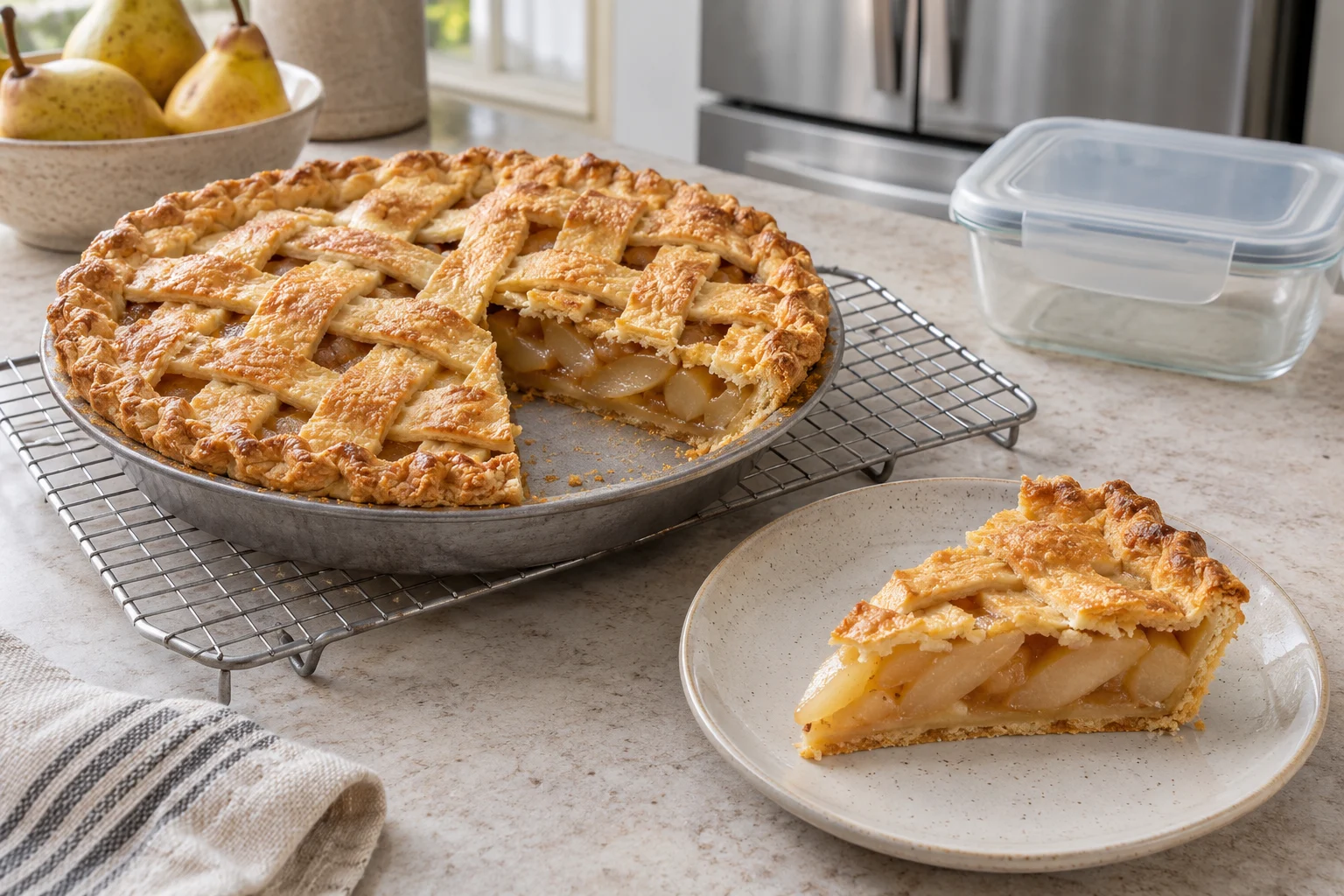
Choose the rack for Pear Pie before preheating so there is enough clearance for the fluted rim and any drip tray.
What a preheated sheet can do
A preheated heavy metal sheet can give a compatible metal pie pan a head start on the base. Use this technique only with ovenware suited to it. Keep a cold glass or ceramic dish off a hot sheet or stone, and follow the manufacturer’s handling instructions.

Choose the correct oven temperature
Starting at the recipe's higher initial temperature can help develop crust structure, while later lowering heat may allow the filling to finish without burning the edge. Many recipes use a different schedule. An oven that runs cool can leave the base pale even after the top looks cooked. Use an oven thermometer to check actual temperature, and don't improvise extreme heat to rescue a pie with an unsuitable pan or filling.
Look up the baking sequence in Gooseberry Pie before extending the time solely because the base looks pale.

Keep pastry fat cold before baking
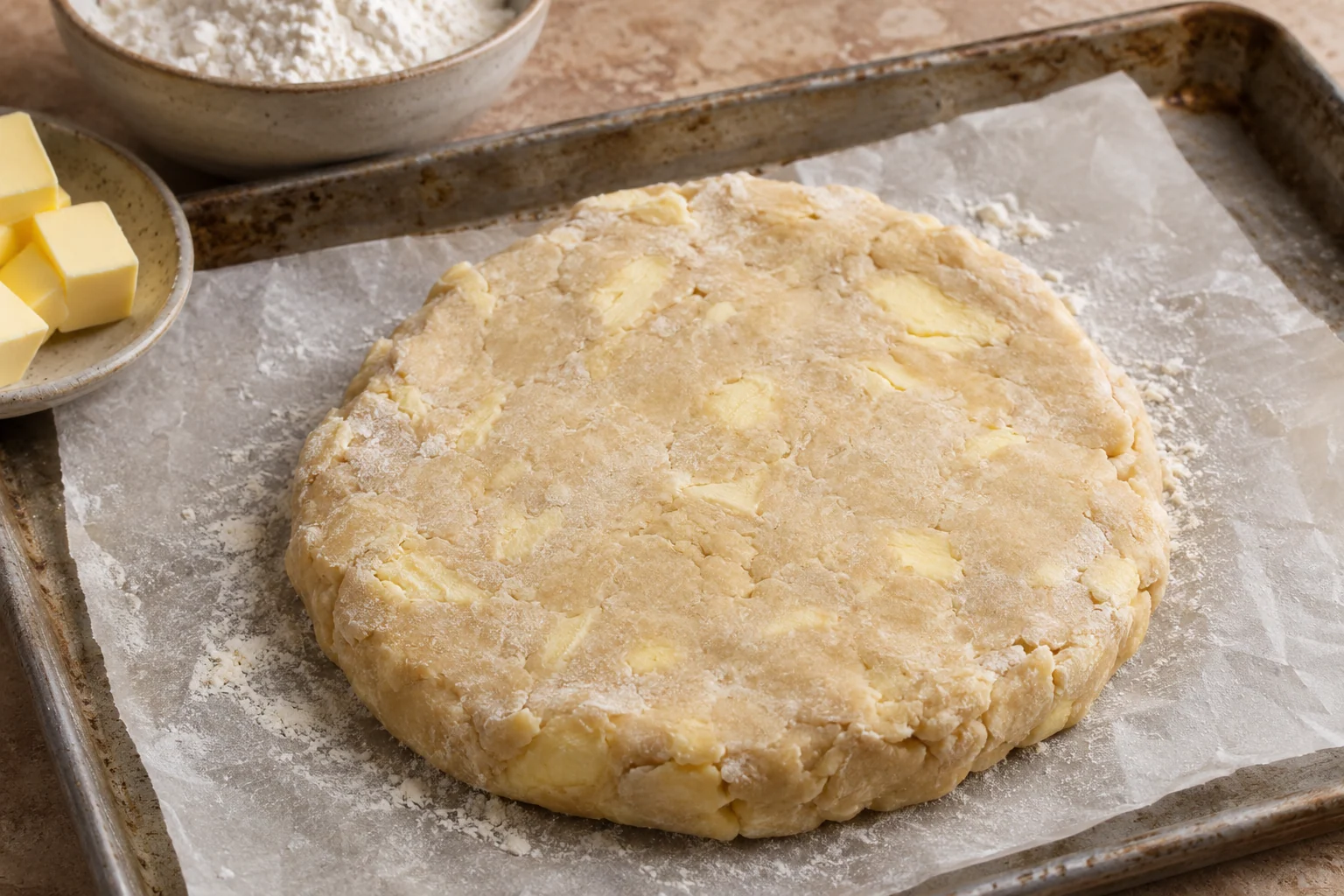
Cold butter or another suitable solid fat should remain in distinct pieces during mixing and rolling for many flaky crusts. If it melts into the flour before baking, the pastry can become greasy and less layered. Chill dough as the recipe directs and return it to the refrigerator if it becomes soft during assembly. A cold crust still needs proper bottom heat; chilling alone won't prevent a soggy base under a watery filling.
Roll an even bottom layer
A thick centre and thin edges bake unevenly. Use a rolling pin with consistent pressure and check thickness as you turn the dough. Avoid pulling pastry tight when lining the pan, because stretched dough can shrink and create gaps. Press it gently into corners without compressing away all the fat layers. A uniform base is easier to bake fully before the filling overcooks.
Blind baking explained
Bake an empty shell to the stage its filling requires. For a cream filling that will never return to the oven, finish the base as well as the rim. For a custard that still has a substantial bake ahead, the recipe may call for a partial bake.
Check how far the shell is baked in Pumpkin Pie before its custard goes in, since the filling still has time in the oven.
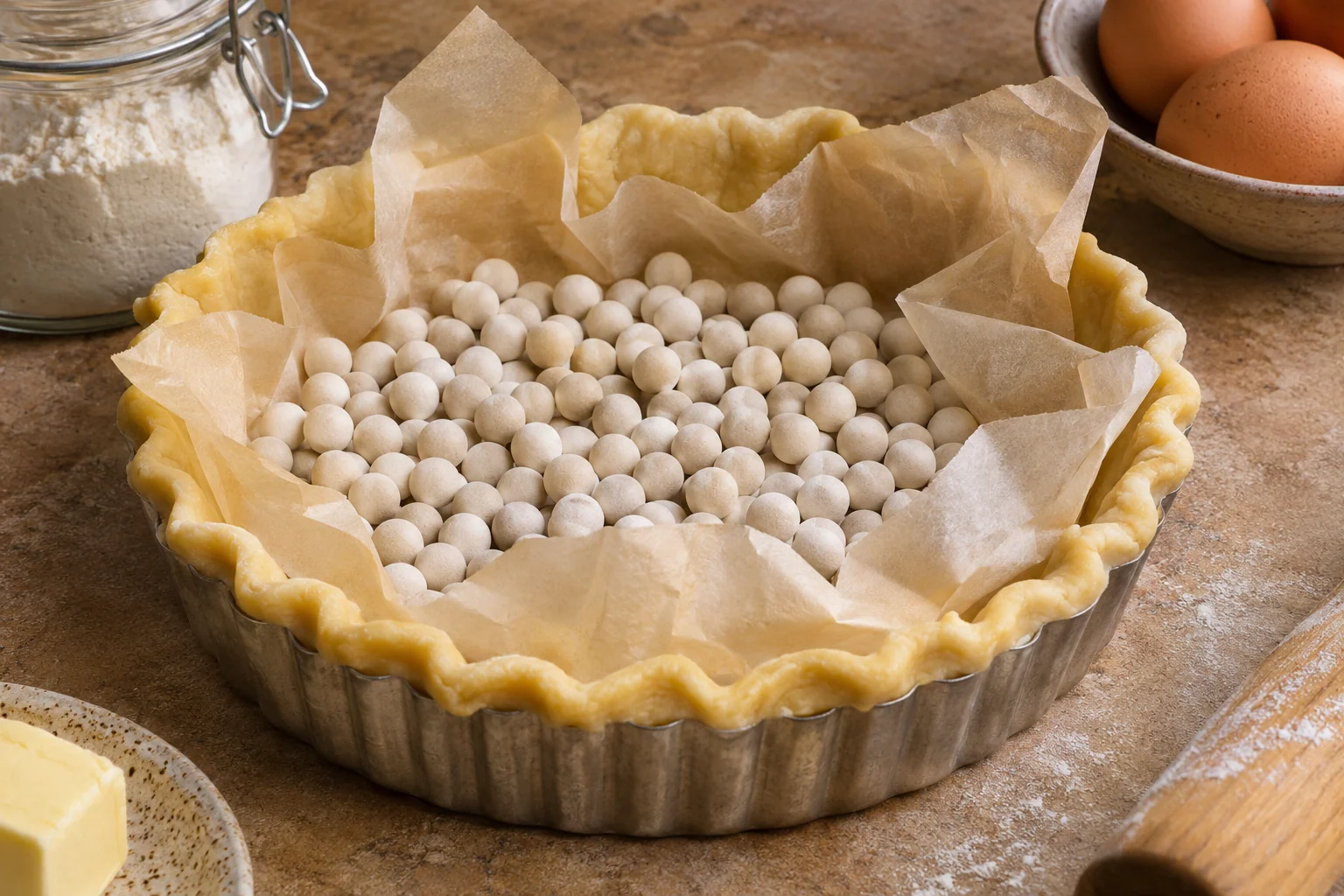
Why pie weights help
Line the chilled shell and distribute weights into the corners and up the sides. Bake as directed, then use oven mitts to lift the lining and weights onto a heat-safe surface. Give the exposed base the remaining time the recipe specifies.
In Classic Quiche Lorraine, the pastry must keep its shape until the custard goes in. Pay particular attention where the sides meet the base.
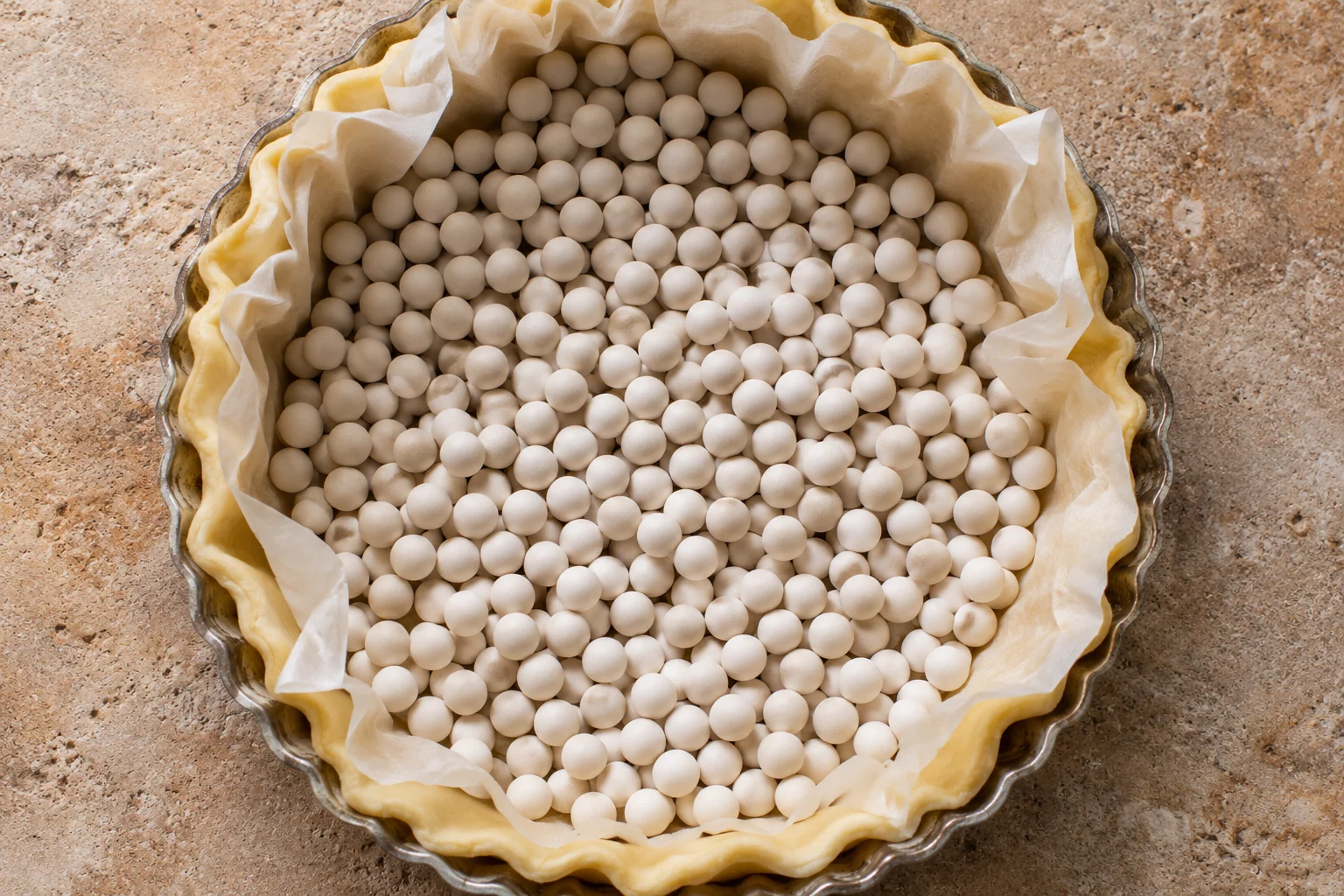
Docking isn't always the answer
Pricking the base can let trapped steam escape, but holes can also let a liquid filling seep through. Use weights or docking according to the recipe for that particular shell. A custard shell benefits from an intact base unless its instructions include a sealing step.
Check the shell preparation for Lemon Custard Tart before pricking pastry that will hold a liquid custard.
The role of an egg wash barrier
Some recipes brush a partly baked crust with beaten egg and return it briefly to the oven to form a thin protective layer. The technique can slow moisture absorption in certain fillings. It isn't a waterproof seal that fixes an uncooked crust. Use the amount and baking instructions specified, cook the egg-containing layer appropriately and choose another tested barrier for egg-allergic guests.
Chocolate or cocoa butter barriers
Certain dessert tarts use a thin coating of tempered chocolate or cocoa butter on a fully baked cooled shell before adding a moist filling. This can help keep it crisp for a limited time. The barrier changes flavour and allergens, and it doesn't replace refrigeration for pastry cream or other perishable fillings. Follow the tart formula rather than adding a thick chocolate layer that overwhelms the pastry.
The crust and filling in Dark Chocolate Cream Pie set by a different route from a double-crust fruit pie. Read both before adding any extra barrier.

Thicken fruit filling correctly
A juicy berry pie needs an appropriate thickener such as cornstarch, tapioca or flour in the amount intended for the fruit and recipe. Too little can release liquid into the bottom crust; too much may create a gummy filling. Frozen fruit and very ripe berries can behave differently from fresh fruit. Follow the recipe's draining, resting and baking instructions rather than adding starch by guesswork.
The thickness of the cooked berry juice in Blueberry Pie matters as much as the colour of the surrounding pastry.
Precooking some fruit fillings
Some apple and pear pie recipes precook fruit or reduce released juices before filling the pastry. This can improve volume predictability and remove some excess water. Other pies are designed for raw fruit and long oven baking. The method must be coherent: adding hot pre-cooked filling to a crust developed for cold raw fruit can soften fat and change the bake. Use a tested approach from start to finish.
Read the apple preparation in Apple Crumble Pie before deciding when the fruit and its juices should meet the shell.
Vent the top crust
Steam needs a way to escape as fruit cooks. A lattice naturally provides openings, while a solid top requires slits or another venting design specified by the recipe. Trapped steam and juice can affect filling behaviour and pastry texture. But venting alone won't compensate for a badly undercooked base or much too watery filling. It works together with suitable thickening and oven heat.
The openings in the top of Apricot Pie let steam escape while the fruit cooks.
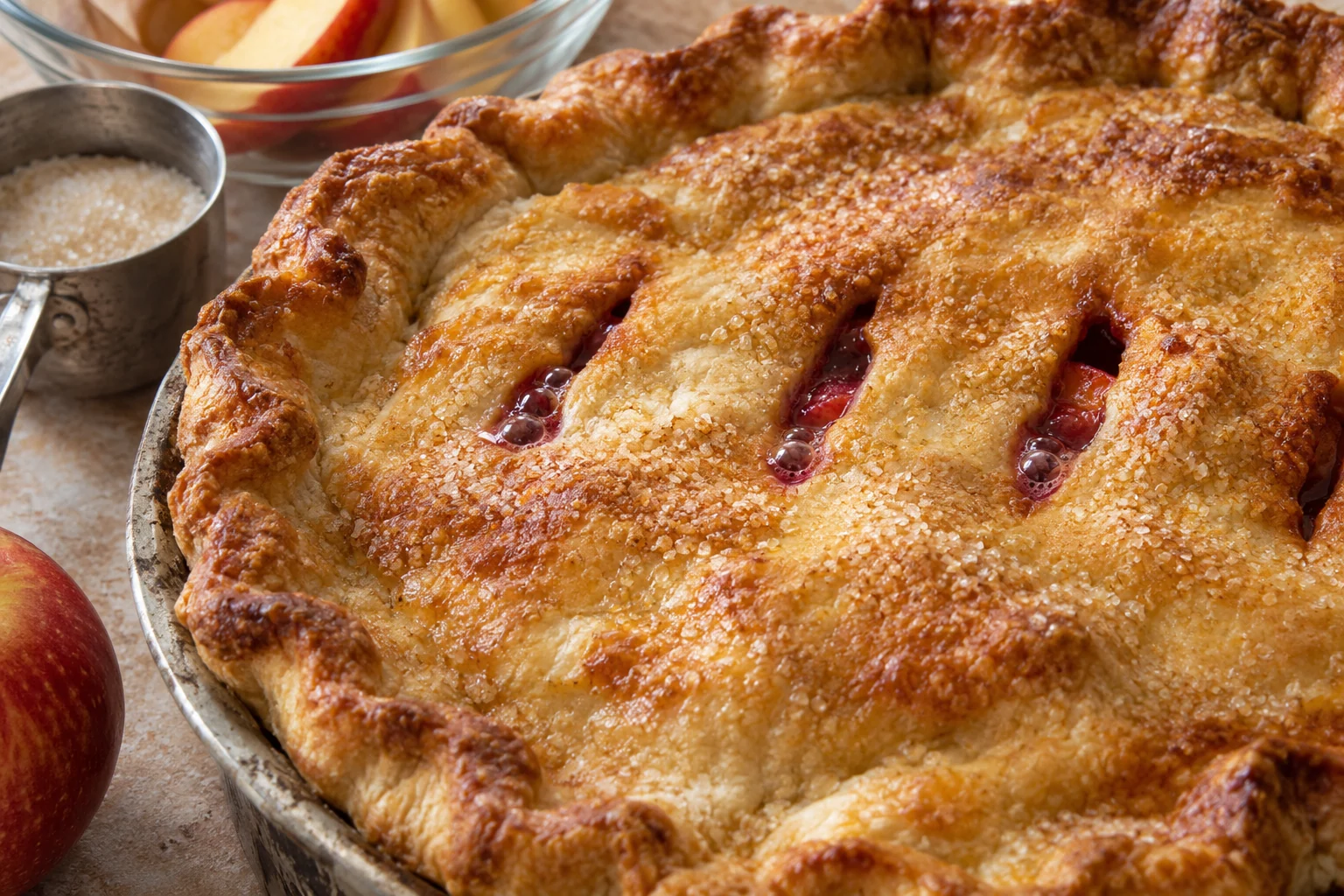
Bake until the centre of filling is ready
For many starch-thickened fruit pies, visible bubbling in central vents signals that filling has reached the heat needed for thickening. A dark lattice at the edge isn't proof the whole pie is done. Shield browning edges if necessary and continue until the recipe's filling cues are met. If a thick pie is removed early, its base may remain wet because the centre and bottom never received enough heat.
For Peach Blueberry Pie, look for bubbles nearer the centre as well as at the edge before evaluating the pastry underneath.
Let the pie cool before slicing
Fruit filling continues to thicken while cooling. Cutting immediately can release a flood of hot juice that soaks the surrounding crust. Follow the recipe's cooling time so starch gels stabilize and slices lift neatly. Hot fruit filling can also cause burns. Serving warm is lovely, but warm and straight-from-the-oven are not the same thing.
Let Cherry Hand Pies settle before breaking one open. A little escaping juice from a piping-hot hand pie can make a fully baked base look wetter than it is.

Why chilled pie can still soften
Moisture migrates from filling into crust over time, even when the original pastry was correctly baked. Refrigeration required for custard or cream pies can change the crust texture. For some fruit pies, a recipe-approved gentle reheating method may restore crispness. Cream-filled tarts often cannot be reheated this way without breaking their filling, so assemble close to service when possible.
The shell of Banana Cream Pie gradually absorbs moisture from its chilled filling. Plan its assembly close enough to serving for the texture you want.
Troubleshooting a pale base
A browned rim can hide a pale centre. Check the underside through glass if your dish allows it, or inspect the first slice after the bake. For the next pie, compare crust thickness, pan material, rack and the timing of any empty-shell bake.
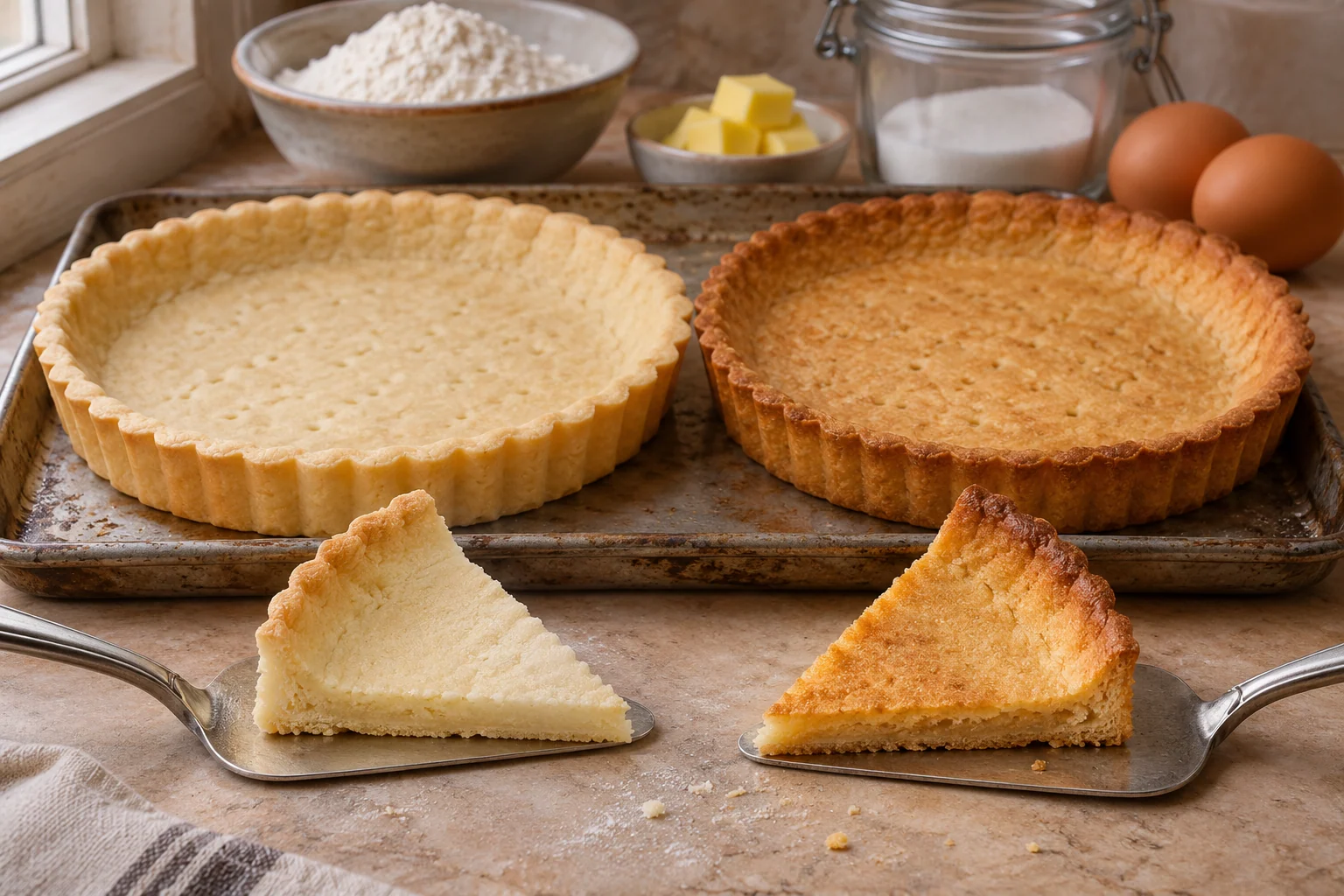
Troubleshooting wet but browned pastry
If a chilled cream pie began crisp and softened several hours later, moisture moved from filling to crust after baking. A fully baked shell and assembly closer to serving can help. Keep a perishable pie refrigerated while it sets and between servings.
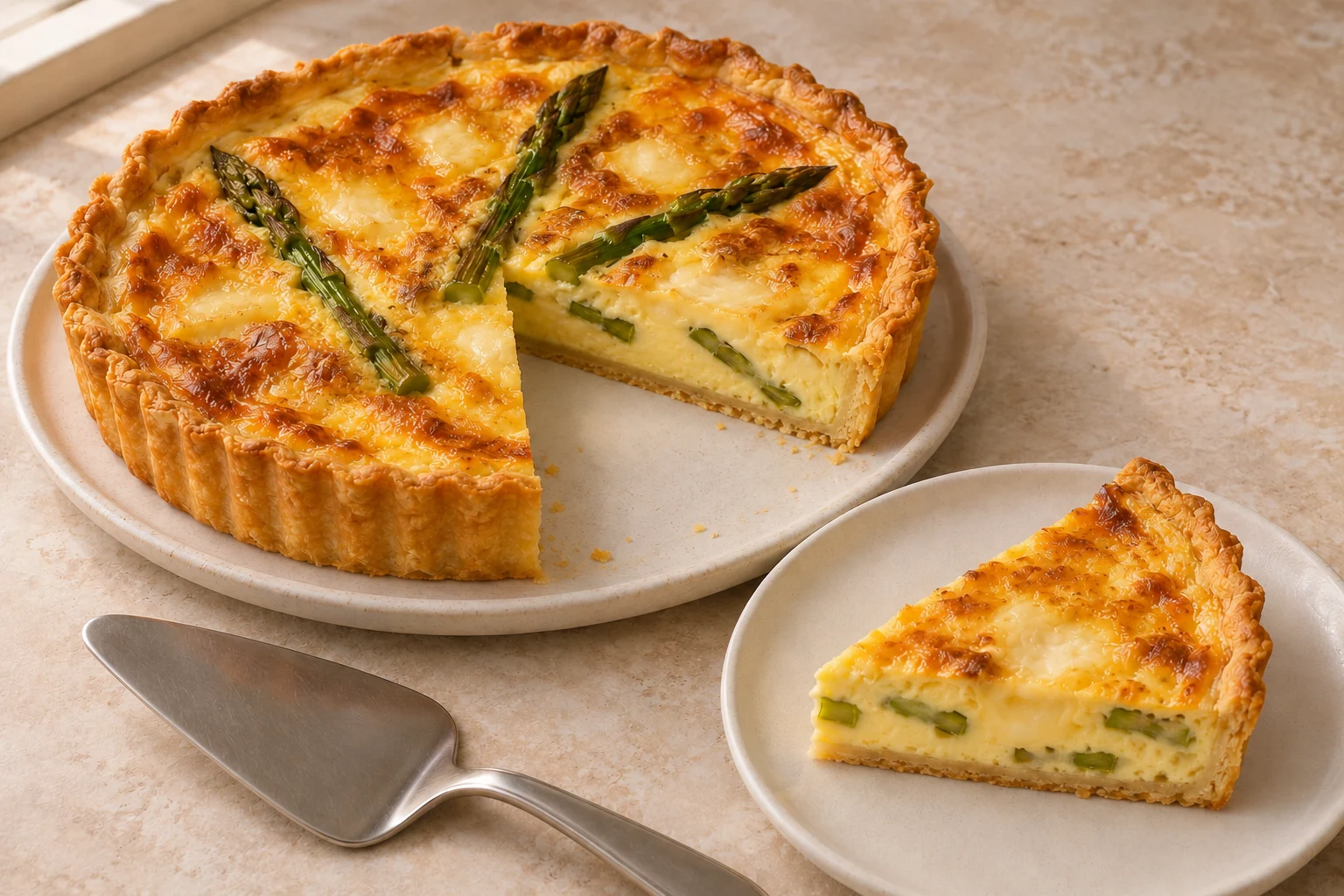
For Asparagus and Brie Quiche, inspect the shell after its first bake and again after filling. Those two observations help distinguish a pale base from a browned crust later softened by custard.
Frequently asked questions
Does blind baking stop every soggy bottom? No; it suits particular fillings. Can a glass pie pan go onto a hot steel? Check manufacturer guidance and avoid unsafe thermal shock. Should I prick the crust? Only if the method calls for docking. Will adding more flour fix runny filling? Not always. Why is a pie soggy the next day? Moisture migration can continue after baking.
The bottom-crust checklist
Choose the intended pan, roll evenly, keep pastry cool, follow appropriate blind-baking guidance, balance filling moisture and bake until both crust and centre are done. Cooling and storage complete the process. Crisp pastry is a result of several coordinated decisions, not a single secret ingredient.
IN PICTURES
From the baking notebook
FROM THE RECIPE BOX


