On this page
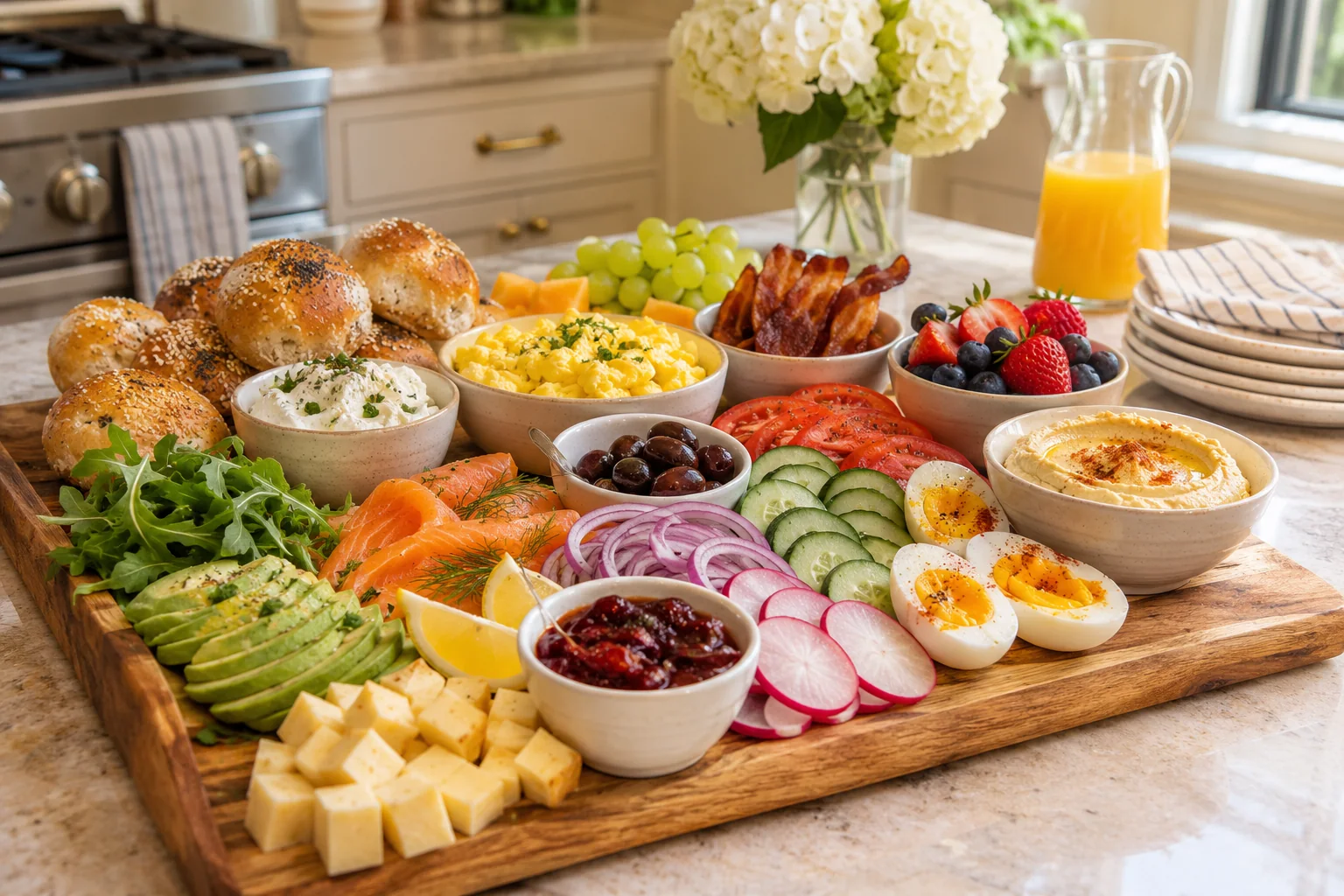
A beautiful grazing board is more than a crowded arrangement of pastries, fruit and cheese. It should offer enough contrast for a satisfying morning meal, be easy for guests to navigate, and remain safe to serve over the gathering. A thoughtful brunch board has structure: something substantial, something fresh, something indulgent and practical additions for different tastes. You don't need expensive specialty cheeses or an oversized wooden board to make it feel generous.
Choose the purpose before shopping
Is this board the main brunch for six friends, an appetizer before a sit-down meal, or a snack station while coffee brews? The answer changes portion quantities and how much protein or baked food you need. A board that is only a premeal welcome can focus on fruit and mini pastries; a main meal needs heartier elements and planned refills.
Balance sweet and savory
A board made entirely of croissants, muffins and jam can feel one-note after a few bites. Add cheese, suitable cooked eggs, smoked or roasted savory components and fresh vegetables if they suit the menu. Pair a sweet pastry with tangy yogurt or a savory mini sandwich. The goal isn't mathematical equality, but giving guests genuine choices across flavor and satiety.
A few Cheddar and Chive Scones can supply the savoury bake if the other end of the board already has sweet pastries.

Start with the anchor foods
Choose two or three main components such as mini croissants, savory scones, bagel halves or small breakfast sandwiches. These become the largest visual groups and determine how much else the board needs. Avoid too many similarly shaped carbohydrates that guests cannot distinguish. A labelled rosemary biscuit and a small cinnamon roll offer more interesting contrast than four kinds of plain bread.
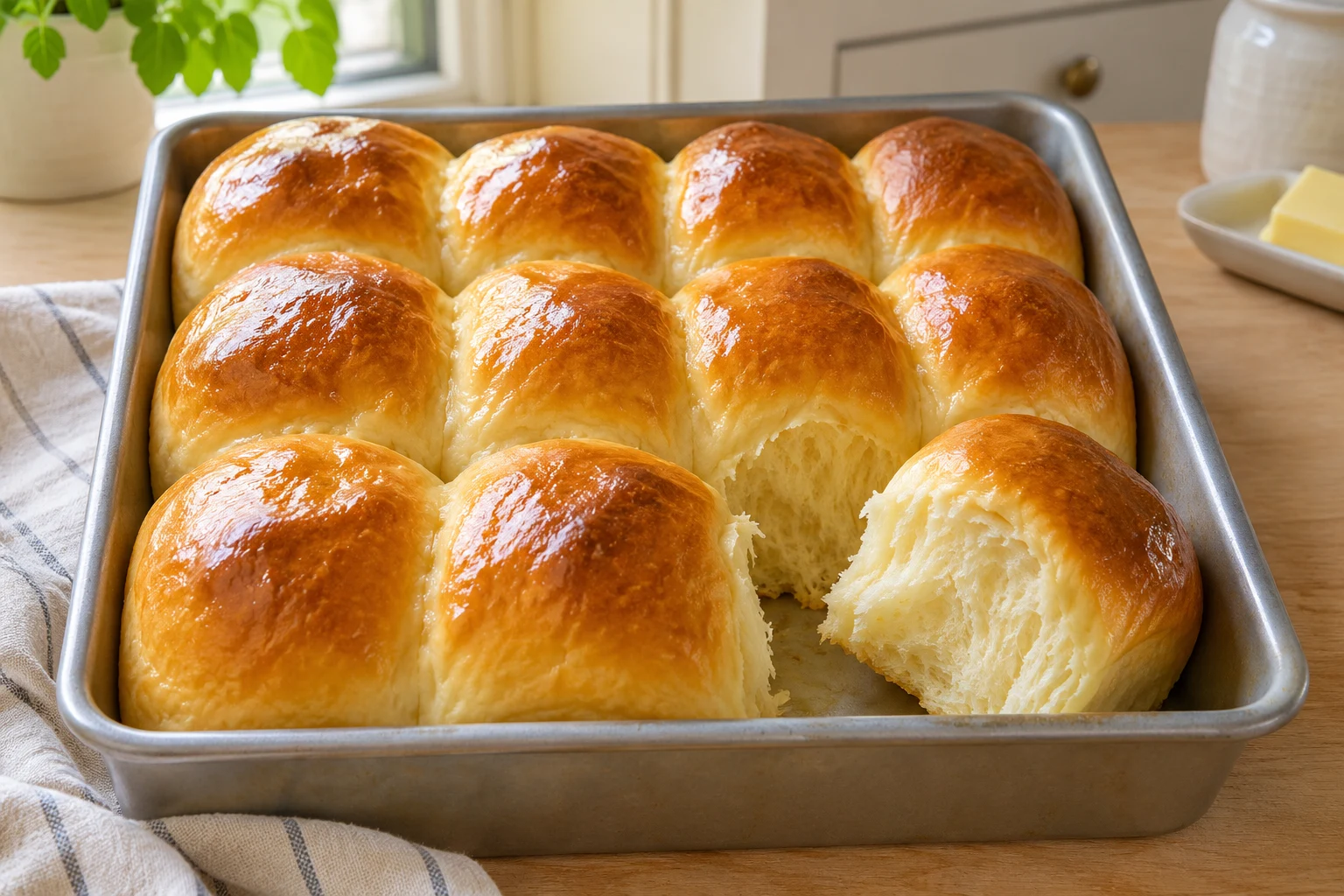
Classic Dinner Rolls make a soft anchor that’s easy to pull apart around bowls of spreads.
Add a protein option
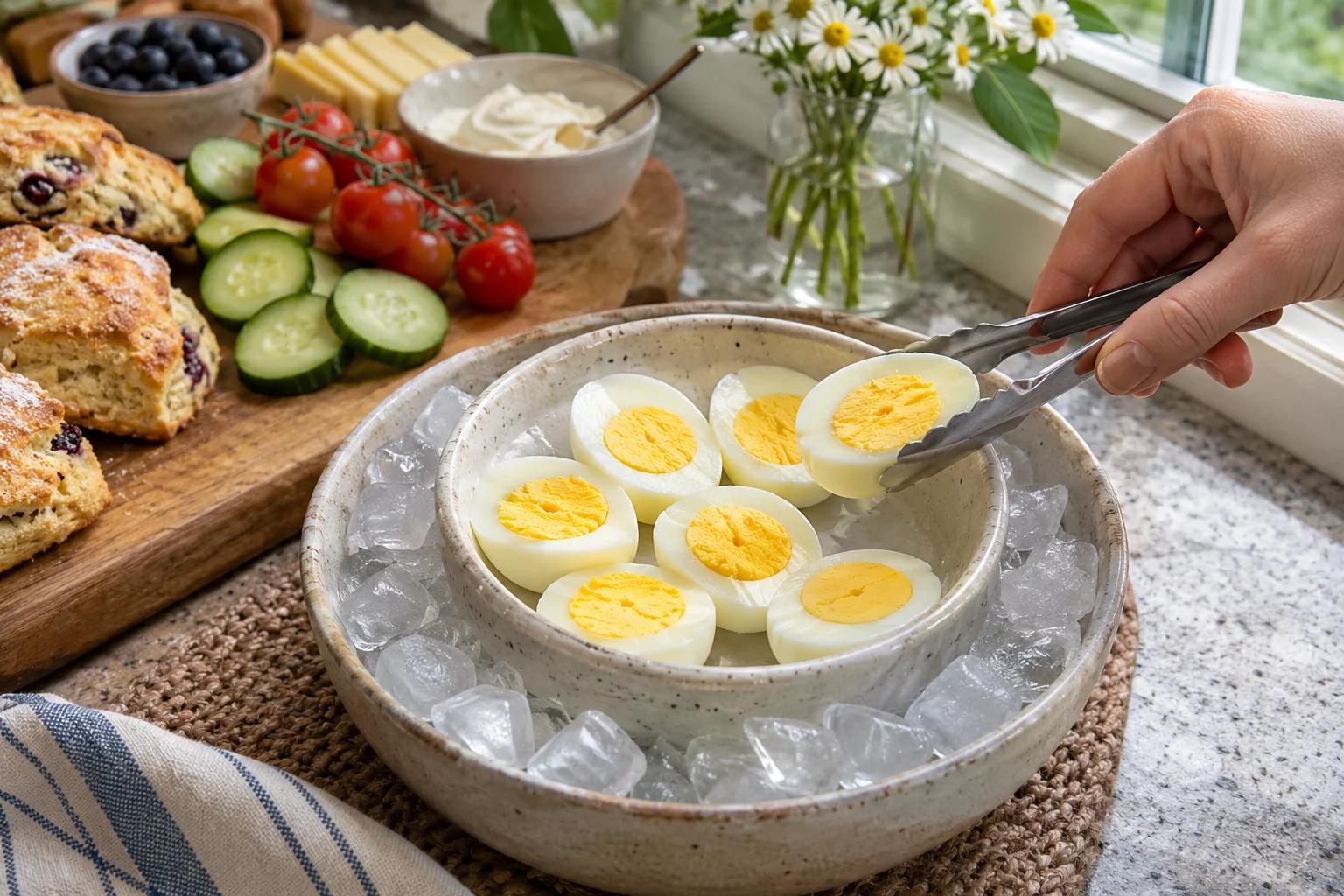
Hard-cooked eggs, cheese, smoked fish, cooked turkey or a plant-based dip can make the assortment feel like brunch rather than dessert. Choose items appropriate for the guests and safe holding conditions. Prepared eggs, dairy, meat and fish are perishable; keep them chilled until service and replenish small portions rather than leaving the entire supply at room temperature for hours.
If you want an egg dish, offer Breakfast Egg Muffins from a separate, temperature-controlled platter.
Fresh fruit brings contrast
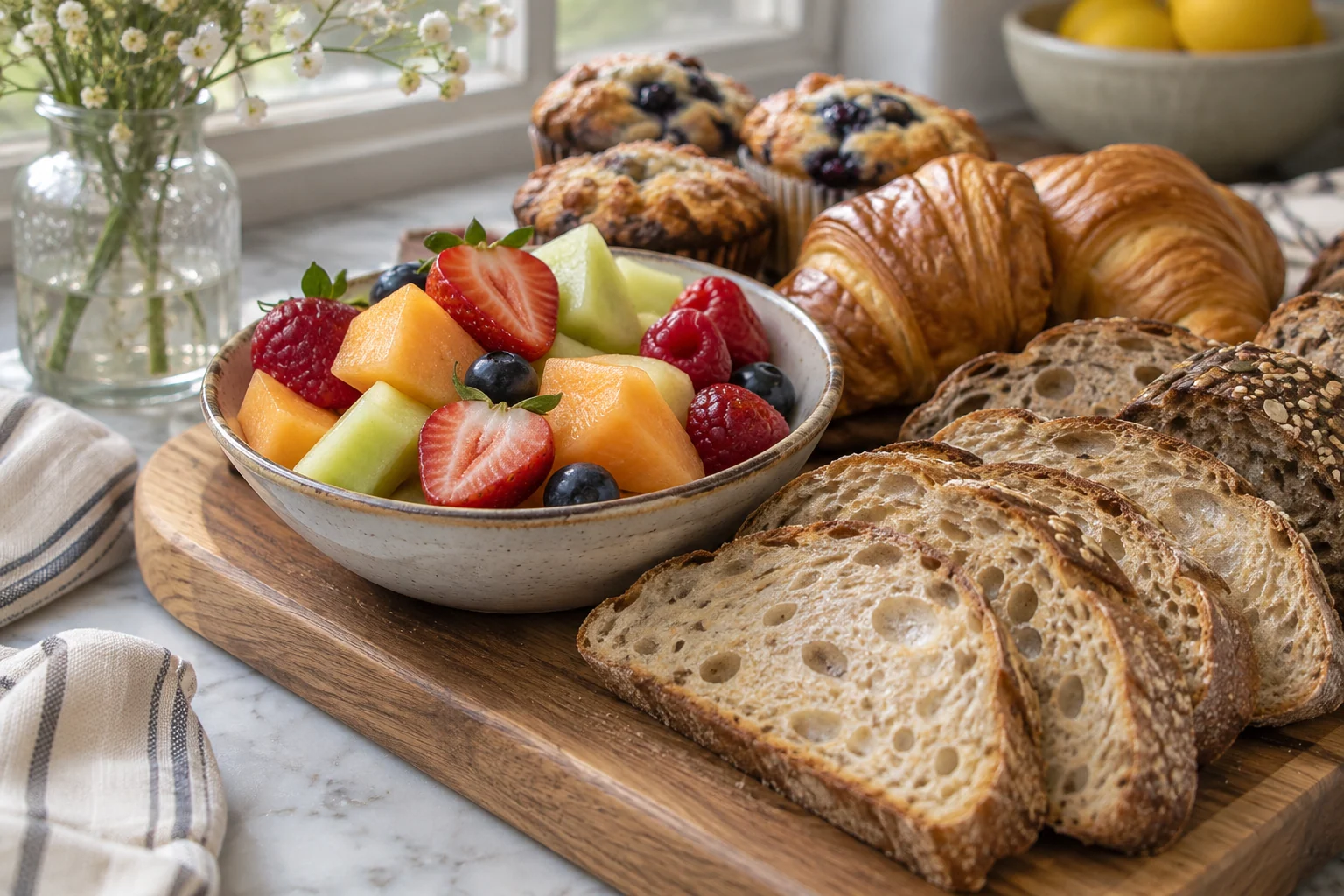
Berries, orange segments, melon or sliced kiwi can cut through richer baked goods. Select fruit that holds well and doesn't release excessive liquid onto pastries. Wash produce and use appropriate clean preparation surfaces. Whole grapes can pose choking risks for young children and should be served in an age-appropriate form when necessary.
Keep Fruit Yogurt Salad in its own chilled bowl so the dressing stays away from the pastries.
Vegetables can belong at brunch
Cucumber slices, cherry tomatoes, bell pepper strips and lightly dressed greens offer a crisp fresh contrast to pastry. Provide a small savory spread such as hummus or herbed cream cheese, subject to dietary and refrigeration requirements. Place wet vegetables in small bowls or separated areas so bread doesn't become soggy.
The Crudité Platter gives you a starting point for a crisp vegetable section guests can reach with tongs.
One or two spreads are enough
Butter, jam, honey, hummus and soft cheese are familiar possibilities. Too many tiny jars can make a board crowded and difficult to serve. Choose spreads that suit the anchors and label them. Use individual spoons to avoid cross-contact between dairy, nuts and other allergens. Keep perishable dips cold.
Try Classic Homemade Hummus beside the vegetables, with a spoon that stays in that bowl.

Portion planning starts with guest count
Count the board differently when it is lunch as well as breakfast. For six people with a hot main, three large scones cut in half give everyone a taste. If the board is the meal, plan a whole bread or pastry portion per person, add a substantial egg or protein option and keep a few spare portions ready. The size of a croissant or a roll matters more than the dimensions of the board.
Don't build everything at once
Cold cheese and dairy spreads should remain refrigerated until near service, while room-temperature bread can be placed earlier. Arrange shelf-stable elements first and add perishable items last. Replenish from covered refrigerated containers as people eat. This keeps the board attractive and reduces the time delicate foods spend outside safe temperatures.
Choose a practical base
A food-safe board, large tray or combination of small platters can work. The surface should be clean, stable and large enough for serving tools. Bare decorative wood may need food-safe treatment and may not be suitable for wet foods. If board washing is difficult, place items in removable dishes or use a washable tray.
The layout starts with bowls
Set out small bowls of jam, yogurt dip or spreads first because they occupy fixed spaces. Place larger baked goods around them, grouping similar items without covering handles. Fill remaining spaces with fruit and bite-size extras. The arrangement should make every item reachable without guests reaching across messy spreads.
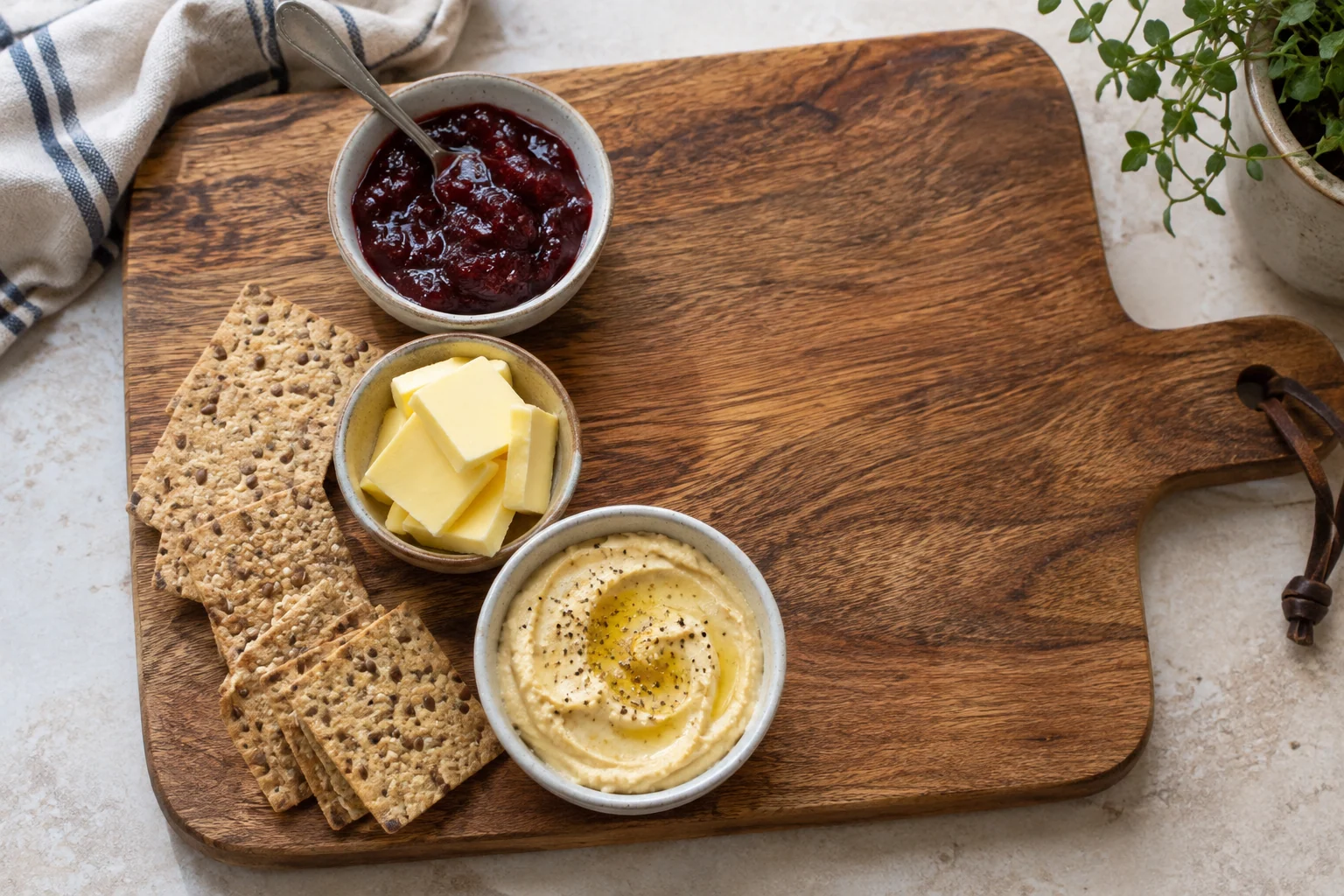
Create visible zones
Put sweet pastries and fruit on one side, savory bread and protein on another, with a middle zone for neutral options. Labels and simple spacing make the assortment easier to scan. Avoid burying nuts inside a decorative fruit pile where allergy-sensitive guests may encounter them. A few open spaces can look more elegant than a completely overloaded surface.
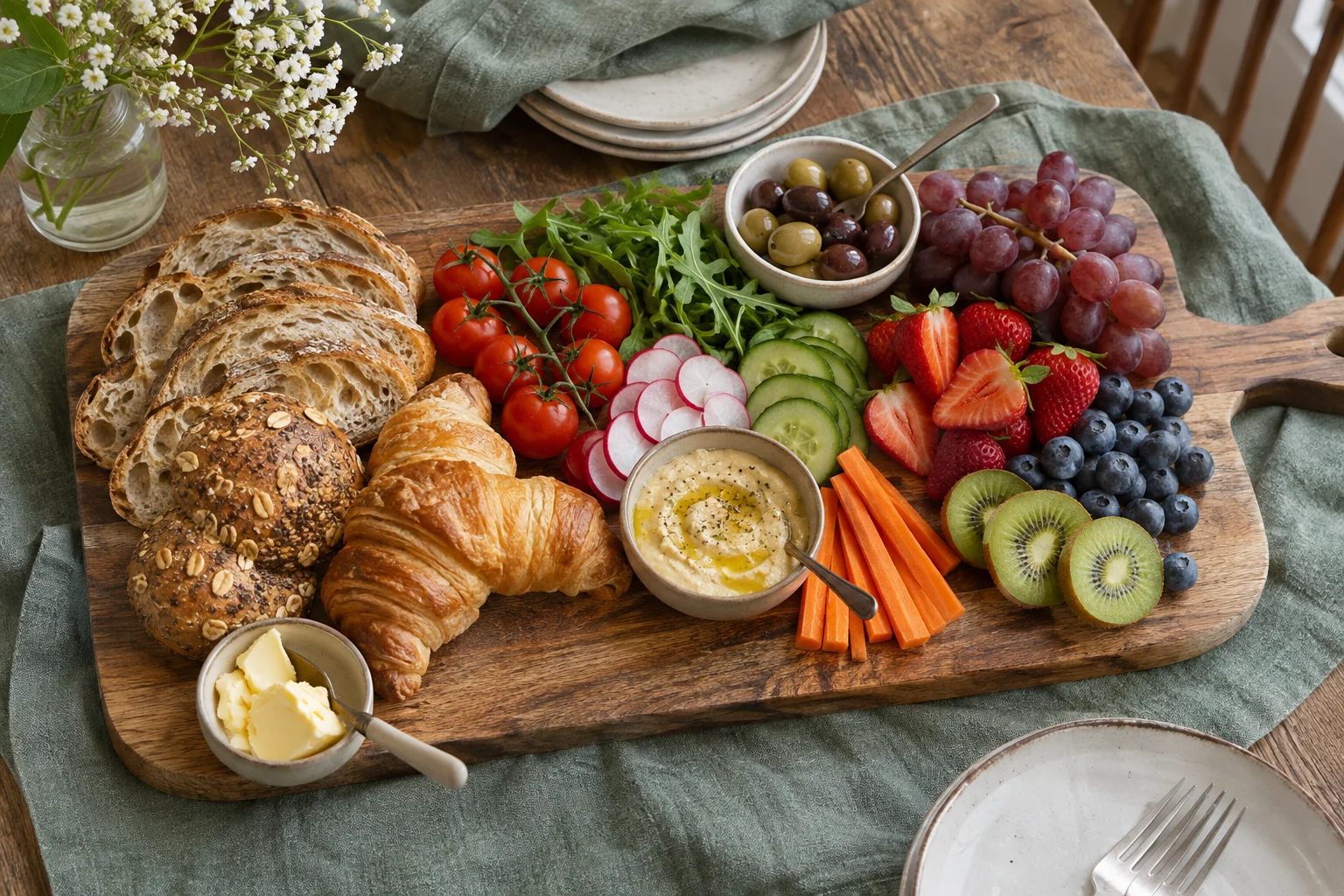
Height without instability
A small raised stand or several shallow bowls adds visual interest, but heavy glass towers near the table edge introduce risk. Keep fragile glasses and hot beverages separate from the grazing surface. A board should remain accessible to people seated or standing, including guests who may have difficulty reaching across a crowded table.
Pair the drinks thoughtfully
Coffee and tea are familiar brunch companions, with water and perhaps a fruit-based nonalcoholic drink. Place beverage cups away from food platters so spills don't soak pastry. Clearly label sweetened drinks and provide an unsweetened choice. Drinks should complement the board without requiring the host to constantly make individual orders.
A Cucumber Mint Cooler is a refreshing companion for salty cheese, eggs and savoury pastries.
Consider dietary needs before assembly
Ask about major allergies or restrictions in advance when possible. Offer a distinct clearly identified vegetarian or dairy-free item if needed, and use separate utensils and preparation areas for serious allergens. Simply moving nuts off a shared board doesn't erase cross-contact. In higher-risk situations, individually prepared sealed portions may be more appropriate.
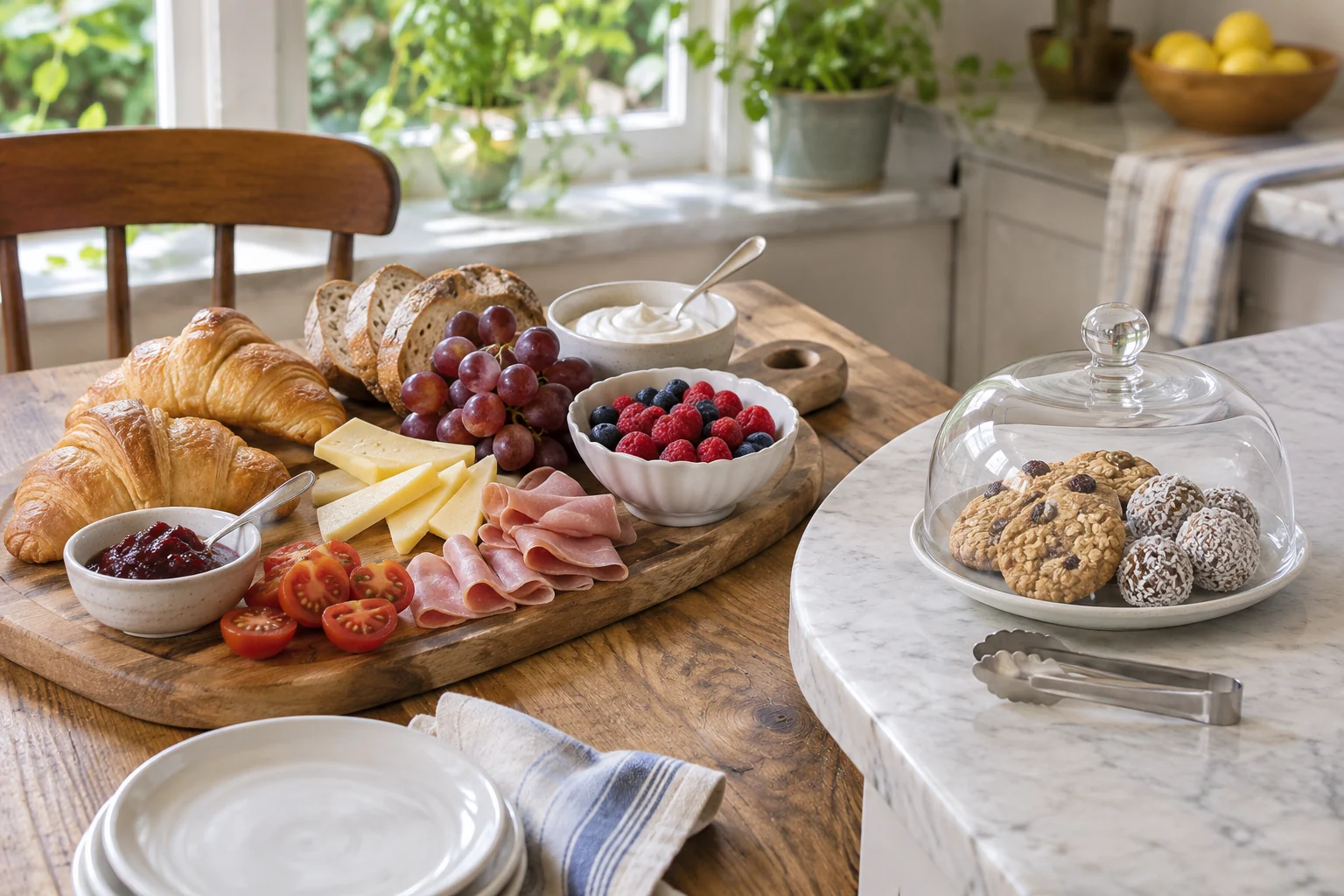
A board for six
Choose two substantial baked components, one savory protein or dip, two varieties of fruit and a few spreads. Arrange on one generous tray with enough serving tools. This offers real variety without excessive leftovers. If a hot egg dish is also planned, reduce the board's protein quantity and make it a complement rather than duplicating the full meal.
For a sit-down brunch, serve wedges of Veggie Frittata alongside the board as the hot part of the meal.
A board for twelve
Use two large trays or split sweet and savory elements. This reduces congestion and makes it easier for guests to reach food from different sides of the table. Refill from refrigerated backup rather than piling everything onto one giant board. A separate fruit platter can be especially useful when wet fruit would soften croissants.
Small Everything Bagel Dinner Rolls are easy to distribute across two platters so both ends of the table can reach them.
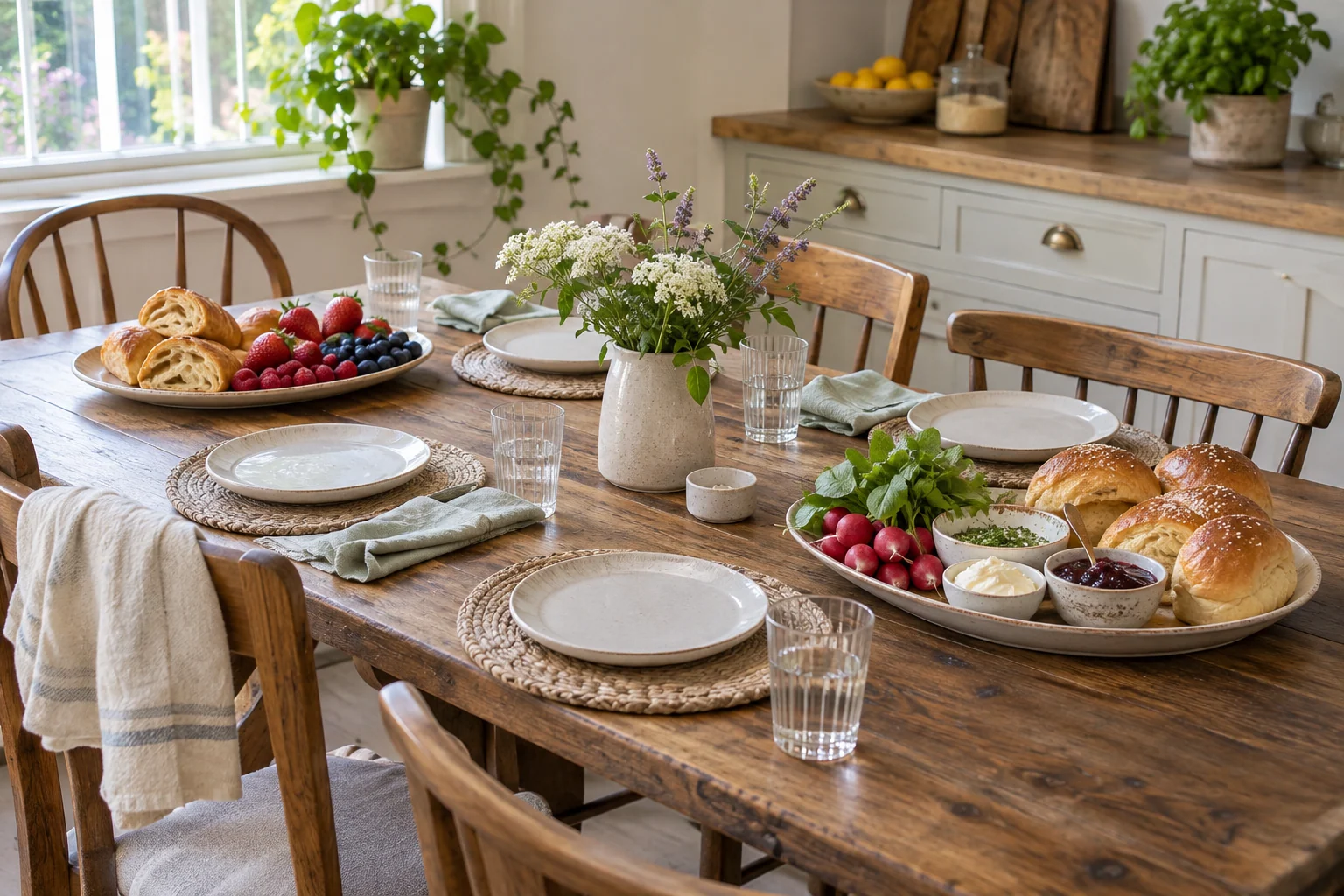
A board for twenty
Multiple smaller stations often work better than one enormous board. A clear direction of traffic prevents lines at a single cheese bowl. Consider repeating popular anchors at opposite ends of the buffet. Assign someone to check replenishment and cold storage while the host handles hot food and drinks.
Bake Blueberry Muffins in advance and bring out a small fresh platter when the first one empties.
Choose homemade elements strategically
One standout homemade item—such as fresh mini scones or a batch of cinnamon rolls—can anchor a board of mostly simple purchased ingredients. Making every component from scratch adds work that guests may not notice. Prepare compatible pastry dough ahead and bake close to serving when possible, keeping the rest of the board easy to assemble.
Cranberry Orange Scones can be the homemade feature while the remaining space goes to simple fruit, vegetables and spreads.
Transporting a grazing board
If traveling, package moist fruit, spreads and delicate pastries separately and assemble at the destination. A fully assembled board can shift in the car and expose perishable food to warm temperatures. Use a rigid covered tray, cold packs where necessary and food-safe containers. Assemble after arrival on a stable clean table.
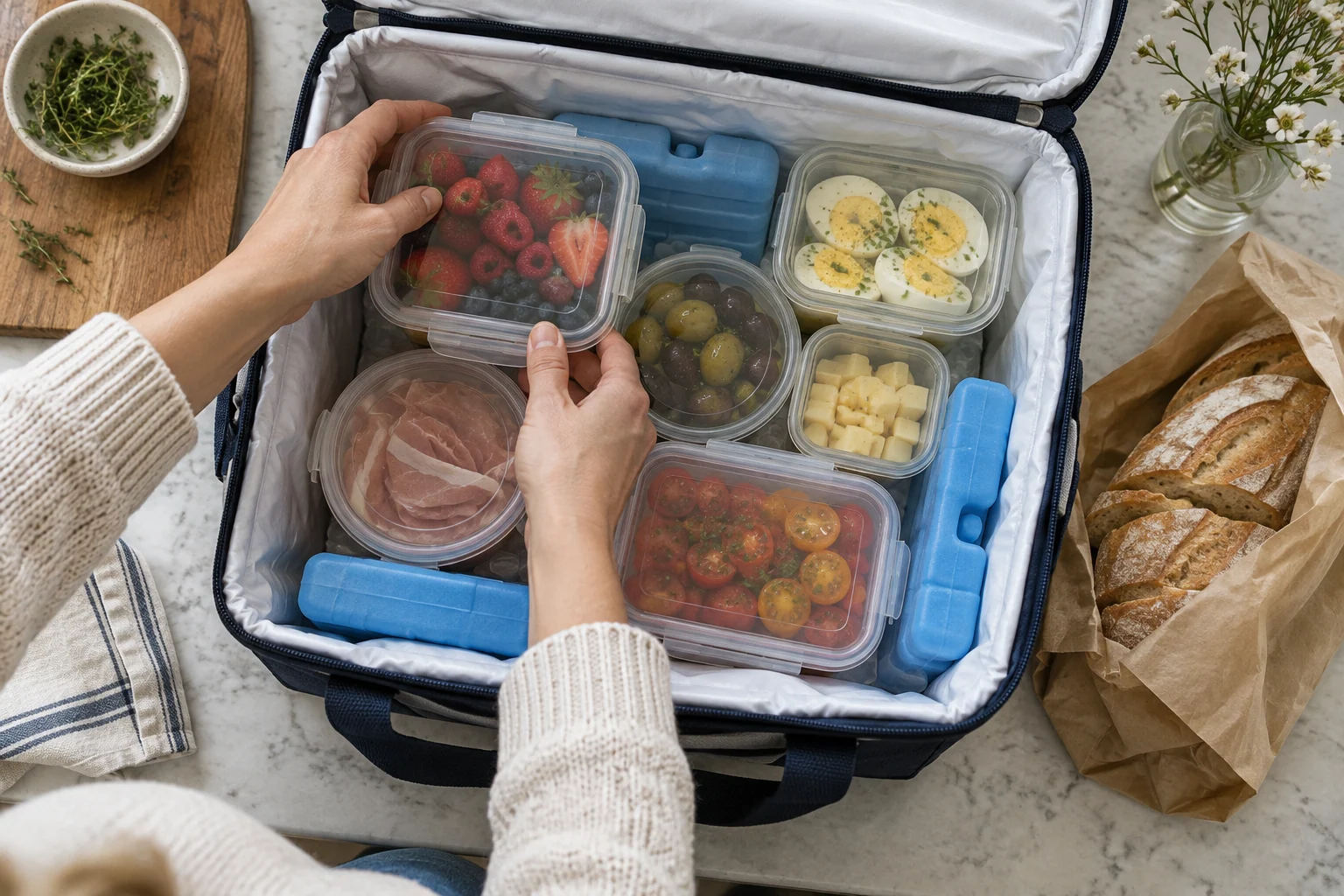
What to do with leftovers
Return perishable foods to refrigeration promptly within safe holding guidance. Discard items that have exceeded safe time limits or were contaminated by shared serving utensils. Wrap undisturbed baked goods separately to preserve texture. Don't combine everything into one storage box; wet fruit and cheese can make pastries soggy overnight.
Frequently asked questions
Can a grazing board be the whole brunch? Yes, if portions and protein are sufficient. Is an enormous wooden board necessary? No. Should hot eggs go on the cold board? Separate hot holding is more practical. Can everything be arranged the night before? Some parts can, but perishable food needs appropriate storage. Do small bowls matter? They help organize wet foods.
A board people can actually enjoy
Start with substantial food, add savory and fresh contrast, arrange in reachable zones and replenish safe small portions. Let the prettiest detail be the care behind the choices rather than the number of items squeezed onto a platter.
How to keep pastries fresh on the board
Arrange crisp pastry away from cut melon and any open yogurt bowls, since moisture can soften delicate crusts. Keep jam in individual dishes rather than spreading it onto every croissant ahead of time. A light cloth cover can protect unfilled bread before guests arrive, but do not trap steam around pastry fresh from the oven. Bake or refresh the main homemade item shortly before service when its recipe supports it.
If you make Classic Croissants, give the crisp layers a dry platter and offer the jam on the side.
Make the board easy to replenish
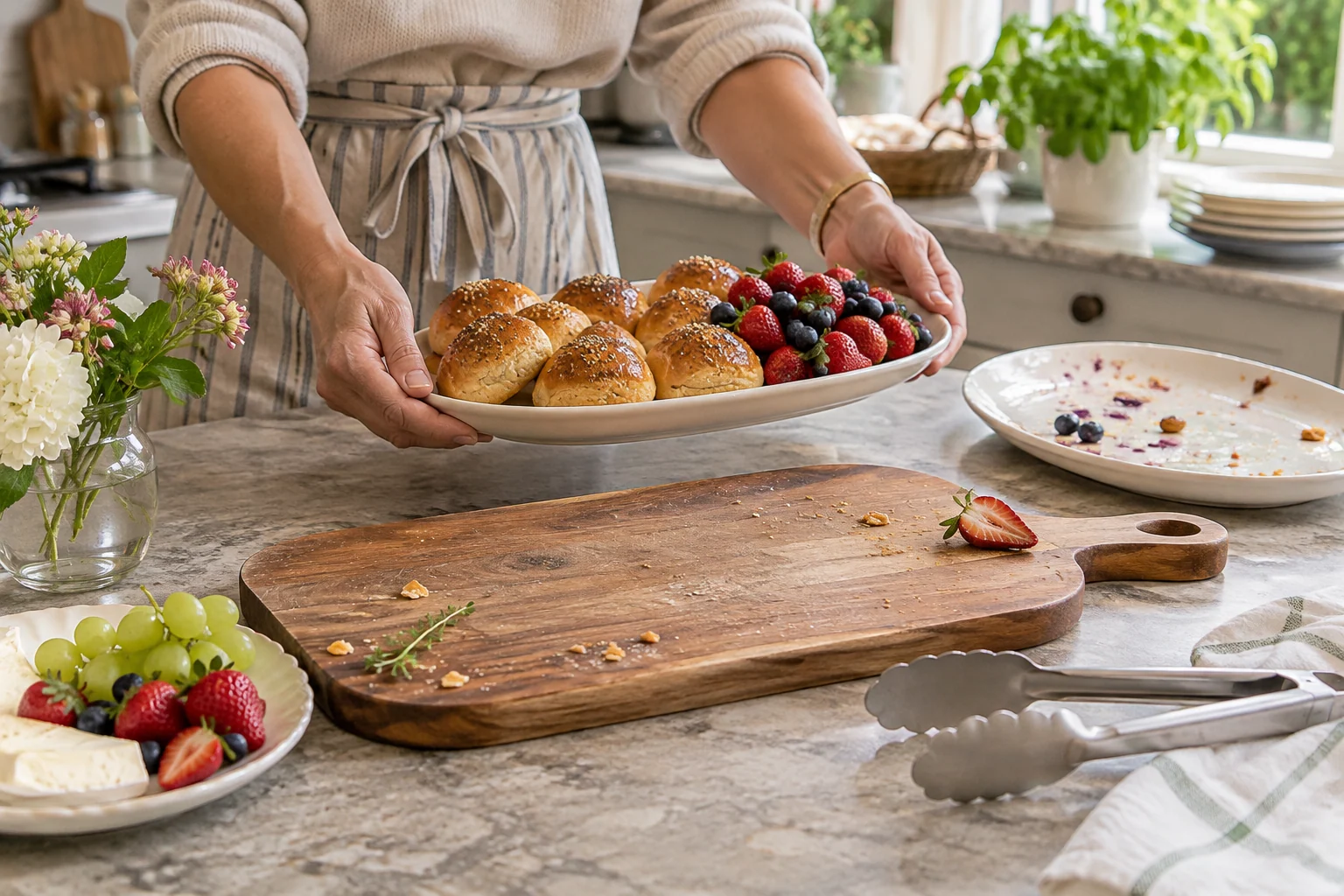
Keep the next round in small, clean serving dishes so you can swap one at a time. Have a dry basket ready for rolls and keep a second bowl of cut fruit chilled. Bring the fresh dish with its own serving utensil, then clear the used one to the kitchen. A guest reaching for a pastry should never have to pass it across an open bowl of dip.
IN PICTURES
From the baking notebook
FROM THE RECIPE BOX


