Veggie Frittata Recipe

A golden-baked egg masterpiece studded with colorful vegetables and herbs, delivering a fluffy texture with savory pockets of melted cheese.
Difficulty:
Beginner
Prep Time:
15 mins
Cook Time:
25 mins
Serves:
6 slices
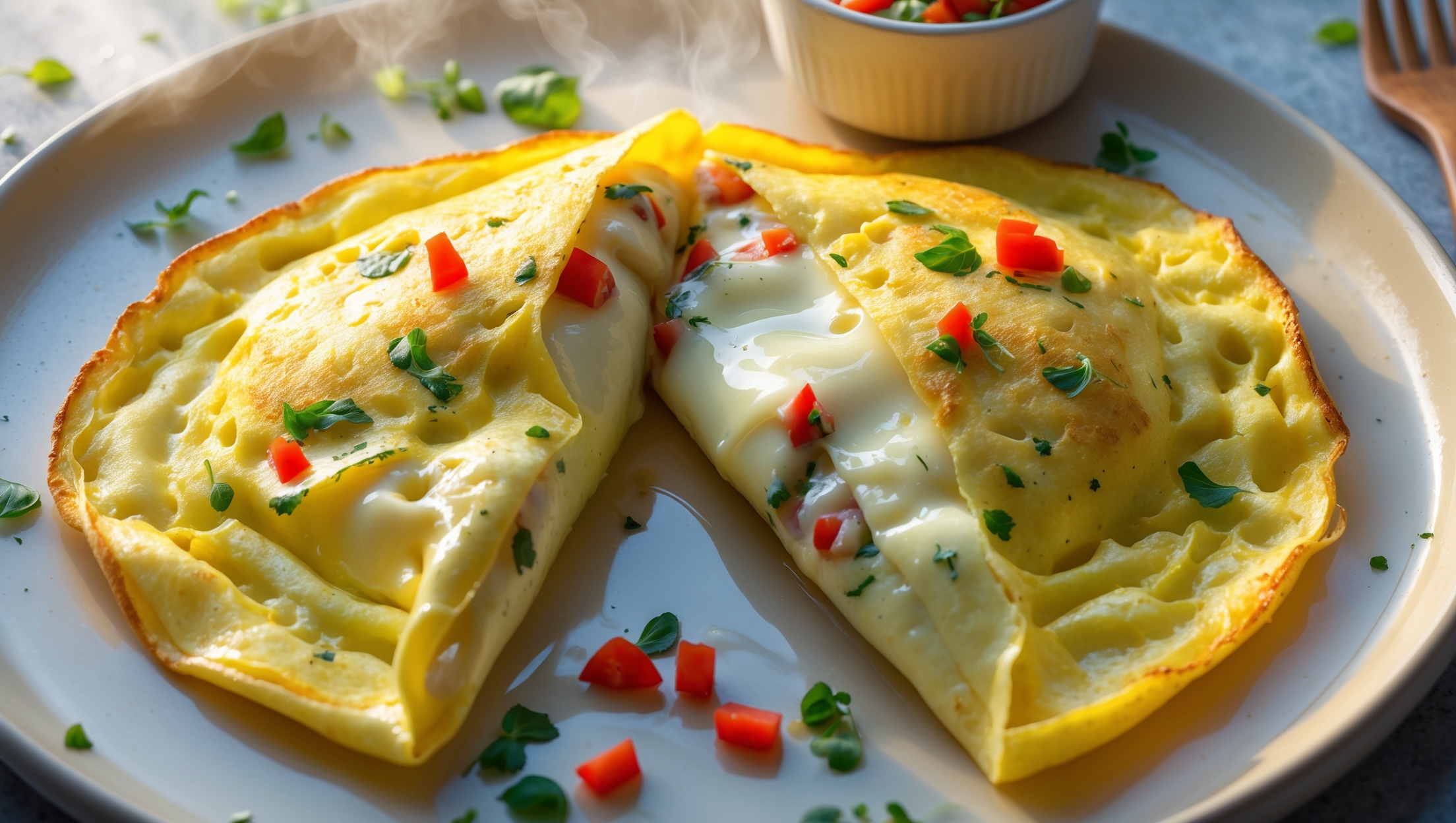
An overhead shot of the golden-brown Veggie Frittata, showcasing its puffed edges and vibrant mosaic of red bell peppers, bright green zucchini, and caramelized onions scattered throughout. The cross-section reveals its airy, tender interior with pockets of melted cheese that stretch when pulled apart. Captured in soft natural morning light on a rustic cast-iron skillet, with fresh herbs scattered around the edges, a wooden serving spatula resting nearby, and a light dusting of freshly cracked black pepper visible on the surface. The warm golden tones of the eggs contrast beautifully with the colorful vegetables, creating an inviting breakfast scene.

Ingredients

<ul class="ingredients-main-list"> <li class="ingredients-single-item">8 large eggs</li> <li class="ingredients-single-item">120ml milk or cream</li> <li class="ingredients-single-item">1 medium onion, finely diced</li> <li class="ingredients-single-item">1 red bell pepper, diced</li> <li class="ingredients-single-item">1 medium zucchini, diced</li> <li class="ingredients-single-item">150g baby spinach</li> <li class="ingredients-single-item">2 cloves garlic, minced</li> <li class="ingredients-single-item">2 tbsp olive oil</li> <li class="ingredients-single-item">100g grated cheese (cheddar, gruyere, or feta)</li> <li class="ingredients-single-item">1 tbsp fresh herbs (chives, parsley, or basil), chopped</li> <li class="ingredients-single-item">1 tsp salt</li> <li class="ingredients-single-item">1/2 tsp black pepper</li> <li class="ingredients-single-item">1/4 tsp red pepper flakes (optional)</li> </ul>

Equipment

<ul class="equipment-main-list"> <li class="equipment-single-item">25cm (10-inch) oven-safe skillet or cast iron pan</li> <li class="equipment-single-item">Mixing bowl</li> <li class="equipment-single-item">Whisk</li> </ul>
BAKE SMARTER

Kitchen Converter

Quickly switch between common baking units without leaving the recipe.

Convert
Result—

Volume uses US cups, tablespoons, and teaspoons. Converting weight to volume depends on the ingredient.

Directions

<ol class="no-list-style"> <li class="MethodStepper"> <h4 class="step-title">Step 1</h4> Preheat your oven to 180°C (350°F). Position the rack in the middle of the oven to ensure even cooking of your frittata. </li> <li class="MethodStepper"> <h4 class="step-title">Step 2</h4> In a large bowl, whisk together the eggs, milk (or cream), salt, black pepper, and red pepper flakes (if using) until well combined and slightly frothy. This thorough whisking incorporates air into the eggs, which helps create a lighter, fluffier texture in your finished frittata. </li> <li class="MethodStepper"> <h4 class="step-title">Step 3</h4> Heat the olive oil in your oven-safe skillet over medium heat. Add the diced onion and sauté for about 3-4 minutes until they begin to soften and become translucent. This slow cooking releases the onion's natural sweetness, adding depth to your frittata. </li> <li class="MethodStepper"> <h4 class="step-title">Step 4</h4> Add the bell pepper and zucchini to the skillet and cook for another 4-5 minutes until the vegetables begin to soften but still maintain some firmness. Then add the garlic and cook for 30 seconds until fragrant. Be careful not to brown the garlic as it can become bitter. </li> <li class="MethodStepper"> <h4 class="step-title">Step 5</h4> Add the spinach to the skillet and stir until wilted, about 1-2 minutes. The spinach will dramatically reduce in volume as it cooks. Ensure the vegetables are evenly distributed across the bottom of the pan to create a balanced frittata. </li> <li class="MethodStepper"> <h4 class="step-title">Step 6</h4> Pour the egg mixture over the vegetables in the skillet. Gently stir once or twice to ensure the eggs reach the bottom of the pan and the vegetables are evenly distributed. Allow the mixture to cook undisturbed for 2-3 minutes until the edges begin to set. </li> <li class="MethodStepper"> <h4 class="step-title">Step 7</h4> Sprinkle the grated cheese evenly over the top of the frittata. The cheese will create a beautiful golden crust as it bakes and adds richness to complement the vegetables. </li> <li class="MethodStepper"> <h4 class="step-title">Step 8</h4> Transfer the skillet to the preheated oven and bake for 15-18 minutes, until the frittata is set in the center and the top is lightly golden. The frittata should puff up slightly and a knife inserted in the center should come out clean. Don't overbake or the eggs will become rubbery. </li> <li class="MethodStepper"> <h4 class="step-title">Step 9</h4> Remove from the oven and let the frittata rest for 5 minutes. This resting period is crucial as it allows the eggs to finish cooking from residual heat and makes the frittata easier to slice cleanly. </li> <li class="MethodStepper"> <h4 class="step-title">Step 10</h4> Sprinkle with fresh herbs, slice into wedges, and serve warm. The frittata can also be enjoyed at room temperature, making it perfect for make-ahead meals. Leftovers can be refrigerated for up to 3 days and gently reheated or enjoyed cold. </li> </ol>

Nutrition Facts (per serving)

🍽️ Serving Size: 1 slice
🔥 Calories: 185 calories
🥑 Fat: 13 g
🧈 Saturated Fat: 5 g
🍞 Carbohydrates: 5 g
🍭 Sugar: 3 g
🍗 Protein: 12 g
🫀 Cholesterol: 250 mg
🧂 Sodium: 320 mg

Chef’s Notes

A few helpful details for making this recipe.

Can I make a frittata without a cast iron pan?

Absolutely! While cast iron is ideal for its heat retention and oven-safe properties, any oven-safe skillet will work. In a pinch, you can sauté vegetables in a regular pan, transfer everything to a greased baking dish, then pour over the egg mixture and bake.

What's the difference between a frittata and an omelette?

A frittata is cooked slowly, started on the stovetop and finished in the oven with ingredients mixed throughout. An omelette cooks quickly on the stovetop only, with fillings typically folded in the middle. Frittatas are thicker and served in wedges.

How can I prevent my frittata from becoming rubbery?

To prevent a rubbery texture, don't overcook the frittata. Remove it from the oven when the centre is just set but still slightly jiggly. Adding dairy (milk or cream) to the egg mixture creates tenderness, and allowing the frittata to rest for 5 minutes after baking helps set the texture perfectly.

Want to try something else in ...

More recipes you might like

Keep exploring with more recipes from What's Baking.