
On this page
Think about the slice you want to serve. A thin stripe of tart fruit can brighten a rich sponge, while a thick blanket of soft cream may squeeze out under the next layer. Choose the flavour, then test whether the filling holds at the temperature at which you will cut the cake.
Begin with the cake's structure
A firm butter cake can support different fillings from an exceptionally delicate foam sponge. Tall cakes multiply the load on lower layers. A filling that holds between two low layers may bulge under four heavy tiers. Consider the sponge's crumb strength, diameter, height and intended storage. Choose a tested cake-and-filling combination before attempting a dramatically taller version.
The light-coloured crumb of Classic Vanilla Layer Cake makes the thickness of each filling layer easy to judge.

Buttercream as a stable option
Many American-style buttercreams are spreadable and supportive at appropriate temperatures. They can be flavored with vanilla, cocoa or measured extracts, and may form a frosting dam around softer fillings. Their stability depends on ingredients, thickness and heat. Buttercream can soften in warm weather, so don't describe every buttercream formula as heatproof or room-temperature-safe without considering its composition.
Swiss and Italian meringue buttercreams
Meringue-based buttercreams can be smooth, less sweet and elegant when correctly prepared. Their texture depends strongly on butter temperature and emulsion stability. They may soften during warm transport and require controlled handling. Egg-containing meringues also need the proper safe method and storage. Choose the specific recipe for the event conditions rather than assuming a professional-sounding name ensures structural strength.
Chocolate ganache
Ganache can range from a pourable glaze to a firm filling depending on chocolate type and cream ratio. A layer-cake filling should be cool and thick enough that the next cake layer doesn't squeeze it outward. Milk and white chocolates typically need different ratios from dark chocolate. Dairy ganache remains perishable unless professionally formulated and tested otherwise, so follow refrigeration guidance.
Compare the finish and interior of Chocolate Layer Cake when deciding how much chocolate to put in the filling.

Fruit preserves and jam
A modest layer of thick jam can add fruit flavor without the high free water of fresh fruit. Some jams are still too loose or slippery for tall cakes, especially under a heavy layer. Apply in a controlled thickness and use a buttercream dam if the recipe calls for one. Fruit products aren't guaranteed shelf-stable once combined with a dairy-based cake filling.
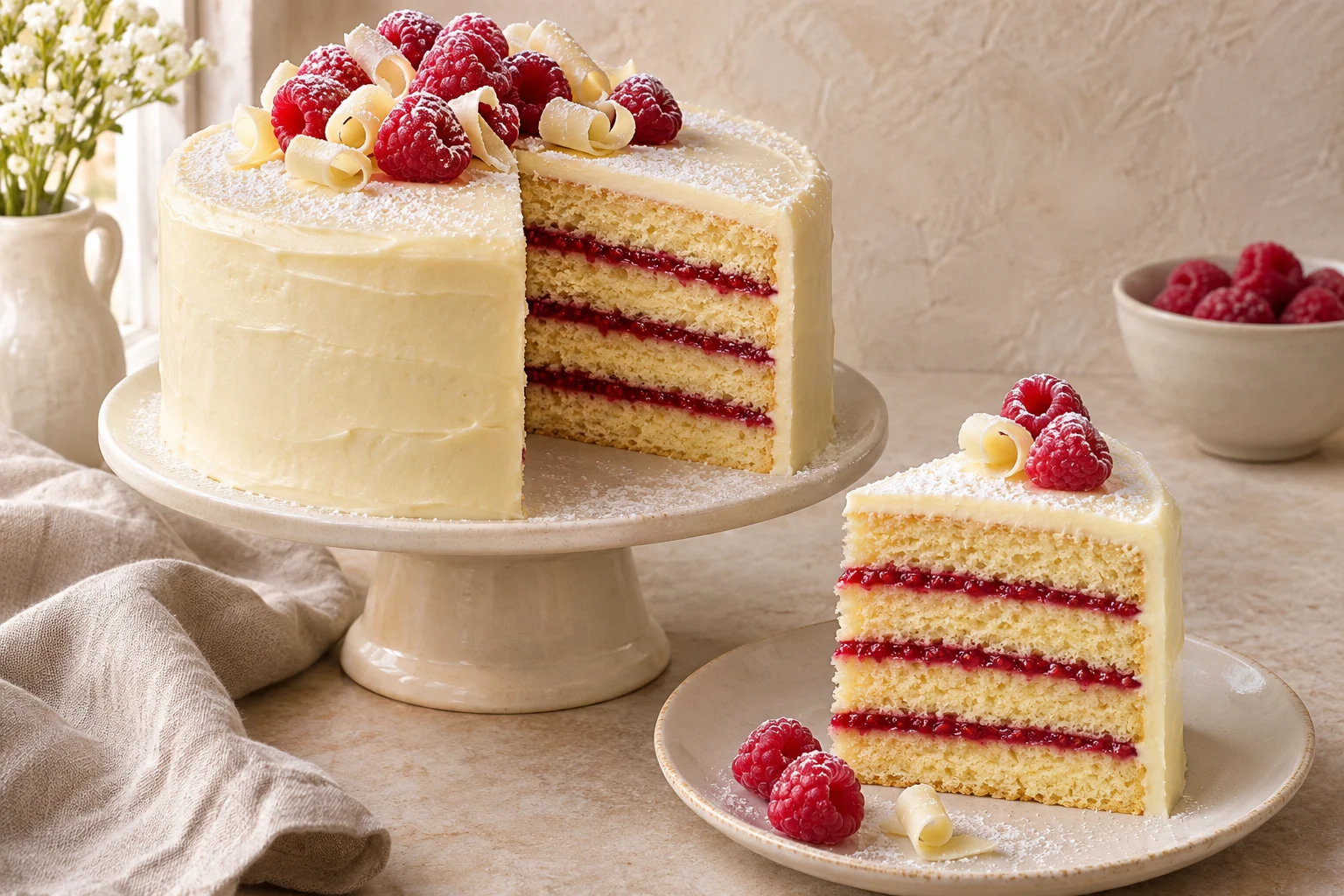
A slice of Raspberry White Chocolate Layer Cake shows how a thin fruit layer can give a strong contrast.
Fruit compotes
A cooked thickened berry compote can provide bright color and tartness. Its stability depends on fruit water content, starch or pectin system and cooling. The filling should be fully cooked according to the formula and cooled safely before assembly. A spoonful that holds its shape in a bowl may still spread under the weight of several cake layers; test the consistency before stacking.
Lemon and passion-fruit curd
Curds often contain eggs, sugar, fruit juice and butter, making them rich and tangy but relatively soft. They need safe refrigeration and careful containment. A buttercream ring around the perimeter can help hold a measured amount of curd in the center. Avoid filling to the very edge without a dam when the recipe warns about leakage.
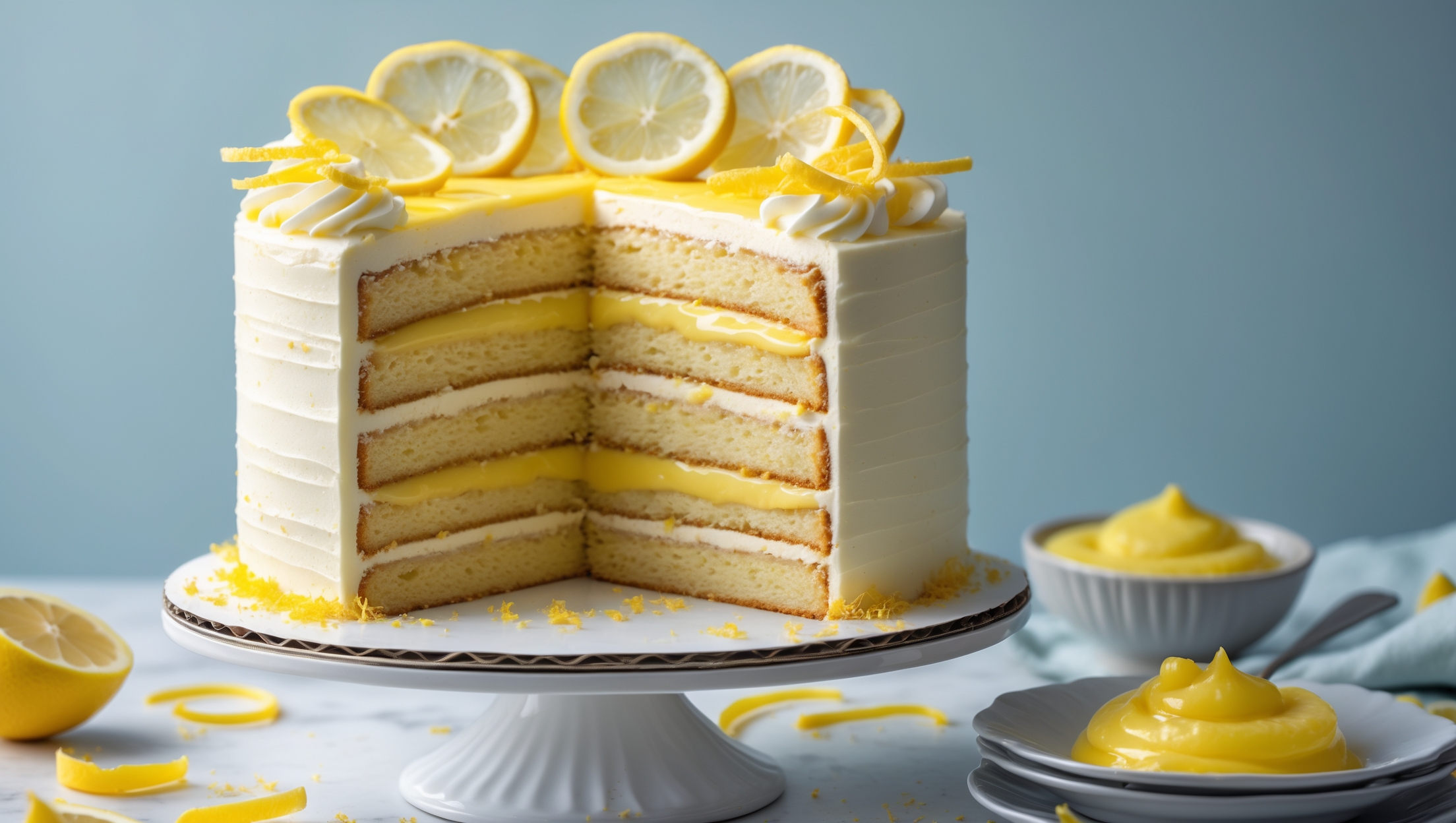
For a citrus-forward combination, compare the components in Lemon Layer Cake.
Pastry cream
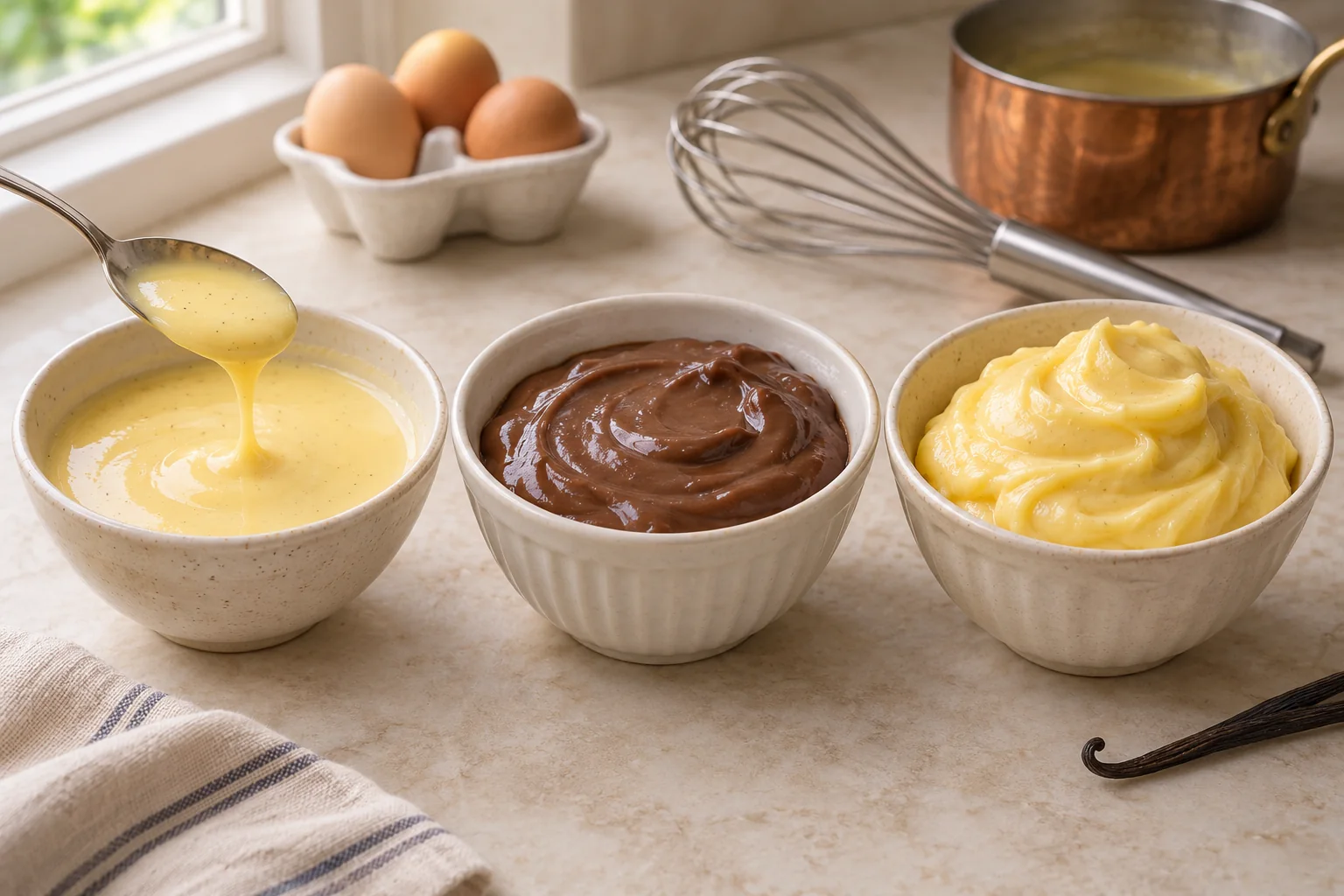
Pastry cream is a cooked custard, usually involving milk, eggs and starch. It can be wonderfully smooth between sponge layers but requires proper cooking, prompt cooling and refrigeration. Its shelf life is limited, and it may not support a very tall cake on its own. For extended transport, choose a tested filling style with appropriate support rather than assuming custard behaves like buttercream.
Whipped cream
Whipped cream creates a delicate light dessert but is vulnerable to warmth and pressure. A stabilized whipped cream formula may hold better than ordinary cream, yet it remains perishable. A short refrigerated cake assembled close to service may suit it. A tall outdoor wedding cake in direct sun does not. Keep it cold and follow the formula's limits for holding and serving.
Cream cheese fillings
Cream cheese frosting or filling has a pleasant tang and pairs well with carrot, red velvet and spice cakes. It commonly requires refrigeration because of its dairy content. Some commercial formulas differ, but a homemade cream cheese mixture shouldn't be left unrefrigerated for a long party. Choose a stiff tested formulation if the cake must hold several layers.
Consult Carrot Layer Cake for a frosting and cake pairing suited to a spiced crumb.

Fresh fruit slices
Strawberries, raspberries, peaches and banana add freshness but can release moisture or slide between layers. Prepare fruit according to the recipe and consider how long it will sit before serving. Banana browns, juicy berries can leak, and large whole pieces may create uneven pressure. Fresh fruit also affects storage and should be handled as perishable prepared food.
Crunchy inclusions
Nuts, brittle or biscuit crumbs can add contrast inside a cake, but moisture from frosting may soften them over time. Choose an approved barrier or add a crisp component close to service when appropriate. Whole hard nuts may be unsuitable for young children or allergy-sensitive guests. A crunchy filling also shouldn't be so thick that the cake layers rest unevenly.
How thickness affects stability
A very thick layer of filling increases the distance between sponges and can allow the cake to shift. Many tested cake designs use relatively restrained even filling layers, but there is no universal centimeter rule. Use the recipe's intended quantity and spread evenly. If you want a striking thick filling, select a cake engineered for it rather than multiplying a standard jam amount.
The buttercream dam
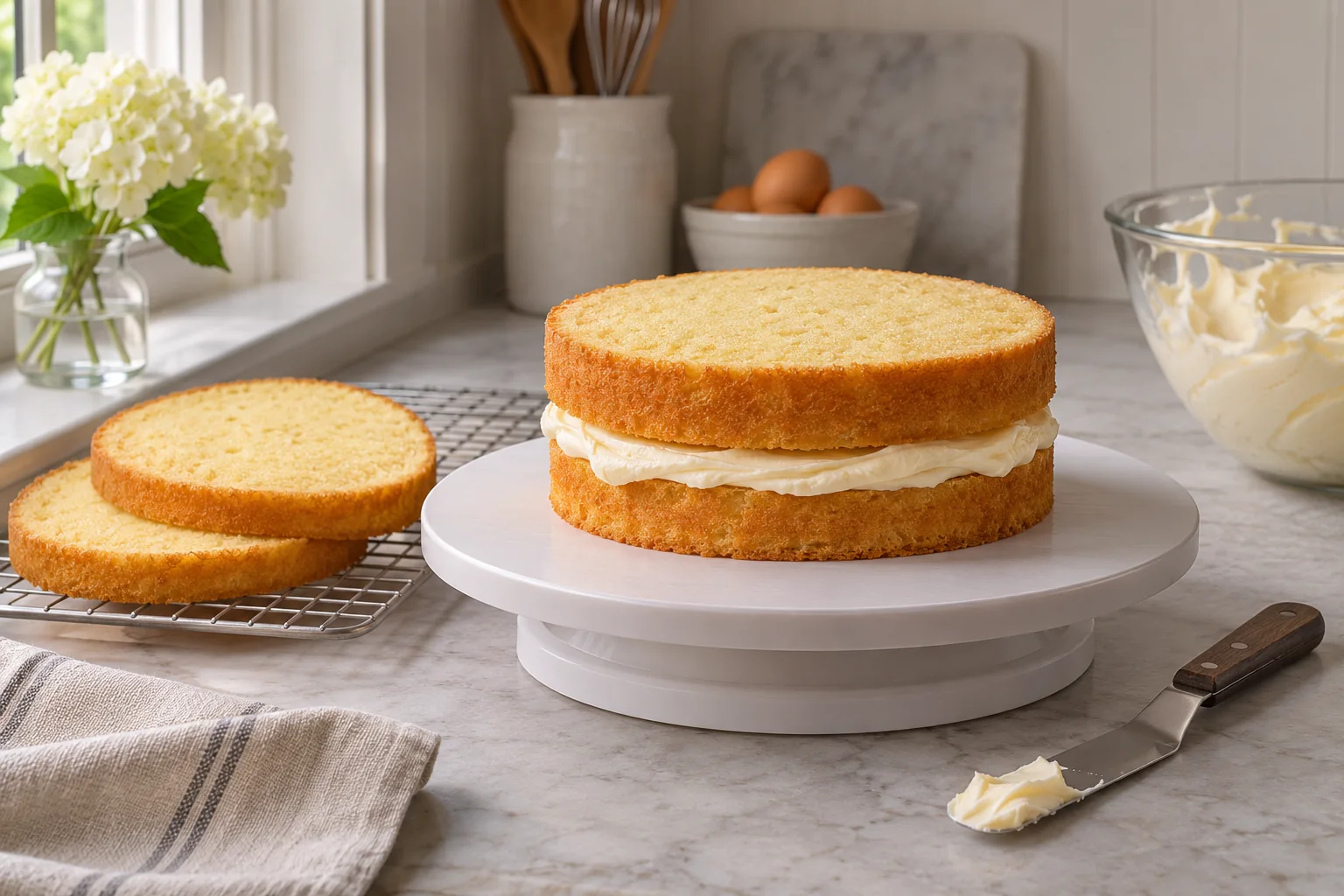
For a suitable soft filling, pipe a continuous ring of firm buttercream near the layer’s perimeter and place a modest amount of filling inside. Let it firm if the assembly method requires that step. A dam helps contain filling; it does not replace structural supports in a tiered cake or make a very liquid filling stable.
Cake soaks and syrup
A light measured syrup can add moisture and flavor to certain sponge cakes. Too much may make the layers heavy and slippery, especially beneath soft filling. Don't soak an already moist butter cake indiscriminately. Choose a cake recipe with a tested syrup quantity and apply it at the specified stage before assembling the filling.
Which cake flavors pair well?
Vanilla butter cake can support berry, lemon or chocolate filling. Dark chocolate cake pairs with raspberry, caramel or coffee, while spice cake suits apple or cream cheese when refrigerated appropriately. Use contrast thoughtfully: a rich cake often benefits from a little tartness. Flavor pairing should not override structural or allergen requirements.
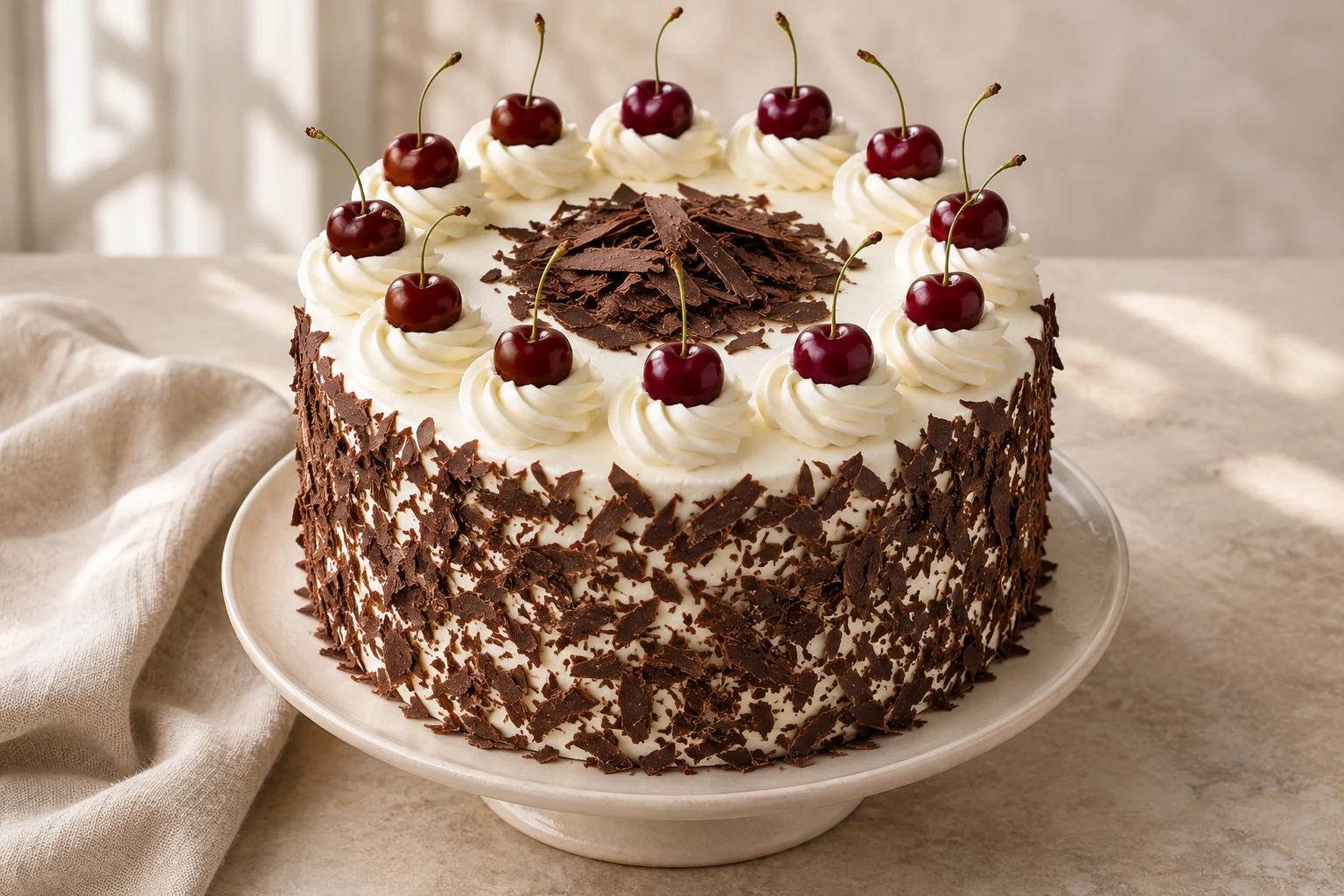
For a fruit-and-chocolate pairing, look at the balance of components in Black Forest Layer Cake.
Balance sweetness
A sweet white-chocolate frosting with a heavily sweetened fruit jam may overwhelm a delicate vanilla sponge. A tart curd or unsweetened fruit component can help, provided the recipe balances moisture. Likewise, a very bitter dark ganache may need a sweeter cake. Taste safe prepared components before assembly, and avoid altering the main recipe's sugar content at random.
Refrigeration and serving
The most perishable component determines cake storage. Custard, whipped cream, cream cheese and fresh fruit often need consistent refrigeration at or below 4°C (40°F). Plan how the cake will be served, not simply how it looks in the fridge. Bring out limited portions where appropriate and return remaining perishable cake promptly to safe cold storage.
Traveling with filling
A loose curd may shift in a warm vehicle even inside an attractive crumb coat. Chill compatible layers, use a rigid board and maintain cold storage requirements. A buttercream dam and moderate filling thickness may improve stability. For a long summer journey, a lower cake with firmer filling can be a smarter design than a high cake with several wet layers.
Troubleshooting bulging sides
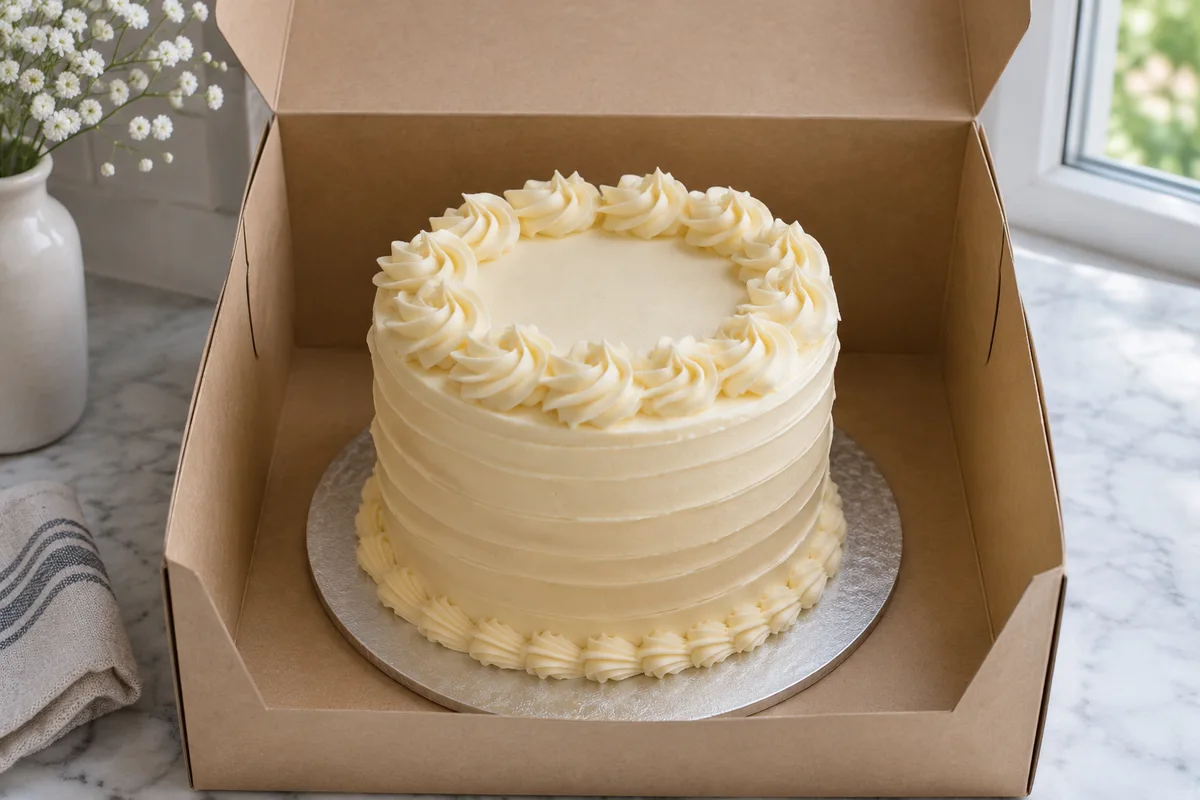
Bulges can indicate overfilled layers, a weak dam, warm frosting or cake layers compressed unevenly. Chill if the recipe permits and examine whether the stack is level. Simply adding another exterior coat may hide a temporary ridge but won't fix a seriously unstable filling. Adjust the filling quantity or formula on the next cake rather than pressing harder with a scraper.
Troubleshooting dry cake and wet filling
A dry sponge doesn't necessarily benefit from a very wet fruit filling that soaks the perimeter. The correct response may be better cake baking, a measured syrup or a compatible frosting. Too much moisture between layers can produce gummy bands. Think of moisture balance across the complete dessert, not as a race to make the filling as juicy as possible.
IN PICTURES
From the baking notebook
FROM THE RECIPE BOX


