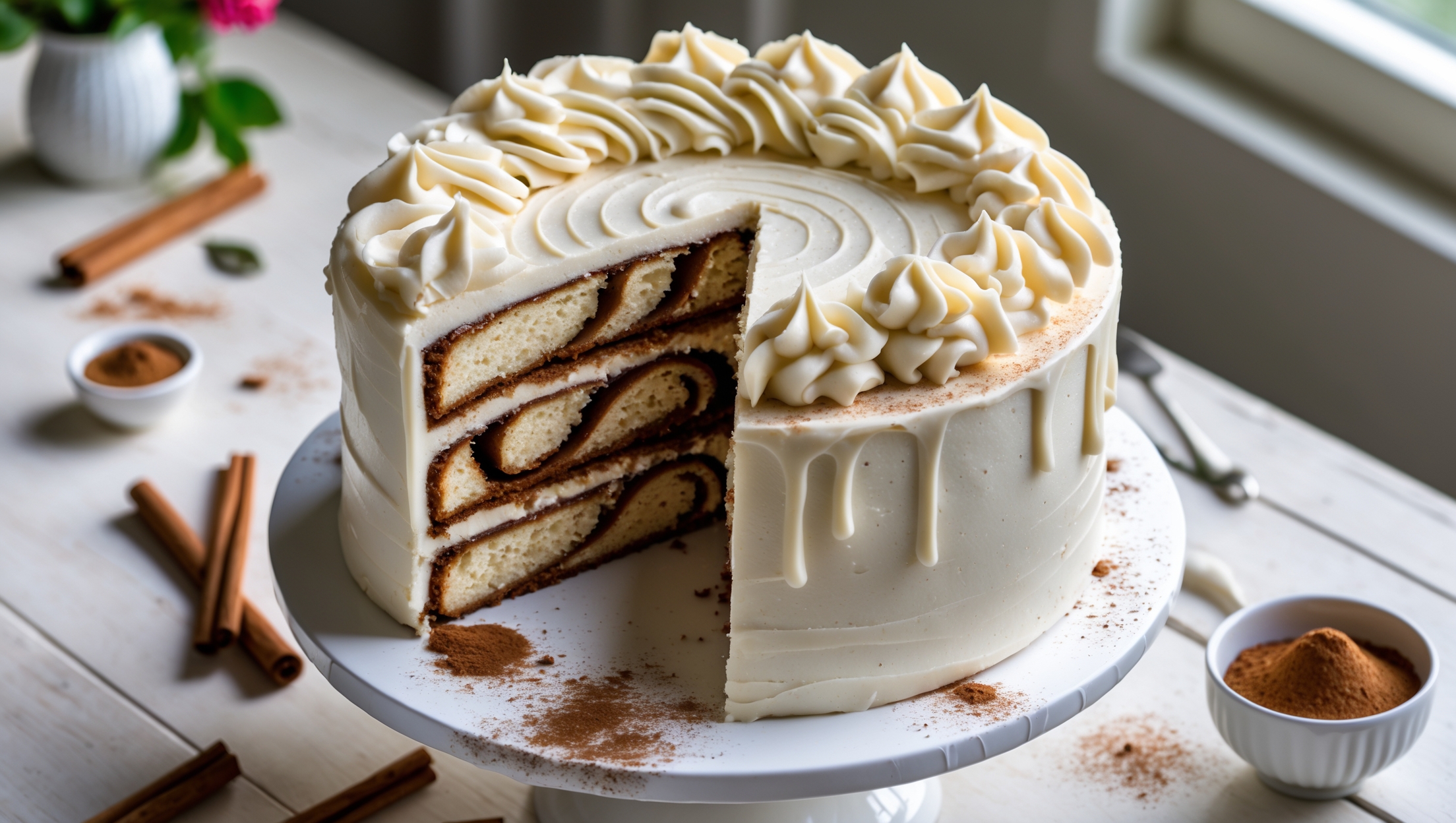
Directions
<ol class="no-list-style"><li class="MethodStepper"><h4 class="step-title">Step 1</h4>Preheat your oven to 180°C (160°C fan/gas mark 4). Grease three 20cm round cake tins and line the bases with parchment paper. This triple layer approach will give your cake impressive height while ensuring each layer bakes evenly.</li><li class="MethodStepper"><h4 class="step-title">Step 2</h4>Peel and finely grate the carrots using a box grater or food processor. The fine texture ensures the carrots will cook properly and distribute evenly throughout the batter. Place grated carrots on paper towels and gently press to remove excess moisture, which helps prevent a soggy cake.</li><li class="MethodStepper"><h4 class="step-title">Step 3</h4>In a medium bowl, whisk together the flour, baking powder, bicarbonate of soda, cinnamon, nutmeg, cloves, and salt. This pre-mixing of dry ingredients ensures even distribution of the raising agents and spices throughout the batter.</li><li class="MethodStepper"><h4 class="step-title">Step 4</h4>In a large bowl or stand mixer, beat both sugars and eggs on medium-high speed for 3-4 minutes until pale and slightly thickened. This creates a stable emulsion that helps trap air, creating a lighter texture in the final cake.</li><li class="MethodStepper"><h4 class="step-title">Step 5</h4>With the mixer running on low, slowly stream in the oil, then add the vanilla extract and orange zest. The gradual addition prevents the mixture from splitting. It should look smooth and well-combined.</li><li class="MethodStepper"><h4 class="step-title">Step 6</h4>Fold in the dry ingredients with a rubber spatula, mixing just until no flour pockets remain. Over-mixing develops gluten, which can make your cake tough rather than tender.</li><li class="MethodStepper"><h4 class="step-title">Step 7</h4>Gently fold in the grated carrots, chopped walnuts, and sultanas (if using) until evenly distributed throughout the batter. The moisture from the carrots will help keep your cake beautifully moist for days.</li><li class="MethodStepper"><h4 class="step-title">Step 8</h4>Divide the batter equally between the three prepared tins (approximately 500g per tin if you want to be precise). Smooth the tops with an offset spatula and tap each tin gently on the counter to remove any air bubbles.</li><li class="MethodStepper"><h4 class="step-title">Step 9</h4>Bake for 25-30 minutes, or until a skewer inserted into the center comes out clean and the cakes spring back when lightly pressed. The cakes will be golden brown and just starting to pull away from the sides of the tin.</li><li class="MethodStepper"><h4 class="step-title">Step 10</h4>Allow the cakes to cool in their tins for 10 minutes, then turn out onto a wire rack to cool completely. Placing them upside down on the rack helps flatten any domes that formed during baking, giving you more even layers.</li><li class="MethodStepper"><h4 class="step-title">Step 11</h4>For the cream cheese frosting, beat the softened butter in a stand mixer or with an electric hand mixer until pale and fluffy, about 3-4 minutes. The butter must be soft but not melted for the perfect frosting texture.</li><li class="MethodStepper"><h4 class="step-title">Step 12</h4>Add the cold cream cheese (straight from the refrigerator) in chunks, beating on medium speed until just combined. Using cold cream cheese helps maintain the frosting's structure. Be careful not to overbeat once the cream cheese is added, as this can make the frosting runny.</li><li class="MethodStepper"><h4 class="step-title">Step 13</h4>Add the sifted icing sugar in 2-3 batches, mixing on low speed until incorporated, then increase to medium speed. Add the vanilla extract and salt, beating until smooth and fluffy. If the frosting seems too soft, refrigerate for 20 minutes before using.</li><li class="MethodStepper"><h4 class="step-title">Step 14</h4>For the caramelized walnuts, line a baking sheet with parchment paper. In a small heavy-bottomed saucepan, combine the sugar and water. Heat over medium heat without stirring until the sugar dissolves and begins to turn amber (approximately 5-6 minutes). Immediately add the walnuts, stir quickly to coat, then pour onto the prepared baking sheet, separating the nuts with two forks. Let cool completely before using.</li><li class="MethodStepper"><h4 class="step-title">Step 15</h4>To assemble the cake, place one layer on a cake stand or serving plate. Spread approximately 1/4 of the frosting over the top in an even layer. Place the second cake layer on top and repeat. Add the final cake layer and use the remaining frosting to cover the top and sides of the cake.</li><li class="MethodStepper"><h4 class="step-title">Step 16</h4>For a rustic finish, use an offset spatula to create textured swirls in the frosting. For a smoother finish, dip the spatula in hot water, wipe dry, and run it over the frosting. Decorate the top with the caramelized walnuts and a sprinkle of orange zest for a beautiful finish.</li><li class="MethodStepper"><h4 class="step-title">Step 17</h4>For the best flavor, allow the assembled cake to rest at room temperature for 1 hour before serving, or refrigerate for up to 3 days. If refrigerated, bring to room temperature for 1-2 hours before serving to allow the flavors to fully develop and the frosting to soften slightly.</li></ol>