
On this page
Taste a forkful made with a scrap of sponge, a dab of filling and a smear of frosting. Then check whether the filling stays put when you press another piece of sponge on top. Those two checks help narrow the choices before assembly.
Begin with the sponge
A delicate vanilla sponge can pair beautifully with lighter fruit or cream, but its strength may limit heavy fillings. A sturdy butter cake tolerates different layering from a fragile chiffon. Chocolate cake can carry rich ganache, yet a very moist sponge may not need additional syrup. Evaluate texture and height before selecting ingredients for between the layers.
Filling and frosting have separate roles
Filling sits between cake layers and must remain in place under weight. Frosting covers the exterior, traps crumbs and forms decorations. Some buttercreams and ganaches can do both jobs; thin fruit sauce may taste good between layers but be unsuitable for smoothing the sides. Choose an inside texture that can support stacking and an outside texture that matches the finish.
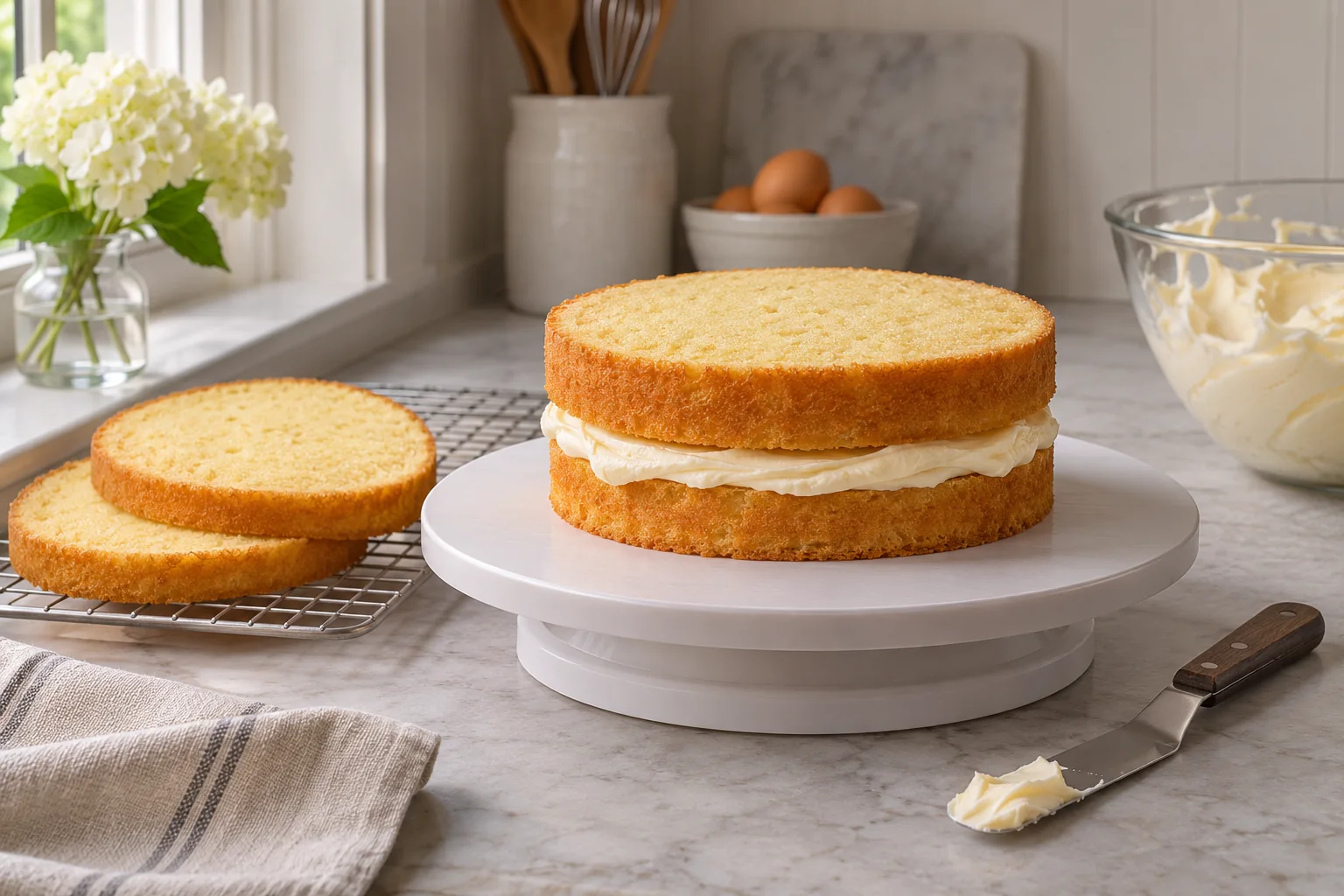
Buttercream as a versatile foundation
A tested buttercream can fill and frost many cake styles. American-style versions often have clear sweetness and easy piping, while meringue-based varieties can be silkier with different handling temperatures. Every recipe has its own stability and storage requirements. A buttercream dam around softer fruit filling may help contain it, but it won't support an extremely tall unsupported structure.
Look at the filling and coating in Classic Vanilla Layer Cake when deciding how much buttercream belongs inside versus outside.

Chocolate ganache options
Ganache ranges from pourable glaze to spreadable coating depending on chocolate type, cream ratio and temperature. Dark chocolate, milk chocolate and white chocolate behave differently and need appropriate formulas. A firm ganache filling may stabilize a chocolate layer cake, but thick heavy layers can overpower a tender sponge. Follow the recipe's setting and refrigeration guidance.
Use the chocolate finish in Chocolate Layer Cake as a reference when choosing the intensity of a filling.

Whipped cream for lighter cakes
Whipped cream gives a delicate finish and pairs well with berries or sponge. Even stabilized cream remains perishable and can be vulnerable to pressure and warmth. A short low layer cake kept refrigerated may suit it, while a tall outdoor centerpiece is risky. Use a tested whipped-cream cake method and avoid treating a warm vehicle as suitable storage.
Cream cheese frosting
Cream cheese frosting brings tang and suits carrot, spice, red velvet and certain citrus cakes. It is often softer than a firm buttercream and usually needs refrigeration. The ideal consistency for spreading may not hold tall piped rosettes. Choose a recipe appropriate to the decoration rather than adding unlimited powdered sugar to force a delicate formulation into a rigid tower.
Fruit curd and buttercream
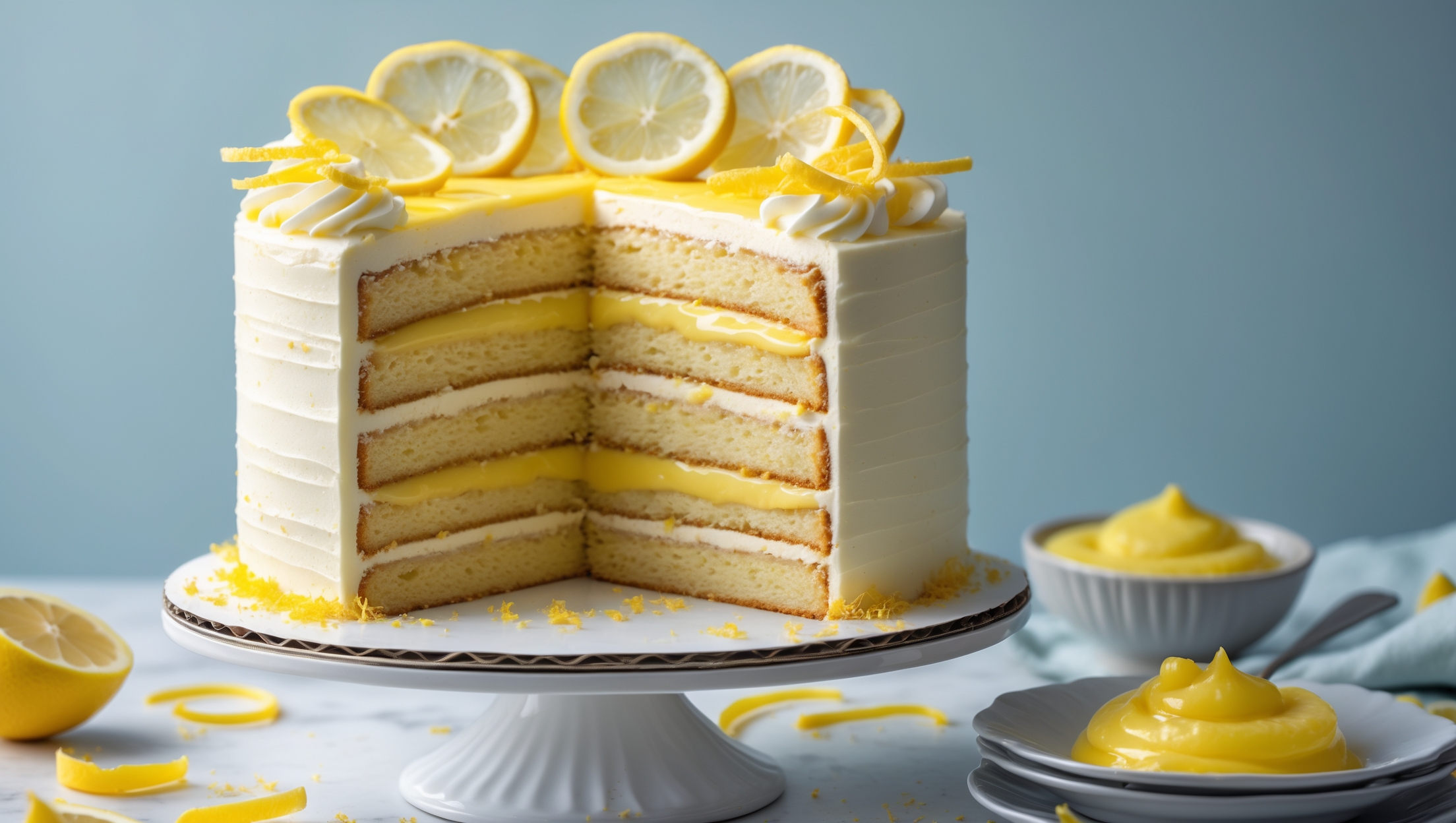
Lemon, lime and passion-fruit curds provide sharp contrast against sweet cake and frosting. They can also be slippery and require cold storage because many contain eggs and butter. A measured buttercream ring near the edge may contain the curd. Avoid spreading a very thick loose layer all the way to the perimeter of a tall cake.
Compare the citrus components in Lemon Layer Cake before adding another tart layer.
Fruit compote versus jam
A well-thickened compote gives fresh fruit character but can have more free water than a firm jam. A thin jam layer often offers a simpler structure. Some fruit gels set with pectin or starch and behave differently after freezing. Use a cake-appropriate fruit filling formulation rather than pouring warm runny pie sauce between delicate sponges.
Pastry cream
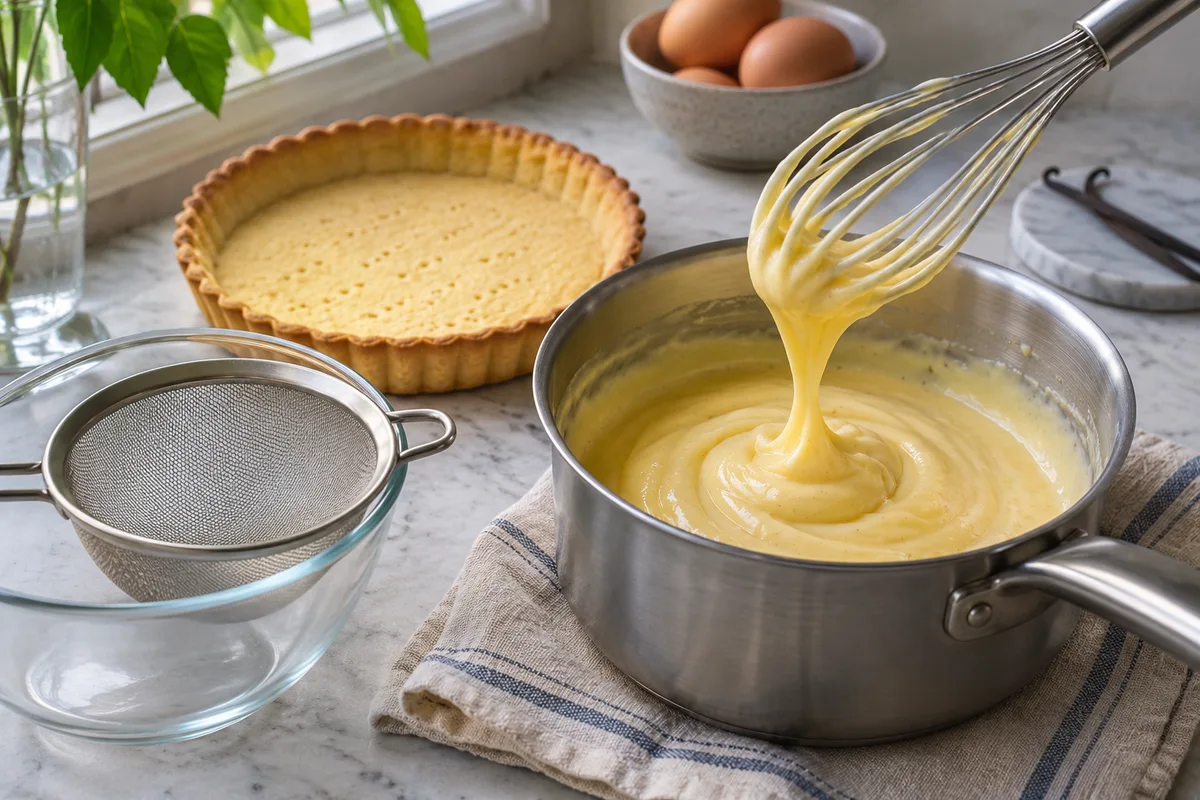
Pastry cream creates a rich custard layer in some classic desserts, but it requires proper cooking, prompt cooling and refrigeration. It may be too soft for unsupported tall cakes. A diplomat cream incorporating whipped cream is an even lighter filling with its own structural limits. A cake requiring long room-temperature display is usually a poor choice for delicate custard filling.
Fresh berries
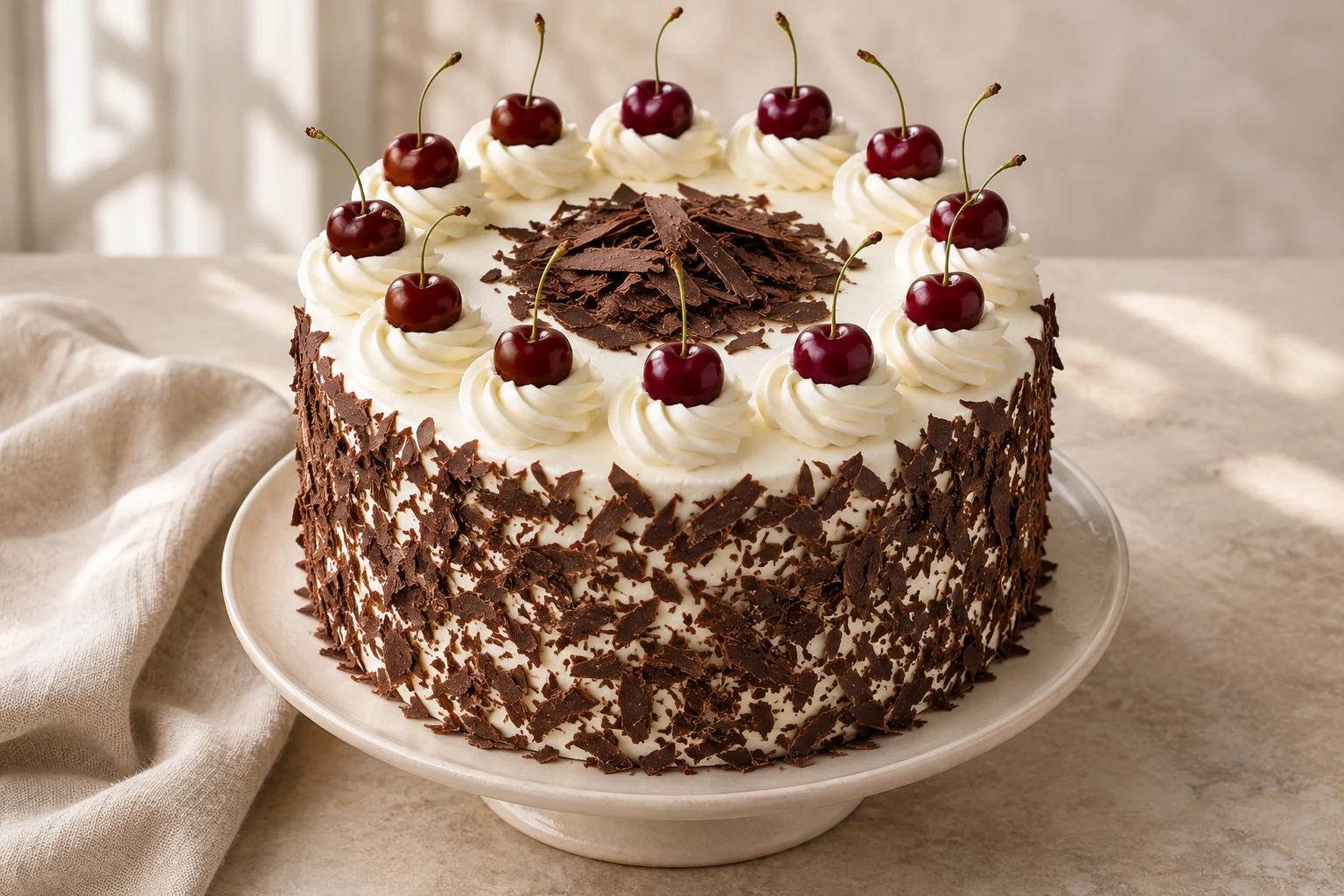
Strawberries, raspberries and blueberries add brightness, but they can release liquid and create uneven pressure between layers. Cut and prepare them according to a tested method. A very wet strawberry layer may make frosting bulge or slide. Refrigeration and serving timing matter, especially when fruit is paired with fresh cream.
The fruit and cream in Black Forest Layer Cake illustrate why refrigeration matters as much as flavour.
Chocolate and raspberry
A dark chocolate sponge with a measured raspberry filling and a suitable chocolate frosting balances rich cocoa with tart fruit. Use a stable fruit component and keep the layers appropriately thin. The fruit should taste fresh without making the cake board wet. The result can be elegant without stacking numerous heavy ganache layers.
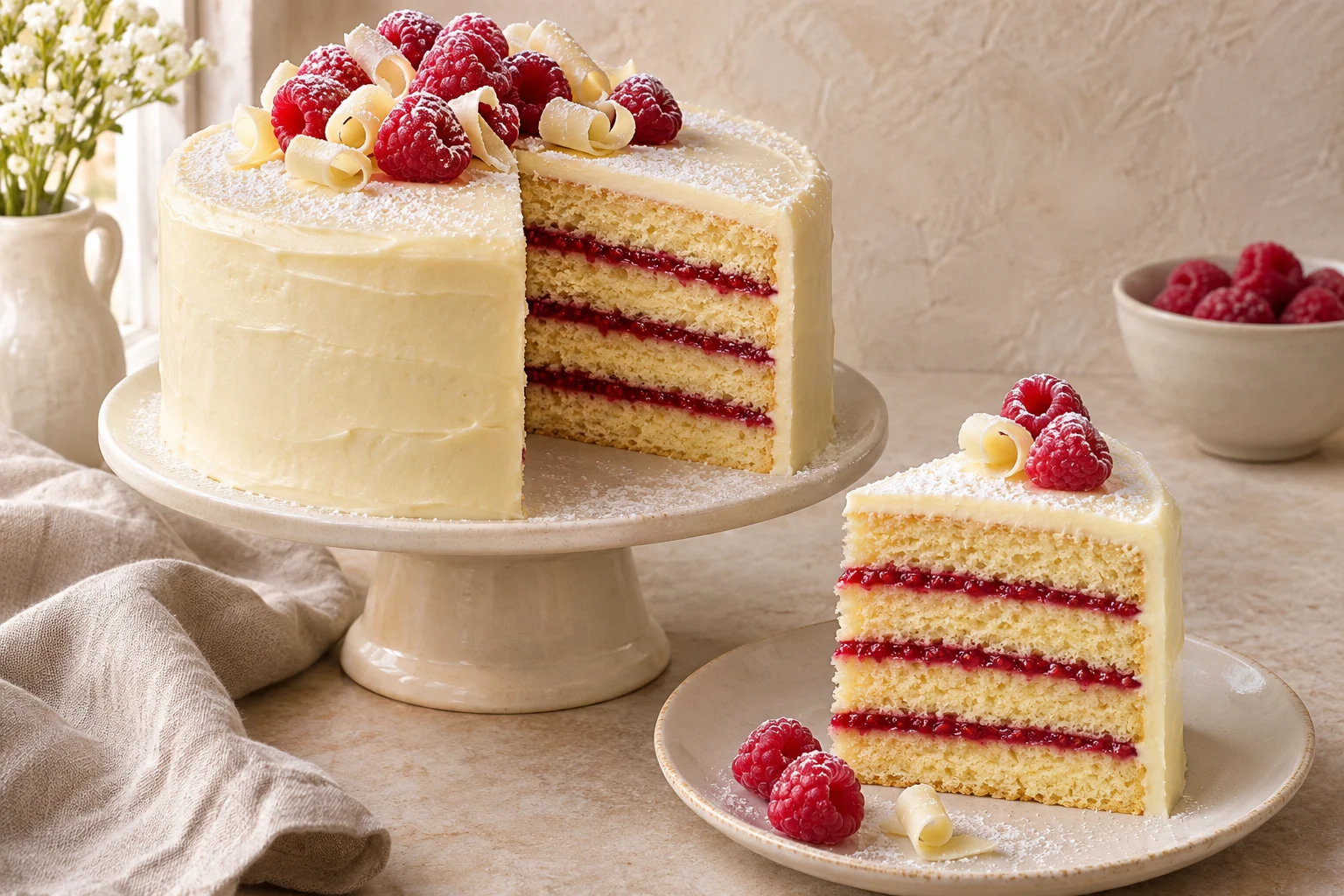
A slice of Raspberry White Chocolate Layer Cake shows how a narrow fruit layer can carry through a richer cake.
Vanilla and lemon
Vanilla cake welcomes lemon curd and restrained vanilla buttercream. The combination can become overly sweet if syrup, curd and thick frosting all contain substantial sugar. Taste a small assembled sample. A lemon sponge or lightly tangy exterior might require less filling than an otherwise neutral vanilla layer.
Carrot and cream cheese
Spice and carrot cake pair naturally with tangy cream cheese frosting. Because the sponge is often moist and may contain nuts or dried fruit, extra syrup generally isn't necessary. Refrigerate the finished cake according to its ingredients and handle nut allergens clearly. A straightforward filling and top coat often tastes better than excessively thick sweet decoration.
Taste the frosting and spiced crumb of Carrot Layer Cake together when judging sweetness.

Coffee and chocolate
Coffee can deepen chocolate flavor in a cake, syrup or ganache, but using it in every component may make the dessert bitter. Choose one or two places for a measured coffee note. If serving people avoiding caffeine, provide a suitable alternative. A strong espresso syrup also adds liquid, so the cake formula must support the soak.
Citrus and berries
Lemon, orange or lime frosting can brighten berries, though adding lots of juice may soften certain buttercreams. Use a frosting recipe developed with citrus and adjust flavor using zest where appropriate. Fresh fruit inside a layer cake still introduces moisture and storage constraints. A beautiful color palette is only successful when the layers stay stable.
Nut and caramel combinations
Hazelnut, pistachio, almond and salted caramel work well with vanilla or chocolate sponge. Nut pastes add fat, while caramel sauces vary from runny to spreadable. A thick caramel filling needs a compatible formula and perhaps a buttercream dam. Label nut allergens and avoid assuming a decorative sprinkle provides adequate warning for severe allergy needs.
Think about sweetness throughout
A sweet white-chocolate frosting plus jam and syrup can overwhelm even an excellent sponge. A tart fruit or lightly sweetened component can balance it. Taste a small composed bite before committing to the final stack. Don't change the main cake's sugar ratio arbitrarily; sweetness balance can often be managed through the filling choice instead.
Plan the texture contrast
A smooth butter cake with silky frosting may benefit from a restrained crisp component, such as toasted nuts where appropriate. But too many crunchy inclusions can break the clean slice or become soggy. A light sponge can be wonderful with custard and fresh fruit. Contrast should enhance the bite without compromising structural stability.
Summer versus winter
Warm outdoor weather can soften buttercream and chocolate, while cream and custard require strict refrigeration regardless of season. Choose a lower, sturdier cake and arrange appropriate cold transport for summer. A winter gathering allows more controlled indoor finishing, but a heated venue can still create problems. Weather affects structure and food safety, not just presentation.
Travel-friendly cakes
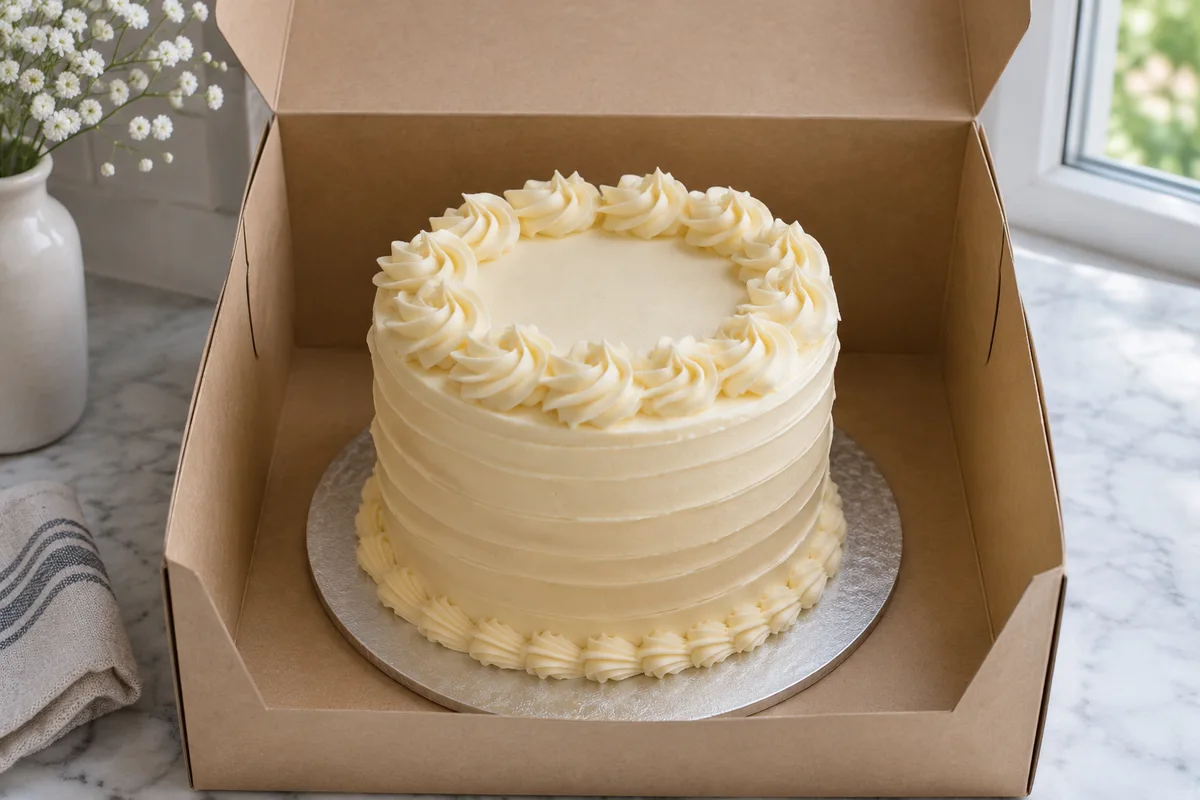
For a journey, favor controlled filling thickness, a rigid board, a suitable box and a filling with tested stability. Some cream and fresh-fruit designs are best assembled near service. Chilling a compatible exterior can improve transport, but it isn't a substitute for proper dowels in tall tiers. Secure the carrier on a level surface and avoid leaving it in a hot car.
How much filling should you use?
Use recipe-specific quantities and an even layer thickness. More filling isn't always more delicious; excess can cause bulging or sliding. Count the number of filled seams and the weight each must support. A four-layer cake contains more interfaces than a simple two-layer cake, and the same loose filling becomes more risky as height increases.
When a dam is appropriate
Pipe a continuous ring of firmer compatible buttercream near the edge of a cake layer before adding soft curd or compote inside. The dam helps contain the filling, particularly when layers are stacked carefully. It cannot compensate for a liquid sauce or an unsupported tier. Chill the filled cake according to the selected method before final frosting.

Pipe a continuous ring of firm buttercream just inside the edge of a level cake layer. Spoon cooled, thick fruit filling into the centre, keeping it below the ring. Lower the next sponge straight down and check the seam before adding its weight to a taller stack.
Storage governs your choices
The most perishable component determines whether refrigeration is necessary. Cream cheese, pastry cream, whipped cream and fresh fruit generally demand cold holding at or below 4°C (40°F). Chocolate ganache containing cream also requires recipe-specific handling. Do not infer shelf stability from an opaque buttercream shell.
Troubleshooting bulges
A filled seam that pushes outward may have too much filling, warm soft frosting or uneven sponge. A thin crumb coat can't hide major instability. Refrigerate as directed and inspect the structure, rebuilding safely if necessary. For next time, choose a firmer filling and reduce thickness rather than adding another heavy exterior layer.
A simple combination test
Make a small cake sample with the intended sponge, filling and frosting, then chill and taste it at the correct serving temperature. Check sweetness, texture and whether filling squeezes outward. Testing the complete bite reveals problems that tasting each bowl separately won't. It is particularly useful when combining unfamiliar recipes.
IN PICTURES
From the baking notebook
FROM THE RECIPE BOX


