On this page
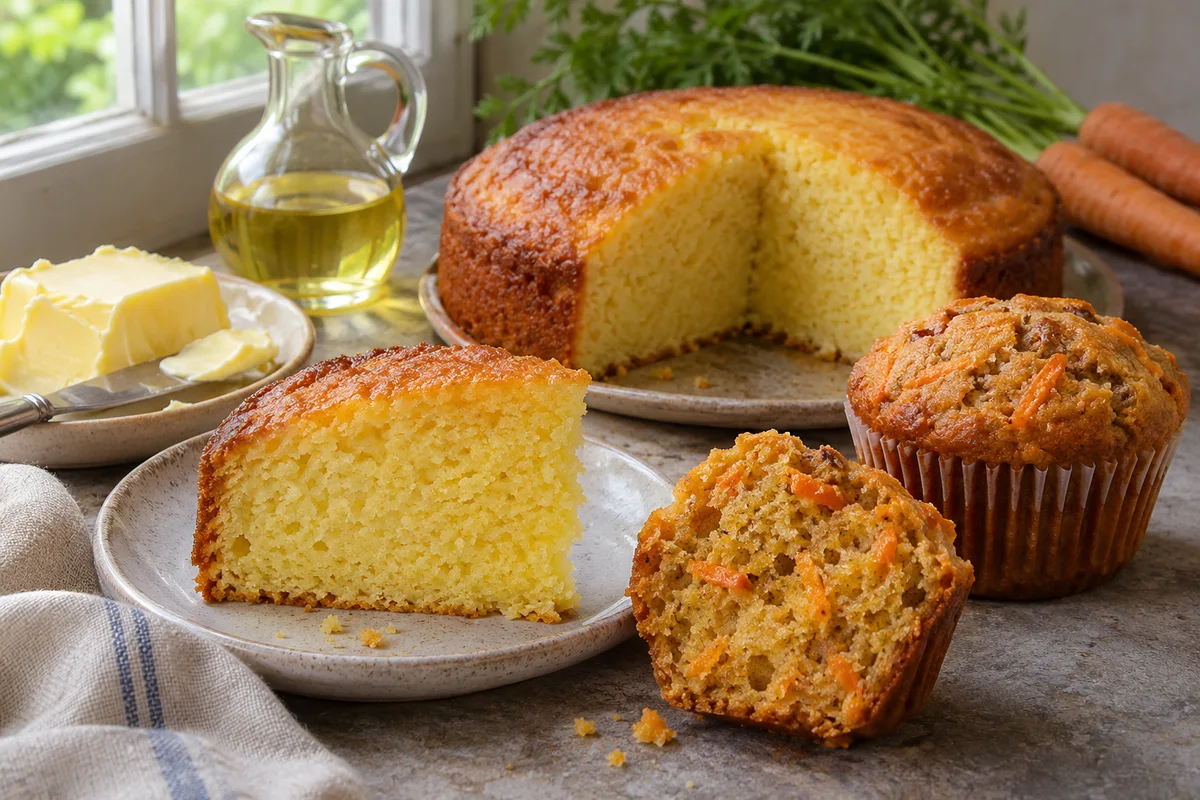
Decide when the bake will be eaten. A butter cake served cool can feel firm even when it has plenty of moisture, while an oil-based muffin tends to stay soft at the same temperature. Before switching fats, check whether the recipe also needs butter to trap air, hold a shape or separate layers of pastry.
Butter brings distinctive flavor
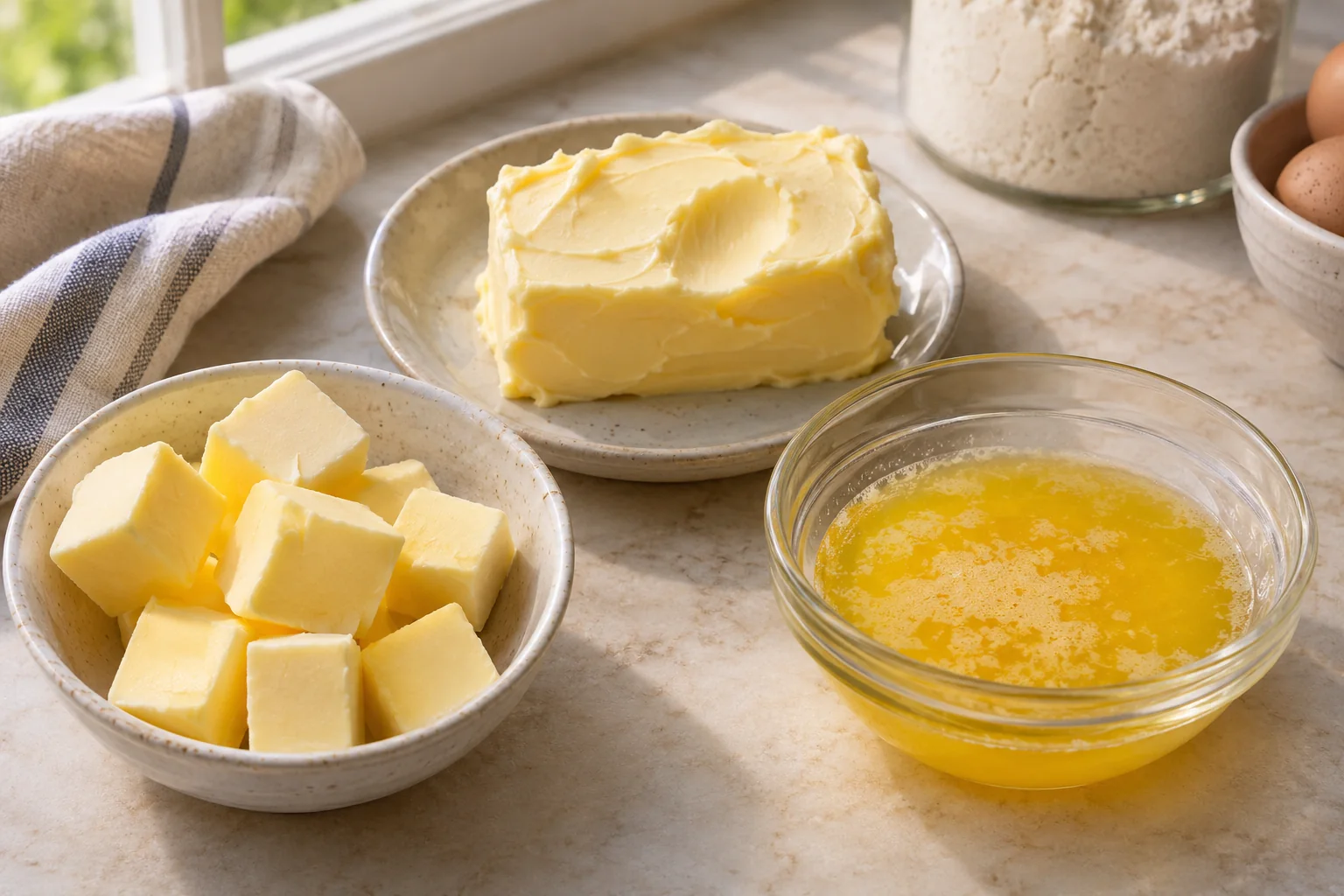
Dairy butter contains milk fat, water and milk solids that provide characteristic richness and browning aromas. In cakes, cookies and pastry, this flavor can be central to the dessert. Salted and unsalted butter differ in seasoning, and different fat percentages affect the formula. If replacing butter with oil, you lose some dairy flavor even when texture remains pleasant.
Oil contributes liquid fat
Most culinary oils are nearly all fat and remain liquid at normal room temperatures. They distribute readily through batter and can contribute to tenderness. Their flavor varies: neutral refined oil has less noticeable taste than olive, coconut or toasted nut oil. An oil's smoke point doesn't by itself determine how it tastes in cake or whether it can replace butter successfully.
Solid versus liquid fat
Softened butter can trap air during creaming with sugar, helping certain cakes develop a light structure. Oil cannot be creamed in that same way; oil-based cakes rely on different mixing, chemical leavening or egg foam. A melted-butter recipe is closer in mixing style to some oil recipes but still differs in water and milk solids. Use the method intended for the selected fat.

Water content matters in swaps
If a recipe uses 100 g butter, those 100 grams aren't pure fat. Replacing them with 100 g oil increases the fat fraction and removes butter's water and milk solids. This can change batter consistency, tenderness and browning. Some recipes provide tested conversions, but equal-weight substitution isn't a universal guarantee. Use a reliable oil-based variation rather than changing the fat without accounting for the rest.
Butter cakes
Traditional butter cakes often build aeration through creaming softened butter and sugar. The resulting crumb and flavor depend on correct butter temperature and mixing. Oil substituted without changing method may prevent the batter from trapping the intended air. An oil-based vanilla cake can also be excellent, but it needs a formulation that develops structure another way.
In Classic Vanilla Layer Cake, the creaming step relies on butter that holds its shape.

Oil cakes
Many chocolate cakes and snack cakes use oil blended with water, dairy or other liquids. Their tender crumb can remain pleasant after cooling because the fat stays liquid. This doesn't mean they are always moister by measured water content; perceived moistness also depends on lubrication and crumb texture. A well-baked butter cake can be wonderfully soft when handled and stored appropriately.
Compare the fat and mixing sequence in Carrot Layer Cake before adapting a butter cake to use oil.

Cookies with butter
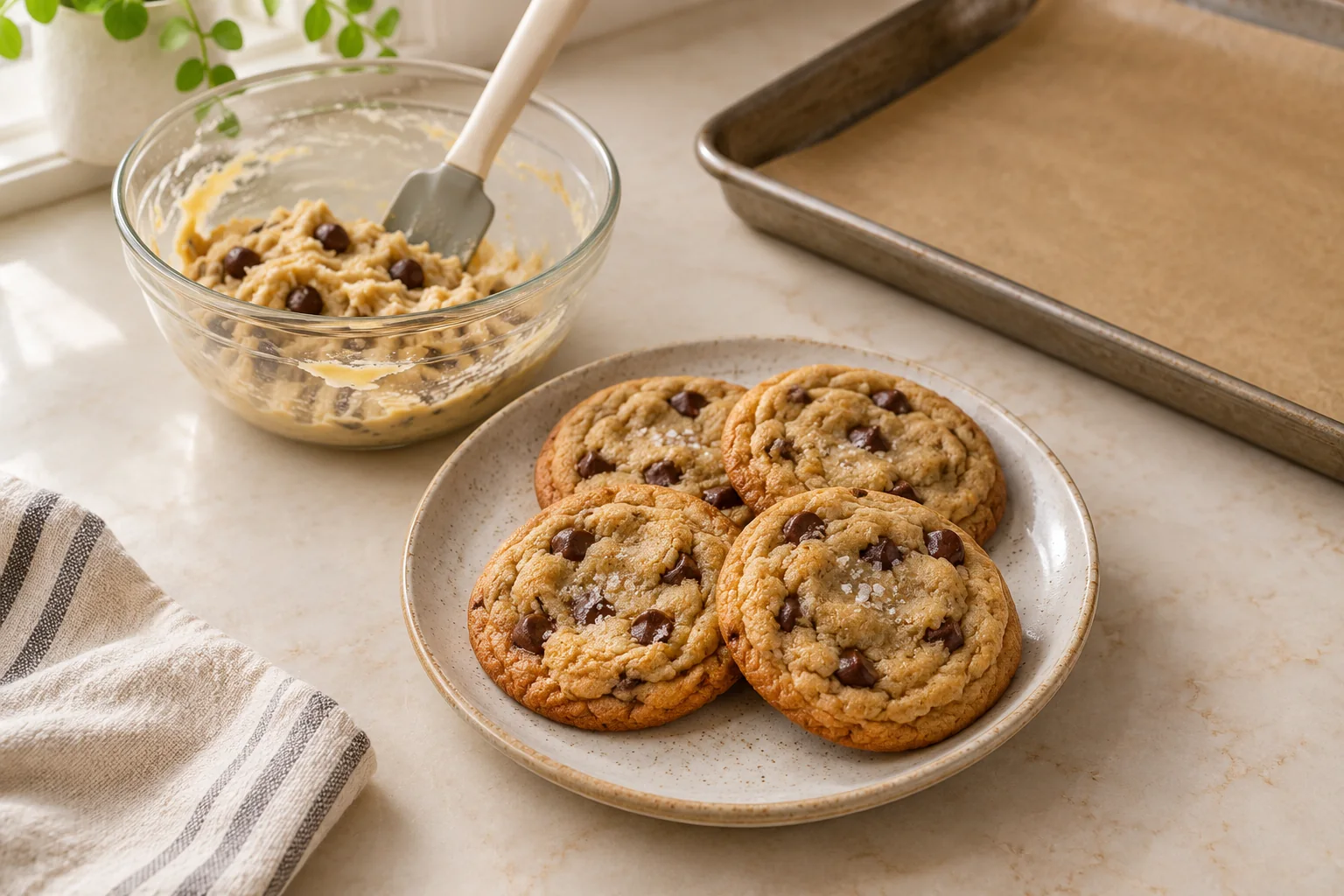
Butter can contribute spread, crisp edges and characteristic flavor in drop cookies, especially through creaming or melting. Brown butter develops nutty notes but loses water, changing a recipe's balance. Many classic chocolate chip and shortbread formulas depend on solid butter. Replacing it with oil may create a loose dough that spreads excessively unless the whole recipe is redesigned.
The butter preparation in Classic Chocolate Chip Cookies gives you a reference for how the dough should feel before scooping.

Cookies with oil
Oil-based cookies exist and can be delicious, often with a softer or different mouthfeel. The dough's structure comes from a specific flour, sugar, egg and oil balance. An all-butter cookie recipe may not form the same shape when changed to oil, particularly for rolled cutters or slice-and-bake logs. Choose a tested oil-cookie formula if butter isn't available.
Muffins and quick breads
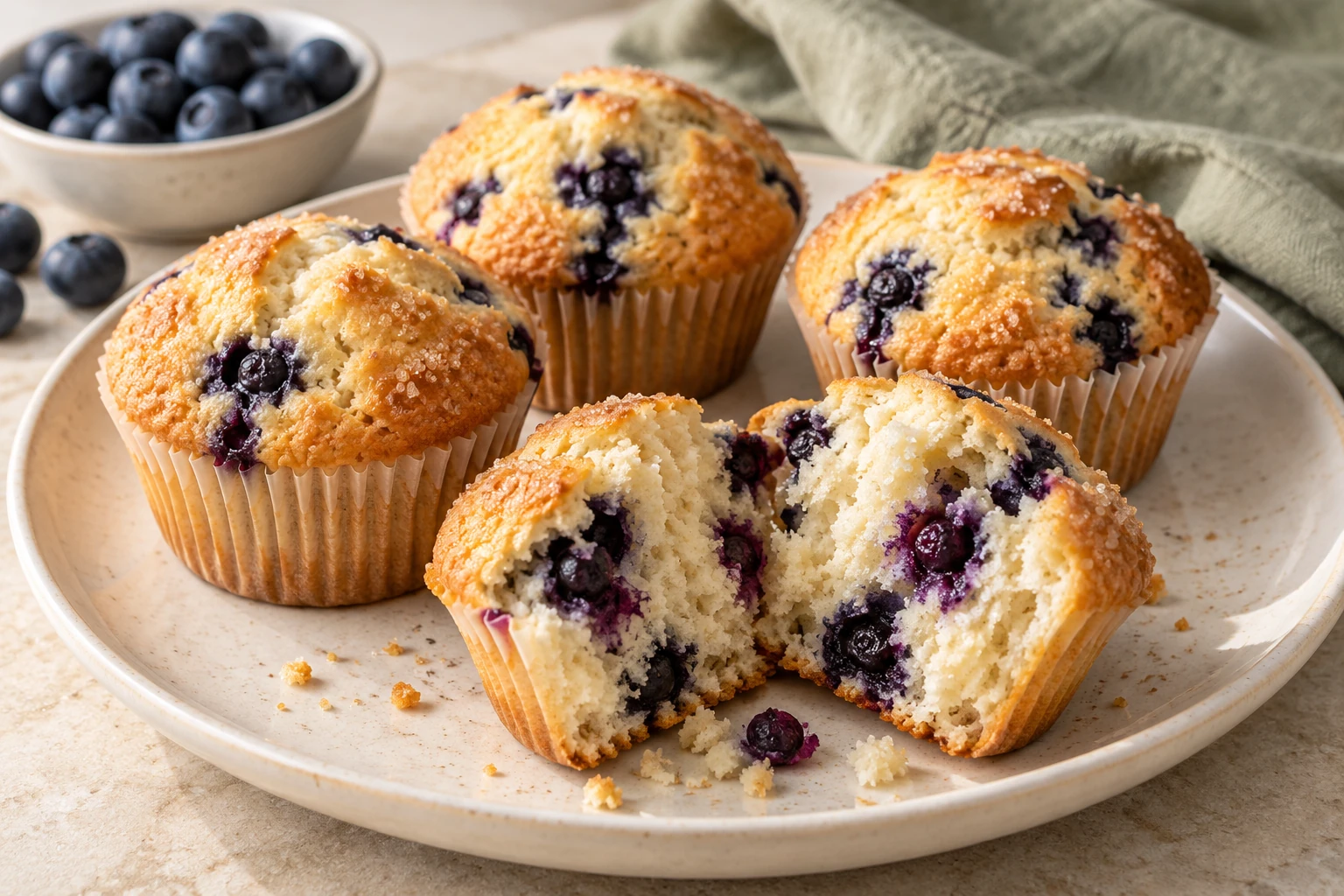
Many muffins mix oil into wet ingredients because it disperses easily and produces a tender crumb without prolonged creaming. Others use melted butter for richer flavor. Both can work beautifully when the recipe balances liquid and flour. Overmixing can toughen muffins regardless of fat type, so choose a technique that follows the intended quick-bread method.
Follow the wet-ingredient method in Blueberry Muffins before judging whether the batter needs a different fat.
Butter in laminated pastry
Croissants and puff pastry rely on solid layers of butter separating sheets of dough. Pouring liquid oil between layers cannot create the same controlled lamination under a conventional method. Some pastries use specialized solid fats other than butter, but the formula and temperature handling change. Oil is not an interchangeable substitute for a butter block in classic laminated pastry.
The separate butter layer in Classic Croissants explains why pouring in oil would change the pastry completely.

Butter in pie crust
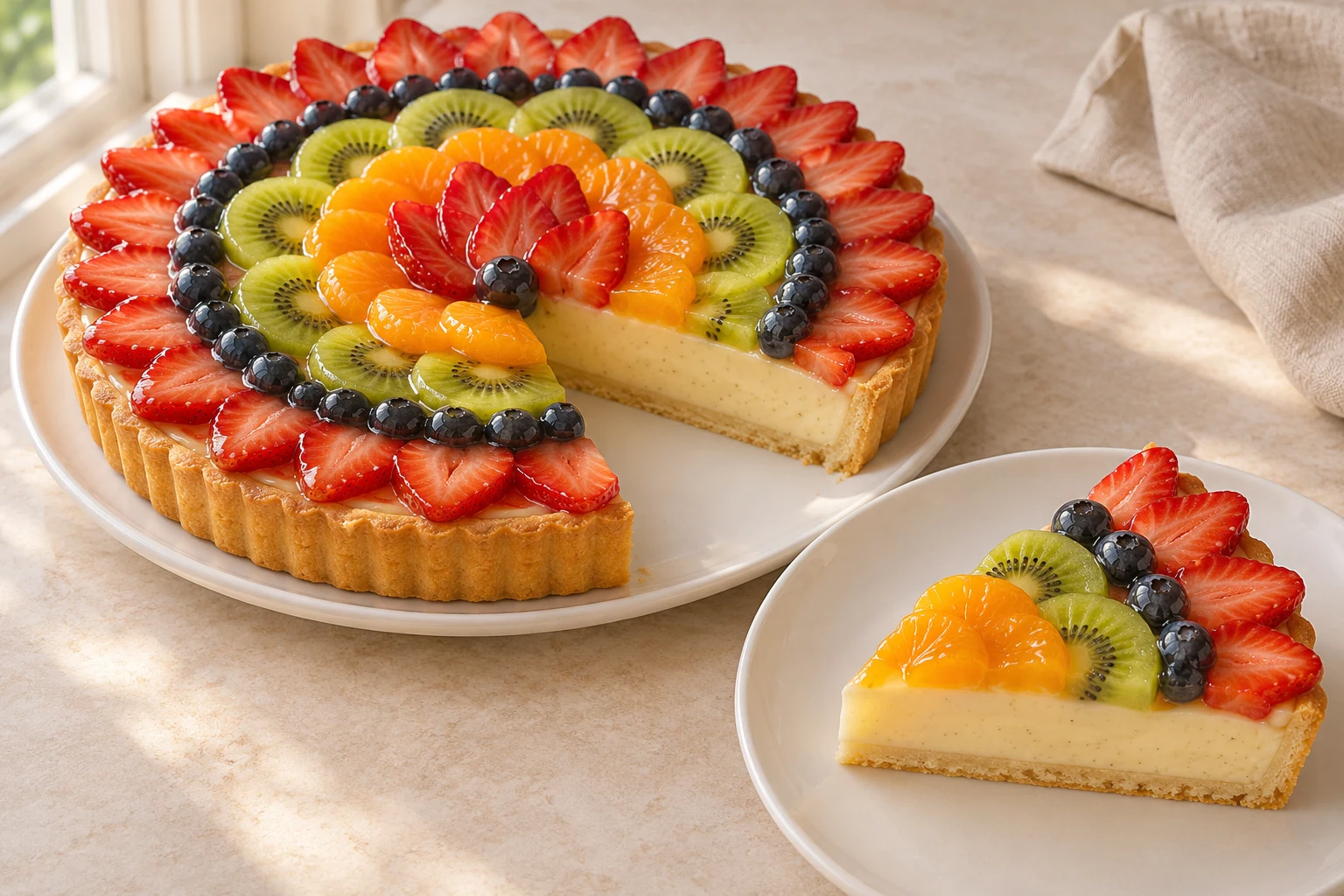
Flaky all-butter pie crust uses cool solid pieces of fat that melt during baking to help create layers. Some crusts use shortening or blends with different handling properties. Oil pie crusts are another family with a different texture and mixing approach. If you want an oil-based crust, choose a recipe designed for it rather than substituting equal spoonfuls into flaky butter pastry.
For Classic Fruit Tart, check how the fat is worked into the pastry before changing the shell formula.
Oil and refrigerator texture
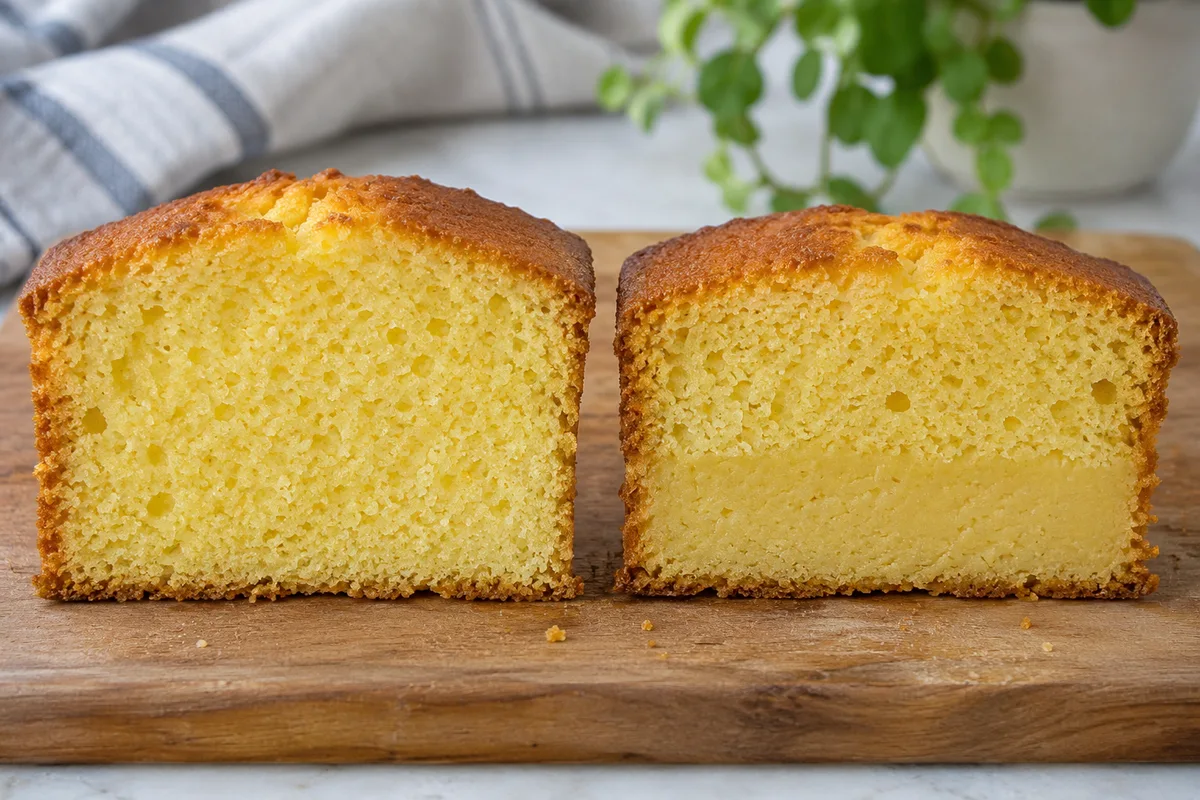
Butter firms at low temperatures, so a chilled butter cake may feel temporarily denser. Oil remains liquid and can help some refrigerated cakes feel softer straight from the fridge. But custard and cream fillings require refrigeration regardless of the cake's fat. Allowing a butter cake to warm for serving may improve mouthfeel where food-safety instructions allow it.
Fat and flavor pairing
Butter suits vanilla, caramel, shortbread, spice and delicate pastry because its flavor is noticeable. Neutral oil can allow cocoa, citrus or intense spices to dominate. Olive oil cakes deliberately showcase a more pronounced oil flavor. Choose a complementary oil when the formula permits, and remember that a strong flavored oil may taste bitter or overpowering in a mild cake.
Browning differences
Butter milk solids can brown and develop toasted flavors under heat, while pure oil lacks that specific dairy component. Surface browning in cake also depends on sugar, protein, pH and oven heat, not solely fat choice. An oil cake can have a beautiful golden crust, and a butter cake can be pale. Don't judge ingredient quality by colour alone.
Saturated fat and room temperature
Fats differ in fatty acid composition, which affects firmness. Coconut oil may be solid in a cool room, unlike many common vegetable oils, and can behave differently from a neutral liquid oil. Some margarines and spreads contain water and emulsifiers. A product's texture at room temperature matters; grouping all plant fats as identical oils is misleading.
Choosing a neutral oil
Where an oil recipe calls for neutral flavor, options such as suitable refined canola or sunflower oil may be used according to the formula. Check for allergies, storage quality and flavor neutrality. Strongly scented oils can dominate. Never use a rancid oil simply because the cake will bake; heating doesn't restore pleasant flavor.
Dairy-free substitutions
Oil may help create dairy-free cakes, but the rest of a butter cake may still contain milk, yogurt or other dairy ingredients. A vegan recipe also requires replacing eggs appropriately. Choose a tested dairy-free or vegan formula instead of assuming a butter-to-oil swap addresses every dietary need. Check ingredient labels for allergens and cross-contact.
Shelf life and staling
Fat type influences perceived tenderness, especially after cooling or refrigeration, but starch retrogradation and moisture loss also affect staling. An oil cake isn't immune to drying out, and butter cookies can store well when packaged correctly. Perishable fillings determine refrigeration requirements. Freeze suitable baked goods before quality declines rather than assuming more oil guarantees a longer safe shelf life.
How to test a conversion
Use a published butter cake and a comparable tested oil cake, baking in similar pans and assessing both after full cooling. Note crumb, flavor and next-day tenderness. Don't change fat state, flour and baking temperature simultaneously and then attribute every difference to the oil. A careful comparison may reveal you prefer different fats for different desserts.

Troubleshooting greasy results
Excess oil, weak emulsion, inaccurate weighing or insufficient baking can create a greasy texture. Replacing butter with too much oil is one possible cause. A shiny wet center may also be underbaked. Review the formula before adding flour arbitrarily; overcorrection may make the next cake dry and dense.
IN PICTURES
From the baking notebook
FROM THE RECIPE BOX


