On this page
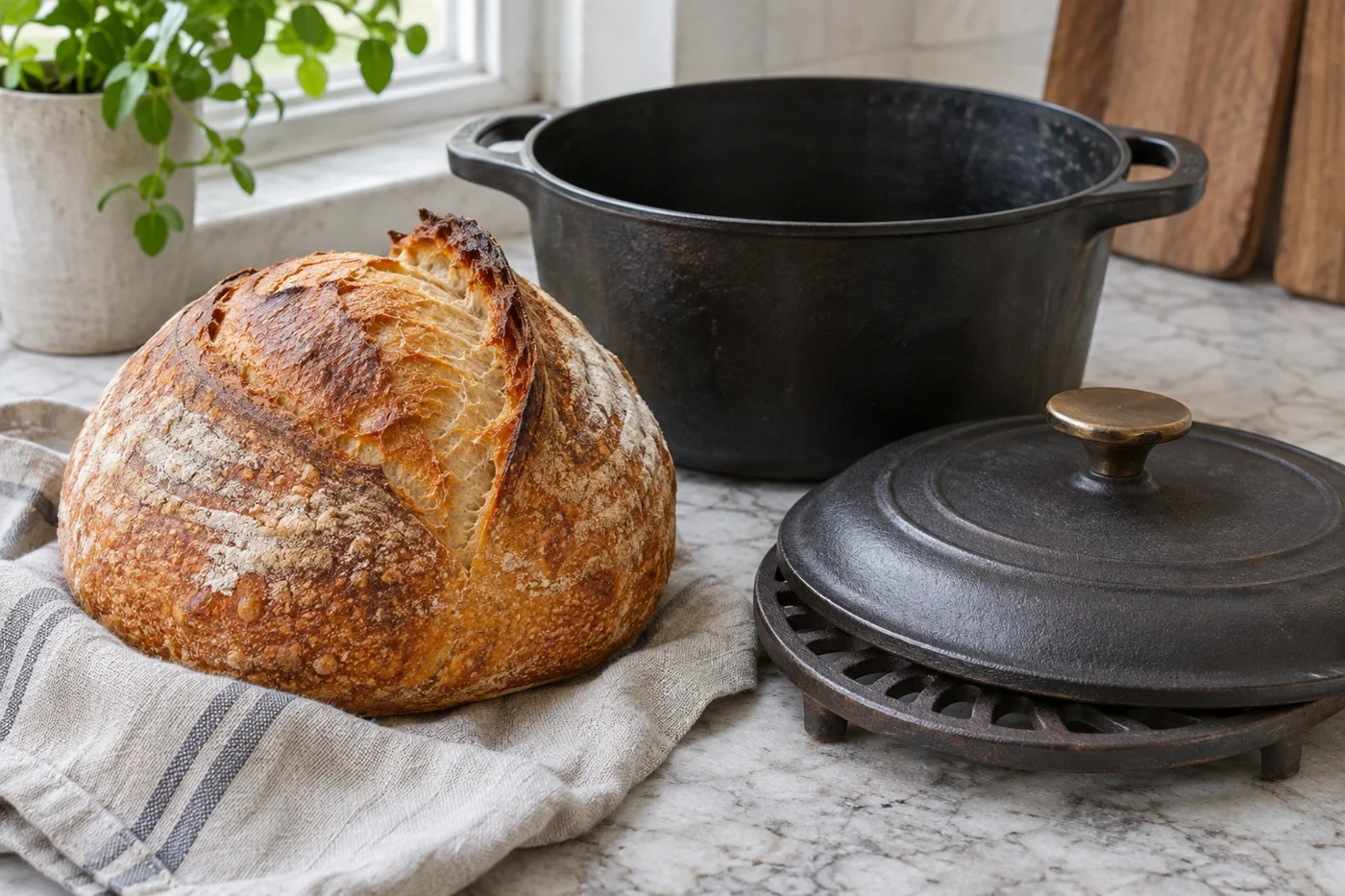
Early in the bake, the surface of a lean loaf needs time to stretch. Later, that same surface needs dry heat to brown and crisp. A covered bread pot gives you a way to separate those two stages: the loaf releases its own moisture, then the uncovered crust can finish baking.
What oven spring means
Oven spring is the expansion that occurs as yeast gases warm and steam forms during early baking, before the dough structure sets. A flexible surface allows the loaf to expand through its scoring and into its intended shape. If the crust dries and stiffens prematurely, expansion may be limited or forced through weak spots. Steam helps delay that surface setting for certain lean doughs; it doesn't replace proper fermentation or gluten development.
Why humid air delays crust drying
In a dry oven, surface water evaporates quickly and the outer dough begins setting. With higher humidity, evaporation slows and the dough exterior stays more pliable during the early expansion period. The surface can stretch more evenly before forming a rigid crust. The oven still needs sufficient heat to cook the interior. Steam is one factor alongside dough hydration, proofing and baking temperature.
Starch gelatinization at the surface
As surface starches hydrate and heat, they can gelatinize into a smooth layer. After steam is reduced and moisture escapes later in baking, that layer may contribute to shine and crispness. The exact effect varies with flour, hydration and oven conditions. A steam-assisted baguette may develop a different shell from a soft enriched dinner roll baked without added steam.
Why baguettes benefit
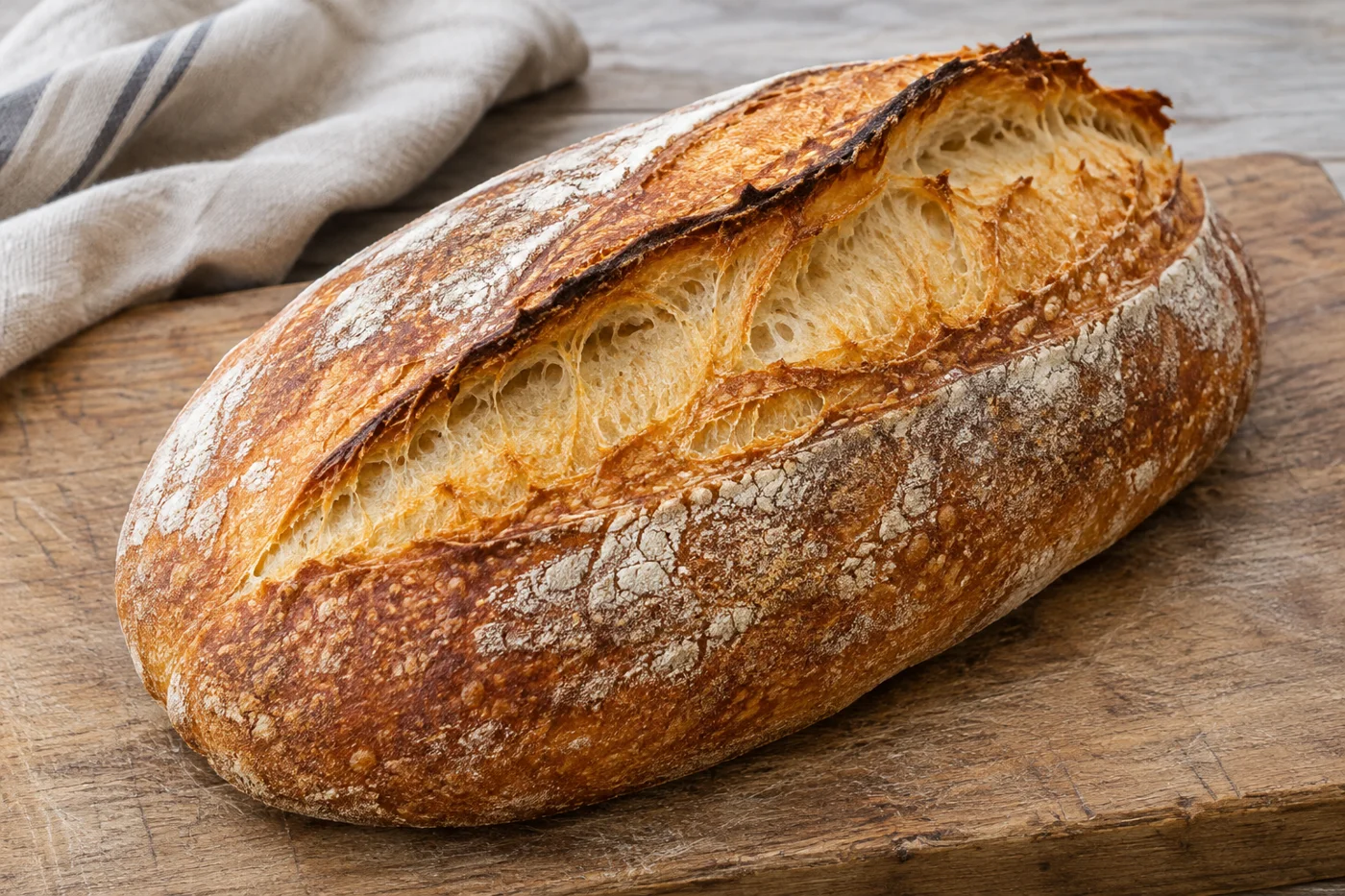
Baguettes rely on strong oven spring, clean scoring and a thin crisp crust. Controlled steam early in baking encourages expansion and helps the score open. It can also influence crust colour and sheen. But adding steam throughout the full bake may keep the exterior too soft or slow drying. Many bread methods deliberately release humidity or uncover the loaf later.
The long scored surface of Baguette makes it easy to see where the loaf expanded in the oven.

Why sourdough boules benefit
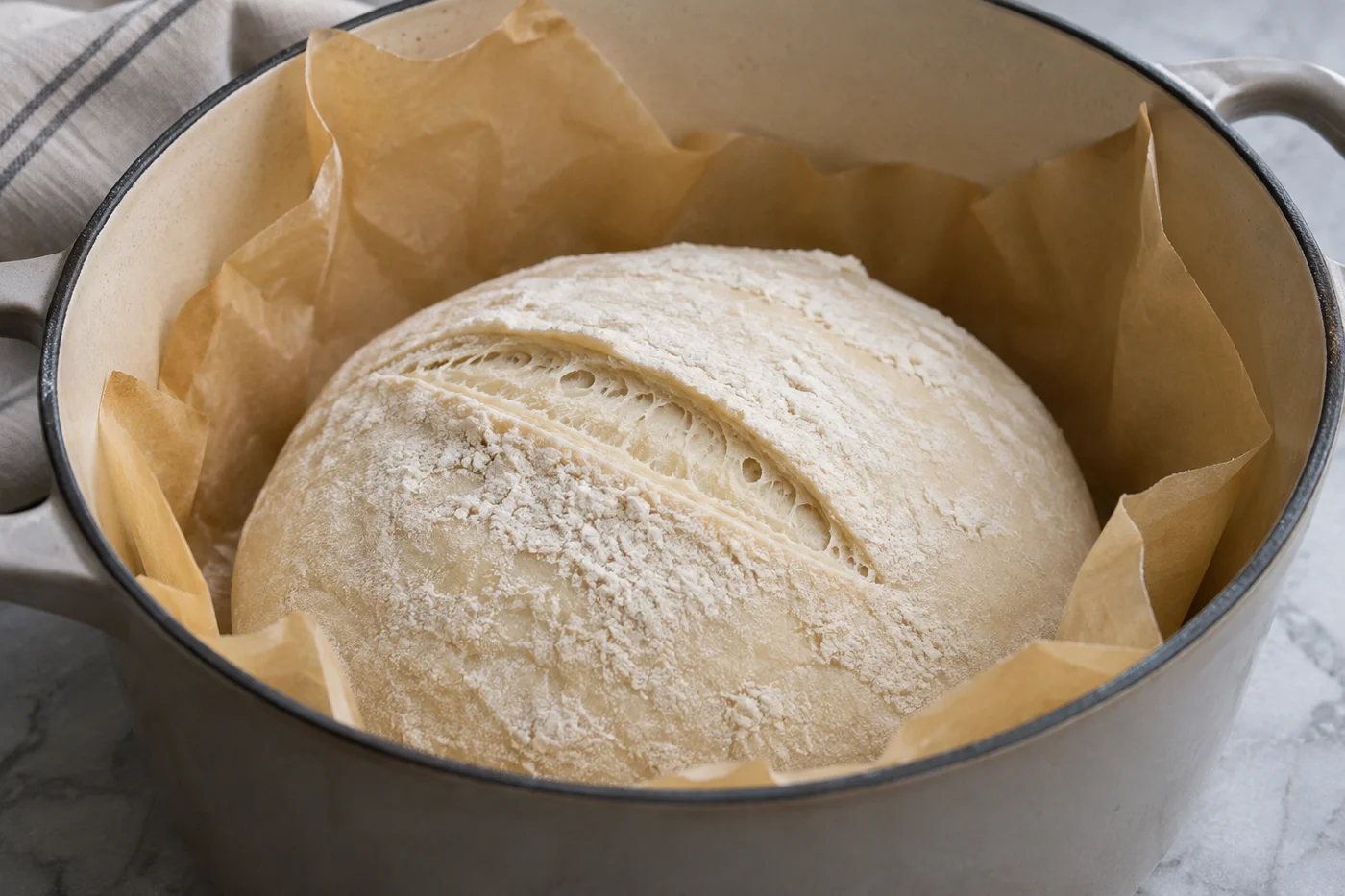
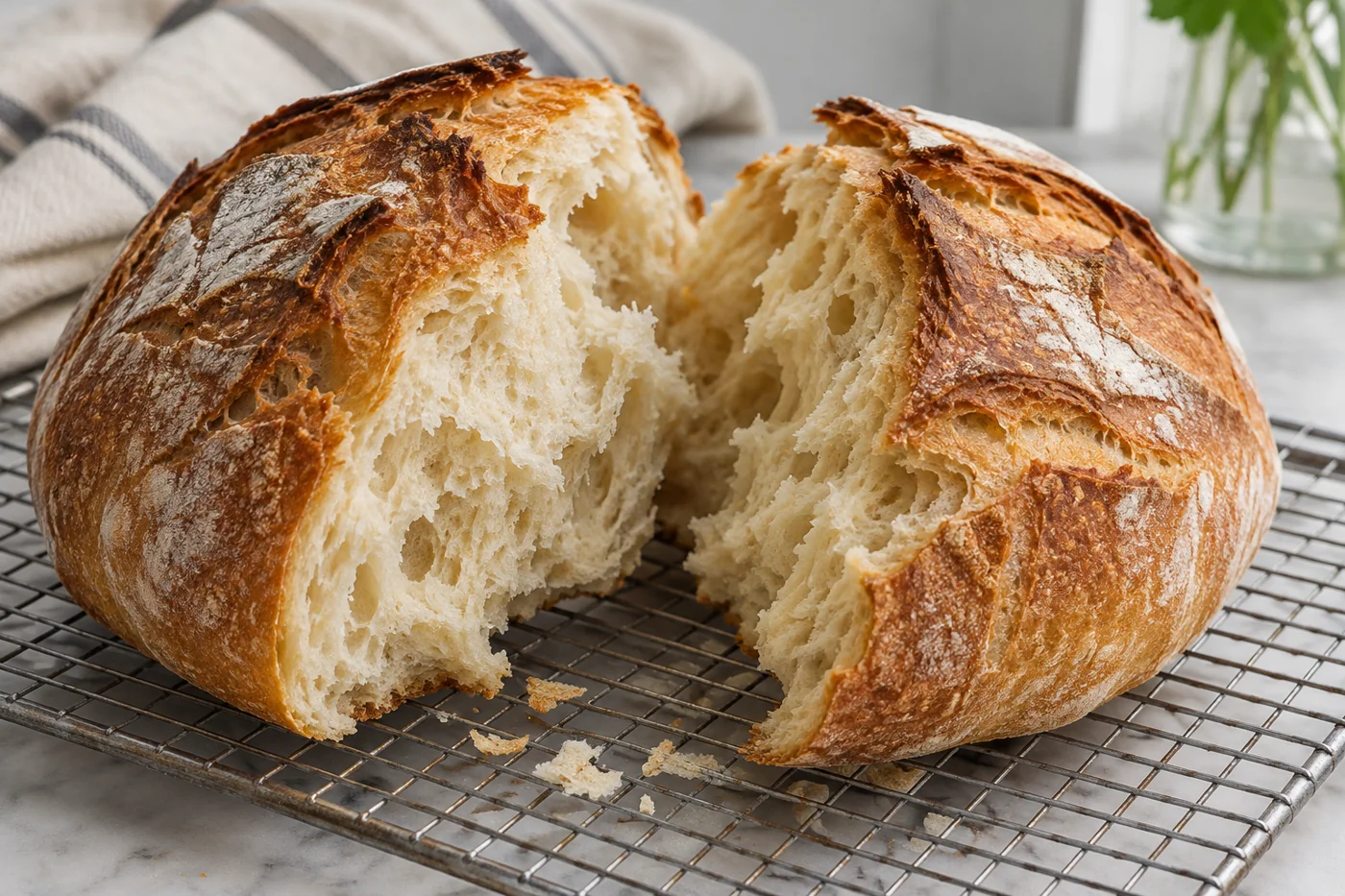
A lean sourdough boule often enters the oven with a cold or room-temperature proofed surface and needs room to expand. Steam can help its scoring open and create a crisp shell. In a covered baking vessel, the dough's own moisture helps create a humid microenvironment during the early bake. Follow the specific formula, including when to remove the lid and finish browning.
Compare the opened score and rounded shoulders of Sourdough Country Loaf with the shape of the unbaked loaf.

Covered baking vessels
A lidded Dutch oven or other oven-rated bread cloche traps moisture released from the dough, creating a locally humid environment without spraying the entire oven. This is an effective approach for many home artisan loaves. Preheating and loading hot cast iron presents serious burn risks, so follow equipment directions and use appropriate heat protection. Never exceed lid knob temperature limits.
Read the baking-vessel instructions in No-Knead Whole Wheat Bread before choosing a pot or changing how you preheat it.
A baking stone with steam
Some home bread methods use a baking stone or steel with an approved oven-safe method to produce steam during the first bake stage. But pouring water onto hot glass, a hot oven floor or unsuitable surfaces can cause thermal shock, damage or dangerous splashing. Follow oven manufacturer instructions and a tested steam procedure. Do not improvise with rocks, unverified trays or boiling water in confined hot spaces.
Why oven manufacturers matter
Some residential ovens warn against adding water or spraying the interior because steam may damage glass, coatings, electronics or heating elements. A technique seen in a commercial bakery may be unsuitable for a domestic appliance. Check the oven manual before using steam injection alternatives. A covered bread vessel can be a safer method for many kitchens, but it still requires careful handling of extreme heat.
Protect yourself from steam burns
Steam can burn skin even when the water is no longer visibly boiling. Open a hot lid away from your face and hands, use dry heat-resistant mitts, and keep children and pets away from the oven. Wet cloth mitts can transmit heat quickly. Don't pour cold water into hot fat or onto hot glass; sudden splashes and cracking are serious risks.
When steam should end
Most lean crusty bread methods use humidity early, then allow the crust to dry and brown later. A covered loaf may bake with its lid on initially and finish uncovered. The timing depends on bread size, dough hydration and oven temperature. Leaving the loaf enclosed too long may create a paler softer crust than desired. Follow the specific recipe's lid-removal or venting schedule.
Steam and crust thickness
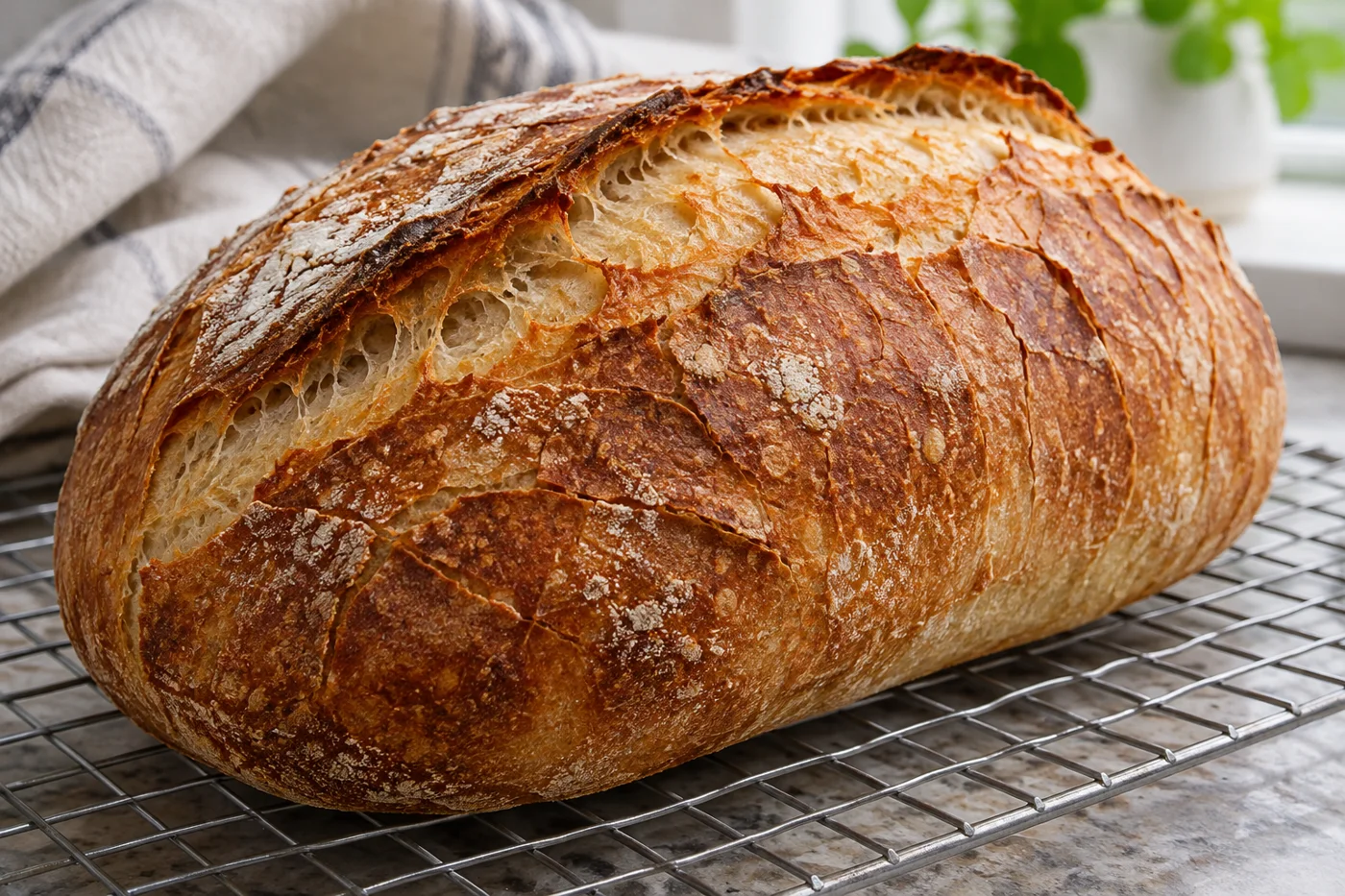
Steam doesn't guarantee a uniformly thin crust in every formula, but it can influence the initial skin formation and final texture. A longer dry phase may create a thicker crust, while fat and sugar in enriched dough also affect softness. The result is a combination of surface moisture, baking duration and ingredients. A thick hard crust may be caused by overbaking or bread staling, not simply a lack of steam.
Snap the cooled end of Sourdough Baguette to assess the crust. A hot loaf still contains escaping moisture.

Enriched bread may not need steam
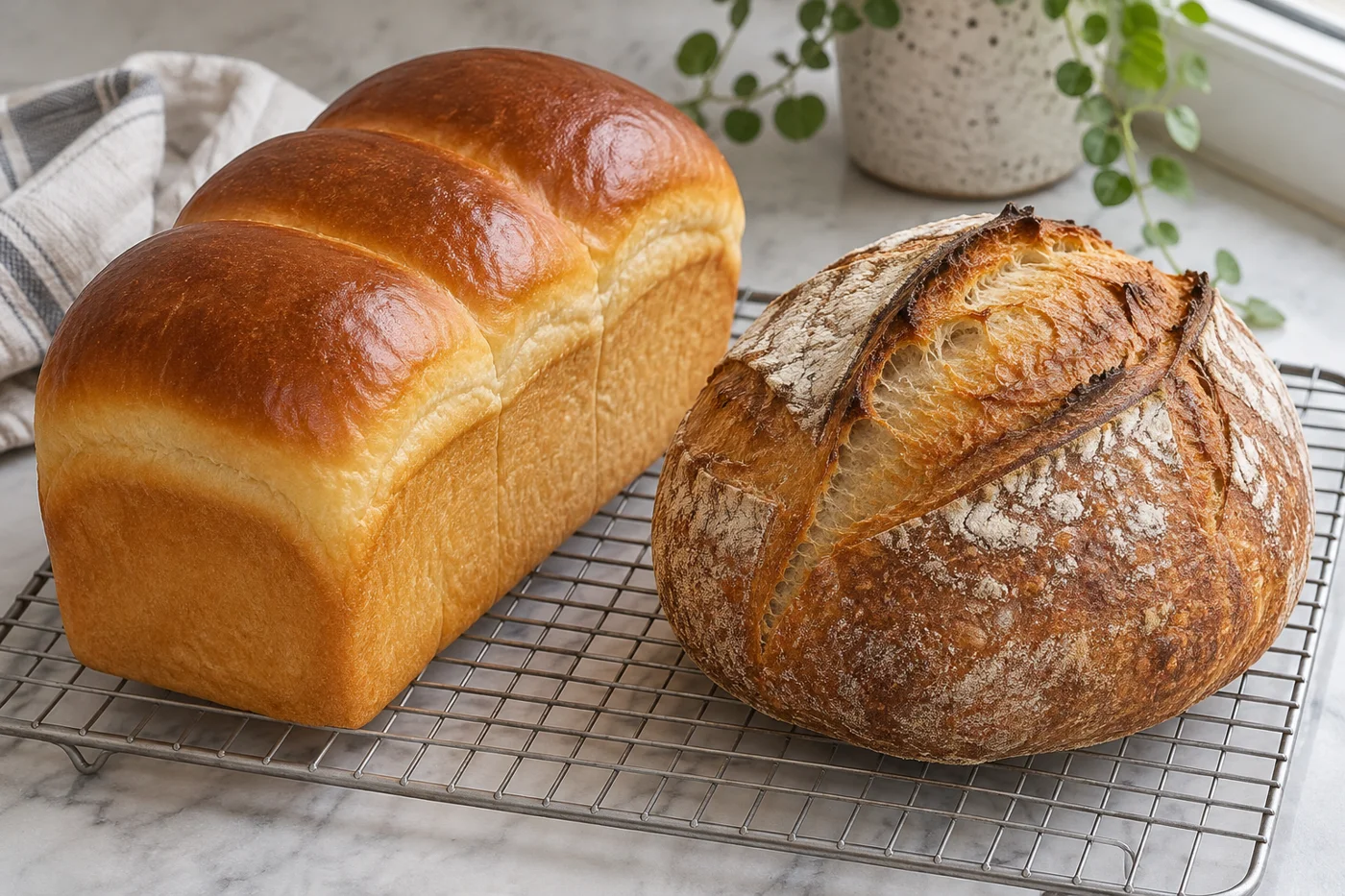
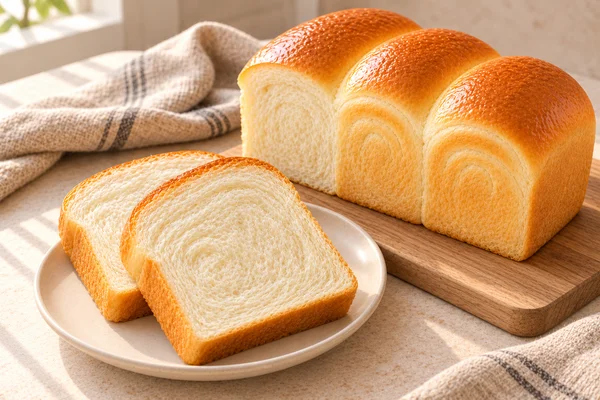
Brioche, milk bread and many dinner rolls contain fats, sugar or dairy ingredients that encourage a softer crust. Their recipes often don't call for added steam. Introducing a humid environment without guidance may change browning or leave a surface less suited to egg wash. Choose steam based on the bread style, not as a universal step for every yeast dough.
For a softer finish, follow the method for Classic Dinner Rolls. A crisp baguette crust is a poor benchmark for a dinner roll.
Bread scoring works with steam
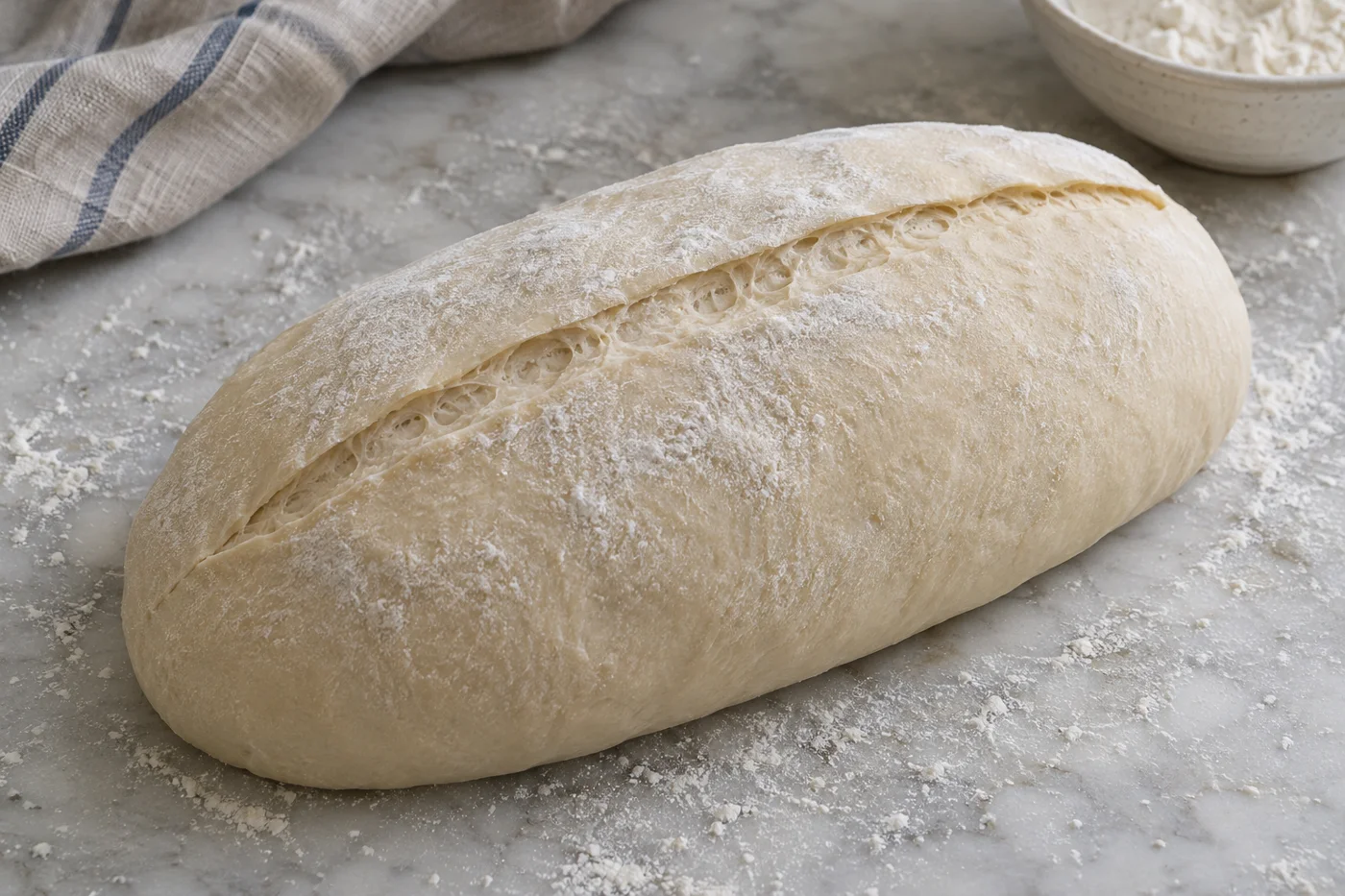
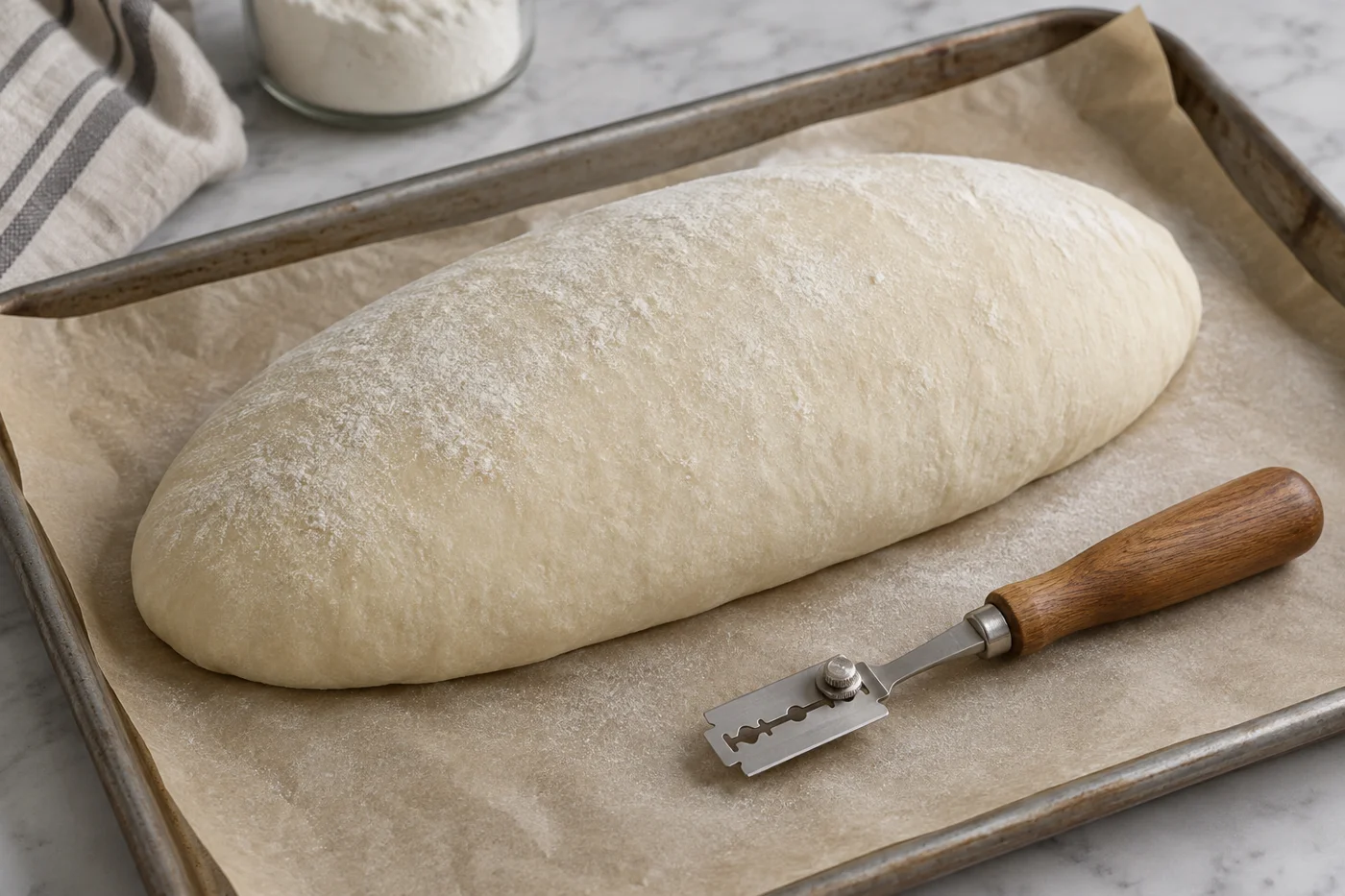
A score creates a planned weak point where an expanding loaf can open. Steam keeps the outer dough flexible long enough for this expansion to follow the cut. If a loaf is overproofed, underdeveloped or poorly shaped, steam can't create an attractive ear on its own. Good crust development comes from dough strength, proofing, scoring and baking conditions working together.
Compare Ciabatta Bread with a slashed baguette. Dough shape and handling affect where expansion is visible.
What if the crust opens at the side?
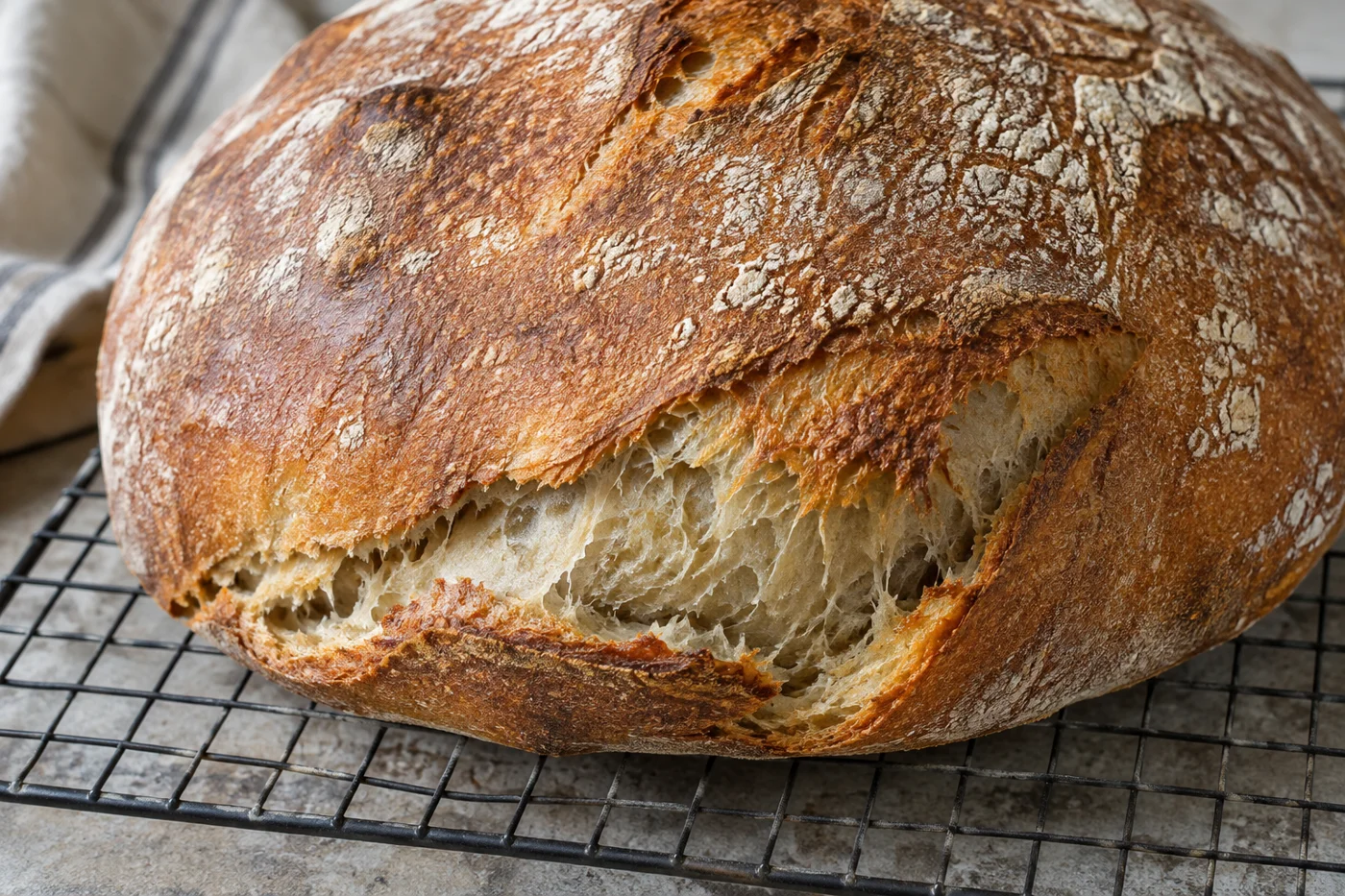
A loaf that bursts along its side may have lacked an effective score, been underproofed or dried rapidly before expansion completed. Check shaping tension and fermentation first, then evaluate oven conditions and steaming method. A score that is too shallow or in an unsuitable location may not guide expansion. Avoid adding uncontrolled steam to compensate for a separate dough-structure problem.
Steam and color
A moist surface can delay some browning early while encouraging a different starch layer to develop. Once the bread dries, colour deepens. A loaf baked covered throughout may remain too pale, while one uncovered too soon may develop a thick crust. Use the complete baking sequence and a properly preheated oven. A very dark surface isn't proof the interior has finished cooking.
What a good steam bake looks like
During early baking, the loaf expands through intended scoring without immediately forming a hard skin. Later, as humidity decreases, the exterior colours and dries to the recipe's crisp endpoint. Cool bread on a rack so moisture doesn't condense against the base. Cutting too soon can make the crumb appear gummy, even if the crust looks excellent.
The cut face of Sourdough Ciabatta provides a useful second check alongside the outside colour.

Steam from the dough itself
Even without an added water pan, water naturally evaporates from bread dough during baking. A covered vessel traps some of this moisture, which can be enough for many small artisan loaves. The ability to use dough-generated steam explains why a cloche can work well in home baking. A loaf baked completely open has different humidity dynamics.
Comparing two methods
Use one tested lean bread dough and bake comparable loaves under a controlled approved covered-vessel method and a recipe-approved open bake. Keep proofing, scoring and oven temperature as comparable as practical. Assess oven spring, crust thickness and the appearance of the score after cooling. Never perform an experiment that violates your oven's water-use instructions.
Set a slice of Soft Milk Bread beside a crusty loaf to see why a single crust treatment cannot suit every dough.
Troubleshooting a pale loaf
If the loaf expands but remains pale and soft, it may need the recipe's uncovered drying and browning phase. Check oven temperature, baking time and lid removal. Added steam late in the bake might prolong moisture and inhibit crisping. Bread with little sugar can also brown differently from enriched dough. Follow structural doneness, not just crust colour.
Troubleshooting a thick hard crust
Overly long dry baking, high surface heat or bread drying during storage may contribute. Steam at the correct early stage can help some lean bread styles, but a very dry dough or underfermented loaf may still produce an undesirable shell. Note recipe timing, size and oven performance before adjusting several variables at once.
IN PICTURES
From the baking notebook
FROM THE RECIPE BOX


