
On this page
A tart that is crisp at serving time starts with a decision made hours earlier: when to bake the shell and when to fill it. The same habit of working backwards helps with everything from a tray of scones to a layered dessert.
The best part of a professional pastry kitchen is its way of thinking
A pastry counter can look effortlessly composed when a finished tart arrives at the table: its shell is crisp, the filling sits evenly, and every garnish appears deliberate. Behind that moment is usually something less glamorous than a secret ingredient. There are written procedures, organized workstations, temperature checks, clear timing, and people who know exactly what each component should look and feel like. These habits are what a home baker can borrow most usefully. You do not need the staffing or equipment of a fine-dining restaurant to become more consistent at home.
This is an inspiration-based guide, not a description of any one restaurant's proprietary procedures or an affiliation with the Michelin Guide. Fine-dining kitchens vary enormously. In this article, the emphasis is on ten habits that travel well into an ordinary kitchen, whether you are making cookies for a school event, a lemon tart for a holiday, or a layer cake for someone you love. The purpose of professional discipline is not to remove pleasure from baking. It is to make beautiful results less dependent on luck.
Start with one habit that addresses something that regularly goes wrong. If your cookies spread unpredictably, measuring and temperature control may matter most. If you are always frosting a warm cake at midnight, backward planning will make a greater difference. Give the practice a few bakes before judging it. Good routines become useful precisely because they eventually feel natural.
1. Read the recipe as a production plan, not a shopping list
One of the simplest pastry habits is also one of the most frequently skipped: read the method from beginning to end before starting. Ingredient lists do not reveal how long a dough needs to rest, whether a filling must be chilled, or whether a cake should cool overnight before slicing. Read every instruction, including the serving and storage notes. Identify active work, unattended baking time, chilling time, and assembly. These periods are not interchangeable, and an elaborate dessert may require little hands-on work but a long calendar window.
Write a quick sequence in your own words. For a fruit tart it could be: mix dough, chill, line pan, chill again if required, blind-bake, cool, prepare filling, fill, decorate, refrigerate safely, serve. This is a much more informative plan than the phrase “make tart.” It also reveals which steps can happen independently. While the dough rests, you can wash fruit, weigh the filling ingredients, and clear space in the refrigerator. You cannot fill a still-hot shell with a temperature-sensitive cream and expect the same result.
A useful habit is to highlight any instruction that says “completely cool,” “overnight,” or “just before serving.” These phrases often have structural reasons. Cooling affects cake stability and custard setting; late garnishing can protect delicate textures. When a recipe does not fit your actual schedule, choose a simpler dessert rather than trying to force the chemistry. That decision is professional judgment, not a compromise.
Read the resting and proofing stages of Classic Croissants before choosing a start time.

2. Weigh ingredients and keep a record of what changed
A digital kitchen scale is a relatively inexpensive way to make baking more reproducible. Flour measured by volume changes with packing and scooping, while butter, chocolate, sugar, and liquids are easier to portion accurately by weight. Grams are particularly helpful when scaling a batch or comparing a repeated bake. Follow a tested formula faithfully the first time, then adjust with intention. For very small amounts of leavening or salt, ordinary home scales may not be sufficiently sensitive; use the specified measuring spoons or an appropriate precision scale.
Record enough information to explain the result. A note might say, “Used a dark metal nine-inch pan; baked on the centre rack; chilled the shaped cookies for thirty minutes; edges browned after twelve minutes.” The next time you bake, you can tell which conditions were different. Without a record, experimentation becomes memory and guesswork. Do not alter flour, liquid, baking powder, pan size, and oven temperature all at once, because a good or bad result will be almost impossible to interpret.
Precision should serve the recipe, not become a performance. Counting every grain of cinnamon in a casual crumble is unnecessary, but a few extra tablespoons of flour in choux paste can change its consistency. Learn which variables carry the greatest structural importance, then give them your attention. A reliable baseline creates freedom: once you understand what the original recipe does, substitutions become more thoughtful and far easier to evaluate.

3. Make mise en place genuinely useful
Mise en place means preparing what you need before the demanding portion of a task begins. In a home kitchen, that does not require a parade of tiny bowls. It means checking that the right pan is ready, your ingredients are present, the mixer attachment is available, the oven rack is correctly positioned, and the refrigerator has room for whatever must chill. A pastry cream can thicken quickly; that is a poor moment to search for a sieve or discover that the clean container is still in the dishwasher.
Organize ingredients by stage rather than covering the counter with everything. Dry ingredients that will be whisked together can share a bowl. Butter needed cold for pastry should remain refrigerated until the moment it is used. Eggs intended to be incorporated into a specific batter should be prepared according to that recipe's temperature guidance. If you have two similar powders, label them. Put a damp towel beneath a slippery mixing bowl, and clear a safe landing area for hot trays before opening the oven.
For a celebration cake, think in stations: baking, filling, finishing, and transport. Finish and clean the first station before spreading tools across the next. Less clutter helps you notice the batter's appearance and texture, which is often more important than checking your phone for the exact minute. A calm workspace protects concentration and makes the process enjoyable even when the dessert has several components.
4. Control temperature instead of treating it as a background detail
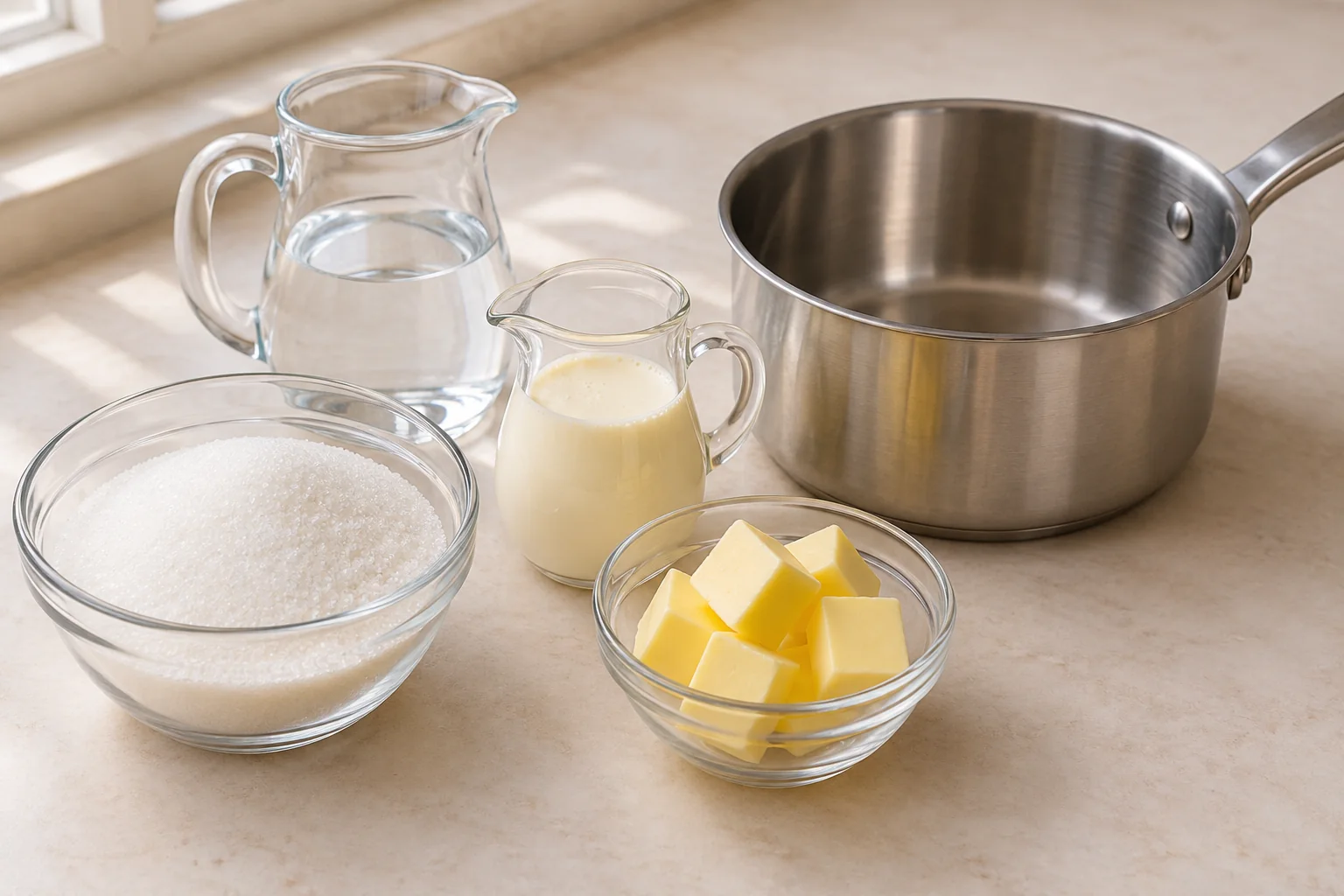
Temperature behaves almost like an ingredient in pastry. Cold butter can help create flakiness when it remains in discrete pieces; butter softened to the right consistency can trap air during creaming. Yeast dough develops at different rates in warm and cool rooms. Chocolate ganache depends on both ratio and careful emulsion, and custards must reach an appropriate cooking endpoint before cooling. Small temperature differences can produce visible changes in the finished pastry.
Notice physical cues as well as thermometer readings. Butter described as softened should generally yield to pressure while holding its shape, not appear oily or partially melted. Tart dough should bend without shattering but remain cool enough to handle cleanly. A batter that looks curdled after cold eggs are added to creamed butter may recover as the remaining dry ingredients are incorporated, but following the recipe's ingredient-temperature instructions reduces the likelihood of problems. When butter-based dough turns sticky, pause and refrigerate briefly instead of automatically adding more flour.
Use an oven thermometer if your oven tends to run hot or cold. Let the oven preheat adequately and avoid opening its door repeatedly during delicate rises. Use an instant-read thermometer for recipes specifying precise custard, caramel, or bread targets, while following reliable cooking guidance. Most importantly, never assume that a hotter oven can compensate for missing resting time. Temperature influences structure, not merely speed.
5. Standardize thickness, portions, and pan preparation
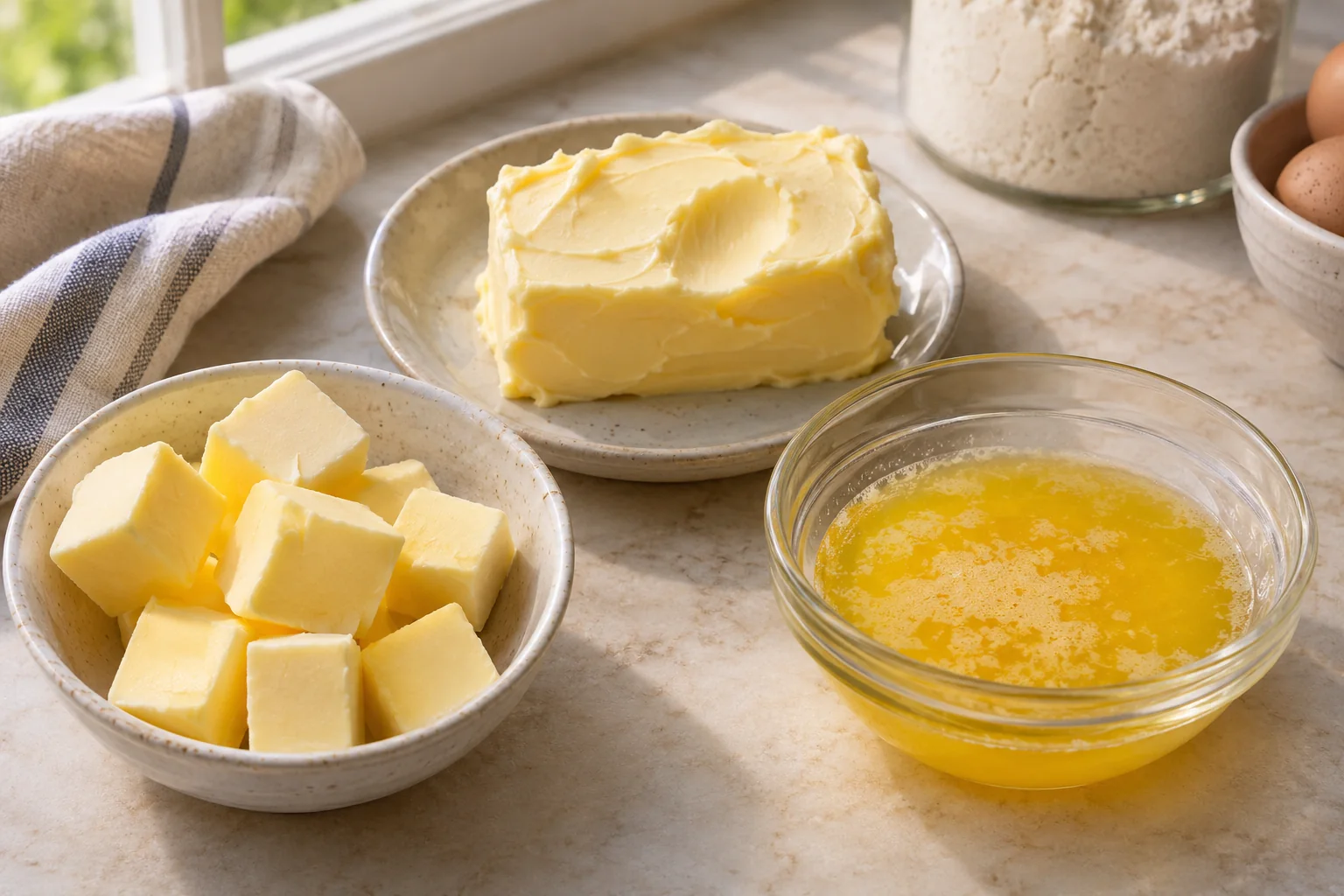
Uniform pastry is not only more elegant; it cooks more evenly. Cookies scooped to similar weights generally finish at more comparable times. Choux puffs of similar size are easier to dry and fill consistently. Tart shells rolled evenly are less likely to have a burnt edge beside a thick, underbaked base. Use a dough scoop, a small scale, or simple guides under the rolling pin where appropriate. You do not need to chase microscopic differences, just avoid conspicuous variation.
Prepare pans the way the recipe calls for. Parchment may be ideal for cookies but unsuitable for a method that depends on direct contact with a particular mould. A dark metal pan may brown a crust more rapidly than a pale one. Silicone can behave differently from metal. When a recipe is new, keep the specified shape and material if possible and watch for doneness indicators, not only the clock. A decorative cake is not improved by a pretty pan that changes how the centre bakes without a corresponding adjustment.
Before filling pastry shells or piping batter, inspect the base. Are there gaps, very thick corners, or fragile thin spots? Fix what you can while the dough is still workable. A baker who learns to create a sound foundation spends less time disguising imperfections with frosting, glaze, or garnish. Consistency begins long before the finishing stage.
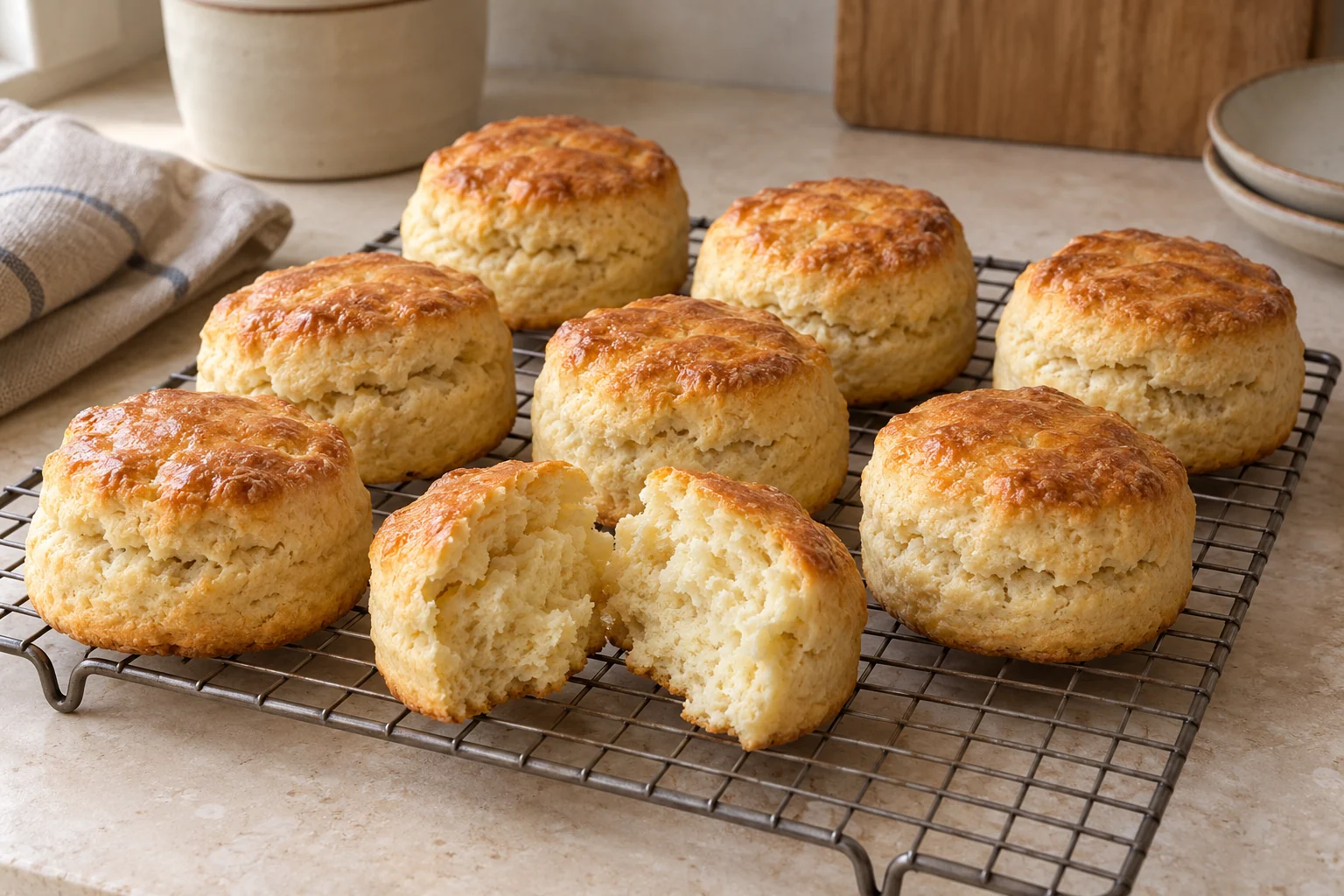
Portion Basic Scones to an even thickness so the smallest pieces finish with the largest.
6. Practice restraint and build a deliberate flavour story
High-end pastry is often memorable because several elements have clear roles, not because the plate contains as many ingredients as possible. A crisp shell provides contrast to silky cream. Tart fruit brightens rich butter. A pinch of salt can sharpen caramel, while a bitter chocolate note can balance sweet mousse. Think about your dessert in terms of texture, temperature, sweetness, acidity, aroma, and visual colour before deciding what to add.
Try describing the dessert in one sentence: “A buttery almond tart with bright raspberries and lightly sweetened vanilla cream.” Use the sentence as an editing tool. Does a thick layer of caramel strengthen the idea, or obscure the fruit? Does a second crunchy topping add a useful new texture, or merely repeat the crisp shell? The answer is a matter of preference, but asking the question creates intention. It is perfectly acceptable to remove an element that is delicious by itself but awkward in the combination.
Restraint is especially useful for home bakers because each extra component brings additional timing, storage, and food-safety requirements. A carefully baked chocolate cake with a smooth ganache and a few berries can be a complete dessert. Its success is easy to recognize, and you can concentrate on the cake's crumb, moisture, and balance rather than juggling six decorative preparations.
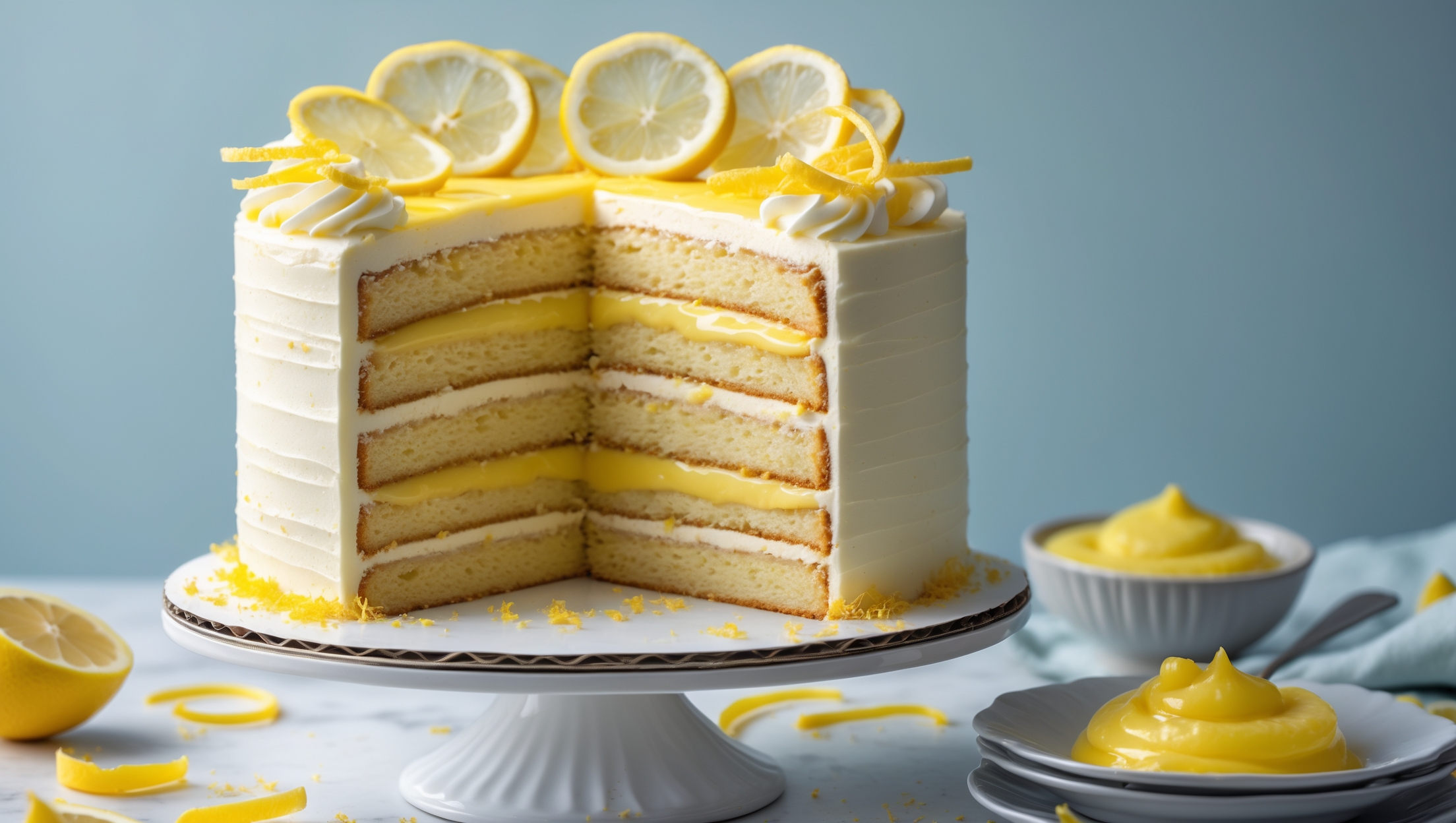
Taste the sponge and filling in Lemon Layer Cake together when balancing sweetness and acidity.
7. Taste safely and evaluate the components together
A filling can taste wonderful alone yet become too sweet inside a rich pastry shell. A sharp lemon curd may seem intense from a spoon and taste perfectly balanced once paired with buttery shortcrust. Professional-style evaluation means judging separate elements and the finished combination. Taste a safely cooked cream after chilling it to something close to serving temperature, and consider how sweetness, acidity, salt, and aroma change when components are assembled.
Do not taste raw dough or batter containing uncooked flour or eggs. Instead, judge those preparations by their physical appearance and by reliable recipes, then taste only after safe cooking. Ingredients can vary from one batch to the next. Some berries are naturally tart, dark chocolates differ in bitterness, and extracts have different strengths. A tiny adjustment of citrus zest or salt may make the final dessert brighter without increasing sweetness. Test small amounts before changing an entire bowl of filling.
Build a small practice of assessment. After serving a cake, ask whether the frosting was too sweet relative to the sponge, whether the fruit added sufficient freshness, and whether the textural contrast lasted. Write down the answers. Keep subjective preference separate from technical failure: a properly baked cookie might simply be crisper than you prefer. Both kinds of observation help shape the next bake, but they call for different corrections.
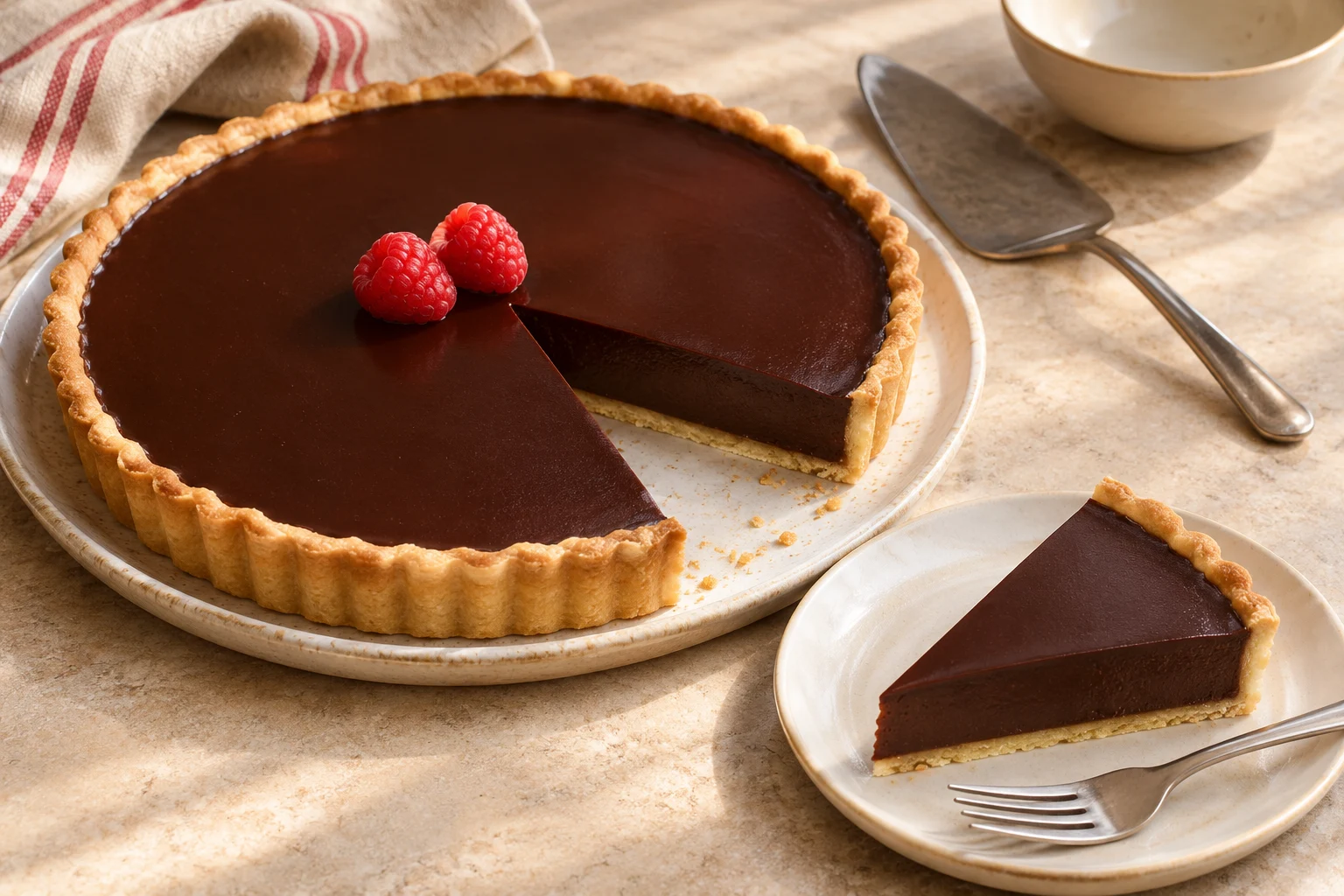
Use a cooked or ready-to-eat component from Chocolate Tart for a tasting spoon.
8. Finish neatly, and keep the food itself as the focal point
Clean edges can make a dessert feel intentional. Wipe a plate before serving; use a clean knife for cake slices; smooth an uneven frosting surface with an offset spatula; and pipe repeated shapes at roughly similar spacing. Work in good light so you can see what needs adjusting. If you are learning a decorative technique, practice it on a piece of parchment or the back of a tray before approaching the final cake.
Limit garnishes to a few ingredients that make sense for the flavours already present. Fresh berries, toasted nuts, citrus zest, a purposeful chocolate curl, or a restrained dusting of sugar are often enough. A garnish should be pleasant to eat and should survive the delay between plating and serving. Powdered sugar may disappear into moist fruit, while crisp decorations can soften against chilled cream. When that happens, add them closer to the moment of serving rather than seeking more elaborate decorations.
Think about negative space. A tart with a clean golden border can look more polished than one buried beneath an indiscriminate mountain of toppings. A plated dessert can be slightly off-centre if it feels balanced, but symmetry is not mandatory. Ask whether a guest can understand the dessert, cut it easily, and enjoy each component in a forkful. Presentation is successful when it supports the eating experience.

9. Test one variable at a time and learn from the result
Even careful bakers encounter flat cookies, cracked cheesecakes, underbaked centres, and pastry that shrinks. A disciplined response begins with observation. Was the dough too warm? Did the pan differ from the recommended size? Was the oven fully preheated? Was the bake stopped according to a timer even though the centre looked unset? Record the evidence rather than immediately blaming the recipe or changing every ingredient.
A small trial is often smarter than committing to a large batch. Bake two cookies before portioning the remainder when you are trying an unfamiliar formula. Pipe a few choux shapes to confirm size and technique. Test whether a chocolate coating sets on a spoon or a small piece of parchment before pouring it over an entire cake. Not every preparation lends itself to a micro-batch, especially when chemistry and mixing depend on scale, but many components can be assessed in a low-risk way.
Keep the distinction between technical failure and taste preference. A cake that is structurally sound but not sweet enough for you is different from a cake that collapses while cooling. First determine whether the method worked as written. Then refine it for your household. This prevents the frustrating cycle of making large changes without understanding why the previous attempt behaved as it did.

10. Plan backward from the moment the dessert will be served
Finishing a bake and serving a dessert are not always the same event. A cake needs time to cool before frosting, mousse needs time to set, and some pastry shells lose crispness after sitting filled for too long. Begin with the moment the guests will eat and work backward. When will the dessert need to leave the house? Which elements should be completed the day before? What must remain refrigerated, and what should be added at the last minute?
Imagine serving a berry tart on Sunday afternoon. On Friday, you can gather ingredients and prepare a realistic schedule. On Saturday, make the dough, rest it, bake the tart shell, and prepare a properly cooked pastry cream according to a trusted formula. Cool and store perishable fillings promptly and safely. On Sunday, inspect the shell, apply a moisture barrier if appropriate, fill it when the components are at the correct temperatures, dry the berries, and arrange them before service.
Build travel time into the plan if the dessert is going to another home. A delicate whipped topping and a warm car are an unreliable combination. Chilled fillings need temperature control, fragile decorations need protection, and tall cakes need a secure container. A slightly simpler dessert that arrives intact is better hospitality than an ambitious pastry that cannot survive the trip. The goal is to enjoy the occasion rather than race the final steps.
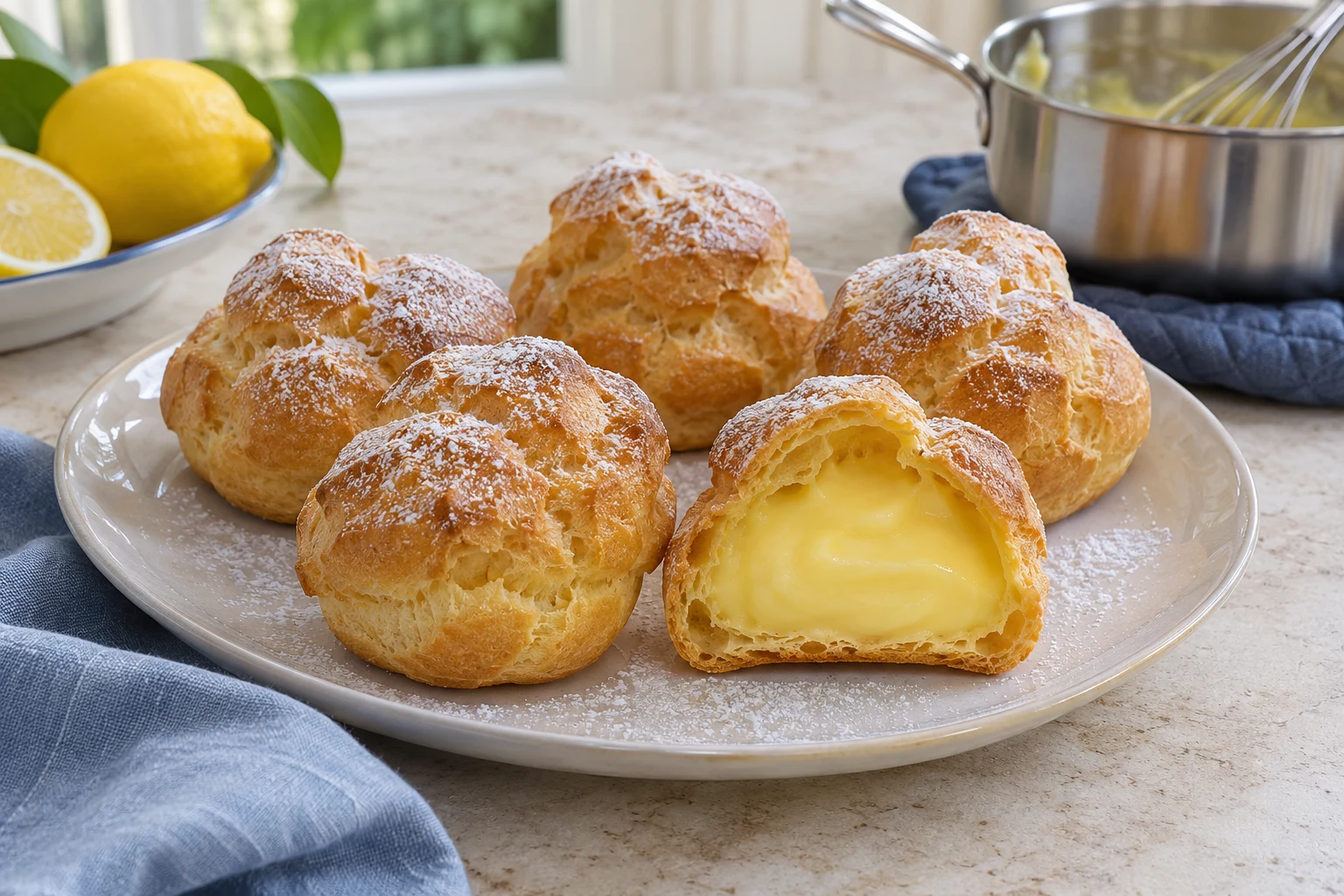
For Lemon Cream Puffs, choose the filling time by working back from when the shells will be served.
A sample weekend workflow: a fruit tart without the panic
To put these habits together, consider a fruit tart with a crisp shell and vanilla filling. Begin by selecting a tested recipe with a clear pan size and explicit cooling instructions. Weigh your ingredients, make the dough, and note how it feels. If it cracks badly while rolling, it may be too cold or too dry for that recipe; if it stretches and sticks, it may be too warm. Adjust handling before you alter the formula. Roll to an even thickness and line the tin without forcing the dough into corners.
Blind-bake according to the recipe and observe the base, not just the rim. A shell that looks golden at the edges may still need enough baking time to dry the bottom properly. Let it cool as instructed. Cook a pastry cream by a reliable method, including the specified food-safe heating step, and cool it rapidly under refrigeration. Taste only when it is safely cooked. Keep fruit dry so excess water does not collect on the filling.
At assembly, use a consistent thickness of cream and an arrangement that feels naturally balanced. Resist adding every garnish you own. A few well-placed berries and a thin glaze, where appropriate, may provide all the colour and shine required. Note what you would do differently next time. The process is an example of precision supporting pleasure, not an attempt to reproduce a commercial pastry display.
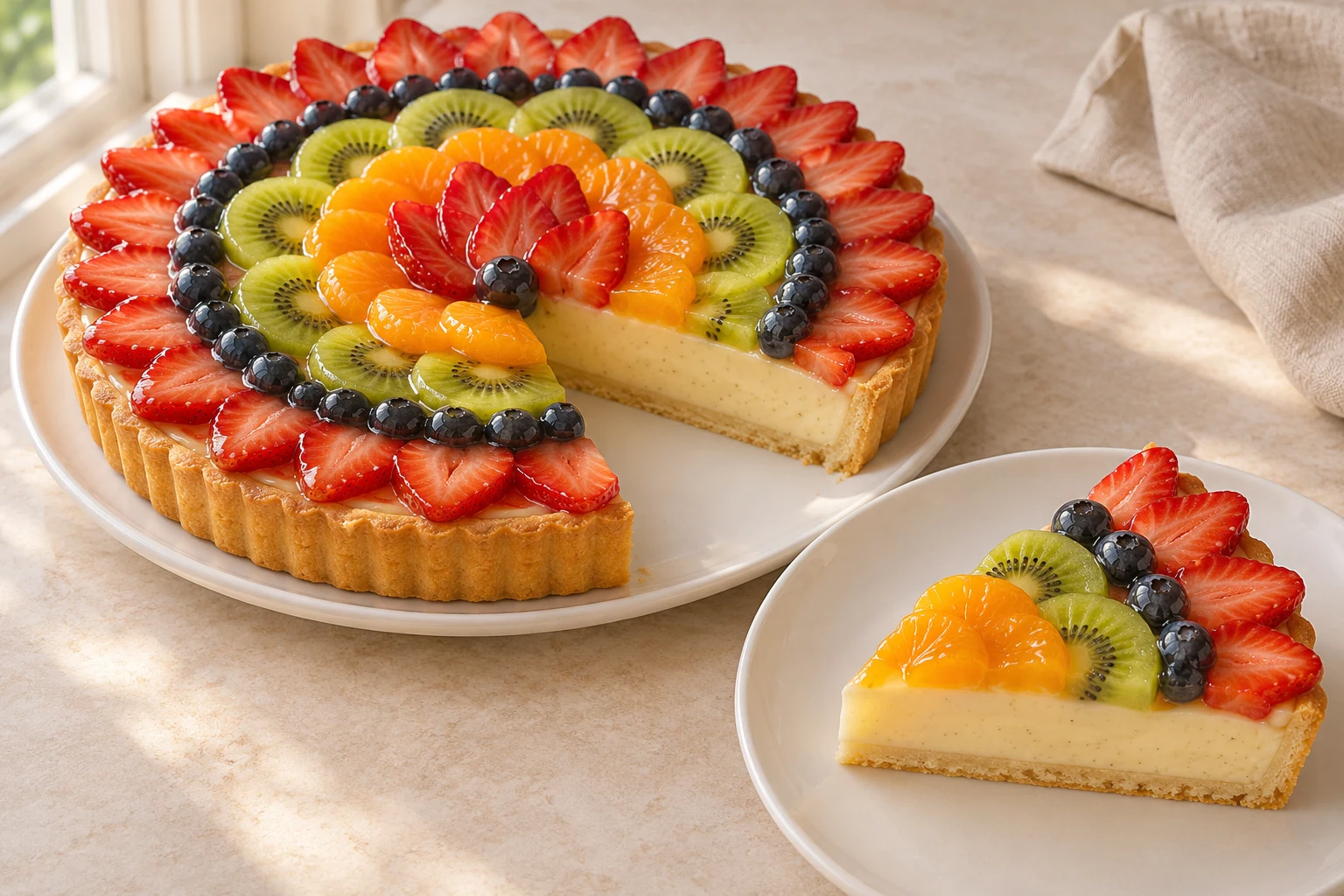
Build your weekend schedule around the shell, filling and fruit in Classic Fruit Tart.
A small, useful toolkit rather than a shopping spree
A stable kitchen scale, thermometer, flexible spatula, sturdy whisk, fine-mesh sieve, parchment paper, and well-made pans can support an enormous range of pastry projects. An offset spatula helps with smooth finishes, but it is not essential on day one. A piping bag and a couple of simple tips are practical for cream and choux; highly specialized moulds are worth considering only when you have a specific technique you want to repeat.
Choose tools by the problem they solve. If your oven runs unpredictably, an oven thermometer may improve results more than a premium stand mixer. If your pastries vary widely in size, a basic scoop may be more valuable than decorative cutters. If your cake layers are repeatedly overbaked at the edges, learning your pans and oven may matter more than buying a more elaborate baking tin. Restaurant kitchens invest in equipment because they have repeatable production demands; home bakers have different priorities.
Also take maintenance seriously. Clean measuring tools, working thermometers, reliable refrigerator temperatures, and unwarped baking sheets are unglamorous but useful. A worn nonstick surface or distorted pan can frustrate an otherwise careful baker. Organizing what you own and learning its behaviour often delivers a larger improvement than accumulating gadgets.

Three mistakes to avoid when borrowing fine-dining ideas
The first mistake is copying only the visual finish. A glossy dome may depend on a mousse that has been frozen in a mould, a carefully formulated glaze, and precise holding conditions. Applying the same appearance to an ordinary whipped-cream cake may not work. Before imitating a photograph, determine which components create the structure and whether the dessert needs to travel or sit at room temperature.
The second mistake is assuming complexity signals quality. A crisp fruit tart with properly cooked filling is already a beautiful dessert. Adding chocolate shards, meringue, several sauces, and edible flowers may dilute its flavour story and make storage harder. The third mistake is confusing numbers with understanding. Weighing to the gram helps, but only if you also notice when butter is too soft, dough is overworked, or a custard has thickened correctly.
Finally, professional inspiration is not a contest in which every bake must be flawless. Some of the most valuable experiments are humble: a second tray of cookies baked a minute earlier, pastry rolled slightly more evenly, or a cake given sufficient time to cool before icing. Those changes teach transferable lessons without turning dessert into a stressful performance.
Frequently asked questions about professional pastry habits
Do I need a stand mixer to produce refined pastry? No. A stand mixer is convenient for many preparations, but whisks, spatulas, a hand mixer, and careful technique are enough for a remarkable range of cakes, creams, and doughs. Choose equipment based on the method, batch size, and physical work involved rather than a prestige association.
Which habit should a beginner adopt first? Read the full recipe and prepare the workstation before starting. Then begin weighing ingredients when a reliable gram-based formula is available. Those choices reduce avoidable surprises. As you develop confidence, pay closer attention to temperature and texture rather than treating baking times as universal promises.
How can I make homemade pastries look more polished? Aim for even thickness, consistent portions, tidy edges, and one coherent garnish. Clean cuts and a well-baked foundation usually improve presentation more than decorative complexity. Practice piping on parchment before working on a finished dessert.
Does Michelin award stars to individual pastry chefs? Michelin stars are restaurant distinctions; the wording here refers to a style of disciplined restaurant cooking rather than a certification, endorsement, or personal qualification. Many excellent bakeries, chefs, and home cooks have no connection to a starred restaurant.
What if my kitchen is small? Work in stages. Prepare ingredients in groups, clear and reset the counter between components, and select desserts that can be made partly ahead. A clear square of countertop is more useful than an enormous assortment of bowls.
IN PICTURES
From the baking notebook
FROM THE RECIPE BOX


