
On this page
Two pans can sit neatly inside each other in the cupboard and still bake quite different banana breads. A slightly wider pan spreads the same batter into a shallower layer. Start with the pan in the recipe, then compare its inside measurements with yours while both are still empty.
Why loaf pan size matters
A pan's dimensions determine the depth of batter and how much surface is exposed to heat. A deep batter takes longer to set in the centre, while a shallower layer may finish faster and look flatter. If you place a recipe designed for a large pan into a smaller pan, the batter may overflow or develop a browned crust before the middle is cooked.
Use Classic Banana Bread as a starting point. Record the pan and the height of the cooled loaf before trying your other pan.
The two everyday loaf pan sizes
Two common pan sizes are 8½ × 4½ inches and 9 × 5 inches, measured across the inside at the top. The difference looks small on a ruler. Once depth and sloping sides enter the picture, a full batch may rise to a different height in each pan.

How much capacity difference is there?
For a real capacity comparison, fill one empty pan to the rim with water and measure what you poured. Repeat with the other. A kitchen scale makes this easy because 1 gram of water is about 1 millilitre. Rim capacity is a comparison between empty pans. Batter still needs headroom.
The tin for Pumpkin Whole Wheat Bread measures 23 × 13 cm (9 × 5 inches). Compare that with the inside of your pan and check the depth as well.
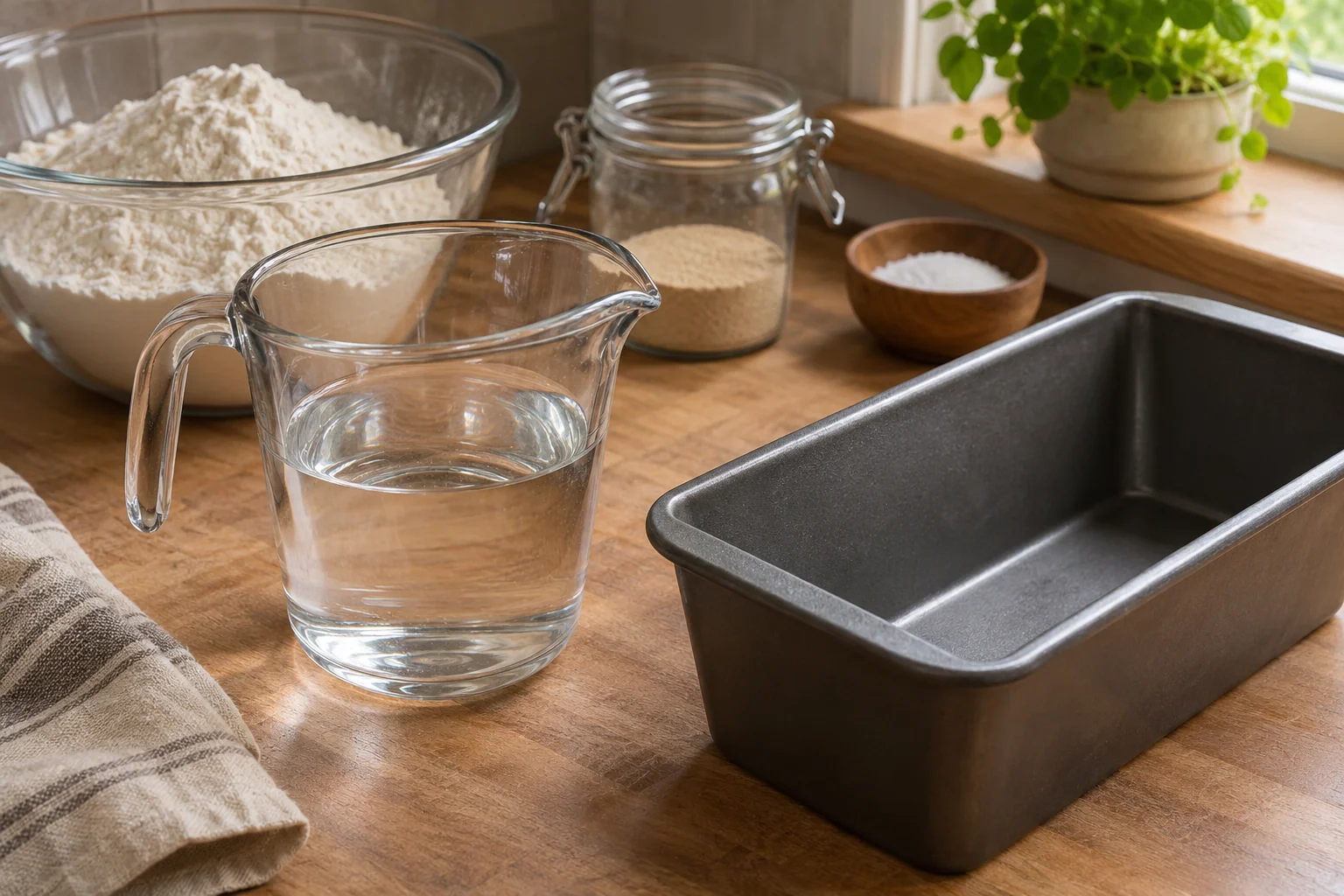
Measure the pan you actually own
Measure inside the top rim from end to end and side to side, then measure straight down to the base. Ignore projecting handles or a rolled lip. If the walls taper sharply, keep the water measurement alongside the dimensions. Dry the pan completely before preparing it for batter.

Which pan is better for banana bread?
Use the size in your particular banana bread recipe. A 9 × 5-inch pan is common for generous loaves, but other recipes are written for smaller pans or specialized tea-loaf shapes. Using the larger pan without adjusting a small-batch recipe can produce a lower loaf. Using a smaller one for too much batter can lead to spills and underbaking.
Which pan is better for zucchini or pumpkin bread?
The same principle applies: follow the formula's pan dimensions. Pumpkin and zucchini add moisture, so batter depth is especially important. A loaf that's too deep may form a dark crust before its middle sets. Don't solve a pan mismatch by adding extra flour, leavener or unmeasured baking time.
What happens if you use a larger pan?
The same batter spreads into a wider, shallower layer. This often gives a shorter loaf and can reduce the time required for heat to reach the middle. Begin checking for doneness before the original recipe's stated endpoint when using a tested conversion, but don't assume an exact reduction in minutes.
If Cranberry Orange Bread spreads into a shallower layer, check its centre earlier and take the loaf out when the crumb is set.

What happens if you use a smaller pan?
If a smaller pan leaves too little room above the batter, portion the excess into a suitable second tin. Bake and check the smaller portions separately. Piling everything into the first pan can produce an overbrowned crown over a centre that still flows.
A deep layer of batter makes it harder to test Banana Nutella Bread. Aim the skewer into plain crumb beside the swirl.

How full should a loaf pan be?
A recipe's measured batter yield and specified pan size are the best guide. Many quick-bread batters need substantial headroom for rising. Don't fill a pan to the edge, and don't count on a loose baking-sheet tray underneath to compensate for severe overflow. If the bowl contains excess batter, bake the surplus in an appropriate muffin pan using tested conversion guidance.
Set the filled pan for Pumpkin Bread on a level surface so you can see the actual space above the batter.
Pan depth changes baking time
Even if two pans have similar footprints, taller walls and batter depth influence heat transfer. A deep pound cake may take much longer than a thin tea loaf. Doneness cues such as a correctly placed skewer, the loaf's firmness and the recipe's validated internal temperature are more useful than appearance alone.
When Banana Coconut Oat Loaf goes into a deeper pan, compare the middle and the shoulders before taking it out.
Metal, glass and ceramic pans
Metal, glass and ceramic can all give different results at the edges. Use the material specified when you have it. Follow the maker’s directions for glass and ceramic, especially when moving a pan between cold and hot surfaces. Record how the crust looks before changing the oven setting.
Judge the browning on Starbucks Copycat Iced Lemon Loaf before adding the icing, particularly the strip of crust that touched the pan.

Why light-coloured metal can help
Quick breads often contain substantial sugar and spend a long time in the oven. Light-coloured metal can limit very dark edges compared with some dark finishes. Follow the pan material and baking directions in the chosen recipe, and check the centre as well as the crust.
What about mini loaf pans?
Mini loaves bake differently because their smaller portions have shorter heat paths. Total yield depends on the exact mini pan's capacity. They generally require earlier doneness checks than one full loaf, but a fixed five-minute or ten-minute conversion is not reliable for every formula.
When dividing Lemon Poppy Seed Bread among small tins, weigh each portion so that the loaves reach doneness together.

Tea-loaf pans and long narrow pans
A long, narrow tea-loaf pan can give attractive even slices and may bake a particular recipe faster because the batter is shallower. However, the same length and width comparison doesn't tell you its capacity without depth. Follow a tested tea-loaf version or measure the capacity carefully.
The cut face of Vegan Lemon Blueberry Loaf shows why the same quantity of berries looks different in a tall slice and a wide one.

Pullman pans aren't ordinary loaf pans
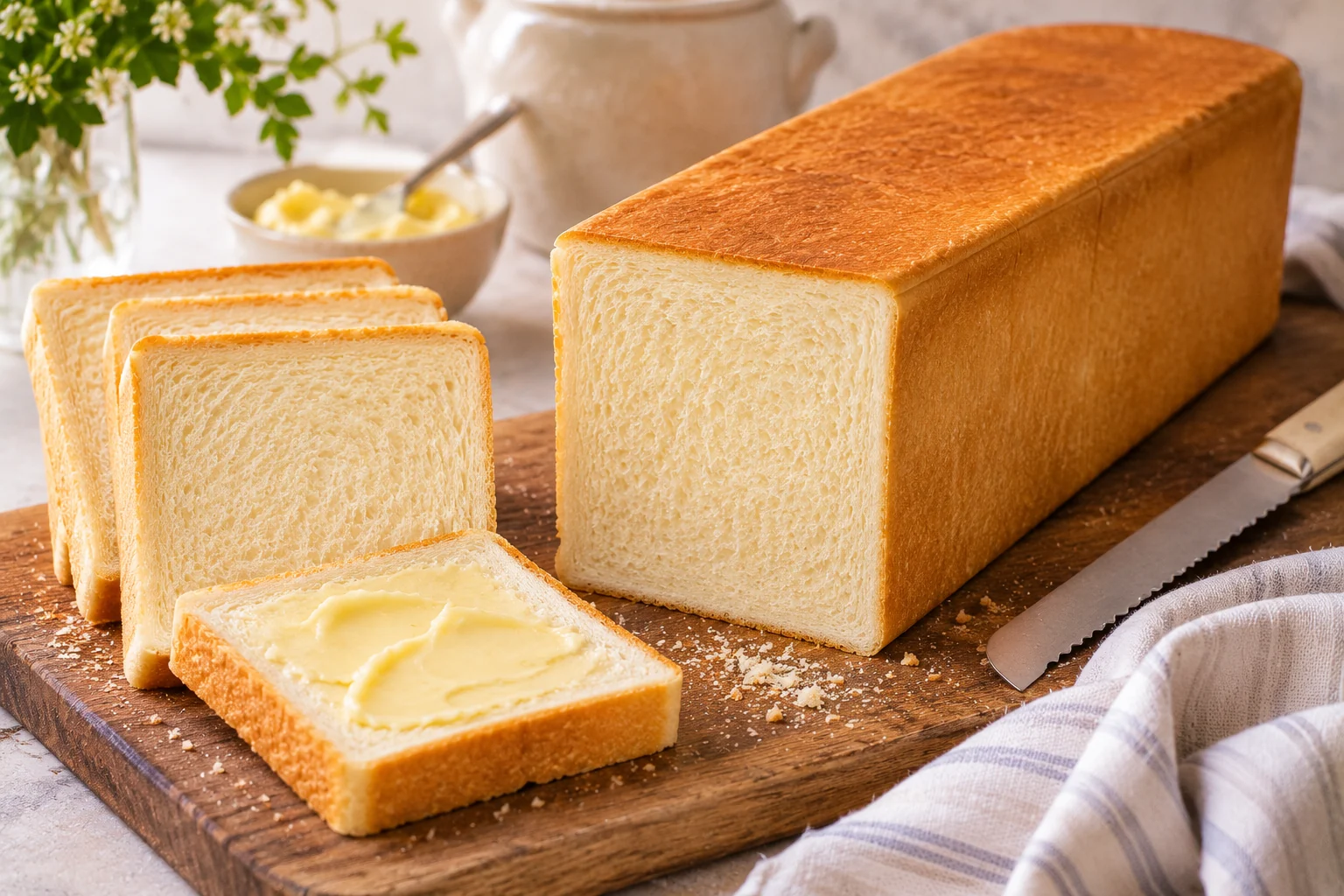
Pullman pans, sometimes called pain de mie pans, have taller straight sides and may use lids for yeast bread. A high-sided 9 × 4-inch model can hold more than its footprint suggests. Don't bake a quick bread under a closed lid unless the recipe specifically calls for that method.
See how the pan is used in Pullman Loaf before you repurpose a lidded bread pan for a rising quick bread.
Can you divide one loaf recipe into two smaller pans?
Sometimes, if the batter volume is appropriate and the recipe offers guidance. Dividing into two pans produces shallower portions and shorter baking times in many cases. Use the same proportion of batter per well and begin checking the centre earlier. A cake that needs a special baking method may not convert directly.

Can you bake quick bread in a muffin pan?
Many conventional quick bread batters can become muffins. Portion evenly, don't overfill and check well before the loaf's usual bake time. Pan material, frozen fruit and add-ins still affect the result. A validated muffin conversion is preferable to guessing.
For an intentionally small portion, Mini Muffins (Banana, Zucchini, or Apple) gives you a muffin-pan method and timing to start with.
Why your loaf has a flat top
A large pan with a relatively small amount of batter often makes a short loaf, even when the baking chemistry is fine. Flatness can also come from expired leavening, incorrect mixing or an underbaked collapsed centre. Check the pan first when the loaf tastes fine but looks unusually low.
A wider pan gives the batter for Sourdough Banana Bread more floor space. Measure your pan and compare the depth before blaming the starter for a low crown.

Why batter spilled over the rim
The pan may have less volume than the specified model, or you may have increased the amount of banana, nuts or chocolate chips. Overleavening can also cause unexpected expansion. Don't try to correct overflow by pushing batter back into the hot pan. Record the amount and use the proper pan next time.
Why the edges are dry but the middle is wet
Too deep a batter, an inaccurately hot oven or a pan that transfers heat unevenly can cause the exterior to overcook before the centre sets. The solution may be a correct pan, an accurate oven and a tested baking schedule—not simply adding more milk to an already wet batter.
For Whole Grain Apple Bread, take a second reading away from a juicy apple piece if the first skewer looks wet.
How to check doneness in deep loaves
Probe the thickest part near the middle, avoiding melted chocolate and pieces of fruit. If one spot gives a wet smear, test nearby. A top that has split or turned golden is telling you about the surface. The centre still needs its own check.
In Blueberry Bread, a streak of purple juice on the skewer is a reason to test a neighbouring spot in the crumb.

How to reduce a recipe for a smaller pan
For a delicate cake, choose a tested smaller-batch version or follow a reputable recipe-scaling guide. Proportional changes can be awkward when a formula uses an indivisible egg, very small leavener amounts or specialized ingredients. Scaling down just the flour while leaving the liquid unchanged isn't appropriate.
A simple pan-size checklist
Before mixing, confirm the interior top dimensions and actual capacity. Prepare the specified material and lining, check the batter's intended yield, leave rise room, and preheat fully. During baking, use the recipe's doneness cues. Note how full the pan was and the time it took so the next loaf is repeatable.
For Zucchini Bread, record the pan’s inner dimensions and the amount of grated zucchini. Keep both consistent when you compare the next loaf.

Frequently asked questions
Can I use a 9 × 5 pan instead of 8½ × 4½? Sometimes, but expect a shorter loaf and check the recipe's guidance. Is a mini loaf exactly half a large loaf? No; sizes vary. Should I increase baking soda in a larger pan? No; pan capacity doesn't authorize changing leavening. Why is my quick bread underbaked? Pan depth, oven accuracy, ingredient balance and time may contribute.
Choose a pan, then choose the recipe
Write three things on a recipe you plan to repeat: the inside pan size, where the raw batter came up the side and when the centre first tested done. Those notes will tell you more about a replacement pan than its label alone.
IN PICTURES
From the baking notebook
FROM THE RECIPE BOX


