Pullman Loaf Recipe

A perfectly rectangular sandwich bread with a soft, fine crumb and thin golden crust that slices beautifully for everything from sandwiches to toast.
Difficulty:
Intermediate
Prep Time:
30 mins
Cook Time:
45 mins
Serves:
1 loaf (16 slices)
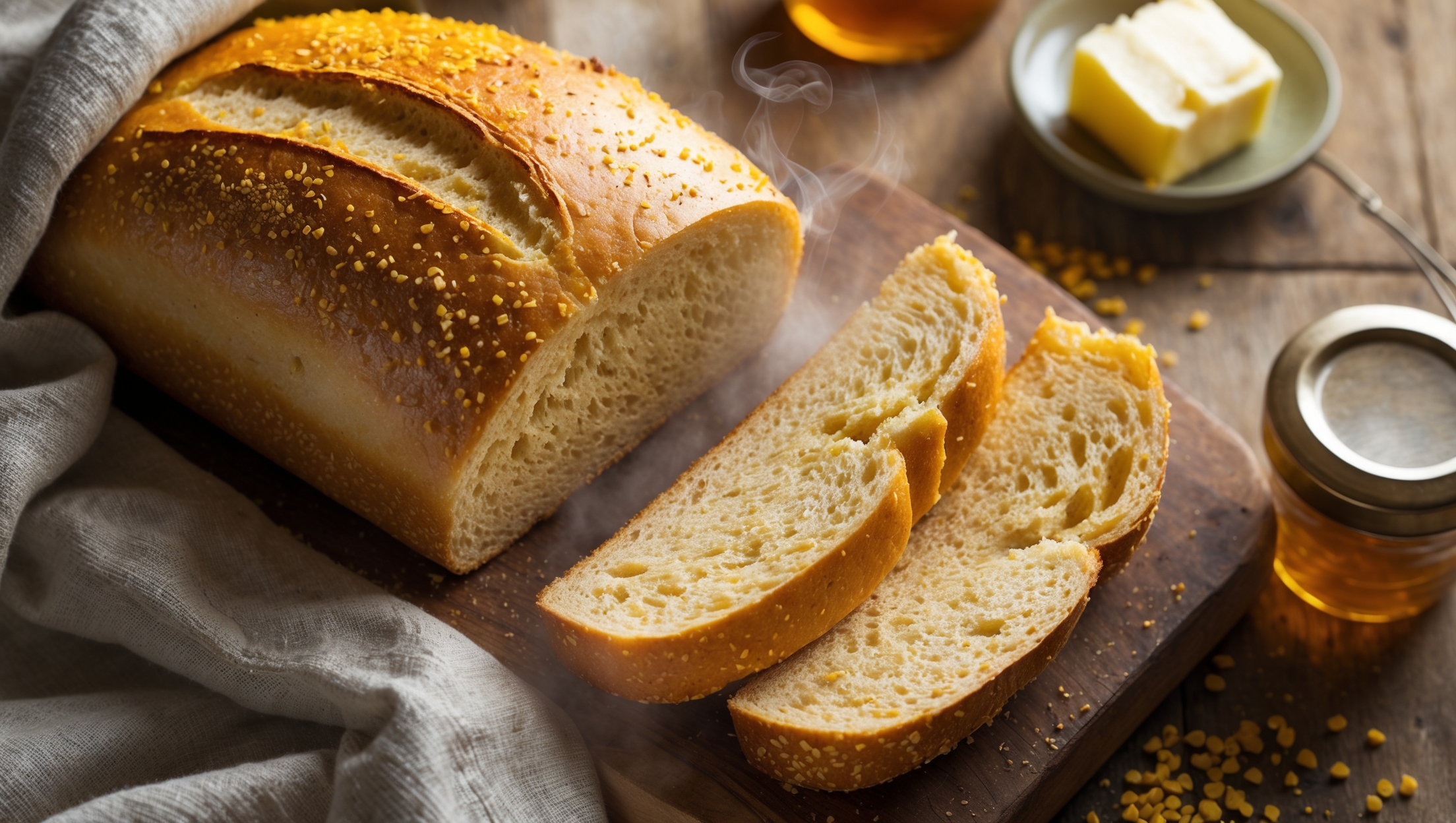
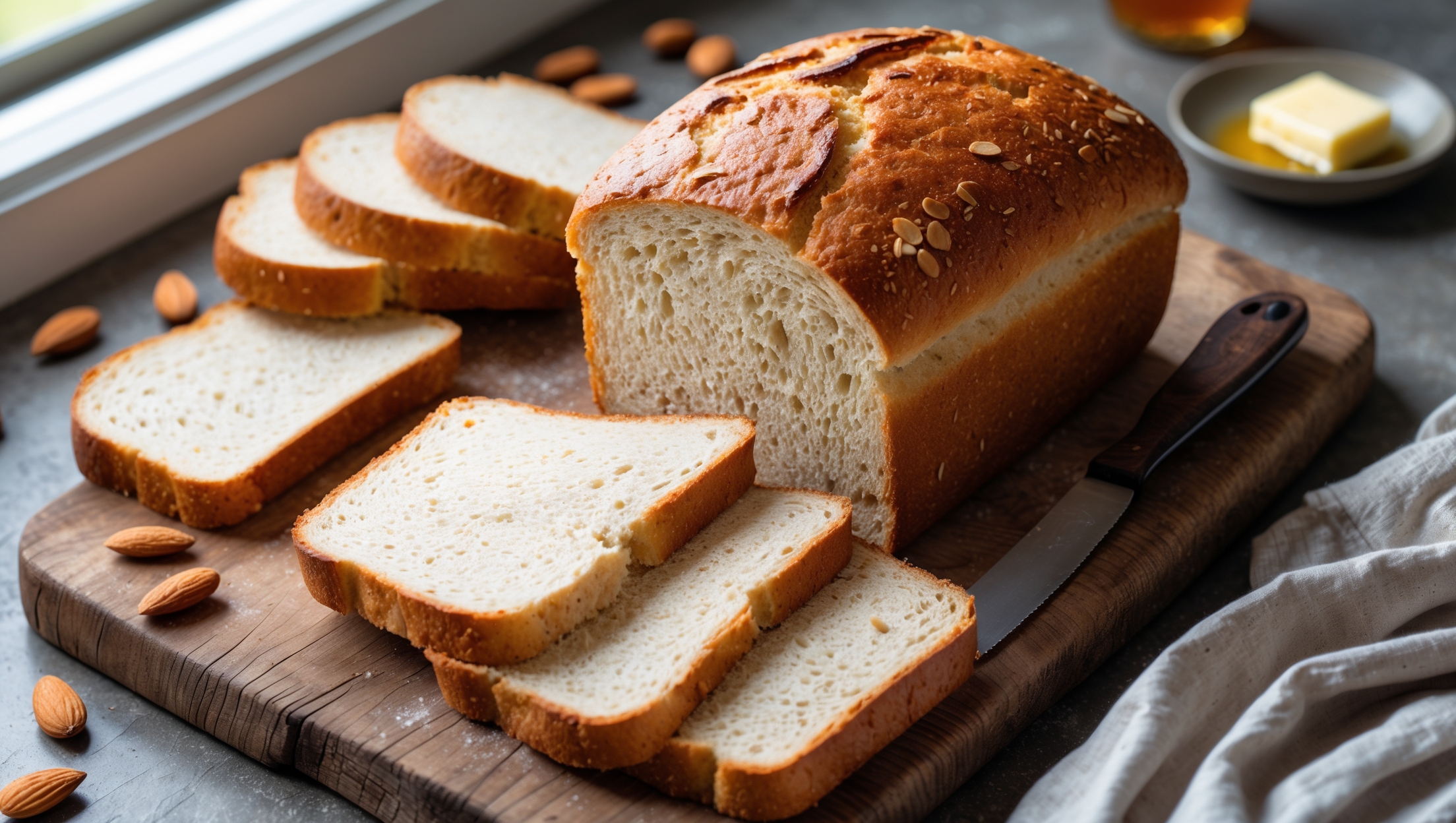
An overhead shot of a freshly baked Pullman loaf, its golden-brown top perfectly flat and rectangular, sitting on a wooden cutting board in soft morning light. A cross-section view reveals the bread's remarkably uniform, tight crumb structure with tiny air pockets throughout. Several perfectly even slices stand nearby, showcasing the bread's ideal square shape. A light dusting of flour and a vintage bread knife rest alongside, while a pat of melting butter glistens on one slice, highlighting the bread's warmth and tenderness.

Ingredients

<ul class="ingredients-main-list"><li class="ingredients-single-item">500g strong bread flour</li><li class="ingredients-single-item">7g instant dry yeast (1 packet)</li><li class="ingredients-single-item">10g salt</li><li class="ingredients-single-item">30g sugar</li><li class="ingredients-single-item">30g unsalted butter, softened</li><li class="ingredients-single-item">320ml lukewarm water</li><li class="ingredients-single-item">15ml vegetable oil (for greasing pan)</li></ul>

Equipment

<ul class="equipment-main-list"><li class="equipment-single-item">Pullman loaf pan with lid (13x4x4 inch)</li><li class="equipment-single-item">Stand mixer with dough hook (optional)</li><li class="equipment-single-item">Digital kitchen scale</li><li class="equipment-single-item">Bread lame or sharp knife</li></ul>
BAKE SMARTER

Kitchen Converter

Quickly switch between common baking units without leaving the recipe.

Convert
Result—

Volume uses US cups, tablespoons, and teaspoons. Converting weight to volume depends on the ingredient.

Directions

<ol class="no-list-style"><li class="MethodStepper"><h4 class="step-title">Step 1</h4>In a large mixing bowl or the bowl of your stand mixer, combine the bread flour, instant yeast, salt, and sugar. Keep the salt and yeast on opposite sides of the bowl initially, as direct contact can inhibit yeast activity.</li><li class="MethodStepper"><h4 class="step-title">Step 2</h4>Add the softened butter and lukewarm water. If using a stand mixer, attach the dough hook and mix on low speed for 2 minutes until all ingredients are incorporated. Then increase to medium speed and knead for 6-8 minutes until the dough becomes smooth and elastic. If kneading by hand, mix with a wooden spoon until combined, then turn onto a lightly floured surface and knead for 10-12 minutes. The dough should pass the windowpane test – when stretched between your fingers, it should become thin enough to see light through without tearing.</li><li class="MethodStepper"><h4 class="step-title">Step 3</h4>Shape the dough into a ball and place in a lightly oiled bowl. Cover with plastic wrap or a clean kitchen towel and let rise in a warm place until doubled in size, about 1-1.5 hours. The slow rise develops flavor and improves the bread's texture.</li><li class="MethodStepper"><h4 class="step-title">Step 4</h4>Once doubled, gently punch down the dough to release air bubbles. Turn onto a clean surface and shape into a rectangle roughly the length of your Pullman pan. Roll the dough tightly, pinching the seam after each roll to prevent air pockets forming. Pinch the final seam closed and tuck the ends under.</li><li class="MethodStepper"><h4 class="step-title">Step 5</h4>Thoroughly grease your Pullman pan, including the lid, with vegetable oil. Place the shaped dough seam-side down in the pan. The dough should fill about half the height of the pan. Cover loosely (without the lid) and let rise again until the dough reaches about 1 inch from the top of the pan, approximately 45-60 minutes. This precisely timed second rise is crucial for the perfect Pullman shape.</li><li class="MethodStepper"><h4 class="step-title">Step 6</h4>About 20 minutes before baking, preheat your oven to 190°C (375°F). When the dough has risen properly, carefully slide the lid onto the Pullman pan. The lid constrains the rise, creating the signature rectangular shape and fine, even crumb.</li><li class="MethodStepper"><h4 class="step-title">Step 7</h4>Bake for 25 minutes with the lid on. Then carefully remove the lid (be cautious of steam) and bake for another 15-20 minutes until the loaf is golden brown and sounds hollow when tapped on the bottom. The internal temperature should reach 93-96°C (200-205°F) when tested with a thermometer.</li><li class="MethodStepper"><h4 class="step-title">Step 8</h4>Remove from the oven and immediately turn the loaf out onto a wire rack to cool completely, at least 1-2 hours before slicing. Cutting too soon will cause the bread to lose moisture and become gummy. Once cooled, use a sharp serrated knife to cut into even slices. Store in an airtight container or bread bag at room temperature for up to 3 days, or freeze for longer storage.</li></ol>

Nutrition Facts (per serving)

🍽️ Serving Size: 1 slice
🔥 Calories: 175 calories
🥑 Fat: 4 g
🧈 Saturated Fat: 1.5 g
🍞 Carbohydrates: 30 g
🍭 Sugar: 2 g
🍗 Protein: 5 g
🫀 Cholesterol: 6 mg
🧂 Sodium: 240 mg

Chef’s Notes

A few helpful details for making this recipe.

Why does sandwich bread need a Pullman pan with a lid?

The Pullman pan's lid is essential for creating the signature perfectly rectangular shape. It constrains the dough's upward expansion, forcing it to fill the corners of the pan completely. This results in the characteristic even, tight crumb and square slices that make it ideal for sandwiches and toast.

What's the secret to achieving that perfect even crumb in sandwich bread?

The perfect even crumb comes from proper kneading to develop gluten, tight rolling of the dough to eliminate air pockets, precise timing of the second rise (not allowing over-proofing), and baking in a lidded Pullman pan that constrains expansion and forces an even distribution of air cells.

Can I make sandwich bread without a stand mixer?

Absolutely! While a stand mixer speeds up the process, you can achieve excellent results by hand kneading. Mix ingredients with a wooden spoon until combined, then knead on a lightly floured surface for 10-12 minutes until smooth and elastic. The dough should pass the windowpane test before continuing.

Want to try something else in ...

More recipes you might like

Keep exploring with more recipes from What's Baking.