On this page
If cookies darken at the back of the tray while those at the front stay pale, an oven-wide temperature adjustment may miss the problem. Record where each cookie sat, then measure the temperature on the rack you actually use.
Understand temperature cycling
Most household ovens switch heating elements on and off to keep the cavity near a target temperature. Air temperature may fluctuate above and below the set point during this cycle. A quick glance at a thermometer during one moment may not represent the whole bake. Consider a series of readings after full preheating rather than diagnosing a large calibration error from one brief observation.
Preheating takes more than a beep
Some ovens signal readiness before the walls, racks and full cavity have stabilized. Opening the door to load food introduces another short temperature drop. Certain bread and pastry recipes benefit from additional preheating time for heavy cookware. Follow the recipe and oven manufacturer's instructions rather than assuming the first beep means every surface is ready.
Use a reliable oven thermometer
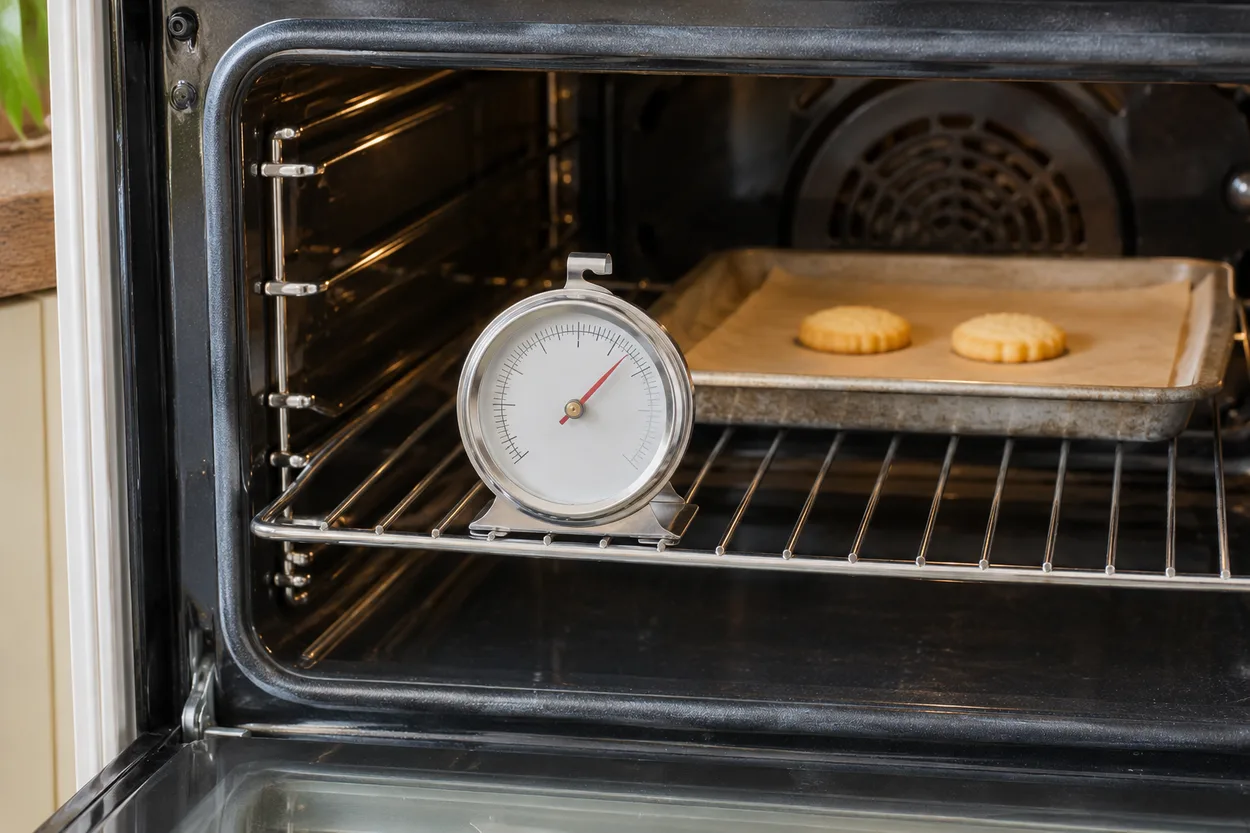
An independent oven-safe thermometer can help reveal persistent differences between the setting and actual heat. Place it where the food normally bakes according to manufacturer instructions, without touching a pan or wall. A thermometer near a heating element may read differently from one near the middle. Check accuracy and suitability before using it as the basis for adjustments.
Measure over several cycles
Let the empty oven reach its normal baking condition, then observe several readings while the heating system cycles. An average or consistent pattern is more meaningful than a single peak. Temperature swings are normal to a degree, so distinguish cycling from a sustained calibration offset. Avoid opening the door repeatedly just to read a thermometer if you can observe it through the window.
For example, three readings of 170°C, 185°C and 175°C taken at equal intervals average about 177°C. One peak alone would give a misleading impression of an oven set to 175°C. Record several complete cycles before deciding there is a consistent offset.
Why rack position matters
A pan near the upper heating element may brown the top quickly. A low rack can darken the bottom, particularly with thin metal cookware. Many cakes bake on a central rack, but breads and pies may use different positions. Follow the source method before moving everything to the top. Rack placement alters the balance of top and bottom heat, not only the overall temperature.

Hot spots in the cavity
Some ovens heat more strongly near a wall, corner or element. Unevenly browned cookies on the same tray can reveal a pattern. Rotate the sheet only when the recipe allows and the baked structure is stable. A delicate foam cake may be harmed by early movement. Repeated results from the same position suggest equipment behavior worth documenting.
Convection isn't the same mode
Convection fans circulate hot air, which can increase heat transfer and alter browning. Some manufacturers recommend lower set temperatures for convection recipes, while others automatically convert displayed settings. Do not apply a second reduction without understanding your oven. Use a tested convection variation and monitor small pastries carefully; a fan can change how quickly edges color.
Gas and electric differences
Heating patterns differ between gas and electric appliances, but neither type is universally inaccurate. The location of burners or elements, fan design and insulation affect results. A gas oven may introduce combustion moisture, though the practical difference depends on design. Diagnose your specific appliance rather than assuming every gas oven bakes wetter or every electric oven has even heat.
Dark metal pans
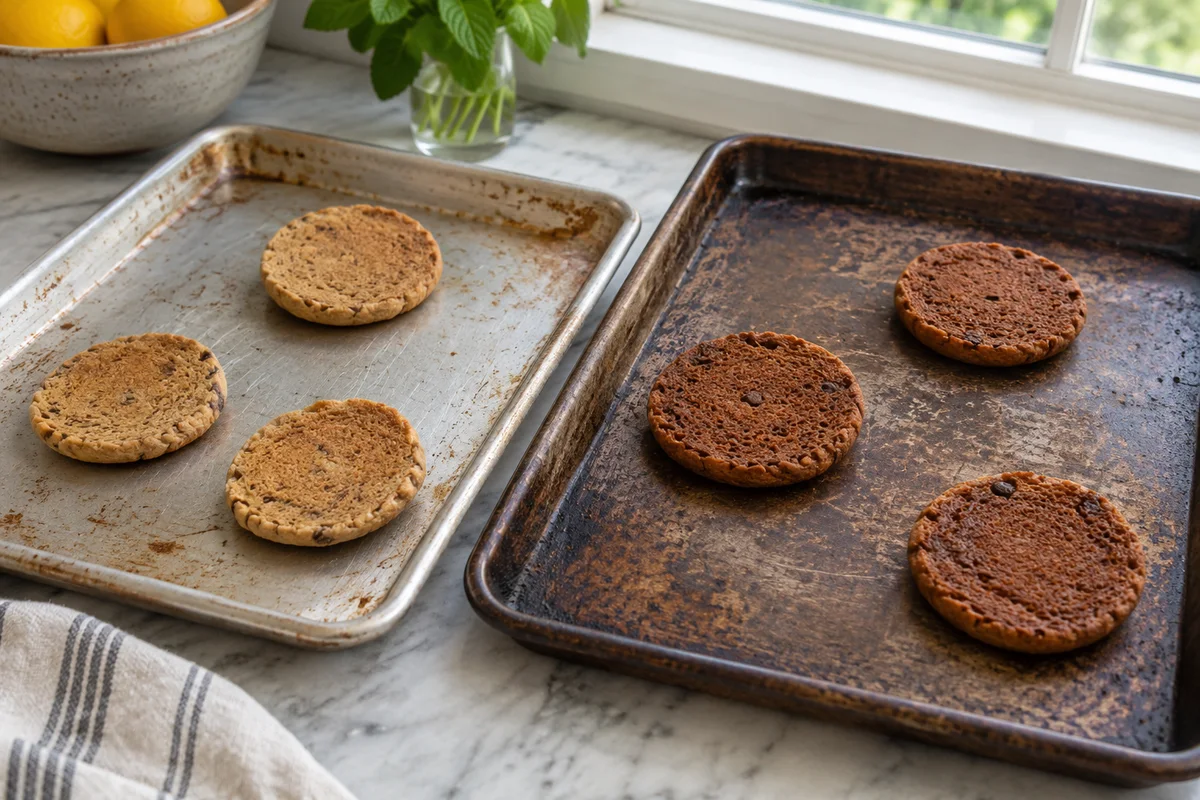
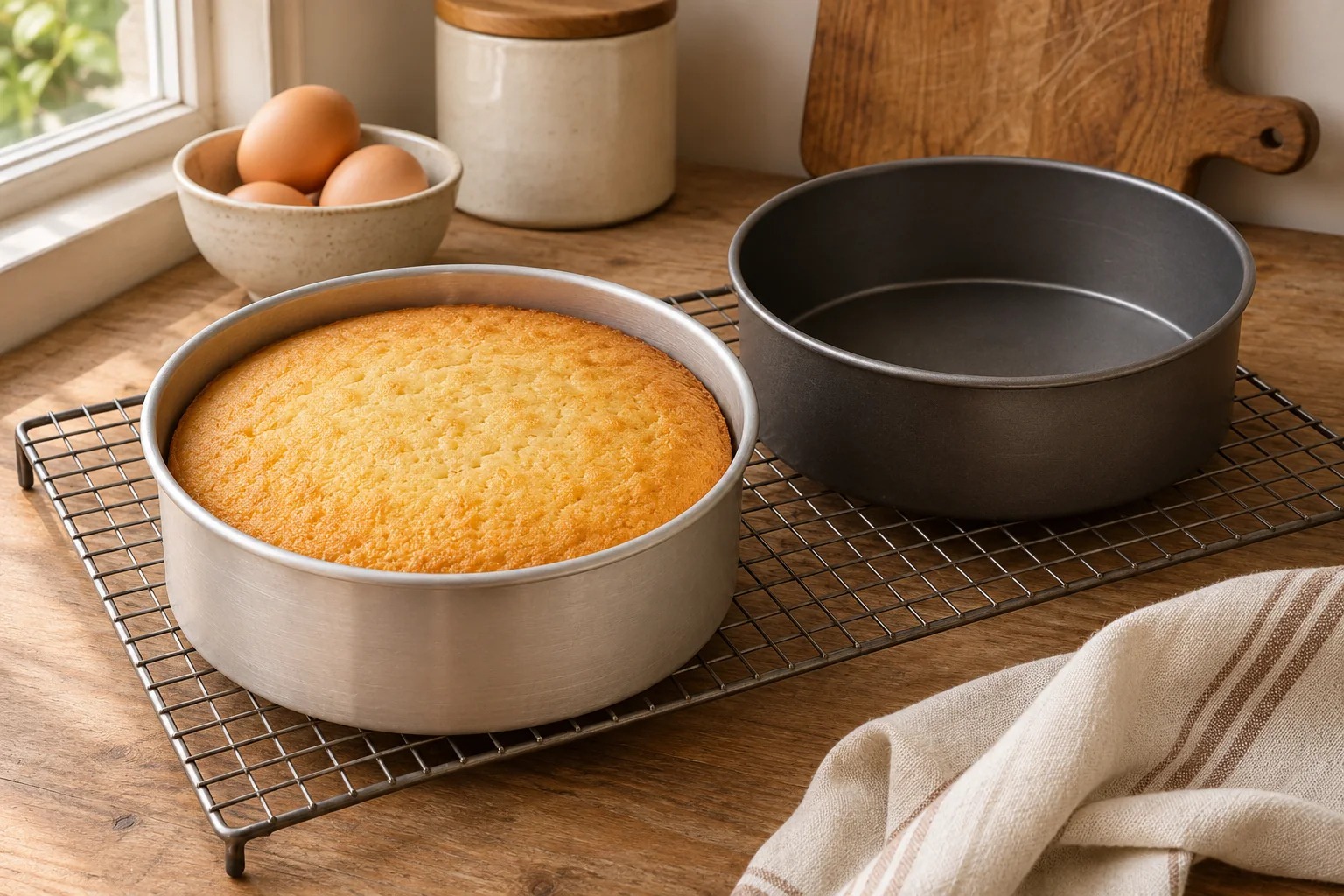
Dark baking sheets absorb radiant heat differently from shiny light aluminum and may darken cookie bottoms more rapidly. An apparent oven-temperature issue can therefore be a pan mismatch. Test a trusted cookie on its recommended sheet before changing thermostat settings. A heavy dark pan and a light thin sheet may require different handling even in the same oven.
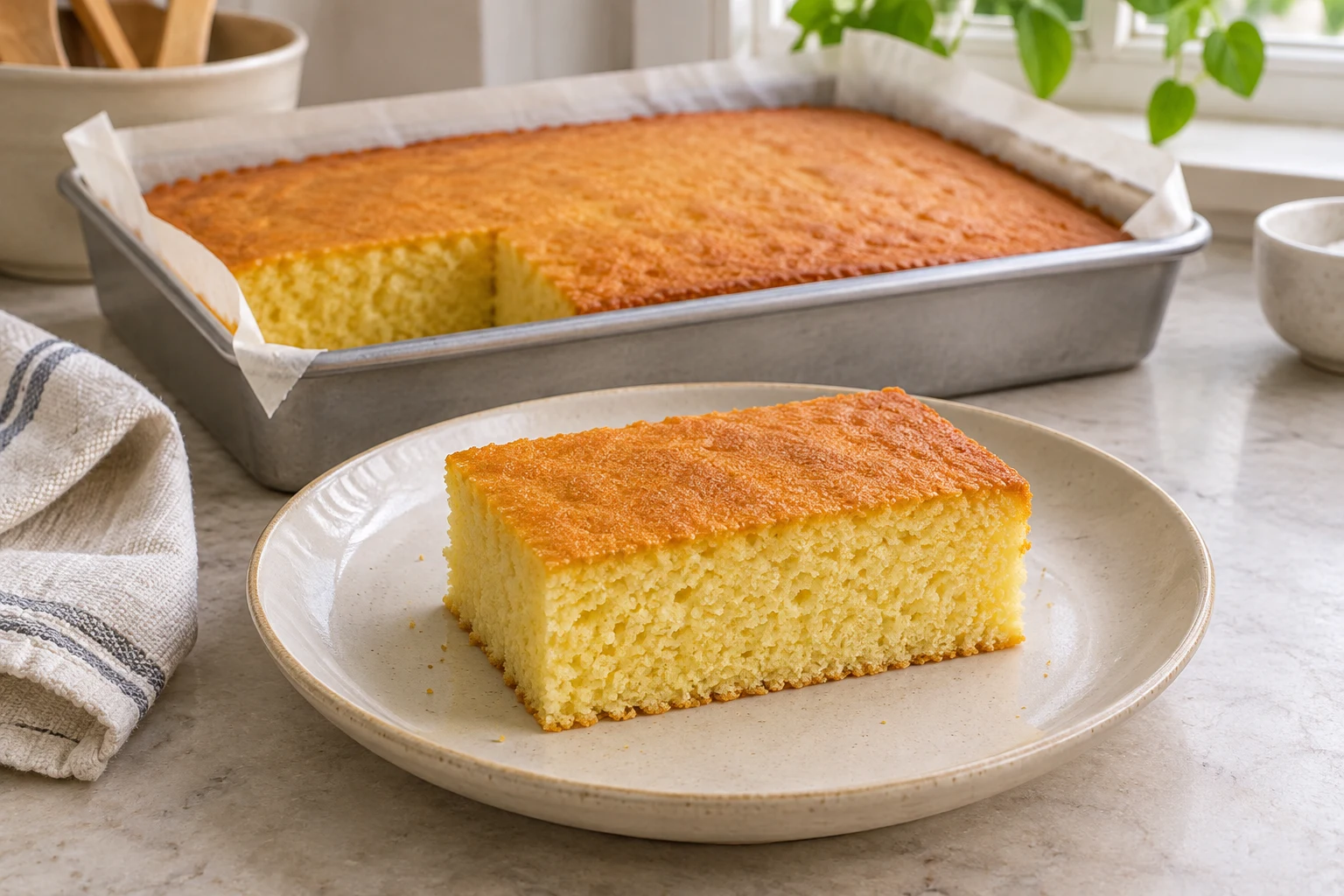
Use the same pan for each trial of Classic Yellow Sheet Cake so the finish of the metal stays constant.
Glass and ceramic bakeware
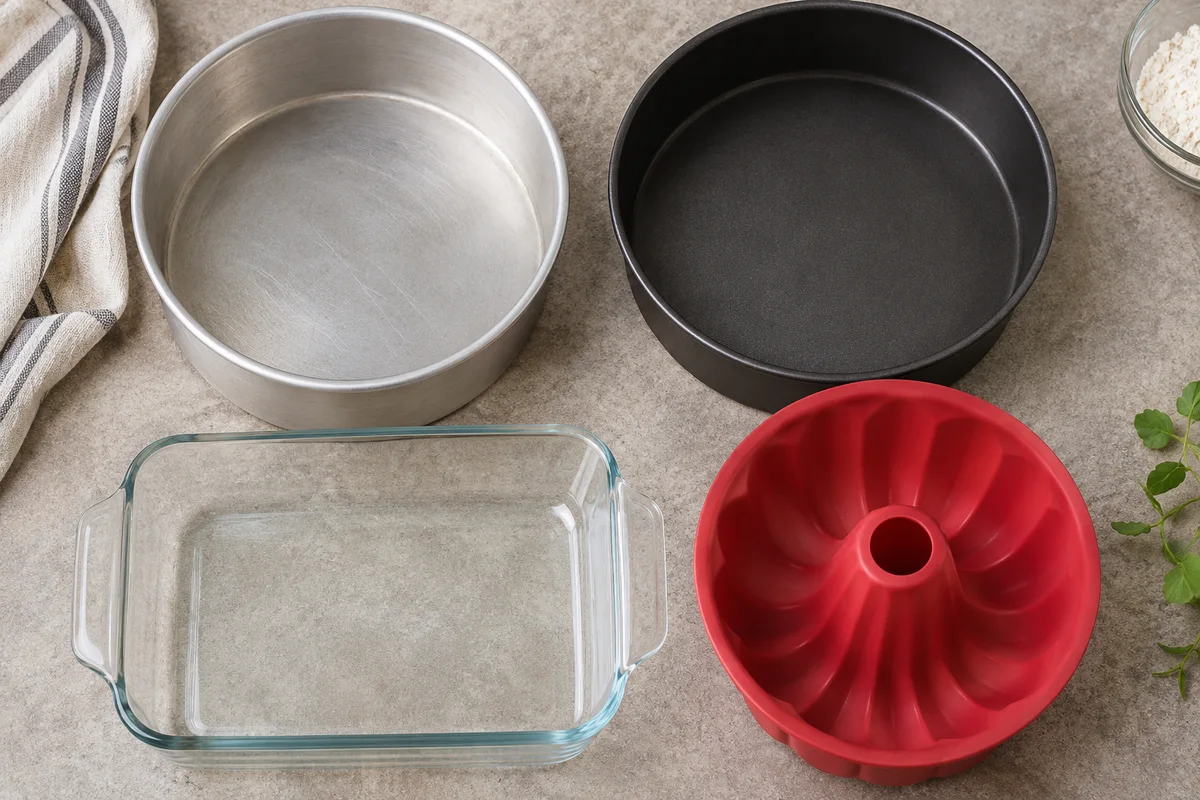
Glass and ceramic heat and retain energy differently from thin metal. A cake can continue cooking after removal because its dish stays hot, while the center may take longer to set. Follow recipe and cookware guidance for temperature and thermal shock. Don't place a frozen glass dish into a hot oven unless the manufacturer explicitly allows it.
Why cookies spread
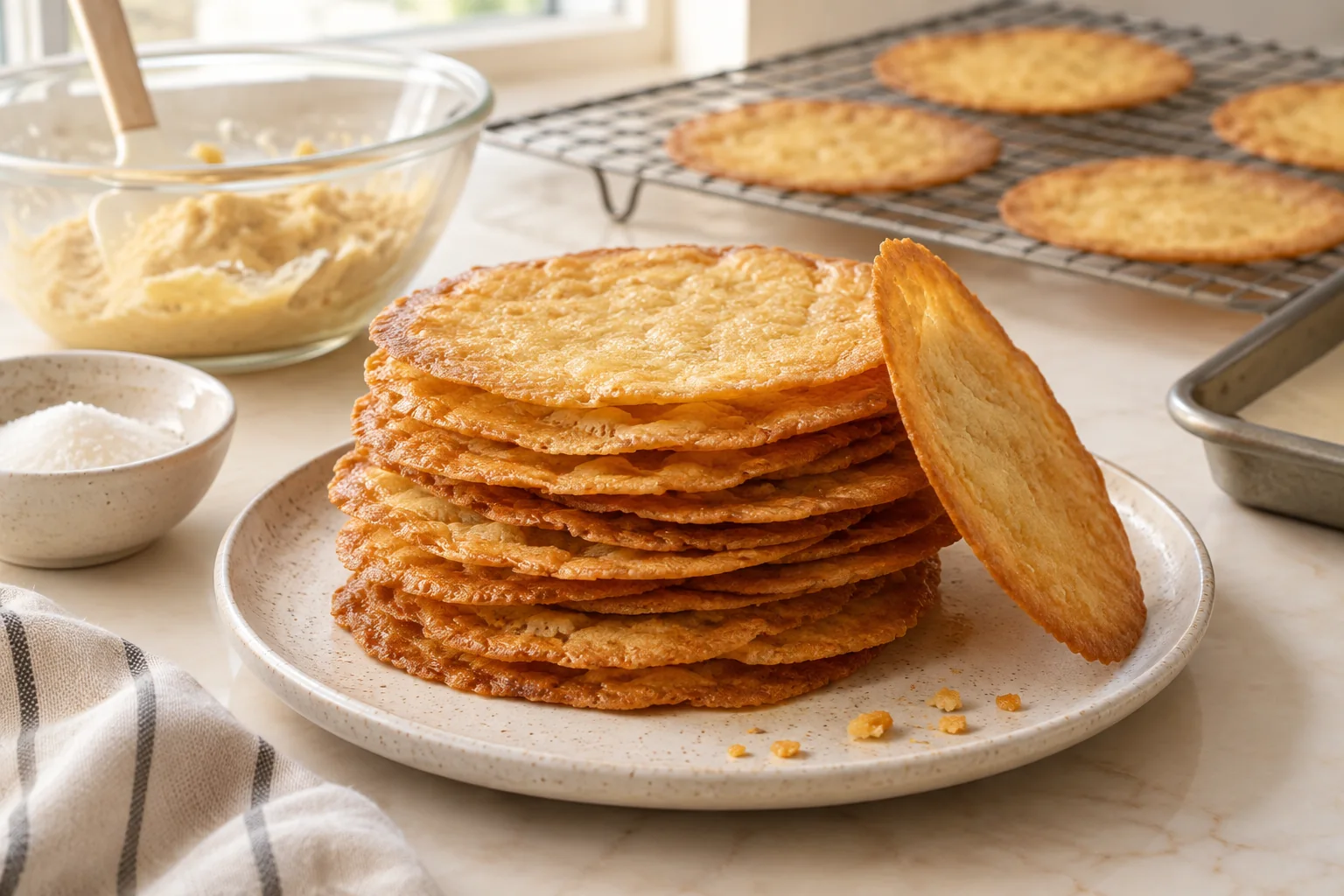
A too-cool oven can sometimes allow dough to flow before structure sets, increasing spread. But warm butter, excess sugar, low flour or hot baking sheets can create similar results. If every sheet spreads despite correctly chilled dough and accurate weights, oven heat is worth verifying. Avoid adding flour before evaluating other variables.
Space equal portions of Classic Chocolate Chip Cookies across one sheet to compare spread and bottom colour.

Why cookies burn underneath
A hot lower rack, dark thin tray or oven hot spot may darken the underside while tops remain pale. Use the intended pan, parchment where specified and a consistent rack. If the oven itself runs hot, verify through repeated thermometer observations. Doubling parchment isn't a universal fix, and some materials have temperature limits.
Why cakes dome or crack
Strong outer heat can set cake edges before the center finishes expanding, producing a dome or split top. A deeper batter layer or extra flour can also contribute. Check pan size and oven accuracy together. Simply lowering the temperature may reduce surface splitting while creating an underbaked center; use a tested adaptation.
Compare both layers of Classic Vanilla Layer Cake for a rise that is tilted in the same direction.

Why cakes sink
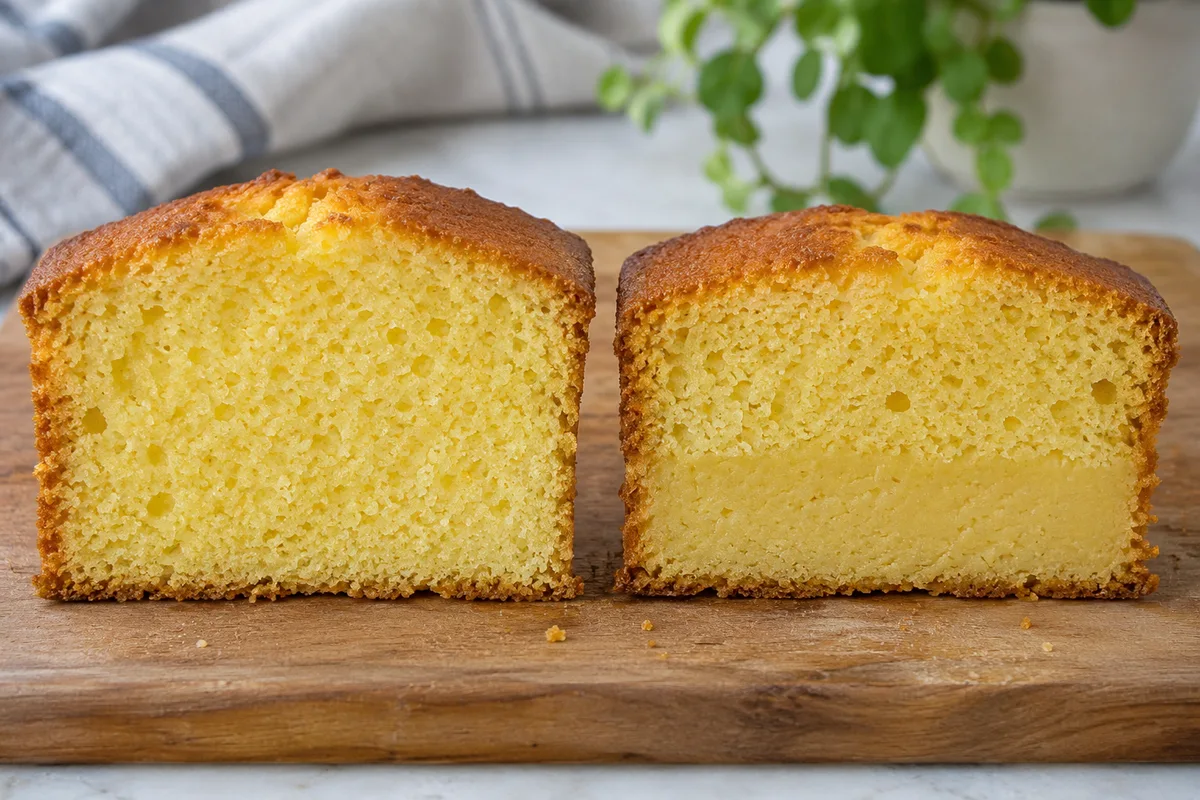
A cake that rises then collapses may lack enough center structure, perhaps from underbaking, excessive leavening or altered mixing. An oven running too cool can delay setting, but the same failure occurs with incorrect ingredient ratios. Record whether the cake sank while baking or during cooling. Diagnosing when it happened is more useful than immediately turning up the oven.
Why bread lacks oven spring
Bread needs sufficient early heat for expansion before its crust fully sets. A poorly preheated oven, particularly when using a baking stone or Dutch oven, can alter results. Underproofing and weak dough can also reduce volume. The correct temperature and steam schedule depend on the bread style. Don't use a baguette's hot oven plan for a delicate sandwich loaf.
Follow the preheating instructions in Sourdough Country Loaf before judging oven spring.

Pastry depends on quick expansion
Puff pastry and croissants need their butter layers to generate steam and their dough to set in the intended sequence. A cool oven may permit butter leakage before sufficient lift develops. Excessive heat can burn the outside while the center remains doughy. Use a tested pastry temperature profile and fully preheat, especially when handling delicate laminated dough.
For Classic Croissants, record the oven mode and the colour underneath the pastries as well as on top.

Why top browning can mislead
A golden cake surface or pastry top indicates surface heat exposure, not necessarily a fully cooked center. Use the recipe's tester, texture and appropriate temperature cues. Dark chocolate batter makes this especially important because browning is harder to see. A thermometer can help in some formulas but shouldn't be applied using an unrelated universal number.
Test with one dependable recipe
Select a simple cake or cookie recipe you know well, use accurate weights and the specified pan, then bake with an independent thermometer positioned appropriately. Record where the sheet was placed and the visual endpoint. If the results are inconsistent, repeat once before changing ingredients. A familiar recipe acts as a useful reference for how your oven actually behaves.
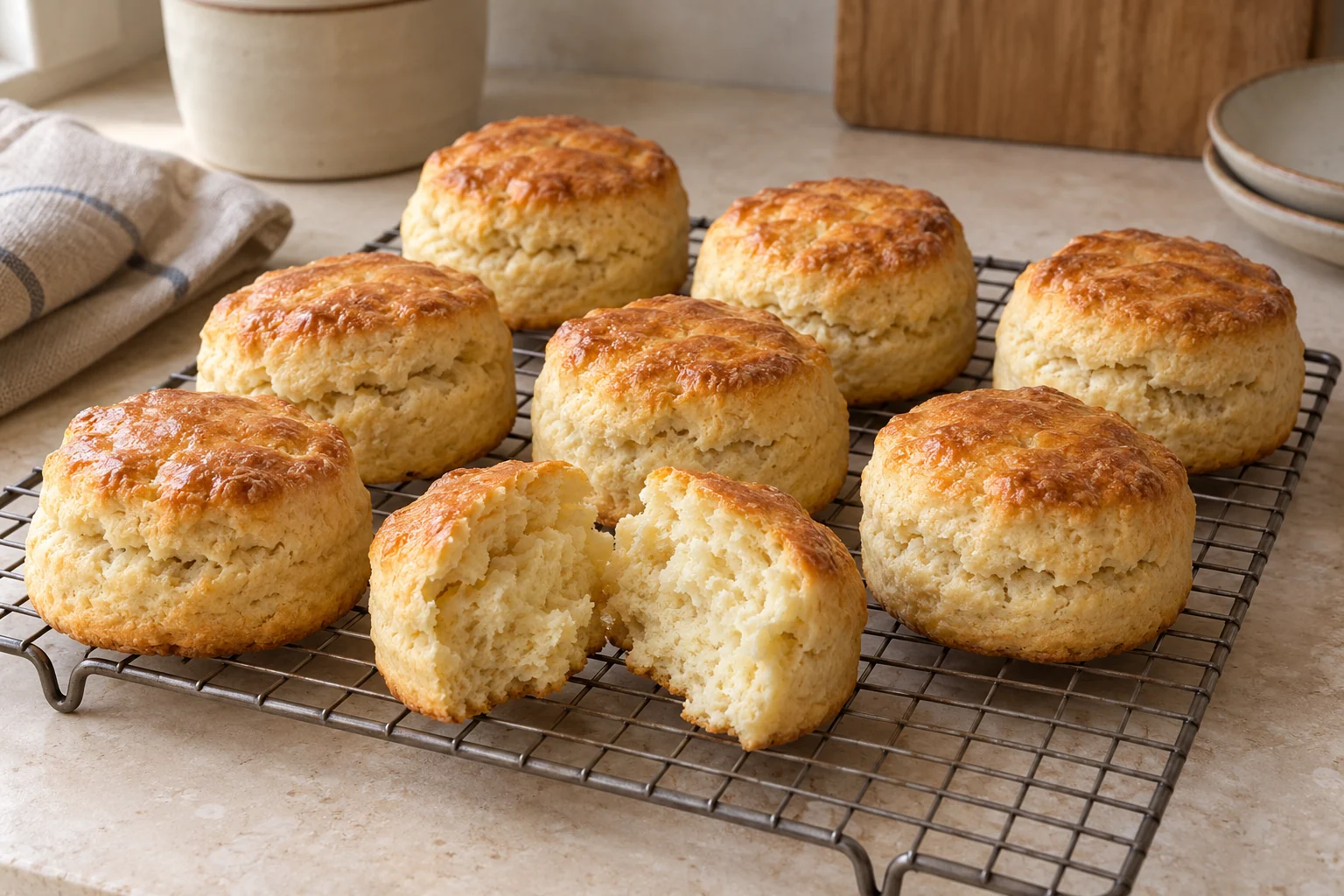
A familiar batch of Basic Scones gives you a repeatable point of comparison.
A practical hot-spot test
Bake a tray of uniform simple cookies using the appropriate size and dough, then compare browning across positions after cooling. Record the tray orientation. If pieces near one corner repeatedly darken sooner, that suggests localized heat differences. Don't put a paper heat map or other flammable item into the oven as an improvised calibration test.

Calibrating the oven
Some ovens allow a temperature offset through a manufacturer-approved setting. Before changing it, gather consistent evidence across cycles and modes. Follow the appliance manual or request professional service if the readings suggest a serious fault. Do not attempt to adjust internal electrical or gas components yourself.
Know when equipment needs service
Extreme heat swings, failure to preheat, unusual smells or visible damage may indicate a malfunction. Stop using unsafe equipment and follow manufacturer or qualified technician guidance. Baking with incorrect heat wastes ingredients, but a faulty oven can be a safety concern beyond recipe quality. Don't bypass door switches or protective features to force a test.
Make a personal oven map
Note which rack works best for sheet cookies, round cakes, loaves and pastry in your particular appliance. Include convection settings, preheat time and pan type. These notes allow you to repeat successful bakes without relying on general claims that the middle rack is perfect for everything. Change one variable at a time so the observations remain meaningful.
IN PICTURES
From the baking notebook
FROM THE RECIPE BOX


