
On this page
A plain loaf cake and a custard-filled layer cake can start with similar batters and need different storage. Before reaching for a cake dome, identify the ingredient with the shortest safe storage time, including anything hidden between the layers.
Where should this cake go now?
Plain, unfilled cake: cool completely, then cover and follow the recipe’s room-temperature or freezing instructions. Check the glaze or frosting separately.
Fresh cream, custard, cream-cheese filling or another perishable component: refrigerate promptly at 4°C or colder and keep cold in transit. Discard cooked perishables left at room temperature for more than two hours. Follow any shorter limit in the recipe.
Begin with the entire finished dessert
Ask what is inside and on top of the cake, not merely which sponge recipe you used. A shelf-stable-style plain loaf may be suitable for brief covered room-temperature storage under recipe guidance, while pastry cream or cream cheese frosting generally requires refrigeration. Fresh berries and custard also alter holding requirements. A smooth buttercream exterior does not make a perishable filling safe at room temperature.

Counter storage for suitable plain cakes
Some fully baked, unfrosted cakes with no perishable fillings can be stored covered at cool room temperature for a limited period according to the recipe. This can preserve a pleasant soft crumb and avoid firming butter in the refrigerator. Keep cakes away from direct sun, heat and excessive humidity. Do not treat the counter as suitable for every dessert merely because the sponge contains sugar.
For Pound Cake Bundt, check the storage advice for the finished cake, including any glaze.

Why refrigeration can change texture
Butter firms when chilled, so some butter cakes feel denser straight from the refrigerator. Starch retrogradation can also contribute to staling during cool storage. An oil cake may remain more tender-feeling at the same temperature, but that doesn't alter the filling's safety requirements. Choose safe storage first, then follow a recipe-appropriate serving-temperature plan for better eating texture.
Cakes with whipped cream
Whipped cream frosting and fillings are perishable and require proper refrigeration, generally at or below 4°C (40°F). Even stabilized cream retains dairy-related handling needs. Avoid preparing a cream cake hours before a warm outdoor gathering without a cold-holding strategy. Remove only what will be served safely and return the remainder promptly to refrigeration.
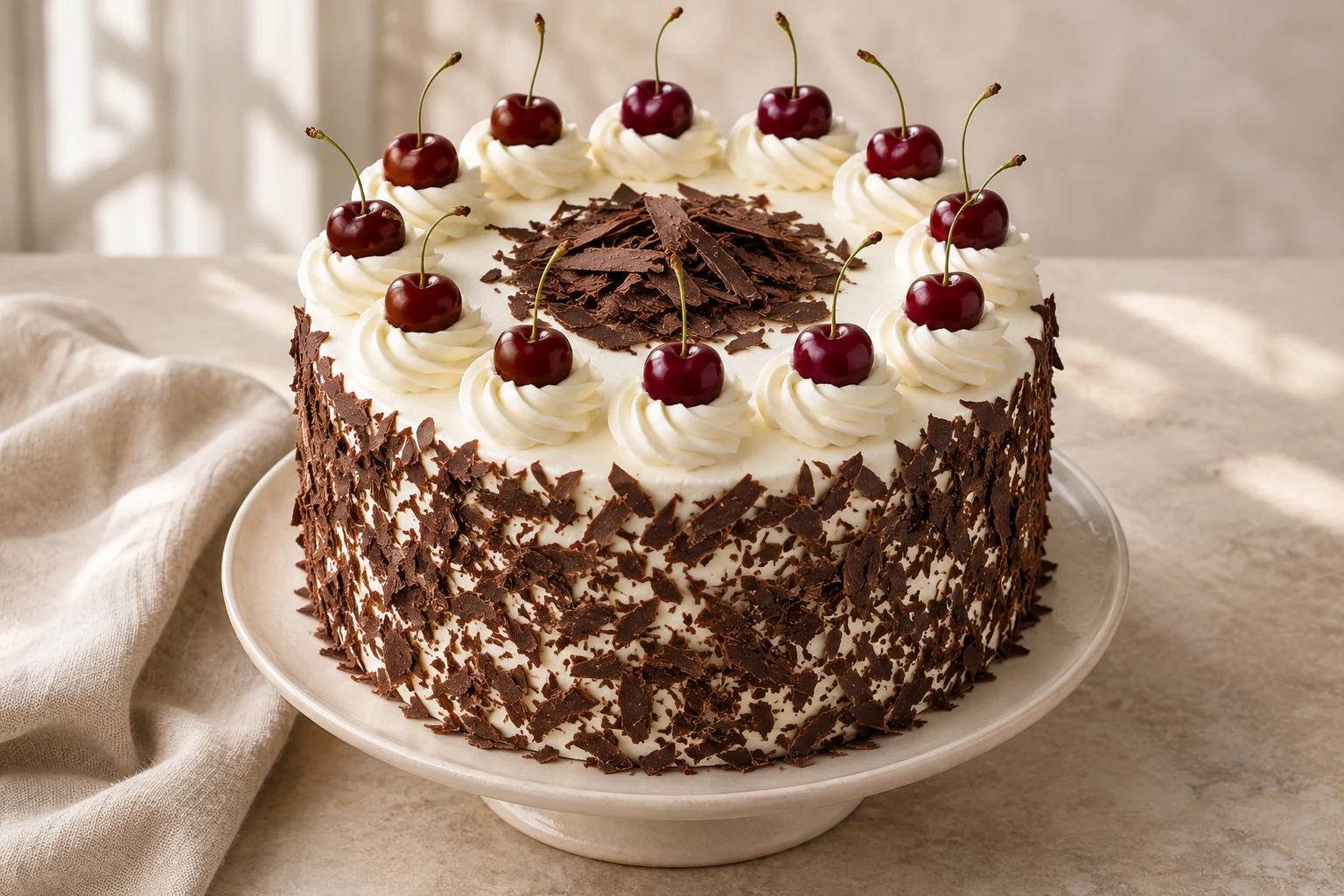
Plan cold storage for Black Forest Layer Cake around the cream and fruit as well as the sponge.
Cream cheese frosting
Homemade cream cheese frosting commonly requires refrigeration because it contains perishable dairy. Different commercial products and professionally formulated frostings vary, but don't assume ordinary homemade frosting becomes shelf-stable because it contains plenty of sugar. Follow reliable food-safety and recipe guidance. A cold cream cheese cake may benefit from a short controlled serving interval while still respecting safe time limits.
Use the frosting on Carrot Layer Cake to decide how the assembled cake should be stored.

Pastry cream and custard fillings
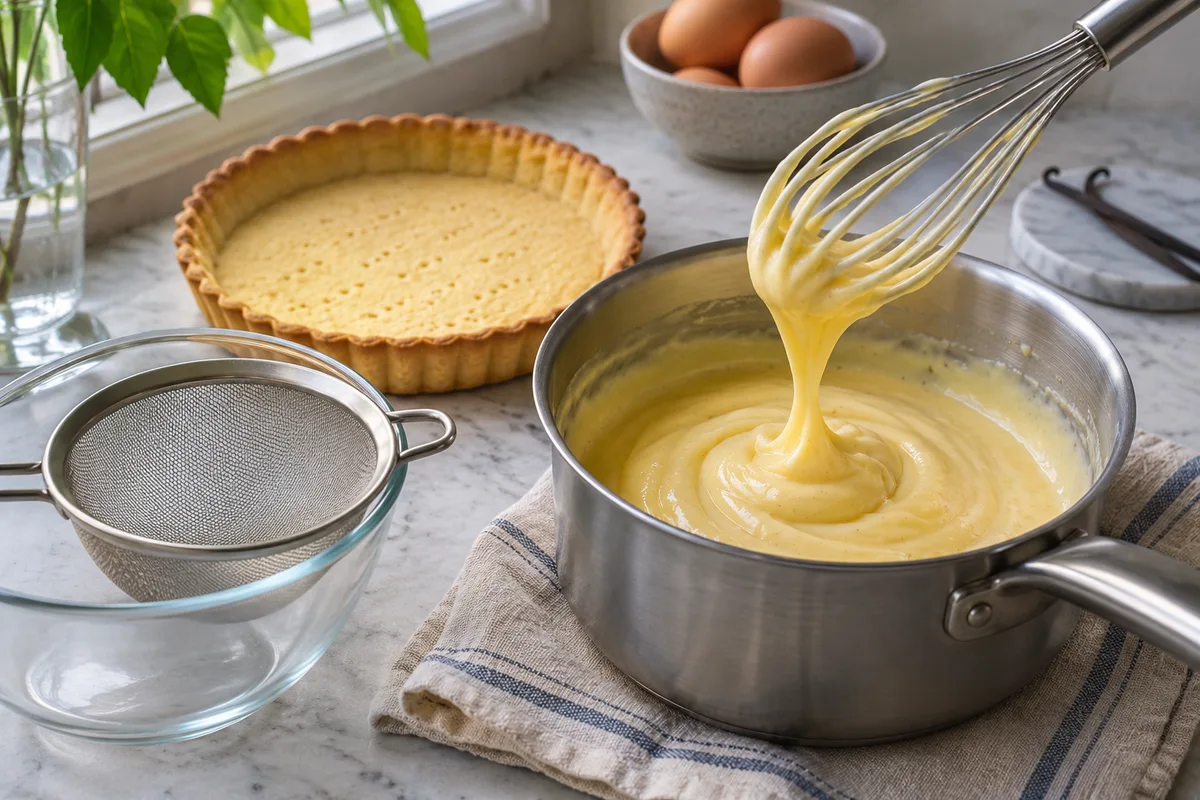
An egg-and-dairy custard cake needs careful cooling and refrigeration. Pastry cream should be cooked using a tested method and chilled promptly in suitable shallow containers. Filling a cake with warm custard can also soften the sponge and frosting. A decorated cake kept in a display case may look appealing while the center requires strict cold storage.
Fresh fruit layers
Cut strawberries, raspberries or banana inside frosting introduce additional moisture and storage concerns. Fruit juices can make layers slippery or soggy over time. Assemble as close to service as practical under the recipe and refrigerate when the full dessert requires it. A cake with fresh fruit isn't identical to a shelf-stable jam layer or a plain unfrosted sponge.
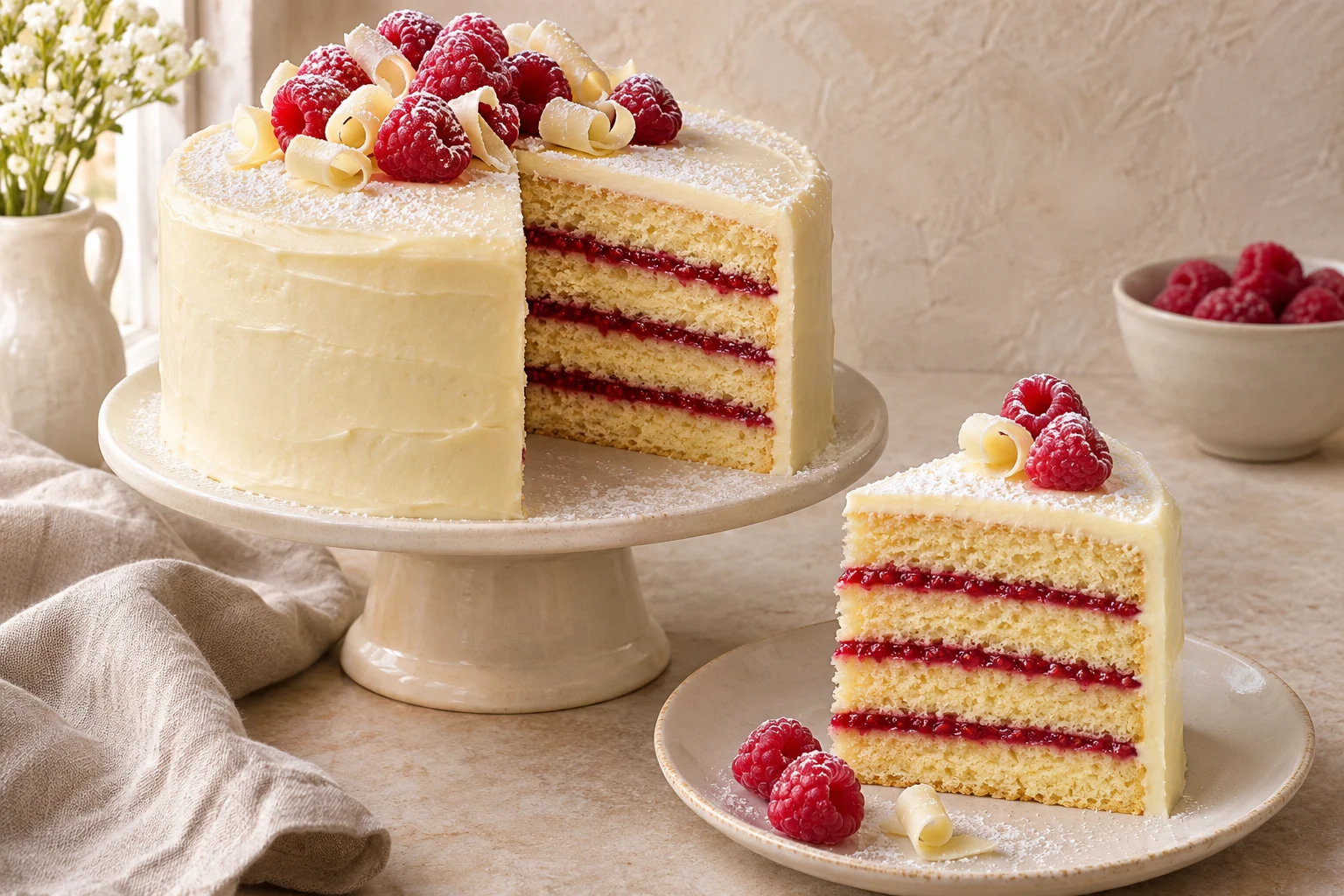
For Raspberry White Chocolate Layer Cake, check how the fruit layer is prepared before deciding how far ahead to assemble it.
Ganache and chocolate coatings
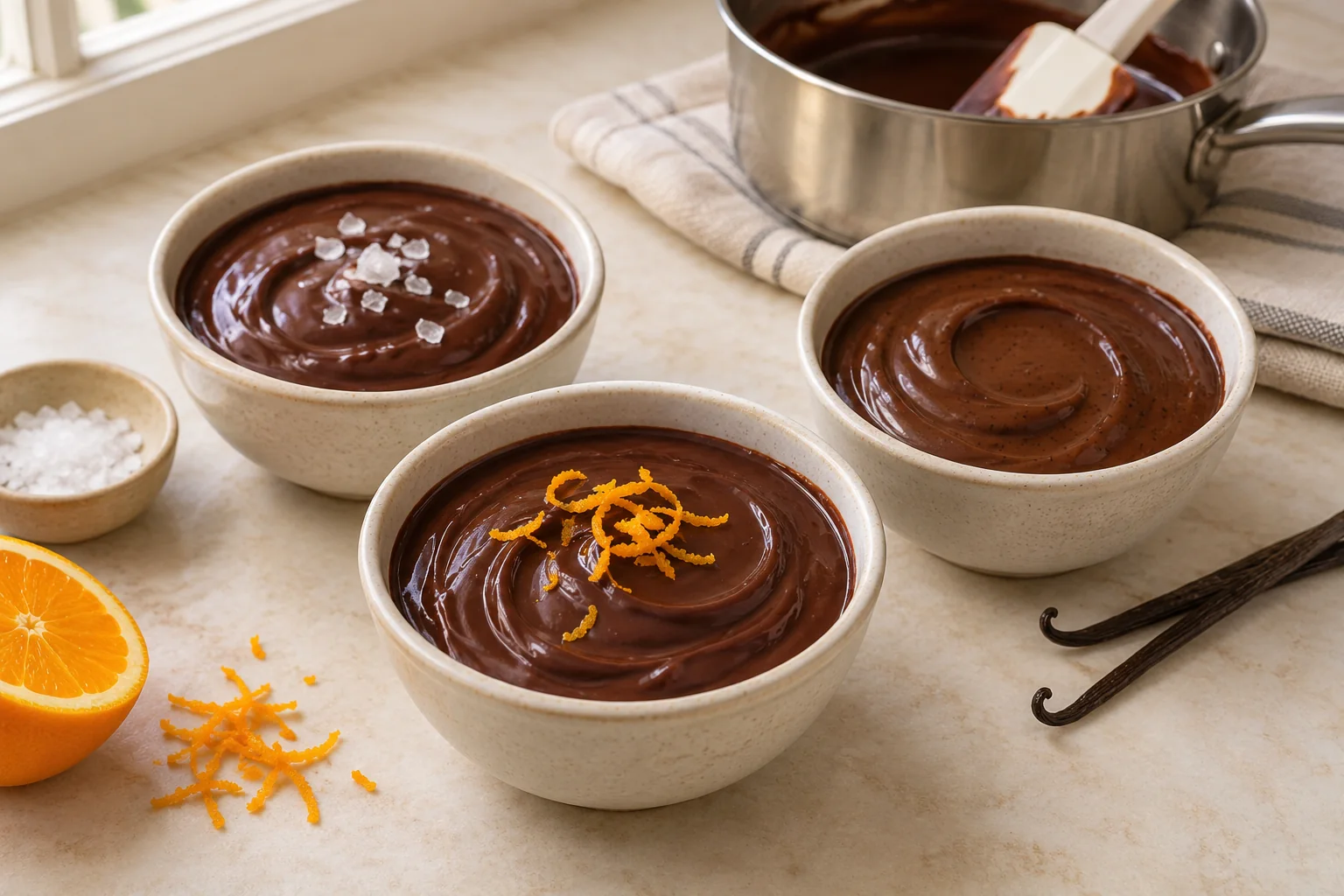
Ganache made with cream has different storage requirements from a solid chocolate shell. Its chocolate-to-cream ratio and formulation affect texture and safety, so don't infer room-temperature stability from a firm glossy surface. Homemade cream-based ganache cakes should follow a tested refrigeration plan. Chocolate decorations may develop condensation when moved between cold and humid conditions.
American buttercream is not a universal exception
Some butter-and-sugar frostings have short room-temperature display guidance in particular recipes, but the answer varies with milk, cream, additional ingredients and ambient conditions. Any perishable filling inside takes precedence. Rather than relying on internet claims that 'buttercream lasts forever,' use the recipe's storage guidance or a conservative refrigeration plan when uncertain.
Fondant and decorated cakes
Fondant can be sensitive to humidity and condensation, yet fondant-covered cakes may still require refrigeration because of their fillings. Protect the finish using a method appropriate to the decoration, but never compromise cold holding for appearance. A professionally formulated display cake may differ considerably from a homemade sponge filled with whipped cream.
Cool before wrapping
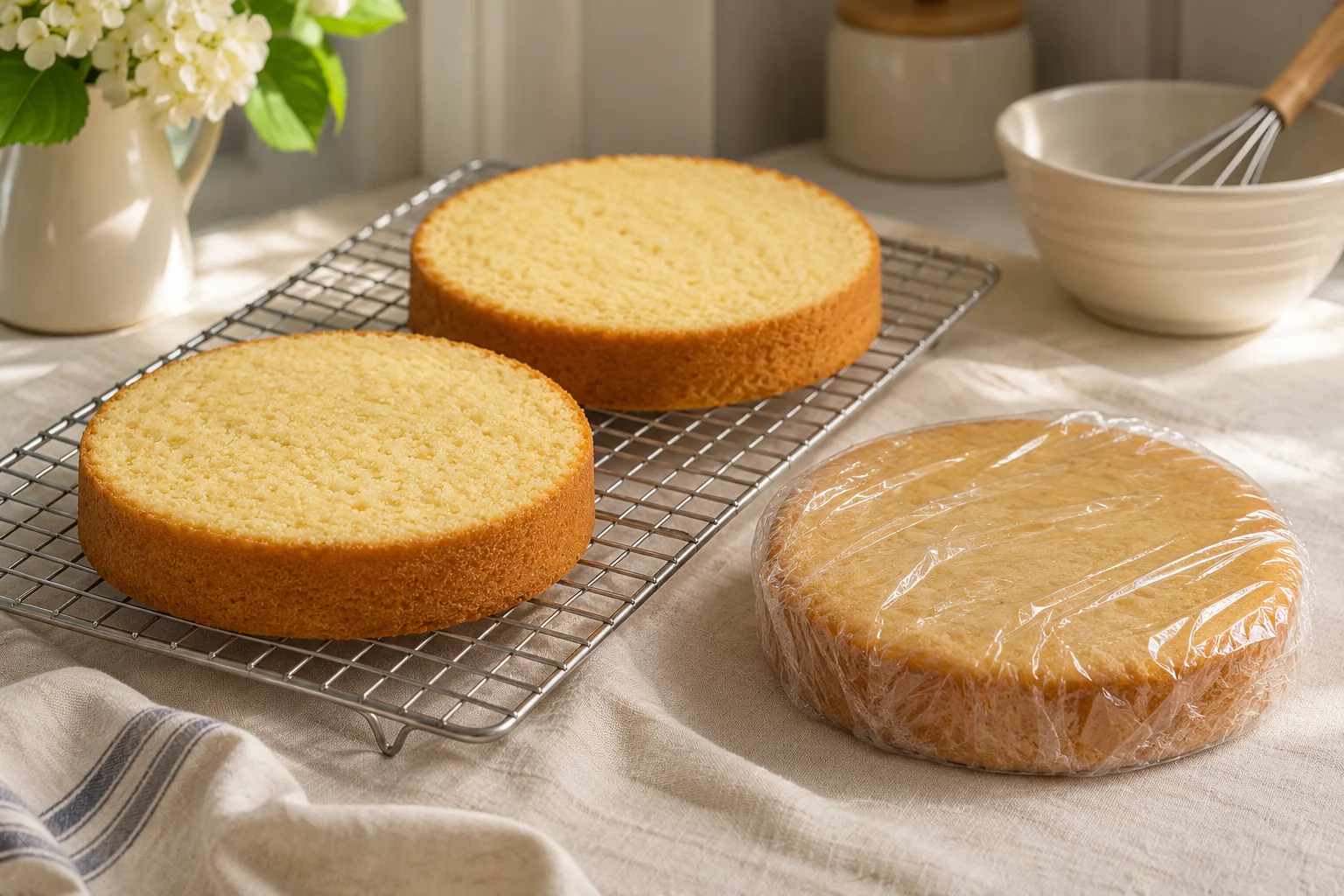
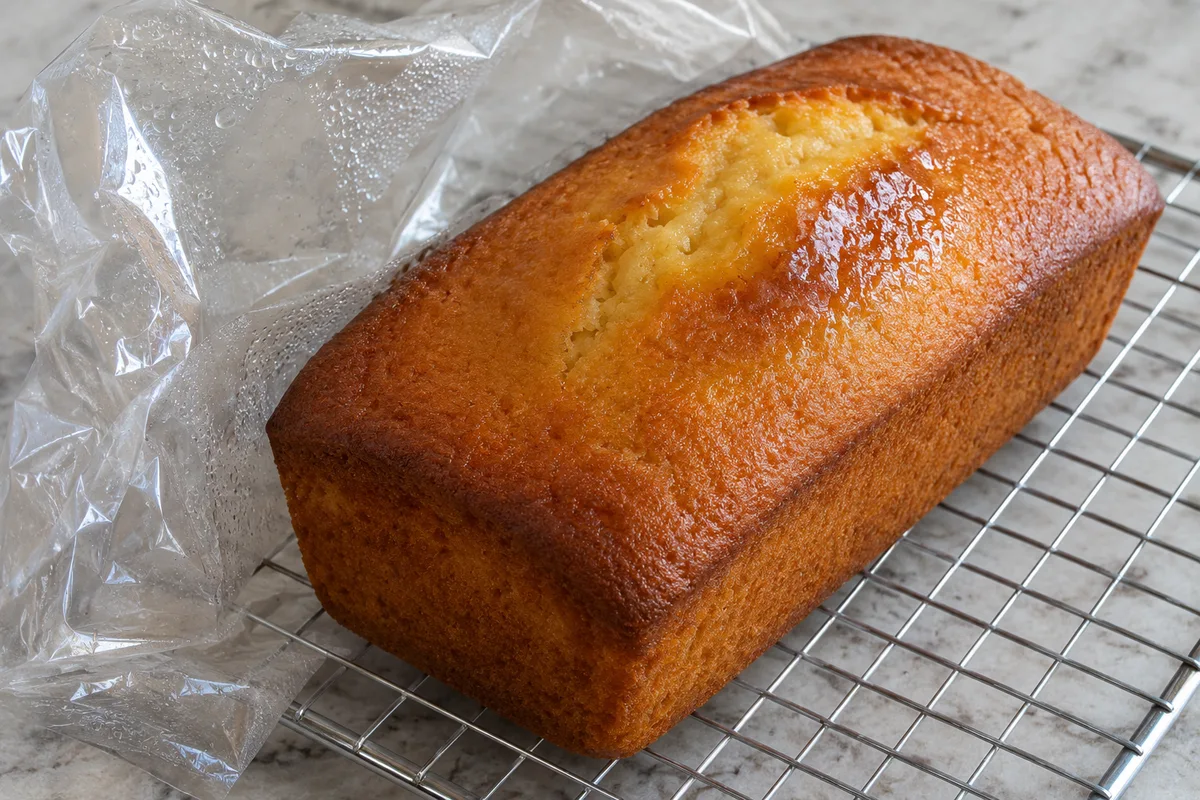
A hot freshly baked cake releases steam. Tight wrapping while it is still steaming can trap condensation, leaving a sticky top or wet patches. Follow the cake's initial pan-rest and rack-cooling instructions before packaging. Cakes destined for fillings and frosting should also be cool enough not to melt those components. For perishable baked preparations, cooling must meet safe food-handling guidance rather than taking all night on the counter.
Wrap unfrosted layers
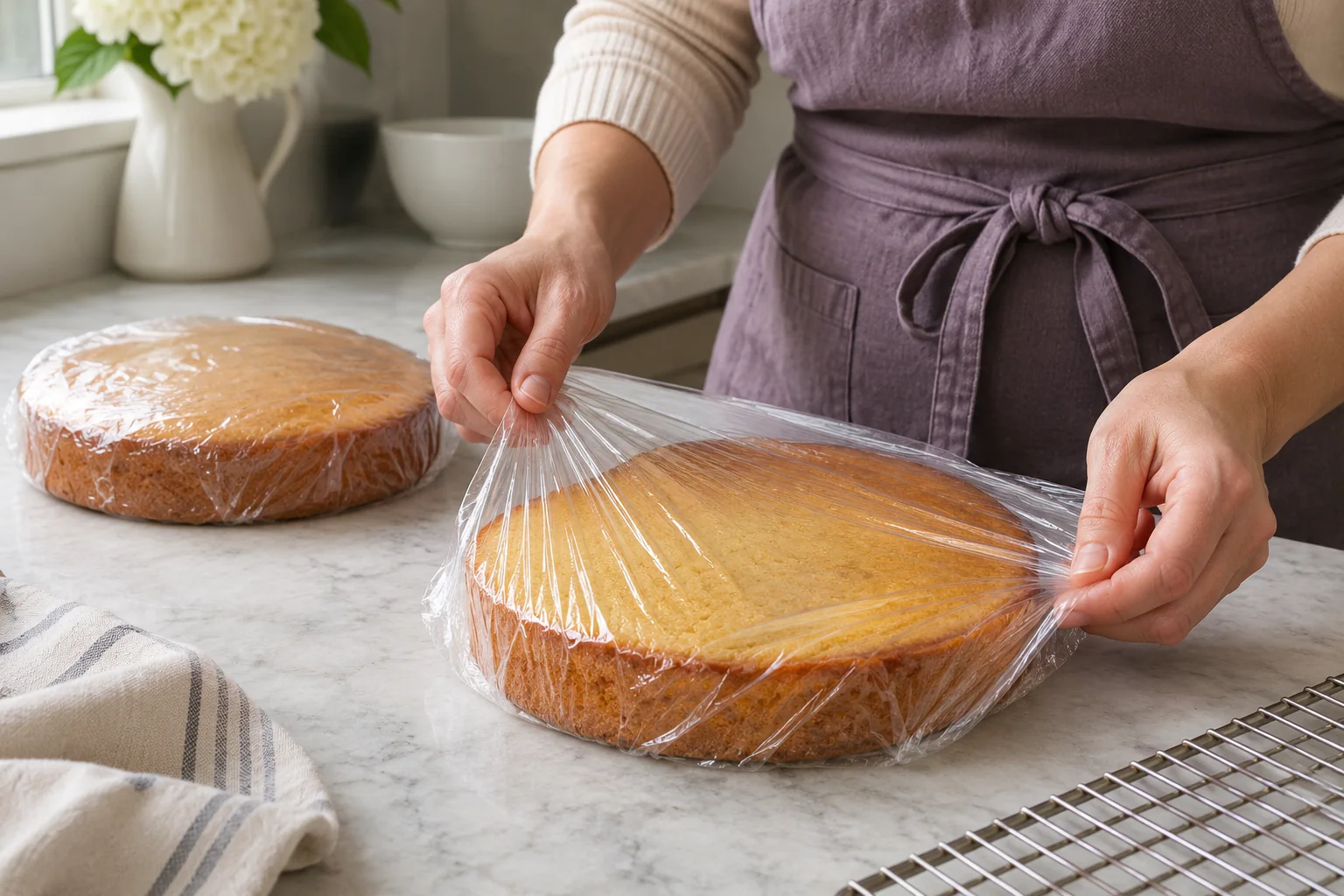
Fully cooled plain cake layers can often be wrapped individually to reduce moisture loss, using food-safe wrap or appropriate containers. Press out excessive air where practical without crushing delicate sponges. Label the cake flavor, date and number of layers. A protected layer is easier to freeze and less likely to absorb freezer odors than an exposed cake on a plate.
Wrap the cooled layers of Classic Vanilla Layer Cake individually before stacking them for storage.

Freezing plain cake layers
Many butter and sponge cakes freeze well after complete cooling and suitable wrapping, making ahead convenient for celebrations. Follow a tested freezing plan and use within the recipe's quality window. Freezing cannot make an improperly stored perishable cake safe. Thaw according to the source, typically under conditions appropriate to the cake and filling, while protecting against condensation.
Can a decorated cake be frozen?
Some buttercream-frosted cakes freeze acceptably, while delicate fresh fruit, whipped cream or custard components may suffer texture changes. A thick chocolate glaze may crack or develop surface moisture. Choose freezing instructions for the complete dessert rather than the plain sponge alone. For important celebrations, freeze the cake layers and add sensitive decorations closer to service if the recipe allows it.
Freezing individual slices
Sliceable plain or compatible frosted cakes can sometimes be wrapped in portions for convenient future servings. Protect cut faces closely to reduce moisture loss and use freezer-safe containers. Label the date and components. A slice with fresh cream still needs suitable cold-chain handling during thawing and service. Freezer storage preserves quality for a period, not indefinitely.
Separate slices of Chocolate Layer Cake before freezing so you can thaw just the portions you need.

Counter versus fridge in warm weather
Room temperature isn't one fixed condition. A cool kitchen in winter and an un-air-conditioned room in summer expose the same cake to very different heat. Warm conditions soften buttercream and accelerate deterioration of perishable ingredients. When suitable room-temperature storage is recommended, check that your actual conditions match it. Never use an outdoor balcony or garage as an uncontrolled substitute for refrigeration.
Keep cakes away from strong odors
Butter and frosting can absorb refrigerator smells when uncovered. Protect cakes in an appropriately sized covered box or airtight container that doesn't touch decorations. Place strong-smelling onions, uncovered leftovers and raw meats away from prepared desserts to reduce contamination risks. A sealed cake carrier can be useful if refrigerator shelf height permits it.
Condensation after refrigeration
A cold cake moved into warm humid air may develop droplets on chocolate or frosting. This is a temperature-and-humidity effect, not necessarily spoilage. Manage it through recipe-specific packaging and serving guidance. Do not leave cream-filled cake out for hours simply to dry its decorations. Food-safe holding time is more important than a perfectly matte finish.
How to handle leftover cake
Cover cut surfaces to reduce drying, return perishable portions promptly to refrigeration and use clean serving tools. Don't place leftover slices that sat unrefrigerated too long beside fresh food in a storage container. Separate moist fruit fillings from crisp toppings when practical. Record when the cake was served if there is uncertainty about how long it remained out.
For a cream- or custard-filled cake, count the time spent cutting, transporting without cold packs and serving together. Keep it at or below 4°C between servings and discard perishable portions that have spent more than two hours at room temperature.
Transporting stored cake
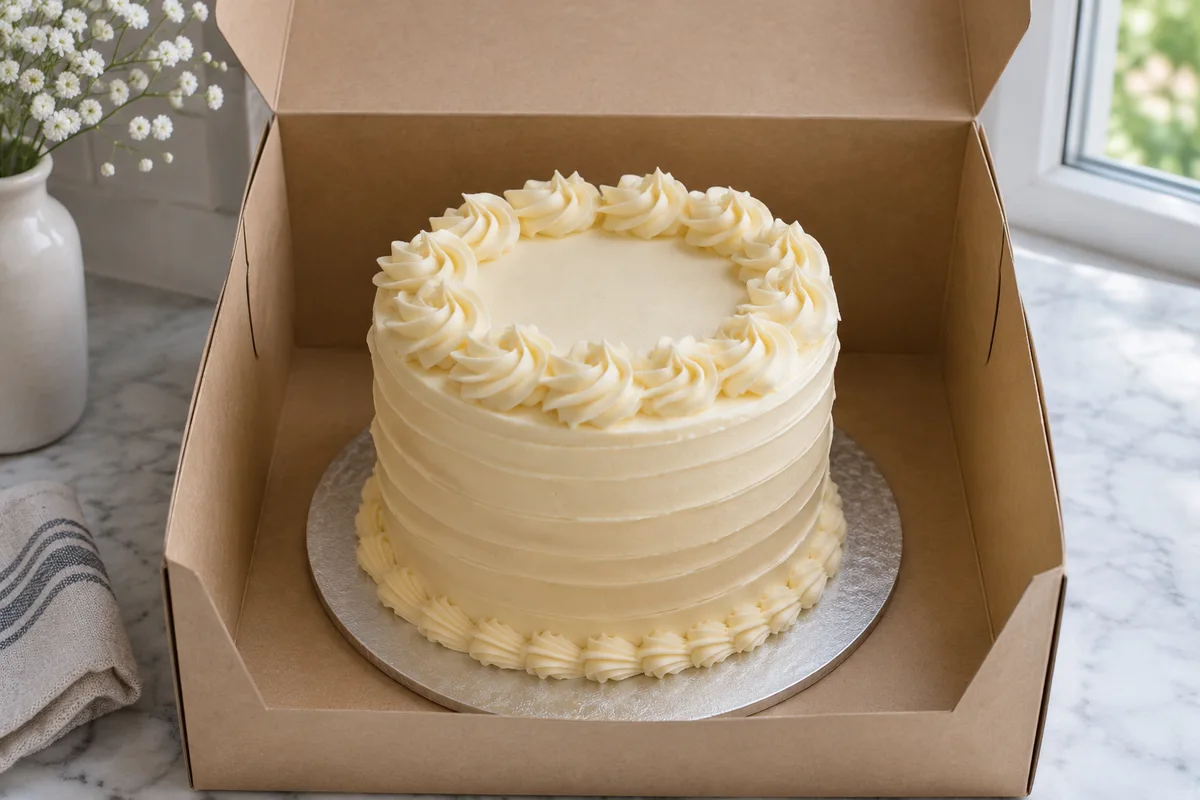
A refrigerated celebration cake should ride on a sturdy board in a protective box, on a level surface and with appropriate cold control when perishable. The vehicle's air conditioning may protect texture but may not guarantee safe cold storage for a long journey. Plan travel duration and delays. A cake with unstable filling can shift even when chilled.
A make-ahead schedule
For an event on Saturday, many bakers prepare suitable plain layers earlier and freeze them, then thaw, fill and decorate according to the cake's tested method. Perishable frosting and fillings need safe refrigeration. Avoid choosing a timeline that requires a full cream-filled cake to stand unrefrigerated overnight. The best schedule reduces stress while preserving eating quality.
What if cake dries out?
A properly baked cake can still feel dry after poor packaging or excessive storage time. Some recipes use a measured syrup soak to restore moisture perception during assembly, but drenching an old cake isn't a safety remedy. Safe stale plain cake can sometimes become trifle or cake pops. Discard moldy or improperly handled perishable dessert rather than trying to rescue it.
IN PICTURES
From the baking notebook
FROM THE RECIPE BOX


