On this page
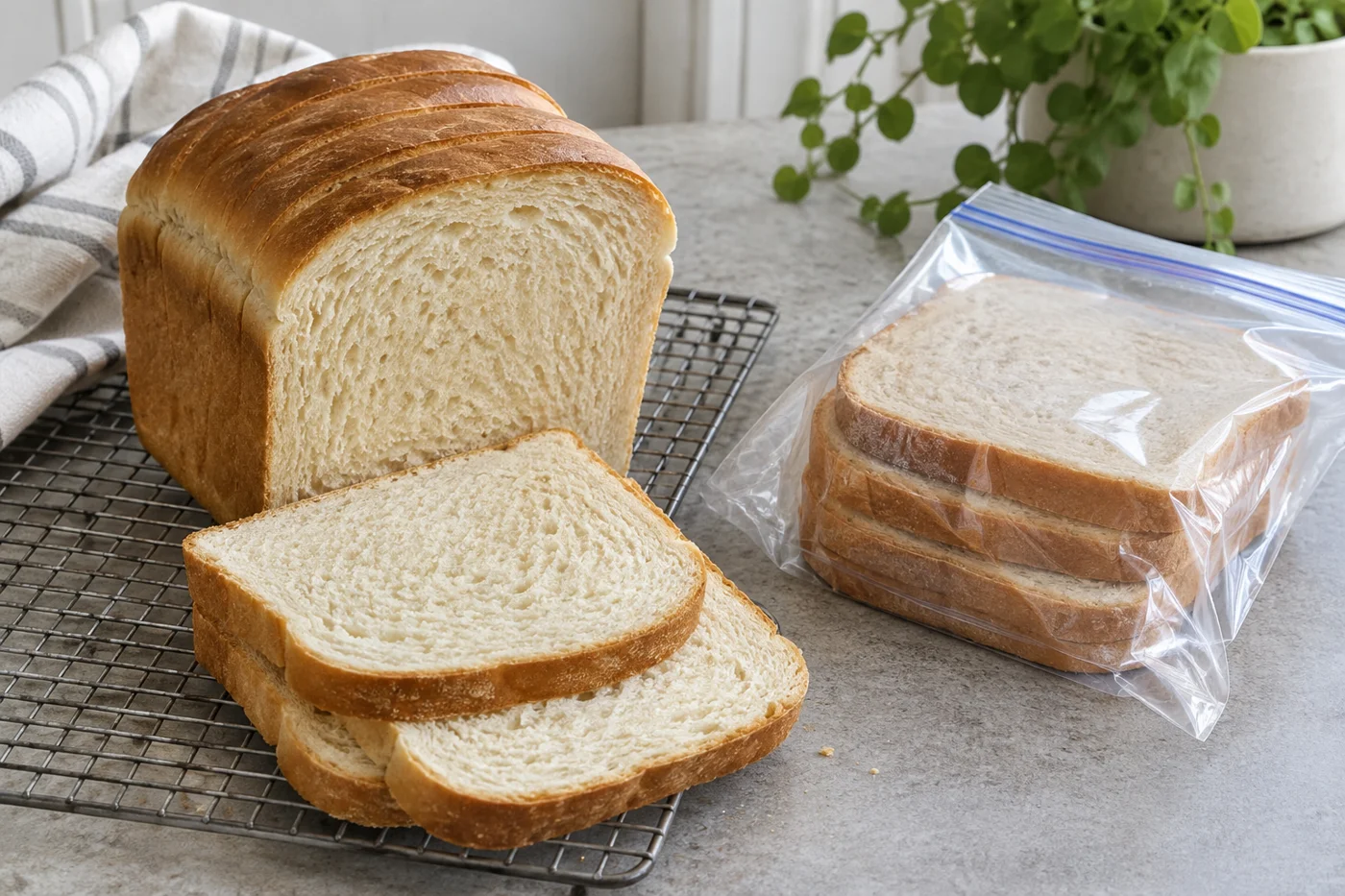
Freeze bread in the units you actually eat. If breakfast means two slices, cut and separate them once the loaf is cool. If a baguette usually feeds the whole table, freeze it in meal-sized lengths. The small choice you make before wrapping is what lets you take out just enough later.
Cool bread fully before wrapping
Freshly baked bread continues releasing heat and moisture as the crumb stabilizes. Sealing it hot traps steam, creating condensation that can make the crust wet and encourage icy surfaces during freezing. Cool on a rack for the time needed by the recipe and loaf size. A very large rye loaf may require a longer set than small white rolls. Don't slice until the crumb is ready, especially for bread that tends to appear gummy when hot.
Decide between a whole loaf and slices
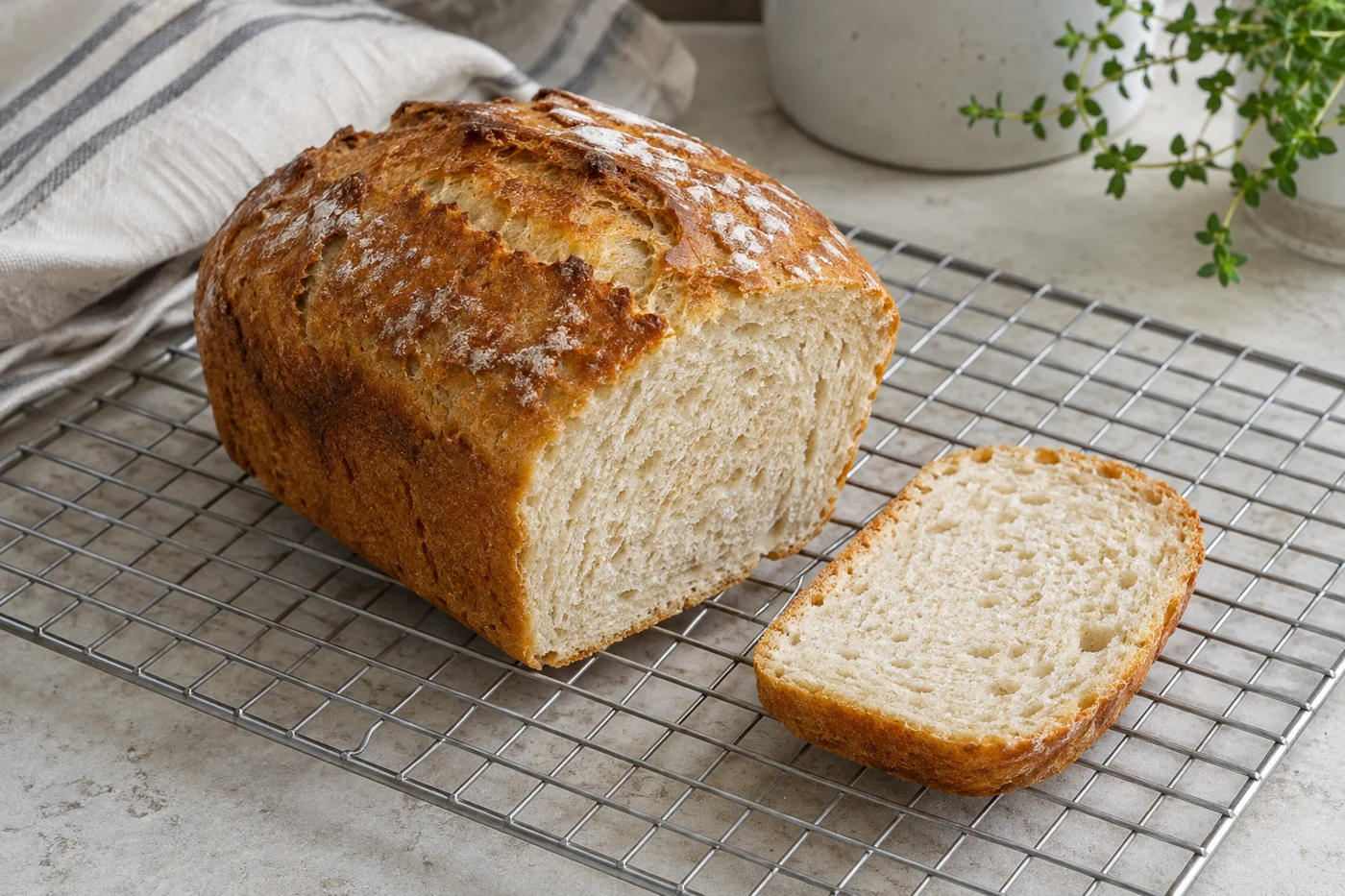
Freeze a whole loaf when you plan to serve it all at once later, perhaps for a dinner gathering. Freeze slices when you want one or two pieces for breakfast or sandwiches. Individual portions reduce the need to thaw and reheat the same loaf repeatedly. A household that eats bread slowly will usually benefit from sliced packages more than from one large frozen uncut round.
Slice Classic White Sandwich Bread before freezing if you generally make just one sandwich at a time.
How to slice before freezing
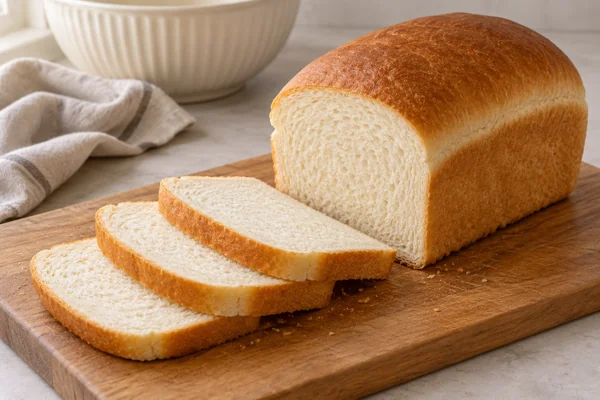
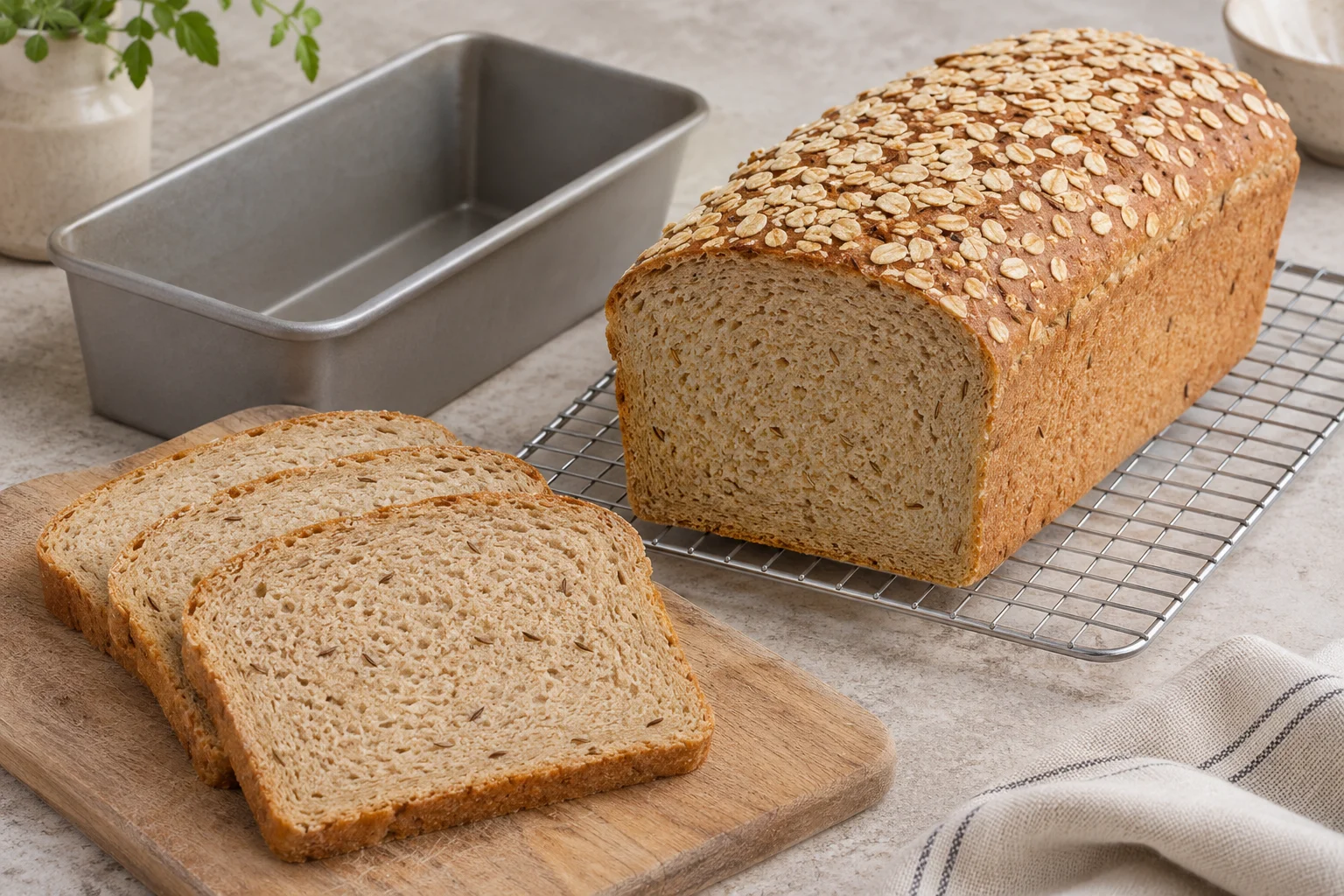
Use a sharp bread knife and let the loaf cool completely first. Slice to the thickness your family uses for toast or sandwiches, keeping pieces consistent. Bread with very open holes may be harder to slice thinly, while soft sandwich loaves usually cut neatly once cooled. Avoid compressing the crumb with force; a sawing motion with a suitable serrated blade is safer and cleaner.
Wait until Honey Oat Sandwich Bread has cooled to the centre before cutting. Soft, warm crumb can compress under the knife.

Separate slices when needed
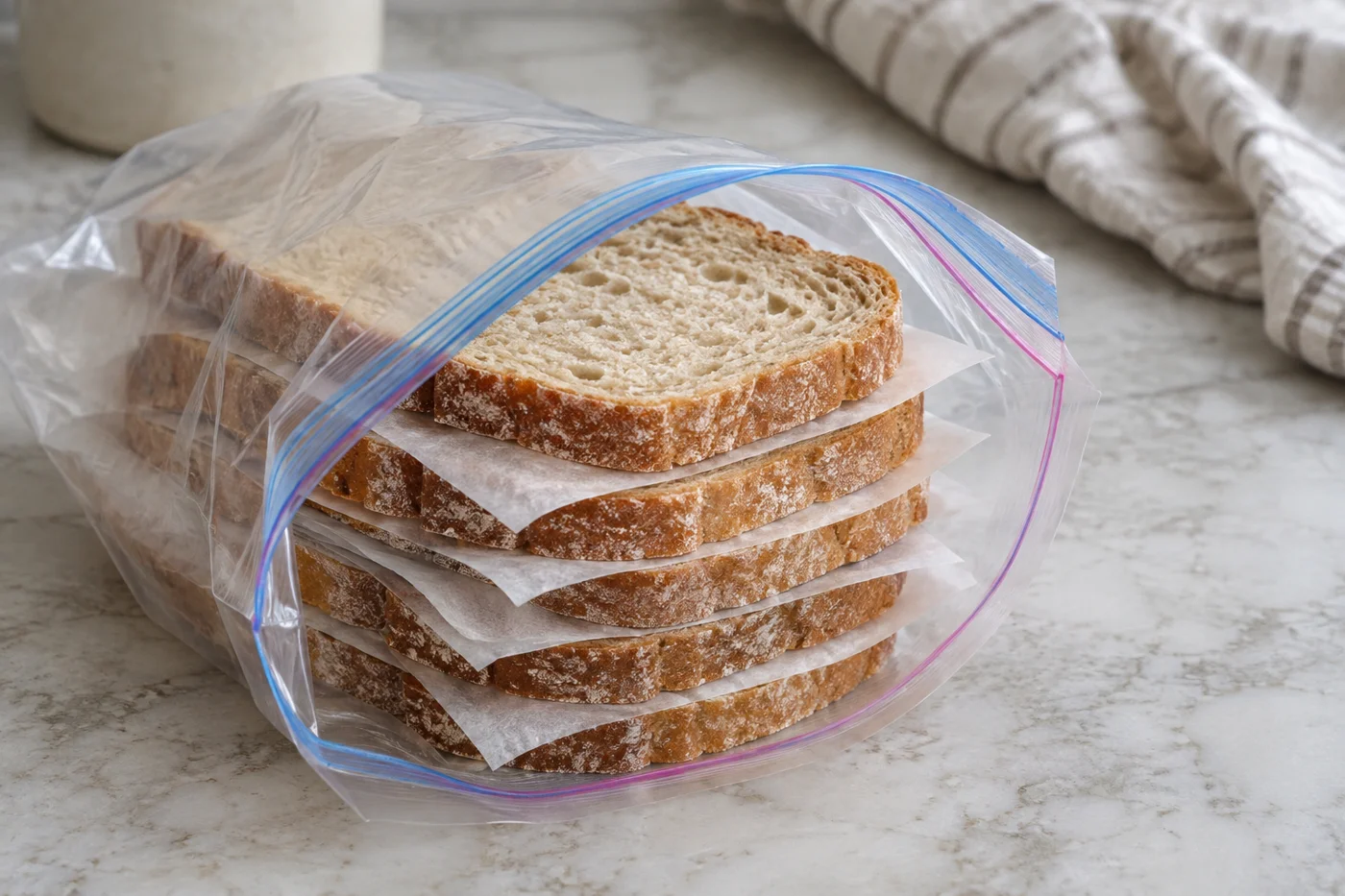
If slices tend to stick together in the freezer, use small sheets of suitable parchment or divide them into smaller bags. Don't leave large air pockets around each slice, because that encourages surface dehydration. A simple stack arranged so one portion pulls free can make weekday breakfast easier than an entire frozen loaf that must be warmed before it can be separated.
Choose freezer-suitable packaging
Use a food-safe freezer bag, suitable wrap or an airtight container intended for frozen storage. Press excess air out without crushing delicate bread. Thin grocery bags may not provide enough protection for longer freezing. Double wrapping may help some loaves, particularly those with crusty exposed surfaces. Label contents and date so you can rotate older packages instead of relying on memory.
What freezer burn looks like
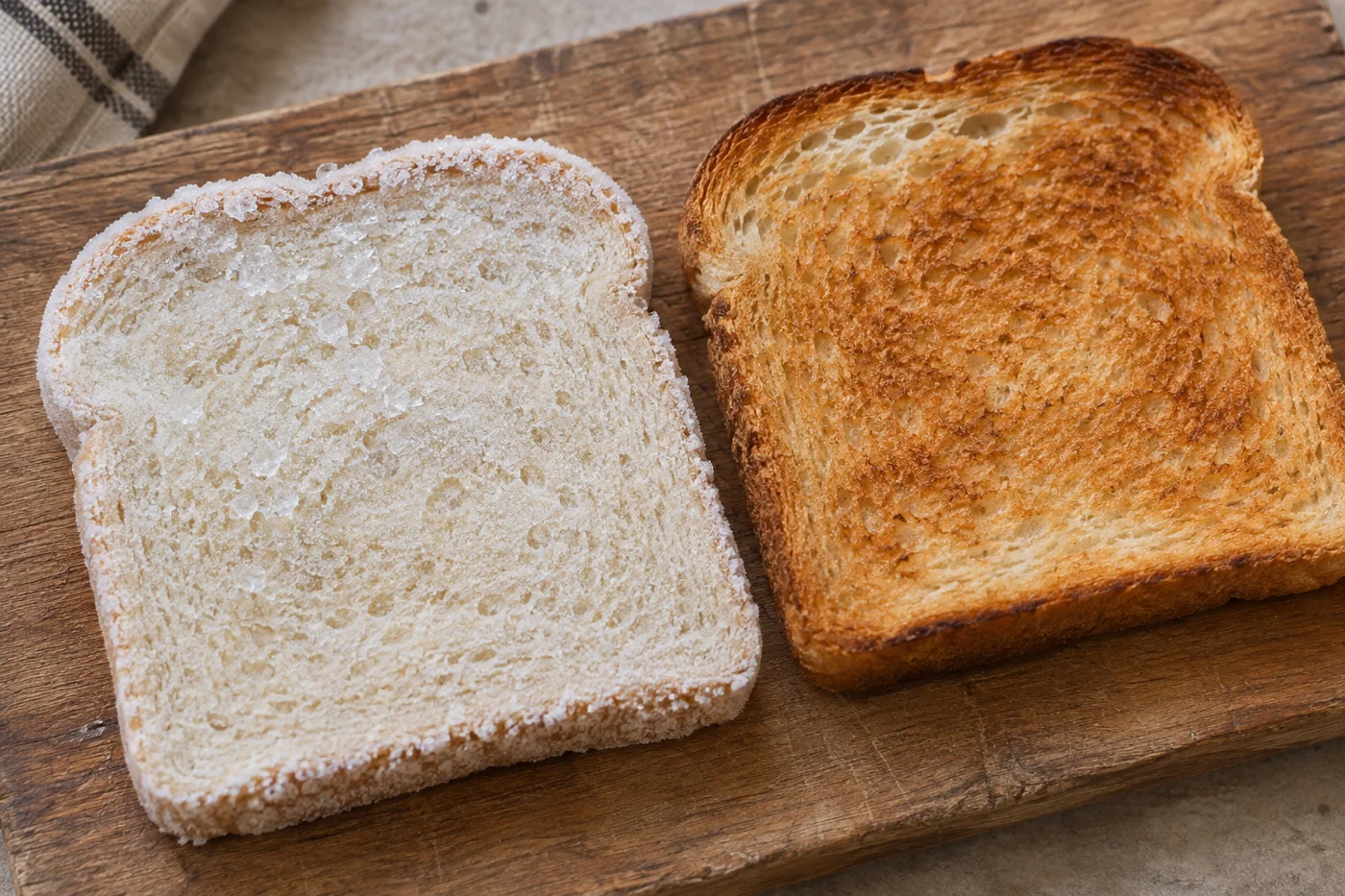
Freezer burn occurs when moisture escapes from food surfaces under frozen storage conditions. Bread may show pale dry spots or develop stale flavours and a tough texture. It is largely a quality problem, not necessarily a sign of unsafe food. Better packaging and stable freezer temperature help reduce it. Bread with mold or unsafe perishable fillings is a separate concern and shouldn't be eaten.
Freeze while the bread is still good
Freezing doesn't restore a loaf that's already very stale. For best results, freeze fully cooled bread near its fresh peak rather than waiting until slices are dried out on the counter. If the loaf has already become hard, consider an appropriate crouton or breadcrumb recipe instead. Record the date and choose a sensible quality window from the recipe or food-storage guidance.
Soft sandwich bread
Soft enriched loaves often freeze well as slices, particularly when properly wrapped. Remove only the amount needed and toast or thaw according to the intended use. For sandwiches requiring flexible bread, a gentle sealed thaw may be preferable to high toast settings. If milk or eggs are part of the baked dough, that alone doesn't mean the plain fully baked loaf must be treated like a fresh custard filling, but other perishable inclusions may change storage.
Portion Buttermilk Sandwich Bread in pairs for sandwiches before you close the bag.

Crusty artisan loaves
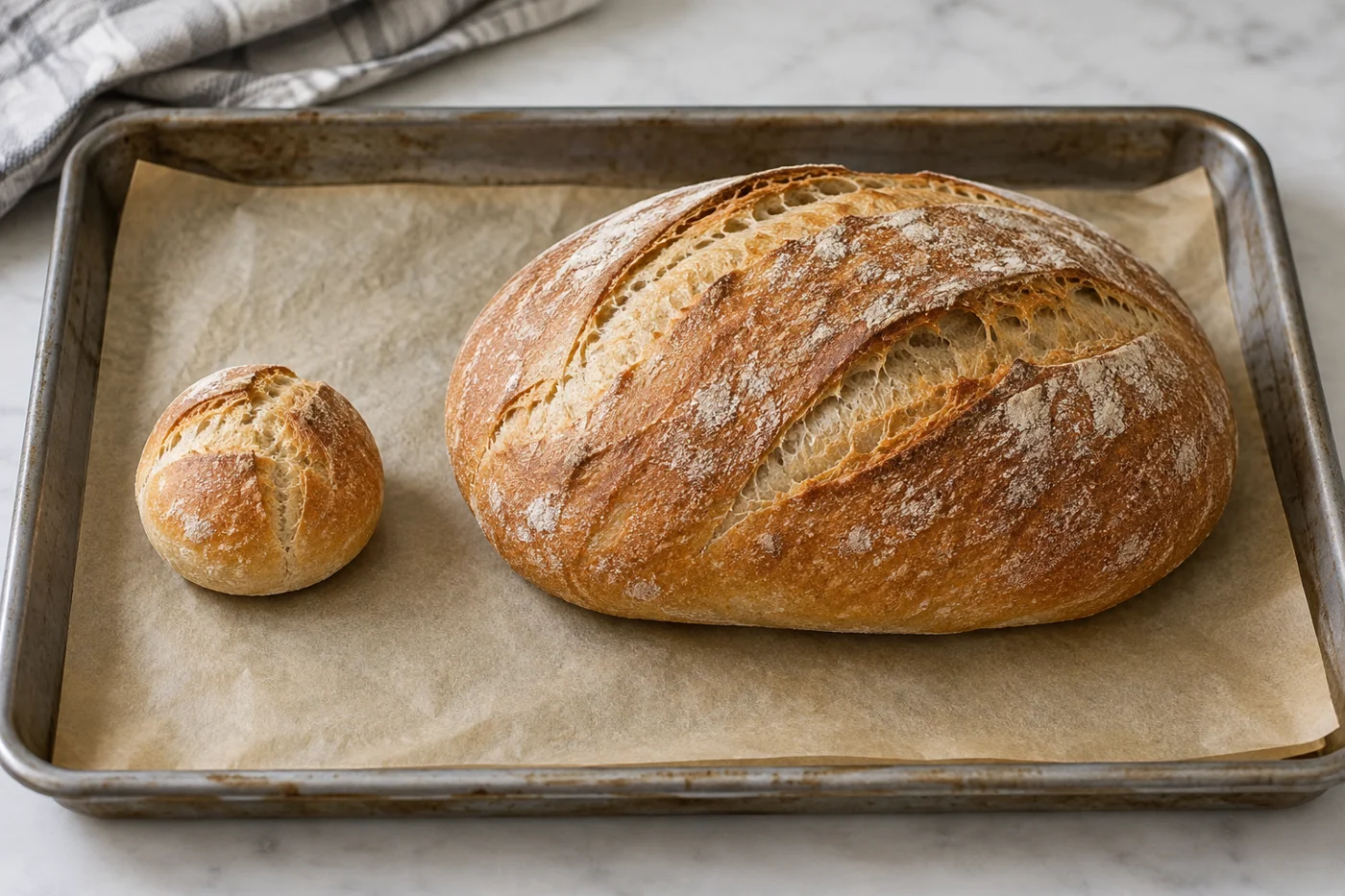
A whole boule can be frozen in suitable packaging, then thawed or refreshed according to a tested method that restores some crust crispness. Bread with a hard crisp shell may soften in its wrap, which is normal. The oven can often help after thawing, but prolonged heat will dry the crumb. Loaf size matters; a small sourdough batard warms differently from a large round.
If Sourdough Country Loaf is larger than you need for one meal, divide it before freezing so the rest can stay wrapped.

Baguettes
A baguette loses pleasant freshness quickly because of its high crust-to-crumb ratio. Freezing suitable portions soon after cooling can preserve more quality than holding it at room temperature for several days. Package segments separately if your freezer is small. Use an approved oven refresh and avoid repeated cycles that turn the thin crumb hard.
Short lengths of Baguette fit into a freezer bag more readily than a whole long loaf.

Dinner rolls
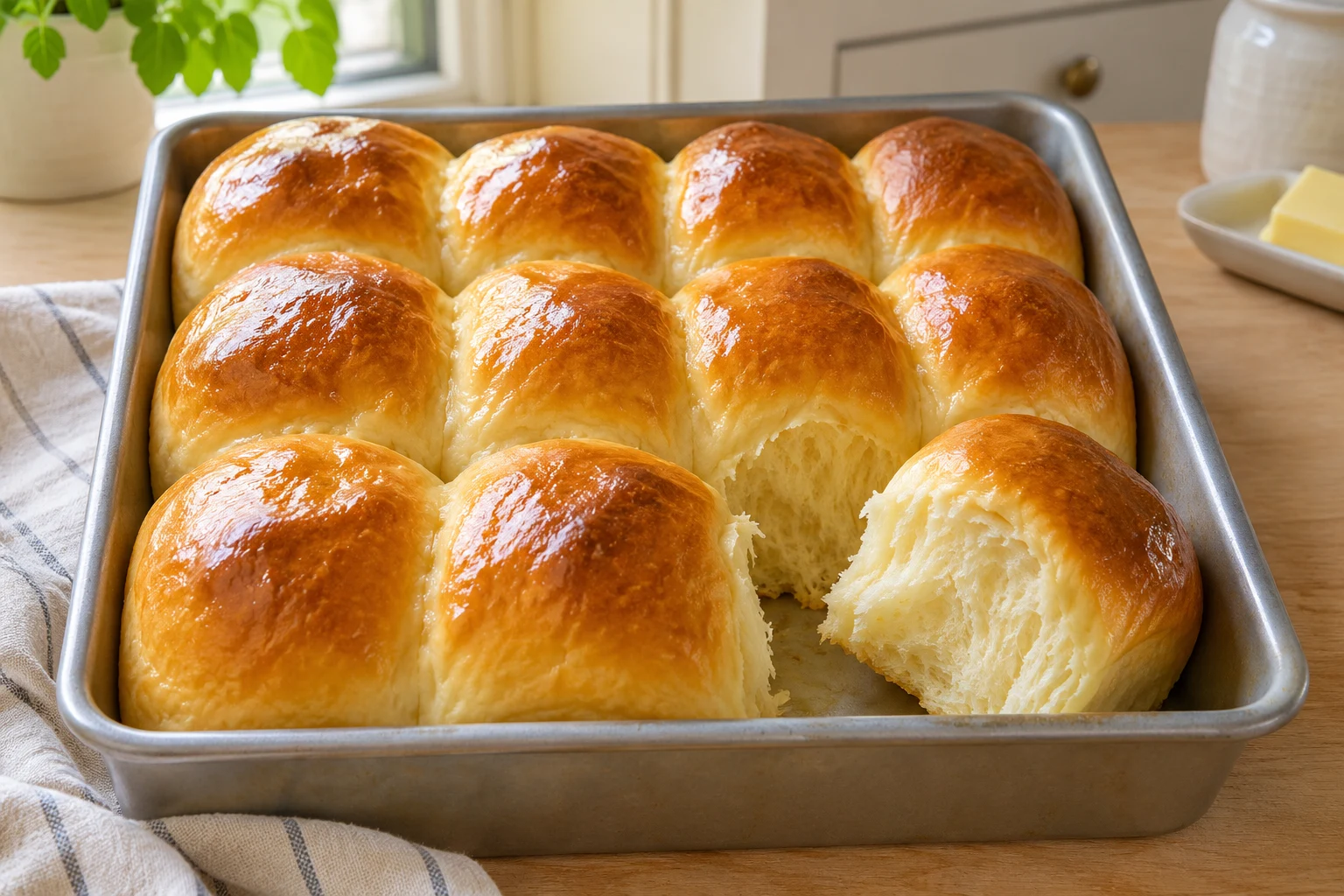
Small rolls can be frozen in batches or individually depending on how they'll be served. Arrange them so they don't squash each other while the freezer bag is packed. Warm only what dinner needs using the recipe's reheating directions. A butter-rich roll may brown faster than a lean one, so avoid using one aggressive oven setting for all types.
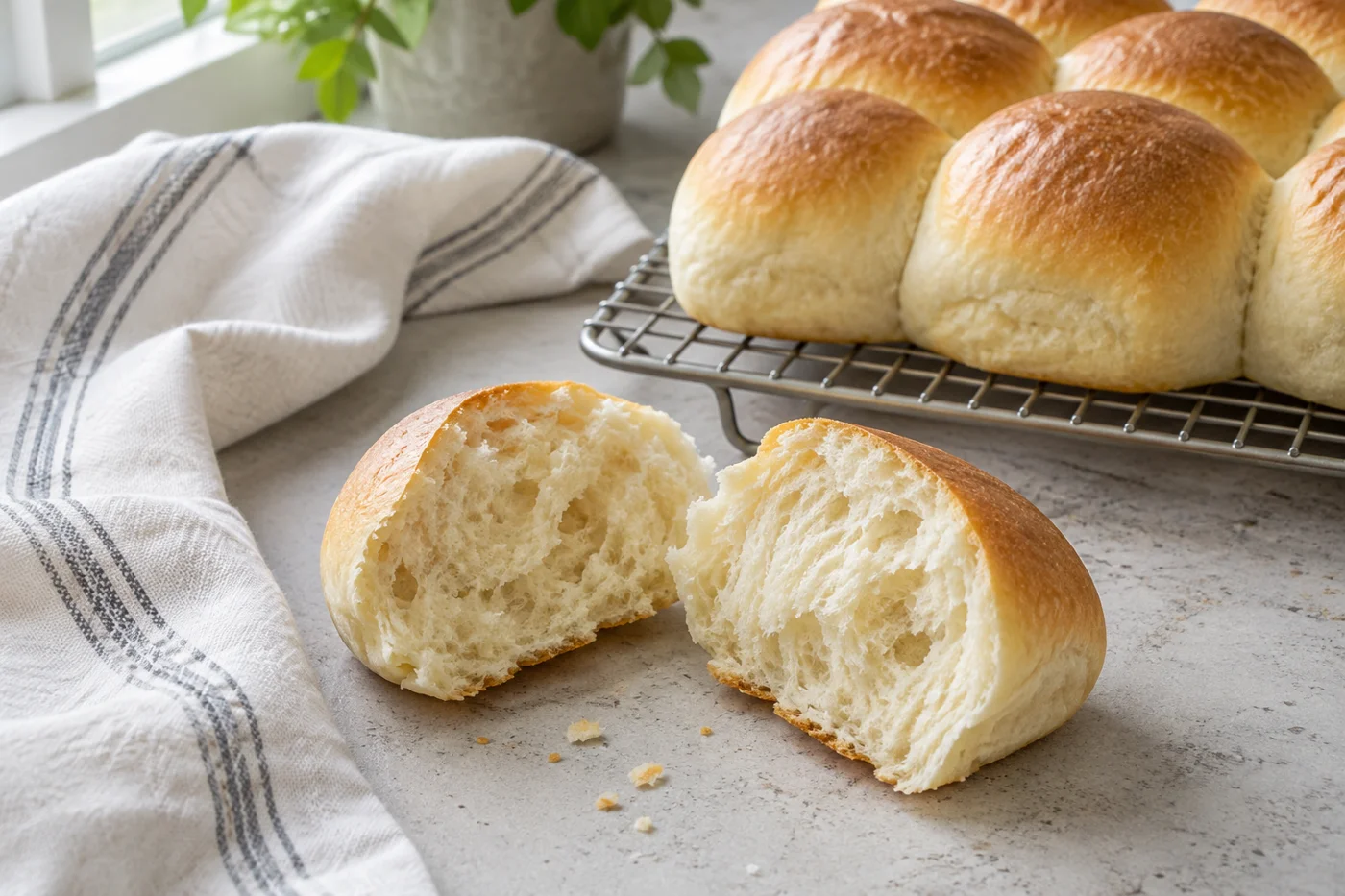
Bag Classic Dinner Rolls in the number you normally serve at one meal.
Sourdough and rye
Sourdough loaves freeze much like other fully baked breads, but the thick crust and dense or open crumb affect thawing time. Dense rye may need a full cooling period before cutting and freezing to avoid a gummy centre. Long fermentation doesn't make moldy bread safe, and a sourdough label doesn't exempt a loaf from ordinary food-storage precautions.
The close crumb of Soft Rye Sandwich Bread makes evenly cut freezer slices particularly practical.
Bread with fillings
Cheese, cooked meat, custard, fresh fruit or rich spreads can change freezer performance and safe handling. Follow a recipe specifically developed for freezing the finished item. A plain loaf and a ham-and-cheese stuffed bread should not share an automatic thaw-at-room-temperature instruction. Keep perishable foods at safe temperatures during thawing and reheating.
Thawing slices
Many plain bread slices can be toasted directly from frozen. Alternatively, thaw appropriately inside their packaging according to the recipe, then use for sandwiches. Keeping the wrapping closed during temperature equalization can reduce surface condensation on some products. Don't leave perishable filled bread on the counter for hours simply because the surrounding crust is plain.
Thawing whole loaves
Larger loaves take longer to thaw, especially dense whole-wheat or rye styles. Use a tested room-temperature or refrigerator method suitable for plain bread, or an oven plan specifically written for frozen loaves. Protect crusty bread from prolonged high heat that burns the shell before the centre softens. A thermometer or centre check may be useful depending on loaf size.
Refreshing crust after thawing
For a crusty artisan loaf, a brief oven refresh at a recommended temperature can restore some crispness. A soft sandwich loaf may need no oven at all. Avoid spraying every loaf with water or using an extended bake by habit; that can dry the crumb and damage enriched bread. Decide whether the goal is crisp crust or soft flexible slices.
Refresh the crust on a thawed piece of Sourdough Baguette just before serving.

What about refrigeration?
Ordinary lean bread often stales more quickly in the refrigerator because cool temperatures encourage starch changes, although refrigeration may be required for sandwiches or other perishable fillings. For longer quality storage of plain bread, freezing is usually more effective than leaving it in the fridge. The actual safe handling rules depend on what is baked into or spread on the bread.
Avoid freezer odours
Bread can absorb strong freezer smells through inadequate packaging. Keep fish, strongly spiced foods and other odorous items sealed separately. Clean containers between uses and avoid placing warm bread beside frozen food that could partially thaw. A stable cold freezer and good wrapping protect both texture and flavour.
A simple weekly routine
On baking day, let the loaf cool, reserve the portion for immediate eating and freeze the rest in daily-sized packages. Label with the bread type and date. During the week, take out just the slices or rolls needed. This habit reduces waste and makes homemade bread practical for busy households without requiring daily baking.
Troubleshooting damp thawed bread
Condensation may occur if warm bread was sealed initially or if cold bread is exposed to humid air during thawing. Review cooling and wrapping practices. A quick toast can improve some plain slices, but it won't repair bread that was improperly stored with a perishable filling. Separate quality problems from food-safety problems before deciding what to serve.
Troubleshooting dry frozen bread
Insufficient wrapping, long frozen storage or repeated thawing can make bread tough. Switch to freezer-rated packaging and smaller portions, freeze earlier and avoid unnecessary reheating cycles. Bread that's merely dry may still work in breadcrumbs or croutons, but discard moldy or otherwise spoiled bread.
IN PICTURES
From the baking notebook
FROM THE RECIPE BOX


