
On this page
Docking pastry means making small holes in a dough sheet or shell before baking. Those holes allow trapped steam to escape, reducing the chance that a flat base will swell into a large bubble. It is a useful technique for certain tart shells, crackers and thin pastry layers, but it is not automatically suitable for every pie. A juicy fruit filling can leak into holes, and laminated pastry edges may need freedom to rise. Docking only works when it supports the intended structure.
Why pastry puffs during baking
Dough contains moisture that becomes steam as the oven heats. With puff pastry, this expansion is often the desired result; with a flat tart shell, an enormous central bubble is unwanted. Docking creates escape points so steam doesn't push an unsupported sheet upward. The right decision therefore depends on whether your recipe wants height or flatness.
Use a fork or docking roller
A regular dinner fork works well for a small tart shell or flat pastry piece. A docking roller creates multiple evenly spaced holes over a larger sheet, which may be useful in production baking. The tool should be clean and suitable for food use. You don't need special equipment for a home tart: careful fork pricks are usually enough when the recipe calls for them.

How deep should holes go?
The depth depends on the pastry and recipe. Many methods pierce through the base to vent steam, while others use more shallow controlled docking. Avoid tearing large ragged openings that allow filling to escape. Prick evenly rather than stabbing aggressively in one area. Follow the stated method before filling the crust.
Where to dock a tart shell
Some blind-baked shortcrust recipes dock the bottom surface while leaving the sides intact. This helps prevent central puffing without weakening the wall that must support filling. Too many holes along the seam between base and sides can create cracks. If the recipe relies on pie weights and doesn't specify docking, don't add holes simply because the dough looks thick.
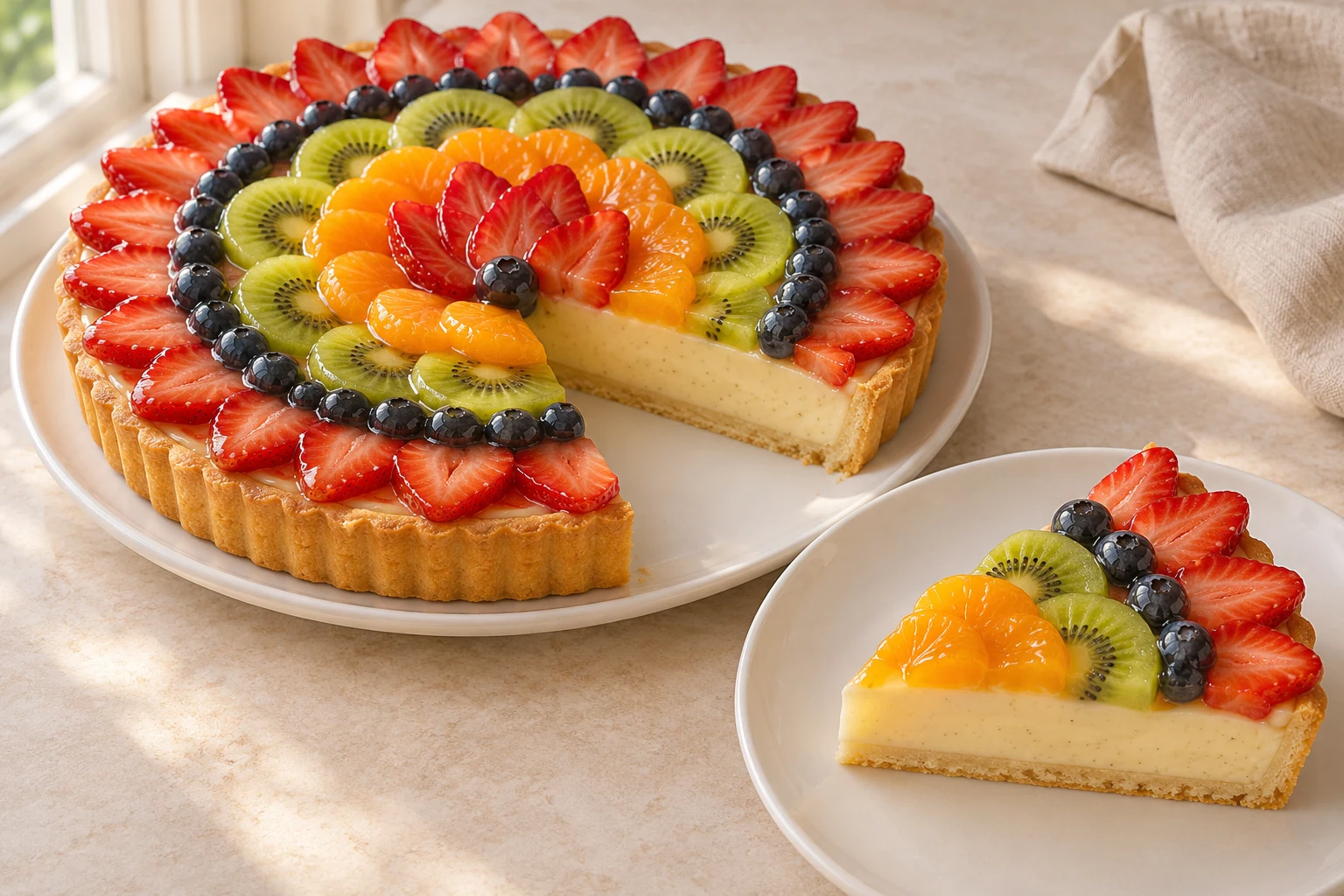
The empty case for Classic Fruit Tart gives you a clear view of the base, corners and upright rim.
Docking versus pie weights
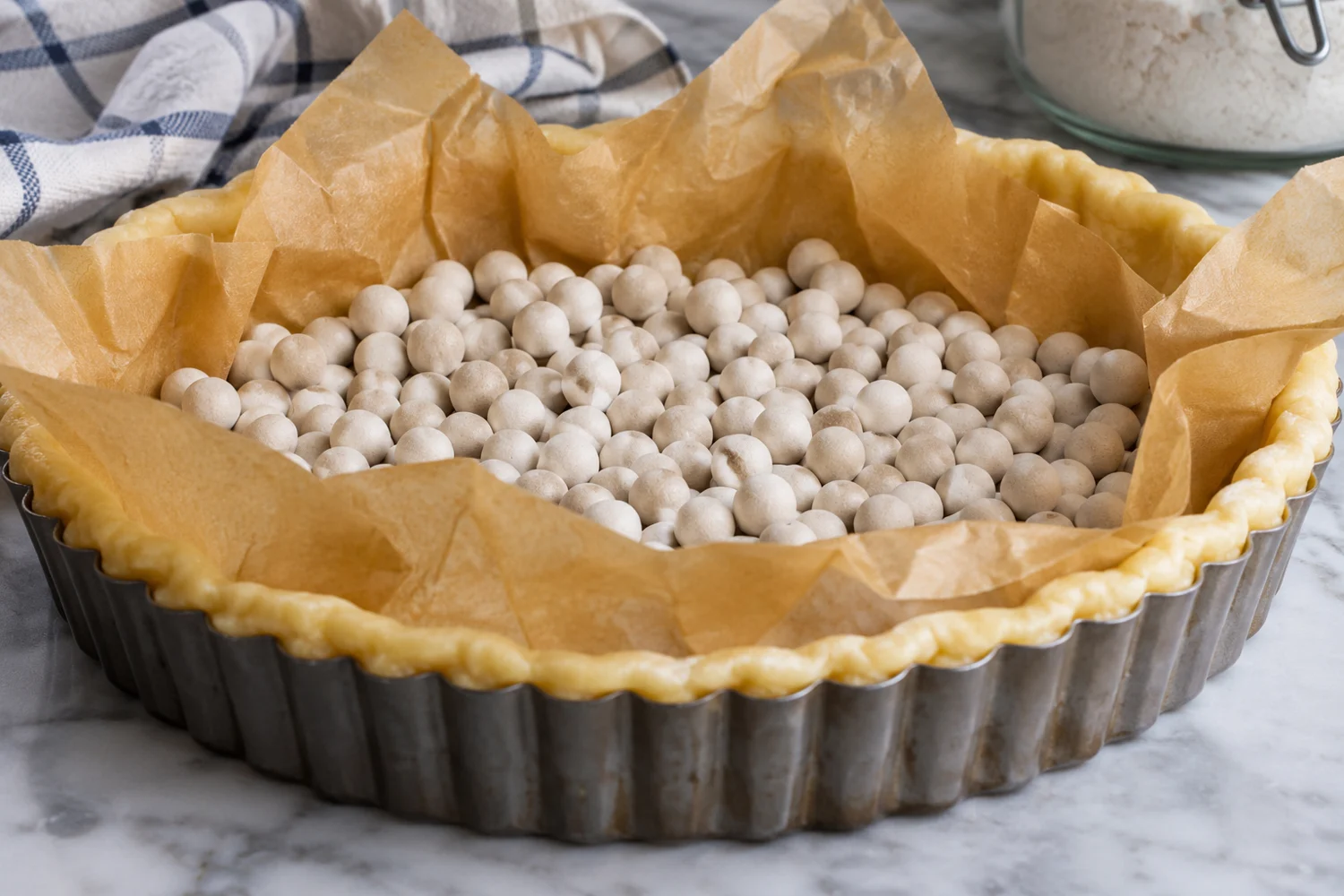
Pie weights hold a pastry shell against its pan while the dough begins to bake, discouraging puffy bases and slumped sides. Docking provides paths for steam. The techniques can complement each other in some formulas but are not identical. A pastry weight doesn't make a waterproof barrier, and docking alone may not prevent straight tart sides from collapsing. Choose the combination the recipe specifies.
When docking is useful for blind baking
For a fully baked tart shell intended for pastry cream, lemon curd or chocolate filling, docking may help keep the bottom flat as it cooks. The shell should be cooled before receiving a filling that will not bake further. If it is partially blind-baked for a wet custard, excessive holes can create a leakage route. Use only the method tested for that filling.
With Lemon Meringue Tartlets, support each small case according to the recipe before adding the filling.

When not to dock fruit pies
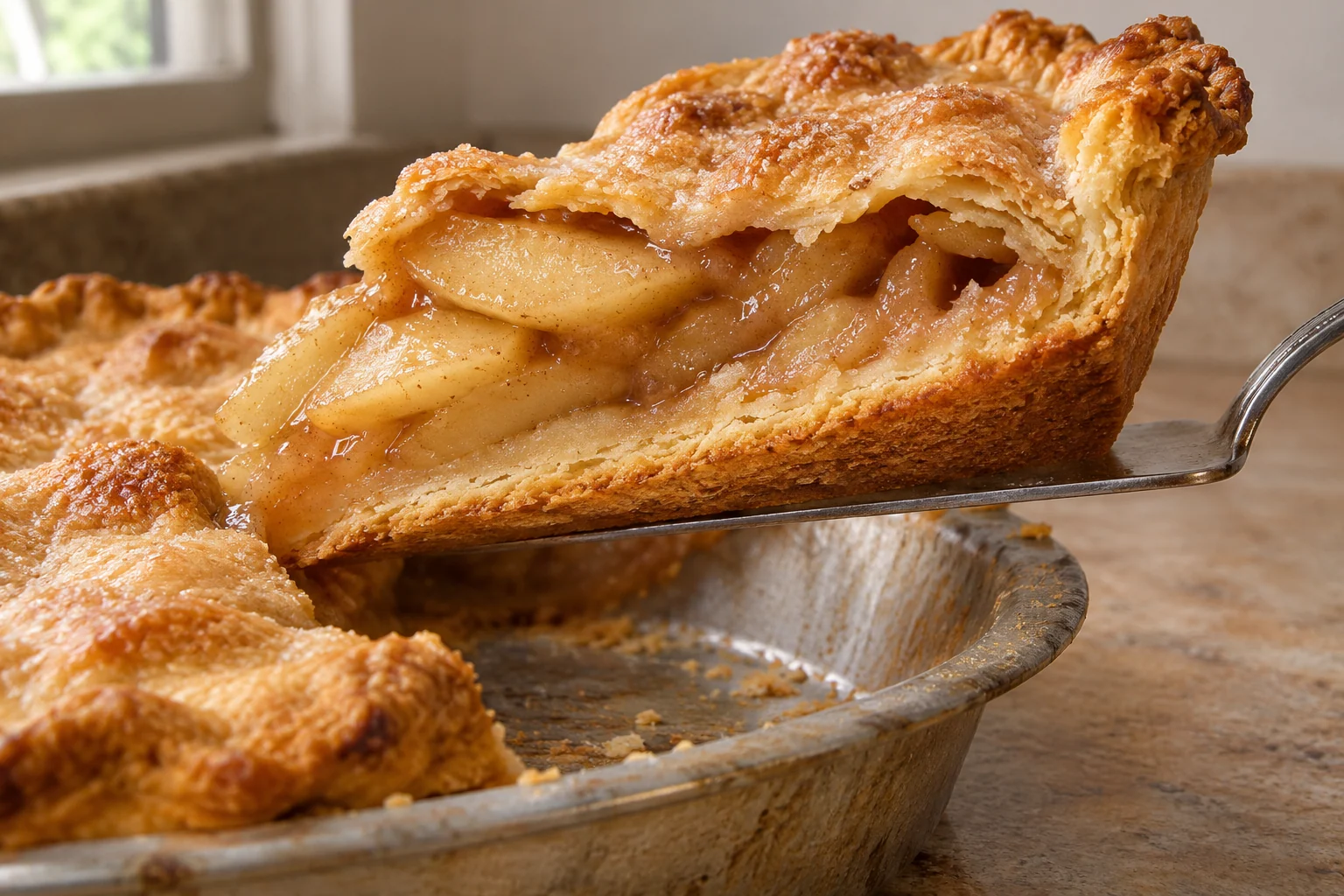
A classic double-crust apple or berry pie usually relies on a raw bottom crust holding juicy fruit as the filling cooks. Pricking it repeatedly may let liquid travel through the crust and into the pan, potentially worsening sogginess and making removal difficult. Most such pies use vents in the top crust to release steam instead. Avoid docking the bottom unless the specific recipe directs it.
The lower crust of Classic Apple Pie has to hold fruit juice. Use the recipe’s instructions for the base and reserve steam vents for the top.

Puff pastry wants selective rise
A flat centre of a puff pastry tart can be docked to keep it lower while an undocked border rises into a frame. This technique creates a rim that holds toppings and produces dramatic flaky edges. If you dock the border too, it may not rise as intended. Conversely, docking the entire surface can help create a flat crisp layer for some mille-feuille or pastry constructions.
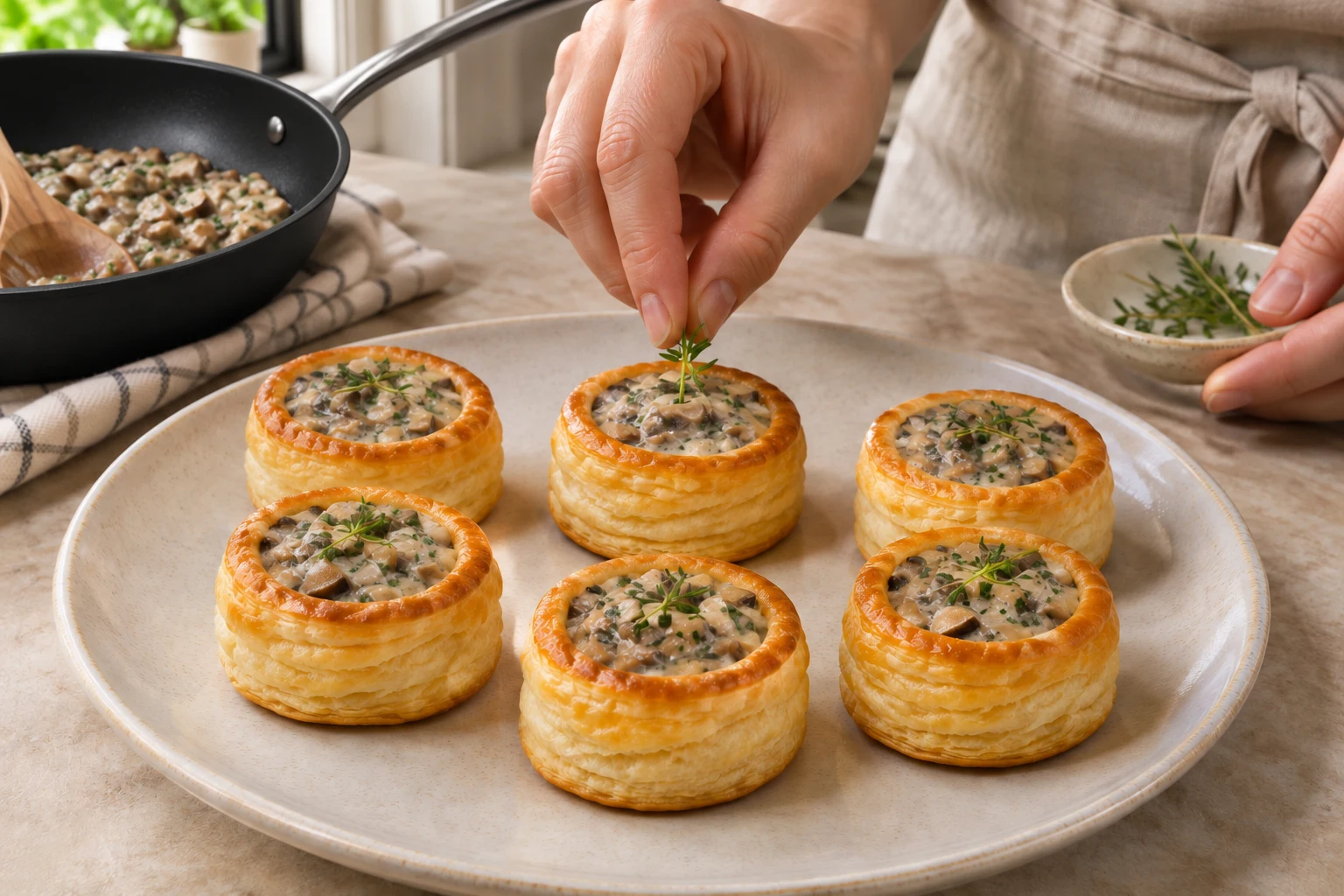
The tall walls in Mushroom Vol-au-Vents show when keeping layers free to rise is part of the design.
How to make a puff pastry tart frame
Some recipes score a shallow rectangle inside the edge of a pastry sheet without cutting all the way through, then dock the interior. During baking, the border rises higher than the centre. Keep the dough cool and use a sharp tool carefully. Do not score so deeply that filling leaks through, and avoid coating cut edges heavily with egg wash, which may glue the layers.
Compare that free-standing puff border with the fluted edge in Asparagus Tart. That recipe lines a tin with shortcrust and handles the shell differently.

Crackers and crisp savoury pastry
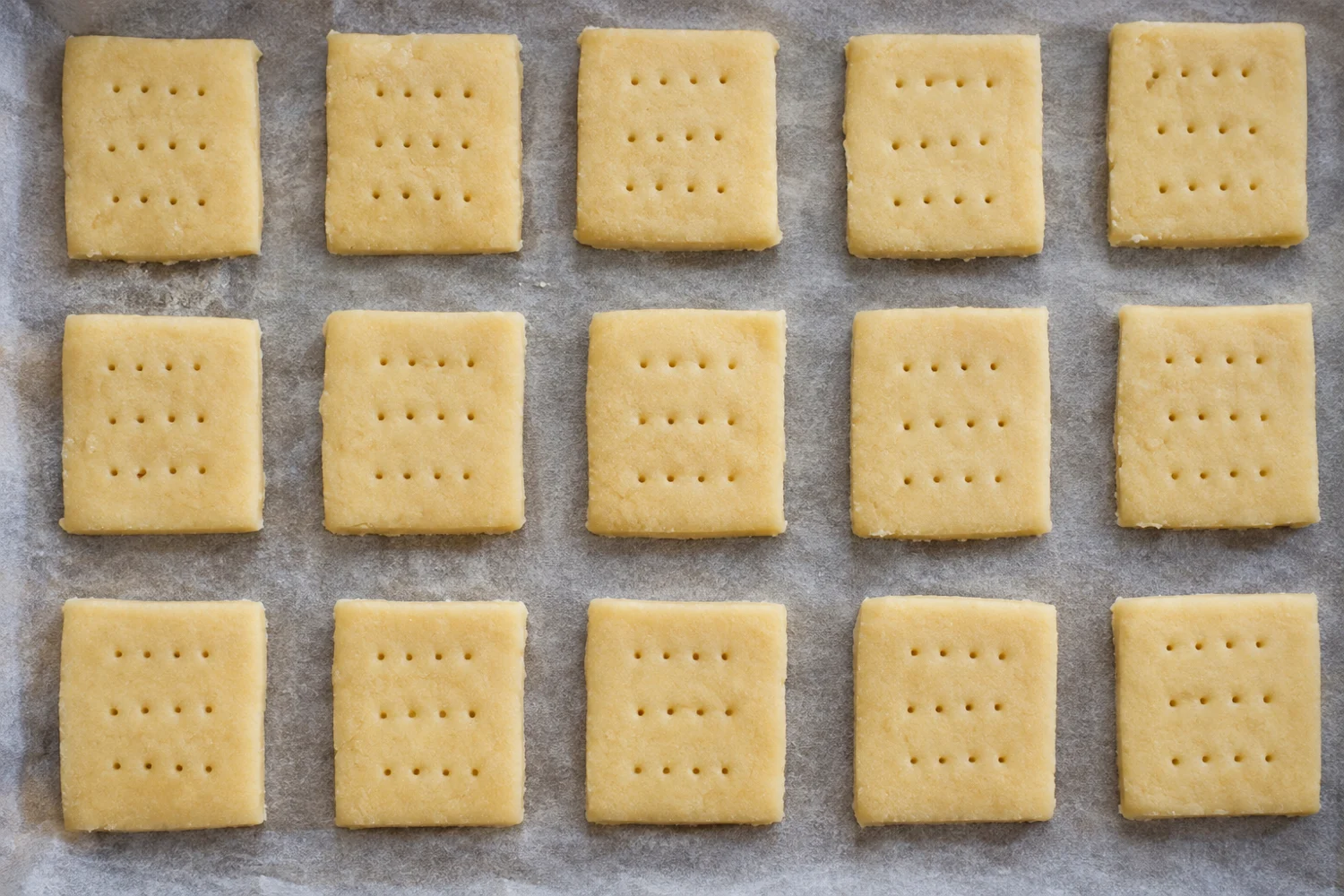
Docking is common in crackers because an evenly flat crisp surface is desirable. Small holes can prevent large bubbles from disrupting thickness. Use a recipe designed for a docked cracker, roll to a consistent thickness and bake until crisp. Very thick or uneven dough won't become perfectly flat solely from adding holes.
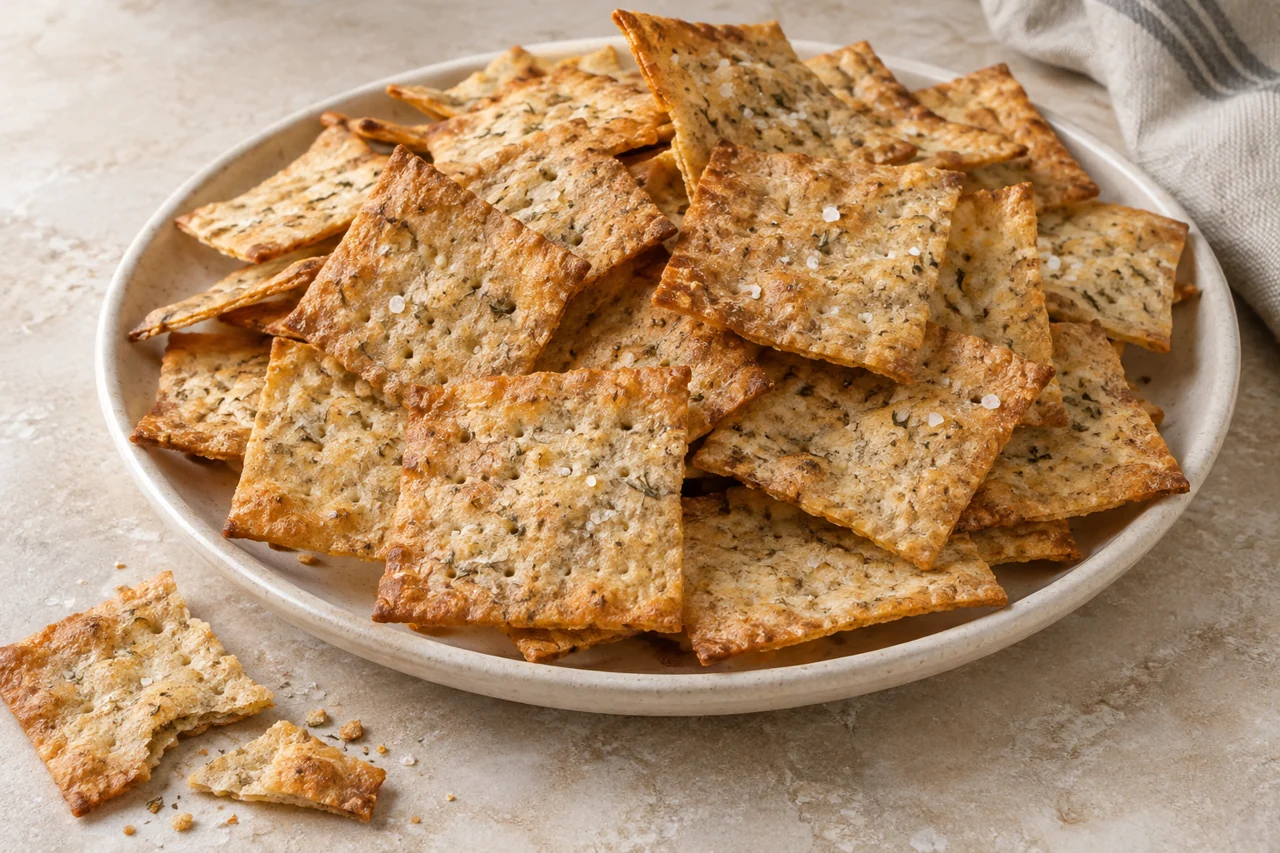
The flat shapes in Sourdough Crackers make it easy to see where a trapped bubble can lift a small cracker.
Do cookies need docking?
Most drop cookies do not need docking; their rise and spread are part of the formula. Some shortbread and biscuit styles use decorative or functional fork holes, which can help create a characteristic surface and potentially influence baking. Follow the intended cookie recipe rather than docking every dough with butter in it. Different techniques produce different textures.
Why docking may be a problem with custard
If a base is blind-baked with many holes and then filled with a thin uncooked custard, liquid may seep into or beneath the crust. Some recipes use a sealing wash or an unpierced partial bake to prevent this. Choose the author’s approach for the specific custard. A flat base isn't a success if the filling escapes into the pan.
A shell for Classic Custard Tart must hold a liquid filling. Follow the shell’s blind-baking instructions before pouring it in.

Temperature still matters
Cold pastry can hold its shape better during early baking, but docking isn't a substitute for correct resting and oven heat. Dough that was stretched tight into the pan may shrink regardless of how many holes you prick. Warm butter may leak and soften the base. Bake from the temperature specified by the recipe and account for pan material.
How pie weights are removed
If blind baking with weights, carefully lift the lining according to the recipe after the crust has set, then allow the base to brown if directed. Hot weights can cause burns and should be placed on a heatproof surface. Do not dump hot weights into a plastic bowl or spill them into food. A fully baked shell should be dry and sufficiently coloured before a no-bake filling is added.
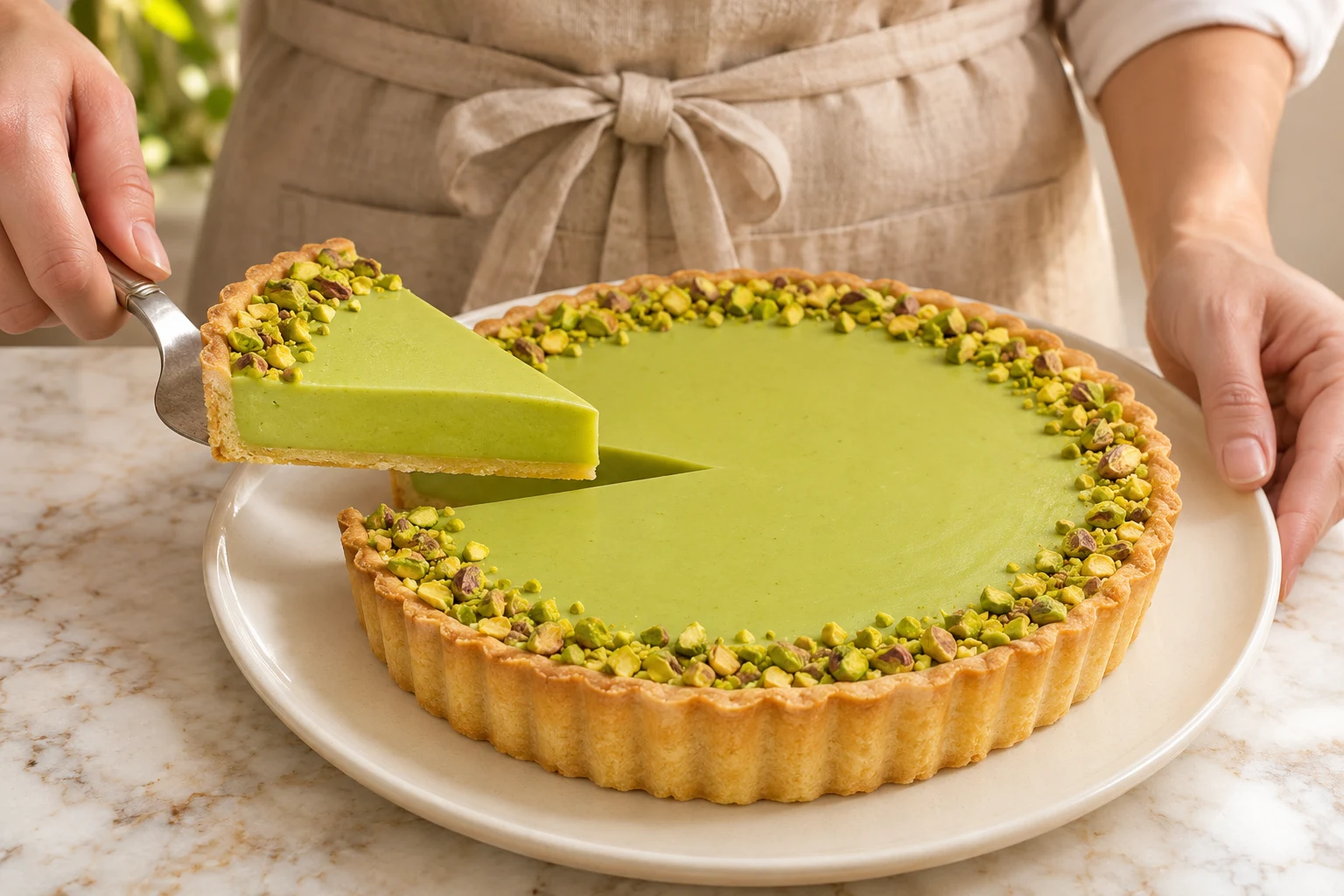
For Pistachio Custard Tart, check the base when the weights come out. The uncovered shell may still need time in the oven.
Why a pastry base still bubbles
If holes are too far apart or fail to reach the relevant dough layer, steam pockets may remain. Dough temperature, fat pieces and insufficient weighting may also be involved. For a minor bubble in a partially baked empty shell, use the tested recipe's correction rather than puncturing a hot filled pie with a fork. Large structural failures may call for another shell.
When building Ratatouille Tart, consider where the vegetables will sit and where you want the pastry to puff.
Why sides slump
Docking targets steam beneath the base, not necessarily shrinkage or sidewall collapse. Pastry stretched into the pan, insufficient chilling, excessive fat warmth or lack of support during blind baking can cause sides to slide. Use appropriate overhang, resting and weights. More docking won't fix sidewalls that were stretched and trimmed before they relaxed.

How to avoid soggy bottoms
Use the recipe’s combination of blind baking, heat and moisture management. A docked empty shell still needs sufficient uncovered bake time. For wet fruit filling, choose correct starch and cook until the centre reaches its endpoint. Simply poking holes in a pale crust cannot help it become crisp; in some fillings, it may make the problem worse.
For Tomato Galette, tomatoes and dough meet directly. Managing the tomato juices matters alongside choosing how to handle the crust.
Try docking half a sheet
Bake two small empty tart shells from the same tested recipe, one docked as directed and one left undocked with otherwise comparable handling. Observe whether the bases bubble and how the sides behave. Do not add a watery filling to the experimental shell until you know the method is safe for that recipe. Controlled tests clarify the effect better than guessing on an important holiday tart.
IN PICTURES
From the baking notebook
FROM THE RECIPE BOX


