Directions
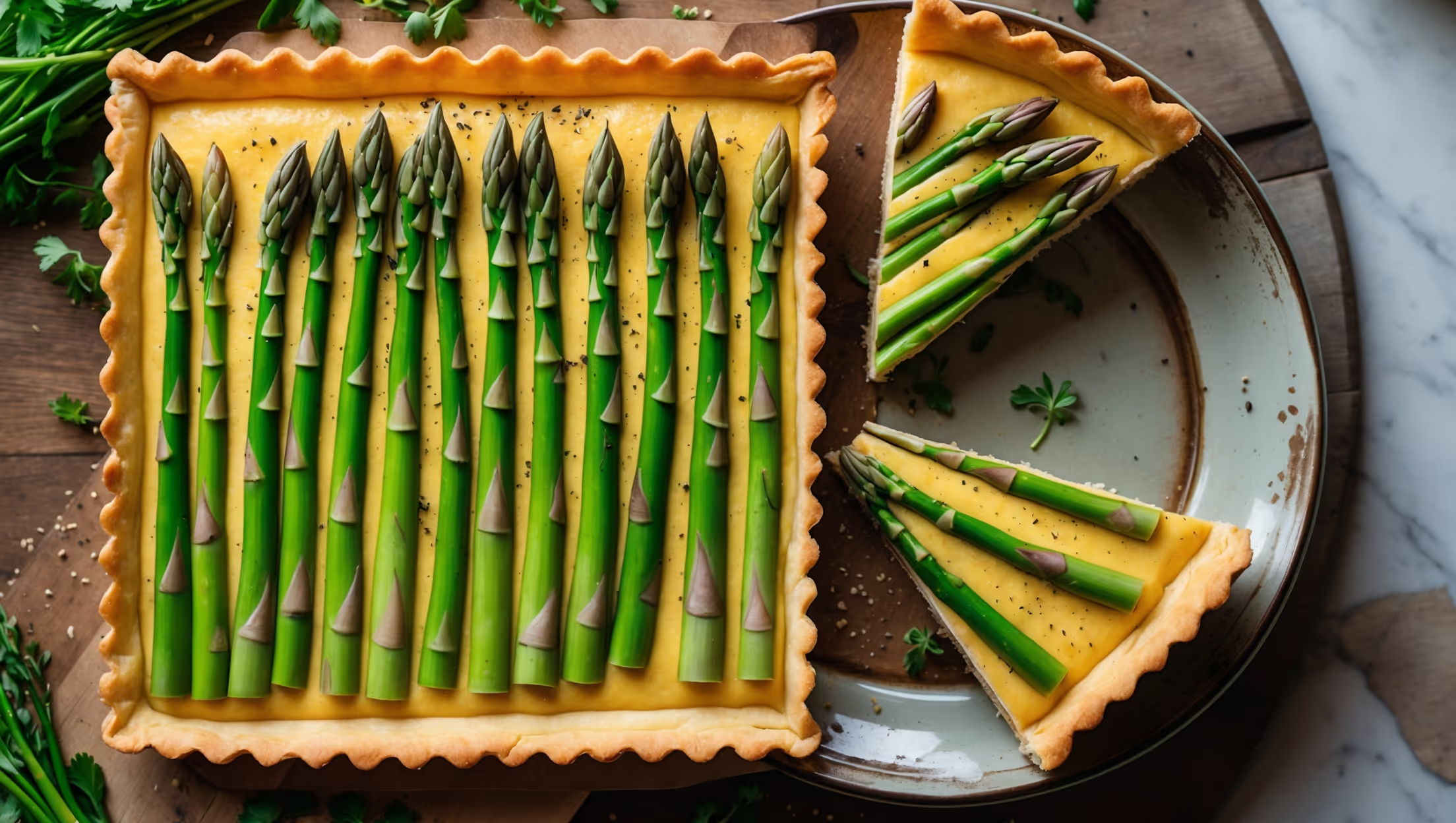
<ol class="no-list-style"><li class="MethodStepper"><h4 class="step-title">Step 1</h4>Start by making the shortcrust pastry. Place the flour and salt in a large bowl and add the cold, cubed butter. Using your fingertips, rub the butter into the flour until the mixture resembles breadcrumbs. Working with cold butter and handling the dough minimally helps create flaky layers in your pastry.</li><li class="MethodStepper"><h4 class="step-title">Step 2</h4>Add the ice-cold water one tablespoon at a time, mixing with a knife until the dough just comes together. Cold water prevents the butter from melting before baking, which is essential for a crisp, flaky texture. Form the dough into a disc, wrap in cling film, and refrigerate for at least 30 minutes. This resting period allows the gluten to relax, preventing shrinkage during baking.</li><li class="MethodStepper"><h4 class="step-title">Step 3</h4>Preheat your oven to 180°C (160°C fan). Roll out the chilled pastry on a lightly floured surface to about 3mm thickness, making it large enough to line your tart tin with a slight overhang. Carefully transfer the pastry to the tin, pressing it gently into the corners and up the sides. Trim the excess, leaving a small overhang to allow for shrinkage.</li><li class="MethodStepper"><h4 class="step-title">Step 4</h4>Line the pastry case with baking parchment and fill with baking beans or rice. Blind bake for 15 minutes, then remove the beans and parchment and bake for a further 5 minutes until the base is dry and just starting to color. The blind baking step ensures your pastry bottom is cooked through and crisp, preventing the dreaded "soggy bottom."</li><li class="MethodStepper"><h4 class="step-title">Step 5</h4>While the pastry case is baking, prepare the asparagus. Bring a large pan of salted water to the boil and blanch the asparagus for 2 minutes until just tender but still with some bite. Immediately plunge into ice water to stop the cooking process and preserve the bright green color. Drain well and pat dry with paper towels.</li><li class="MethodStepper"><h4 class="step-title">Step 6</h4>In a bowl, whisk together the eggs, double cream, half the Gruyère, all the Parmesan, herbs, salt, pepper, and nutmeg until well combined. The proteins in the eggs will set during baking, creating a silky custard texture, while the cheese adds richness and savory depth.</li><li class="MethodStepper"><h4 class="step-title">Step 7</h4>Sprinkle the remaining Gruyère cheese over the bottom of the pastry case. This creates a moisture barrier between the custard and pastry, helping to maintain that crucial crisp base. Pour in the egg mixture, then arrange the asparagus spears on top in a neat pattern. For visual appeal, alternate the direction of the tips.</li><li class="MethodStepper"><h4 class="step-title">Step 8</h4>Carefully transfer the tart to the oven and bake for 25-30 minutes until the filling is set with a slight wobble in the center and the top is golden brown. The tart will continue to set as it cools due to residual heat, so don't be tempted to overbake.</li><li class="MethodStepper"><h4 class="step-title">Step 9</h4>Allow the tart to cool in the tin for 10 minutes before removing. This cooling period helps the structure set completely. Serve the tart warm or at room temperature with a crisp green salad. The tart can be stored in the refrigerator for up to 3 days and gently reheated before serving.</li></ol>