On this page
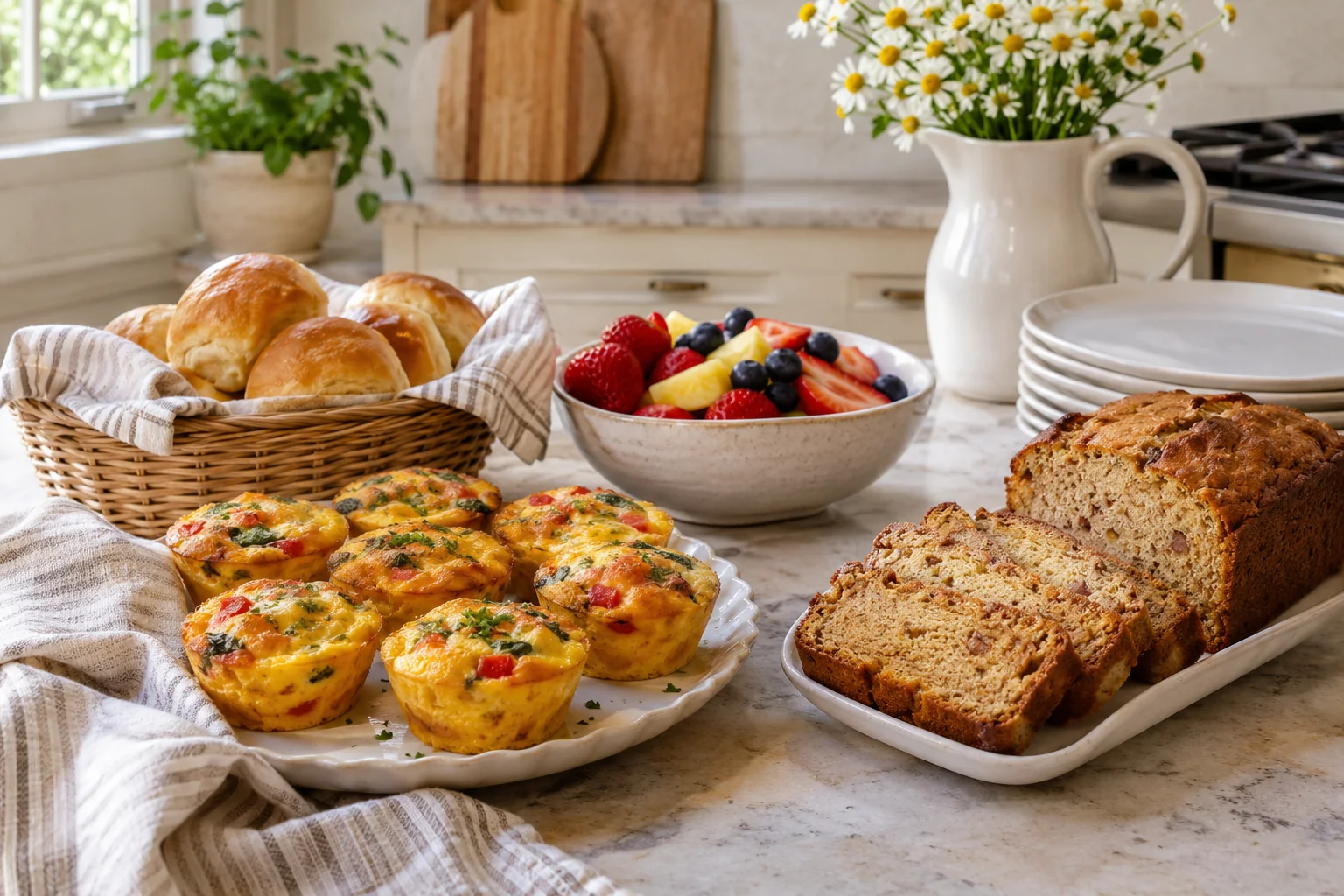
Brunch planning is tricky because guests may arrive after breakfast, before lunch or with very different appetites. The amount needed for a two-hour grazing buffet is not the same as a plated brunch with one main dish. Rather than assigning every person three eggs, four pancakes and two croissants, build your estimate around a single satisfying main portion and a few complementary foods. This keeps the table generous without producing unnecessary waste.
Begin with the event format
Are guests seated for a plated meal, moving through a buffet, or snacking throughout the afternoon? A plated egg casserole may have a predictable yield. A buffet encourages tasting and repeat visits, while a tea-and-pastries gathering requires smaller portions. Write down start time, expected duration and the menu structure before calculating ingredient quantities.
Count actual guests
Include adults, children, hosts and anyone helping cook who will eat. Consider age and known dietary needs without assuming every guest eats the same amount. A teenager after sports may want more than a small child, and someone avoiding eggs needs another substantial option. For an open house with uncertain attendance, plan flexible shelf-stable foods and controlled perishable refills.
The anchor-dish method
Choose one main item capable of feeding most guests: a breakfast casserole, frittata, substantial breakfast sandwich or pancake course. Use its tested recipe yield as the base. Other foods should complement that anchor, not duplicate the entire calorie load. For example, if guests each receive a filling egg casserole portion, you may need fewer eggs at a separate scramble station.
Our Breakfast Casserole yields eight servings. Before counting a second pan, decide how large a piece guests are likely to take alongside bread and fruit.

How many eggs?
A common planning approach is one to two eggs per person when eggs are a principal dish, depending on sides and appetite. That is a rough menu estimate, not a universal culinary rule. If a casserole already contains several eggs, count those as part of the total egg offering. Use the recipe's portion yield for safe cooking and avoid breaking large quantities of eggs far in advance.
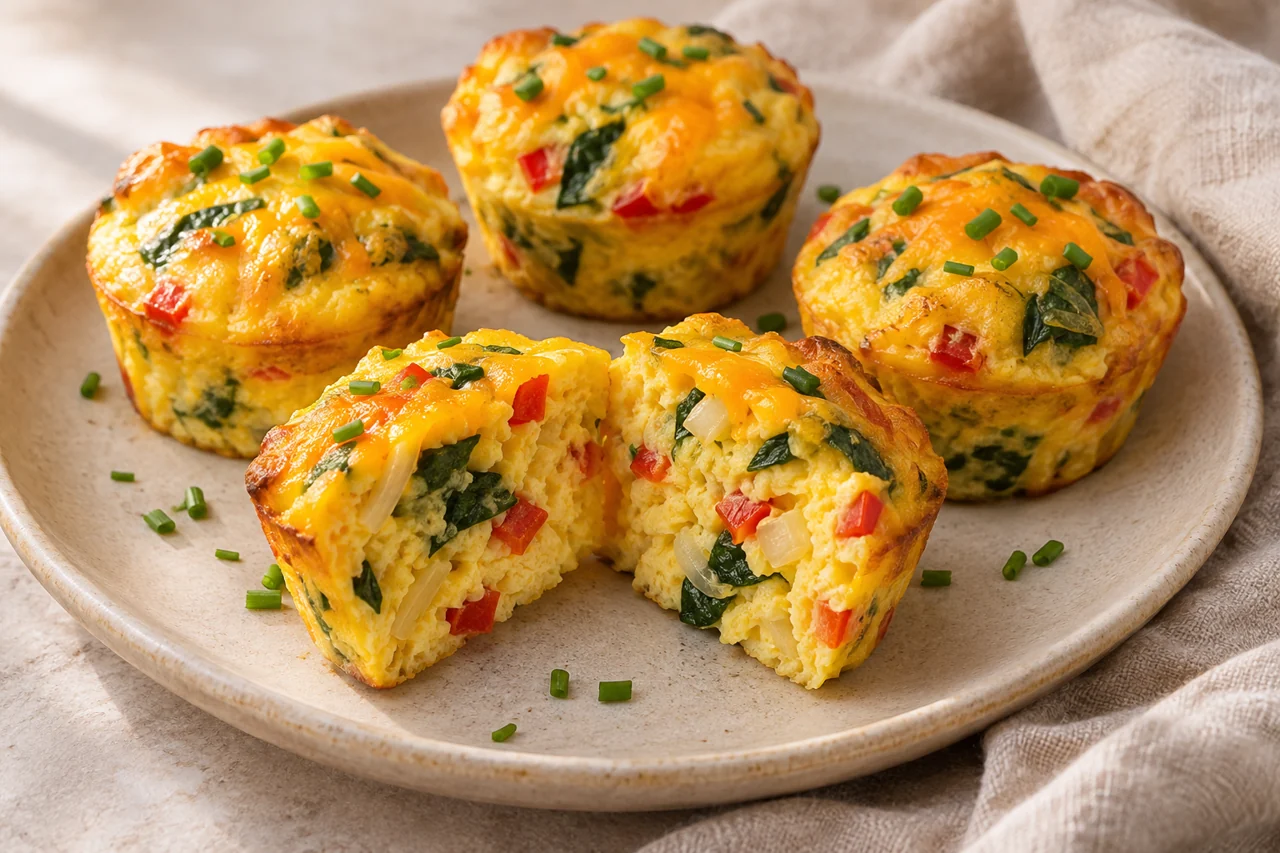
Counting individual Breakfast Egg Muffins is simpler than estimating a spoonful of loose eggs for every plate.
Pancake portions by actual size
Two or three medium pancakes may suit many adults when served with fruit and savory dishes, but miniature or giant pancakes change the count. Start with the recipe's defined portion weight and yield. A pancake recipe producing twelve small pieces is not automatically enough for six hungry adults if no other substantial food is served. Prepare a modest buffer for second helpings.
Use the scoop size and yield in One-Bowl Pancakes when estimating portions for your particular griddle.

Waffles and French toast
A Belgian-style waffle is generally more substantial than a tiny thin waffle, and thick slices of French toast may be rich. Choose a per-person serving based on the recipe and accompanying foods. If you serve both waffles and pancakes, lower the planned quantity of each rather than adding two complete breakfasts per guest. Keep toppings in measured separate bowls to limit waste.
When Sweet Potato Waffles are a side dish, cut a cooked waffle into smaller pieces before you decide how many full waffles to make.
Pastry counts
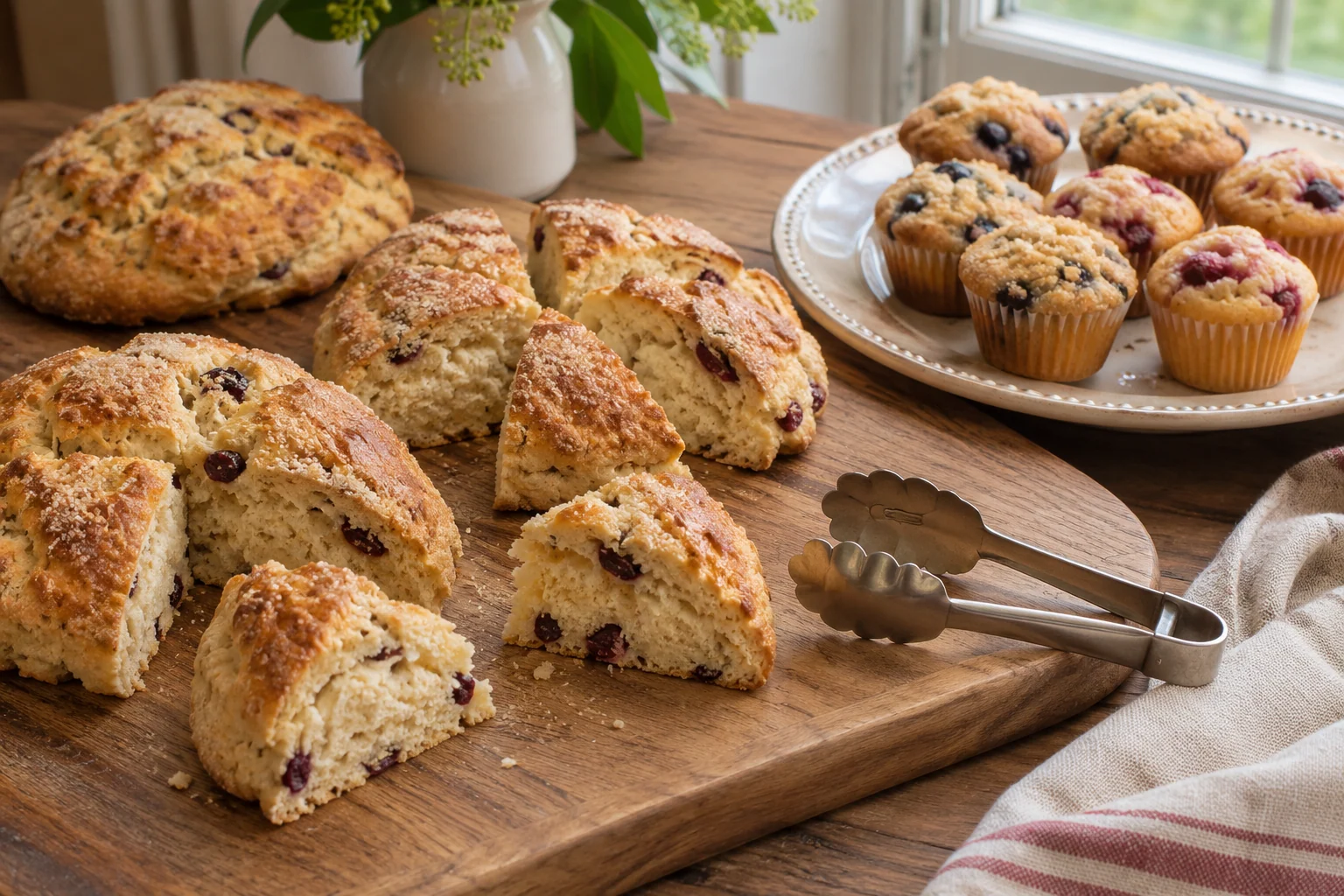
Small croissants, scones and muffins are appealing alongside coffee, but guests usually don't need several full-size pastries when the meal includes hot breakfast. A practical starting point might be one modest pastry per person plus a small buffer, adjusted for whether pastries are the main attraction. Two mini pastries can offer variety without requiring twice the dough of a large one.
A large Basic Scone can be offered in halves when guests also have an egg dish and another bake to choose from.
Bread and bagels
Half a large bagel may be plenty beside an egg bake, while a bagel-only brunch needs a full sandwich-size portion and generous toppings. Count servings by actual bread size and how much filling is planned. Spreads and smoked fish should be portioned using tested or package serving guidance, with refrigeration for perishables. Don't plan three bread options at full servings for everyone.
The batch yield for Classic Dinner Rolls makes it easier to count out bread for the table and set aside a few extras.

Fruit as a refreshing side
Fresh fruit balances rich brunch foods and appeals to guests wanting lighter choices. Estimate a moderate bowl serving per person rather than filling several enormous platters. Mix sturdy seasonal fruit with berries near service. Washed cut fruit requires safe handling; replenish from the refrigerator instead of leaving all prepared melon at room temperature for hours.
With Fruit Yogurt Salad, use your own serving spoon to estimate how many small bowls a single recipe will fill.
Yogurt, granola and toppings
A yogurt station can be a light option or a full breakfast depending on serving size. Estimate actual yogurt portions and match with granola, fruit and suitable dairy-free alternatives if needed. Granola may contain nuts and other allergens, so keep separate utensils. Refrigerate yogurt and replenish in smaller containers when the party lasts longer.
Keep Homemade Granola in a separate jar and calculate it by the scoop if it’s only a topping.

Breakfast potatoes
Roasted or skillet potatoes make a satisfying savory side, especially if the main dish is egg-based. Use the recipe's side-dish yield and anticipate that a potato-heavy buffet may reduce demand for pastry. Potatoes held too long can lose crispness. Plan manageable oven batches and safe temperature holding rather than piling a huge tray onto the table.
If you’re serving Sweet Potato Hash alongside bread, you can offer a smaller scoop of each.
Vegetarian and other dietary choices
A vegetarian guest should have a complete meal rather than only fruit and toast beside a sausage casserole. Count each dietary alternative as a real main-course portion and consider whether other guests will also enjoy it. If there are serious allergies, shared buffets may require separately prepared and served portions to prevent cross-contact.
When you add a Veggie Frittata, include its servings in your main-dish total so the shopping list reflects the whole menu.
A simple six-person estimate
For six adults at a mixed brunch, a pan cut into eight main portions leaves two for seconds. Three large pastries cut in half give everyone a taste. If you plan 125 mL of fruit per guest, prepare 750 mL altogether. On a pancake-led menu, two medium pancakes per person means twelve pancakes before allowing for seconds.

A twelve-person approach
For twelve, two pans that each yield eight portions give you sixteen main servings. Six large pastries cut in half make twelve tasting portions, and 1.5 litres of fruit allows 125 mL per person. If guests will sample both mains, cut smaller first portions and save the rest for seconds. Use the pan dimensions specified in each recipe.
Sheet Pan Pancakes are handy for this calculation because you choose how large to cut each rectangle.
A twenty-person approach
For twenty guests, two bakes yielding twelve portions apiece give you twenty-four small main servings. Ten large pastries cut in half and 2.5 litres of prepared fruit round out that example menu. If one main contains meat and the other is vegetarian, count who can eat each one before you decide how much of each pan to set out.

How much coffee?
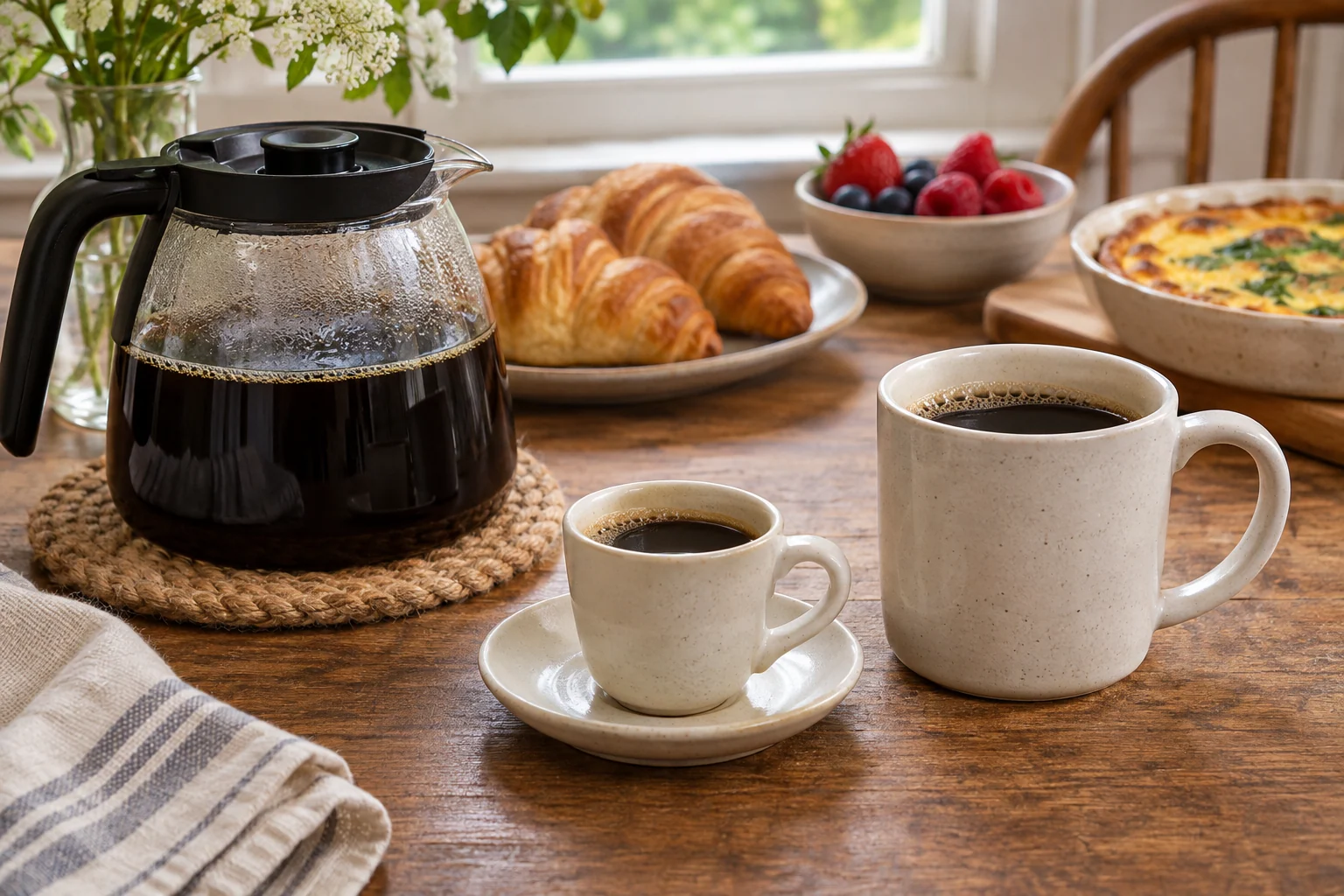
Count the coffee drinkers and measure one of your cups. Eight guests taking two 180 mL cups each will drink about 2.9 litres. The same sixteen pours into 300 mL mugs need 4.8 litres. Plan a fresh second pot and a smaller pot of tea if people will sit and talk after the meal.
Juice and water
A pitcher of juice can be pleasant, but water should be readily available throughout brunch. Unsweetened options suit guests who prefer less sugar. Don't assume every guest will drink coffee, tea and juice. For a larger party, use clearly labelled pitchers and keep refrigerated beverages cold. Cut fruit or herbs in a pitcher can look pretty, but safe handling still applies.
Build a modest buffer
A buffer accounts for accidental spills, generous appetites or a guest who brings an unexpected family member. Around ten to fifteen percent extra main servings may be a practical planning cushion for some gatherings, but it should be adjusted to attendance certainty and the flexibility of the menu. Avoid preparing twenty percent extra of every perishable topping, which can quickly multiply leftovers.
A few Blueberry Muffins make an easy reserve. Leave part of the batch off the table until you know guests want seconds.
Recipe yield is not always a portion promise
A recipe may call a casserole twelve servings because it was cut into twelve squares, not because every square meets an adult's meal needs. Check pan dimensions, ingredient weight and whether it is a side or main. A loaf advertised as eight servings may be generous when accompanied by eggs and fruit but insufficient as the only food.
Make a shopping table
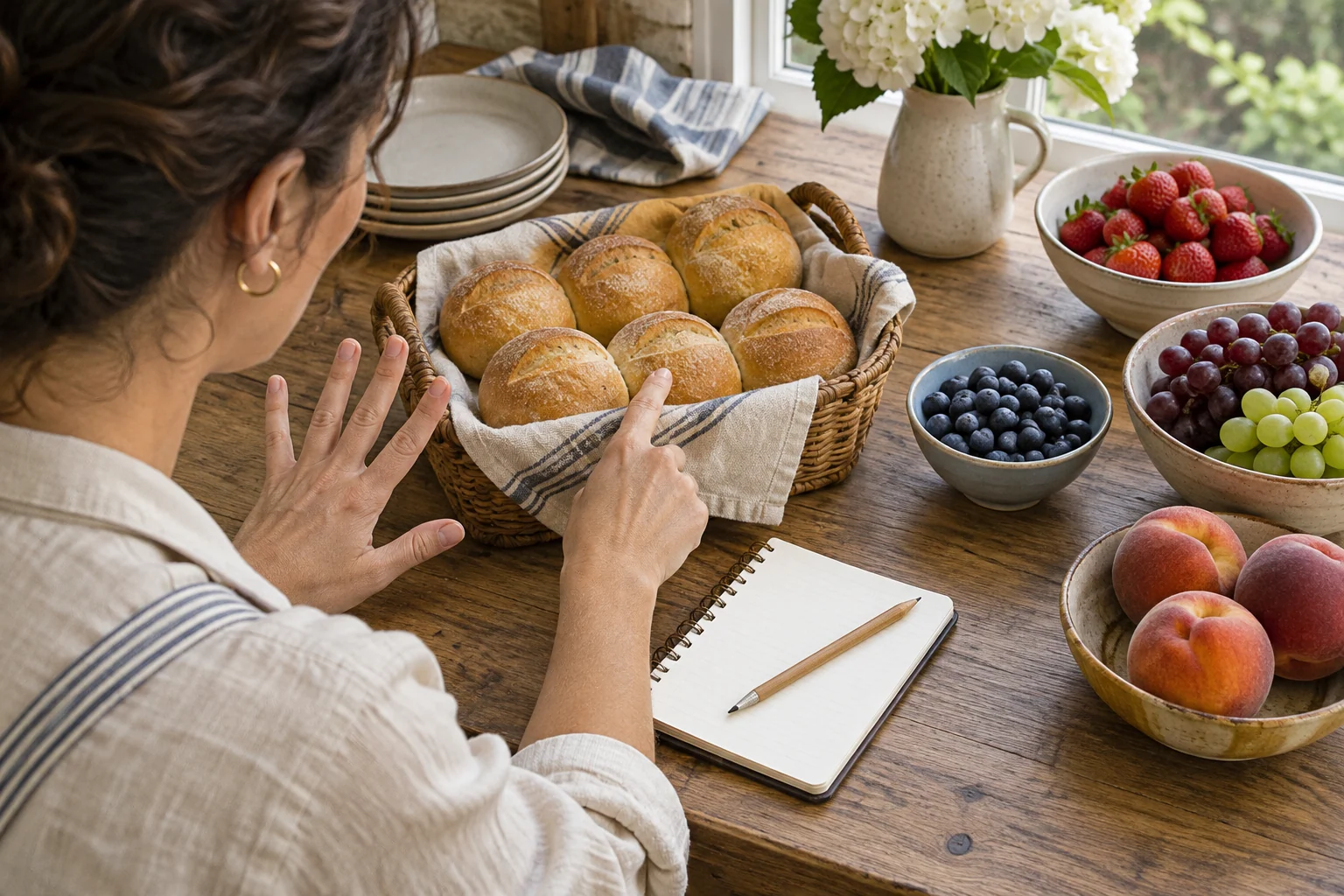
Write down the menu, number of recipe batches, actual servings per batch, ingredient totals and which items are perishable. Group eggs, dairy, produce and baking supplies by store department. This prevents buying overlapping ingredients multiple times and reveals whether the oven must bake too many dishes at once. Keep counts flexible until RSVPs are confirmed.
Leftovers are part of the plan
Choose foods that can be safely refrigerated or frozen if not served. Plain scones and certain muffins may freeze well, while a bowl of warm yogurt or cut fruit left on a buffet cannot simply be packed away without regard to temperature and handling. Replenish in small batches to preserve safe leftovers and avoid forcing guests to take home questionable food.

A portioning mistake to avoid
Don't multiply one person's possible appetite by the full menu. If one guest might eat three pancakes, two eggs, a croissant and fruit, that doesn't mean every attendee will take all of those items. Variety distributes demand. A menu of three large mains can reduce each individual dish's expected uptake rather than triple the total portions needed.
Questions before finalizing
Are people arriving hungry? Is brunch replacing lunch? How long is the event? Are there children or dietary restrictions? Which dish is the main? Is a dessert course planned? How certain is the guest count? The answers refine rough portion guidelines into a realistic shopping and cooking plan.
Plan generous rather than excessive
Base quantities on actual recipe yields and one clear main option, then add complementary fruit, bread, toppings and drinks. Refill strategically and use food-safety-aware storage. Guests remember a relaxed host and a satisfying meal more than whether every bowl stayed completely full.
IN PICTURES
From the baking notebook
FROM THE RECIPE BOX


