On this page
Planning a dessert table is easy to overthink. How many cakes do you need for twenty guests? Is one pie enough for a family gathering? Should you bake six different kinds of cookies just because the dessert table looks small? The useful answer isn't a fixed number of desserts. It's a plan that considers how many people are coming, how much dinner they'll eat, and whether guests will choose one generous slice or several little tastes.
This guide explains how many desserts you need for a party, with practical estimates for groups of twelve, twenty, thirty and fifty. These are planning guidelines, not promises about individual appetites. You'll also learn how to choose a balanced assortment, portion bars and cakes, allow a sensible buffer and avoid ending the night with five untouched trays.
First Decide What Kind of Party You're Hosting
A dessert table after a full holiday dinner is different from a dessert-and-coffee gathering. Guests who have just eaten a substantial meal may prefer one smaller slice or two mini treats. At an afternoon tea or dessert-focused party, guests are more likely to sample several items.
Consider the guest mix, too. Young children may take smaller portions, while some adults prefer a generous dessert. Dietary restrictions may determine how many options are actually suitable for everyone. The goal is to offer enough without assuming each guest wants one of every dessert.
Count Servings Before Counting Recipes
A tray of twenty-four brownie squares and a cheesecake cut into twelve slices provide thirty-six individual portions. That doesn't mean you made thirty-six complete desserts; it means guests have thirty-six chances to take a serving.
This distinction is essential because a single cake may yield twelve generous slices or closer to sixteen modest party portions depending on its size, height and richness. Always use the actual recipe's stated yield, then adjust only when you can cut smaller portions cleanly and safely.
Simple Starting Guidelines for Portions
After a full meal, start with one to one-and-a-half modest portions per guest across the table. For a dessert-focused menu where portions are genuinely small, two to three tasting bites per guest can be a useful starting point. Adjust for the occasion and how many people will choose dessert.
Use that count to pick the number of options. Choose the centrepiece or main dessert first, then use a complementary batch to make up the shortfall. A third option makes sense when it covers a different flavour, portion size or dietary need.
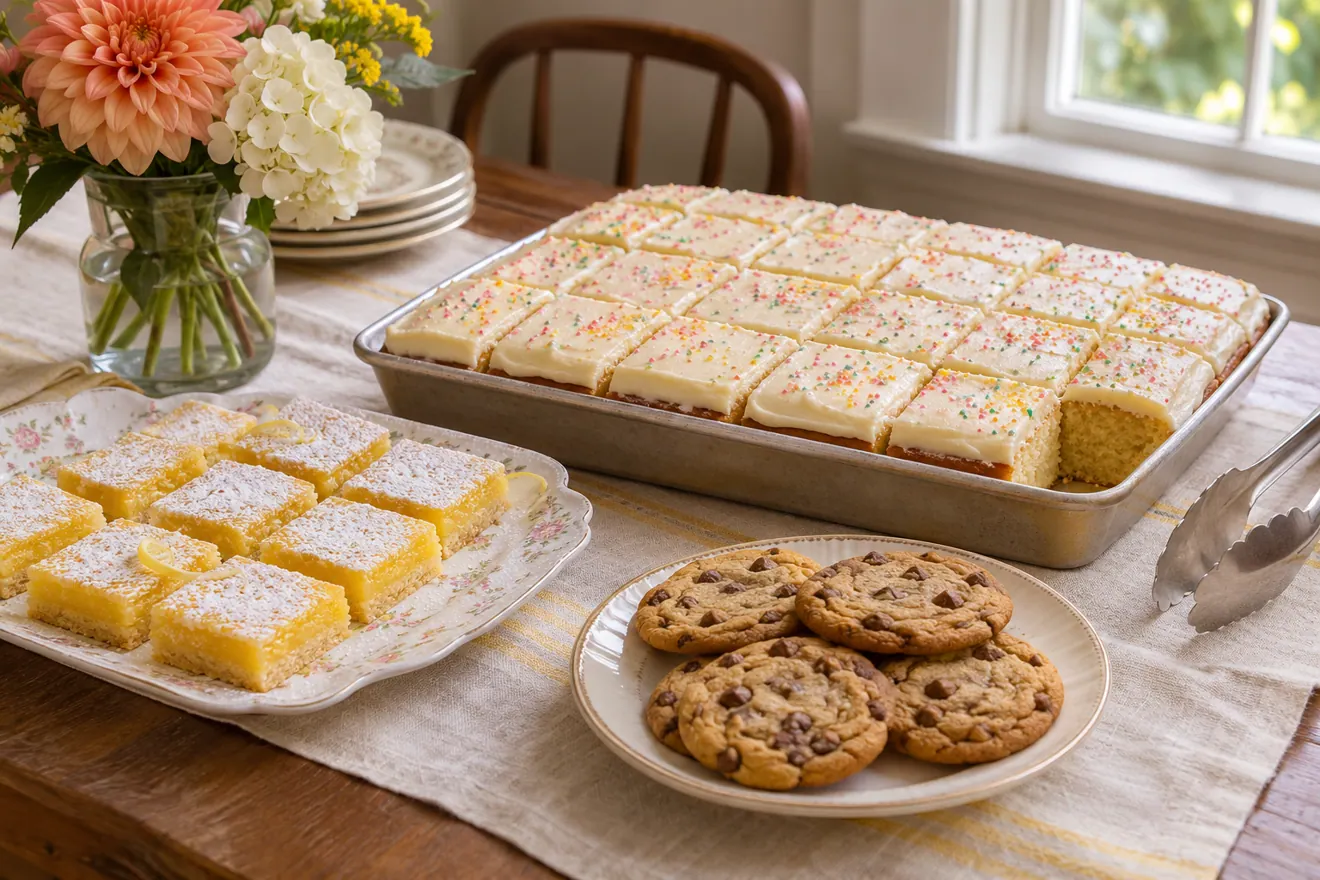
How Many Desserts for 12 Guests?
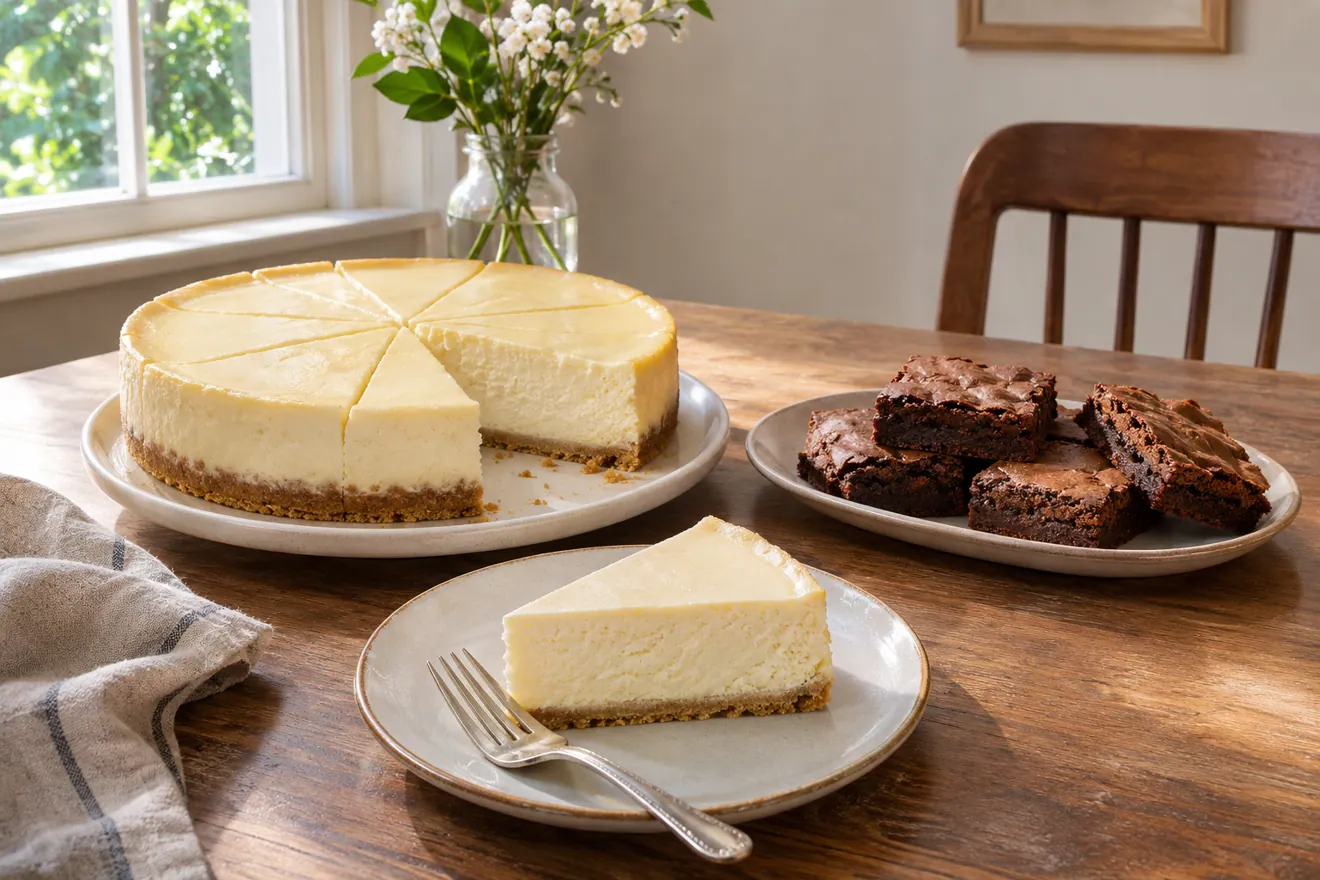
Two options often work well for twelve dinner guests. For example, put out twelve modest cheesecake slices with six to eight small brownie bites as an optional second taste. Keep the cheesecake refrigerated until serving. If dessert is the main event, make the choices small enough that guests can sample both.
Small squares of Air Fryer Brownies give guests a second choice next to chilled cheesecake. Check how many pieces your pan will give you.
How Many Desserts for 20 Guests?
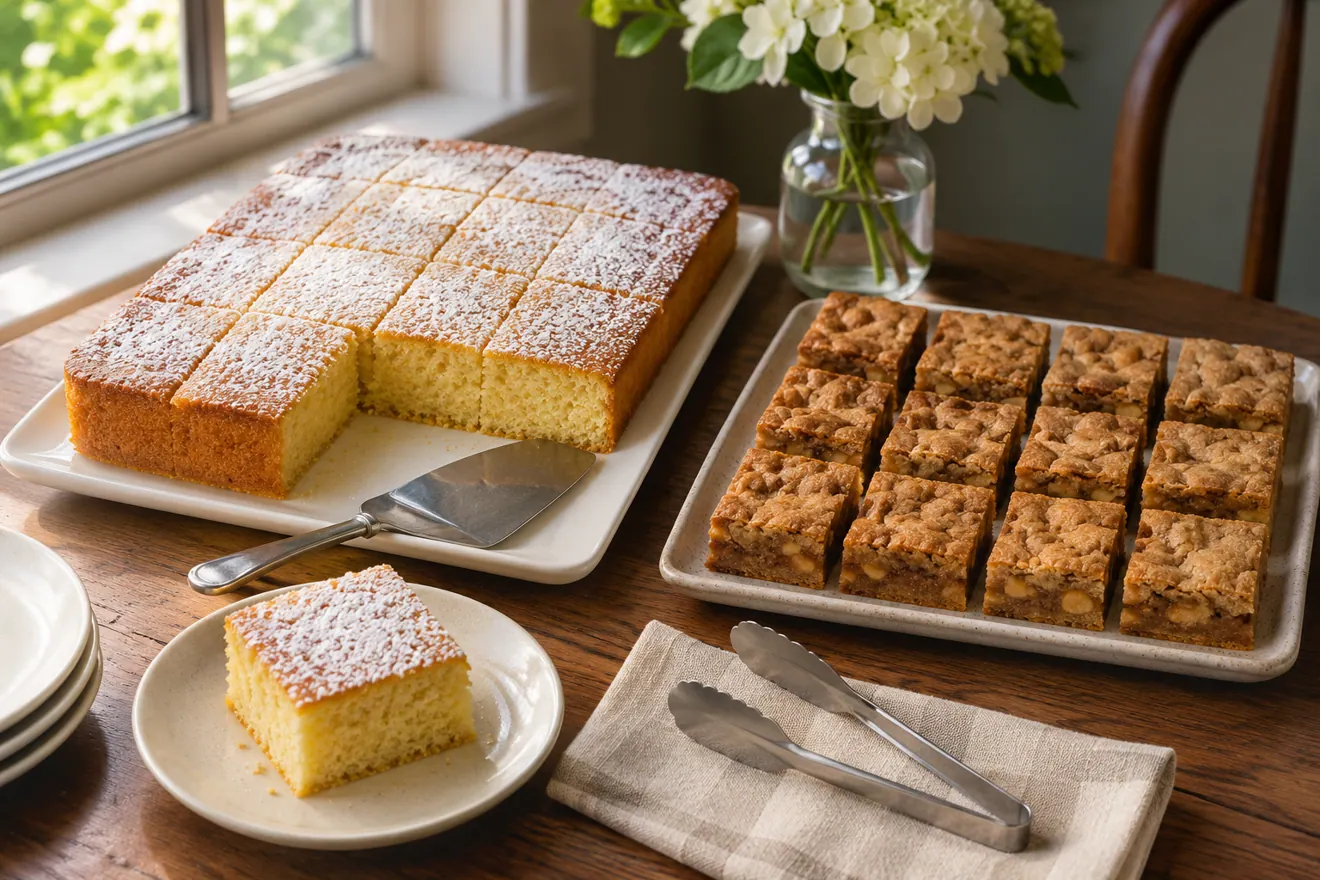
After dinner, start with roughly 25 to 30 modest pieces. A cake cut into 14 slices and a batch of 16 small bars provides 30 pieces in total. Pick one familiar flavour and one different flavour or texture. Add a third option if it covers a dietary need or replaces some of those pieces.
Use a tested Classic Yellow Sheet Cake as the primary dessert and count the pieces you expect to serve.
A pan of Gluten-Free Blondies can be the second option. Its almond flour needs a clear label.
How Many Desserts for 30 Guests?
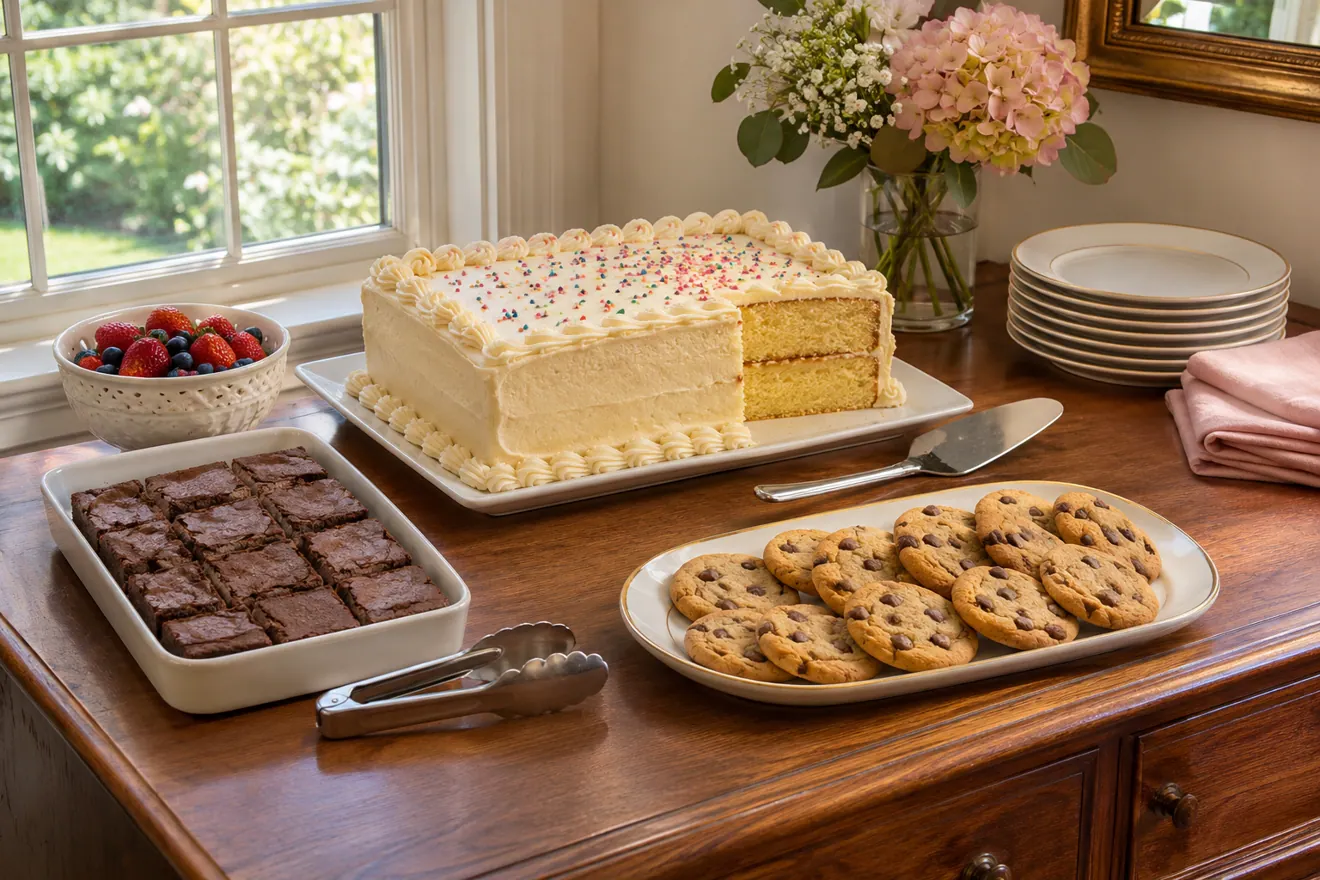
For thirty guests, consider roughly thirty-five to forty-five modest portions after a meal, adjusted for your crowd. Three different options may be useful: a cake, a tray of bars and a plate of cookies or individual pastries.
Choose recipes with different serving requirements. A room-temperature cookie platter can complement a chilled cheesecake, provided you have refrigerator space and can keep the perishable dessert cold until serving.
How Many Desserts for 50 Guests?
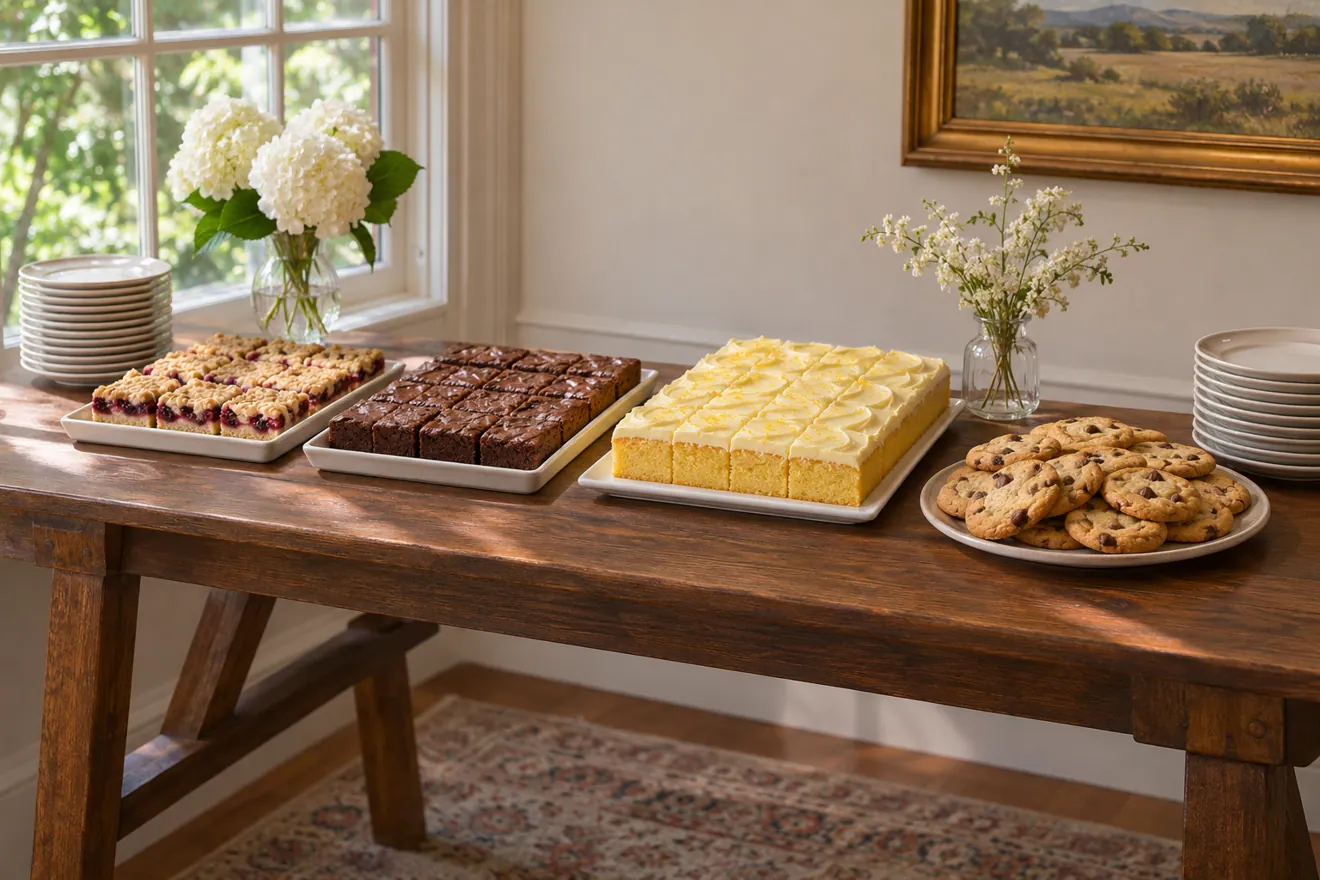
For fifty people after dinner, a working range is about 60 to 75 modest pieces. Two trays of 16 bars, a cake cut into 16 slices and 20 small cookies provides 68 pieces. Using two cookie flavours creates another option without increasing the total.
For this size of group, check the venue’s refrigerator space, add separate utensils and keep labels beside each dish. Use a second serving point if cutting cake would otherwise slow the line.
How Many Different Dessert Types Should You Offer?
A useful approach is to scale variety gradually. For a small gathering of fewer than ten, one or two options often suffice. Around twelve to twenty guests, two or three different textures can be appealing. Around thirty, three options may provide variety; for fifty, four or five can work when the quantities are planned carefully.
These aren't strict rules. A wedding cake may be the only dessert at a large reception, while a small holiday cookie swap may feature many varieties. Start with the occasion and what guests expect.
Build Variety Through Texture and Flavour
Think of dessert categories rather than just individual recipes. A balanced selection might include something chocolatey, something fruit-forward, and something creamy or crisp. A soft chocolate cake, chocolate cupcakes and fudge brownies are three recipes but not much flavour contrast.
For a fall gathering, pair apple crumble bars with a rich cheesecake and a few cinnamon cookies. For a summer party, consider lemon bars, a berry cake and simple vanilla cookies. If someone is bringing a dessert, coordinate in advance so your table doesn't become an unplanned collection of very similar items.
Before adding another tray, give each planned dessert a role. A centrepiece covers the cake moment, a plain cookie offers a smaller bite, and a citrus bake gives guests a different flavour. If two trays do the same job, choose the one that fits your preparation time and serving space.
Try Lemon Poppy Seed Bundt Cake for a citrus option when the rest of the menu is chocolate-heavy.
Vegan Shortbread Cookies give the spread a crisp option that takes little serving space.
One Centerpiece or Several Mini Treats?
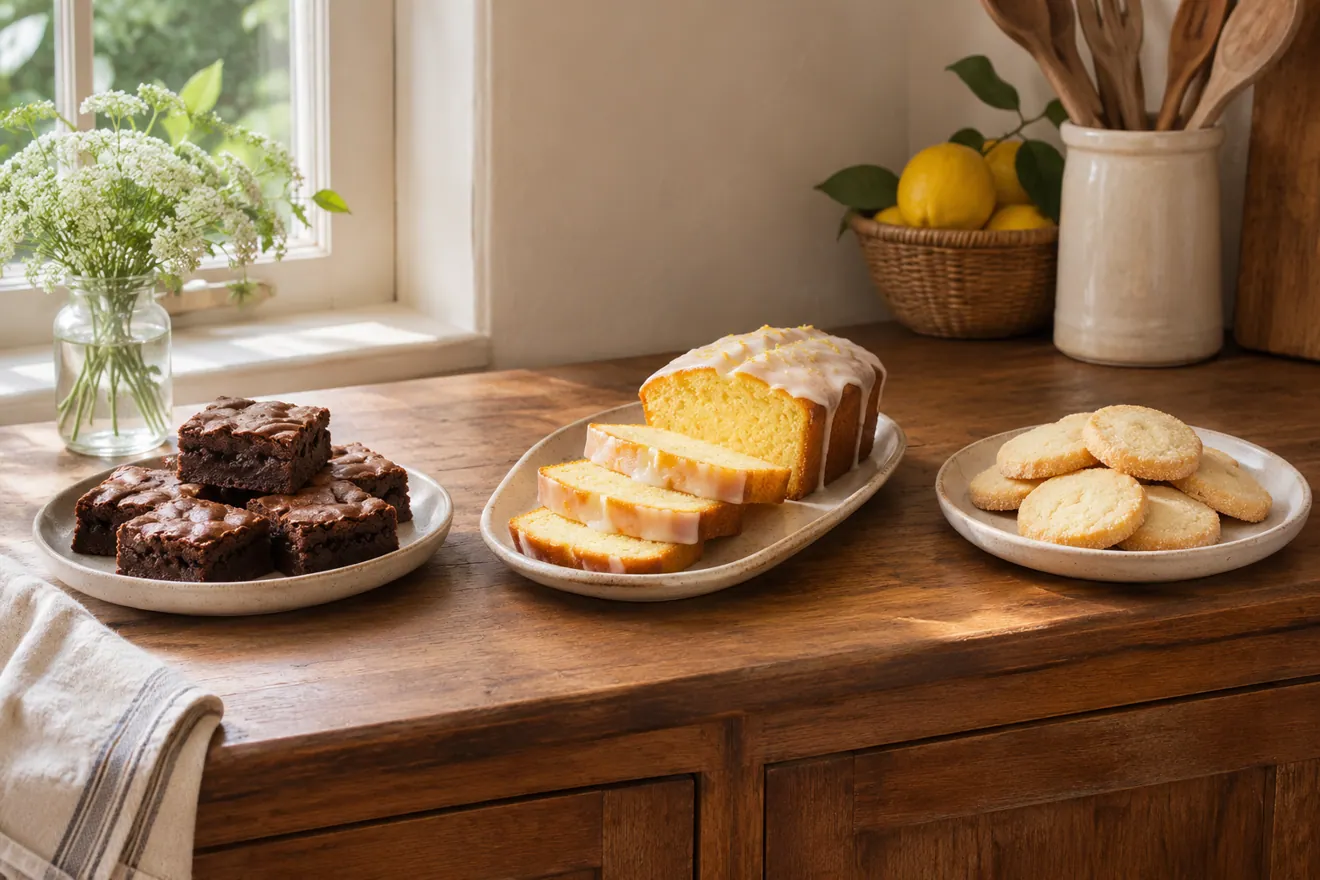
A centerpiece cake makes sense for birthdays, anniversaries and celebrations where cutting cake is part of the event. Mini desserts are useful for mingling, buffet lines and guests who want a small taste of several flavours.
If you're serving a central cake plus mini treats, assume some people will take both. That doesn't mean you need a full-sized cake portion and three extras for every person. Decide whether the mini treats are alternatives or accompaniments and plan accordingly.
For a buffet with smaller portions, cut brownies and bars into pieces you can lift with tongs. Keep chilled items separate from plain baked goods.
Understanding Typical Dessert Yields
Write down each chosen recipe’s stated yield beside the actual pan size. A pan of blondies with a 16-square yield is straightforward to count. A tall layer cake may need a different cutting pattern from a single-layer cake of the same diameter.
Choose a portion that holds together when transferred to a plate. Keep that realistic count in the worksheet so you can decide whether to bake another batch or add a different option.
A Practical Portion Worksheet
Step 1: Write down the number of guests. Step 2: Decide whether dessert follows a meal or is the main event. Step 3: Estimate the number of modest portions based on the event. Step 4: Choose two to five desserts with contrasting flavours and known yields. Step 5: Add the yields and compare the total with your target. Step 6: Confirm that dietary needs and storage are covered.
If a recipe makes more than you need, consider one less dessert rather than cutting every piece impossibly small. If you need a little extra insurance for unpredictable arrivals, sturdy cookies or bars are easier to hold back than a fragile cream tart.
For a party of 30 after dinner, write one line per dessert. For example, plan 14 cake slices, 16 bars and 12 small cookies for 42 total pieces. Start with smaller serving trays and keep a few covered pieces in reserve. Assign a clean utensil and a place to hold each dessert before it goes out.
Should You Plan a Buffer?
A modest buffer is useful when guest numbers may change or the party will last several hours. But a buffet following a full dinner doesn't automatically need double the portions. Begin with your estimate and decide whether roughly ten to fifteen percent extra makes sense for your specific group and recipe yields.
Planning a buffer is not the same as leaving perishable food out indefinitely. Keep backup portions chilled or protected under the recipe's recommended conditions and replenish the table as needed.
How to Plan Around Children
Children often enjoy simple, recognizable treats such as cookies, mini muffins and small cupcakes. But ages, appetites and dietary needs vary. Don't automatically count every child as half a person: some may eat little dessert, while older children may enjoy adult-sized portions.
Choose an age-appropriate offering and avoid hard decorations or foods that pose choking risks for younger guests. Ask caregivers about food allergies before planning shared desserts.
What If Guests Have Dietary Restrictions?
Don't treat a single dietary option as a decorative extra if several guests need it. Make sure those guests have enough suitable portions and that the ingredients and preparation conditions meet their needs.
Consider gluten-free, dairy-free, egg-free or nut-free options only when the recipes and your kitchen practices can genuinely support them. Cross-contact matters, especially with serious allergies. Clearly label ingredients and provide separate utensils as appropriate.
Transporting Desserts to a Venue
Choose a mix of desserts that can be packed securely. Brownies and cookies are easier to stack in rigid containers than tall frosted cakes, while a chilled cheesecake needs an appropriately cold carrier. A fragile pastry may be better assembled at the venue if there's space and the recipe permits it.
Ask whether you'll have access to a refrigerator, oven, knife and serving trays. Confirm the venue's food policies rather than assuming homemade treats are always permitted.
How Long Can Desserts Stay on the Buffet?
Keep perishable desserts at 4°C (40°F) or colder until serving. Put out small trays and count the total time outside temperature control. Discard perishable portions left out at room temperature for more than two hours. In hot weather, use a shorter serving window.
Set out a fresh chilled tray when you replenish. Follow the recipe’s storage instructions for plain baked goods, and keep them covered to protect against insects and contamination.
A Simple Dessert Table Layout
Place plates and napkins at the beginning of the line, then arrange small or easy-to-grab desserts before larger items that need cutting. Put serving utensils beside their own dishes and position allergen labels where guests can see them.
Allow enough space around the centerpiece cake for slicing without bumping cookies or decorations. Keep cold items in refrigeration until the appropriate serving time; the table doesn't have to contain every dessert at every moment.
Check the line with the actual cake server and plates. Leave one clear place for cutting, and put the dishes guests can pick up quickly where they can be reached without blocking that space.
After choosing the number of options, set out your trays and serving tools before guests arrive. Leave room for each label and utensil.
How to Avoid Too Many Leftovers
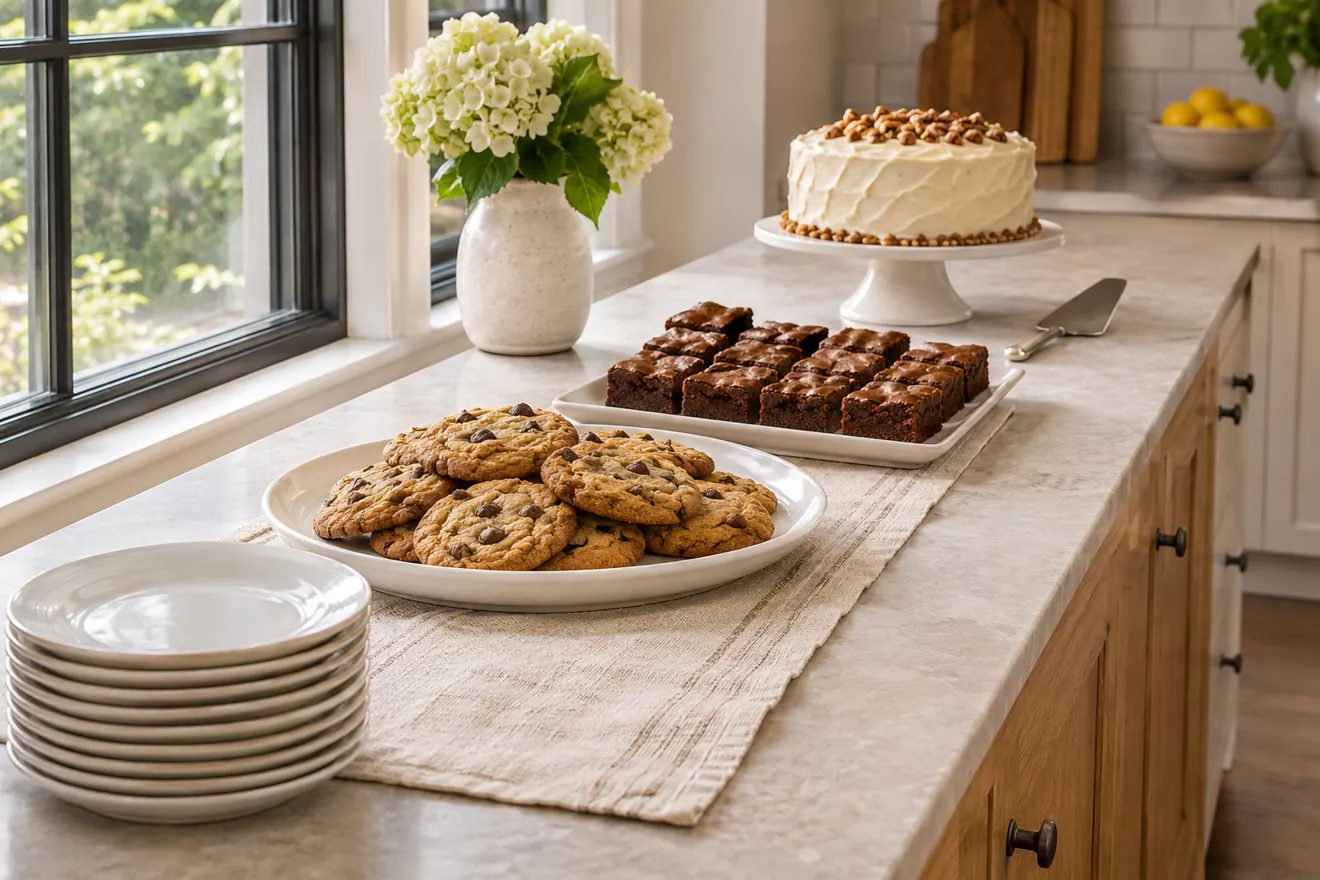
Coordinate with anyone bringing desserts, match portion yields to the actual guest count and resist preparing five options when two will do. If the menu includes a very rich cake, smaller additional portions are usually more appealing than another full-sized cake.
For suitable leftovers, follow recipe-specific refrigeration or freezing methods. Don't give away perishable desserts that spent too long at unsafe temperatures.
Frequently Asked Questions
Are two desserts enough for twenty people?
Often, if their combined yield covers the portions you expect and guests have suitable choices. A cake and a tray of bars can be more than adequate after dinner, especially when each has a clear serving count.
How many dessert options should I have for fifty guests?
Four or five can offer variety, but fewer may work if a central cake or one dessert is the focus. Count total servings and consider dietary needs before counting recipes.
Should I count cupcakes as one serving?
A standard cupcake is often treated as one individual portion, while mini cupcakes may be counted as small tastes. Adjust for their actual size and the party format.
How many cookies should I bake per person?
It depends on cookie size, the number of other desserts and whether guests are taking home treats. Small cookies may be part of a tasting assortment; giant bakery cookies are closer to a full dessert.
Can I make everything in advance?
Some cakes, doughs and bars can be prepared ahead under their recipes' storage guidance. Delicate pastry, whipped toppings and fresh fruit may be better finished close to serving.
What if I'm uncertain how many guests will come?
Choose a centerpiece plus sturdy additional desserts that can be safely stored if unused. Don't solve uncertainty by leaving large quantities of perishable food on the table.
Plan Enough, Then Enjoy the Party
A successful dessert table isn't measured by the number of cakes on display. It's about giving guests a satisfying choice without creating unnecessary work and waste. Start with the occasion, estimate portions rather than recipes, choose contrasting flavours and plan safe serving. Then spend time with your guests instead of worrying about the last slice.
Some images are AI-generated illustrations of the dishes and techniques described.
IN PICTURES
From the baking notebook
FROM THE RECIPE BOX


