Directions
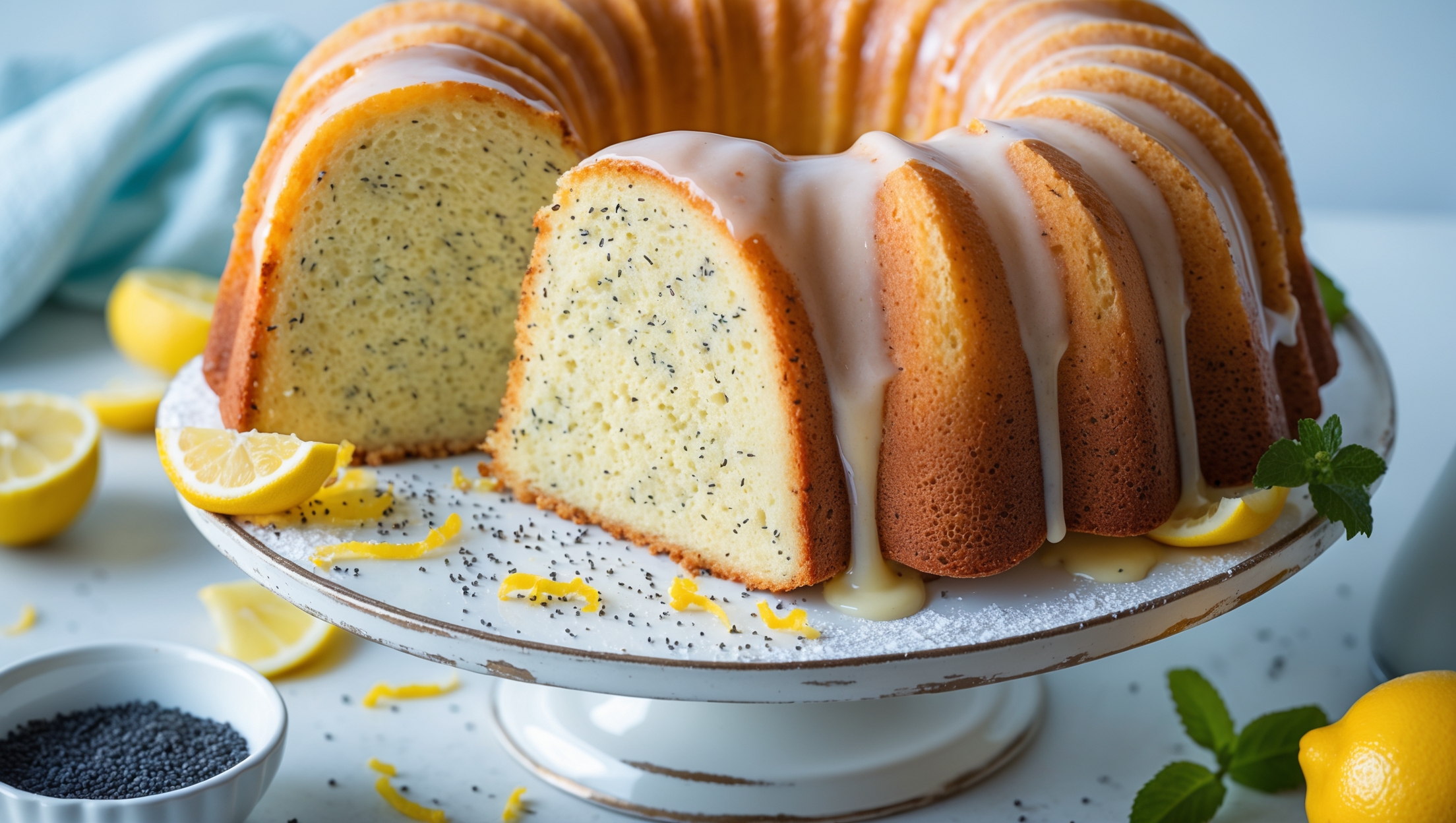
<ol class="no-list-style"><li class="MethodStepper"><h4 class="step-title">Step 1</h4>Preheat your oven to 170°C (325°F). Thoroughly grease and flour your bundt pan, making sure to get into all the crevices. This is crucial for a clean release – don't rush this step! A baking spray with flour works wonderfully if you have it.</li><li class="MethodStepper"><h4 class="step-title">Step 2</h4>In a medium bowl, whisk together the flour, baking powder, baking soda, and salt. This pre-mixing ensures even distribution of leavening agents throughout your cake for consistent rise.</li><li class="MethodStepper"><h4 class="step-title">Step 3</h4>In the bowl of your stand mixer fitted with the paddle attachment (or using a hand mixer), cream the softened butter and sugar on medium-high speed for 4-5 minutes until very light and fluffy. This extended creaming incorporates air, which helps create a tender crumb.</li><li class="MethodStepper"><h4 class="step-title">Step 4</h4>Add the eggs one at a time, beating well after each addition until fully incorporated. Scrape down the sides of the bowl frequently to ensure even mixing. The mixture should look smooth and creamy.</li><li class="MethodStepper"><h4 class="step-title">Step 5</h4>Mix in the lemon zest, lemon juice, Greek yogurt, and vanilla extract until combined. Don't worry if the mixture looks slightly curdled – the acidic lemon juice reacting with the dairy is normal and won't affect your final cake.</li><li class="MethodStepper"><h4 class="step-title">Step 6</h4>Gradually add the dry ingredients to the wet ingredients on low speed, mixing just until no streaks of flour remain. Overmixing at this stage can develop gluten and make your cake tough, so be gentle!</li><li class="MethodStepper"><h4 class="step-title">Step 7</h4>Fold in the poppy seeds by hand using a rubber spatula, ensuring they're evenly distributed throughout the batter while maintaining the lightness you've worked to create.</li><li class="MethodStepper"><h4 class="step-title">Step 8</h4>Pour the batter into your prepared bundt pan, smoothing the top with a spatula. Tap the pan gently on the counter a few times to remove any large air bubbles that might cause holes in your finished cake.</li><li class="MethodStepper"><h4 class="step-title">Step 9</h4>Bake for 50-55 minutes, or until a wooden skewer inserted into the center comes out clean or with just a few moist crumbs. The cake should be golden brown and will have pulled away slightly from the edges of the pan.</li><li class="MethodStepper"><h4 class="step-title">Step 10</h4>Allow the cake to cool in the pan on a wire rack for exactly 10 minutes – this timing is critical! Too short and the cake may break; too long and it might stick. Then invert onto the rack to cool completely.</li><li class="MethodStepper"><h4 class="step-title">Step 11</h4>While the cake cools, prepare the glaze by whisking together the powdered sugar, lemon juice (starting with 2 tablespoons and adding more if needed), and lemon zest until smooth. The glaze should be thick enough to coat the back of a spoon but still pourable.</li><li class="MethodStepper"><h4 class="step-title">Step 12</h4>Once the cake is completely cool, place the wire rack with the cake over a baking sheet to catch drips. Pour the glaze evenly over the top, allowing it to flow naturally down the sides of the cake. The glaze will set in about 20 minutes, creating a beautiful, tangy finish that complements the lemon flavor in the cake perfectly.</li></ol>