On this page
Weekend breakfast is one of the few meals that can feel like an event without needing an occasion. A stack of pancakes, warm muffins or a skillet of eggs can bring everyone into the kitchen and slow down the morning. But with different wake-up times, children's preferences and an ever-growing pile of dishes, breakfast can also become a project nobody meant to start.
If everyone wants to eat together, sheet-pan pancakes or baked oatmeal let you cook one dish and serve it in portions. If people wake at different times, choose toast, muffins or a chilled yogurt bowl that can be assembled as needed.
These easy weekend breakfasts for families are designed around approachable ideas rather than complicated showpieces. The goal is a relaxed table with something satisfying to eat, a few helpful make-ahead steps and a chance for everyone to participate.
Start with the morning you actually have. If everyone is hungry now, choose a simple stovetop dish or yogurt bowls. If you want to sit down together, bake muffins ahead or prepare an overnight casserole using its refrigerator-rest method. A yeast loaf is a separate baking project; make it in advance and turn it into toast when breakfast comes around.
Start With One Main Dish
Choose one recipe to be the centre of breakfast: pancakes, baked oatmeal, French toast or eggs with toast. Add fruit and one easy accompaniment rather than making several mains. This keeps the stove manageable and helps avoid wasting food.
Read the recipe's full time requirements before choosing. A bread dough with a two-hour rise isn't a quick morning option, no matter how short its ingredient list is. If you want fresh pastries, use a proven overnight method or bake a loaf the day before.
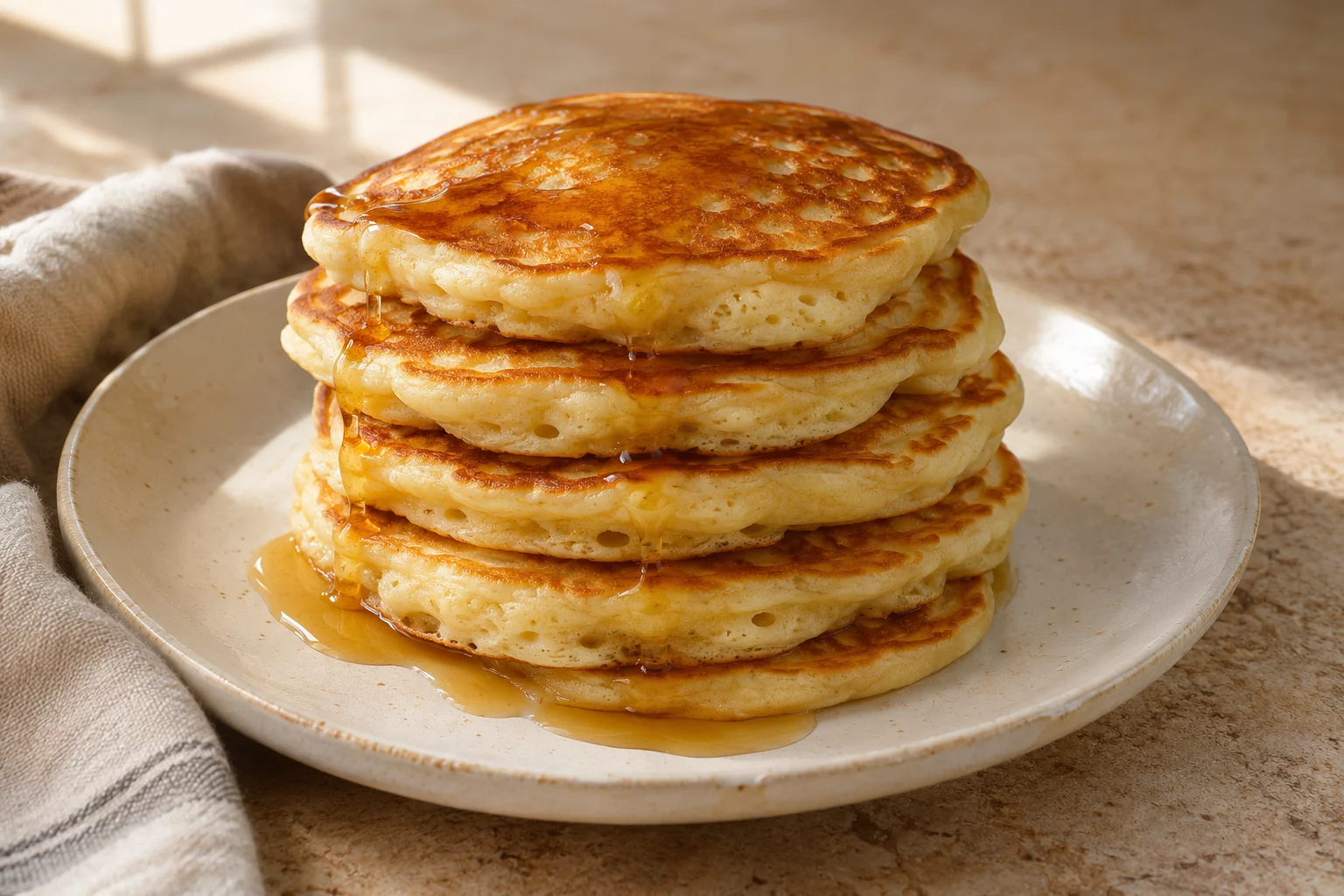
1. Fluffy Weekend Pancakes
For a simple starting point, try our one-bowl pancakes recipe. It makes eight pancakes and uses a whisk rather than complicated equipment, so it is easy to scale the breakfast around the number of people at the table.
Pancakes are familiar, adaptable and easy to serve with sliced fruit. Choose a recipe that specifies whether the batter needs a rest and how thoroughly to mix. For some batters, overmixing develops gluten and produces a tougher pancake.
Use a suitably heated griddle and portion batter consistently. An adult should manage the hot surface when children are helping. Cook according to the recipe's surface-bubble and edge cues, not solely a timer.
2. Sheet-Pan Pancakes
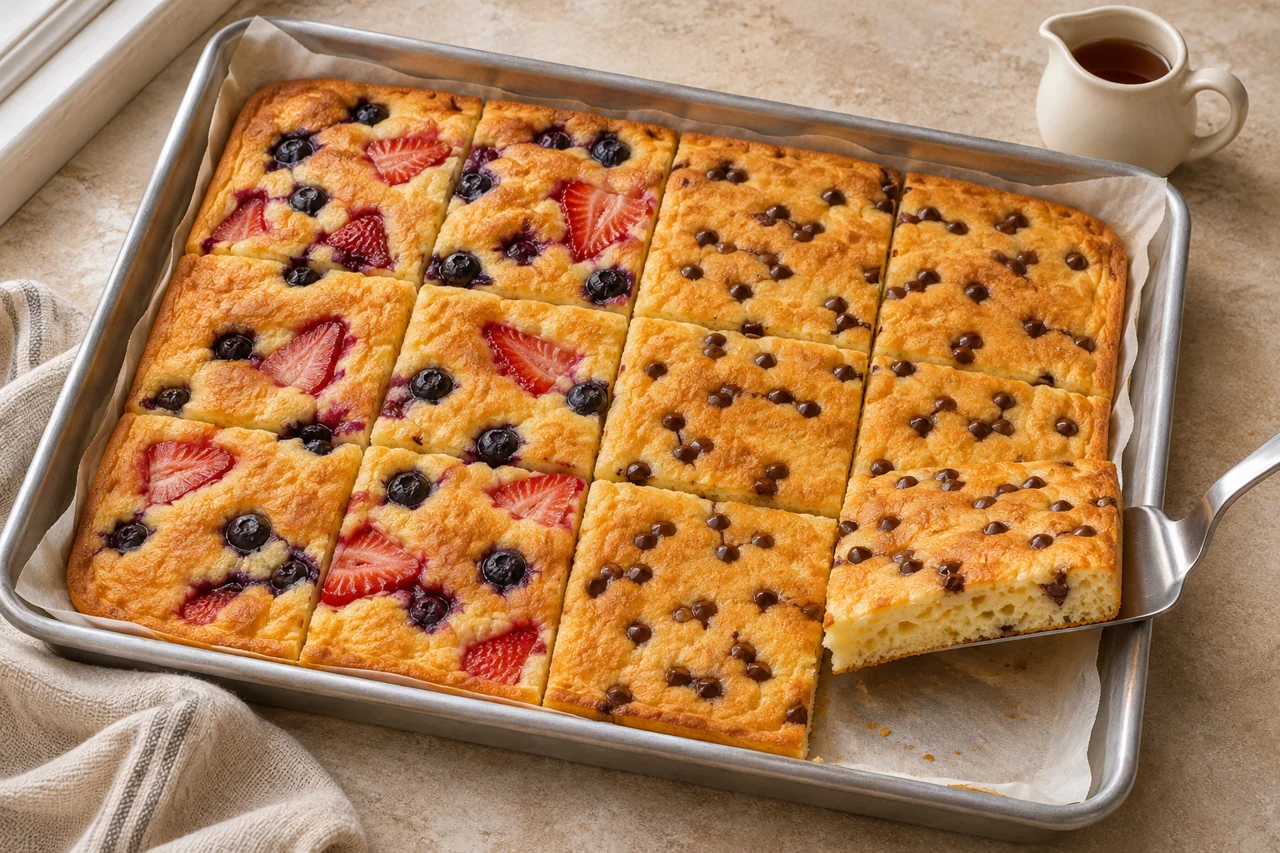
A baked pancake recipe designed for a sheet pan can reduce time spent flipping individual portions. Spread the batter according to the recipe and add only approved toppings in the recommended amounts.
Don't simply pour ordinary pancake batter into a large pan and guess a temperature. A tested sheet-pan version accounts for batter depth, cooking time and oven heat. Cut the finished bake into squares for easy sharing.
Our sheet-pan pancakes are designed for this method and offer mixed berries or chocolate chips as optional toppings.
3. Banana or Blueberry Muffins
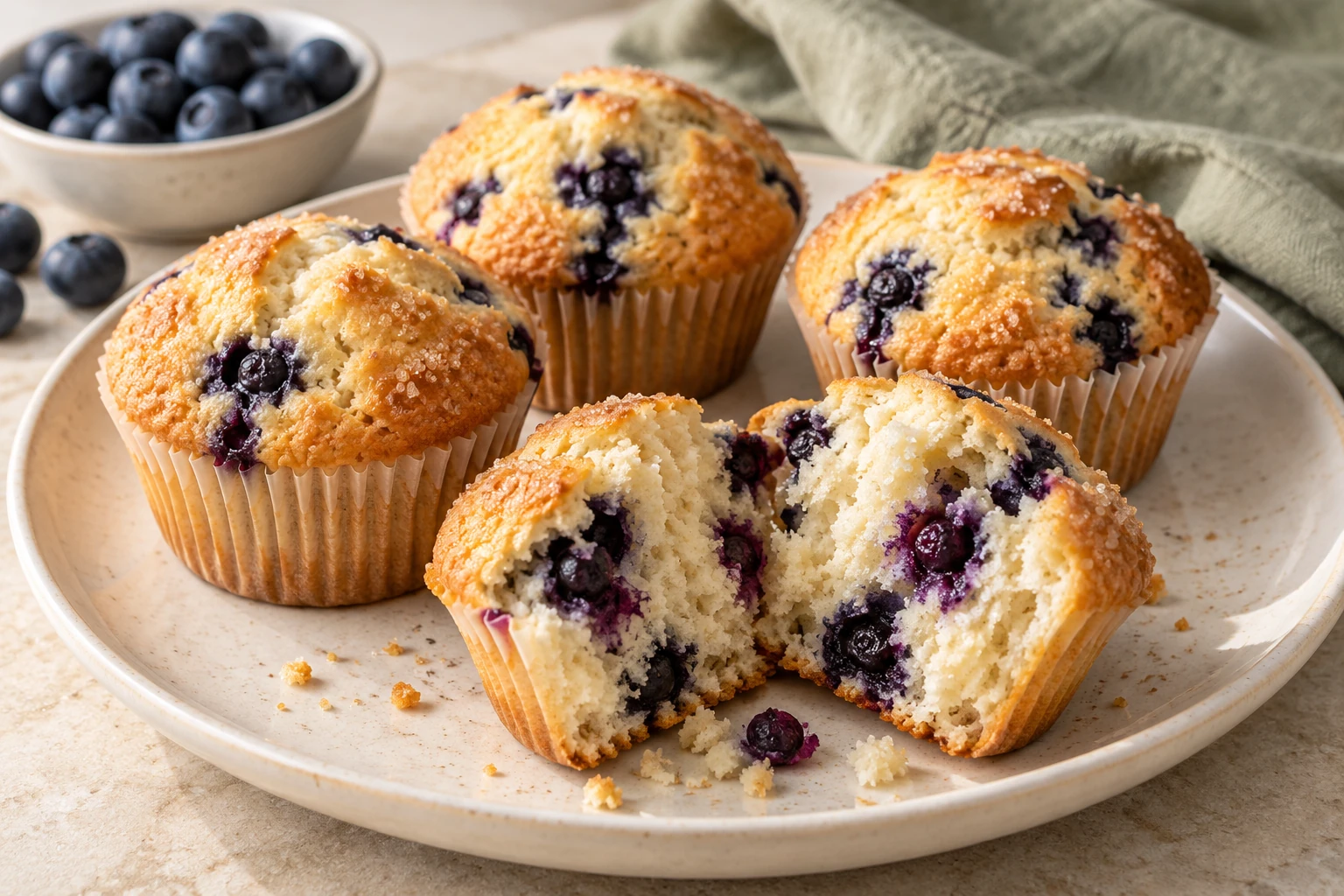
Weekend muffins can become breakfast and a future snack in one batch. A hand-mixed recipe gives children tasks such as counting liners, mashing bananas and gently folding wet and dry ingredients together.
Use the stated fruit quantity. Excess banana or berries can leave wet areas, and miniature muffins need different baking times from standard sizes. Cool muffins on a rack before storing leftovers.
Our Blueberry Muffins make a twelve-muffin batch. Follow their fruit quantity and two-stage oven instructions, and allow time for cooling rather than treating the baking time as the entire breakfast schedule.
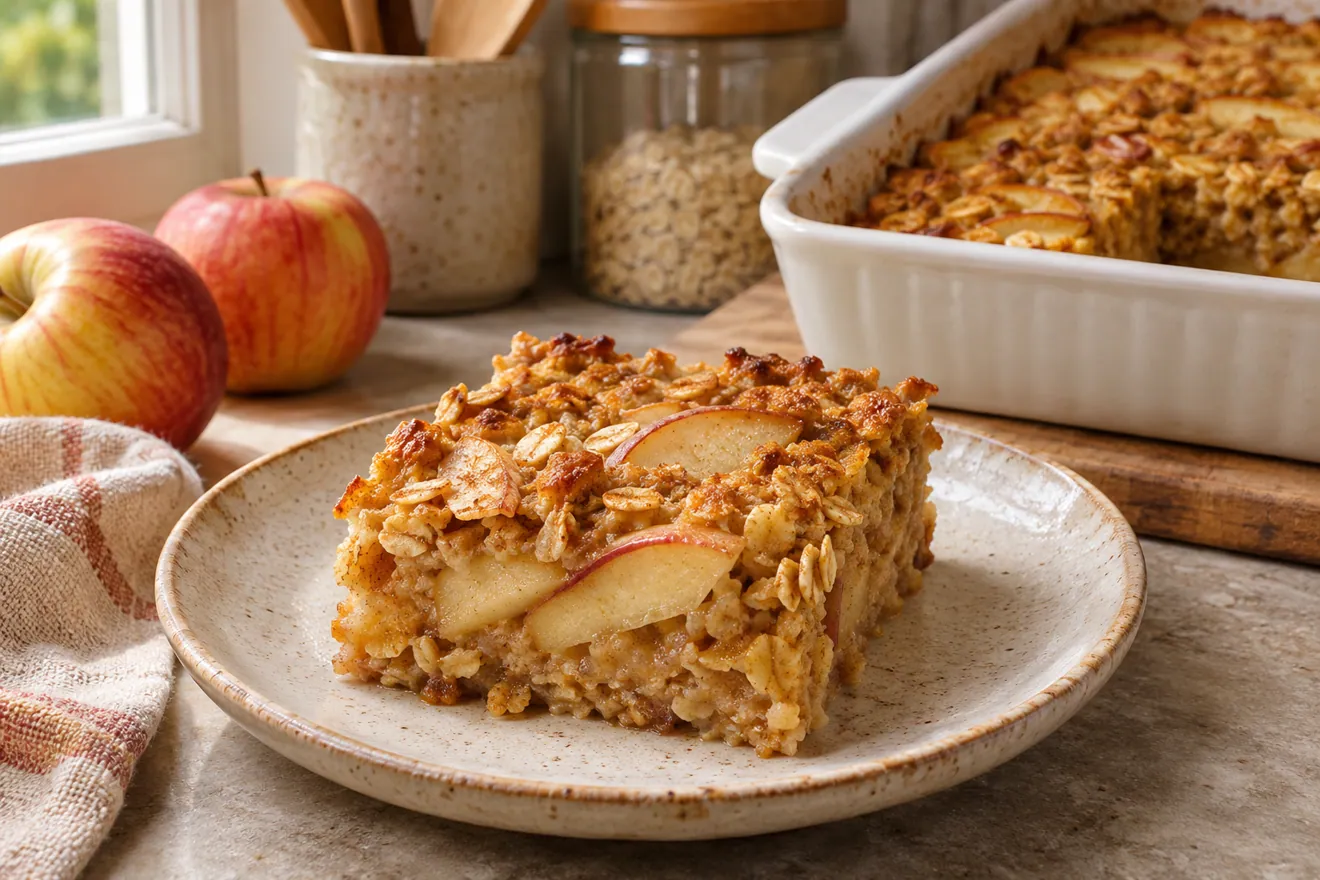
4. Baked Oatmeal with Apples
Baked oatmeal is useful when everyone wants a warm breakfast but nobody wants to stand at the stove. Oats, liquid, spices and fruit bake together into a scoopable or sliceable dish, depending on the formula.
Choose a recipe that accounts for the moisture in the fruit. For baked oatmeal made with eggs, check that the centre reaches 74°C (165°F). Refrigerate leftovers promptly in shallow portions and eat them within two to three days or freeze them. The linked berry-and-nut oatmeal gives the same two-to-three-day refrigerator window and an option to freeze portions.
For a different fruit option, try our berry-and-nut baked oatmeal. Follow its berry quantities and check the nut ingredients before serving.
5. French Toast
Thick slices of bread dipped in egg custard make a comforting classic. Some recipes prefer slightly stale bread because it absorbs the liquid without falling apart. Use a reliable ratio and avoid soaking thin, fragile slices for too long.
Cook egg-based French toast until the thickest part reaches 74°C (165°F) on a digital food thermometer. Keep raw custard and the dishes it touched away from ready-to-eat toppings.
For an air-fryer version, our air-fryer French toast uses thick slices of bread dipped in an egg-and-milk custard.

6. Baked French Toast Casserole
For a larger family, a baked French toast casserole can replace a long series of stovetop batches. Some recipes are specifically designed to rest in the refrigerator overnight, letting bread absorb the custard before baking.
Use a recipe with safe refrigerator storage and exact baking directions; an overnight egg-and-milk casserole should not sit out on the counter. Serve with fresh fruit and a little maple syrup.
For a plant-based variation, our Vegan French Toast Casserole uses a tofu-and-plant-milk mixture and a refrigerated soak. Prepare it according to its own method; it is not a quick swap for an egg custard, and its soaking time comes before baking. Choose bread and other ingredients labelled suitable for a vegan diet; not every bread listed as an example is vegan.

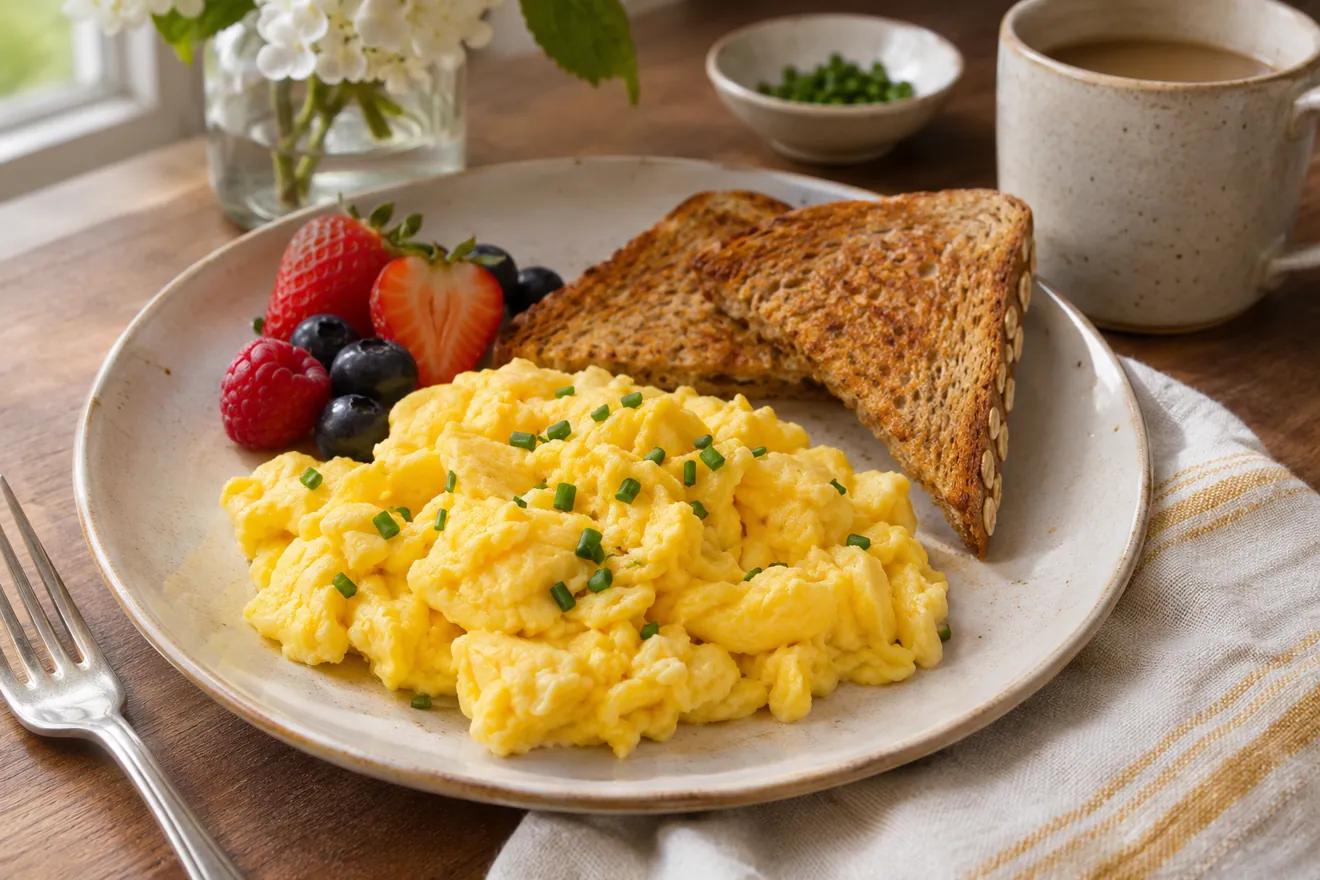
7. Scrambled Eggs and Toast
Eggs with toast can be as satisfying as an elaborate brunch. Prepare the toast and fruit before you begin so the eggs can be served promptly. Choose a recipe and cooking method suited to your preferred texture while following food-safety recommendations for eggs.
Offer a side of tomatoes, sautéed vegetables or fruit. Keep hot pans away from children and avoid making multiple large batches that sit for long periods.
Cook eggs thoroughly and serve promptly. Cook egg dishes to 74°C (165°F) and refrigerate leftovers within two hours. Take particular care when serving young children.
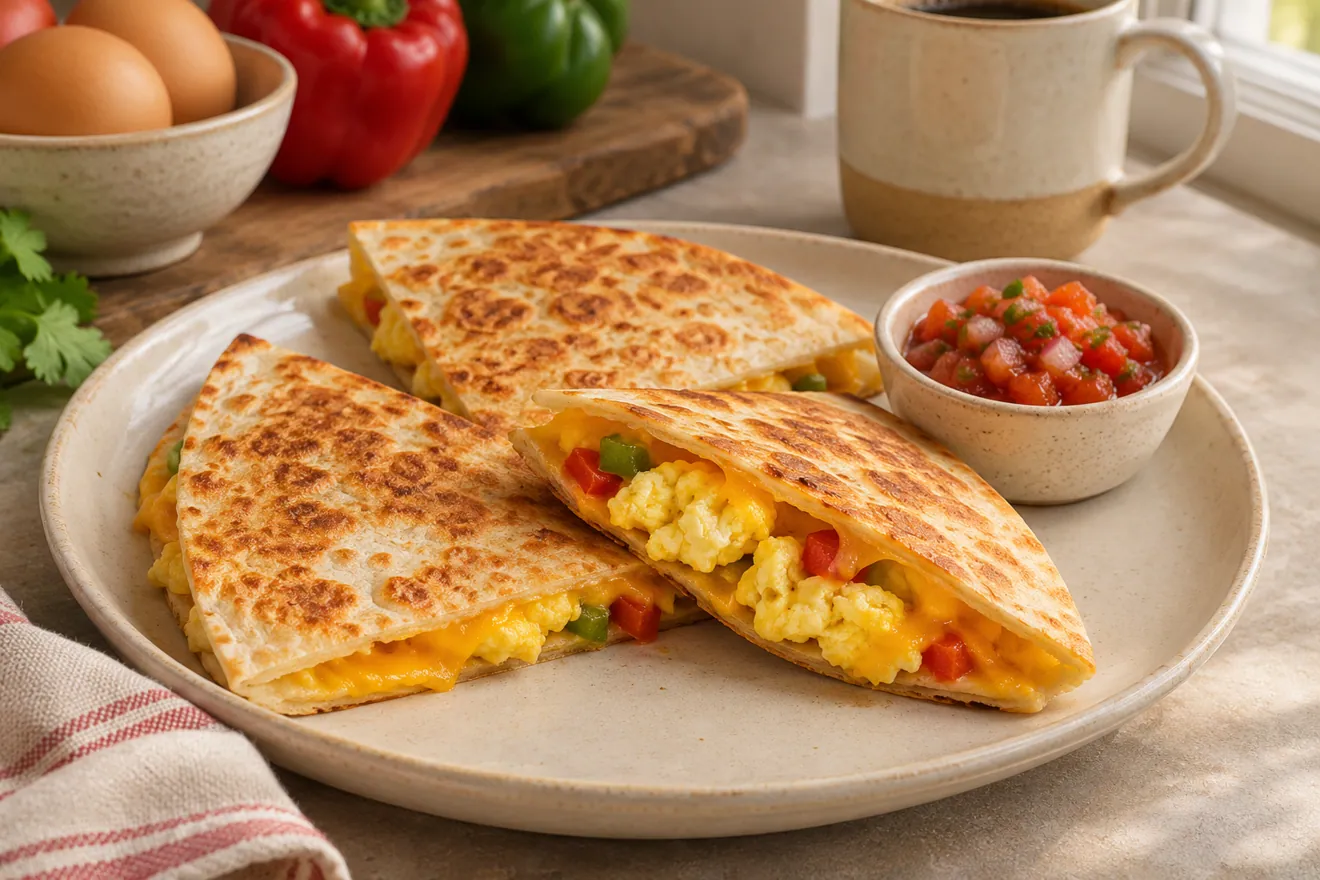
8. Breakfast Quesadillas
A tortilla filled with cooked eggs, cheese and suitable vegetables is convenient for families who want a savoury breakfast. Work from a recipe that cooks fillings safely before assembly and warms the tortilla without scorching.
Cut into manageable wedges after a brief cooling period. Include a mild filling for children and offer stronger flavours separately.
For a cheese-and-pepper variation without an egg filling, try our air-fryer mini quesadillas.
9. Breakfast Sandwiches
Toasted English muffins or other bread can hold eggs, cheese and vegetables for a handheld meal. For a crowd, prepare ingredients in an organized sequence rather than trying to cook a completely separate sandwich for everyone.
Keep cooked egg, meat and dairy fillings under appropriate temperature control. Assemble close to serving if you want the bread to remain crisp.
Our air-fryer breakfast sandwich uses English muffins, eggs and cheese, with bacon or vegetarian bacon. Check that the beaten egg rounds reach 74°C (165°F). If using bacon, cook it fully according to the package directions before assembling.

10. Yogurt, Granola and Fruit Bowls
Not every weekend breakfast needs the oven. A simple yogurt bowl with granola and fresh fruit allows each person to make a serving suited to their appetite. Keep yogurt refrigerated until the bowls are being assembled.
Check ingredients and allergens in granola, which may include nuts or seeds. Add crunchy toppings at serving time to preserve their texture.
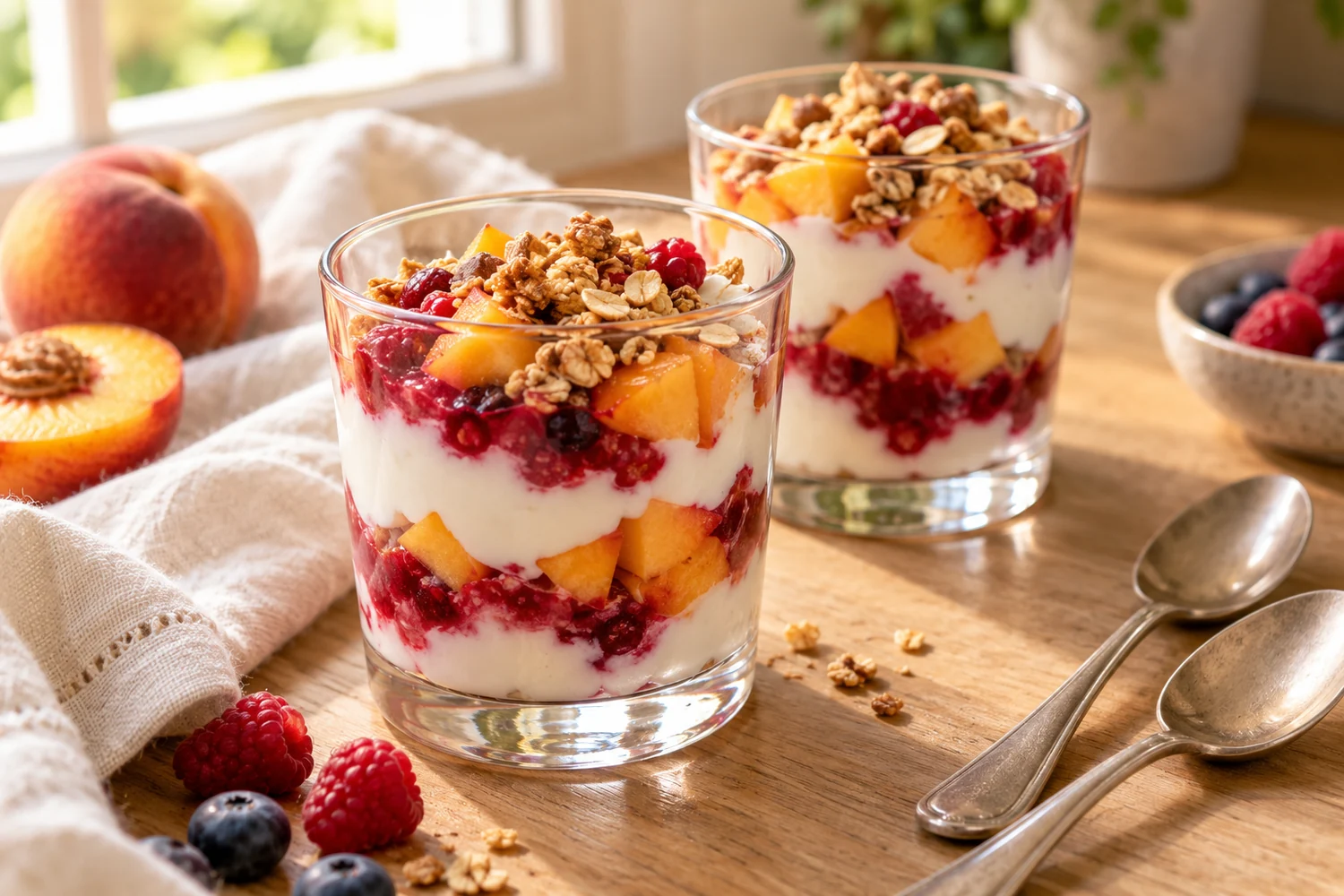
For a layered version, try our Greek yogurt parfait with berries and oat granola. Its topping contains almonds and seeds.
11. Cinnamon-Raisin Toast with Fruit
A good loaf of cinnamon-raisin bread can turn a simple breakfast into something special. Toast slices and serve with sliced pears, apples or berries. If baking the bread yourself, make it ahead according to the recipe and allow complete cooling before slicing.
For small children, adjust food textures and portions to their age. Avoid serving overly hot spreads straight from the stove.
Our Whole Wheat Cinnamon Raisin Bread is a make-ahead option for this breakfast. Its two rises, baking and complete cooling belong in the previous day’s plan, leaving just slicing and toasting for the morning.

12. Savoury Breakfast Muffins
Some muffin recipes are designed around eggs, cheese and vegetables rather than sugar and fruit. They're convenient for portioning, though their high-moisture ingredients often require refrigeration and careful reheating.
Use a proven recipe, especially when including vegetables that release water. Don't assume savoury muffins have the same storage window as plain bakery muffins.
For an egg-based option, try our breakfast egg muffins. Cook the centres to 74°C (165°F). Chill leftovers promptly, eat them within two to three days or freeze them, and reheat to 74°C (165°F) if serving hot.

Choose the Breakfast Based on Your Morning
Thirty minutes or less: consider yogurt bowls, toast and eggs, or a quick pancake recipe whose timing fits. An hour: muffins, baked oatmeal or suitable sheet-pan pancakes can work. A slow morning: French toast casserole or a bread project can be rewarding if the recipe allows the preparation time.
These are planning categories, not promises. Baking, cooling and kitchen cleanup may extend beyond the active cooking time.
Let Children Help Without Slowing Everything Down
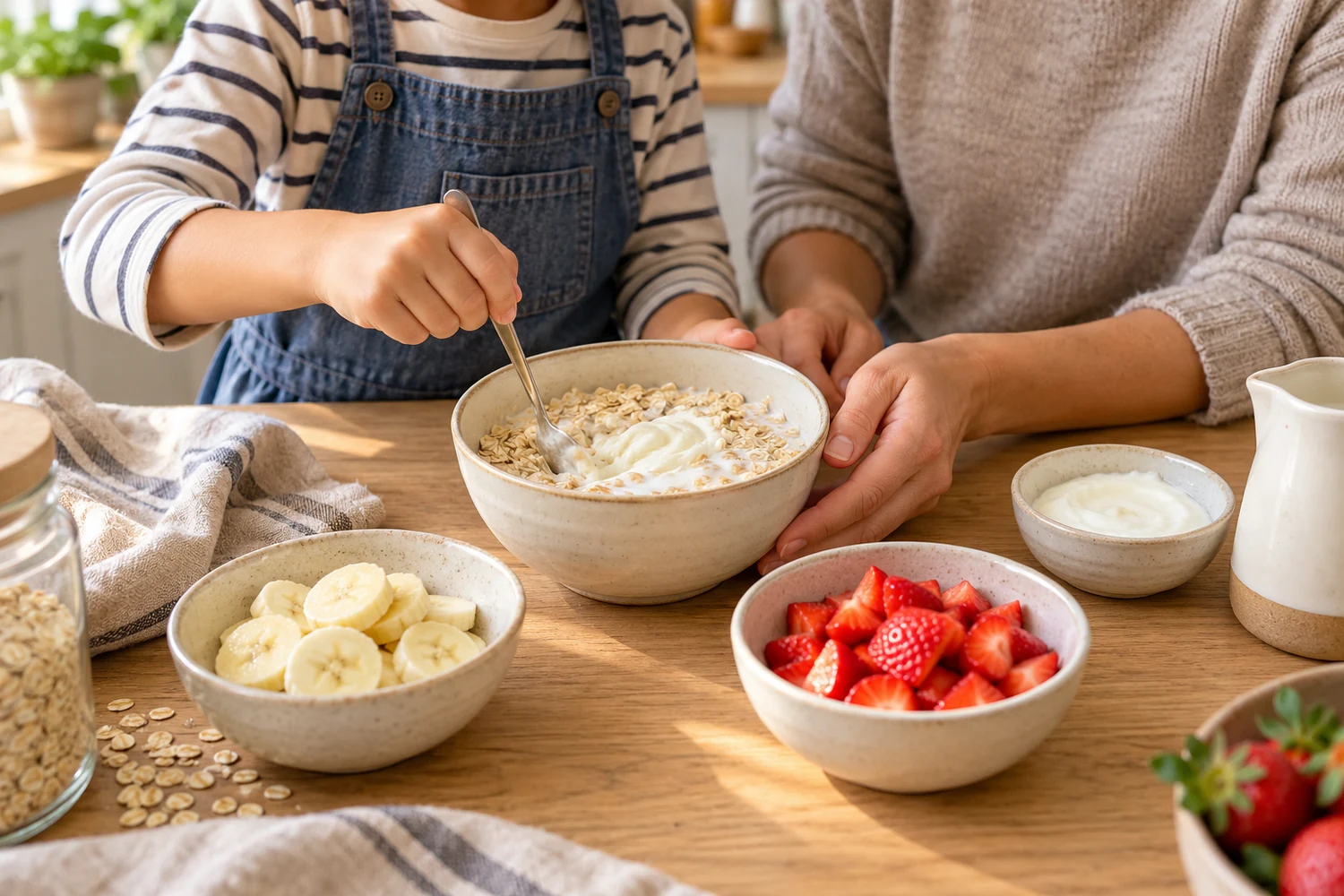
Young children can count muffin liners, wash appropriate fruit with help or stir a cool mixture. School-age children may measure ingredients, mash bananas and choose toppings. Older children can read recipes, weigh flour and help organize the schedule.
An adult should control hot cookware, sharp knives and oven use according to each child's skills. Do not allow children to taste raw batter containing uncooked flour or eggs.
Keep raw batter off tasting spoons, even when a recipe contains no eggs. Uncooked flour can carry harmful bacteria. Give children jobs such as counting liners or arranging ready-to-eat toppings.
A Simple Saturday-Morning Plan
On Friday evening, decide the menu and check ingredients. Set out nonperishable supplies and serving plates. On Saturday, make coffee or tea and prepare fruit first. Then cook the main dish so it reaches the table fresh and at an appropriate temperature.
If making muffins, count cooling time before packing extras. If serving a warm casserole, check when it needs to come out of the oven and whether it requires a rest before slicing.
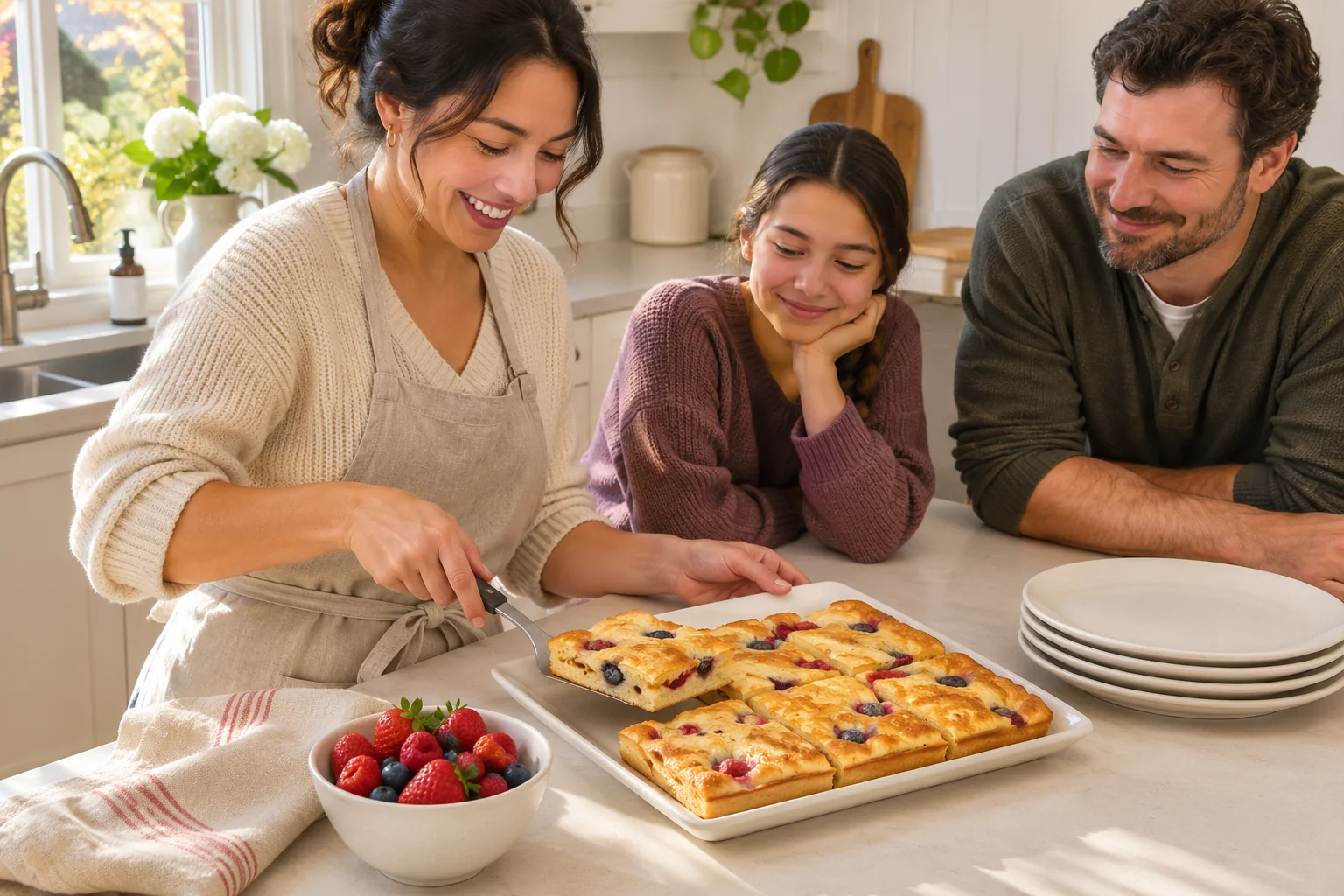
Put serving plates and toppings out before the main dish finishes. With sheet-pan pancakes, cut the cooked slab into portions once it is ready to serve. Put berries on the table separately if people want different toppings. For staggered breakfasts, keep perishable ingredients cold and assemble each plate when someone is ready to eat.
How to Balance Sweet and Savoury
If the main dish is pancakes or French toast, plain yogurt and fruit can provide simple sides without starting another cooked dish. If you are serving breakfast sandwiches, sliced fruit can round out the meal. Choose a main and sides that suit the household’s preferences and dietary needs rather than building an elaborate board.
A balanced breakfast doesn't require one of every food group on a decorative board. Think about the household's preferences, appetites and any dietary needs.
Cooking for Different Wake-Up Times
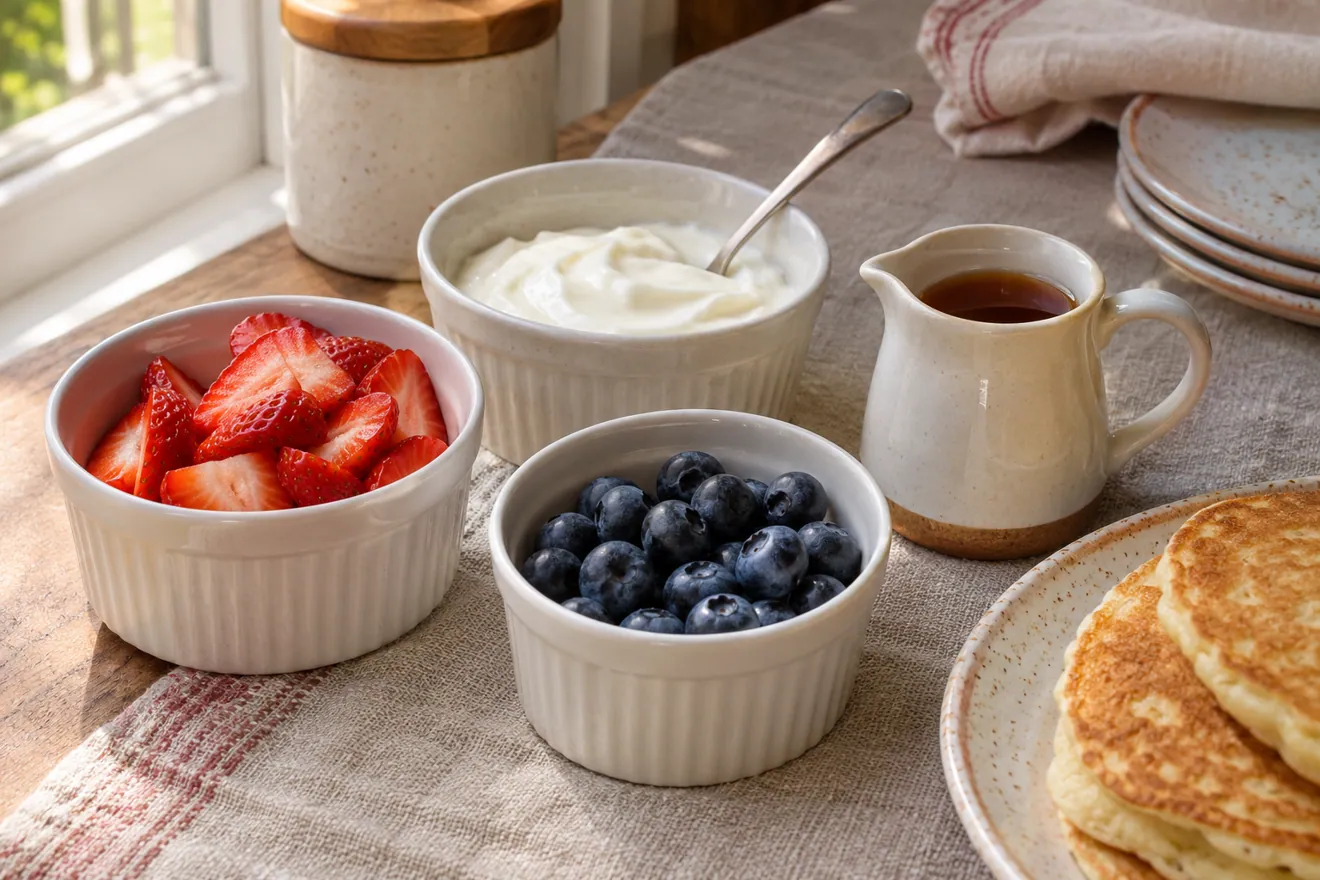
If some family members wake early and others sleep in, choose components that can be safely held or finished separately. Yogurt, fruit and granola can be assembled as needed. Muffins may be prepared ahead, while egg dishes and delicate toast are often better cooked fresh.
Refrigerate perishable leftovers promptly and discard any that have been at room temperature for more than two hours. If serving a portion hot later, check that it reheats to 74°C (165°F).
Keeping Costs Manageable
Use pantry staples such as oats, flour and cinnamon, then select one fresh fruit or a seasonal produce option. Making a double batch can be efficient only when you have a realistic storage plan. A large collection of special toppings often costs more than the main recipe.
Choose recipes that share ingredients across the week. The same oats can become granola or baked oatmeal, while bananas can be used in muffins or served fresh.
Common Weekend Breakfast Problems
Pancakes turn tough: the batter may have been overmixed or cooked at the wrong temperature. Muffins have wet centres: check fruit amounts, oven temperature and bake time. French toast falls apart: the bread may be too thin or soaked too long. Breakfast takes all morning: too many separate dishes are being cooked at once.
Work from a reliable recipe and change one variable at a time when troubleshooting. Simpler plans are often the most repeatable.
Frequently Asked Questions
What is the easiest weekend breakfast for families?
Yogurt and granola bowls, simple pancakes, or eggs with toast are practical starting points. Choose based on the kitchen equipment and how many people you are serving.
What can I make ahead?
Some muffins, loaves, granola and specific overnight casseroles support advance preparation. Follow the recipe's storage instructions.
Can children help make breakfast?
Yes, with age-appropriate tasks such as measuring, mashing fruit or arranging toppings, while an adult supervises hot and sharp equipment.
How do I prevent weekend breakfast from becoming stressful?
Choose one main dish, prepare simple sides first, read the recipe timing and accept that everyone doesn't need a separate custom plate.
Make Weekend Breakfast a Tradition Worth Keeping
A family breakfast doesn't need an elaborate menu to feel meaningful. Warm muffins, fruit and a shared plate of pancakes can be plenty. Choose the project that fits the morning, make room for conversation and leave enough time to enjoy what you've cooked.
IN PICTURES
From the baking notebook
FROM THE RECIPE BOX


