On this page
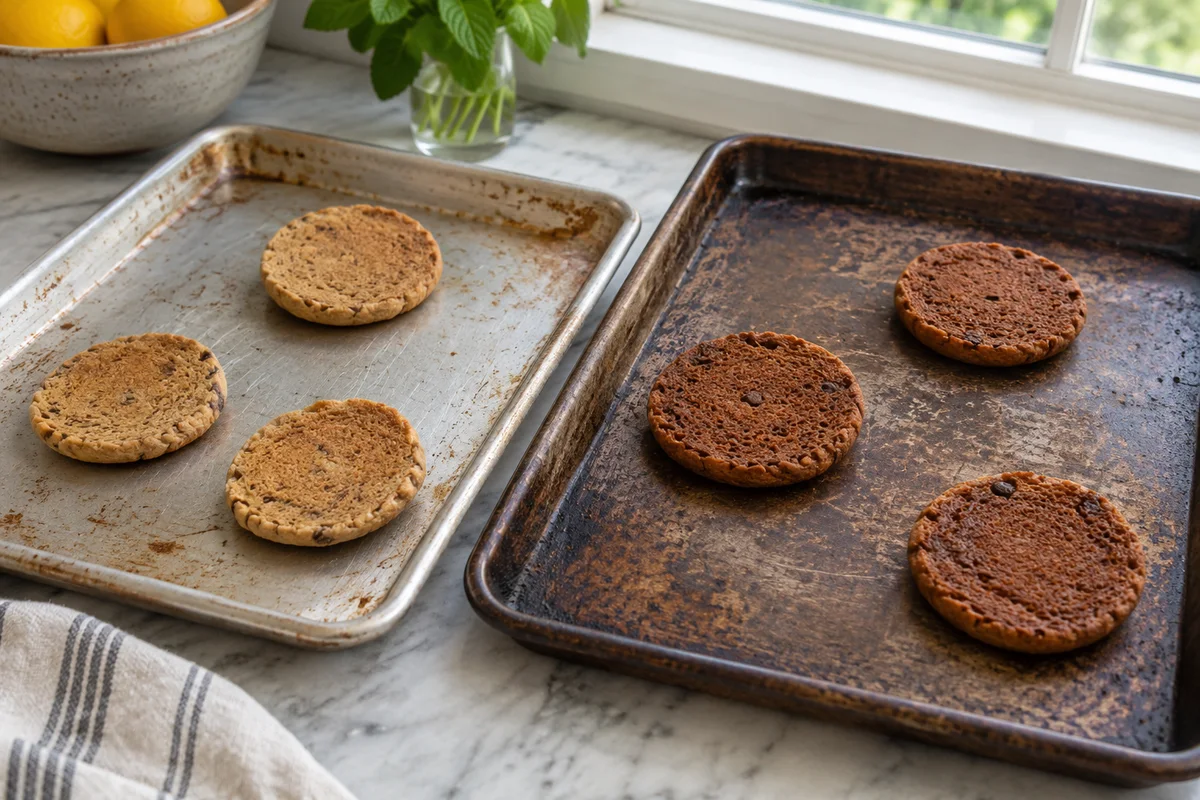
Turn over one cookie from your first tray. Its base can be deep brown even while the top looks pale, especially on a dark baking sheet. To see what your pan contributes, keep the dough, liner and oven rack the same for a second tray.
What light metal does
Light-coloured shiny aluminum reflects more radiant heat than a very dark surface under comparable conditions, potentially producing slower bottom browning. It is popular for even cookie baking, though actual results depend on pan thickness, coating and oven. A light pan doesn't guarantee pale cookies: recipe sugar, oven temperature and placement remain important. The most useful comparison involves the same dough, thickness and rack.
What a dark sheet does
Dark surfaces tend to absorb more radiant heat, often browning cookie bottoms more aggressively. This can be advantageous for some recipes but may produce hard edges or scorched bases in delicate butter cookies. If the recipe was tested on light aluminum, switching to a dark nonstick sheet can change the outcome even with identical timing. Check the manufacturer's temperature limits and whether any adjustments are recommended.
Material matters as much as colour
Aluminum, steel and other metals differ in conductivity and weight. A thin dark sheet may behave differently from a thick dark insulated sheet, and a bright steel tray differs from light aluminum. Nonstick coatings further complicate the comparison. Don't attribute every result to colour alone; examine the full pan construction.
Pan thickness and warping
Thin low-quality sheets may warp in a hot oven, making cookies bake unevenly or liquid butter pool. Heavy-gauge pans generally resist deformation better, but their thermal response differs from very thin sheets. Allow trays to cool safely and avoid sudden cold-water shocks that can encourage warping. A stable flat surface helps consistent portion shapes.
Insulated cookie sheets
Some sheets have an air layer that moderates bottom heating. They may help prevent scorched bases but can slow browning, leaving particular cookies softer or paler underneath. Use them for recipes that benefit from gentler contact heat. An insulated tray isn't automatically superior for every cookie, especially ones needing a crisp bottom.
Parchment changes contact
Oven-rated parchment creates a nonstick barrier and makes cleanup easier. It may influence the heat exchange between dough and metal, but it doesn't erase major differences in pan material. Check the parchment's temperature rating and avoid overhanging corners near heating elements. Reusing charred parchment may impart odours or reduce performance.
Keep the liner consistent when comparing trays of Ginger Crinkle Cookies.

Silicone mats behave differently
A reusable silicone baking mat creates another type of barrier that may change spread, underside colour and moisture retention for particular cookies. Some formulas produce flatter cookies on silicone than parchment. That doesn't mean every dough will respond identically. Test the intended liner with a small batch and keep within the mat's stated temperature range.
Never substitute wax paper in the oven
Waxed paper is not generally an appropriate substitute for oven-safe parchment. Its wax coating can melt and create smoke or other hazards under baking heat. Use materials explicitly rated for your oven and temperature. This simple equipment check is especially important when preparing several trays for a school event or holiday bake.
Spread begins when fat softens
Cookie dough warms on contact with a hot pan. A darker or rapidly heating sheet can influence how quickly butter melts and how the base sets. Dough composition and initial temperature remain critical. A pan choice can make spreading more or less noticeable but cannot fully compensate for an incorrect flour-to-fat balance.
Use one scoop size for Chocolate Chunk Cookies when testing the effect of pan colour.

Bottom colour is a key clue
If cookie undersides are dark while the tops remain pale, inspect pan colour, rack location and oven temperature first. If both top and bottom are pale, the recipe may need more baking time or different heat conditions. A dark bottom isn't necessarily a sign that the cookie center has safely baked; thick dough can remain underdone even while the base scorches.
Shortbread on light sheets
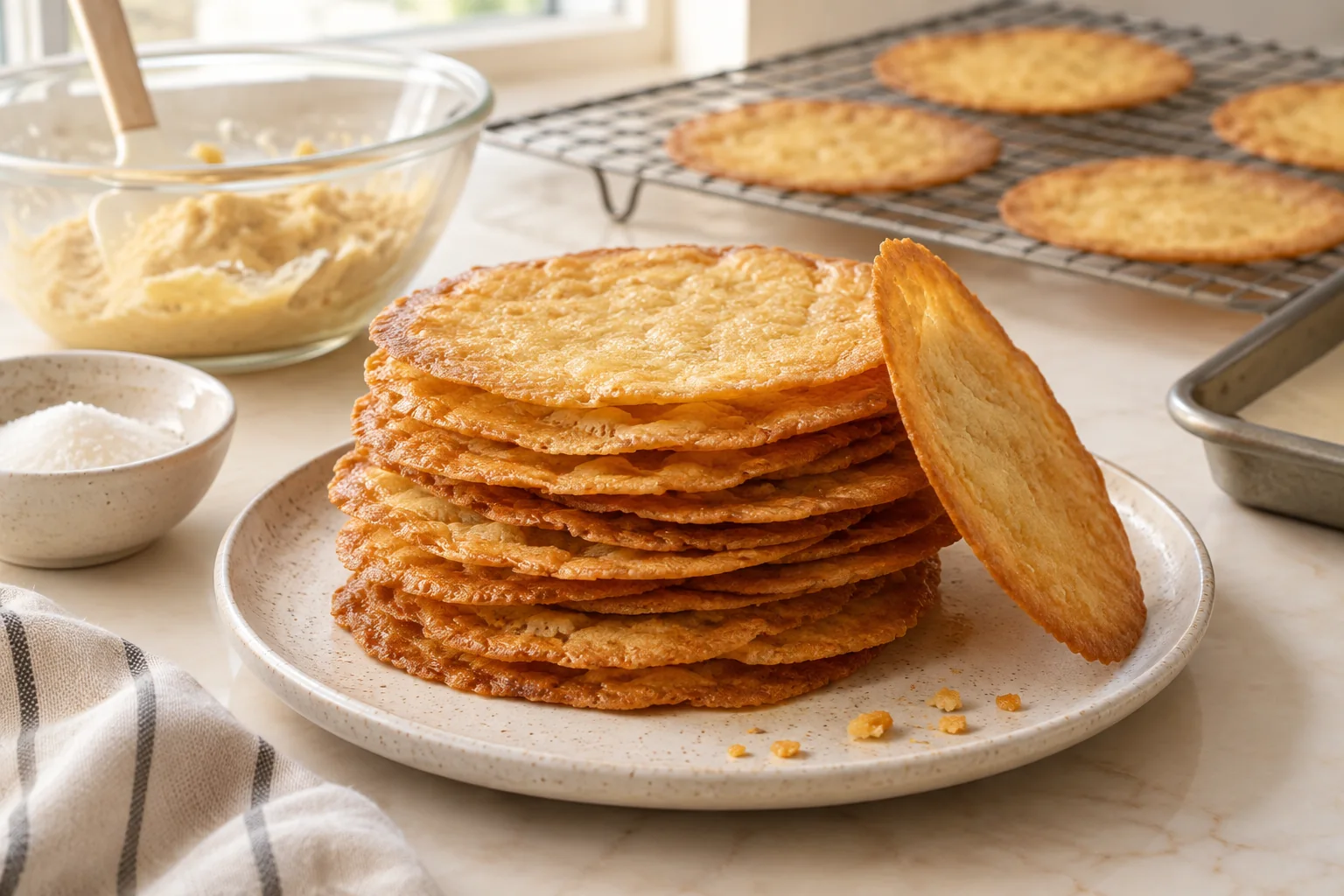
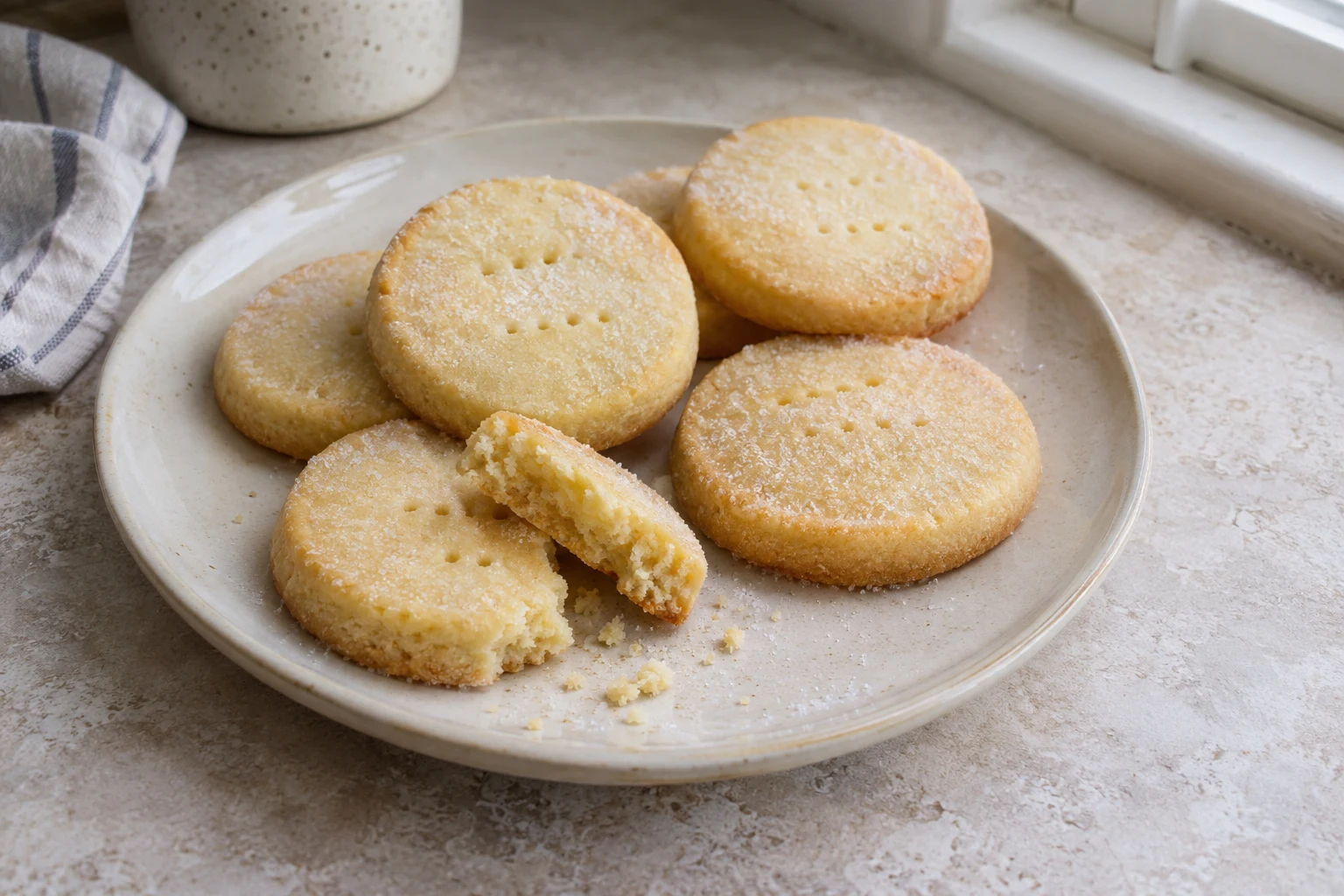
Delicate butter shortbread may benefit from a pan that doesn't aggressively brown the base. Many shortbread recipes aim for only modest golden edges. A dark pan can turn thin slices bitter before their intended texture develops. Follow the source's baking sheet recommendation rather than assuming a dark pan always creates superior flavour.
The pale dough in Vegan Shortbread Cookies makes changes in browning easy to see.
Chocolate chip cookies
Chewy chocolate chip cookies need a balance between set edges and tender centers. A darker sheet may produce crispier or browner bottoms, depending on timing. Some people enjoy that contrast, while others prefer a softer result on light aluminum. If you change trays, bake a small sample first instead of using the same time and expecting a perfect match.
Bake a few Classic Chocolate Chip Cookies on each sheet and compare their undersides after cooling.

Sugar-cookie cutouts
For decorated cutouts, even baking and shape retention are important. Use the author's recommended pan and lining, keep rolled thickness consistent, and chill if instructed. A tray that overheats edges can create visibly uneven colour under royal icing. Light pans are a reasonable starting point for many tested cutout-cookie recipes, but technique still matters.
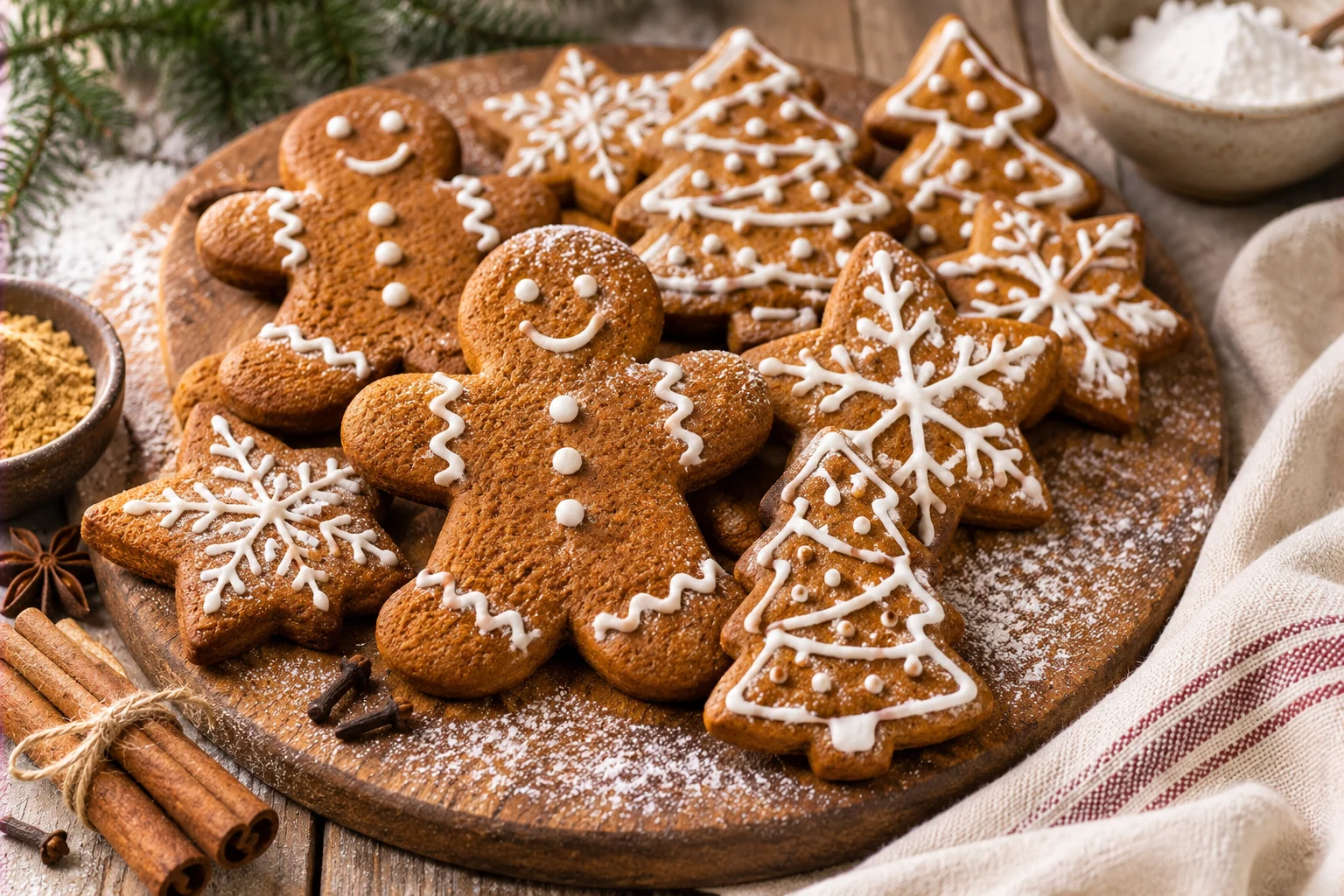
With Gingerbread Cookies, check the small points of each cutout as well as the broad centre.
Convection and rack position
Fan-assisted ovens move hot air and may increase browning, especially on exposed edges. A dark pan on a high or low rack can exaggerate uneven results depending on oven design. Some convection ovens automatically change temperature displays. Consult the appliance manual and recipe, then make one controlled adjustment rather than changing fan setting, pan and dough simultaneously.
Space between cookies
Crowded trays restrict air circulation and allow spreading portions to touch. Even the best sheet cannot make two merged cookies bake as separate rounds. Follow spacing guidance, particularly for large bakery cookies. Using more trays with adequate space may give better texture than loading one dark sheet edge to edge.

Don't scoop onto a hot tray
A hot pan starts warming fresh cookie dough before baking begins, changing spread. This can make successive batches look inconsistent even when they share the same oven. Cool sheets on a rack between rounds or alternate two trays. Avoid warping by placing extremely hot metal directly into cold water.
How to compare sheet pans
Bake equal-weight portions of the same dough on each pan in separate comparable trials. Use the same oven rack, temperature, cooling method and parchment condition. Measure finished diameter and examine top and underside colour. Record the moment each reaches the recipe's endpoint. This shows the combined effect of your actual pans rather than relying on assumptions from their appearance.
Repeat the comparison with Oatmeal Chocolate Chip Cookies before drawing conclusions about another dough.

Should you lower the oven temperature?
Some manufacturers recommend adjustments for dark coated pans, but blanket reductions aren't always appropriate. Changing temperature alters spread, top set and center baking. Start with the tested recipe and pan recommendations, then follow manufacturer guidance when substitution is unavoidable. Never serve underbaked centers merely to prevent a darker base.
Pan care and longevity
Use cleaning methods compatible with the pan's finish and avoid damaging nonstick coatings with sharp tools. Store sheets flat so they don't bend. Discard cookware with severely damaged surfaces that the manufacturer identifies as unsuitable for food use. A small collection of reliable well-understood pans is more valuable than owning many surfaces you haven't tested.
IN PICTURES
From the baking notebook
FROM THE RECIPE BOX


