On this page
Look at the juice between the apple slices or berries in a cooled pie. It can be soft and cloudy, glossy and clear, or stiff enough to pull away from the fruit. The thickener helps create that texture, along with the amount of juice, the time the filling spends bubbling and how long it cools.
Why fruit filling thickens
Fruit releases water and dissolved sugars as it cooks. Starch granules absorb water and swell when heated sufficiently, thickening the liquid around the fruit. The result continues to change as it cools, so a pie that is runny straight from the oven may set into clean slices after several hours. Different starches gel at different conditions and can lose thickness if overcooked in acidic mixtures. Use a tested formula for both ingredient quantity and baking endpoint.
Look at the fruit and thickener together in Plum Pie to see what has to bind the juice as the plums soften.
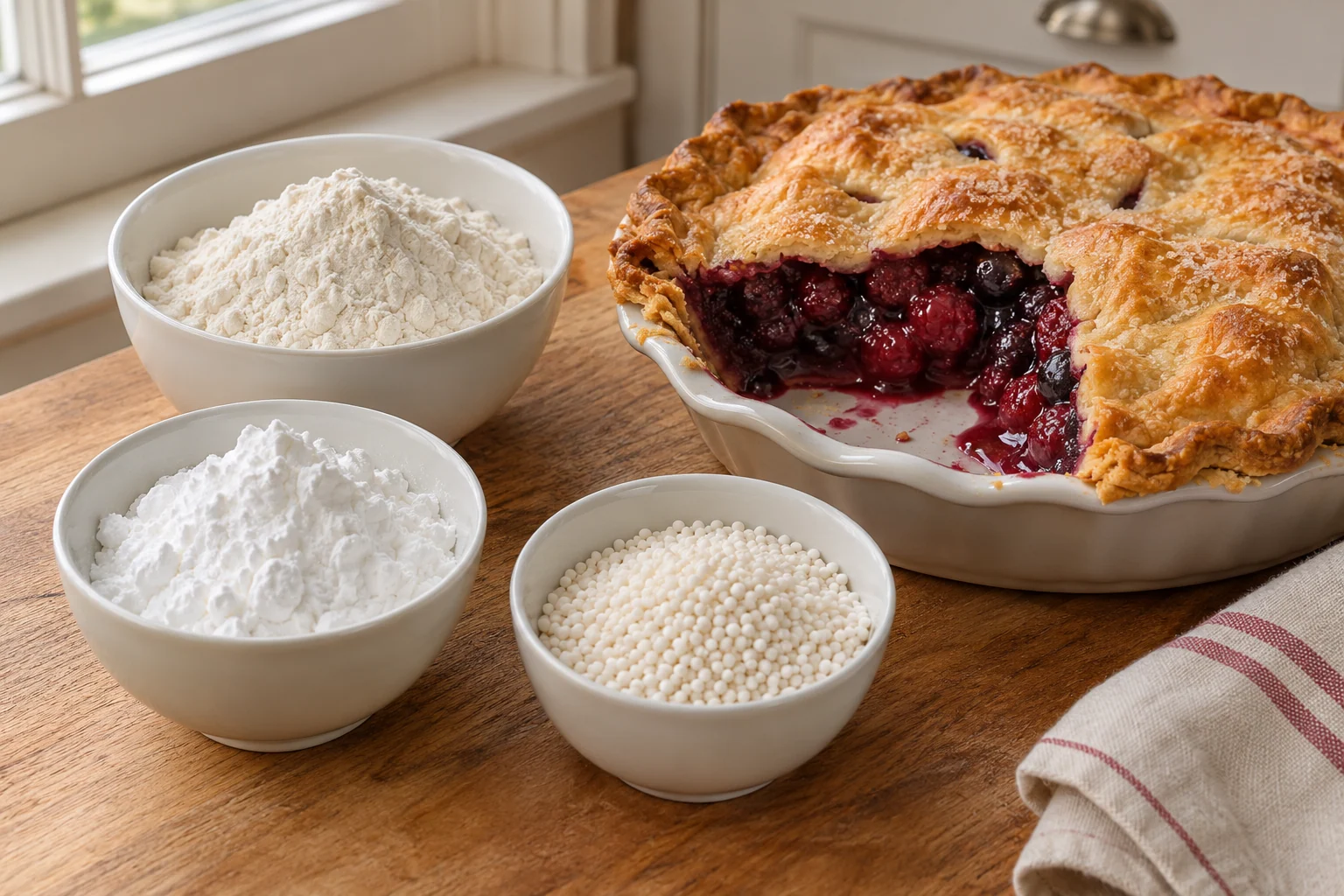
What all-purpose flour contributes
All-purpose flour gives fruit juice body and usually leaves a more opaque finish than cornstarch or tapioca. It is a familiar choice with apples. Measure the flour listed under the filling separately from what you use for pastry and rolling.
Read the filling portion of Classic Apple Pie to see where its flour goes. Flour used for the pastry does a separate job.

What cornstarch contributes
Cornstarch can produce a glossy filling with a fairly clean fruit flavour. Distribute it as the recipe directs, often by mixing it with the sugar before coating the fruit. A dry lump has trouble dispersing once the surrounding juice begins to thicken.
The measured cornstarch in Blueberry Pie is meant for its quantity of blueberries. Start there before changing the set.

What tapioca contributes
Read the packet. Tapioca starch, often labelled tapioca flour, is a fine powder. Quick-cooking tapioca comes as small granules, and regular large pearls are a different product. Use the form named in the recipe and give granules any prescribed standing time.
For 750 g of berries, Raspberry Pie specifies 40 g of tapioca flour and gives cornstarch as an alternative. The named tapioca is a powder.

Clarity in berry pies
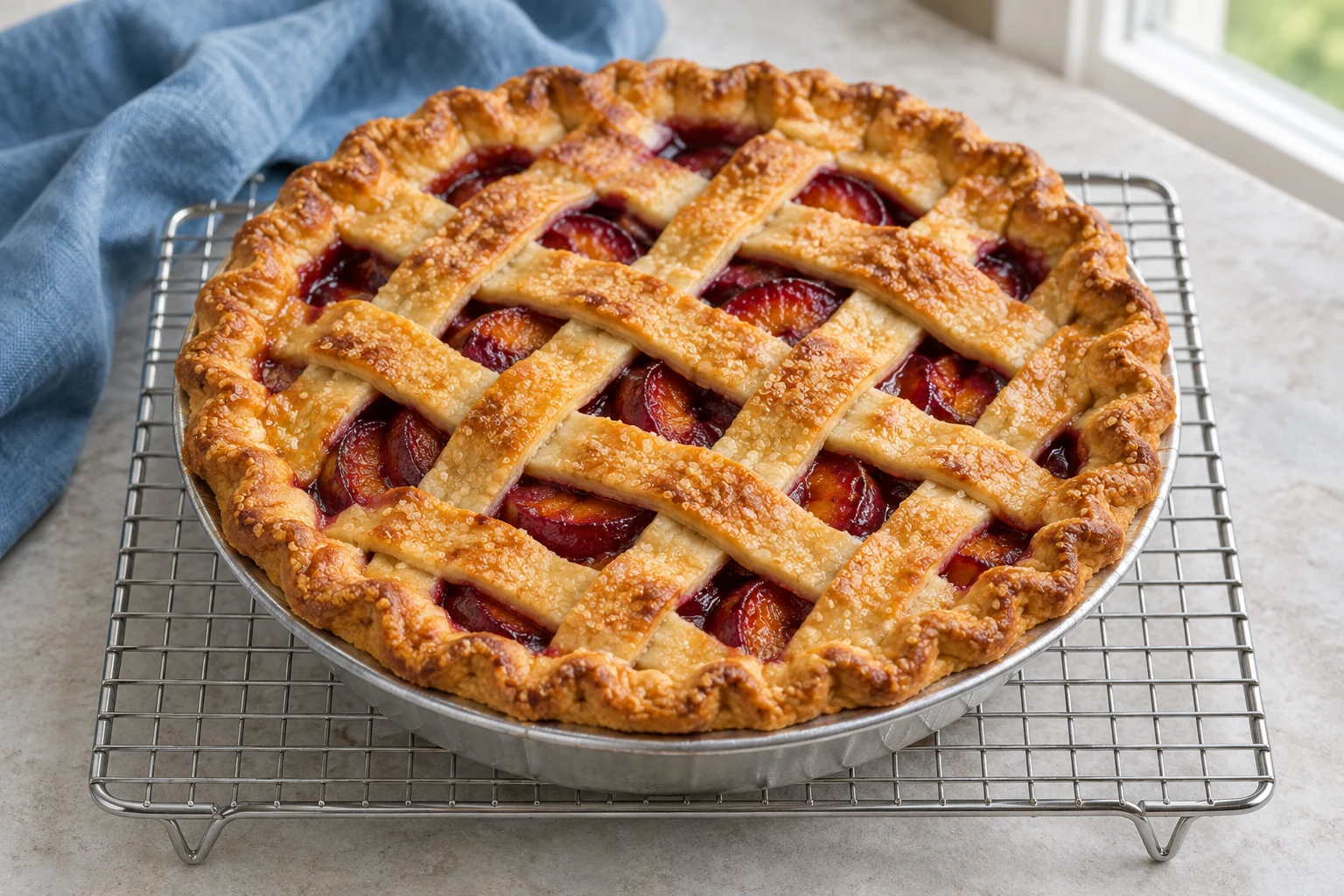
If you want vibrant strawberry or cherry filling visible beneath a lattice, a starch that produces a relatively clear set can be attractive. Cornstarch and tapioca often offer more clarity than wheat flour, though appearance also depends on fruit and quantity. A cloudy pie isn't necessarily poorly baked; it may simply contain flour. Choose the thickener that suits the intended flavour and texture rather than selecting solely by shine.
Dark fruit in Blackberry Lime Pie makes the gloss around the berries easy to see once the pie has cooled.

Apple pie filling behaves differently
Apples vary in water release and how well their slices hold shape. A firm baking apple may need less thickening than a watery variety or a very wet pre-cooked filling. Flour can work well in some traditional apple pies, while cornstarch or tapioca are common in other formulas. Match the recipe's apple variety and slice size where possible; an extra handful of juicy fruit changes the starch-to-liquid balance.
Blueberries and raspberries release juice
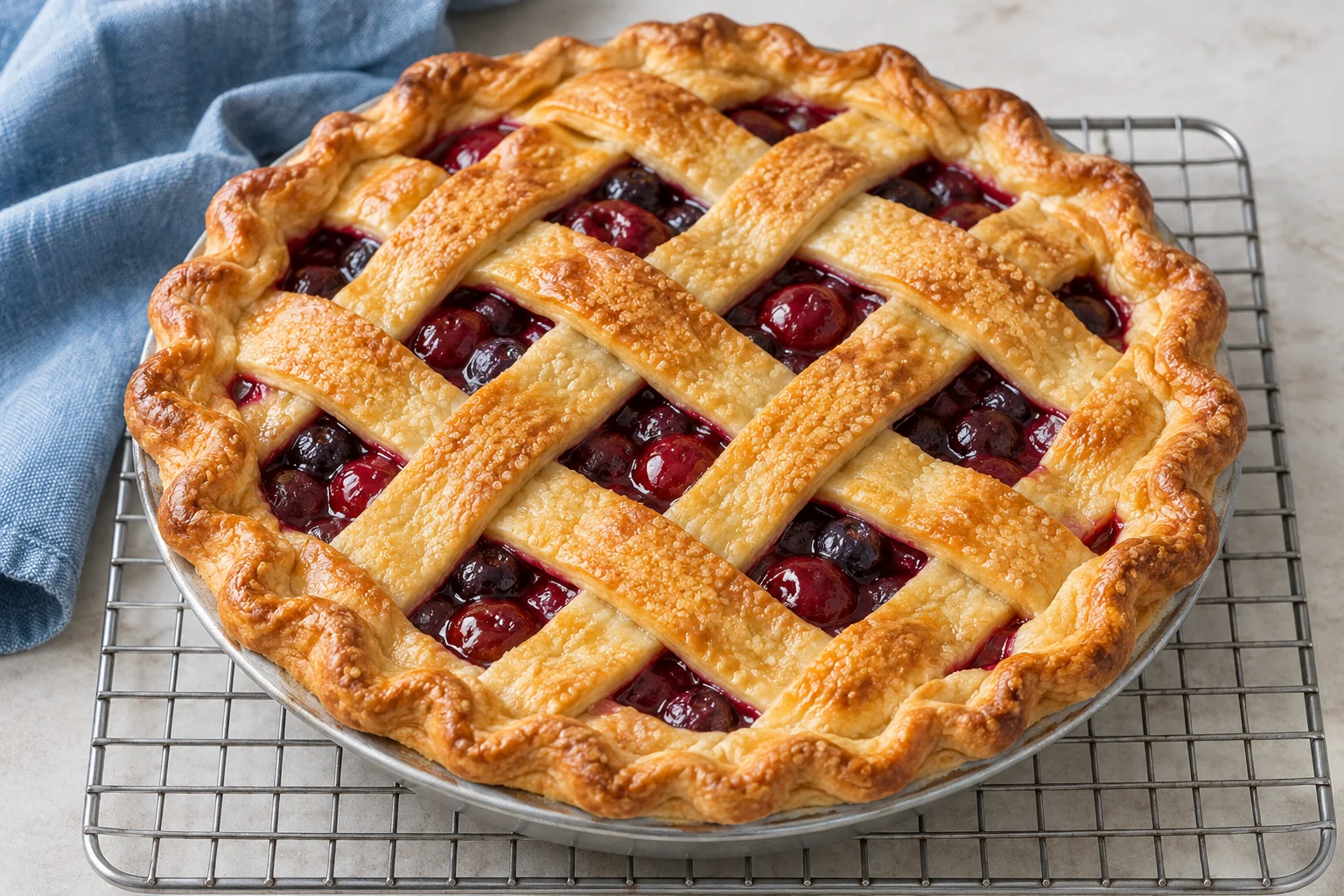
Berries can produce a large amount of liquid as cell walls break down during baking, especially when frozen. A berry pie may need an appropriate thickener and more time for the centre filling to bubble. A beautifully browned lattice top doesn't mean the starch underneath has fully gelatinized. Follow visual and temperature cues provided by the recipe and cool the pie long enough for the gel to set.
In Cherry Blueberry Pie, juice comes from two fruits. Weigh both portions before measuring the starch.
Frozen fruit complicates thickening
Frozen fruit can release a pool of juice as it thaws. Some recipes want the fruit frozen, while others specify thawing and draining or reducing the juice. Follow that instruction before assessing the thickener quantity, since it changes what the starch needs to bind.
Follow the fruit guidance for Blueberry Crumble Pie if you change from fresh to frozen berries. A crumble top exposes more surface than a solid lid.

Acid affects starch stability
Lemon juice brightens fruit flavour but changes the filling's acidity. Prolonged heating in acidic conditions can weaken some starch gels. Tapioca, cornstarch and wheat flour respond differently, and the recipe should balance acidity, fruit and cooking time. Adding several extra tablespoons of lemon juice to a finished pie formula can change both flavour and thickening. Zest is a different ingredient with less liquid impact.
Use the citrus specified in Cranberry Orange Pie when comparing batches so the acidity of the filling stays consistent.
Sugar also influences the filling
Sugar draws moisture from fruit and influences the available water and texture of a starch gel. Significantly reducing it may change thickening and fruit juiciness; increasing it can alter sweetness and boiling behaviour. A lower-sugar pie is best made from a formula designed for that goal. Honey and maple syrup contribute liquid as well as sugar, so they aren't equivalent dry sweetener substitutions.
The sweet ingredients in Caramel Apple Pie are part of its filling balance. Keep them constant when investigating a runny slice.

Why more thickener isn't automatically better
Too much cornstarch can make a filling rubbery, excess tapioca can feel stringy, and excessive flour may leave a heavy pasty texture. The goal is fruit surrounded by a lightly set juice, not a solid block of gel. A filling that slices cleanly but feels gummy isn't a success. Measure the thickener carefully and let a fully baked pie cool before deciding whether the quantity was insufficient.
Compare the slice of cooled Cherry Pie with your last batch before deciding that another spoonful of thickener is necessary.
Can you substitute one thickener for another?
Do not assume equal spoonfuls of flour, cornstarch and tapioca will behave alike. When the filling recipe gives a tested alternative, use the quantity and form it names. Otherwise, choose another formula written for the thickener in your cupboard.
Fruit should be weighed
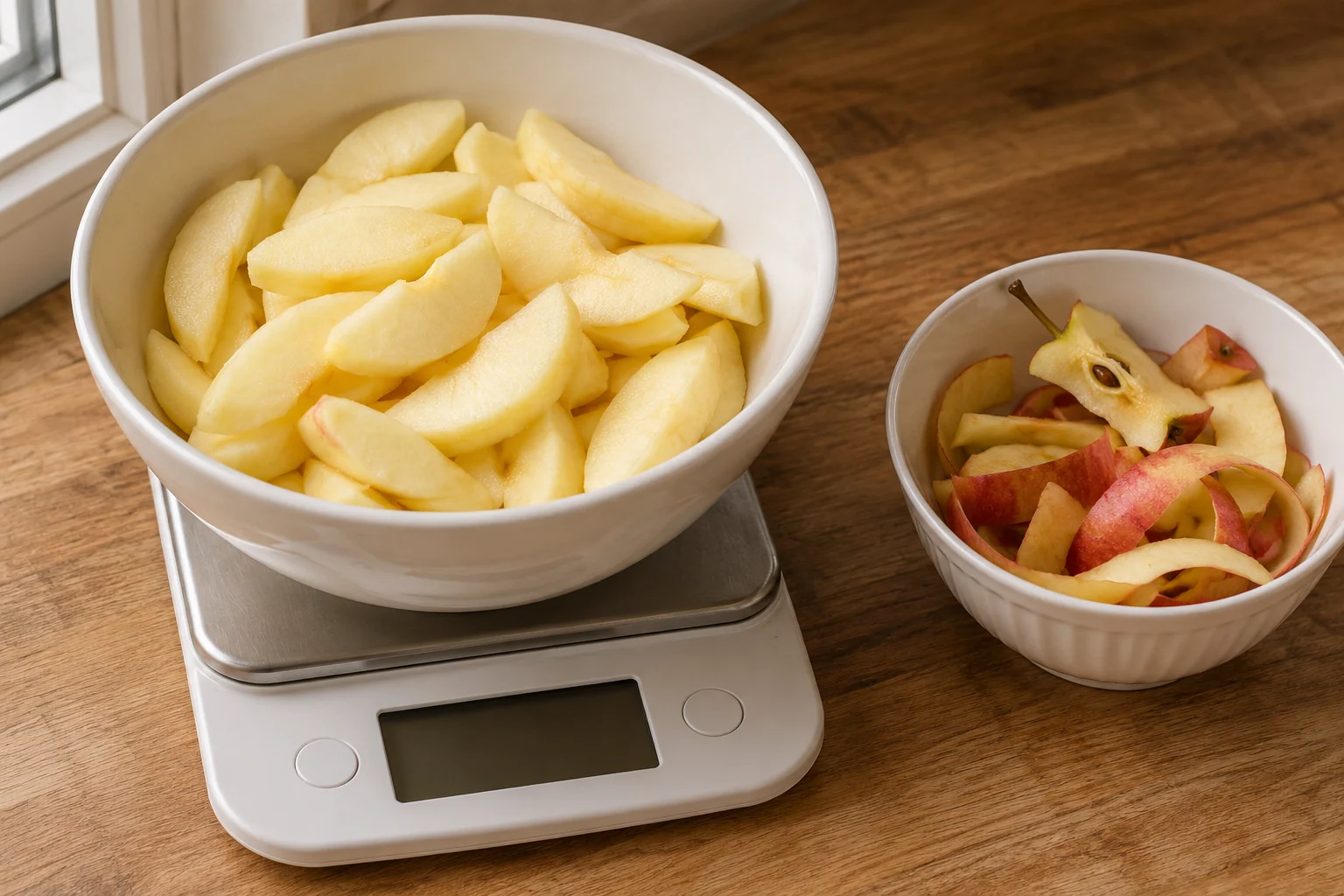
Four cups of loosely packed sliced apples can differ from four cups of tightly packed small fruit pieces. A kitchen scale helps control the fruit-to-thickener ratio and repeat successful results. Weigh thawed or drained fruit according to the recipe's instructions. If making a large pie for a party, scaling should use actual weights rather than adding thickener by eye after the fruit has already been mixed.
The fruit weights for Strawberry Rhubarb Pie keep the balance between juicy strawberries and cut rhubarb reproducible.
How to combine starch without lumps
Most recipes toss dry thickener with sugar or fruit to distribute it evenly. Some pre-cooked fillings make a slurry according to their method. Don't sprinkle dry cornstarch onto a hot wet pot without appropriate mixing, as it can form stubborn lumps. For an uncooked fruit pie, mix thoroughly but gently enough to avoid crushing delicate berries before baking.
Distribute the thickener through the fruit for Peach Pie as its method directs so dry pockets do not survive the bake.

Resting instant tapioca
When quick-cooking tapioca needs to stand with the fruit, stir it through evenly and give it the specified time. A rest that suits granules is not a blanket instruction for tapioca starch. Leaving dry granules in a heap can give one slice a gritty patch.
Bake until the filling actually cooks
Starch needs heat and sufficient moisture to thicken. In many fruit pie recipes, the filling must bubble vigorously near the centre, not merely around the edge. Follow the formula's recommended oven temperature, shield darkening pastry as needed and use a suitable pan. Removing pie early because the top crust looks golden may leave uncooked starch and a filling that runs when sliced.
Check for bubbling nearer the middle of Apricot Pie before calling the filling cooked.

Cooling allows the set to develop
Fruit filling continues to thicken as it cools, and hot gel can look much looser than at serving temperature. A pie cut immediately after baking will often release juice. Let the pie cool for the period specified by its recipe before judging the thickener. Reheating may soften the filling again, which is normal. Patience can solve a perceived runniness problem without adding extra starch.
Let Apple Blackberry Pie cool before lifting the first wedge. Hot juices and the final cool set can look quite different.
Freezing and thawing
Some starches hold texture through freezing better than others, but performance depends on recipe and concentration. Cornstarch-based fillings may weep after thawing in some formulas, while certain tapioca mixtures remain more stable. Use a tested freezer-pie recipe rather than assuming the fresh-baked conversion works identically after frozen storage. Oven and pan safety during frozen baking also matter.
A side-by-side experiment
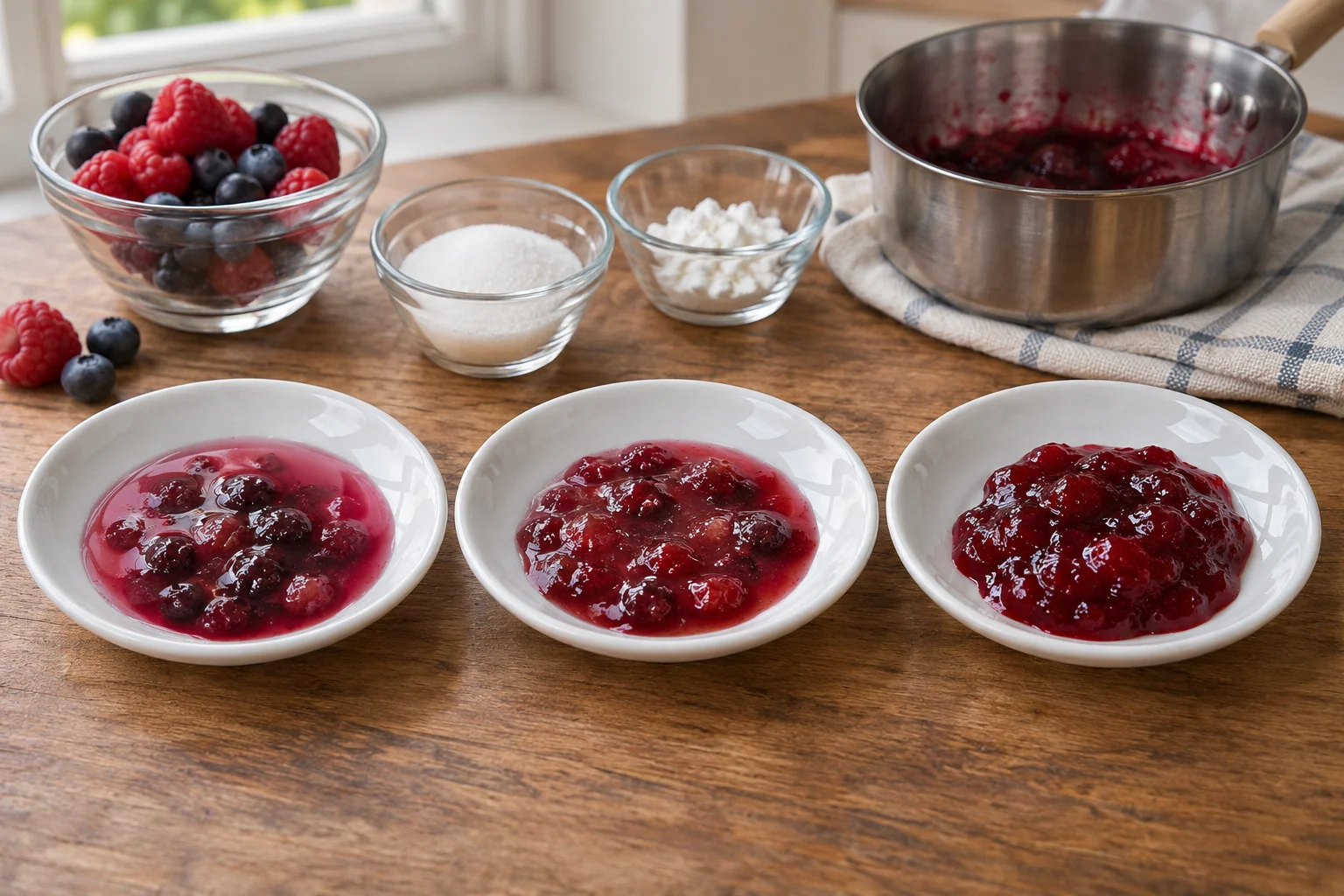
For a fair comparison, use the same fruit, ripeness, weight, sweetness, dish size and cooling time. Make each filling with the amount and form its own recipe calls for. Look for juice that stays with the fruit, then taste whether the thickener adds cloudiness, grit or a gummy bite.
Frequently asked questions
Is cornstarch always clearer than flour? Often, but results vary. Is tapioca flour the same as instant tapioca granules? No. Does frozen fruit always need extra starch? Not automatically. Can I add thickener after the pie is baked? Not reliably without changing the filling process. Why is my pie runny when hot? Starch gels continue setting during cooling. What is the best thickener? The one tested for your fruit, texture and storage plan.
Does a thickener fix firm apple pieces? Check the slice thickness in Apple Chai Spiced Pie first. Tender fruit and juice that sets are two separate parts of the bake.

The reliable path to sliceable fruit pie
Match thickener to fruit, measure by weight when possible, bake until the centre reaches its proper endpoint and allow ample cooling. Flour, cornstarch and tapioca are tools with different strengths, not universal equivalents. The most appealing filling tastes like fruit first and thickened starch second.
IN PICTURES
From the baking notebook
FROM THE RECIPE BOX


