On this page
A scoop stamped 40 does not portion forty grams of dough. The number describes volume. A scale helps translate that volume into the number of cookies you can expect from the bowl in front of you.
Why portion consistency matters
If one cookie ball weighs twice as much as another, the large one may be underbaked when the small one is dry. Different portion weights also produce inconsistent spread and yield. A scale and a scoop can turn a batch into predictable pieces, particularly when preparing bake-sale bags or sandwich-cookie pairs. Precision doesn't eliminate homemade charm; it keeps every bite similar.

What disher numbers traditionally mean
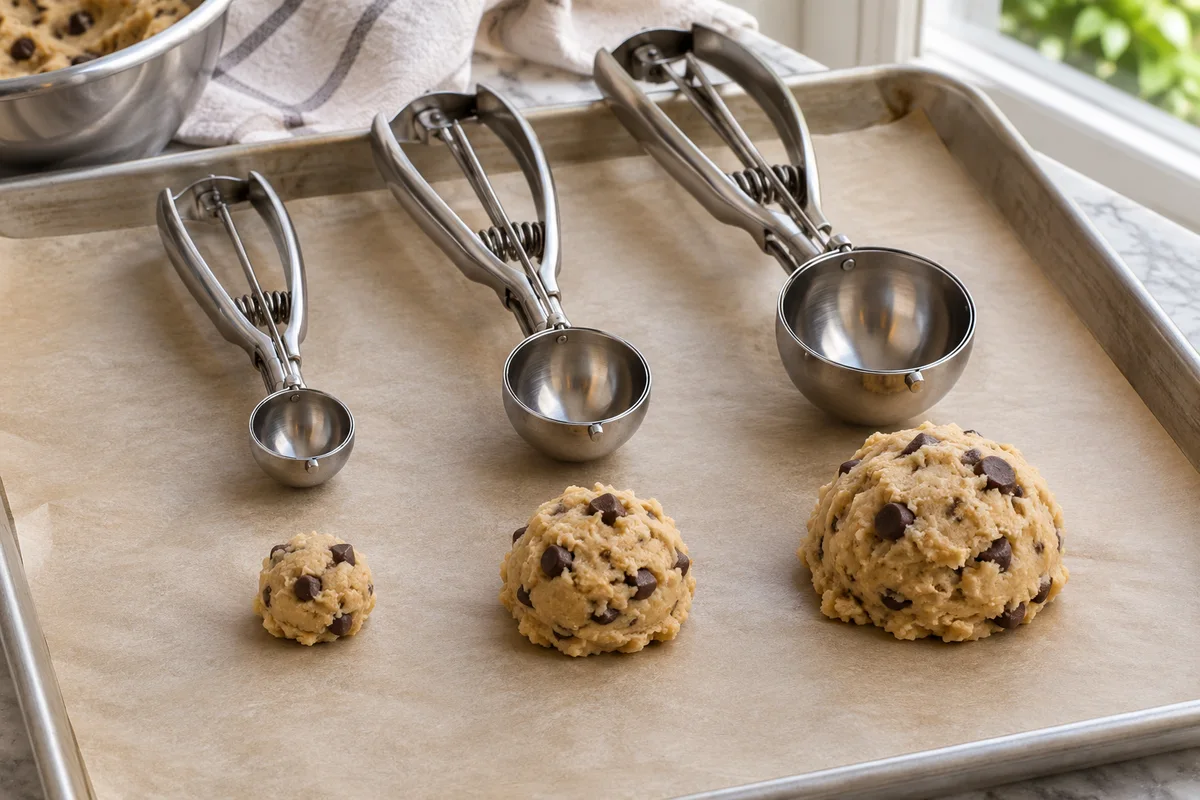
Commercial dishers are often numbered according to approximately how many level scoops make a U.S. quart, with larger numbers indicating smaller scoops. Manufacturer conventions and consumer labeling vary, so verify the stated milliliter or tablespoon volume rather than trusting the number alone. A #16 disher and a #40 disher will generally make substantially different portions under traditional numbering.
Quick scoop conversion chart
Approximate level capacities for traditional US dishers, using a 15 mL tablespoon:
No. 60 — 16 mL, just over 1 tablespoon
No. 40 — 24 mL, about 1½ tablespoons
No. 30 — 32 mL, just over 2 tablespoons
No. 20 — 47 mL, just over 3 tablespoons
Use the capacity stamped by the manufacturer if it differs. Weigh a level scoop of your own dough before converting these volumes into a yield.
Volume is not weight
Two doughs occupying the same scoop may weigh differently because of fat, flour, air and mix-ins. A dense chocolate dough can weigh more than a fluffy aerated sugar-cookie dough at the same volume. Scoop size is therefore not an exact grams-per-cookie measure. Weigh several portions from the actual recipe to establish a useful average.

A simple scale method
Place a small bowl on a digital kitchen scale, tare it, dispense one level scoop and note the grams. Repeat five times, then compare and average. If the spread between scoops is large, adjust how firmly you fill and level the tool. This short exercise gives you a practical portion weight without needing a chart that promises one universal result.
Weigh the first few portions of Classic Chocolate Chip Cookies to establish the average for your scoop.

Small scoops and mini cookies
Small scoops work well for bite-size chocolate chip cookies, small truffles and some mini muffins. Because portions are small, they heat through quickly and may need shorter baking than the source's standard size. A very small cookie can become crisp even if the original formula was designed to be chewy. Look for a tested mini-cookie method.
Medium scoops
A medium scoop often suits conventional home-style drop cookies, though its actual grams vary by brand and dough. Check the recipe's listed yield: if the dough is expected to make twenty-four cookies, using a large scoop may halve that count. Consistency is more valuable than choosing an item advertised as professional bakery size.
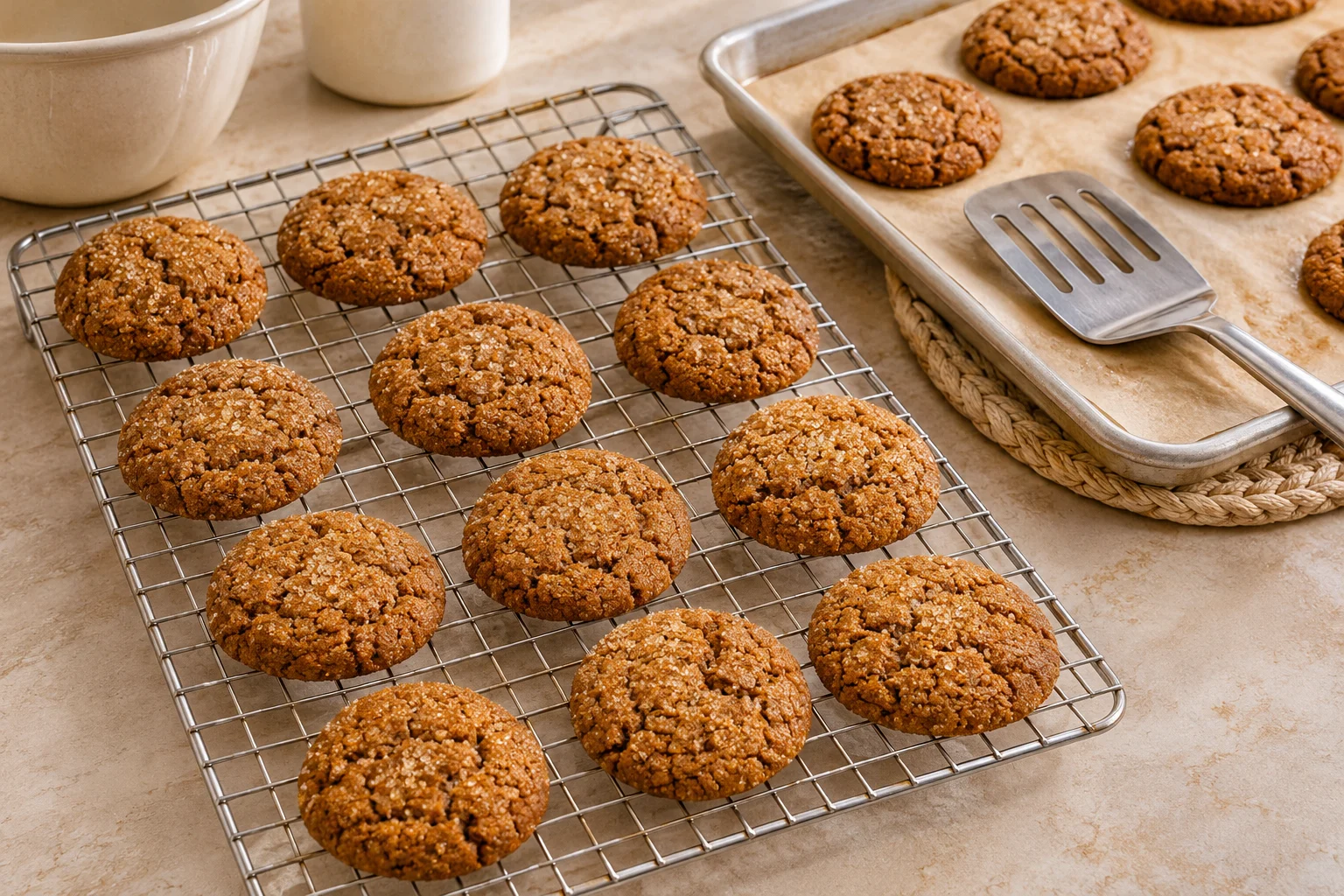
A level scoop helps keep the portions of Ginger Spice Drop Cookies consistent across the tray.
Large scoops and bakery cookies
A large scoop can produce thick substantial cookies, but the recipe needs to support the mass and bake through properly. A 90-gram mound behaves very differently from a 30-gram scoop. Tall dough balls require enough time for the center to set, and oven temperature may need a recipe-specific approach. Don't simply triple a standard cookie's bake time.
For Chocolate Chunk Cookies, spot-check dough balls with unusually large chocolate pieces on the scale.

Converting recipe yield
If your finished dough weighs 960 grams and you want twenty-four equal portions, each cookie should weigh about 40 grams. Sixteen cookies from the same batch would average 60 grams. These calculations estimate raw portion weight, not final baked diameter or bake time. Reserve toppings or extra chocolate separately if the recipe adds them after shaping.
Why scoop capacity changes with technique
A heaped scoop and a neatly leveled scoop dispense different weights. Packing dough firmly into a tool can also alter mass and create a denser shape. If the recipe specifies a rounded mound, follow that description consistently. Do not compare two bakers' scoops by label alone when one compacts dough and the other releases it loosely.

Mix-ins can jam the mechanism
Large chocolate chunks, nuts and sticky dried fruit may obstruct the rotating blade of a spring-loaded scoop. Forcing the handle can bend the tool or crush the dough. Use a larger scoop, spoon and scale, or a recipe with smaller inclusions where appropriate. Uniformity can be achieved without an expensive mechanical disher.
The oats and chips in Oatmeal Chocolate Chip Cookies make a good example of why scoop volume and portion weight can diverge.

Cold dough can be too stiff
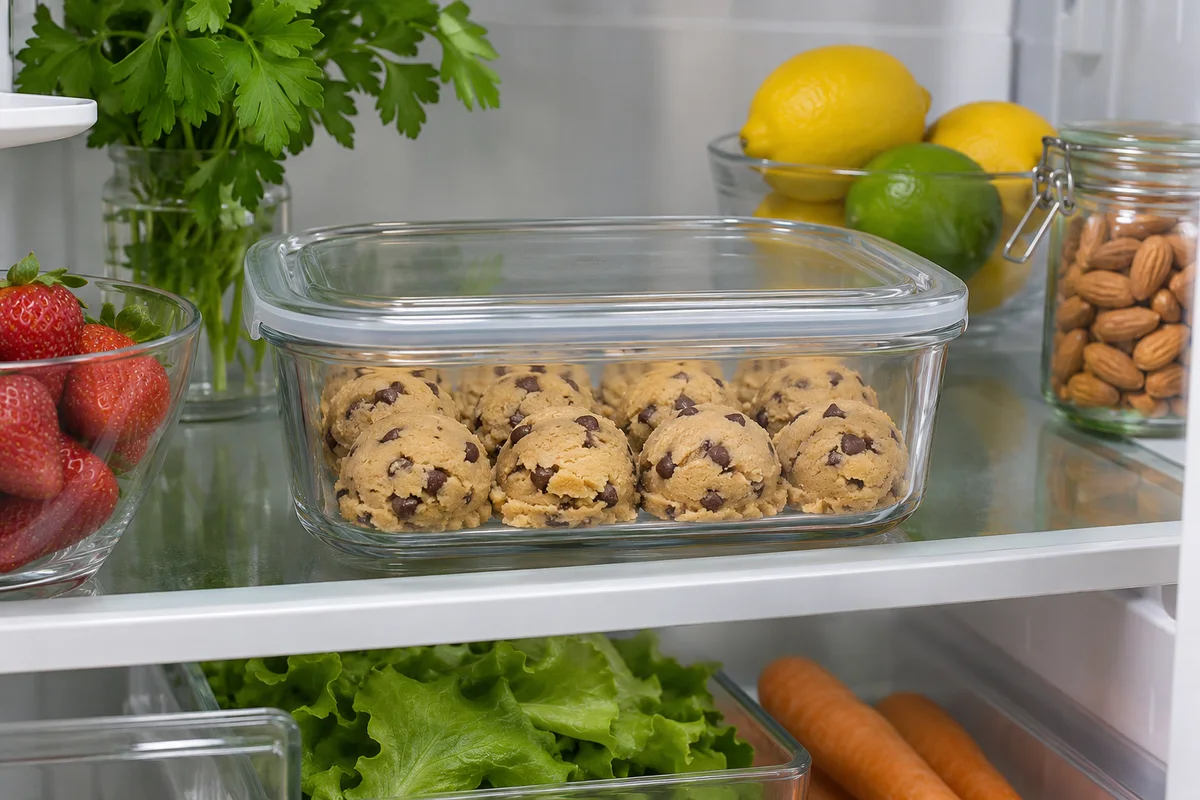
A butter-rich cookie dough may become difficult to scoop after an overnight refrigerator rest. If the recipe permits, portion before chilling and store covered. Another option is a short recipe-approved softening period, but keep perishable raw dough within safe handling limits. Don't microwave a whole bowl simply to force a scoop through it.
Shape after scooping
Some cookies look best when gently rolled into balls, while others should retain an irregular released scoop shape. A tall cylinder may spread differently from a flat patty of the same weight. Follow the recipe's shape and chill guidance. Scooping is only one part of portioning; starting geometry matters for baking.
Tray spacing and capacity
Larger scoops mean fewer cookies should fit on each sheet, allowing room for expansion. A tray crowded with oversized balls creates merged edges and uneven heat exposure. Use the original recipe's spacing or a size-specific validated guide. Keep cookies of similar weight together rather than baking minis beside giant bakery pieces.
Hot pans change the second batch
Fresh butter dough placed on a hot sheet begins melting before the oven, potentially producing a larger flatter cookie than the previous tray. Use another cool sheet or allow it to cool safely. A scoop may dispense identical weights but still produce different baked diameters when the pan temperature differs.
Parchment and mats
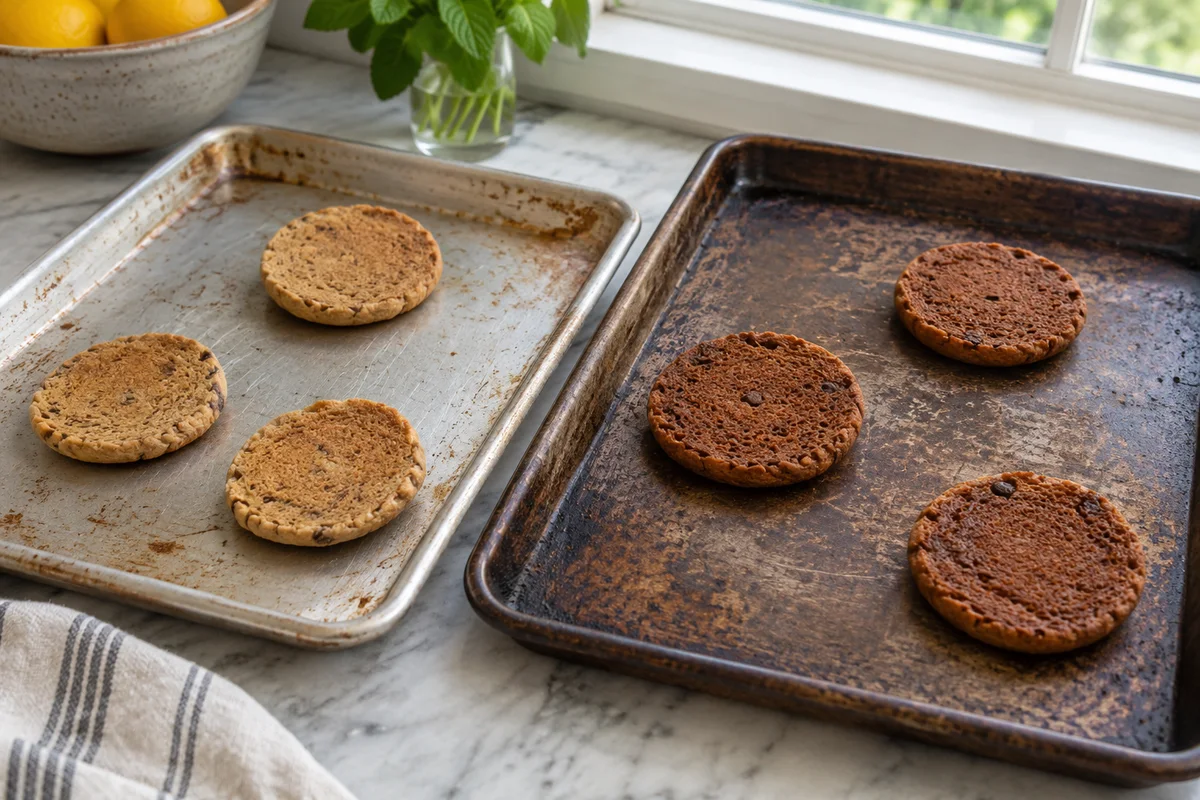
Parchment, silicone and bare metal affect dough contact and may change spread in particular recipes. If you're testing scoop size, hold the liner and pan constant. Otherwise you won't know whether a flatter cookie came from a heavier portion or another surface. Use only oven-rated materials and follow the cookware's temperature limits.
Portioning for sandwich cookies
Matched cookie pairs require similar finished diameters. Weigh equal raw pieces and group them by size, then bake under consistent conditions. Some recipes provide templates for whoopie pies or sandwich rounds that spread differently from ordinary chocolate chip dough. A scoop helps but doesn't guarantee perfect circular edges.
Compare halves of Sugar Cookie with Buttercream Sandwich Cookies before filling them. Matching thickness matters as much as matching diameter.

Portioning for a bake sale
Choose one target grams-per-cookie amount and label the planned packaging count. For example, a bag of three medium cookies may look more consistent than one containing randomly sized pieces. Consider ingredient allergens and safe storage of fillings. Consistency also makes costing easier because one batch's yield can be predicted more accurately.
Mini versus jumbo baking endpoints
Small cookies often crisp quickly; large cookies may stay soft and require careful center assessment. The original recipe's listed minutes belong to its intended portion. If you change size substantially, use a published conversion or test method that ensures full baking. A browned surface can hide raw flour-and-egg dough inside a very large cookie.

A scoop isn't always the best tool
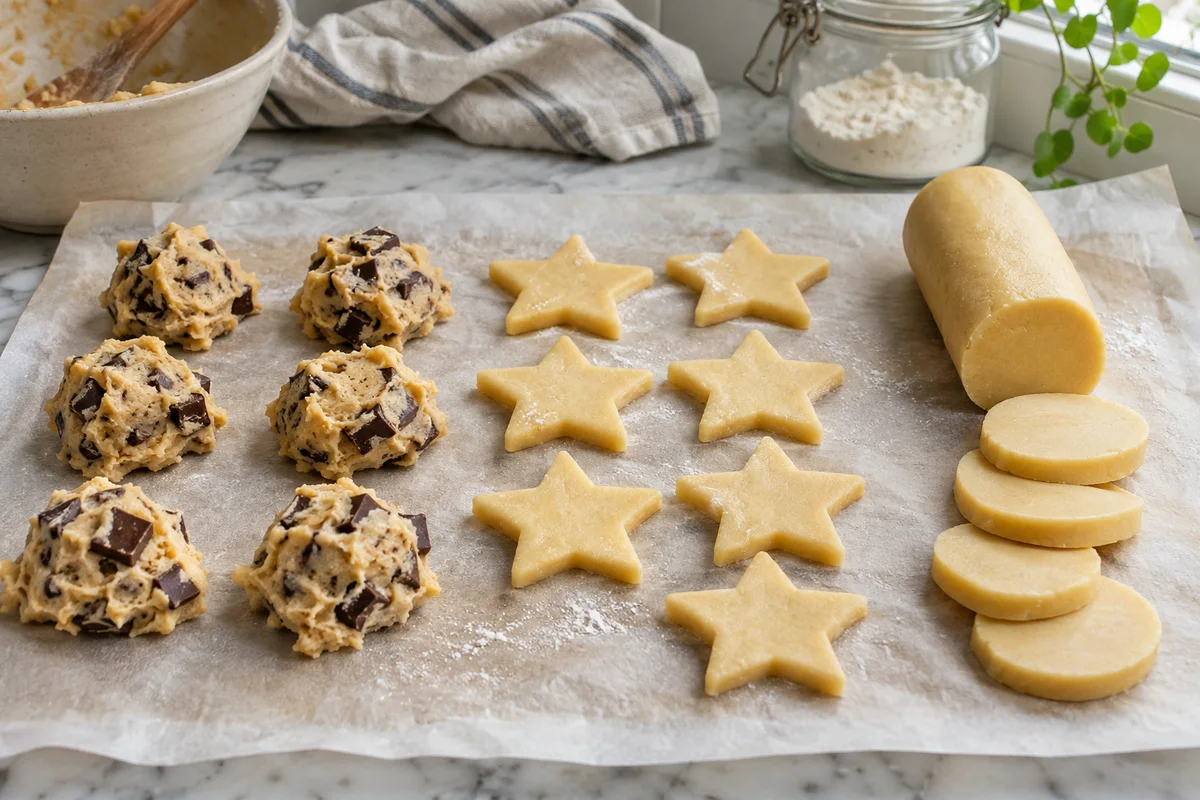
Rolled cutouts need consistent sheet thickness and cutter size, not a spring-loaded scoop. Slice-and-bake logs need even diameter and measured slice thickness. A spoon and scale may work better with stiff shortbread. Choose tools according to the cookie style rather than forcing every dough through one disher.
For cutouts such as Gingerbread Cookies, a fixed rolling thickness and a cutter give better control than a scoop.

Cleaning and durability
Wash and dry scoop mechanisms according to the manufacturer's instructions. Sticky dough trapped around moving parts can create inconsistent dispensing. Some dishers are dishwasher-safe while others are not. A comfortable handle matters if you're portioning hundreds of cookies, and a sturdy simple spoon may be more reliable than a cheap jam-prone mechanism.
A calibration routine
Mark three common scoops with their actual measured capacities or the typical weights for your favourite recipes. Store those notes with the recipe, since dough density differs. When a new recipe says medium scoop, compare its expected yield and portion size before choosing a tool. The notes become more useful than memorizing abstract scoop numbers.
IN PICTURES
From the baking notebook
FROM THE RECIPE BOX


