On this page
The hours between school and dinner can be the hungriest—and busiest—part of a family's day. Children arrive home ready to eat while parents are often juggling homework, work and the evening meal. Preparing a few snacks on Sunday can make those afternoons calmer without turning the weekend into a marathon of cooking.
A manageable Sunday plan is one batch bake, one chilled snack you can serve early in the week, and one snack you’ll assemble fresh. Freeze suitable later-week baked portions individually and take out only what you need.
The best after-school snack plan offers variety, realistic portions and safe storage. Some treats can be baked ahead, others are better assembled fresh, and perishable foods need a place in the refrigerator or freezer. Here's how to prepare a week's worth of approachable snacks while keeping them appealing.
Begin With a Five-Day Plan, Not Five Different Recipes
You don't need a new snack recipe for every school day. Choose one baked option, one fruit or vegetable option and one protein-containing accompaniment based on your household's preferences. You might bake banana muffins, wash fruit and portion an appropriate cheese or yogurt snack.
Think about when the food will be eaten. A snack served immediately after school at home has different packing needs from a snack carried in a backpack without refrigeration for many hours.
For cooked perishable snacks such as egg muffins or breakfast wraps, refrigerate promptly and use them within two to three days, or freeze suitable portions for later in the week. Assemble yogurt cups and other delicate snacks closer to serving.
1. Banana Oat Muffins
Banana muffins are a practical batch bake because ripe fruit adds flavour and the finished muffins are easy to portion. Choose a tested banana-and-oat recipe; oats absorb moisture differently from ordinary flour and aren't always interchangeable.
Cool muffins thoroughly, then store according to the recipe. Some versions freeze well, allowing you to pull out only the number you need. If you add nuts, check school policies and allergy requirements.
Our banana oat muffins use both ground and whole rolled oats. Check the ingredient list, including the optional nuts and the protein powder label. Freeze cooled portions for later in the week instead of relying on the longer refrigerator window in the recipe FAQ.

2. Apple Cinnamon Snack Cake
A simple apple cake can be cut into modest squares after cooling. Choose a recipe intended for the apple variety and amount you have, since extra fruit can make the centre wet.
Pack cake portions individually only after they have fully cooled. Avoid perishable frosting when refrigeration won't be available, and follow the recipe's storage instructions.
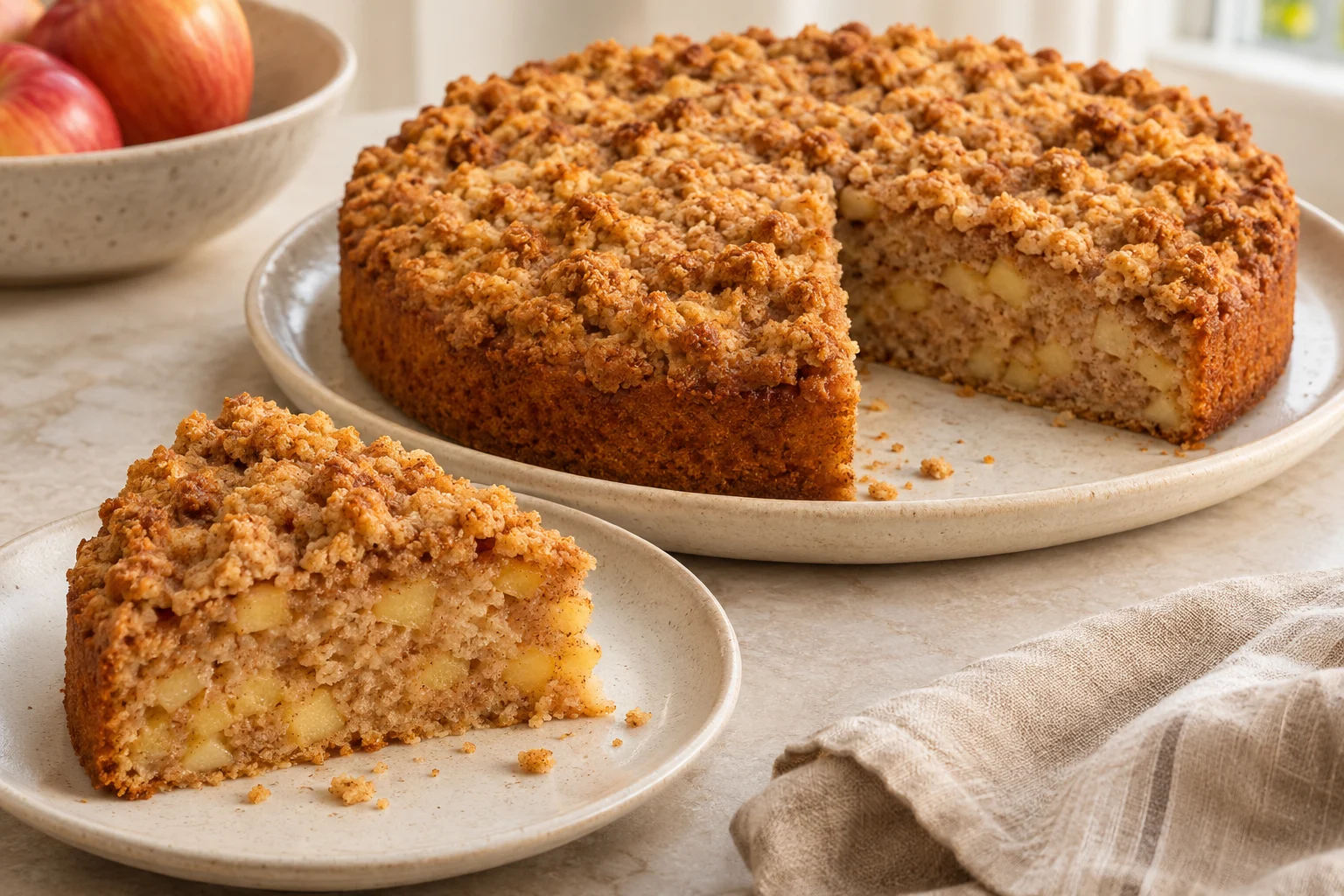
Our apple cake with cinnamon streusel uses diced apples and has no cream-cheese frosting. Let the round cake cool before cutting it into small slices.
3. Homemade Oat Bars
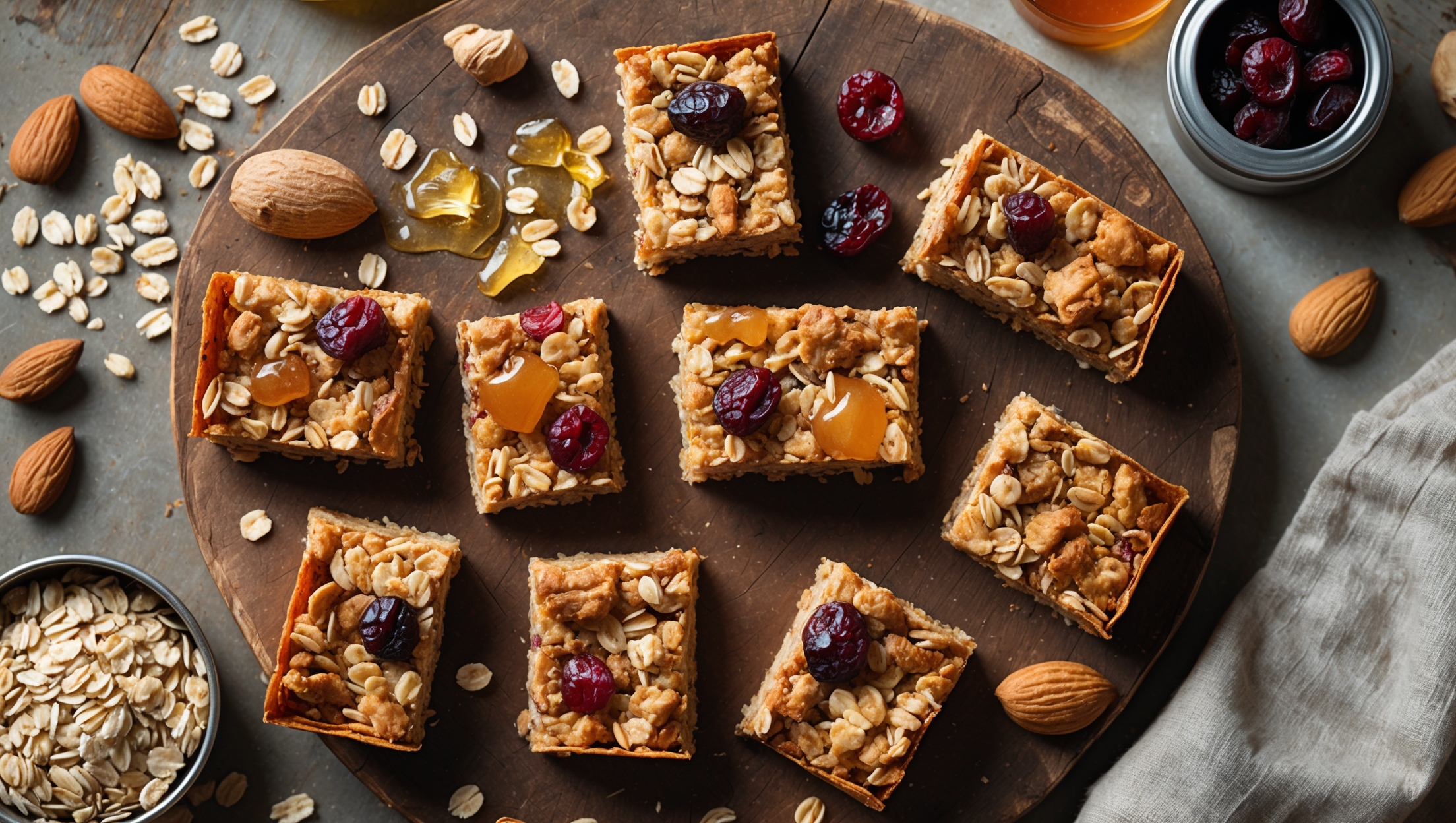
Oat bars are convenient when they hold together well enough for small hands. A baked bar formula may include oats, dried fruit or other appropriate ingredients. Use a recipe designed to bind those mix-ins rather than adding arbitrary quantities to a granola recipe.
Check for peanuts, tree nuts and seeds, especially when food will be taken to school. A household-friendly version is not automatically suitable for a classroom with restrictions.
If you’d rather freeze a batch of individual cookies, try the Oatmeal Chocolate Chip Cookies. Use the full baking method for the cookies and cool them before packing. The photo below illustrates a separate oat-bar option.
4. Mini Muffins
Mini muffins can help with portioning when children want a small snack rather than a full bakery-sized treat. Use a recipe written for miniature muffin cups or one that supplies tested conversion directions.
Do not rely on the baking time for standard muffins. Smaller bakes can dry quickly, so follow the recipe's doneness guidance and cool before storing.
Pick a banana, zucchini or apple batch of our mini muffins. The recipe uses no added nuts and contains wheat, milk and eggs. Read the full ingredient labels and check school rules before packing.

5. Sliced Apples and a Suitable Dip
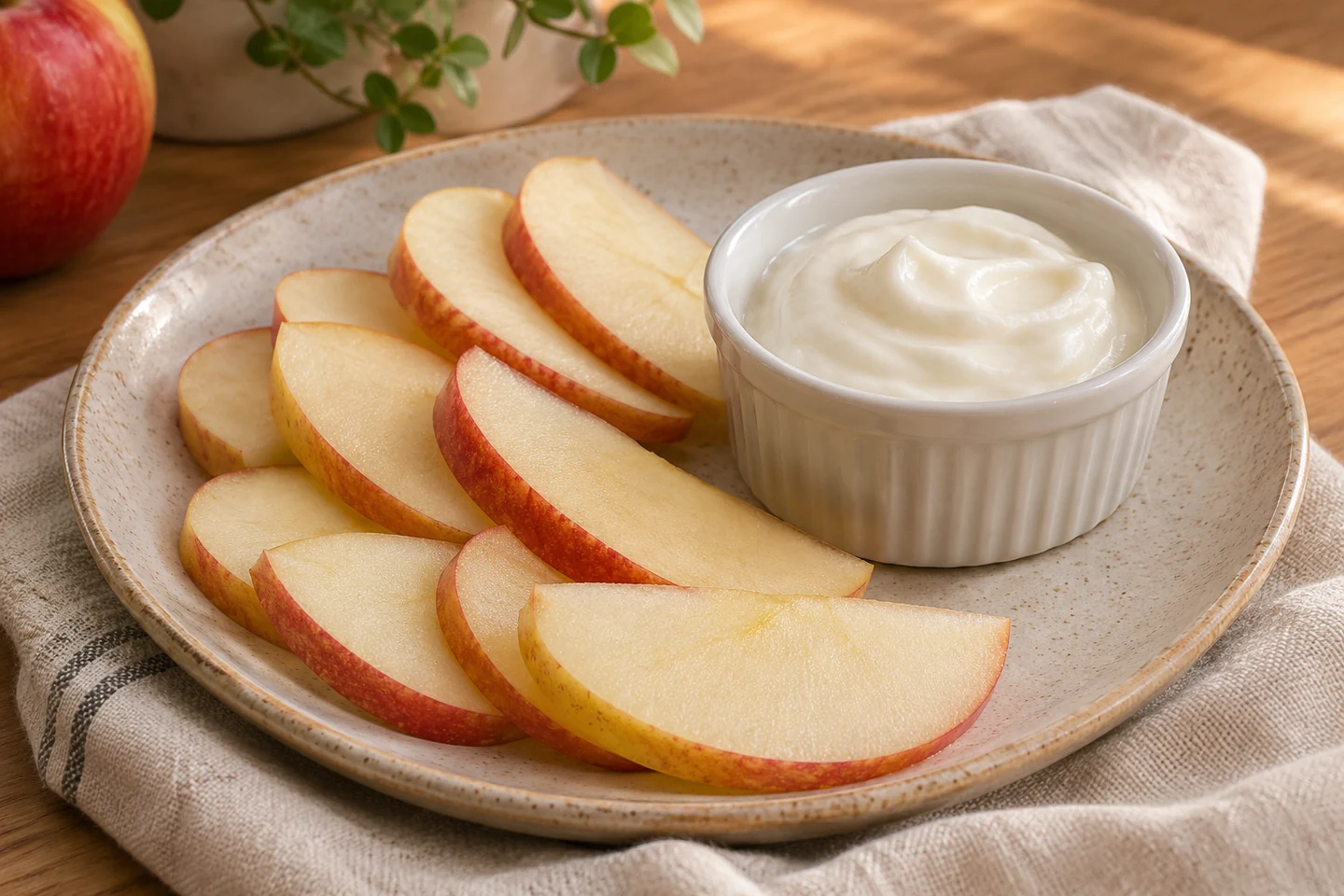
Wash apples under running water before cutting them. Slice closer to serving when you can, since cut apples may brown or soften. For children under four, finely grate the apple, cut it into narrow strips or cook it until soft.
Yogurt-based or other perishable dips must stay refrigerated. Nut-based dips require careful allergy awareness and may not be appropriate for school settings.
6. Yogurt and Fruit Cups
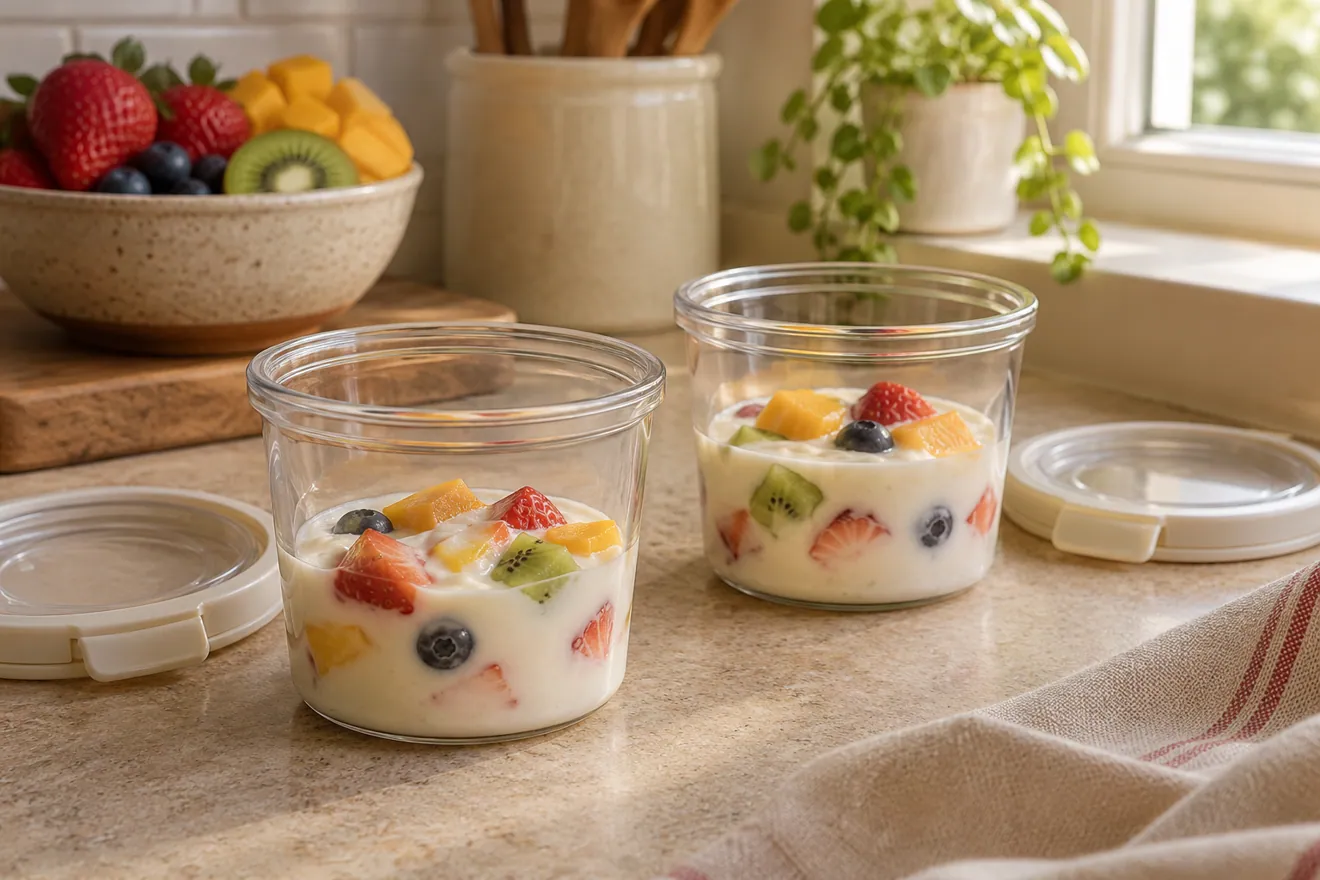
A small reusable container of yogurt with fruit makes an easy after-school snack at home. Portion into clean containers and keep them refrigerated; add granola at serving time for crunch.
If packed for school or an outing, provide appropriate temperature control such as a suitable insulated bag and ice pack, following food-safety guidance.
For a mix of chopped fruit stirred into yogurt, portion our fruit and yogurt salad into individual cups and keep them chilled until serving.
7. Savoury Cheese and Cracker Boxes
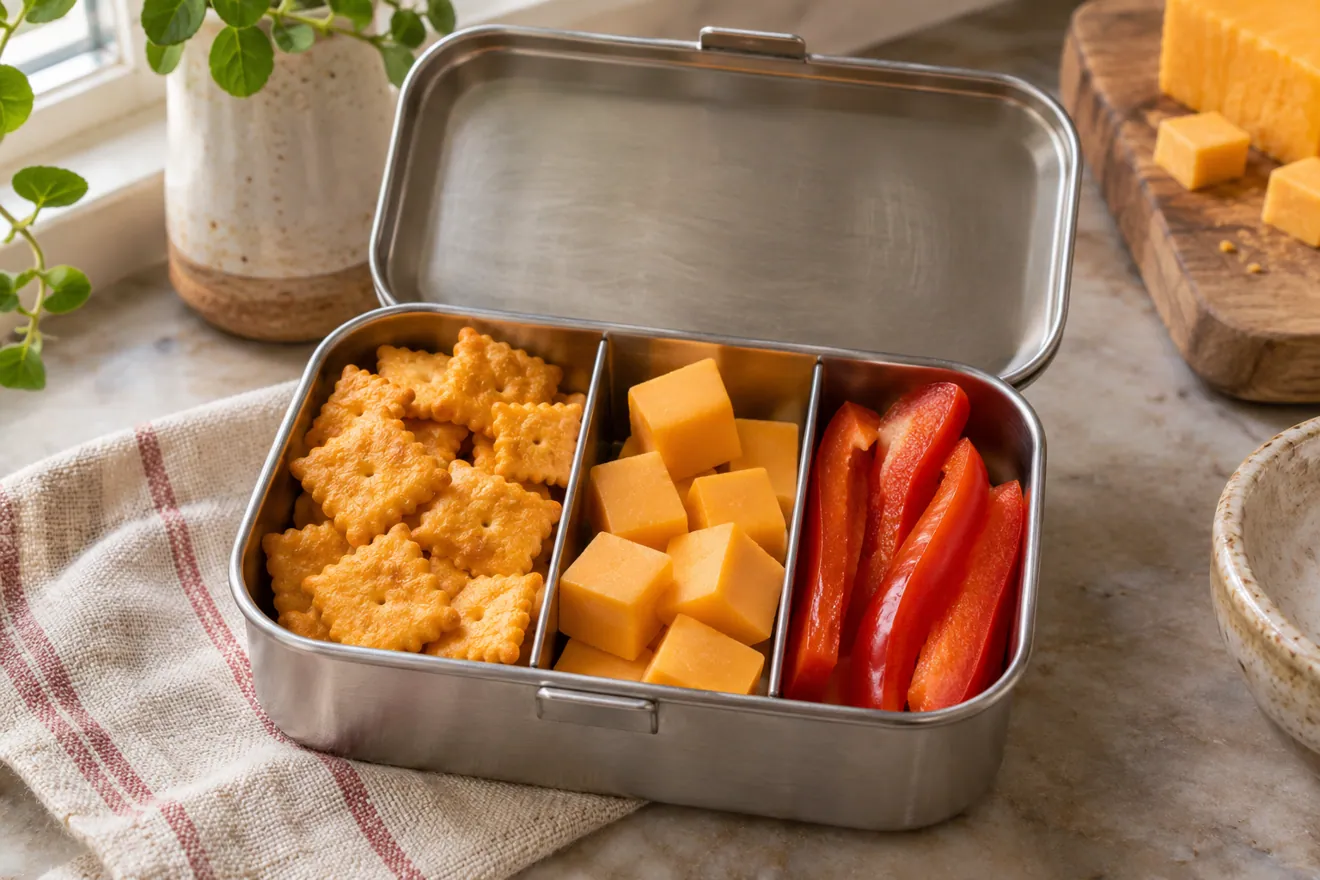
Not every snack needs to be sweet. A small selection of crackers, sliced vegetables and cheese can be satisfying. The crackers are best packed separately to avoid absorbing moisture from fresh ingredients.
Cheese and other perishable ingredients must be refrigerated until serving or carried under suitable cold conditions. Check any age-related choking hazards and cut foods appropriately.
Pack a serving of our homemade cheese crackers with string cheese or cheese cubes with age-appropriate vegetables, keeping the cheese cold and the crackers dry.
8. Homemade Banana Bread
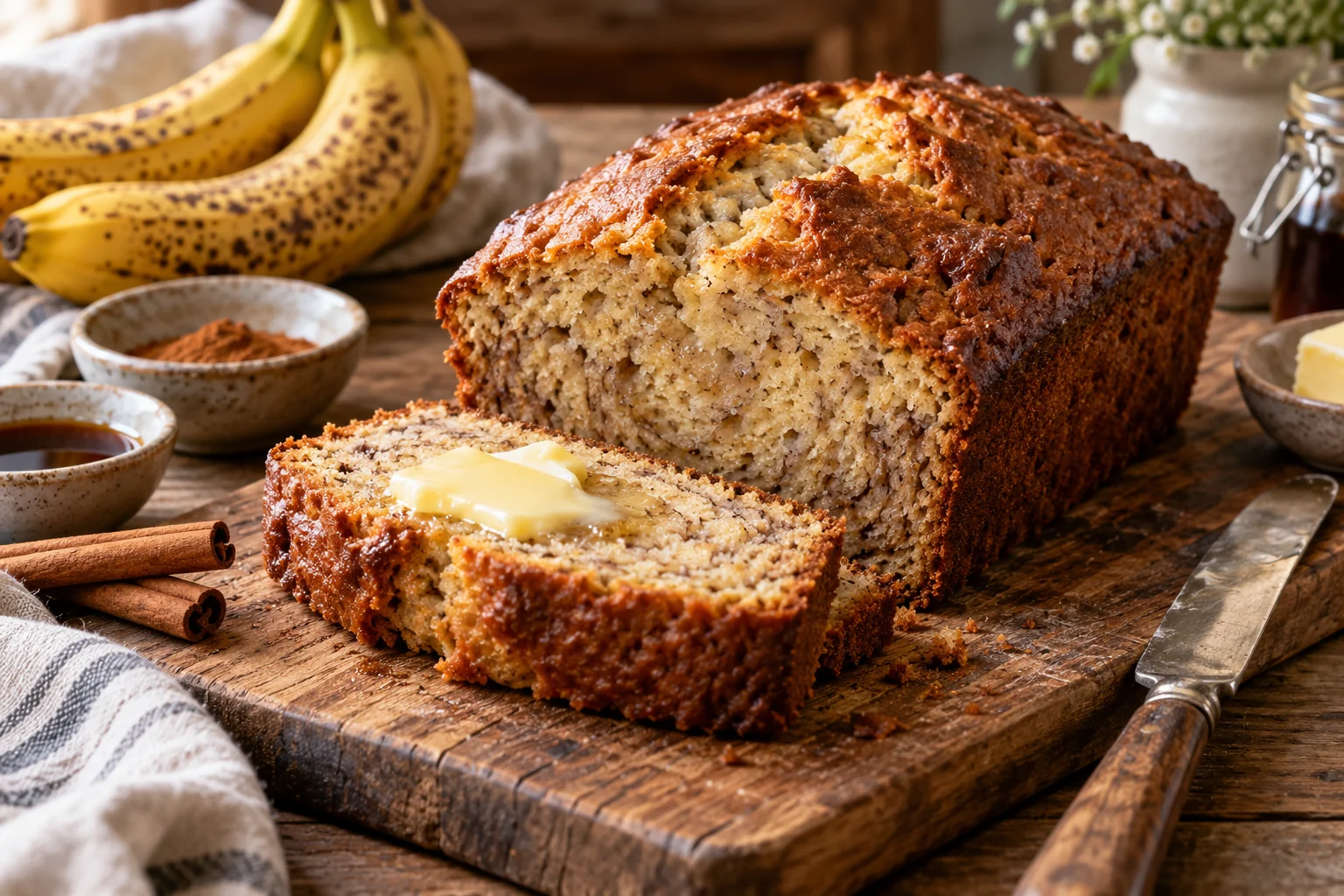
A slice of banana bread can be a convenient alternative to a muffin. Bake a loaf according to a recipe with clear storage directions, cool it fully and slice into small portions.
If the loaf contains fresh cream, cream cheese filling or another perishable component, follow its chilled-storage instructions. Plain and filled loaves shouldn't be treated identically.
Our Classic Banana Bread includes instructions for cooling, slicing and freezing individual portions. Allow for the full baking and cooling time in your Sunday plan. Its nuts are optional, but omitting them does not make the recipe free of other allergens or automatically suitable for school.
9. Veggie Muffins
Savoury muffins with grated vegetables or cheese can provide a different flavour from sweet snacks. Use a formula designed to handle the vegetables' moisture; substituting a large volume of raw zucchini into a plain muffin batter may make it soggy.
Many savoury muffins contain cheese or other high-moisture ingredients requiring refrigerated storage. Check the recipe before making a large batch.
Our breakfast egg muffins include bell pepper, onion and spinach. Cook the centres to 74°C (165°F), refrigerate promptly and use within two to three days or freeze. If packing them, keep them at 4°C (40°F) or colder until eaten.

10. Whole-Grain Toast with Toppings
At home, toast is an easy fresh snack that doesn't require Sunday cooking. Prepare the toppings and ingredients ahead, then toast the bread just before eating so it stays crisp.
Choose spreads that meet the child's dietary needs and storage requirements. Perishable toppings such as ricotta or yogurt should be kept cold.
If you want a homemade base, bake our classic whole wheat bread ahead and toast a slice just before serving.

11. Fruit and Oat Energy Bites
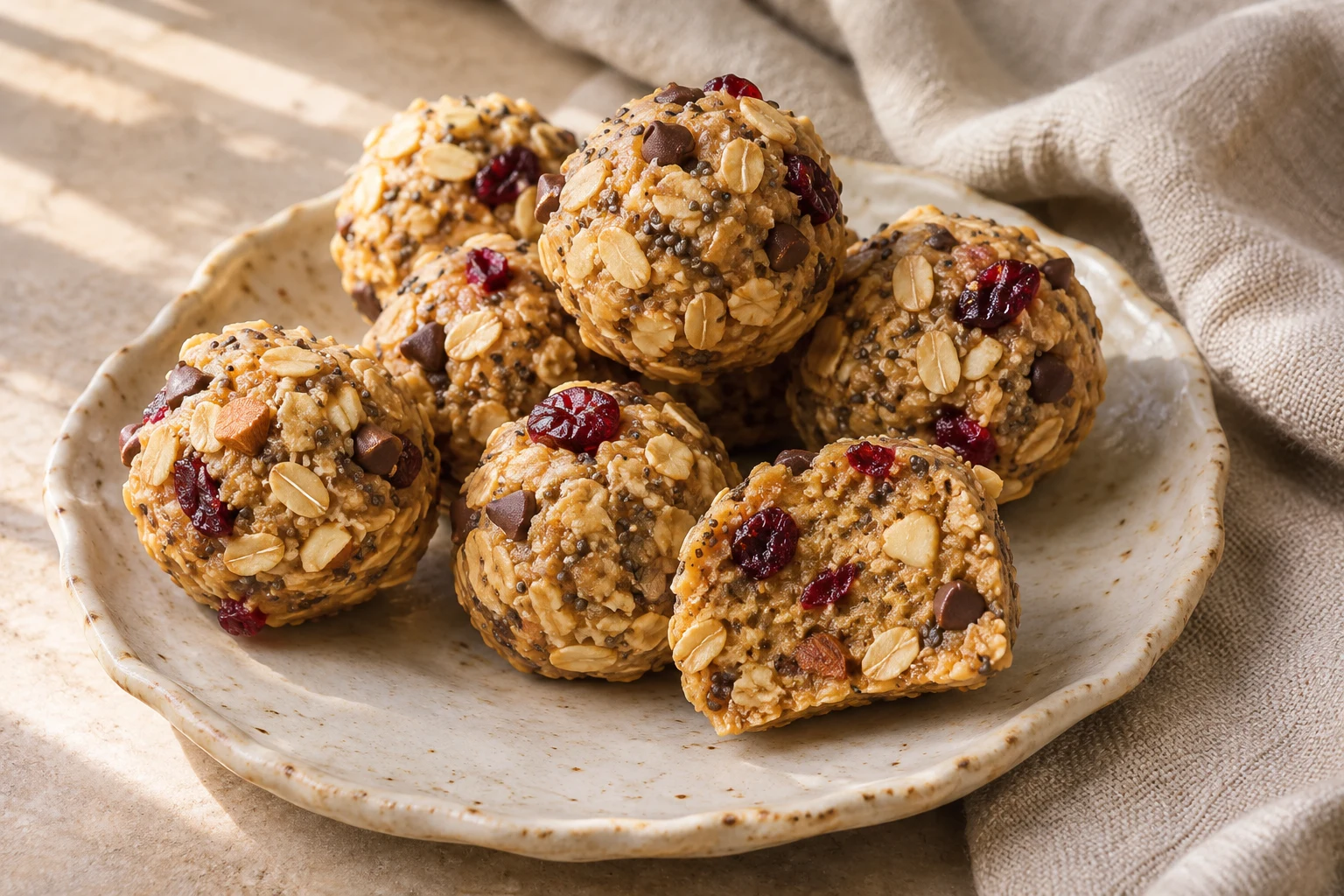
Our Mini No-Bake Power Bites are a recipe-specific option for households where their ingredients and texture are suitable. They contain nut butter and chopped almonds as well as seeds and dried fruit. Check the child’s needs and school rules before choosing them; changing the nut butter alone does not remove the chopped almonds. The live recipe’s allergen FAQ now gives the same clarification. Include the recipe’s chilling stages in your preparation time.
Use a no-bake recipe made with ingredients suitable for eating without further cooking. Keep ordinary dough and batter out of energy bites.
Skip these sticky bites for children under four. Choose a snack sized and prepared for the child’s chewing ability. Keep the bites chilled, and plan a small batch for early in the week. The recipe does not establish a validated five-day preparation plan.
12. Small Breakfast Wraps
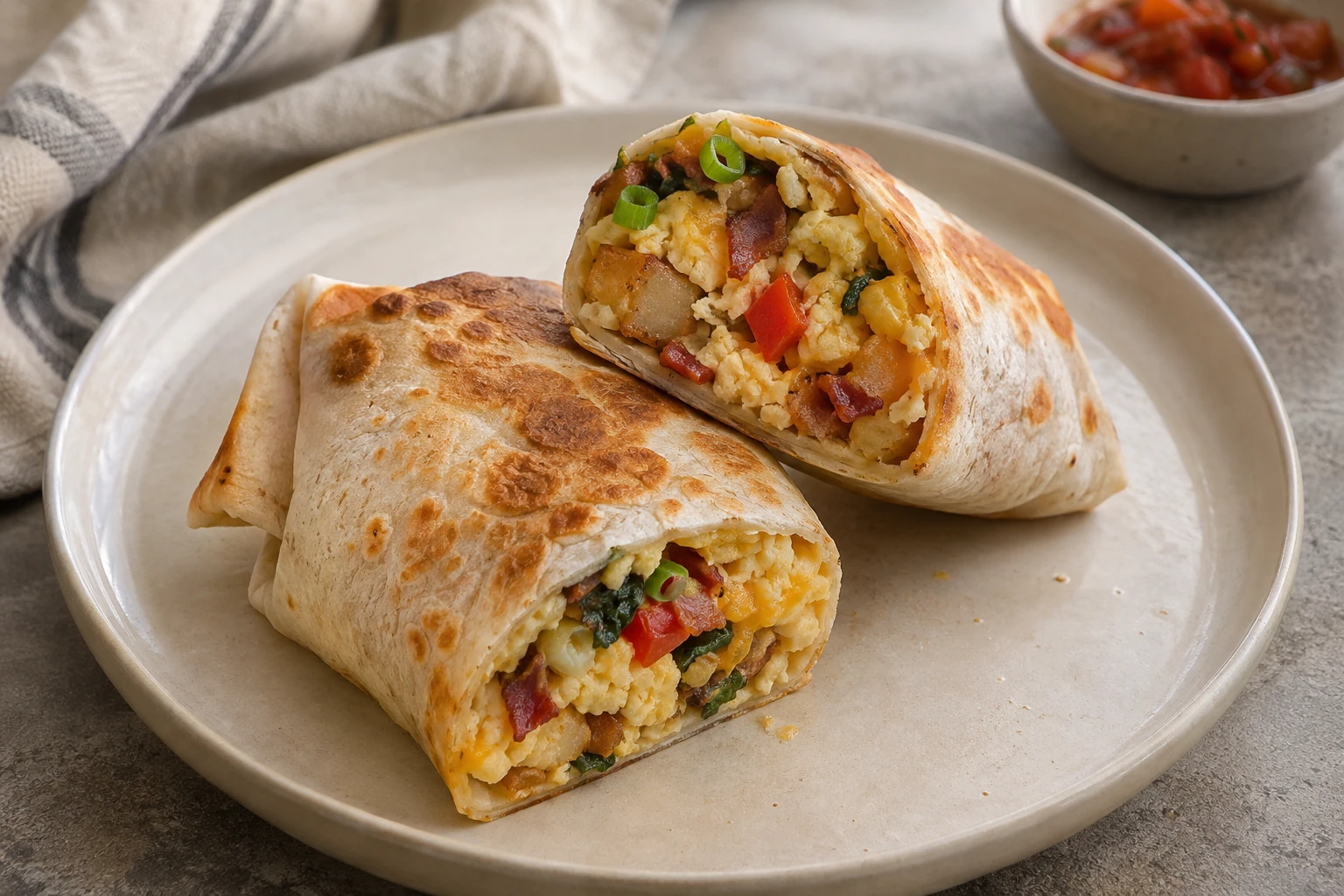
A small tortilla with a suitable savoury filling can be an after-school option. Cook any egg or meat components safely, chill promptly and reheat according to the chosen recipe.
Assembling close to serving helps prevent a soggy tortilla. Avoid preparing far more wraps than your family can safely store and eat.
Our air-fryer breakfast burritos use full-size tortillas. Cook the eggs to 74°C (165°F) before assembling. Cut the finished burritos into snack portions, chill leftovers promptly and reheat the centre to 74°C (165°F) if serving hot.
Make a Simple Sunday Preparation Schedule
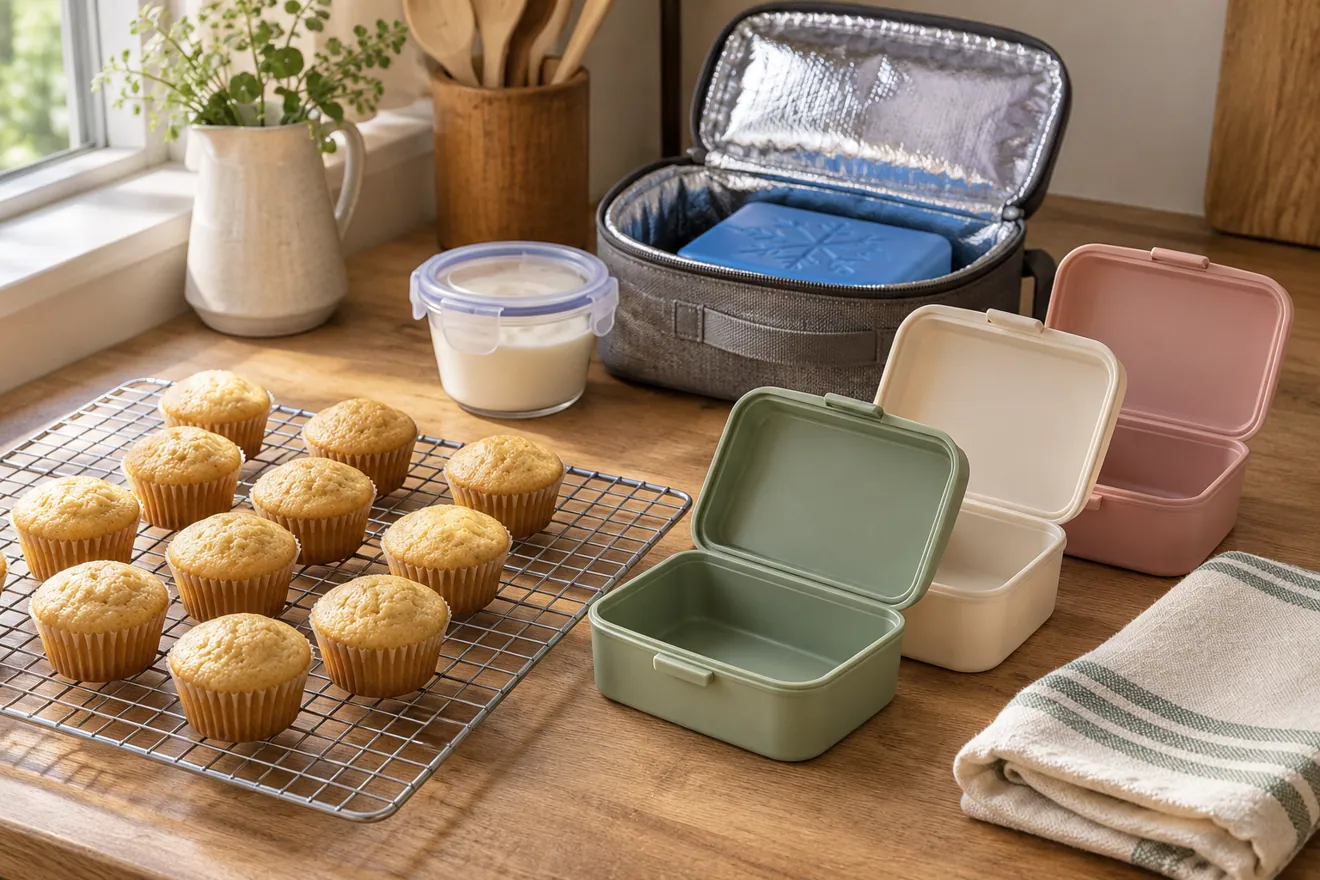
First: choose one batch bake and check ingredients. Second: bake muffins or loaf cake and allow full cooling. Third: wash and portion appropriate produce. Fourth: portion perishable components into clean containers and refrigerate promptly, following the cooling guidance below. Fifth: label freezer portions and create a short list of what to serve each afternoon.
If making several items, stagger the work so a cake isn't waiting on the counter while you finish another lengthy recipe.
Let plain baked muffins and loaf slices cool as directed before wrapping to avoid condensation. Handle perishable cooked fillings differently: refrigerate them promptly in shallow portions rather than leaving them out while another recipe finishes.
What to Freeze Instead of Refrigerate
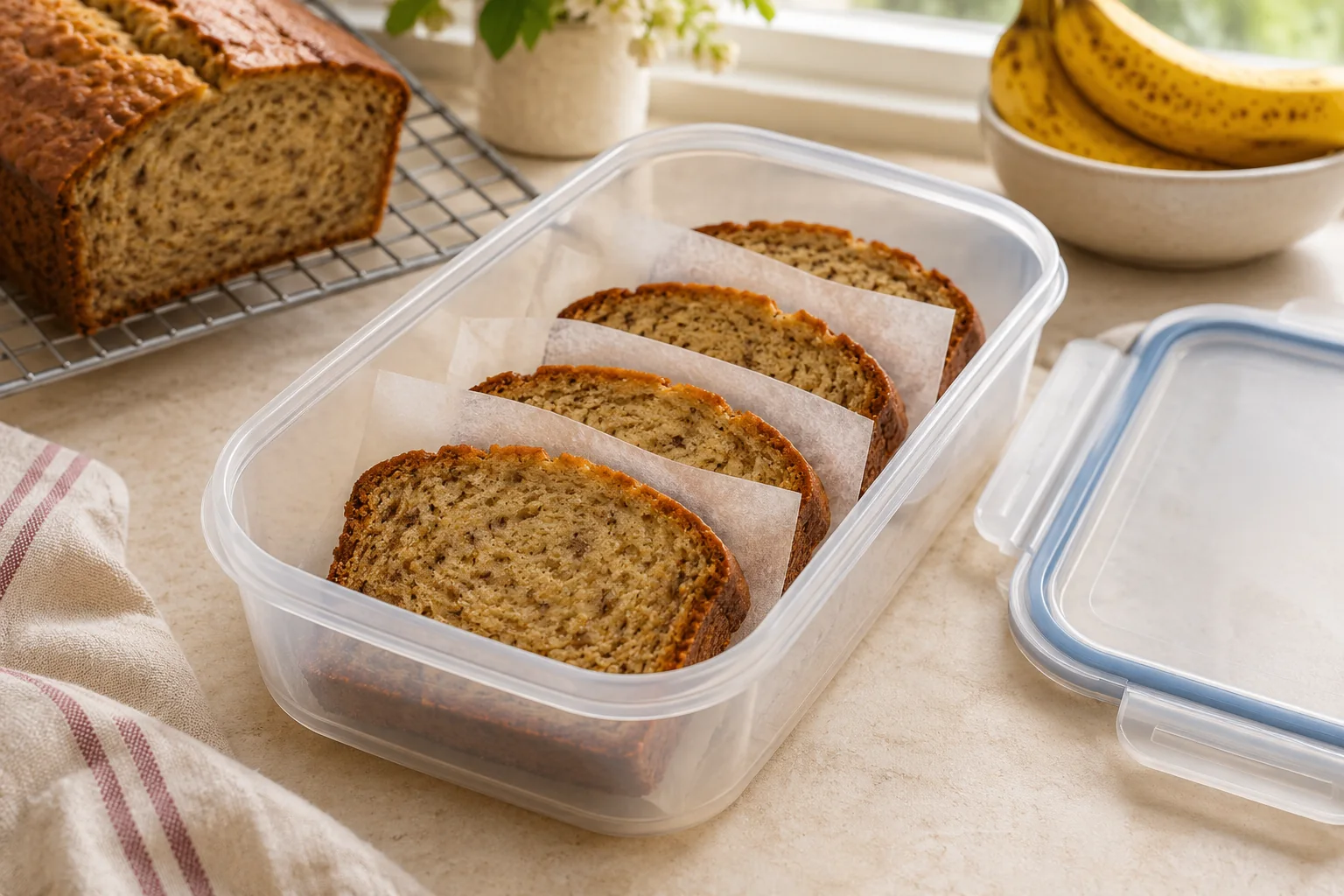
Some plain muffins, loaf slices and certain baked bars freeze well when their recipes allow it. Wrap cooled portions suitably and label the food and date. Defrost in a way that fits the item's ingredients and the recipe's handling instructions.
Not all snacks freeze successfully. Fresh cut apples may soften, yogurt textures can change and creamy fillings may separate. Choose freezer-friendly recipes rather than attempting to freeze every snack.
Use a sheet of parchment between cooled banana bread slices so you can remove one portion at a time. Label the lot with the bake date and any ingredients you need to check again before sharing. Keep unwrapped fruit and chilled yogurt separate so moisture doesn’t soften the bread.
How to Pack School Snacks Safely
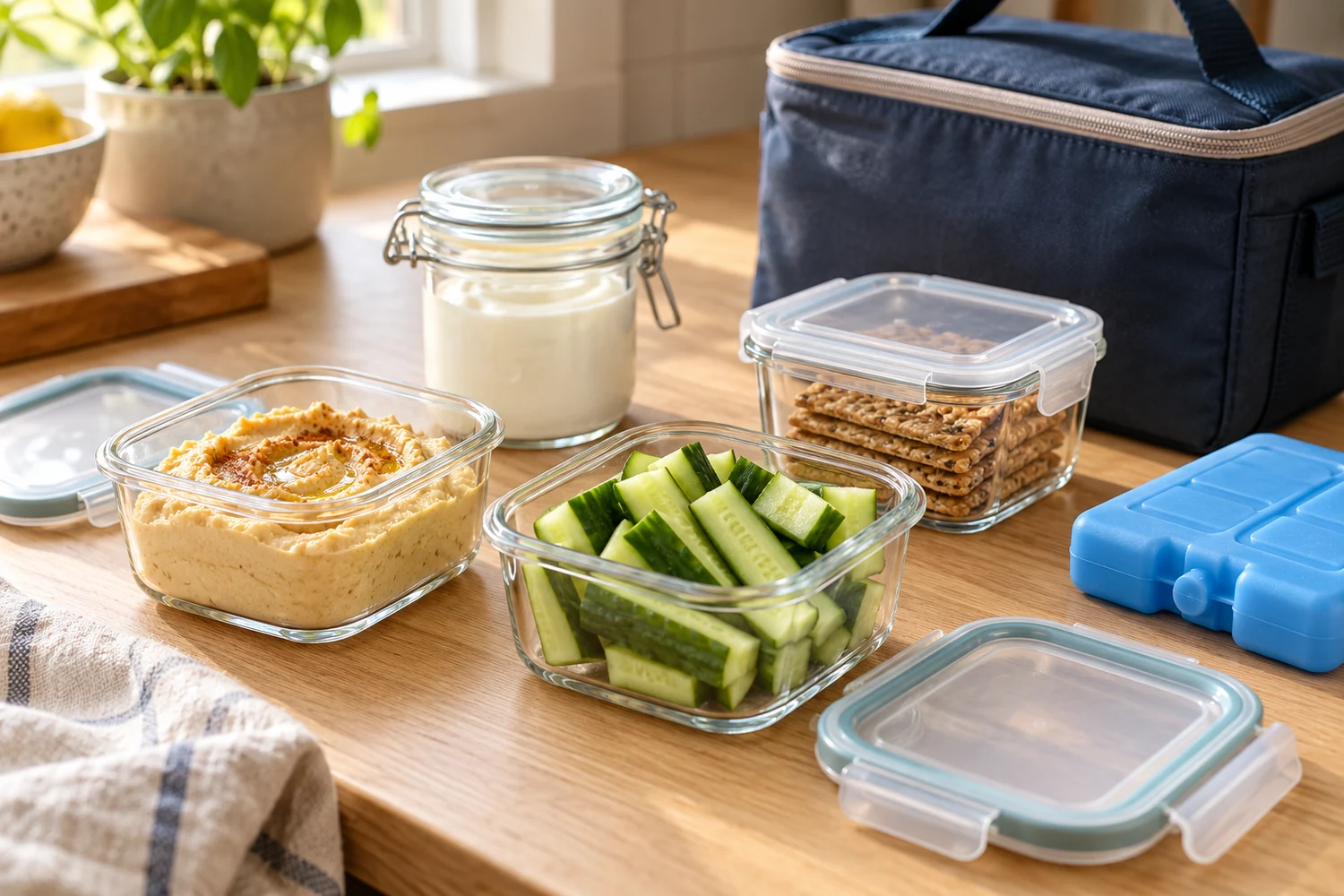
Confirm school food policies, including restrictions on nuts and other allergens. Pack perishable items with appropriate temperature control, and ensure containers close securely. A snack may sit in a bag much longer than expected if classes or activities run late.
Provide realistic portions and an age-appropriate eating method. Hard whole nuts, large firm pieces of food and similar ingredients may be choking hazards for younger children.
Keep perishable snacks such as cheese, yogurt and cooked fillings at 4°C (40°F) or colder. Use an insulated bag with an ice pack and refrigerate at school if that is possible. Check the current school rules and read ingredient labels and precautionary statements.
Balance Sweet and Savoury Choices
A week of muffins alone may become boring. Pair a sweet bake with options such as cheese and crackers, sliced vegetables or yogurt when appropriate. Encourage children to choose between two prepared options rather than opening every container at once.
For children with specific nutritional needs, a qualified health professional may provide individualized advice; this article focuses on general kitchen planning.
What If Your Child Won't Eat Prepared Snacks?
Ask what textures and flavours they actually enjoy before baking. A child who likes fresh crisp apples may not want soft baked apple bars. Involve them in choosing two reliable options, and make smaller batches until you know what works.
Preparing a snack is meant to reduce stress, not to turn eating into a negotiation. Variety within a small menu can be easier to manage than constant novelty.
A Sample Five-Day After-School Snack Rotation
Monday: banana muffin with suitable fruit. Tuesday: yogurt and granola at home. Wednesday: savoury crackers and cheese with vegetables. Thursday: a safely thawed loaf slice and fruit. Friday: toast with an age-appropriate topping or a small baked bar.
Adapt this example to your household's preferences, allergies and food-storage options rather than following it rigidly.
Common Snack-Prep Mistakes
Baking too much: food goes uneaten or stale. Packing warm muffins: condensation softens them. Ignoring allergens: a school snack may violate policy or put someone at risk. Storing everything at room temperature: perishable ingredients need refrigeration. Preparing cut fruit too early: texture and appearance may suffer.
Frequently Asked Questions
What is the easiest snack to batch bake on Sunday?
Hand-mixed muffins or a simple loaf cake are approachable when the recipe includes clear storage and freezing directions.
Can homemade snacks stay in a backpack all day?
It depends on their ingredients and conditions. Perishable foods require suitable cold handling; check school policies and food-safety recommendations.
Should I prep five different snacks?
Usually not necessary. One or two batch bakes plus fresh or savoury options can provide enough variety for a week.
How do I reduce snack waste?
Ask children which options they actually like, make smaller batches, freeze recipe-approved extras and rotate choices rather than making everything at once.
Make Afternoons Easier Before Monday Arrives
A good Sunday snack plan doesn't require a refrigerator filled with identical containers. Bake one dependable treat, prepare a few simple fresh options and store everything according to its needs. When children come home hungry, the work is already mostly done.
IN PICTURES
From the baking notebook
FROM THE RECIPE BOX


